
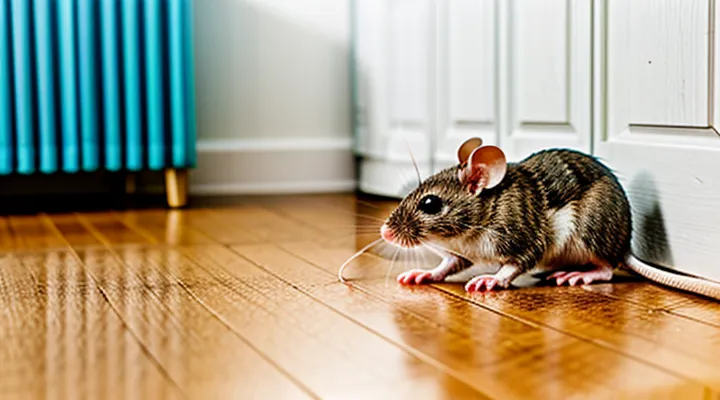
«Initial Steps When You Suspect a Dead Mouse»
«Locating the Source»
«Visual Inspection»
Visual inspection is the first decisive step when addressing the odor left by a deceased rodent in an interior space. The objective is to locate the source quickly, preventing prolonged exposure to unpleasant fumes and reducing the need for extensive remediation.
Begin by clearing the immediate area of movable objects—furniture, rugs, and boxes—to expose floor surfaces and wall junctions. Use a bright, handheld lamp or a headlamp to illuminate corners, under furniture, and behind appliances. The light source should be angled to reveal any discoloration, fluid stains, or tissue remnants that indicate decomposition.
Identify common hiding places:
- Gaps between baseboards and walls
- Behind or beneath kitchen cabinets and pantry shelves
- Inside wall cavities accessed through vent grilles or utility openings
- Underneath large furniture pieces, especially sofas and beds
- Inside closets, especially where stored items create dark, undisturbed zones
Inspect each location for the following visual cues:
- Darkened patches or greasy stains on surfaces
- Small, curled fur clumps or hair strands
- Blood spots, often reddish‑brown, that may have seeped into wood or drywall
- Presence of droppings that are unusually fresh or wet, suggesting recent activity
If the inspection reveals a concealed carcass, mark the exact spot with tape or a removable marker. Document the findings with photographs to guide subsequent removal and cleaning procedures. In the absence of a visible body, expand the search to adjacent rooms, paying particular attention to concealed spaces such as crawl spaces or attic access panels.
When visual evidence is inconclusive, supplement inspection with a low‑level odor detector or a disposable scent‑absorbing strip placed near suspected areas. This secondary measure helps confirm hidden sources without resorting to invasive demolition.
Concluding the visual assessment, proceed to safely extract the remains using disposable gloves, sealed bags, and a disinfectant solution. Follow the inspection notes to ensure complete removal, then continue with odor‑neutralizing treatments.
«Olfactory Detection Tips»
Detecting the source of a rodent carcass odor is the first step in neutralizing it. Begin by scanning the room with a focused sense of smell, moving slowly from one corner to the next. Pay attention to areas where airflow is limited, such as behind furniture, under appliances, or within wall voids. The odor often intensifies near the decomposition site, producing a sharp, sour, or ammonia‑like scent.
- Use a handheld fan or open a window to create a gentle breeze; the wind will carry the strongest whiff toward you, revealing the approximate location.
- Place a clean cotton swab or folded paper towel near suspected spots; after a few minutes, the swab will absorb residual vapors, confirming the presence of decay.
- Employ a UV flashlight in dark corners; decomposition fluids may fluoresce, indicating hidden moisture that accompanies the smell.
- If the odor persists despite visual inspection, introduce a small amount of activated charcoal in a breathable pouch and move it around the room; the charcoal will attract volatile compounds, highlighting the area with the highest concentration.
Once the precise spot is identified, remove the carcass promptly, seal it in a plastic bag, and dispose of it according to local regulations. Follow with thorough cleaning, using an enzymatic cleaner to break down remaining organic residues, and finish with a neutralizing agent such as a vinegar‑water solution or commercial odor absorber. Proper ventilation throughout the process ensures that lingering fumes are expelled, restoring a fresh indoor atmosphere.
«Safety Precautions»
«Gloves and Masks»
When dealing with a deceased rodent, protective equipment prevents exposure to bacteria, parasites, and odor‑binding compounds. Gloves create a barrier between skin and contaminated surfaces, while masks block inhalation of airborne particles and volatile organic compounds released during cleaning.
Choose disposable nitrile gloves for chemical resistance and puncture protection; latex gloves are acceptable if no allergies are present. For extended tasks, consider heavy‑duty rubber gloves that can withstand stronger disinfectants. A properly fitted N95 respirator filters at least 95 % of airborne particles, offering superior protection compared to standard surgical masks. If a higher level of filtration is required, use a half‑face respirator with P100 cartridges.
Effective use of gloves and masks involves three steps:
- Inspect each item before wearing; replace damaged gloves and ensure the mask seal conforms to the face.
- Wear gloves and mask before any contact with the carcass, bedding, or cleaning solutions.
- Remove equipment carefully: peel gloves inside‑out, discard them immediately, and store the mask for reuse according to manufacturer instructions.
By adhering to these precautions, the risk of contaminating the environment and aggravating the odor is minimized, allowing subsequent deodorizing measures to work efficiently.
«Ventilation»
Effective ventilation eliminates odor by replacing contaminated air with fresh outdoor air and accelerating the breakdown of volatile compounds. Begin by creating a cross‑draft: open windows on opposite sides of the room, then position a box fan to blow air outward through one opening while another fan draws fresh air in through the opposite opening. Maintain this airflow for at least two hours, adjusting fan speed to achieve a steady breeze.
Supplement natural draft with mechanical assistance:
- Place an exhaust fan in the ceiling or near the source of the smell; run it continuously until the odor dissipates.
- Use a portable air purifier equipped with a HEPA filter and activated carbon; set it on high for the first 30 minutes, then lower to medium.
- If the HVAC system includes fresh‑air intake, increase the outdoor air percentage and run the system on the “fan‑only” setting.
Control humidity, because damp conditions slow odor removal. Deploy a dehumidifier to keep relative humidity below 50 %. Low moisture levels prevent bacterial growth on the decomposing tissue, reducing additional foul scents.
After the primary ventilation phase, keep windows slightly ajar for several hours to maintain air exchange. Verify the absence of odor by performing a brief sniff test at various points in the room. If traces remain, repeat the cross‑draft procedure and extend the operation of the exhaust fan. Continuous airflow until the smell is no longer detectable ensures complete eradication.
«Removing the Deceased Rodent»
«Gathering Supplies»
«Plastic Bags»
Plastic bags serve as an effective barrier when dealing with the odor left by a deceased rodent. By enclosing the carcass, the bag traps volatile compounds, preventing them from spreading throughout the space.
To use plastic bags for odor control:
- Wear disposable gloves, locate the mouse remains, and place them directly into a heavy‑duty polyethylene bag.
- Seal the bag tightly, expelling as much air as possible before tying a knot.
- Add a desiccant such as baking soda or activated charcoal inside the sealed bag to absorb residual smells.
- Place the sealed bag in an outdoor trash container or a freezer until disposal is possible.
The impermeable nature of the material also allows the bag to be positioned over contaminated surfaces. Lay a bag flat, sprinkle a neutralizing agent, and let it sit for several hours; the bag prevents the agent from evaporating and concentrates its effect on the source.
After removal, clean the area with a mild detergent, then wipe down surrounding objects with a solution of water and vinegar. Discard the used bag in a sealed waste bin to avoid re‑release of odor. This method minimizes exposure, contains the source, and speeds the elimination of the unpleasant smell.
«Disinfectant»
Disinfectant eliminates the microbial source of the foul odor left by a deceased rodent and breaks down volatile compounds responsible for the smell.
Choose a product that contains quaternary ammonium compounds, hydrogen peroxide, or bleach (sodium hypochlorite). Verify that the formulation is safe for indoor use, compatible with the room’s surfaces, and labeled for odor control or bio‑hazard decontamination.
Apply the disinfectant according to the following steps:
- Remove the carcass and any visible debris; dispose of them in a sealed bag.
- Clean the area with warm, soapy water to lift organic material.
- Dilute the disinfectant to the manufacturer‑recommended concentration.
- Saturate the affected zone, including walls, floors, and any porous items, ensuring complete coverage.
- Allow the solution to remain for the contact time specified on the label (typically 5–10 minutes) to achieve full microbial kill.
- Rinse surfaces with clean water if the product requires it; otherwise, let the solution air‑dry.
After treatment, increase airflow by opening windows or using fans for at least 30 minutes. If the odor persists, repeat the application, focusing on hidden crevices and upholstery. Proper disposal of cleaning materials and adherence to safety instructions prevent secondary contamination.
«Paper Towels»
Paper towels are a practical first line of defense when confronting the odor left by a deceased rodent in an indoor space. Their high absorbency allows them to capture liquid remnants and bind volatile compounds that contribute to the foul scent.
Begin by locating any visible fluids or residue. Press a dry paper towel firmly onto the affected area, allowing it to soak up moisture for several minutes before discarding it in a sealed bag. Repeat the process with fresh towels until the surface feels dry to the touch.
To neutralize lingering odors, dampen paper towels with a solution of equal parts white vinegar and water. Place the moistened towels on the source of the smell, covering it completely. The acidic nature of vinegar reacts with ammonia and other decomposition gases, reducing their intensity. Leave the towels in place for 15–20 minutes, then remove and replace with clean, dry towels to absorb excess liquid.
For persistent odor pockets, create a makeshift pouf by stacking several paper towels, spraying the stack lightly with the vinegar solution, and positioning it near the odor source. The increased surface area enhances evaporation and dispersal of the neutralizing agents.
Finally, dispose of all used paper towels in an airtight container before placing them in an outdoor trash bin. This prevents re‑release of trapped gases back into the room.
By following these steps, paper towels serve both as an absorbent medium and a carrier for odor‑neutralizing agents, effectively diminishing the unpleasant smell associated with a dead mouse.
«Disposal Methods»
«Double Bagging»
When a rodent carcass has decomposed in an enclosed space, the odor permeates fabrics, walls, and ventilation ducts. Containing the source before removal prevents further diffusion. “Double bagging” achieves this by sealing the body in two layers of waterproof, airtight bags, creating a barrier that traps volatile compounds.
First layer: place the mouse in a heavy‑duty polyethylene bag, expel excess air, and seal with a zip‑lock or twist tie. Second layer: insert the sealed bag into a second, larger trash bag, repeat the air‑removal process, and over‑seal. The dual enclosure withstands punctures and limits odor escape during transport.
Key advantages:
- Prevents liquid leakage that can stain carpets or upholstery.
- Reduces exposure of cleaning personnel to harmful bacteria.
- Allows safe disposal in municipal waste without additional containment steps.
After double bagging, remove the sealed package using disposable gloves, place it directly into an outdoor trash container, and seal the container lid. Follow up with a thorough ventilation of the room and application of an enzymatic cleaner to neutralize residual smells.
«Outdoor Bins»
A dead rodent in a room creates a persistent odor that must be eliminated quickly. Removing the source and preventing the smell from re‑entering the indoor environment are critical steps.
Outdoor waste containers provide a practical solution for disposal. Their sealed lids block volatile compounds, while the distance from living spaces reduces the chance of odor migration. Materials such as high‑density polyethylene resist absorption of foul smells, ensuring the container does not become a secondary source.
To use an outdoor bin effectively:
- Place the carcass in a thick, airtight plastic bag.
- Seal the bag and label it for hazardous organic waste, if required.
- Deposit the bag into the outdoor bin, ensuring the lid is fully closed.
- Clean the bin interior with a mild disinfectant after each use.
- Apply a commercial deodorizer or a mixture of baking soda and vinegar to the bin interior weekly.
Regular emptying of the bin prevents buildup of residual odors. Position the bin away from windows, doors, and ventilation intakes to further limit any scent reaching the interior of the home.
«Eliminating the Lingering Odor»
«Cleaning and Disinfecting the Area»
«Hard Surfaces»
Hard surfaces—such as tile, hardwood, laminate, stone, and metal—retain odor molecules from a deceased rodent more readily than porous materials. Immediate removal of the carcass eliminates the primary source, but residual scent often clings to these non‑absorbent areas.
First, cleanse the affected area with a detergent solution to dissolve organic residues. Follow with a disinfectant that contains an oxidizing agent (e.g., hydrogen peroxide or chlorine bleach) to break down lingering compounds. Rinse thoroughly and dry completely; moisture encourages bacterial growth that can perpetuate the smell.
To neutralize odor embedded in the surface, apply one of the following treatments:
- Enzymatic cleaner – sprays formulated to enzymatically digest odor‑causing proteins; leave on surface for the manufacturer‑recommended dwell time.
- Activated charcoal sheets – place on the surface for several hours; charcoal adsorbs volatile organic compounds.
- Vinegar‑water mixture – 1:1 ratio, applied with a cloth, then wiped clean; acetic acid neutralizes alkaline odor particles.
If the surface is removable (e.g., floor tiles), consider lifting and cleaning the underside, where odor can accumulate. For sealed countertops, a light sanding followed by a fresh coat of sealant removes deeply embedded residues.
Final step: ventilate the room. Position fans to blow air outward, allowing fresh air to replace contaminated air. Repeat cleaning and deodorizing cycles if the odor persists, as some molecules may require multiple treatments to dissipate fully.
«Carpets and Upholstery»
Carpets and upholstery can absorb and retain the odor from a deceased rodent, making them a primary source of lingering smell. Prompt treatment prevents the odor from spreading to other surfaces and reduces the risk of recontamination.
- Remove all loose debris with a high‑efficiency vacuum equipped with a HEPA filter. Dispose of the vacuum bag or clean the canister immediately.
- Sprinkle baking soda liberally over the affected area. Allow it to sit for at least 30 minutes to absorb volatile compounds, then vacuum thoroughly.
- Apply an enzymatic cleaner specifically formulated for organic stains. Follow the manufacturer’s contact time, then blot the surface with a clean, damp cloth.
- For deep‑pile carpet, use a steam‑cleaning machine set to a temperature of 150 °F (65 °C) or higher. Ensure the carpet dries completely within 4–6 hours to inhibit mold growth.
- Upholstered furniture should be treated similarly: vacuum, apply enzymatic cleaner, then steam‑clean or use a portable extractor. If the fabric is removable, launder according to care instructions; otherwise, spot‑clean only.
- Inspect padding beneath carpet and cushions. If it shows signs of saturation or odor, replace it; cleaning padding rarely restores original freshness.
- After cleaning, improve air circulation with fans or open windows for at least 24 hours. Use an air purifier with activated carbon to capture residual molecules.
If the odor persists after these steps, enlist a professional restoration service equipped with ozone or hydroxyl generators, as they can neutralize odor molecules beyond the reach of standard household methods.
«Walls and Ceilings»
Dead rodent odor often permeates porous surfaces. Begin by locating any visible remains or stains on walls and ceilings and removing them with disposable gloves and a sealed bag.
Disinfect the affected areas immediately. Apply an enzymatic cleaner that breaks down protein residues; spray generously, let it sit for the manufacturer‑specified dwell time, then wipe with a clean cloth.
If the smell persists, treat the interior surfaces:
- Mix one part white vinegar with one part water.
- Fill a spray bottle and mist the walls and ceiling evenly.
- Allow the solution to air‑dry; the acidity neutralizes lingering compounds.
For sealed drywall or plaster, a thin coat of odor‑blocking primer can seal residual molecules. Choose a primer formulated for odor control, apply with a roller, and let it cure fully before repainting.
Ventilation accelerates removal. Position a high‑capacity fan to draw fresh air across the treated walls and ceiling, directing exhaust out a window. Run the fan for at least 24 hours, maintaining a minimum airflow of 10 ft³/min per square foot of surface.
When the odor remains after these steps, consider professional ozone treatment. Ozone generators deactivate odor‑causing molecules within the room’s cavity, including those absorbed by wall and ceiling materials. Use only under controlled conditions and follow safety guidelines.
«Odor Absorbers and Neutralizers»
«Activated Charcoal»
Activated charcoal is a porous carbon material that captures volatile compounds through adsorption. Its extensive surface area creates millions of microscopic sites where odor molecules become trapped, reducing the concentration of unpleasant scents in enclosed spaces.
When a rodent carcass decomposes, the resulting gases—primarily amines, sulfur compounds, and fatty acids—are readily adsorbed by the charcoal. The process does not rely on chemical reactions; instead, molecules adhere to the carbon surface, preventing them from reaching the air we breathe.
To use activated charcoal for eliminating the odor of a dead mouse in a room, follow these steps:
- Place several open containers (e.g., glass jars, metal tins) filled with loose activated charcoal around the affected area.
- Position the containers near the source of the smell, such as under the floorboards, behind furniture, or in corners where airflow is limited.
- Leave the charcoal in place for at least 48 hours; replace the material after this period if the odor persists.
- After the treatment, seal the containers to prevent re‑release of adsorbed compounds.
For optimal results, combine charcoal with proper ventilation: open windows, run exhaust fans, or use a portable air purifier. Keep the charcoal dry; moisture reduces its adsorption capacity. Dispose of spent charcoal according to local waste guidelines, as it may contain trapped biological contaminants.
«Baking Soda»
Baking soda is a practical, low‑cost agent for eliminating the odor left by a deceased rodent. Its alkaline nature neutralizes acidic compounds produced by decomposition, reducing the smell without masking it.
Apply the powder directly to the affected area. Sprinkle a generous layer—approximately one‑to‑two tablespoons per square foot—over the floor, carpet, or upholstery where the carcass was located. Allow the soda to sit for at least 24 hours; during this time it absorbs volatile molecules.
After the absorption period, vacuum the area thoroughly. Use a vacuum equipped with a HEPA filter to prevent re‑entrainment of odor particles. For porous surfaces, repeat the sprinkling and vacuuming cycle once more to ensure complete removal.
To maintain a fresh environment, place open containers of baking soda in the room. Replace the contents every two weeks, as the powder’s capacity to absorb odors diminishes over time.
Additional precautions:
- Wear disposable gloves when handling the powder to avoid direct contact with residual fluids.
- Keep the area well‑ventilated; open windows or use an exhaust fan to accelerate odor dispersion.
- Avoid using baking soda on delicate fabrics that may discolor; test a small hidden area first.
«Commercial Products»
Commercial products provide the most reliable means of eradicating the odor left by a deceased rodent. Enzymatic cleaners break down the organic matter that generates the smell. Apply the solution directly to the affected area, allow the enzymes to work for the recommended time, then wipe clean.
Ozone generators oxidize odor molecules throughout the space. Place the device in the room, seal windows and doors, and run it according to the manufacturer’s instructions. After the cycle, ventilate the room for at least 30 minutes before re‑entry.
Activated charcoal bags absorb volatile compounds. Distribute several bags around the room, replacing them weekly until the odor dissipates.
Odor‑neutralizing sprays contain cyclodextrin or similar agents that trap scent particles. Spray evenly on surfaces, fabrics, and ventilation grilles; repeat after 24 hours if necessary.
HEPA air purifiers equipped with activated carbon filters continuously remove airborne particles and odors. Position the unit centrally, set it to run continuously for several days, and replace filters as prescribed.
Professional odor‑removal services combine industrial‑strength fogging, thermal cleaning, and deep‑cleaning techniques. Contact a certified provider, describe the situation, and schedule treatment for thorough remediation.
«Ventilation and Air Purification»
«Opening Windows»
Opening windows creates a direct path for contaminated air to exit and fresh air to enter, which is essential for reducing the odor of a deceased rodent. Fresh airflow dilutes volatile compounds, speeds their dispersion, and prevents the smell from lingering in confined spaces.
Key actions when using ventilation:
- Identify the room’s highest and lowest points; open a window near the floor and another near the ceiling if possible, establishing a vertical airflow.
- Position a fan opposite the open window to draw stale air outward; set the fan on low to moderate speed to avoid turbulence that could spread the scent.
- Keep windows open for at least 30 minutes; extend the period to several hours if the smell persists.
- After the initial ventilation, close the windows gradually to maintain residual airflow while preventing re‑entry of outdoor odors.
Maintaining continuous ventilation during cleaning, deodorizing, or after removing the source of the smell maximizes odor elimination. Combining window opening with other measures—such as thorough cleaning and neutralizing agents—ensures the environment returns to a neutral state more rapidly.
«Fans»
Fans accelerate the removal of foul odor by forcing contaminated air out of the space and drawing fresh air in. Rapid circulation prevents the smell from lingering on surfaces and reduces the time needed for natural dissipation.
To maximize effectiveness, select a fan that moves a high volume of air relative to the room size. Portable box fans, oscillating desk fans, and high‑velocity floor units are suitable. A box fan placed in a window can expel indoor air directly, while an oscillating fan positioned opposite can distribute fresh air throughout the room.
Proper placement is critical:
- Position a high‑speed fan near the source of the odor, directing airflow toward an open window or door.
- Set a second fan at the exit point to pull the odor‑laden air out.
- Keep doors and windows open to create a clear path for air exchange.
- Run fans continuously for at least several hours, then assess the scent level before reducing operation.
Safety considerations include:
- Ensure electrical cords are away from water or cleaning solutions.
- Verify that the fan’s grille is clean; accumulated dust can re‑emit odors.
- Avoid placing fans directly on the floor if the dead mouse is still present; remove the carcass first to prevent spreading contaminants.
Combining vigorous airflow with ventilation eliminates the unpleasant smell more quickly than passive methods alone.
«Air Purifiers with HEPA Filters»
Air purifiers equipped with HEPA filters capture airborne particles that contribute to unpleasant odors from decomposing rodents. The dense fiber matrix removes dust, dander, mold spores, and bacterial fragments, preventing them from circulating in the room.
Key benefits of using a HEPA‑based unit for odor control:
- Particle removal: 99.97 % efficiency for particles 0.3 µm and larger, eliminating most odor‑carrying matter.
- Complementary carbon layer: Many models pair HEFA media with activated carbon, adsorbing volatile organic compounds and sulfur‑based gases responsible for the decay scent.
- Continuous circulation: Fans maintain a steady airflow, drawing contaminated air through the filter and delivering cleaned air back into the space.
- Placement guidance: Position the device near the source of the smell and ensure unobstructed intake and exhaust pathways for optimal performance.
- Maintenance schedule: Replace HEPA cartridges every 6–12 months, and carbon filters every 3–6 months, depending on usage intensity, to sustain removal efficiency.
When selecting a purifier, prioritize units that list both true HEPA filtration and a substantial carbon capacity (minimum 100 g). Verify that the CADR (Clean Air Delivery Rate) matches the room’s volume; a rating of at least 150 cfm for a 200‑ft² area provides adequate turnover.
Integrating a HEPA‑plus‑carbon purifier with regular ventilation accelerates the elimination of decay odors, restores air quality, and reduces the need for harsh chemical deodorizers.
«Preventative Measures Against Future Infestations»
«Sealing Entry Points»
«Cracks and Gaps»
Cracks and gaps in walls, floors, ceilings, and baseboards provide pathways for odor molecules to escape and re‑enter the space, making it difficult to eliminate the smell of a deceased rodent. Sealing these openings is a crucial step in eradicating the odor permanently.
- Identify all visible fissures with a flashlight; inspect corners, behind appliances, and under furniture.
- Use a flexible caulk for narrow seams and a foam sealant for larger voids; apply evenly and smooth the surface before it cures.
- Replace damaged trim or baseboard sections that cannot be sealed effectively.
- After sealing, clean the surrounding area with an enzymatic cleaner to break down residual organic matter.
Once cracks and gaps are closed, airflow no longer circulates the odor, allowing ventilation, absorbers, or ozone treatments to work without interference. Regular inspection prevents new openings from forming, ensuring long‑term odor control.
«Vents and Pipes»
Vents and pipes often act as pathways for lingering decay odors, allowing the smell of a deceased rodent to travel throughout a room and into adjoining spaces. Stagnant air inside ductwork and the interior surfaces of plumbing can trap volatile compounds, making the odor difficult to eliminate with surface cleaning alone.
Begin by locating all ventilation grilles, air returns, and nearby pipe openings. Remove each cover, inspect for visible remnants, and use a flashlight to check for hidden debris. If a dead mouse is found inside a duct or pipe, wear disposable gloves and a mask, then carefully extract the carcass and place it in a sealed bag for disposal.
After removal, disinfect the affected area. Apply an enzymatic cleaner to break down organic residues, then spray a solution of equal parts white vinegar and water to neutralize odors. For metal or PVC pipe interiors, flush the system with a mixture of hot water and a few drops of bleach, allowing it to run for several minutes before rinsing thoroughly. In ventilation ducts, run a high-powered fan to circulate the cleaning solution, then use a HEPA filter vacuum to extract any remaining particles.
Finally, seal any gaps around vent covers and pipe penetrations to prevent future infiltration. Install carbon-activated filters in the HVAC system and schedule regular maintenance checks to ensure airflow remains unobstructed and odor‑free.
«Food Storage»
«Airtight Containers»
Airtight containers are essential for containing and neutralizing the odor produced by a deceased rodent in an indoor environment. By sealing the source of decay, they prevent volatile compounds from dispersing into the surrounding air, limiting the smell to a confined space.
When selecting a container, consider the following criteria:
- Material: high‑density polyethylene, stainless steel, or glass with a rubber gasket seal.
- Capacity: large enough to accommodate the carcass and any accompanying debris without compression.
- Seal integrity: lid must close with uniform pressure; test by submerging in water and checking for bubbles.
To use the container effectively:
- Wear disposable gloves and a mask to avoid direct contact with bodily fluids.
- Place the mouse and any surrounding material (e.g., bedding) inside the container.
- Close the lid firmly, ensuring the gasket engages fully.
- Store the sealed unit in a cool, well‑ventilated area away from living spaces.
- After a minimum of 48 hours, dispose of the container according to local hazardous waste regulations; alternatively, wipe the interior with an enzymatic cleaner before discarding.
Maintaining the seal is critical. Inspect the gasket for cracks or deformation before each use. Replace the container if the seal shows signs of wear, as compromised integrity will allow odor escape and defeat the purpose of isolation.
«Cleaning Up Spills»
When a rodent carcass releases odor, any liquid residue on the floor or furniture can lock in the smell and spread it throughout the area. Prompt removal of spills prevents the odor from seeping into porous surfaces and makes subsequent deodorization more effective.
First, identify the type of spill. Water‑based liquids require immediate blotting with disposable towels, while oily or protein‑rich fluids need a detergent solution to break down the residue. Use a clean, white cloth to avoid transferring pigments that could stain surfaces.
Next, apply a suitable cleaning agent:
- For non‑porous surfaces (tile, laminate, metal), spray a mixture of warm water and a few drops of dish soap. Scrub gently, then rinse with clear water.
- For porous materials (carpet, upholstery), sprinkle baking soda to absorb moisture, let it sit for 10‑15 minutes, then vacuum. Follow with a low‑foam enzyme cleaner designed to break down organic matter.
- For wood or unfinished surfaces, dampen a cloth with a mild pH‑balanced cleaner, wipe the area, and dry immediately to prevent warping.
After the spill is removed, disinfect the area. A 1 % hydrogen peroxide solution or a diluted bleach mixture (1 part bleach to 10 parts water) kills bacteria that contribute to the foul scent. Apply the disinfectant, allow a contact time of five minutes, then wipe clean with a damp cloth.
Finally, improve air circulation. Place a portable fan near the treated spot, and keep windows open if weather permits. Continuous airflow carries volatile compounds away, reducing the lingering odor from the deceased rodent.
By treating spills with the steps above, the source of the smell is isolated, cleaned, and neutralized, facilitating a faster return to a fresh‑smelling environment.
«Maintaining a Clean Environment»
«Regular Vacuuming»
Regular vacuuming is a primary measure for eliminating the odor left by a deceased rodent in an indoor space. The process removes loose hair, dander, and degraded tissue that release volatile compounds responsible for the foul smell.
- Use a vacuum equipped with a HEPA filter to capture microscopic particles and prevent re‑circulation of odorants.
- Select a brush‑roll or upholstery attachment to reach carpet fibers, floor seams, and upholstered furniture where remnants may settle.
- Vacuum each affected area at least twice per day for the first 48 hours, then once daily until the scent dissipates.
- After each session, empty the canister or replace the bag immediately; seal the waste in a plastic bag before disposal to avoid secondary contamination.
- Clean the vacuum’s filter and hose with warm, soapy water weekly; dry thoroughly to maintain suction efficiency.
Consistent application of these steps removes the source material, reduces the concentration of malodorous compounds, and accelerates overall odor mitigation.
«Decluttering»
Removing a dead rodent’s odor often begins with a systematic reduction of clutter that can trap and prolong the smell. Excess items create hidden pockets where decay gases accumulate, making ventilation ineffective. By clearing the space, you expose all surfaces to cleaning agents and airflow, accelerating odor elimination.
First, isolate the affected area. Wear gloves and a mask, then gather all removable objects—furniture, boxes, textiles—within a one‑meter radius of the source. Place each item on a clean surface away from the room to prevent cross‑contamination.
Next, discard or sanitize. Items that have absorbed the odor, such as upholstered cushions, carpets, or porous containers, should be disposed of if cleaning cannot restore them. For salvageable objects, wash with hot water and a disinfectant solution, then air‑dry completely before returning them to the room.
After the space is cleared, address the underlying source:
- Locate the carcass, remove it with sealed bags, and seal the bags for disposal.
- Clean the floor, walls, and any remaining surfaces using a mixture of water, white vinegar, and a commercial enzymatic cleaner.
- Place activated charcoal or baking soda containers throughout the room to absorb residual gases.
- Run a high‑efficiency fan for at least 30 minutes each hour for the next 24 hours to circulate fresh air.
Finally, re‑organize only essential items. Store belongings in sealed containers, label them, and keep surfaces free of dust and debris. Maintaining a decluttered environment reduces the risk of future odor buildup and supports a healthier indoor atmosphere.