
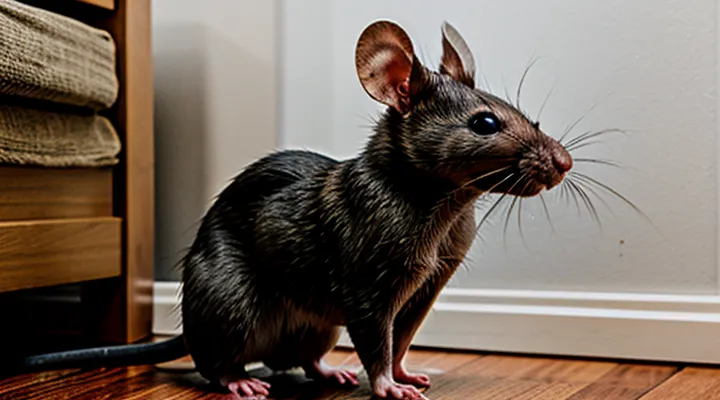
«Understanding the Enemy: What You Need to Know About Rats»
«Identifying Rat Presence»
«Signs of Infestation»
Rats leave unmistakable evidence that a dwelling is compromised. Recognizing these indicators early prevents population growth and structural damage.
- Fresh droppings, typically dark, pellet‑shaped, and found near food sources, walls, or hidden corners.
- Gnaw marks on wood, plastic, insulation, or wiring, often irregular and deeper than typical chew marks.
- Strong, musky odor that intensifies in confined spaces such as closets or crawl spaces.
- Greasy smears or dark streaks along walls, baseboards, or behind appliances, resulting from a rat’s oily fur.
- Nests constructed from shredded paper, fabric, insulation, or dried plant material, usually hidden in concealed areas.
- Audible sounds, especially scratching or scurrying, occurring at night when rodents are most active.
Each sign warrants immediate inspection and corrective action to halt infestation and protect health and property.
«Common Entry Points in Apartments»
Rats access apartments through a limited set of structural weaknesses and gaps that provide shelter, food, and pathways. Identifying these openings is essential for effective rodent control.
- Openings around utility pipes (water, gas, electrical) that lack sealing material.
- Gaps under doors and sliding windows, especially where weather stripping is worn or absent.
- Cracks in foundation walls, floor joists, or masonry that connect the building’s exterior to interior rooms.
- Unsealed vent openings, including dryer exhausts, bathroom fans, and HVAC ducts.
- Holes surrounding cable entries, conduit sleeves, and telephone or internet lines.
- Openings around plumbing fixtures, such as sink drains and bathtub overflow plates that are not fitted with tight covers.
- Small openings in the building envelope created by damaged siding, broken tiles, or missing brick mortar.
Conduct a systematic inspection of each listed area, apply steel wool, caulk, or metal flashing to close gaps, and reinforce with hardware cloth where larger openings exist. Regular maintenance of seals and prompt repair of structural damage prevent re‑entry and support long‑term rodent exclusion.
«Health Risks and Property Damage»
Rats in a residential unit pose serious health hazards. They transmit pathogens such as Leptospira, hantavirus, and salmonella, which can cause severe gastrointestinal and respiratory illnesses. Their urine and droppings release aerosolized particles that trigger allergic reactions and asthma attacks, especially in children and the elderly. Direct bites may lead to infections and, in rare cases, tetanus.
- Salmonella infection from contaminated food
- Hantavirus pulmonary syndrome from inhaled droppings
- Leptospirosis from urine exposure
- Allergic sensitization and asthma exacerbation
- Secondary bacterial infections from bites
Structural damage is equally concerning. Rats gnaw on electrical wiring, creating fire hazards and costly repairs. Their constant chewing compromises insulation, plumbing, and HVAC components, leading to leaks, reduced energy efficiency, and premature system failure. Nesting material contaminates stored belongings, causing irreversible loss of clothing, paper documents, and food supplies. Their burrowing disrupts drywall and flooring, necessitating demolition and reconstruction.
- Electrical fire risk from chewed wires
- Compromised insulation and increased heating/cooling costs
- Plumbing damage causing water leaks
- Contamination of stored goods and food spoilage
- Damage to walls, ceilings, and flooring requiring renovation
Prompt eradication of these pests is essential to protect occupants’ health and preserve property integrity.
«Immediate Action: First Steps to Take»
«Securing Your Apartment»
«Sealing Entry Points»
Sealing potential entry points blocks rats from accessing the interior of a dwelling. Rats exploit any opening larger than a quarter‑inch; even tiny gaps provide a pathway to food, water, and shelter. Identifying and eliminating these routes is a critical component of any comprehensive rodent‑control plan.
Common access points include:
- Gaps around doors and windows, especially where weather‑stripping is missing or damaged.
- Openings around utility penetrations such as electrical conduits, cable entries, and plumbing stacks.
- Vents, dryer exhausts, and bathroom fans that lack proper mesh or flaps.
- Cracks in foundation walls, baseboards, and the underside of cabinets.
- Holes around pipe sleeves and sewer lines, particularly where pipe insulation has been removed.
The sealing process follows a systematic approach:
- Conduct a thorough visual inspection of the interior and exterior walls, noting all openings that exceed 6 mm.
- Measure each gap to determine the appropriate material; steel wool, copper mesh, and silicone‑based sealants work best for irregular spaces, while expanding foam suits larger voids.
- Apply the chosen filler: pack steel wool tightly, overlay with caulk, or spray foam, then smooth the surface to create a continuous barrier.
- Install sturdy, weather‑resistant door sweeps and window seals to prevent re‑entry.
- Verify the work by re‑inspecting after a week; any new activity indicates missed or compromised spots.
Regular maintenance—checking for wear, repairing damaged seals, and keeping the perimeter clear of debris—preserves the integrity of the barrier and reduces the likelihood of future infestations.
«Food Storage and Sanitation»
Proper food storage eliminates a primary attractant for rodents in a dwelling. Keep all consumables in containers made of metal, glass, or thick plastic with tight‑fitting lids. Seal openings in pantry walls or cabinets to prevent entry.
Maintain a clean environment by removing crumbs, spills, and waste promptly. Dispose of garbage in bins equipped with lids that close securely; empty them daily or when they become full. Sweep floors and wipe countertops after each meal to eradicate residual particles.
Implement the following practices for effective sanitation:
- Store dry goods in sealed, airtight containers.
- Place pet food in covered dishes and remove leftovers after feeding.
- Keep recycling bins clean and covered; rinse cans before storage.
- Clean under appliances and furniture regularly to eliminate hidden food sources.
Consistent adherence to these measures reduces the likelihood of rodent infestation and supports broader pest‑control efforts in an apartment setting.
«Notifying Your Landlord or Building Management»
Promptly informing the property owner or management is essential when a rodent problem emerges. The tenant’s responsibility includes delivering a clear, documented request for remediation, which triggers the landlord’s legal duty to maintain a habitable environment.
- Record evidence: photograph infestations, note droppings, capture noises, and list affected areas.
- Choose a reliable communication channel: email provides a timestamped trail; certified mail offers proof of delivery; phone calls should be followed by a written summary.
- Include in the message: description of the issue, dates of observation, attached evidence, and a specific request for professional extermination within a reasonable timeframe (e.g., five business days).
- Request confirmation: ask the landlord to acknowledge receipt and outline the planned corrective actions.
Maintain a file containing all correspondence, receipts for any self‑initiated mitigation (e.g., traps), and the landlord’s responses. If the landlord fails to act within the agreed period, send a second notice reiterating the problem, referencing local housing codes that obligate pest control, and stating the intention to seek municipal enforcement or legal remedy.
Continuous follow‑up is critical. After remediation, verify that the infestation is resolved and obtain written confirmation that the unit is rat‑free. Preserve this documentation for future reference or potential disputes.
«DIY Rat Control Methods»
«Trapping Strategies»
«Types of Traps: Snap, Glue, and Live-Catch»
Effective rodent control in a flat relies on selecting the appropriate capture device. Three primary trap categories dominate the market: snap, glue, and live‑catch models. Each design offers distinct mechanisms, advantages, and considerations for indoor use.
-
Snap traps – spring‑loaded bars deliver a rapid, lethal strike when a rat triggers the trigger plate. Benefits include immediate results, low cost, and ease of disposal. Placement near walls, behind appliances, and along known runways maximizes success. Regular inspection prevents unattended deaths that could attract scavengers.
-
Glue traps – adhesive surfaces immobilize rodents that step onto the board. Advantages are silent operation and discreet appearance, suitable for concealed locations such as closets or under furniture. Drawbacks involve prolonged suffering, potential for non‑target capture, and the need for humane disposal. Use only in areas inaccessible to children and pets.
-
Live‑catch traps – cage‑style devices enclose the animal without killing it. They permit relocation or professional removal. Key features include a one‑way entry door and ventilation slots. Effective deployment requires bait placement and frequent monitoring to avoid stress or dehydration. Legal restrictions on releasing captured rats must be observed.
Choosing the optimal trap depends on personal ethics, local regulations, and the severity of the infestation. Combining multiple types often accelerates population reduction while minimizing collateral harm. Regular sanitation, sealing entry points, and prompt trap maintenance complete a comprehensive rodent‑management strategy.
«Baiting Techniques»
Effective baiting requires selecting appropriate attractants, positioning devices strategically, and managing exposure to non‑target occupants. Choose baits that match the rodents’ dietary preferences; common choices include high‑protein pellets, grain‑based blocks, and scented wax or gel formulations. Replace consumable bait regularly to maintain potency.
Place bait stations near known activity zones—behind appliances, within wall voids, and along wall edges where rats travel. Secure stations to prevent accidental access by children or pets, using tamper‑resistant containers that lock the bait inside while allowing rodents to enter.
Implement a rotation schedule:
- Deploy initial stations and monitor for removal signs over 48‑72 hours.
- Shift stations 12‑18 inches along the travel path if no activity is detected.
- Replace depleted bait with fresh material, maintaining consistent odor strength.
Combine baiting with sanitation measures: eliminate food residues, store waste in sealed containers, and repair structural gaps that provide entry points. After confirming a decline in sightings, remove all stations and continue periodic inspections to prevent re‑infestation.
«Placement of Traps»
Effective trap placement is critical for eliminating rodent activity in a residence. Identify areas where rats travel, feed, or hide, then position devices to intersect those pathways.
- Near walls, behind appliances, and in corners, because rats prefer tight spaces adjacent to structures.
- Along the edges of cabinets, pantry shelves, and under sinks, where food residues are common.
- At entry points such as gaps around pipes, vents, and door frames, to intercept newcomers.
- Directly opposite known droppings or gnaw marks, as these indicate frequent routes.
Select locations that allow traps to remain undisturbed for several days. Ensure each site is accessible for regular inspection and safe for occupants, especially children and pets. Use snap or electronic traps for rapid kill; glue boards may be appropriate for monitoring but should be placed away from high‑traffic human areas.
Maintain a clean environment around each trap: remove spilled food, seal containers, and eliminate clutter that could conceal a device. Rotate traps weekly, moving them to new hotspots if activity diminishes. Record capture dates and locations to track progress and refine placement strategy.
«Natural Deterrents and Repellents»
«Essential Oils»
Essential oils provide a chemical barrier that rats find unpleasant, making them useful in a comprehensive rodent‑control plan for a flat.
Commonly recommended oils include peppermint, eucalyptus, citronella, clove, and tea tree. Each contains volatile compounds such as menthol, eucalyptol, or eugenol that irritate a rat’s olfactory receptors, prompting avoidance of treated zones.
Application methods:
- Soak cotton balls in undiluted oil and place them in hidden corners, behind appliances, and near entry points. Replace every 3–4 days to maintain potency.
- Mix 10 ml of oil with 500 ml of water, add a few drops of dish‑soap, and spray the solution along baseboards, cracks, and pipe openings. Reapply weekly.
- Use a diffuser set on low for 30 minutes each evening in rooms where rat activity is suspected. Ensure adequate ventilation to prevent respiratory irritation.
Safety considerations:
- Keep oil‑treated cotton balls out of reach of children and pets; ingestion can cause toxicity.
- Test a small area before widespread spraying to verify that surface finishes are not damaged.
- Avoid applying undiluted oil directly to fabric or wood, as prolonged exposure may cause discoloration.
Effectiveness limits:
- Essential oils deter but do not eradicate established infestations; combine with traps, sealing of entry points, and sanitation.
- Environmental factors such as humidity and temperature affect oil volatility; adjust placement frequency accordingly.
Integrating essential oils with structural measures—repairing gaps, storing food in sealed containers, and maintaining a clean environment—maximizes the likelihood of a rat‑free apartment.
«Homemade Sprays»
Homemede sprays can complement other control measures when dealing with rodent infestations in a flat. They rely on strong odors or irritants that rats find repellent, and they are inexpensive to prepare with common household items.
A typical formulation contains:
- 1 cup white vinegar
- 1 cup water
- 2 tbsp peppermint oil (or 1 tbsp eucalyptus oil)
- 1 tbsp dish‑soap (acts as an emulsifier)
Mix the liquids in a spray bottle, shake well, and apply to entry points, behind appliances, and along walls where droppings are visible. Reapply every 48 hours, especially after cleaning or ventilation.
Alternative options:
- Cinnamon‑clove spray – dissolve 2 tbsp ground cinnamon and 1 tbsp ground cloves in 2 cups boiling water, let cool, add 1 tbsp vinegar, strain, and pour into a bottle. Spray the same locations twice weekly.
- Ammonia‑water mist – combine equal parts ammonia and water, add a few drops of lemon oil for odor masking. Use sparingly in sealed rooms; avoid direct contact with food surfaces.
Safety considerations:
- Test a small, hidden area before full application to check for surface damage.
- Keep sprays away from children and pets; label containers clearly.
- Ventilate the apartment after each use to prevent respiratory irritation.
Effectiveness depends on consistent application and sealing of gaps that allow rodents entry. Homemade sprays alone rarely eradicate an established population, but they reduce activity and discourage new incursions when integrated with traps, bait stations, and structural repairs.
«Ultrasonic Devices»
Ultrasonic devices are a non‑chemical option for reducing rodent activity in a flat. They emit high‑frequency sound waves that are inaudible to humans but disturb the nervous system of rats, causing discomfort and prompting avoidance of the treated area.
The devices operate at frequencies between 20 kHz and 65 kHz. Rats detect these tones through their acute hearing, which triggers a stress response. Continuous emission creates an environment that rodents find hostile, leading them to relocate.
Effectiveness varies with several factors. Laboratory tests show a 60‑80 % reduction in activity during the first weeks of use. Field reports indicate diminishing results after rodents acclimate to a constant frequency. Species other than rats may respond differently, and dense furnishings can block sound propagation.
Key criteria for choosing a unit:
- Frequency range covering the rat hearing spectrum (20‑65 kHz).
- Coverage radius matching the layout of the apartment (typically 30‑50 ft² per device).
- Power source (plug‑in for continuous operation, battery for portability).
- Safety certifications (UL, CE) to ensure no interference with other electronics.
Placement determines performance. Install devices at ceiling height, close to walls, and near known entry points such as gaps around pipes or vents. Avoid obstacles like furniture that can shadow the sound field. In larger apartments, use overlapping units to eliminate dead zones.
Maintenance includes regular cleaning of the speaker grille and replacement of batteries or power adapters according to the manufacturer’s schedule, usually every six months. After the recommended period, the ultrasonic emitter may lose intensity and require renewal.
Ultrasonic devices work best when combined with structural measures: seal cracks, install door sweeps, and eliminate food sources. Integrated with these actions, the technology contributes to a measurable decline in rat presence.
«When to Call Professional Pest Control»
«Signs of a Severe Infestation»
Rats leave unmistakable evidence when a population has exploded. Recognizing these indicators early prevents structural damage and health hazards.
- Fecal piles: Dark, rodent-shaped droppings appear in clusters along walls, behind appliances, and in hidden corners. Fresh droppings are glossy; older ones dry and crumble.
- Gnaw marks: Parallel or V‑shaped bite marks on wood, plastic, and wiring indicate active chewing. Damage to insulation or electrical cords signals a heightened risk of fire.
- Nesting material: Shredded paper, fabric, insulation, or dried plant matter piled in concealed areas such as attic corners, behind cabinets, or under flooring.
- Audible activity: Scratching, scurrying, or squeaking sounds during nighttime, especially within walls, ceilings, or crawl spaces.
- Odor: A strong, pungent smell resembling ammonia or decaying matter, often noticeable near nesting sites.
- Visible sightings: Live rats, carcasses, or tracks in dusty or unlit zones confirm a thriving colony.
- Food contamination: Chewed packaging, spilled grain, or gnawed pet food bowls expose stored provisions to urine and saliva, increasing disease transmission.
Each of these signs, especially when multiple appear together, confirms a severe infestation that demands immediate professional intervention. Ignoring them accelerates property damage and elevates health risks.
«Benefits of Professional Extermination»
Professional pest‑control teams bring specialized knowledge that far exceeds DIY attempts. Trained technicians identify entry points, assess infestation levels, and apply targeted treatments that eradicate rodents while minimizing risk to residents.
- Guaranteed elimination: Certified methods achieve complete removal, preventing recurring sightings.
- Health protection: Integrated pest‑management protocols reduce disease transmission and allergen exposure.
- Structural safety: Precise bait placement and sealing prevent damage to wiring, insulation, and storage areas.
- Legal compliance: Service reports satisfy building‑code requirements and landlord‑tenant regulations.
- Time efficiency: Rapid response schedules restore normal living conditions within days rather than weeks.
Engaging experts removes the burden from occupants, ensures lasting results, and upholds safety standards throughout the residence.
«What to Expect from a Pest Control Service»
Professional pest‑control technicians begin with a thorough inspection of the unit, identifying signs of activity, nesting sites, and potential entry points. The inspector records findings and provides a written assessment that outlines the severity of the infestation and the recommended treatment plan.
The treatment plan typically includes:
- Placement of traps or bait stations in strategic locations.
- Application of rodent‑specific rodenticides, if required, following safety regulations.
- Sealing of gaps, cracks, and openings that allow access from common areas or the exterior.
- Advice on sanitation practices that reduce attractants, such as proper food storage and waste management.
After the initial intervention, the service provider schedules follow‑up visits to monitor trap performance, replenish bait, and verify that no new activity has emerged. Most companies offer a guarantee period during which additional visits are included at no extra charge if rats reappear.
Safety protocols are enforced throughout the process: technicians wear protective equipment, use low‑toxicity products approved for residential settings, and ensure that all chemicals are placed out of reach of children and pets.
Clients can expect a detailed report after each visit, documenting actions taken, observations, and any recommendations for further preventative measures. The overall objective is to eliminate the current infestation and to establish barriers that prevent future incursions.
«Preventing Future Rat Infestations»
«Ongoing Maintenance and Vigilance»
After the initial extermination, persistent actions prevent re‑infestation.
Every potential entry must be sealed. Install steel wool or copper mesh in gaps around pipes, vents, and utility openings. Apply caulk or expanding foam to cracks in walls, floors, and foundations. Replace damaged weatherstripping on doors and windows.
Maintain a clean environment that deprives rodents of food and shelter. Store pantry items in airtight containers. Remove crumbs and spills immediately. Keep countertops, floors, and appliance exteriors free of residues. Schedule weekly vacuuming of corners, under furniture, and behind appliances.
Implement a systematic monitoring program. Place snap traps, live‑catch traps, or electronic monitors in high‑risk zones such as kitchens, basements, and storage closets. Check traps daily, record captures, and reset devices promptly.
Control waste flow rigorously. Use trash cans with tight‑fitting lids. Empty garbage daily and transport it to sealed outdoor containers. Dispose of pet food after each meal and avoid leaving bowls overnight.
Engage professional pest‑control services for periodic inspections. Request quarterly assessments that include bait station checks, rodent activity surveys, and structural evaluations.
Adhering to these maintenance and vigilance measures sustains a rat‑free apartment over the long term.
«Community-Wide Prevention Efforts»
Effective rodent control in multi‑unit housing requires coordinated action beyond a single apartment. Residents, property managers, and local agencies must share information, responsibilities, and resources to prevent infestations from spreading.
Collaboration begins with a formal communication channel. Establish a mailing list or online forum where tenants can report sightings, share sanitation tips, and receive updates on ongoing eradication efforts. Property managers should circulate a concise protocol outlining immediate steps when a rat is observed, including contact numbers for pest‑control contractors and local health officials.
A community‑wide sanitation plan reduces food sources that attract rodents. Key elements include:
- Mandatory placement of sealed trash containers in each building lobby.
- Weekly collection schedule with clear signage indicating proper waste handling.
- Prohibition of food storage in common areas; residents must use airtight containers.
- Regular inspection of building exteriors for overgrown vegetation, debris, or structural gaps that provide shelter.
Local health departments can contribute expertise and funding. Request a site assessment to identify structural vulnerabilities, receive educational materials for tenants, and explore grant options for installing bait stations or ultrasonic deterrents in shared corridors.
Finally, enforce accountability through documented inspections. Property management should record the condition of each unit and common space after each pest‑control visit, noting repairs or improvements needed. Persistent non‑compliance by tenants—such as leaving food out or blocking entry points—must trigger written warnings and, if necessary, lease‑violation procedures.
By integrating these measures, the entire residential complex creates a hostile environment for rats, minimizing the likelihood of re‑infestation and safeguarding health and property for all occupants.
«Regular Inspections»
Regular inspections are essential for maintaining a rat‑free apartment. They provide early detection of activity, allowing swift corrective measures before infestations spread.
- Inspect all entry points weekly: doors, windows, utility openings, and gaps around pipes. Seal any openings larger than ¼ inch with steel wool and caulk.
- Examine walls, ceilings, and attics for gnaw marks, droppings, or nesting material. Use a flashlight to expose concealed areas.
- Check food storage zones daily. Verify that pantry containers are airtight and that crumbs or spills are promptly cleaned.
- Monitor waste containers every two days. Ensure lids fit tightly and that bins are emptied regularly.
- Test traps and bait stations weekly. Replace malfunctioning devices and refresh bait to maintain effectiveness.
- Record findings in a log: date, location, evidence observed, and actions taken. Review the log monthly to identify patterns and adjust preventive steps.
Consistent inspection routines reduce the likelihood of hidden colonies, limit damage, and support long‑term pest control success.