
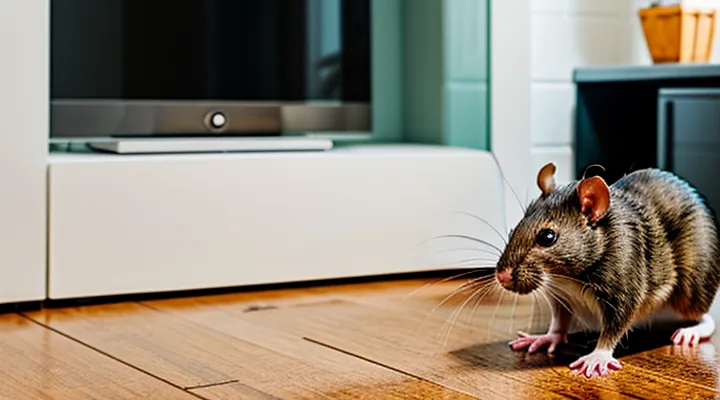
Understanding the Pest Problem
Identifying the Presence of Rodents
Signs of Rats and Mice
Rats and mice leave unmistakable evidence that indicates their presence in a dwelling. Recognizing these indicators is essential for effective control measures.
- Dark, pellet‑shaped droppings found near food sources, along baseboards, or in hidden corners.
- Gnawed edges on wood, plastic, or electrical wiring, often displaying a clean, tooth‑marked pattern.
- Persistent scratching or scurrying sounds, especially at night, emanating from walls, ceilings, or concealed spaces.
- Accumulations of shredded paper, fabric, or insulation forming irregular nests in concealed areas.
- Visible footprints or tail marks in dusty or greasy surfaces, revealing movement paths.
- Streaks or spots of urine on surfaces, producing a strong, musky odor that intensifies over time.
- Damage to stored food packaging, including torn wrappers and chewed seals.
Additional signs may appear as unexplained holes in drywall, compromised insulation, or an increased presence of insects attracted to rodent waste. Prompt identification of these clues enables timely intervention and prevents further structural damage and health risks.
Common Hiding Spots in Apartments
Rats and mice exploit every concealed area in a dwelling. Identifying these locations is essential for effective eradication.
Typical concealment zones include:
- Wall cavities and insulation – gaps between studs, loose insulation, and unfinished spaces provide shelter and travel routes.
- Behind appliances – refrigerators, stoves, dishwashers, and laundry machines create dark, warm pockets behind and beneath them.
- Cabinets and pantry shelves – especially those storing dry goods; crumbs and spills attract rodents and the woodwork offers nesting material.
- Under flooring and baseboards – loose floorboards, carpeting edges, and gaps at baseboard joints allow easy entry and movement.
- Plumbing penetrations – pipe holes, faucet bases, and bathroom fixtures often lack proper sealing, forming direct pathways from sewers.
- Ceiling tiles and attic access – removable tiles and roof hatches open to attic spaces where rodents can hide undisturbed.
- Furniture crevices – sofas, upholstered chairs, and storage ottomans contain hidden seams and pockets.
- Cluttered storage areas – closets, boxes, and laundry hampers accumulate debris and provide cover.
Each of these spots offers protection from light, predators, and human activity. Regular inspection, sealing of entry points, and removal of food sources within these areas dramatically reduce the likelihood of infestation.
Why Rodents Are a Problem
Health Risks Posed by Rodents
Rats and mice introduce pathogens that can cause serious illness in residents of a flat. Direct contact with droppings, urine, or saliva transmits bacterial, viral, and parasitic agents. Common infections include:
- Leptospirosis – kidney damage and fever caused by bacteria in rodent urine.
- Hantavirus pulmonary syndrome – severe respiratory distress linked to inhaled aerosolized droppings.
- Salmonellosis – gastrointestinal upset from contaminated food surfaces.
- Lymphocytic choriomeningitis – flu‑like symptoms and, in rare cases, neurological complications.
- Rat‑bite fever – painful skin lesions and fever after bites or scratches.
Rodent allergens, shed in fur and dander, trigger asthma attacks and chronic allergic rhinitis, especially in children and the elderly. Their gnawing behavior damages wiring, creating fire hazards that indirectly increase injury risk. Contamination of stored food supplies encourages mold growth, compounding respiratory problems.
Effective removal of rodents eliminates these health threats, safeguards structural integrity, and reduces the likelihood of disease transmission within the living space.
Property Damage Caused by Rodents
Rats and mice gnaw through electrical wiring, exposing live conductors and creating fire hazards. Their incisors continuously grow, prompting them to chew on plastic, wood, and metal components that support the building’s structure. Damaged insulation reduces thermal efficiency, leading to higher heating and cooling costs.
Contamination follows infestation. Urine and feces leave ammonia residues that corrode metal surfaces, stain fabrics, and promote mold growth on damp materials. Food storage areas become compromised, attracting additional pests and increasing the risk of disease transmission.
Typical signs of structural impairment include:
- Chewed holes in walls, floors, and ceilings
- Frayed or missing insulation around ducts and pipes
- Exposed or melted wiring near entry points
- Stained or weakened cabinetry and countertops
Repair expenses rise rapidly once damage spreads. Replacing compromised wiring may require a licensed electrician, while extensive insulation loss often demands professional retrofitting. Early detection and prompt removal of rodents limit these costs and protect the integrity of the residence.
Preventing Rodent Infestations
Sealing Entry Points
Inspecting Your Apartment
A thorough inspection is the first decisive step in eliminating rodent infestations from a dwelling. Identify all evidence of activity, locate potential entry points, and assess conditions that encourage pests.
- Look for droppings, gnaw marks, urine stains, and shredded material along walls, ceilings, and behind appliances.
- Examine storage areas for unsealed food containers, spilled grains, or crumbs that provide a food source.
- Inspect utility lines, pipe gaps, and vent openings for holes or cracks larger than a quarter‑inch; rodents can squeeze through openings as small as ½ cm.
- Check the foundation, baseboards, and window frames for signs of wear, gaps, or loose plaster that may serve as access routes.
- Survey the attic, crawl spaces, and behind closets for nesting material such as shredded paper, insulation, or fabric.
- Verify that trash receptacles are sealed and that recycling bins are not overflowing.
Record each observation, photograph problem areas, and map the locations of signs and entry points. This documentation guides targeted sealing, removal of attractants, and the placement of control devices, ensuring an efficient eradication process.
Materials for Sealing Gaps
Effective rodent control in a flat begins with eliminating entry points. Small openings around pipes, vents, doors, and foundations provide unrestricted access for rats and mice; sealing these gaps removes the primary route of invasion.
- Steel wool or copper mesh: compressible, resistant to gnawing, suitable for irregular gaps around utility lines. Secure with caulk to prevent displacement.
- Expanding polyurethane foam: fills larger voids in walls and ceilings, hardens to a durable barrier, but apply in thin layers to avoid excessive pressure on surrounding structures.
- Silicone or acrylic caulk: seals cracks along baseboards, window frames, and trim; remains flexible to accommodate minor building movement.
- Hardware cloth (¼‑inch mesh): provides a rigid, chew‑proof cover for openings larger than ¼ inch, such as vent covers or gaps beneath appliances.
- Weatherstripping: adhesive strips installed on door thresholds and window sashes close gaps that otherwise allow rodent passage while maintaining airtightness.
- Concrete patch or mortar: repairs foundation cracks and floor joist openings; once cured, creates a solid, long‑lasting seal.
- Self‑adhesive metal flashing: wraps around pipe penetrations and chimney bases, offering a smooth, non‑edible surface.
Apply each material according to manufacturer specifications, ensuring surfaces are clean and dry before installation. Overlap seams and test for residual openings with a flashlight or smoke test. Regular inspection and maintenance of sealed areas sustain the barrier and prevent future infestations.
Eliminating Food Sources
Proper Food Storage
Proper food storage is a fundamental component of rodent control in an apartment. Food left exposed provides a reliable source of nutrition, encouraging rats and mice to remain in the dwelling. Securing food eliminates this attraction and reduces the likelihood of infestation.
- Store dry goods in airtight containers made of metal or heavy‑wall plastic; avoid cardboard boxes that can be chewed.
- Keep pantry shelves clean; wipe away crumbs after each use.
- Refrigerate or freeze perishable items promptly; do not leave leftovers on counters or in open dishes.
- Dispose of waste in sealed bags and transfer them to a trash bin with a tight‑fit lid.
- Position pet food bowls on a tray that can be emptied and washed daily; remove uneaten food after feeding.
Consistent implementation of these practices deprives rodents of accessible sustenance, making the environment inhospitable and supporting broader eradication efforts.
Waste Management Practices
Proper waste handling removes the primary food source that attracts rodents to a dwelling. Food residues, overflowing bins, and improperly stored scraps create a persistent lure, allowing rats and mice to establish foraging routes inside the apartment.
- Keep all food in airtight containers; metal or heavy‑plastic lids prevent gnawing.
- Dispose of kitchen waste daily; use a trash can with a tight‑fitting lid and replace bags before they become full.
- Separate recyclable material from organic waste; place recyclables in a separate container that can be emptied outside the living space.
- Store compostable items in a sealed compost bin that is emptied regularly, or avoid indoor composting altogether.
- Clean countertops, stovetops, and dining areas immediately after meals; wipe away crumbs and liquid spills.
Regular removal of trash from the apartment reduces odor and eliminates nesting material. Position garbage containers away from walls and entry points, and clean the exterior of bins with disinfectant each week. Avoid leaving pet food out overnight; feed pets from sealed dishes and store leftovers promptly.
Consistent waste management deprives rodents of sustenance, limits their ability to reproduce, and forces any existing individuals to seek food elsewhere, thereby supporting broader pest‑control measures.
Maintaining Cleanliness
Regular Cleaning Routine
A disciplined cleaning schedule removes the food sources and shelter that attract rodents to an apartment.
- Store all dry goods in sealed, airtight containers; metal or heavy‑wall plastic bins prevent gnawing.
- Sweep and vacuum floors daily, focusing on corners, under furniture, and behind appliances where crumbs accumulate.
- Mop hard surfaces after each meal preparation to eliminate residue that can linger after sweeping.
- Wash dishes immediately; avoid leaving dishes, scraps, or standing water in sinks overnight.
- Empty trash cans nightly and use bins with tight‑fitting lids; keep outdoor dumpsters sealed and away from entry doors.
- Clean pet feeding areas after each use; store pet food in containers identical to those for human dry goods.
- Wipe down countertops, cabinets, and pantry shelves weekly with a mild detergent to remove grease and spilled food particles.
- Inspect and clean behind refrigerators, stoves, and washing machines quarterly; these hidden zones often harbor droppings and nesting material.
Consistent execution of these tasks reduces attractants, limits hiding places, and creates an environment where rats and mice cannot thrive. Regular monitoring for droppings, gnaw marks, or odours should accompany the cleaning routine; any signs demand immediate remediation to prevent infestation from escalating.
Decluttering Your Space
Clutter creates hiding places, nesting sites, and food reservoirs that attract rats and mice to an apartment. Reducing these resources limits the opportunities for rodents to establish a foothold and makes inspection and treatment more effective.
To eliminate excess items that facilitate infestation, follow these actions:
- Remove boxes, bags, and containers that are not in regular use; store only essential items in sealed containers.
- Clear floor space by discarding or donating objects that collect dust or debris.
- Organize pantry shelves; keep food in airtight packaging and place items on higher shelves away from the floor.
- Eliminate piles of paper, magazines, or fabric; recycle or recycle them promptly.
- Inspect storage areas such as closets and under‑bed spaces; install shelving that keeps belongings off the ground.
A tidy environment reduces shelter options, improves visibility for traps and baits, and helps maintain a long‑term barrier against rodent re‑entry.
Methods for Rodent Removal
Trapping Techniques
Snap Traps
Snap traps are spring‑loaded devices that deliver a rapid, lethal blow to rodents. The mechanism consists of a metal bar held under tension until released by the animal’s contact with a trigger plate. When triggered, the bar snaps down, crushing the target instantly and preventing escape.
Effective use requires strategic placement. Position traps along walls, behind appliances, and near known gnawing sites, because rodents travel close to surfaces. Arrange traps perpendicular to the wall, with the trigger end facing the baseboard. Avoid placing traps in high‑traffic human areas to reduce accidental activation.
Bait selection influences capture rates. Peanut butter, dried fruit, or small pieces of cooked meat provide strong olfactory cues. Apply a pea‑sized amount directly to the trigger plate; excess bait can deter activation. Replace bait daily to maintain freshness.
Safety measures protect occupants. Wear disposable gloves when handling traps to prevent scent transfer. Keep traps out of reach of children and pets, using lockable containers or deterrent barriers. After a catch, seal the trap in a plastic bag before disposal to contain disease agents.
Routine maintenance sustains performance. Check traps at least once daily; reset any sprung devices and replace damaged components. Rotate trap locations periodically to cover new activity zones and prevent rodent habituation. Regular monitoring, combined with sanitation and exclusion efforts, maximizes overall control in a residential setting.
Live Traps
Live traps capture rodents without killing them, allowing relocation away from the dwelling. They consist of a cage, a trigger plate, and a latch that closes when the animal enters.
Select traps that accommodate the target species: mouse traps require openings of 1 – 1.5 inches, while rat traps need 2 – 3 inches. Choose models with sturdy wire mesh and a reliable spring mechanism to prevent escape.
Place traps along established runways: walls, behind appliances, and near food sources. Position the trigger side perpendicular to the wall to align with the animal’s natural path. Avoid locations with heavy foot traffic that could disturb the device.
Use high‑attractant baits such as peanut butter, sunflower seeds, or dried fruit. Apply a small amount to the trigger plate to ensure the rodent contacts the mechanism quickly.
Inspect traps at least once daily. Release captured rodents at least two miles from the residence, preferably in a wooded area, to reduce the chance of return. Clean cages with disinfectant after each use to prevent disease transmission.
Combine live trapping with exclusion measures: seal cracks, install door sweeps, and store food in sealed containers. Maintaining a clutter‑free environment limits shelter opportunities, enhancing the overall effectiveness of the trapping program.
Placement Strategies
Effective placement of traps and baits determines success of rodent control in a dwelling. Positioning must follow the rodents’ natural travel routes and hideouts.
- Place snap or electronic traps along baseboards, behind cabinets, and within 12 inches of walls.
- Target areas with fresh droppings, gnaw marks, or grease stains.
- Set traps perpendicular to the wall, with the trigger end facing the expected path.
- Use multiple traps in a line when activity is concentrated in a corridor or hallway.
Bait stations require discrete, low‑traffic locations that remain inaccessible to children and pets.
- Install stations behind appliances, under sinks, and inside closets where rodents forage.
- Secure stations to the floor or a solid surface to prevent displacement.
- Keep stations away from direct sunlight and moisture to preserve bait potency.
After traps and stations are positioned, seal all identified entry points.
- Fill cracks larger than ¼ inch with steel wool and expanding foam.
- Apply caulk around pipe penetrations, vent openings, and baseboard gaps.
- Replace damaged weatherstripping on doors and windows.
Monitor devices daily and adjust placement based on capture data.
- Relocate traps that remain untouched after 48 hours to adjacent walls.
- Rotate bait stations to new hotspots identified by fresh droppings.
- Record capture locations to map activity patterns and refine future placement.
Baits and Poisons
Types of Baits
Effective rodent control in a dwelling relies on selecting the appropriate bait. Different formulations target specific behaviors and health considerations, allowing the pest manager to tailor the approach to the infestation’s characteristics.
- Anticoagulant baits contain compounds such as bromadiolone or difenacoum. They disrupt blood clotting, causing death after several days of ingestion. These products are suitable for established colonies because secondary poisoning is unlikely when dead rodents are removed promptly.
- Non‑anticoagulant baits employ toxins like bromethalin or chlorophacinone. They act more rapidly, often within hours, and are preferred in environments where quick elimination is required.
- Grain‑based baits combine powdered wheat or corn with a toxic agent. The high carbohydrate content attracts omnivorous rodents that scavenge for seeds.
- Protein‑rich baits incorporate meat meal, fish extract, or soy. They appeal to carnivorous or opportunistic mice that favor animal protein over plant matter.
- Natural baits use substances such as peppermint oil, cayenne pepper, or catnip. While not lethal, they create an aversive environment that reduces activity and can complement lethal options.
- Homemade bait stations can be assembled from sealed containers filled with a measured amount of commercial poison, ensuring that children and pets cannot access the contents.
Placement guidelines enhance efficacy: position baits along walls, behind appliances, and near known runways; keep them out of reach of non‑target species; replace expired products promptly. Monitoring devices, such as snap traps placed adjacent to bait stations, provide feedback on activity levels and help assess whether the selected bait is achieving the desired reduction.
Safety Precautions
When addressing rodent infestations in a residential unit, personal safety and property protection must be integrated into every action.
- Wear gloves, goggles, and a mask resistant to dust and chemicals before handling traps, baits, or contaminated materials.
- Ventilate rooms for at least 30 minutes after applying rodenticides; keep children and pets out of the area until ventilation ends.
- Store all toxic substances in locked containers, away from food storage and preparation surfaces.
- Place snap traps or live‑catch devices on flat, stable surfaces; avoid positioning them near electrical outlets or heat sources.
- Dispose of dead rodents in sealed bags, then place them in an outdoor trash container with a secure lid.
Maintain clean work zones by sweeping debris before and after treatment. Use a disposable cloth to wipe surfaces that have contacted poison, then discard it safely. If a spill occurs, neutralize it with an appropriate absorbent material and follow the manufacturer’s disposal instructions. Regularly inspect protective gear for damage; replace compromised items immediately. Adhering to these measures reduces health risks, prevents accidental exposure, and supports effective pest control without endangering occupants or the building structure.
Strategic Bait Placement
Effective rodent control in a residence hinges on precise bait deployment. Identify high‑traffic zones where gnaw marks, droppings, or gnawing damage are evident. Focus on concealed pathways such as behind appliances, under sinks, and within wall voids. Avoid open areas where pets or children might encounter poison.
Place bait stations at least 12–18 inches apart along each identified route. Position stations perpendicular to walls, with the entry side facing the anticipated direction of travel. Use tamper‑proof containers to prevent accidental exposure.
Select bait type according to target species. For rats, choose larger, multi‑dose blocks; for mice, opt for compact pellets. Rotate active ingredients every few weeks to counteract potential bait shyness.
Monitor stations daily. Remove consumed units and replace with fresh bait. Record locations of successful captures to refine placement strategy and concentrate effort on remaining hotspots.
Dispose of dead rodents following local regulations. After a sustained reduction in activity, gradually withdraw bait stations while maintaining occasional inspection to confirm long‑term eradication.
Professional Pest Control
When to Call an Expert
Calling a professional becomes necessary when visual signs, structural damage, or health risks exceed the capacity of simple traps and sanitation.
- Multiple droppings in various rooms, especially near food storage.
- Gnaw marks on wiring, pipes, or structural beams.
- Persistent gnawing noises at night or early morning.
- Evidence of nesting material such as shredded paper, insulation, or fabric.
- Sudden increase in sightings despite ongoing DIY measures.
When rodents breach sealed entry points, damage electrical components, or contaminate surfaces used for food preparation, a specialist’s expertise prevents escalation. Professionals can assess the extent of infestation, identify hidden access routes, and apply licensed baiting methods that comply with safety regulations.
Additional scenarios that warrant expert intervention include:
- Inability to locate the source after thorough inspection.
- Presence of children, elderly residents, or pets that limit safe use of traps and poisons.
- Detection of disease‑related concerns, such as leptospirosis or hantavirus, requiring immediate containment.
- Recurrent infestations after previous treatment, indicating a deep‑seated colony.
Promptly engaging a qualified pest‑control service in these situations reduces property damage, safeguards health, and restores a rodent‑free living environment.
What to Expect from Professionals
Professional rodent‑control services begin with a thorough on‑site inspection. Technicians identify entry points, assess infestation severity, and collect evidence such as droppings or gnaw marks. The inspection determines the most effective treatment method and informs a detailed, written plan.
- Treatment strategy – Includes placement of traps, bait stations, or exclusion devices; the chosen approach complies with local health regulations.
- Safety protocols – Technicians wear protective gear, use low‑toxicity products, and isolate areas to protect residents and pets.
- Timeline – Initial actions occur during the first visit; follow‑up visits are scheduled at intervals (typically 7‑14 days) to monitor progress and adjust measures.
- Guarantee – Reputable firms offer a warranty covering re‑infestation within a specified period, often accompanied by a free re‑inspection.
- Cost transparency – A written estimate outlines labor, materials, and any additional fees before work begins.
- Licensing and certification – Professionals hold the required permits and certifications, ensuring adherence to industry standards.
After the final visit, the service provider supplies a summary report detailing completed actions, recommendations for preventive maintenance, and contact information for future assistance. This documentation serves as a reference for ongoing rodent‑proofing efforts.
Post-Removal Steps
Cleaning and Disinfecting
Addressing Contaminated Areas
Rats and mice leave urine, droppings, and gnaw marks that create health hazards. Identify contaminated zones by spotting dark, greasy stains, strong ammonia odor, or visible feces along walls, behind appliances, and in storage closets. Use a flashlight to inspect hidden corners and ceiling voids where droppings accumulate.
Once areas are located, follow a strict decontamination protocol:
- Wear disposable gloves, a mask rated for particles, and eye protection.
- Seal the room by closing doors and covering vents to prevent dust spread.
- Remove all food, pet dishes, and bedding; place them in sealed bags for disposal or thorough washing.
- Vacuum dry droppings with a HEPA‑rated unit; avoid sweeping, which can aerosolize pathogens.
- Apply an enzymatic cleaner to urine stains, allowing the solution to penetrate for at least 10 minutes before wiping.
- Disinfect surfaces with a 1:10 dilution of bleach (sodium hypochlorite) or a registered rodent‑specific disinfectant; let the solution remain wet for the manufacturer‑specified contact time.
- Dispose of cleaning materials in sealed containers and discard according to local hazardous‑waste guidelines.
After cleaning, repair structural damage that facilitated contamination. Replace torn insulation, seal cracks, and install rodent‑proof covers on vents and pipes. Maintain a regular inspection schedule to detect new signs of infestation before they become widespread.
Preventing Future Infestations
Seal all potential entry points. Inspect walls, floors, and ceilings for gaps larger than ¼ inch. Use steel wool, copper mesh, or caulk to block holes around pipes, vents, and utility lines. Install door sweeps on exterior doors and ensure windows have tight-fitting screens.
Maintain a clean environment. Store food in airtight containers; clean crumbs and spills immediately. Keep trash in sealed bins and dispose of it regularly. Eliminate standing water by fixing leaks and drying damp areas promptly.
Control outdoor attractants. Trim tree branches and shrubs that touch the building. Store firewood away from the structure and elevate it off the ground. Remove debris, compost piles, and bird feeders that can provide shelter or food for rodents.
Implement a monitoring routine. Place snap traps or bait stations in concealed locations for early detection. Check devices weekly and record any activity. Replace or relocate traps if no captures occur for a month.
Schedule professional inspections annually. Certified pest‑control specialists can identify hidden infestations, recommend structural repairs, and apply preventive treatments that are not readily available to homeowners.
Ongoing Monitoring
Regular Inspections
Regular inspections are a cornerstone of effective rodent control in an apartment. By systematically checking all potential entry points, food sources, and nesting areas, you can identify problems before infestations become severe. Inspections should be performed at least once a month, with additional checks after heavy rain, construction work, or any signs of rodent activity.
Key inspection tasks include:
- Examine doors, windows, and utility openings for gaps larger than ¼ inch; seal any openings with steel wool, caulk, or hardware cloth.
- Inspect kitchen cabinets, pantry shelves, and behind appliances for food debris, droppings, or gnaw marks.
- Look behind baseboards, under sinks, and inside closets for shredded material, urine stains, or burrows.
- Verify that trash containers have tight-fitting lids and are emptied regularly.
- Check exterior areas such as balconies, fire escapes, and building foundations for vegetation or debris that could provide shelter.
Document each inspection with dated notes and photographs. Record detected issues, corrective actions taken, and follow‑up dates. Maintaining a clear log enables quick verification of trends, facilitates communication with property managers or pest‑control professionals, and ensures accountability for ongoing prevention efforts.
Maintaining Preventive Measures
Effective preventive strategies protect an apartment from future rodent infestations.
Identify and seal all potential entry points. Inspect walls, floors, and ceilings for gaps larger than a quarter‑inch; use steel wool, caulk, or metal mesh to block openings around pipes, vents, and utility lines.
Maintain strict food hygiene. Store dry goods in airtight containers, keep countertops clear of crumbs, and clean dishes promptly. Remove pet food after each meal and place it in sealed bins.
Manage waste rigorously. Use trash cans with tight‑fitting lids, empty them daily, and keep recycling areas clean. Dispose of food scraps in sealed bags before disposal.
Reduce clutter that offers nesting sites. Store boxes, papers, and clothing off the floor; keep storage areas organized and well‑lit.
Conduct regular inspections. Schedule monthly visual checks of baseboards, behind appliances, and under sinks. Look for droppings, gnaw marks, or urine stains, and address findings immediately.
Maintain traps and bait stations. Replace dead or malfunctioning devices weekly; rotate trap locations to prevent rodent habituation. Ensure bait is fresh and positioned out of reach of children and pets.
Control exterior factors. Trim vegetation away from the building, keep firewood stored off the ground, and eliminate standing water that attracts rodents.
Engage professional pest‑control services annually for comprehensive assessments and treatments.
By integrating these measures into daily routines, residents create an environment that deters rats and mice, reducing the likelihood of re‑infestation.