
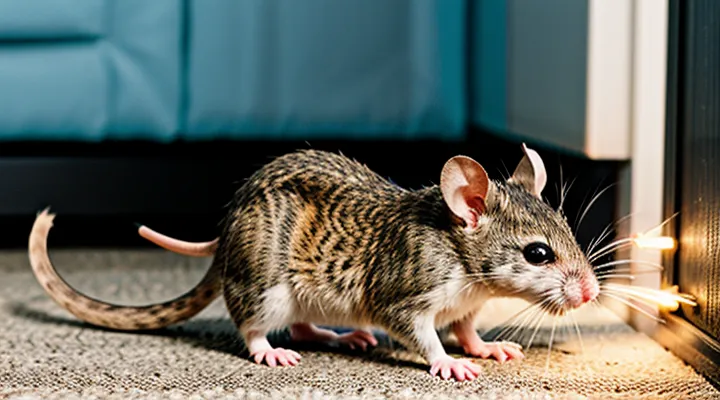
Understanding the Night-Scratching Problem
Identifying the Culprits
Signs of Mice Presence
Mice that become active at night leave distinct evidence. Recognizing these indicators is essential before implementing control measures.
- Small droppings, 2‑3 mm long, dark‑brown or black, often found near food sources, along walls, or in hidden corners.
- Gnaw marks on wood, plastic, or insulation, typically 2‑3 mm wide with clean, sharp edges.
- Nests constructed from shredded paper, fabric, or insulation, located in concealed areas such as behind appliances, inside wall cavities, or under furniture.
- Scratching sounds on ceilings or walls after dark, indicating movement and foraging activity.
- Unexplained food residues, grease smears, or oil streaks near pantry items, resulting from mice transporting food.
- Presence of urine stains, detectable by a faint, musky odor or by using a blacklight to reveal fluorescent spots.
These signs confirm an infestation and guide the selection of appropriate eradication techniques.
Common Entry Points
Night‑scratching mice typically infiltrate homes through structural gaps and utility penetrations. Identifying and sealing these openings prevents the rodents from entering and reduces damage to insulation, wiring, and stored food.
- Gaps around the foundation, especially where concrete meets soil, often measure less than an inch and allow easy access.
- Openings around exterior pipes, cables, and conduit sleeves provide direct pathways from the yard to interior spaces.
- Unscreened or damaged vent covers on attics, crawl spaces, and basements serve as common entry points.
- Door frames and window sills with deteriorated weatherstripping or cracked caulking admit mice during nighttime activity.
- Cracks in exterior walls, including those around siding, brick, or stucco, create hidden routes into wall cavities.
- Roof eaves, soffits, and fascia boards with loose or missing trim expose the interior to rodent intrusion.
- Pet doors left open or without proper sealing act as convenient entrances for night‑active mice.
- Chimney flues lacking caps or mesh screens allow rodents to descend into living areas.
- Drainage and sewer pipes that connect to the home’s interior, when improperly sealed, become conduits for mice.
Effective control begins with a systematic inspection of each listed point, followed by the application of appropriate sealing materials such as steel wool, copper mesh, expanding foam, or cement-based caulk. Reinforcing doors and windows with robust weatherstripping and installing tight-fitting screens on vents and pet doors further restricts access. Regular maintenance of the building envelope ensures that newly formed gaps are addressed before mice can exploit them.
Why Mice Scratch at Night
Mice are predominantly nocturnal; their activity peaks after dark when visual predators are less effective. During these hours they search for food, construct nests, and explore unfamiliar surfaces. Scratching serves several functional purposes.
- Nest building: Teeth and claws shape materials, creating a secure chamber for offspring.
- Sensory assessment: Vibrations and tactile feedback confirm the stability and suitability of potential hiding spots.
- Territorial marking: Glandular secretions left on scratched surfaces communicate presence to conspecifics.
- Thermoregulation: Scratching exposes underlying insulation, allowing mice to adjust body temperature in cooler night air.
- Predator avoidance: Rapid movements and noise generated by scratching can distract or deter small predators that rely on sound cues.
Understanding these motives clarifies why mice concentrate scratching behavior after sunset and informs effective strategies for removal. Targeting food sources, sealing entry points, and providing alternative nesting materials disrupt the incentives that drive nocturnal scratching, reducing the likelihood of repeated infestations.
Effective Strategies for Mouse Control
Prevention is Key
Sealing Entry Points
Sealing openings in the building envelope stops mice from entering rooms where they can damage walls and furniture during nighttime activity. Without a continuous barrier, rodents exploit gaps as small as a quarter‑inch, gaining access to interior spaces where they create scratches and gnaw marks.
Locate potential entry points by inspecting the exterior and interior of the structure. Focus on areas around utility penetrations, foundation cracks, roof eaves, and door frames. Use a flashlight to reveal dark crevices, and feel for drafts that indicate hidden openings.
- Apply steel wool or copper mesh to gaps larger than ¼ in.; these materials resist chewing.
- Cover the filler with a durable sealant such as silicone caulk, expanding polyurethane foam, or mortar, depending on the substrate.
- Install metal flashing around vents, pipe sleeves, and window wells; secure with screws and sealant to prevent displacement.
- Replace worn weatherstripping on doors and windows; choose a product rated for rodent resistance.
After sealing, conduct a follow‑up inspection to verify that all treated areas remain intact. Reapply sealant to any cracks that reappear due to settling or temperature fluctuations. Consistent maintenance of a sealed envelope maintains a hostile environment for nocturnal mice and reduces the likelihood of scratch damage.
Food Storage and Sanitation
Secure food containers are the first barrier against nocturnal scratching rodents. Use airtight, heavy‑duty plastic or metal bins with sealed lids. Store grains, cereals, and pet food away from walls and floor level. Replace damaged packaging promptly.
Maintain a clean environment to eliminate attractants. Remove crumbs, spilled liquids, and food residues from countertops, floors, and appliances within minutes of discovery. Dispose of waste in bins equipped with tight‑fitting lids; empty them daily.
- Keep pantry shelves spaced to allow air circulation and inspection.
- Rotate stock regularly; discard items past their expiration dates.
- Clean storage areas with a mild detergent, then rinse and dry thoroughly.
- Inspect delivery boxes for holes before unloading; discard compromised packaging.
- Seal entry points around cabinets, pipes, and vents with steel wool or caulk.
Regular sanitation combined with proper storage deprives mice of food sources, reducing the likelihood of night‑time scratching activity.
Eliminating Water Sources
Eliminating water sources deprives nocturnal scratching rodents of a critical survival need, forcing them to seek shelter elsewhere. Identify all potential moisture points—leaky pipes, dripping faucets, condensation on windows, and pet bowls left overnight. Repair leaks promptly, replace faulty washers, and insulate cold surfaces to prevent condensation buildup.
Secure outdoor and indoor areas by:
- Removing standing water from plant saucers, birdbaths, and gutters.
- Using drip‑free watering systems for garden beds, directing runoff away from foundations.
- Covering trash cans and compost piles with tight‑fitting lids to block moisture accumulation.
- Storing pet food and water dishes in sealed containers; provide water only during feeding times and empty dishes after use.
Inspect basements, crawl spaces, and utility rooms for hidden dampness. Install dehumidifiers where humidity consistently exceeds 50 %. Seal cracks in foundations and walls with waterproof caulk to block water infiltration.
Regularly monitor humidity levels with a hygrometer. Maintain indoor humidity between 30–40 % to create an environment unsuitable for mouse activity. By systematically removing accessible water, the habitat becomes inhospitable, reducing the likelihood of night‑time scratching incidents.
Trapping Methods
Live Traps
Live traps provide a humane option for removing nocturnal scratching mice without using poisons. The device consists of a cage with a trigger mechanism that closes the door when the rodent enters to reach bait.
Key considerations when selecting a live trap:
- Size adequate for adult mice (approximately 4–5 inches long).
- Durable latch that snaps shut quickly to prevent escape.
- Transparent front panel for easy monitoring.
Effective placement maximizes capture rates:
- Identify active pathways by observing fresh gnaw marks, droppings, or scratches on walls and furniture.
- Position traps perpendicular to the wall, with the entry side facing the suspected route.
- Place traps near food sources, such as pantry shelves or waste bins, using a small amount of peanut butter, cheese, or sunflower seed as bait.
Monitoring and handling:
- Check traps at least twice daily to reduce stress on captured mice.
- Wear gloves when releasing; transport the animal at least 100 feet away from the residence, preferably into a wooded area with natural cover.
- Release at dusk to align with the rodents’ active period, increasing the likelihood of successful relocation.
Maintenance:
- Clean traps with mild detergent after each use to remove scent trails that could deter future catches.
- Inspect the latch mechanism for wear; replace or repair as needed to maintain reliability.
By adhering to these guidelines, live traps become a reliable component of an integrated strategy for eliminating night‑scratching mice while preserving animal welfare.
Snap Traps
Snap traps provide immediate, lethal control of nocturnal rodents that damage surfaces with their claws. The mechanism consists of a spring‑loaded bar that releases upon trigger activation, delivering a rapid blow to the animal’s neck or spine. This method eliminates the pest without the need for chemicals, reducing the risk of contaminating food storage areas.
Effective deployment requires strategic placement. Position traps along walls, behind furniture, and near known entry points, because mice habitually travel close to surfaces. Ensure the trigger end faces the expected direction of movement; a misaligned trap reduces capture rates. Use a small amount of high‑protein bait—such as a piece of cheese, peanut butter, or dried fruit—to attract the mouse while allowing the trigger to engage easily.
Safety considerations include:
- Wearing thick gloves when handling traps to avoid accidental discharge.
- Securing traps out of reach of children and non‑target animals.
- Checking traps daily; remove captured rodents promptly to prevent odor buildup that may deter further activity.
Disposal guidelines:
- Place the dead mouse in a sealed plastic bag.
- Dispose of the bag in an outdoor trash container.
- Reset the trap with fresh bait before returning it to the original location.
Snap traps remain a cost‑effective solution, with each unit typically priced under $5 and reusable after resetting. When combined with exclusion measures—such as sealing gaps and maintaining a tidy environment—snap traps can significantly reduce nocturnal mouse populations and prevent further surface damage.
Electronic Traps
Electronic traps provide a rapid, non‑chemical method for eliminating nocturnal scratching mice that invade homes. These devices emit a high‑voltage shock when a mouse contacts a conductive grid, delivering instant mortality without the need for poisons or snap mechanisms.
Key characteristics to consider when selecting an electronic trap:
- Voltage level: Minimum 2,000 V ensures reliable termination of small rodents.
- Power source: Battery‑operated units allow placement in areas without outlet access; mains‑powered models guarantee continuous operation.
- Safety features: Insulated housing and a protective cover prevent accidental contact by humans or pets.
- Capacity: Traps that store multiple carcasses reduce the frequency of emptying.
- Noise level: Low‑decibel operation avoids disturbance during nighttime activity.
Effective placement maximizes capture rates. Position traps along walls, behind appliances, and near known entry points, because mice travel close to surfaces. Install devices at a height of 2–4 inches from the floor, aligning the conductive plates with the typical path of a mouse. Ensure the surrounding area is free of clutter that could obstruct the mouse’s approach.
Maintenance procedures are straightforward. After each successful kill, open the trap, dispose of the carcass, and clean the interior with mild detergent to prevent buildup of debris that could impair conductivity. Replace batteries or verify power connections monthly to maintain full voltage output.
When used correctly, electronic traps reduce mouse populations rapidly, limit secondary infestations, and eliminate the health risks associated with chemical baits. Their precision and ease of use make them a preferred tool for managing night‑time scratching rodents in residential environments.
Baiting Strategies
Effective baiting requires selecting attractants that match the nocturnal feeding habits of mice. Protein‑rich options such as peanut butter, dried fish, or canned cat food release strong odors that draw rodents from dark corners. Grain‑based baits—sunflower seeds, cracked corn, or oat flakes—are useful when mice are foraging for carbohydrates. For heightened potency, combine a protein source with a small amount of sweetener, like honey, to stimulate both taste and scent receptors.
Placement determines success. Position bait stations near walls, behind appliances, or within concealed crevices where mice travel. Keep stations 2–3 feet apart to prevent competition and to cover the entire infestation zone. Secure bait in tamper‑resistant containers to protect children, pets, and non‑target wildlife.
Timing influences uptake. Deploy fresh bait each evening, allowing mice to encounter it during their active period after dark. Replace unconsumed bait after 24 hours to maintain potency and to monitor activity levels.
Safety considerations include:
- Wearing disposable gloves when handling bait to avoid contaminating scent trails.
- Using low‑toxicity rodenticides in sealed stations to reduce secondary poisoning risks.
- Labeling stations clearly for household awareness.
Monitoring involves counting removed bait pieces and recording any signs of consumption, such as chew marks or droppings. A steady decline in bait disappearance indicates diminishing mouse presence; persistent activity suggests the need to adjust attractant type or increase station density.
Repellent Solutions
Natural Repellents
Night‑active mice that scratch walls and ceilings create structural damage and noise. Homeowners often prefer methods that avoid synthetic chemicals, relying on substances derived from plants, minerals, or biological processes.
Natural repellents function by emitting odors, tastes, or tactile sensations that mice find unpleasant. The effectiveness of each option depends on concentration, placement, and environmental conditions.
- Peppermint oil: dilute 10 ml of oil in 500 ml of water, apply to cotton balls, and position near entry points and nesting sites. The strong menthol scent disrupts mouse olfactory cues.
- Clove oil: mix 5 ml with 250 ml of water, spray on surfaces where rodents travel. Eugenol, the active component, acts as a deterrent.
- Cedar shavings: spread a thin layer in closets, drawers, and crawl spaces. The natural volatile compounds repel rodents without leaving residue.
- Dryer sheets: place scented sheets in cabinets and behind appliances. The chemical additives emit a fragrance that mice avoid.
- Chili powder: sprinkle a light coating along baseboards and around holes. Capsaicin irritates the nasal passages of rodents, discouraging passage.
- Ultrasonic emitters powered by solar panels: generate high‑frequency sound beyond human hearing, creating an uncomfortable acoustic environment for nocturnal pests.
To maximize results, combine at least two repellents, rotate them every two weeks, and seal obvious gaps in the building envelope. Regular inspection of potential entry points, combined with consistent application of natural deterrents, reduces mouse activity without resorting to toxic pesticides.
Ultrasonic Devices
Ultrasonic devices emit high‑frequency sound waves that are inaudible to humans but uncomfortable for rodents. The emitted pulses create an environment that discourages nocturnal scratching mice from entering or remaining in treated areas.
Key characteristics of effective ultrasonic repellents:
- Frequency range typically between 20 kHz and 65 kHz, targeting the hearing sensitivity of mice.
- Adjustable timer settings allow continuous operation during night hours when activity peaks.
- Built‑in motion sensors concentrate emissions where movement is detected, conserving energy and increasing deterrence.
- Battery‑powered or AC‑plug models provide flexibility for placement in closets, attics, or under floorboards.
Performance considerations:
- Coverage radius varies by model; a single unit generally protects an area of 500–1,200 sq ft. Larger spaces may require multiple devices positioned to avoid blind spots.
- Solid walls and dense insulation diminish wave propagation; placement near open pathways enhances effectiveness.
- Devices lose potency over time; manufacturers recommend replacing units every 2–3 years to maintain output strength.
Installation guidelines:
- Locate entry points or typical travel routes of the rodents.
- Mount the unit at a height of 4–6 ft, angled toward the target zone.
- Activate the timer to coincide with the onset of darkness, typically from 8 PM to 6 AM.
- Verify continuous operation by checking indicator lights or battery status weekly.
Ultrasonic repellents provide a non‑chemical, silent method for reducing night‑time scratching activity. When combined with sealing entry gaps and maintaining cleanliness, they form a reliable component of an integrated rodent‑control strategy.
Commercial Repellents
Commercial repellents provide a practical alternative to traps when addressing nocturnal scratching rodents. Formulations fall into three categories: ultrasonic devices, chemical sprays, and granule bait stations.
- Ultrasonic units emit high‑frequency sounds beyond human hearing, disrupting mouse activity patterns. Effectiveness diminishes in cluttered spaces where sound waves are blocked.
- Chemical sprays contain volatile compounds such as peppermint oil, citronella, or synthetic pyrethroids. Application to entry points, walls, and ceiling corners creates a sensory barrier that mice avoid. Re‑application is required after cleaning or ventilation.
- Granule bait stations release repellant odors from a porous matrix. Placement near suspected pathways offers continuous protection while minimizing direct contact with pets or children.
Key considerations for selecting a commercial repellent:
- Verify that the product is registered with relevant regulatory agencies, confirming safety standards and efficacy data.
- Match the delivery method to the environment; sealed rooms benefit from ultrasonic units, while open crawl spaces respond better to sprays.
- Review the active ingredient list for potential allergens or toxicity, especially in households with pets.
- Assess the duration of protection; products with longer release periods reduce maintenance frequency.
Proper deployment maximizes results. Clean surfaces before applying sprays, ensure unobstructed line‑of‑sight for ultrasonic emitters, and position granule stations at least six inches from walls to allow odor diffusion. Monitor mouse activity for two weeks; a noticeable decline indicates successful deterrence. If activity persists, combine repellents with exclusion techniques such as sealing gaps and installing door sweeps.
Advanced Extermination Techniques
When to Call a Professional
When rodent activity continues after basic traps, sealing, and sanitation, professional intervention becomes necessary. Persistent nocturnal scratching, audible damage to structural elements, and evidence of breeding colonies indicate that DIY measures have failed.
- Infestation spreads beyond a single room or visible entry points.
- Damage threatens electrical wiring, insulation, or load‑bearing components.
- Traps and baits capture few individuals despite regular placement.
- Health risks arise from droppings, urine, or disease carriers in occupied spaces.
- Local regulations require licensed exterminators for certain control methods.
Professional services provide comprehensive assessment, identification of hidden routes, and application of certified control products. Experts also offer guarantees, follow‑up monitoring, and documentation for compliance with housing or health standards.
Select a provider with documented experience in nocturnal rodent control, appropriate licensing, and clear service agreements. Verify references, request a written plan, and ensure the technician follows safety protocols for occupants and pets.
Understanding Rodenticides (with precautions)
Rodenticides are chemical agents formulated to control mouse populations that damage property and pose health risks during nighttime activity. They fall into three primary categories: anticoagulant compounds that disrupt blood clotting, neurotoxic agents such as bromethalin that impair nerve function, and acute poisons like zinc phosphide that release phosphine gas upon ingestion. Selecting the appropriate type depends on the severity of infestation, presence of non‑target animals, and local regulatory restrictions.
Effective use requires precise dosage calculations based on the product’s concentration and the target species’ weight range. Bait stations should be positioned near known travel routes, concealed from pets and children, and inspected regularly for consumption and spoilage. Replace bait daily to maintain potency and reduce secondary poisoning risks.
Precautions:
- Wear disposable gloves and protective eyewear during handling.
- Store containers in a locked, well‑ventilated area away from food supplies.
- Keep bait out of reach of domestic animals, wildlife, and minors; use tamper‑resistant stations when necessary.
- Record placement locations and dates to track efficacy and comply with reporting requirements.
- Dispose of unused product and contaminated materials according to local hazardous waste guidelines.
Legal compliance varies by jurisdiction; many regions mandate registration of anticoagulant products and restrict outdoor application. Verify label instructions and consult pest‑control authorities before deployment.
Monitoring after application involves setting live‑capture traps or motion‑activated cameras to assess reduction in activity. If rodent presence persists, rotate to an alternative active ingredient after a suitable waiting period to prevent resistance development. Continuous evaluation ensures that control measures remain effective while minimizing health and environmental hazards.
Post-Extermination Measures
Cleaning and Disinfection
Removing Droppings and Urine
Effective elimination of rodent traces begins with thorough removal of feces and urine. These residues attract additional pests, spread disease, and emit odors that mask the presence of mice, complicating control efforts.
Follow a systematic cleaning protocol:
- Wear disposable gloves, a mask rated for particulate protection, and eye protection.
- Ventilate the area for at least 15 minutes before starting.
- Sweep or vacuum dry droppings using a HEPA‑rated vacuum; avoid shaking to prevent aerosolization.
- Place collected material in a sealed, heavy‑duty plastic bag.
- Apply an enzymatic cleaner to urine‑soaked surfaces; allow the solution to sit for the manufacturer‑specified dwell time.
- Rinse with warm water and dry completely; repeat if stains persist.
- Dispose of the sealed bag in an outdoor trash container not accessed by rodents.
After cleaning, disinfect the treated zone with a solution containing at least 0.1 % bleach or a registered rodent‑specific disinfectant. Allow the disinfectant to remain wet for the recommended contact period before wiping away. Regular inspection and prompt removal of new deposits prevent re‑infestation and support long‑term eradication of nocturnal scratching rodents.
Sanitizing Contaminated Areas
Sanitizing areas contaminated by nocturnal scratching rodents is essential for preventing reinfestation and protecting health. Residues left behind—urine, droppings, and saliva—contain pathogens that can survive for weeks, making thorough decontamination a non‑negotiable step in any eradication plan.
- Conduct a visual inspection to locate all nests, feeding stations, and travel routes. Mark each zone for systematic treatment.
- Remove all visible debris, including shredded material, food remnants, and nesting insulation. Use disposable gloves and place waste in sealed bags.
- Apply an EPA‑registered disinfectant proven effective against rodent‑borne bacteria and viruses. Follow the manufacturer’s contact time, ensuring surfaces remain wet for the required duration.
- After disinfection, rinse with clean water where appropriate, then dry surfaces completely to inhibit microbial growth.
- Increase ventilation in the treated space to accelerate drying and disperse lingering airborne particles.
Repeat the process in each identified zone, then perform a final sweep with a HEPA‑filtered vacuum to capture residual dust. Document the steps taken and schedule periodic re‑inspection to verify that no new contamination appears.
Future Prevention and Monitoring
Regular Inspections
Regular inspections form the backbone of any program aimed at eliminating nocturnal scratching rodents. Systematic observation reveals entry points, nesting sites, and activity patterns before damage escalates.
Inspect the premises at least once a week during active months and bi‑weekly when rodent activity wanes. Increase frequency after rain, construction, or any change that may alter shelter availability.
- Examine exterior walls, foundation cracks, and utility penetrations for gaps larger than ¼ inch.
- Check roof eaves, soffits, and vents for signs of gnawing or droppings.
- Survey indoor areas: pantry shelves, storage closets, and under‑furniture spaces for shredded material, urine stains, or fresh gnaw marks.
- Test traps and bait stations for placement accuracy and effectiveness.
- Verify that sealing materials (caulk, steel wool, mesh) remain intact.
Record each inspection in a log that includes date, inspected zones, identified issues, and corrective actions taken. Review the log weekly to detect trends, prioritize repairs, and adjust trap density. Consistent documentation ensures accountability and supports long‑term success in suppressing night‑time scratching mice.
Maintaining a Mouse-Unfriendly Environment
Maintaining a mouse‑unfriendly environment is the most reliable method for eliminating nocturnal scratching rodents.
- Inspect walls, foundations, and rooflines for gaps larger than ¼ inch; seal each opening with steel wool, caulk, or metal flashing.
- Store all food, pet supplies, and waste in airtight containers; clean crumbs and spills immediately.
- Remove clutter such as cardboard boxes, piles of laundry, and unused furniture that can serve as nesting material.
- Keep vegetation trimmed at least 12 inches from the building; eliminate dense ground cover that facilitates entry.
- Install motion‑activated lights or ultrasonic emitters in high‑traffic areas; maintain devices according to manufacturer guidelines.
- Conduct monthly walkthroughs to verify the integrity of seals, the absence of new food sources, and the condition of deterrent equipment.
Consistent enforcement of these practices prevents mice from establishing a foothold, thereby reducing night‑time scratching incidents without reliance on chemical controls.