
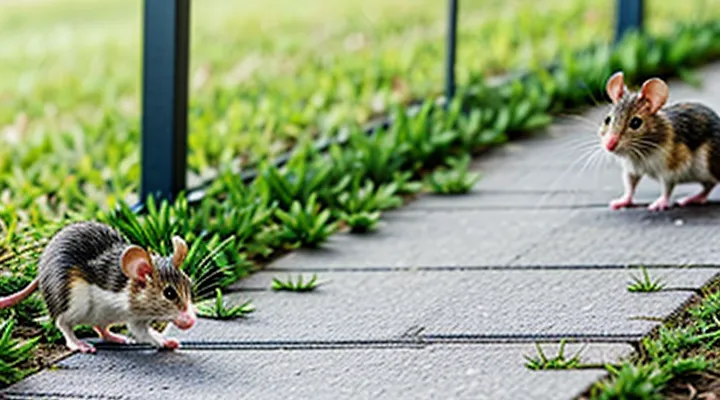
Understanding Mouse Repellents
What Are Mouse Repellents?
Natural Repellents
Natural repellents offer a practical alternative to chemical rodent control. Their effectiveness relies on strong scents or textures that mice find intolerable.
- Peppermint oil: Apply a few drops to cotton balls, place them in corners, cabinets, and entry points. Reapply weekly to maintain potency.
- Citrus peels: Distribute fresh orange or lemon rinds in pantry shelves and under appliances. Replace every two days to prevent odor loss.
- Ammonia: Soak cloths in a mixture of equal parts ammonia and water, position near suspected pathways. Ventilate area after 24 hours to avoid excessive fumes.
- Dryer sheets: Lay sheets in drawers, closets, and behind appliances. Replace monthly as scent diminishes.
- Herbal sachets: Combine dried lavender, rosemary, and cloves in breathable bags; position in crawl spaces and wall voids. Refresh quarterly.
Safety considerations include keeping repellents out of reach of children and pets, avoiding direct skin contact with concentrated oils, and ensuring adequate ventilation when using ammonia. Natural methods do not eradicate infestations instantly; they suppress activity and discourage new entry. For severe problems, combine repellents with sealing gaps, removing food sources, and, if necessary, professional intervention.
Commercial Repellents
Commercial repellents provide a practical alternative to traps and poisons for rodent control. They fall into three primary categories: ultrasonic devices, chemical formulations, and scent‑based products.
-
Ultrasonic units emit high‑frequency sound waves that mice find uncomfortable. Placement should cover the entire infestation zone, with devices spaced no more than 15 feet apart. Continuous power supply maximizes efficacy; intermittent operation reduces impact.
-
Chemical repellents contain compounds such as phenylacetate, peppermint oil, or capsaicin. Application involves spraying or wiping surfaces where mice travel, including baseboards, cabinets, and entry points. Reapplication every 7–10 days maintains the deterrent effect, especially in high‑traffic areas.
-
Scent‑based products rely on strong odors to discourage rodents. Granular or paste formulations are spread in corners, behind appliances, and near potential nesting sites. Concentrations must follow manufacturer specifications to avoid damage to furnishings.
When selecting a commercial repellent, consider the following criteria:
- Active ingredient safety – verify compliance with local health regulations and suitability for households with pets or children.
- Coverage area – match the product’s effective radius to the size of the space.
- Residual duration – prefer formulations that retain potency for at least two weeks to reduce maintenance frequency.
- User reviews and third‑party testing – prioritize products with documented performance data.
Installation guidelines improve results. Seal all obvious entry points before deploying repellents; otherwise, mice may bypass the deterrent zone. Combine multiple types—such as ultrasonic devices with a chemical spray—to address both auditory and olfactory sensitivities.
Monitoring remains essential. After two weeks, inspect for fresh droppings or gnaw marks. Persistent activity indicates the need for repositioning devices or increasing application frequency.
Overall, commercial repellents deliver a non‑lethal, low‑maintenance solution when applied systematically and in accordance with product instructions.
How Repellents Work
Repellents deter mice by exploiting sensory aversions and disrupting essential behaviors. Chemical agents release volatile compounds that mice perceive as threats; the odors trigger avoidance responses, preventing entry into treated zones. Ultrasonic devices emit frequencies beyond human hearing but within the rodent auditory range, causing discomfort and discouraging habitation. Natural extracts, such as peppermint oil or crushed garlic, contain active constituents that irritate the nasal epithelium, prompting immediate retreat.
The effectiveness of each method depends on concentration, coverage area, and persistence. High‑potency formulations maintain detectable levels longer, reducing the need for frequent reapplication. Devices that generate continuous sound require stable power sources and proper placement to avoid dead zones. Natural repellents degrade quickly; regular replenishment ensures sustained deterrence.
Key mechanisms include:
- Olfactory overload: strong scents mask food cues, making environments unattractive.
- Auditory irritation: ultrasonic pulses interfere with communication and navigation.
- Taste aversion: bitter or acrid substances applied to surfaces discourage gnawing.
- Predator cue simulation: synthetic ferret or owl pheromones mimic natural threats.
Proper integration of these tactics creates a hostile environment for rodents, limiting access and encouraging migration to alternative habitats. Continuous monitoring and adjustment of dosage or device positioning maintain optimal performance.
Types of Mouse Repellents
Scent-Based Repellents
Peppermint Oil
Peppermint oil is a widely recognized natural deterrent for rodent intrusion. The volatile compounds, chiefly menthol and menthone, create an odor that mice find intolerable, disrupting their sensory pathways and prompting avoidance of treated areas.
Application methods:
- Soak cotton balls in pure peppermint oil and place them in corners, behind appliances, and within wall voids. Replace every 3–5 days to maintain potency.
- Mix 10–15 drops of peppermint oil with 1 cup of water and a few teaspoons of mild dish soap; spray the solution along baseboards, entry points, and pantry shelves. Reapply after cleaning or when the scent fades.
- Incorporate a few drops into a diffuser positioned in rooms where mouse activity is suspected. Operate continuously for at least 24 hours, then refill as needed.
Effective concentrations range from 2 % to 5 % essential oil in carrier solutions. Higher percentages increase odor intensity but may cause irritation to humans or pets; therefore, adhere to recommended dilutions.
Safety considerations include keeping oil out of reach of children and avoiding direct contact with skin without gloves. Ventilate rooms after application to prevent respiratory discomfort.
Limitations: Peppermint oil deters but does not eradicate established infestations. Combine its use with sealing entry points, removing food sources, and, when necessary, professional trapping for comprehensive control.
Clove Oil
Clove oil contains eugenol, a compound with a strong, pungent aroma that rodents find intolerable. When dispersed in a confined space, the scent overwhelms mice’s sensory receptors, prompting them to vacate the area.
Effective use requires strategic placement and proper concentration. Typical guidelines include:
- Dilute clove oil with a carrier such as water or mineral oil at a ratio of 1 % to 5 % depending on the size of the target zone.
- Soak cotton balls or small fabric pads in the diluted solution.
- Position the treated items near entry points, nesting sites, and along known travel routes.
- Replace the pads every 3–5 days or when the scent diminishes.
Safety considerations: clove oil may irritate skin and mucous membranes; wear gloves during preparation and avoid direct contact with pets. Ensure adequate ventilation to prevent excessive inhalation.
Studies indicate that clove oil reduces mouse activity by up to 70 % when applied consistently. Combining it with other natural repellents, such as peppermint or rosemary oil, can broaden the olfactory spectrum and improve overall deterrence. Regular monitoring and replenishment maintain the repellent effect over time.
Cedarwood Oil
Cedarwood oil emits a strong, woody aroma that rodents find unpleasant. The scent interferes with their scent‑tracking abilities, prompting them to avoid treated areas.
Effective use of cedarwood oil requires proper dilution and strategic placement:
- Mix 10–15 drops of pure cedarwood oil with 1 cup of water and a few teaspoons of a neutral carrier (e.g., vegetable oil) to create an emulsion.
- Soak cotton balls or small fabric pads in the solution.
- Position the saturated pads in entry points, along walls, and near food storage zones where activity has been observed.
- Replace pads every 3–4 days to maintain potency.
Safety considerations include keeping the oil away from open flames, as it is flammable, and preventing direct contact with pets’ skin or eyes. Cedarwood oil does not harm the structure of wood or fabric, making it suitable for indoor and outdoor applications alike.
Scientific assessments indicate that cedarwood oil reduces rodent presence when combined with other deterrents, such as sealing entry gaps and eliminating food sources. Consistent application, coupled with good sanitation, maximizes the repellent effect.
Other Essential Oils
Essential oils other than peppermint can deter rodents when applied correctly.
- Clove oil: strong odor interferes with mice’s sensory receptors. Apply 10–15 drops to cotton balls placed in concealed entry points; replace every three days.
- Eucalyptus oil: contains eucalyptol, which irritates the respiratory system of rodents. Mix 20 ml of water with 5 ml of oil in a spray bottle; mist corners, baseboards, and pantry shelves. Reapply after rain or cleaning.
- Citronella oil: volatile compounds mask food scents and create an unpleasant environment. Soak fabric strips in 30 ml of citronella oil, hang them near suspected pathways, and rotate weekly.
- Rosemary oil: phenolic constituents act as a mild repellent. Add 10 drops to a diffuser for continuous low‑level emission in storage rooms; clean the diffuser weekly to prevent buildup.
- Tea tree oil: antifungal and aromatic properties discourage nesting. Combine 15 drops with 200 ml of carrier oil (e.g., almond) and wipe surfaces where droppings are observed.
When using any oil, ensure proper ventilation and avoid direct contact with food surfaces. Test a small area first to confirm no staining or damage to materials. Combine multiple oils in a single blend (e.g., 5 ml clove + 5 ml eucalyptus + 5 ml citronella) for broader spectrum disruption, but keep total concentration below 2 % to prevent toxicity to pets. Regular replacement of treated materials maintains efficacy and prevents habituation by the pests.
Ammonia
Ammonia is a widely available chemical that deters mice through its pungent odor and irritating vapors. The compound disrupts the rodents’ sense of smell, making treated areas unattractive for nesting and foraging.
The repellent effect relies on the volatile nature of ammonia. When released, the gas creates an environment that mice avoid, especially in confined spaces such as closets, attics, and crawl spaces.
Application guidelines
- Mix one part household ammonia with three parts water in a spray bottle.
- Apply the solution to cotton balls or rags and place them in potential entry points, along baseboards, and near food storage areas.
- Refresh the treatment every 48–72 hours, or after cleaning, to maintain potency.
- Avoid direct contact with surfaces that can be damaged by the alkaline solution, such as certain metals or painted wood.
Safety measures are essential. Use gloves and eye protection during preparation. Ensure adequate ventilation to prevent inhalation hazards for humans and pets. Keep the solution out of reach of children and animals; ammonia fumes can cause respiratory irritation.
Ammonia alone does not eliminate an established infestation. It works best as part of an integrated approach that includes sealing entry points, removing food sources, and employing traps or other repellents. Regular monitoring confirms whether the chemical deterrent remains effective or if supplementary actions are required.
Mothballs
Mothballs are a traditional chemical option for deterring mice from indoor spaces. The primary components, naphthalene or paradichlorobenzene, sublimate at room temperature, releasing vapors that rodents find unpleasant. The odor interferes with the mice’s sensory receptors, prompting avoidance of treated areas.
Application guidelines
- Place mothballs in sealed containers or small, ventilated enclosures; direct exposure to open air can cause rapid dissipation and reduce efficacy.
- Use no more than the amount specified on the product label, typically one mothball per 10 square feet.
- Position containers near entry points, wall voids, and areas showing signs of activity, such as droppings or gnaw marks.
- Keep containers out of reach of children and pets; ingestion or prolonged inhalation poses health risks.
- Replace mothballs after two weeks or when the scent diminishes, as the active compound degrades over time.
Effectiveness varies with environmental conditions. Closed environments retain the vapor longer, increasing deterrent power, while well‑ventilated spaces dilute the concentration quickly. Regulatory agencies restrict the use of naphthalene in residential settings in several jurisdictions due to carcinogenic concerns. Proper labeling and adherence to local regulations are mandatory.
Mothballs complement mechanical exclusion methods, such as sealing gaps and installing traps. Relying solely on chemical vapors may not eliminate an established infestation; integrated pest management—combining physical barriers, sanitation, and monitoring—delivers more reliable control.
Ultrasonic Repellents
How Ultrasonic Devices Function
Ultrasonic repellents emit sound waves above the human hearing range, typically 20–65 kHz. The device contains a piezoelectric transducer that converts electrical energy into high‑frequency vibrations. These vibrations travel through the air as pressure pulses, creating a continuous acoustic field that rodents perceive as uncomfortable.
The acoustic field operates on two mechanisms. First, the rapid pressure changes irritate the mouse’s auditory system, causing stress and prompting avoidance behavior. Second, the sound interferes with communication signals used for mating and territorial marking, disrupting normal activity patterns.
Key operational factors include:
- Frequency selection: 30–45 kHz targets adult mice, while higher frequencies affect juveniles.
- Pulse modulation: varying duty cycles prevent habituation by avoiding a constant tone.
- Coverage radius: effective range generally spans 15–30 ft, diminishing with obstacles such as walls or furniture.
- Power source: mains‑connected units provide continuous emission; battery‑powered models require periodic replacement.
Installation guidelines:
- Position the device at mouse height (5–10 inches above the floor) to align the acoustic field with their typical travel paths.
- Place units in corners or along wall junctions where rodents are likely to travel.
- Ensure no large objects block the line of sight between the transducer and the target area.
Limitations:
- Sound attenuation through dense materials reduces effectiveness in multi‑room environments.
- Rodents may become desensitized if exposure is uninterrupted; periodic relocation or use of multiple frequencies mitigates this risk.
- Ultrasonic waves do not affect insects or larger pests, so complementary methods may be necessary for comprehensive control.
Maintenance consists of cleaning the transducer surface to prevent dust buildup and verifying continuous operation with an indicator light or audible cue. Replacing the unit after 12–24 months maintains output intensity within the designed specifications.
Effectiveness of Ultrasonic Repellents
Ultrasonic devices emit high‑frequency sound waves beyond human hearing, targeting the auditory sensitivity of rodents. Laboratory tests show that exposure levels of 20–30 kHz cause discomfort and avoidance behavior in mice, leading to reduced activity in treated zones.
Field studies in residential and agricultural settings report mixed outcomes. Consistent findings include:
- Immediate repellent effect within the first 24 hours of operation.
- Diminished efficacy after several weeks, likely due to habituation.
- Greater success when devices are installed in confined areas with limited entry points.
Effectiveness correlates with proper placement, continuous power supply, and integration into a broader pest‑management plan. Isolated use of ultrasonic emitters rarely eliminates infestations; supplemental measures such as sealing gaps, eliminating food sources, and trapping remain essential for long‑term control.
Electronic Repellents
Electronic repellents emit high‑frequency sound waves or electromagnetic fields that rodents find uncomfortable. The devices operate without chemicals, making them suitable for food‑storage areas and occupied homes.
Ultrasonic units generate frequencies above 20 kHz, which are inaudible to humans but irritate mice’s auditory system. Electromagnetic models create low‑intensity fields that interfere with the nervous system, prompting avoidance behavior. Both types require continuous power; battery‑operated models offer flexibility, while plug‑in units ensure constant operation.
Effective deployment follows several principles:
- Position units at least 12 inches from walls or furniture to prevent sound absorption.
- Cover each room with a separate device; a single unit cannot protect an entire house.
- Maintain a clear line of sight between the emitter and open areas; obstacles diminish coverage.
- Replace devices according to manufacturer specifications, typically every 12–24 months, to preserve output strength.
Performance varies with environmental factors. Open spaces and high ceilings reduce ultrasonic reach, while metal structures can shield electromagnetic fields. Laboratory studies report reduction rates between 30 % and 70 % when devices are correctly installed and combined with sanitation measures.
Safety considerations include:
- No adverse effects on humans or pets when devices operate within approved frequency ranges.
- Avoid placement near infant cribs or medical equipment that may be sensitive to electromagnetic interference.
Electronic repellents are most effective as part of an integrated control strategy that includes sealing entry points, removing food sources, and monitoring activity with traps or visual inspections.
Effective Application of Repellents
Identifying Mouse Activity
Identifying mouse activity is the first step before applying any repellent strategy. Accurate detection allows targeted placement of deterrents and prevents wasted effort.
Common indicators include:
- Fresh droppings, typically 3‑5 mm long, dark and pellet‑shaped.
- Gnaw marks on wood, plastic, wires, or packaging.
- Silky trails of urine along walls, especially near food sources.
- Scratching sounds in ceiling voids, attics, or crawl spaces.
- Nests constructed from shredded paper, fabric, or insulation.
Inspect potential entry points such as gaps around pipes, vents, and foundation cracks. Use a flashlight to examine dark corners and behind appliances. Record the location of each sign; mapping these points guides the placement of repellents where mice are most active.
When evidence is found, clean the area with a disinfectant to eliminate scent trails that attract rodents. Replace damaged materials and seal openings with steel wool or caulk before deploying the chosen repellent product. This systematic approach maximizes the effectiveness of any deterrent method.
Preparing the Area
Cleaning and Sanitation
Effective mouse control begins with rigorous cleaning and sanitation. Removing food residues, water sources, and shelter eliminates the conditions that attract rodents and enhances the potency of repellent products.
- Store all food in sealed containers made of metal or thick plastic.
- Clean countertops, floors, and appliances daily with a detergent that removes grease and crumbs.
- Empty trash bins at least once daily; use bins with tight‑fitting lids.
- Sweep behind appliances, under cabinets, and in pantry aisles to clear dropped food particles.
- Wash dishes immediately after use; avoid leaving dishes in the sink overnight.
- Eliminate standing water by fixing leaks, drying wet areas, and using absorbent mats in high‑moisture zones.
- Reduce clutter by discarding cardboard boxes, paper stacks, and unused items that provide nesting material.
Sanitation also supports preventative measures. Seal cracks, gaps, and openings larger than ¼ inch to block entry points identified during inspection. Apply repellent gels or sprays to interior corners, behind appliances, and along baseboards after cleaning; a clean surface ensures proper adhesion and prolonged effectiveness. Regularly inspect and maintain these barriers, replacing sealant and repellent applications as needed.
Consistent hygiene practices, combined with targeted repellent application, create an environment where mice cannot thrive, leading to sustained reduction of rodent activity.
Sealing Entry Points
Sealing entry points eliminates the primary pathway that rodents use to infiltrate a building, making any repellent strategy far more effective. Begin by inspecting the exterior for gaps larger than a quarter‑inch, focusing on foundations, walls, and utility penetrations. Apply steel wool or copper mesh to small cracks, then cover with a durable sealant such as silicone or expanding foam. For larger openings, install metal flashing or hardware cloth, securing it with screws to prevent future displacement.
Check interior walls, floors, and ceilings for hidden gaps around pipes, vents, and electrical conduits. Use a flashlight to identify subtle openings; fill them with a combination of caulk and epoxy for a permanent barrier. Door frames should be fitted with weatherstripping, and threshold seals must be intact to block rodents from slipping underneath.
Maintain the sealed environment by scheduling quarterly inspections. Replace worn weatherstripping, reapply sealant to any cracks that show signs of wear, and verify that exterior drainage directs water away from the structure, reducing soil erosion that can expose new entryways. Consistent upkeep preserves the integrity of the barrier, ensuring that repellent products remain focused on interior deterrence rather than compensating for structural vulnerabilities.
Strategic Placement of Repellents
High-Traffic Areas
High‑traffic zones—kitchens, pantry aisles, utility rooms, and entryways—are prime pathways for rodents seeking food and shelter. Effective repellent deployment in these areas requires strategic placement, appropriate product selection, and regular monitoring.
- Position ultrasonic emitters at ceiling height, angled toward open floor space, to cover the widest possible radius. Overlap zones by 20 % to eliminate blind spots.
- Apply liquid or aerosol deterrents along baseboards, behind appliances, and near waste containers. Allow each coating to dry fully before traffic resumes.
- Install scented sachets or granules in cabinets and drawer interiors, replacing them every 30 days to maintain potency.
- Use adhesive tape strips on the underside of shelving units where rodents travel, ensuring the adhesive surface remains clean of debris.
Environmental factors affect performance. Moisture accelerates the breakdown of chemical repellents, while dense clutter can block ultrasonic waves. Maintain low humidity, remove unnecessary items, and seal cracks around doors and vents to improve efficacy.
Routine inspection—weekly visual checks and monthly sound level verification for electronic devices—identifies diminished activity zones. Adjust emitter positioning or replenish chemicals promptly to sustain continuous protection across all high‑traffic passages.
Entry and Exit Points
Mice can bypass repellent devices if they have unsealed routes into a building. Eliminating those routes maximizes the concentration of the deterrent and forces rodents to encounter the product.
Common access points include:
- Cracks around foundation walls
- Gaps beneath doors and windows
- Openings around utility pipes and vents
- Holes in siding, soffits, or eaves
- Unfinished attic or crawl‑space openings
- Gaps around HVAC ducts and chimneys
To secure these pathways, follow a systematic approach:
- Conduct a visual inspection of the exterior and interior perimeter, paying special attention to the items listed above.
- Use a flashlight and mirror to probe hidden crevices; feel for drafts that indicate unseen gaps.
- Apply steel wool, copper mesh, or expanding foam to fill small openings; install metal flashing or cement for larger cracks.
- Install door sweeps and weather stripping to close gaps under entry doors.
- Verify that all repairs are weather‑tight, preventing future intrusion.
After sealing, position repellents along the former entry routes and in interior travel corridors. With no alternative passages, mice must encounter the deterrent, increasing the likelihood of successful removal.
Food Storage Areas
Food storage zones attract rodents because they provide constant access to nutrients. Mice can quickly contaminate packaged goods, compromise shelf life, and spread disease. Preventing entry and eliminating existing pests are the two priorities for any effective rodent‑control plan.
Repellents function by creating an environment that mice avoid. Ultrasonic devices emit frequencies beyond human hearing, disrupting the animals’ navigation. Natural agents such as peppermint oil or crushed cloves release strong aromas that interfere with their scent trails. Chemical deterrents, applied to surfaces or incorporated into packaging, deliver a taste or odor that discourages feeding. Selecting a repellent compatible with food‑safety regulations ensures no residue contaminates the product.
Practical measures for securing storage areas:
- Seal all cracks, gaps, and openings larger than ¼ inch with steel wool, caulk, or metal mesh.
- Install door sweeps and airtight lids on containers to block entry points.
- Place ultrasonic units at regular intervals, covering the entire square footage without overlapping zones.
- Apply a thin layer of approved natural repellent on shelving edges and around perimeter walls.
- Keep the floor dry; mop spills immediately and use absorbent mats to prevent moisture buildup.
- Conduct weekly inspections for droppings, gnaw marks, or new openings, and address findings promptly.
Consistent monitoring and timely replacement of repellent devices maintain pressure on the mouse population. When the storage environment remains inhospitable, rodents lose the incentive to infiltrate, preserving the integrity of the food supply.
Limitations and Considerations
Short-Term Solutions
Effective short‑term measures focus on immediate deterrence rather than long‑term population control.
-
Ultrasonic emitters: Devices emit high‑frequency sound that mice find uncomfortable. Place units near entry points and food storage; operate continuously for 24‑48 hours to force rodents to vacate the area.
-
Peppermint oil: Soak cotton balls in concentrated oil and position them in corners, behind appliances, and along walls. Replace every two days; the strong scent disrupts mouse sensory pathways and encourages rapid departure.
-
Ammonia vapour: Mix equal parts water and ammonia in a spray bottle. Apply to baseboards, crawl spaces, and concealed gaps. The pungent odor acts as a repellent for several hours; reapply after cleaning or when the scent fades.
-
Commercial rodent repellent sprays: Products containing natural extracts (e.g., eucalyptus, clove) or synthetic compounds (e.g., methyl nonyl ketone) can be sprayed directly onto surfaces where mice travel. Follow label instructions for frequency, typically every 3‑5 days.
-
Snap traps with scented bait: Combine standard snap traps with a few drops of peppermint or citronella oil on the trigger mechanism. The scent draws mice to the trap while the device delivers an instant kill, reducing the population within a day or two.
-
Seal obvious entry points temporarily: Use removable steel wool or foam tape to block holes identified during inspection. This prevents immediate re‑entry while longer‑term sealing solutions are prepared.
Each method delivers rapid reduction in mouse activity. For best results, apply multiple tactics simultaneously and monitor effectiveness every 12‑hour interval, adjusting placement or concentration as needed.
Adapting to Repellents
Adapting to repellents requires a systematic approach that maximizes effectiveness while minimizing unintended consequences.
First, identify the type of repellent that matches the infestation environment. Ultrasonic devices work best in enclosed spaces with limited obstacles, while peppermint oil or ammonia solutions are suitable for cracks, crevices, and outdoor perimeters.
Second, position the devices or apply the substances according to manufacturer guidelines. Place ultrasonic emitters at least 12 inches above the floor, away from walls, to ensure unobstructed sound propagation. Apply liquid repellents on cotton balls or cloth strips and replace them every 7‑10 days, because potency declines rapidly.
Third, implement a rotation schedule. Mice can become desensitized to a single stimulus; alternating between ultrasonic units and scent-based repellents every two weeks disrupts habituation.
Fourth, monitor activity with non-lethal traps or motion‑activated cameras. Record capture rates before and after each adjustment to quantify impact. If data show no decline, recalibrate placement or switch to a different repellent class.
Fifth, consider safety and compatibility. Ensure that repellents do not interfere with food storage, pet health, or ventilation systems. Use sealed containers for scented solutions to prevent accidental spills.
Finally, integrate repellents with broader exclusion tactics. Seal entry points, maintain clean surfaces, and eliminate food sources. When repellents operate within a tightly controlled environment, mouse populations decrease noticeably, and long‑term control becomes achievable.
Safety Precautions
For Pets
When employing rodent deterrents in a household with animals, prioritize products that pose no toxicity to cats, dogs, birds, or small mammals.
Select repellents based on their active ingredients:
- Essential‑oil blends (peppermint, clove, eucalyptus) – safe in low concentrations, effective when applied to cotton balls or spray bottles.
- Ultrasonic devices – emit frequencies uncomfortable for rodents but inaudible to most pets; verify that the device complies with safety standards.
- Natural grain‑based powders (cinnamon, cayenne) – suitable for placement in sealed containers; avoid direct contact with pet food.
Apply deterrents strategically:
- Identify entry points (gaps under doors, vents, utility openings).
- Place cotton balls soaked in diluted essential‑oil solution near these points, replacing every 7–10 days.
- Install ultrasonic units at a height inaccessible to pets, ensuring clear line of sight to targeted areas.
- Spread powdered mixtures in non‑food storage areas, keeping them away from pet bedding and feeding stations.
Monitor pet behavior after installation. Signs of irritation—excessive scratching, sneezing, or lethargy—indicate a need to adjust concentration or replace the product.
Maintain a clean environment to reduce attractants: store food in sealed containers, remove crumbs promptly, and keep garbage bins tightly closed. These practices complement repellents and lessen reliance on chemical agents that could affect animal health.
When uncertainty remains about a specific product’s safety, consult a veterinarian or reference the manufacturer’s material safety data sheet before use.
For Children
Mice can appear in homes, kitchens, and storage areas where food is kept. They chew wires, contaminate food, and cause damage. Using non‑lethal repellents offers a child‑friendly way to discourage them without traps or poison.
Common safe repellents include:
- Peppermint oil soaked cotton balls placed near entry points.
- Ultrasonic devices that emit high‑frequency sounds inaudible to people but uncomfortable for rodents.
- Natural herbs such as dried lavender or cloves scattered in cabinets.
To apply these methods, follow the steps:
- Identify gaps, holes, or cracks where mice enter.
- Seal openings with steel wool and caulk.
- Place a cotton ball with a few drops of peppermint oil in each sealed area.
- Install an ultrasonic plug‑in device in rooms where mice have been seen.
- Refresh peppermint oil cotton balls weekly to maintain scent strength.
Safety guidelines:
- Keep essential oils away from eyes and skin; adult supervision is required when handling.
- Ensure ultrasonic units are positioned out of reach of children’s toys.
- Do not mix different repellents in the same location, as strong odors may irritate occupants.
Consistent use of these repellents reduces mouse activity while keeping the environment safe for children.
Combining Repellents with Other Methods
Trapping
Effective rodent control often combines deterrent methods with physical capture. Trapping provides immediate reduction of the population while repellents discourage new activity.
- Snap traps: steel spring mechanism, rapid kill, low cost. Use fresh peanut butter or dried fruit as bait. Position with trigger end facing the wall to align with mouse travel routes.
- Live‑catch traps: wire cage with a one‑way door, humane capture. Bait with cheese or nesting material. Release captured mice at least 100 m from the property.
- Electronic traps: high‑voltage plate delivers instant death. Requires battery power; ideal for indoor use where sanitation is a concern.
Placement determines success. Identify mouse pathways by locating droppings, gnaw marks, and obvious entry points. Set traps perpendicular to walls, 2–3 inches from the baseboard, and near food sources. Check traps daily; remove dead rodents promptly to prevent odor buildup that can deter further captures.
Maintain trap efficacy by rotating bait every 2–3 days to preserve freshness. Reset or replace traps that have been triggered but not caught a mouse. Clean reusable devices with mild detergent to eliminate scent residue.
Integrating traps with deterrent products enhances overall results. Apply ultrasonic or scent‑based repellents along the perimeter of the trapping zone; this forces mice toward the active devices. Use exclusion methods—seal cracks, install door sweeps—to limit escape routes after a capture.
A disciplined trapping program, supported by consistent repellent application, leads to rapid decline in mouse activity and prevents re‑infestation.
Exclusion
Exclusion prevents mice from entering a building by eliminating all potential access points. Identify gaps larger than a quarter‑inch in walls, floors, foundations, doors, windows, and utility openings. Seal each opening with durable materials such as steel wool, copper mesh, concrete, or heavy‑duty caulk. Install door sweeps and weatherstripping to block gaps beneath doors. Repair cracked foundation walls and roof sheathing promptly.
Maintain exclusion measures by:
- Inspecting the exterior quarterly for new cracks or holes.
- Re‑sealing any damage caused by weather, pests, or construction activity.
- Keeping vegetation trimmed at least two feet from the building to reduce bridge routes.
- Using metal flashing around pipe and cable penetrations.
Combining a sealed structure with repellent devices creates a comprehensive control strategy, reducing the likelihood that mice will find shelter or food sources inside the premises.
Professional Pest Control
Professional pest‑control operators assess infestation severity, identify entry points, and select repellents that meet regulatory standards. They rely on data from monitoring devices, such as motion sensors and bait stations, to confirm activity patterns before deploying deterrents.
Effective repellent strategies include:
- Ultrasonic emitters calibrated to frequencies that deter rodents without affecting humans or pets.
- Chemical vaporizers containing natural essential oils (e.g., peppermint, rosemary) applied in concealed cavities.
- Granular formulations placed along foundation walls and crawl‑space perimeters, providing long‑lasting contact protection.
Technicians follow a documented protocol: inspect premises, document findings, recommend a combination of physical barriers and repellents, execute installation, and schedule follow‑up visits to verify reduced activity. They also train occupants on sanitation practices that minimize attractants, ensuring that chemical or acoustic deterrents operate under optimal conditions.
Safety compliance is mandatory. Operators wear personal protective equipment, verify ventilation, and record product concentrations to avoid exceedances of occupational exposure limits. Detailed reports are submitted to clients, outlining methods used, observed results, and recommendations for ongoing maintenance.
Maintaining a Mouse-Free Environment
Regular Cleaning
Maintaining a consistently clean environment reduces the attraction of rodents to food residues, nesting material, and shelter. Eliminating crumbs, spilled liquids, and open food containers deprives mice of the resources they seek, making repellents more effective.
Key cleaning practices include:
- Storing dry goods in sealed, airtight containers.
- Removing garbage daily and using bins with tight‑fitting lids.
- Sweeping and vacuuming floors, especially behind appliances and under cabinets.
- Washing dishes promptly and wiping countertops after meals.
- Cleaning pet feeding areas each evening and discarding uneaten food.
Regularly inspecting and sanitizing hidden areas such as basements, attics, and crawl spaces prevents the buildup of debris that can serve as nesting sites. When these zones are kept free of dust, insulation scraps, and shredded paper, mice are less likely to establish colonies, allowing repellents to function without competing food sources.
Integrating systematic cleaning with the application of repellents creates a hostile setting for rodents, accelerating their departure from the premises.
Food Storage Practices
Proper food storage eliminates attractive food sources, reducing the likelihood that rodents will enter a building. Sealed containers prevent crumbs and odors from escaping, which are primary cues for mice seeking nourishment.
Key practices for securing food supplies:
- Use airtight plastic or glass containers with rubber gaskets; metal tins with tight lids are also effective.
- Store bulk items in smaller, sealed portions to limit exposure if a container is compromised.
- Keep pantry shelves clean; wipe down surfaces after each use and remove spills immediately.
- Position food storage areas away from walls and appliances, creating a clear zone that discourages rodent travel paths.
- Inspect containers regularly for cracks, broken seals, or signs of gnawing; replace damaged units promptly.
When combined with chemical or ultrasonic deterrents, these measures create an environment where repellents function more efficiently. The reduced availability of food forces mice to search elsewhere, increasing the likelihood that repellent zones will deter them before they locate a viable feeding site.
Ongoing Monitoring
Effective rodent control with repellents depends on continuous observation. After initial placement, inspect the treated area daily for signs of activity, such as droppings, gnaw marks, or fresh footprints. Record findings in a simple log to identify patterns and evaluate repellent performance.
- Verify that the repellent remains active; most formulations lose potency after a set period, typically 30‑60 days.
- Replace or refresh devices according to manufacturer guidelines or when activity resurfaces.
- Rotate locations of plug‑in or ultrasonic units every two weeks to prevent habituation.
- Combine visual checks with motion‑activated cameras in high‑risk zones for objective data.
If monitoring reveals persistent activity, adjust the strategy: increase dosage, add supplemental products, or integrate physical barriers. Consistent documentation enables rapid response and ensures long‑term success in eliminating mice without chemical interventions.