
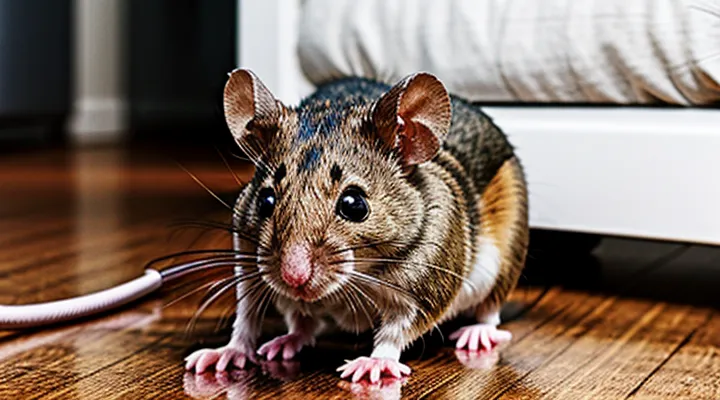
Understanding Your Opponent: Signs of Mice
Identifying Mouse Droppings
Mouse droppings are a primary indicator of an infestation and the first clue for effective control. Recognizing their distinctive features prevents misidentification with other pests and directs targeted actions.
Typical mouse feces measure 1‑3 mm in length, are cylindrical, and possess blunt ends. Fresh droppings appear dark, almost black, and become brownish as they dry. They are often found in clusters along walls, behind appliances, in cabinets, and near food sources. A single droplet of urine may accompany fresh pellets, leaving a faint, damp sheen.
Key identification points:
- Length: 1‑3 mm (approximately the size of a grain of rice).
- Shape: elongated, slightly curved, with rounded tips.
- Color: dark black when fresh, turning to brown or gray as they age.
- Placement: along travel routes, near nesting sites, and close to stored food.
- Quantity: multiple pellets in a line or scattered group, indicating active movement.
Accurate detection enables homeowners to locate entry points, choose appropriate traps, and apply sealants where needed. Early confirmation of mouse presence reduces the risk of disease transmission and property damage, streamlining the eradication process.
Recognizing Gnaw Marks
Mice leave distinctive gnaw marks that signal an infestation and guide control measures. Identifying these signs early prevents structural damage and limits food contamination.
Typical gnaw marks exhibit the following traits:
- Clean, straight cuts resembling a pair of scissors; teeth leave parallel lines.
- Shallow, crescent‑shaped nibbles on wood, plastic, or insulation.
- Uniform spacing of bite marks, often 0.5–1 cm apart.
- Absence of splintered edges; the material remains smooth.
Common locations where gnaw marks appear include:
- Baseboards, wall panels, and cabinet doors where rodents access interior spaces.
- Electrical wiring and conduit, indicating a risk of short circuits.
- Food containers, packaging, and pantry shelves, highlighting potential contamination.
- Structural supports such as joists and beams, suggesting structural compromise.
When gnaw marks are observed, follow these steps:
- Document the size, shape, and location of each mark.
- Seal entry points near the damage with steel wool, caulk, or metal flashing.
- Remove and replace compromised material to eliminate nesting sites.
- Deploy appropriate traps or bait stations in proximity to the identified marks.
- Monitor the area daily for new gnaw activity and adjust control methods accordingly.
Accurate recognition of gnaw marks streamlines elimination efforts, reduces repair costs, and safeguards the home environment.
Locating Nests and Runways
Identifying where rodents live and travel is the first decisive step in any home‑based eradication effort. Mice establish nests in concealed, warm, and dry locations; they move along established runways that connect food sources, water, and shelter. Detecting these areas prevents wasted traps and chemicals, focusing control measures where they will be most effective.
- Examine low‑lying walls, behind appliances, and inside cabinets for small piles of shredded material, shredded paper, or cotton; these are typical nest debris.
- Look for fresh droppings, which appear as dark, rice‑shaped specks; a concentration of droppings near a single spot often marks a nest entrance.
- Search for gnaw marks on wood, plastic, or wiring; repeated bite patterns indicate a nearby burrow.
- Inspect for greasy or oily smears along baseboards and corners; mice leave scent trails that appear as faint, dark streaks.
- Use a bright flashlight or a black‑light source to reveal urine stains that fluoresce, confirming active use of a tunnel.
Runway detection relies on observing the paths mice habitually use:
- Follow straight lines of droppings that run parallel to walls; mice prefer edges for safety.
- Notice repeated footprints in dust, flour, or pet food; these footprints outline the most frequented routes.
- Identify clusters of shredded material or nesting fragments along a line; these often indicate a corridor linking multiple nests.
- Place a thin layer of tracking powder or talc in suspected areas; disturbed powder reveals the exact direction of travel when the rodent passes.
Once nests and runways are mapped, position traps or bait stations directly on the identified pathways and near nest entrances. Continuous monitoring and prompt removal of discovered nests disrupt the colony’s structure, leading to rapid population decline.
Detecting Unusual Odors
Detecting unusual odors provides early evidence of a mouse presence, allowing swift intervention before damage spreads. Mice emit distinctive smells that differ from typical household scents. Recognizing these cues shortens the time required to implement control measures.
Key odors to monitor:
- Ammonia‑like scent from urine deposits, especially near walls, cabinets, and pantry corners.
- Cheesy or oily odor produced by droppings and nesting material.
- Musty, stale smell indicating accumulated debris in concealed areas such as attic insulation or behind appliances.
- Metallic or greasy odor associated with gnawed electrical wiring or plastic components.
When an unfamiliar smell is identified, follow these steps:
- Locate the source by tracing the odor to the nearest wall joint, floorboard, or storage area.
- Inspect the vicinity for droppings, gnaw marks, or shredded material.
- Seal entry points discovered during inspection with steel wool, caulk, or metal flashing.
- Deploy appropriate traps or bait stations directly adjacent to the identified activity zone.
- Maintain a clean environment by removing food residues and storing items in sealed containers to eliminate attractants.
Regular scent checks, combined with prompt physical verification, form a reliable component of an overall strategy for removing mice from a residence.
Prevention: Building a Mouse-Proof Home
Sealing Entry Points
Inspecting Walls and Foundations
Inspect the interior and exterior of every room to locate potential mouse pathways. Look for gnaw marks on baseboards, wiring, and structural timber. Examine seams where drywall meets insulation, and note any torn or chewed material.
Check the foundation for gaps larger than a quarter inch. Common entry points include:
- Cracks around utility penetrations (pipes, cables, vents)
- Openings where the slab meets the crawl space or basement wall
- Unsealed gaps beneath doors and windows
- Damaged or missing weatherstripping
Inspect the attic and roof cavity for signs of nesting material, droppings, or fresh urine stains. Pay special attention to eaves, soffits, and any access points used by rodents to move between the roof and interior spaces.
Seal identified openings with steel wool, copper mesh, or appropriate caulking before applying more permanent solutions. Replace deteriorated insulation or damaged drywall to eliminate hiding places. Regularly revisit the inspected areas to confirm that repairs remain intact and that no new breaches have formed.
Covering Vents and Chimneys
Covering vents and chimneys prevents rodents from entering through the most common external openings. Mice can squeeze through gaps as small as a quarter‑inch, so any unprotected duct, vent, or flue provides a direct route into living spaces.
First, inspect every exterior vent, including dryer exhausts, attic gable vents, and bathroom fans. Look for cracks, loose screens, or missing weather‑stripping. Use a flashlight to view the interior and identify any damage that could allow entry.
Second, install a durable barrier. Recommended materials include:
- Heavy‑gauge hardware cloth (¼‑inch mesh) for all vent openings;
- Stainless‑steel chimney caps fitted tightly to the top of the flue;
- Weather‑resistant sealant to close gaps around the barrier edges;
- Self‑closing vent covers with built‑in louver mechanisms for airflow control.
Third, secure the barrier. Attach hardware cloth with stainless‑steel screws or staples, ensuring no gaps remain at the edges. For chimney caps, follow the manufacturer’s torque specifications to avoid loosening over time. Apply sealant around fasteners and any seams.
Finally, perform regular maintenance. Check barriers quarterly for signs of wear, rust, or displacement. Replace damaged sections promptly to maintain an uninterrupted seal.
By systematically sealing vents and chimneys, you eliminate primary entry points, reducing the likelihood of rodent infestation within the home.
Securing Doors and Windows
Securing doors and windows is essential for preventing mouse intrusion. Tightening entry points eliminates the most common routes rodents use to access interior spaces.
- Install weatherstripping around door frames; choose silicone or rubber strips that compress when the door closes.
- Fit door sweeps on the bottom edge of all exterior doors; adjust them so they rest just above the threshold without dragging.
- Replace damaged or warped door jambs; use wood filler or metal reinforcement plates to restore a smooth surface.
- Check window screens for tears; repair or replace them with fine-mesh material that mice cannot squeeze through.
- Apply caulk or expanding foam to gaps around window frames, especially where the frame meets the wall.
- Install magnetic or self‑closing latches on windows that remain open for ventilation; these latch automatically when the window is released.
- Verify that sliding doors and patio doors have proper seals; add compression seals if gaps exceed ¼ inch.
Regular inspection reinforces these measures. Look for signs of wear, such as cracked sealant or loose hardware, and address them promptly. By maintaining a continuous barrier around all openings, you deny mice the access they need to establish a foothold inside the home.
Eliminating Food Sources
Storing Food in Airtight Containers
Storing food in airtight containers removes the primary attractant that draws mice into living spaces. When food is sealed, scent emission drops dramatically, making the environment unsuitable for foraging rodents.
- Choose containers with lock‑tight lids made of heavy‑gauge plastic or glass.
- Verify that seals are silicone or rubber and compress evenly when closed.
- Opt for sizes that accommodate typical pantry items without excess empty space.
Place containers on shelves rather than on the floor, keeping them away from walls where mice travel. After each use, wipe the rim clean to prevent crumbs from adhering to the seal. Periodically inspect lids for cracks or warped edges; replace any compromised units immediately.
Maintain a routine of rotating stored goods so that older items are consumed first, reducing the likelihood of spoilage that could attract pests. Combine sealed storage with regular cleaning of countertops and prompt disposal of waste to create a comprehensive barrier against rodent intrusion.
Cleaning Up Spills and Crumbs Promptly
Prompt removal of food residues eliminates the primary attraction for rodents. Visible crumbs, liquid spills, and hidden debris provide a reliable food source; eliminating them reduces the likelihood of mouse activity. Regularly inspect countertops, floors, and appliances for remnants, and address any mess within minutes of occurrence.
Maintain a systematic cleaning routine:
- Wipe surfaces with a disinfectant after each meal preparation.
- Sweep or vacuum floors immediately after eating to capture stray particles.
- Empty trash bins daily and use containers with tight‑fitting lids.
- Clean under appliances and behind cabinets where crumbs may accumulate.
- Store dry goods in sealed, rodent‑proof containers.
By consistently denying access to edible waste, the environment becomes inhospitable, discouraging mice from establishing a presence.
Managing Pet Food Effectively
Effective pet‑food management reduces the likelihood that rodents will invade a residence. Food left exposed, spilled, or stored improperly serves as a strong attractant for mice, providing both nourishment and a scent trail that guides them inside.
Store dry kibble in airtight containers made of metal or heavy‑wall plastic. Choose containers with a sealed lid that cannot be opened by a small animal. Keep the containers on a high, stable surface away from walls, and avoid placing them near garbage cans or compost bins.
When feeding pets, follow these practices:
- Offer measured portions that match the animal’s daily requirement; discard uneaten food after each meal.
- Use feeding stations with a shallow, removable tray that can be cleaned quickly.
- Place feeding stations on a non‑absorbent mat to catch crumbs, then empty the mat into a sealed bag.
Maintain a clean environment by removing food residues promptly. Sweep floors, vacuum carpets, and wipe down countertops after each feeding session. Dispose of pet‑food waste in a rigid, sealed bag and place it in an exterior trash container equipped with a tight‑fitting lid.
Regularly inspect storage areas for signs of rodent activity—chewed packaging, droppings, or gnaw marks. If evidence appears, replace compromised containers, seal entry points, and consider setting snap traps or electronic deterrents along known pathways.
By controlling the availability of food, eliminating spillages, and securing storage, the primary incentive for mice to enter a home is removed, contributing directly to a rodent‑free environment.
Reducing Clutter and Hiding Spots
Decluttering Storage Areas
Cluttered storage spaces provide shelter, food sources, and nesting material for rodents, making them prime targets for infestation. Reducing these conditions directly lowers the likelihood of mice establishing a presence in the home.
- Remove all items that are not regularly used; keep only essential belongings.
- Sort remaining objects by category and store them on sturdy, elevated shelves.
- Place items in airtight containers made of metal or thick plastic; avoid cardboard boxes.
- Discard damaged or infested materials promptly, sealing them in a garbage bag before removal.
- Sweep floors and vacuum corners to eliminate debris and droppings.
- Install shelf brackets that leave a gap of at least two inches between the wall and stored items, preventing mice from squeezing into hidden spaces.
- Apply a thin layer of mineral oil to wooden surfaces to deter chewing.
After decluttering, inspect the area for gaps, holes, or cracks in walls, floors, and ceilings. Seal openings with steel wool, caulk, or metal mesh to block entry points. Regularly review stored items to maintain order and prevent re‑accumulation of conditions that attract rodents.
Organizing Garages and Attics
Keeping garages and attics orderly reduces the likelihood of mouse activity. Rodents thrive in cluttered spaces where they can hide, store food, and build nests. Removing these conditions forces them to seek shelter elsewhere in the home.
Clear out unnecessary items. Sort belongings into three categories: keep, donate, discard. Store retained objects in sealed plastic containers rather than cardboard boxes. Place containers on pallets or shelves to keep them off the floor and away from walls.
Identify and seal potential entry points. Inspect walls, roofs, and foundations for gaps larger than a quarter‑inch. Use steel wool, caulk, or metal flashing to close openings. Install weather‑stripping on doors and windows that lead to storage areas.
Maintain a clean environment. Sweep floors regularly to eliminate debris. Vacuum corners and crevices to remove droppings and food residues. Store pet food and birdseed in airtight containers.
Implement a routine inspection schedule. Check for signs of gnawing, droppings, or nesting material every month. Replace damaged seals promptly.
- Declutter and categorize items.
- Store in sealed, elevated containers.
- Seal gaps larger than ¼ in.
- Apply weather‑stripping to doors and windows.
- Sweep and vacuum storage floors weekly.
- Conduct monthly rodent‑sign inspections.
Eradication Strategies: Getting Rid of Existing Mice
Trapping Methods
Snap Traps: Effective and Humane Options
Snap traps provide a rapid, low‑cost solution for eliminating house mice. The mechanism delivers an immediate kill, reducing suffering and preventing prolonged distress. Their compact design allows placement in concealed areas where rodents travel, such as behind appliances, along walls, and inside cabinets.
- Spring‑loaded bar snaps shut within milliseconds, ensuring instant death.
- Plastic or wooden bodies contain the carcass, simplifying disposal and limiting odor.
- One‑time use eliminates the need for repeated baiting, decreasing exposure to non‑target animals.
- Low price per unit permits extensive coverage of an infestation zone.
- Bait options (peanut butter, dried fruit) attract mice without attracting larger wildlife.
Effective deployment requires locating active runways, setting traps with the trigger side facing the wall, and checking daily. Replace any trap that fails to capture a mouse to maintain consistent pressure on the population. Proper handling of captured rodents—using gloves and sealed bags—prevents disease transmission and complies with health standards.
Live Traps: Catch and Release Techniques
Live traps provide a humane method for removing mice from a residence while avoiding poison or lethal devices.
Select a trap that matches the target species in size and strength; stainless‑steel single‑catch traps work well for occasional sightings, whereas multi‑catch models are preferable for heavier infestations. Ensure the trap has a smooth interior to prevent injury and a reliable trigger mechanism.
Effective baiting follows these principles:
- Use high‑protein foods such as peanut butter, cooked eggs, or small pieces of cheese.
- Apply a thin layer to the trigger platform to encourage contact without obscuring the mechanism.
- Replace bait every 24 hours to maintain freshness.
Place traps along established rodent pathways:
- Near walls, behind appliances, and in dark corners where mice travel.
- Adjacent to known droppings or gnaw marks.
- At least 12 inches from each other to increase coverage without competition.
Inspect traps at least twice daily. When a mouse is captured, wear disposable gloves, cover the trap with a cloth, and transport the animal to a release site at least two miles from the property to prevent re‑entry. Release the mouse gently on open ground, allowing it to exit the trap without stress.
After each capture, clean the trap with hot, soapy water and disinfect with a mild bleach solution. Seal entry points by caulking gaps, installing door sweeps, and storing food in airtight containers. Regular sanitation reduces attractants and minimizes future incursions.
Placement Strategies for Optimal Success
Effective mouse control hinges on strategic placement of deterrents and capture devices. Position traps and bait stations along established travel routes, typically near walls, behind appliances, and within concealed pathways. These locations align with rodent behavior that favors edge‑running and shelter proximity.
- Set snap traps perpendicular to the wall, with the trigger end facing the wall, ensuring the mouse contacts the mechanism while moving along the edge.
- Deploy glue boards in corners and under cabinets where mice pause to assess surroundings.
- Install bait stations at a distance of 10–15 feet from each other to create a coverage grid, preventing gaps that allow rodents to bypass the system.
- Place ultrasonic emitters at ceiling height in rooms where activity is detected; ensure line‑of‑sight to avoid obstruction by furniture.
Seal entry points after initial placement. Use steel wool or copper mesh for gaps smaller than ¼ inch, and apply expanding foam for larger openings. Reinforce door sweeps and weather stripping to block recurring access.
Monitor device performance daily. Replace ineffective traps, refresh bait, and adjust locations based on observed movement patterns. Consistent evaluation and repositioning maintain pressure on the infestation and accelerate eradication.
Natural Deterrents
Peppermint Oil and Other Essential Oils
Essential oils offer a non‑chemical option for discouraging rodents in residential settings. Their strong aromas interfere with mice’s scent‑tracking abilities, prompting avoidance of treated areas.
Peppermint oil is among the most studied deterrents. Dilute 10 ml of pure oil in 500 ml of water, add a few drops of dish‑soap to emulsify, and soak cotton balls or spray the solution onto baseboards, entry points, and pantry shelves. Replace the cotton balls every 48 hours to maintain potency. Avoid direct contact with food surfaces and keep the mixture out of reach of children and pets.
Other essential oils that have demonstrated repellent effects include:
- Eucalyptus oil – applied similarly to peppermint; strong menthol scent.
- Citronella oil – effective in dry form on cloth strips placed near cracks.
- Clove oil – high phenol content; use 5 ml per 250 ml water for a concentrated spray.
- Thyme oil – dilute 8 ml in 400 ml water; suitable for perimeter treatment.
Implementation steps:
- Identify likely travel routes and nesting sites (e.g., gaps under appliances, cabinets, attic openings).
- Prepare the chosen oil solution, ensuring consistent dilution ratios.
- Apply to cotton pads or spray directly onto target surfaces; allow drying before re‑sealing openings.
- Reapply weekly or after cleaning to sustain the olfactory barrier.
Essential oils alone rarely eradicate an established infestation. Combine chemical‑free deterrents with sealing entry points, removing food sources, and, if necessary, professional trapping to achieve lasting control.
Ultrasonic Devices: Do They Work?
Ultrasonic repellents emit high‑frequency sound waves that rodents cannot hear. Manufacturers claim the waves create a hostile environment, forcing mice to vacate the area. The devices require a power source, operate continuously, and are marketed as a non‑chemical solution for indoor mouse control.
Scientific evaluations reveal mixed results. Laboratory tests often show temporary avoidance when mice are first exposed, but habituation occurs within days. Field studies in residential settings report low success rates, especially when food sources and shelter remain accessible. The effectiveness of ultrasonic units depends on several variables:
- Placement: devices must be positioned centrally, with clear line of sight to the target zone; walls and furniture block sound propagation.
- Frequency range: most products operate between 20 kHz and 65 kHz; frequencies above 30 kHz are less likely to affect adult mice.
- Environmental noise: background sounds from appliances or HVAC systems can interfere with the emitted signal.
- Population density: large infestations reduce the likelihood that a single unit will deter all individuals.
Advantages include silent operation, no chemicals, and ease of installation. Disadvantages consist of limited evidence of long‑term efficacy, the need for multiple units in larger homes, and the inability to address food or entry‑point issues.
For reliable mouse management, ultrasonic devices should complement, not replace, proven measures: sealing entry gaps, eliminating food residues, and deploying snap or live traps. Combining these strategies yields the most consistent reduction in indoor mouse activity.
Using Predators: Cats as Mouse Control
Cats provide a natural method for reducing rodent populations inside a dwelling. Their predatory instinct drives them to hunt mice, which can lower the number of active pests without chemical intervention. The presence of a cat often deters new mice from entering, as rodents detect feline scent and activity.
When selecting a cat for this purpose, consider the following criteria:
- Age: Adult cats with established hunting skills respond more reliably than kittens.
- Health: A veterinary check ensures the animal can safely engage in predation.
- Temperament: Independent, alert cats are more likely to pursue rodents.
- Indoor suitability: A cat accustomed to indoor life adapts better to a household environment.
Integrating a cat into a mouse‑control program requires consistent care. Provide regular feeding, clean litter, and veterinary oversight to maintain the animal’s health. A well‑fed cat may still hunt, but adequate nutrition prevents excessive stress and encourages steady activity.
Cats alone may not eradicate an established infestation. Combine feline presence with additional measures:
- Seal entry points such as gaps around pipes and doors.
- Remove food sources by storing grains and waste in sealed containers.
- Employ traps in areas where cats cannot reach, ensuring they complement the cat’s hunting zones.
Monitoring results helps adjust the strategy. Track mouse sightings over weeks; a decline indicates effectiveness, while persistent activity suggests the need for supplementary controls. Properly managed, a cat can serve as a reliable component of a comprehensive rodent‑reduction plan.
When to Call Professional Pest Control
Signs of a Large Infestation
A substantial mouse problem reveals itself through multiple, observable indicators that demand immediate attention.
Frequent droppings appear along walls, behind appliances, and in pantry corners; their size—approximately ¼ inch long, dark, and pointed—confirms rodent activity. Chewed materials, such as insulation, wiring, and food packaging, signal persistent foraging, while gnaw marks on furniture or structural beams indicate a growing population.
Nests composed of shredded paper, fabric, or dried plant matter often accumulate in concealed spaces like attics, crawl spaces, or under sinks. Their presence, coupled with a strong, musky odor, reflects high occupancy.
Audible evidence includes continuous scratching or scurrying sounds, especially at night, and occasional squeaks emanating from hidden chambers.
Visible tracks—clear footprints in dust, flour, or powdered cleaning agents—provide a direct map of movement paths, revealing the extent of the infestation.
A comprehensive assessment of these signs enables decisive action toward effective rodent control within the household.
Recurring Mouse Problems
Mice often return after an initial knock‑out because the underlying cause was not eliminated. Food scraps, hidden entry points, and nesting sites provide a continuous supply of resources that allow survivors to breed and new intruders to enter.
Typical indicators of a persistent infestation include fresh droppings, gnaw marks on wiring or furniture, and audible scurrying at night. These signs suggest that either bait stations were removed prematurely or that the population was too large for a single treatment to be effective.
A sustainable solution requires a systematic approach:
- Seal cracks, gaps around pipes, and gaps under doors with steel wool or caulk; rodents can squeeze through openings as small as a quarter‑inch.
- Store all food in airtight containers; eliminate crumbs and spills immediately.
- Install multiple, tamper‑resistant snap traps or electronic devices along walls, behind appliances, and in concealed pathways; rotate locations weekly to prevent trap avoidance.
- Use non‑toxic repellents such as peppermint oil or ultrasonic emitters only as supplementary measures; they do not replace physical barriers.
- Conduct weekly inspections for new droppings or damage; replace traps and repair any fresh entry points promptly.
Long‑term control depends on consistent monitoring and maintenance. Regularly review the perimeter for fresh openings, keep the interior clutter‑free, and maintain an active trap program until no activity is recorded for at least two weeks. This disciplined routine breaks the cycle of recurring mouse problems and protects the home from future incursions.
Safety Concerns with DIY Methods
When tackling a rodent infestation with homemade solutions, safety must be the primary consideration. Improper handling of traps, chemicals, or makeshift barriers can cause injury, poison exposure, or property damage.
- Snap traps may break upon impact, sending sharp fragments outward. Position them away from children and pets, and wear thick gloves when loading bait.
- Glue boards expose skin to adhesive that can detach fur or cause painful removal. Use them only in concealed locations, and wear protective gloves during placement and disposal.
- Homemade poison stations often involve powdered or liquid rodenticides. Inadequate sealing can allow accidental ingestion by non‑target animals or household members. Store all toxic substances in locked containers, label them clearly, and keep them out of reach.
- Electrical deterrents require correct voltage and insulation. Faulty wiring may create fire hazards or electrocution risks. Verify compliance with local electrical codes and test devices with a multimeter before use.
Ventilation is essential when applying any aerosol or spray. Open windows, wear a mask rated for particulate matter, and avoid inhaling fumes. After each intervention, inspect the area for residual hazards such as broken trap components, spilled bait, or lingering adhesive residues.
Document the location of every device, the type of material used, and the date of deployment. This record simplifies removal, ensures timely replacement, and provides evidence of compliance with safety protocols. Regularly review local regulations regarding rodent control to confirm that DIY measures meet legal standards.
Post-Eradication: Cleaning and Disinfection
Safely Disposing of Mice and Contaminated Materials
When a mouse infestation is resolved, the remaining carcasses, droppings, and contaminated items must be handled to prevent disease and secondary pest problems. Follow these procedures to ensure safe disposal.
- Wear disposable gloves and a mask to avoid direct contact with pathogens.
- Place dead rodents in sealed, puncture‑resistant bags; double‑bag for added protection.
- Seal contaminated bedding, food wrappers, and any materials soaked with urine or feces in the same double‑bag system.
- Store the sealed bags in a locked trash container away from living areas until collection.
- Instruct waste‑management personnel that the bags contain hazardous biological material; request a pickup schedule that complies with local health regulations.
After the bags are removed, disinfect the area where the rodents were handled. Apply an EPA‑approved sanitizer to surfaces, floors, and any equipment that may have been exposed. Allow the disinfectant to remain on the surface for the manufacturer‑specified contact time before wiping or rinsing.
Dispose of gloves, masks, and other disposable protective gear in the same sealed bags used for the rodents. Do not reuse cleaning cloths or mop heads; launder them separately at the highest temperature recommended for the fabric, or discard them if they are single‑use.
Finally, document the disposal process, including dates, quantities, and disposal methods, to maintain a record for health‑inspection compliance and future pest‑management planning.
Cleaning and Disinfecting Affected Areas
After a mouse incursion, thorough cleaning and disinfection are essential to eliminate health hazards and prevent re‑infestation. Begin by removing all visible debris, droppings, and urine stains. Wear disposable gloves and a mask to avoid direct contact with contaminants.
- Sweep or vacuum floors, walls, and countertops; discard the vacuum bag or empty the canister into a sealed bag.
- Soak contaminated surfaces with a solution of one part bleach to ten parts water; allow a five‑minute contact time before wiping clean.
- For non‑porous items that cannot be soaked, spray with an EPA‑registered rodent disinfectant and let dry according to the product label.
- Wash fabrics, bedding, and removable upholstery in hot water (minimum 60 °C) with detergent; dry on high heat or discard if heavily soiled.
- Seal all waste in double‑layered bags, tie securely, and dispose of it in an outdoor trash container.
After disinfection, air the affected rooms by opening windows for at least 30 minutes. Inspect adjacent areas for hidden residues and repeat the cleaning cycle if any remain. Maintaining a clean environment removes attractants and reduces the likelihood of future mouse activity.
Preventing Future Infestations
Seal every possible entry. Inspect walls, floors, and ceilings for gaps larger than a quarter‑inch; fill them with steel wool, caulk, or cement. Install door sweeps and weather stripping on exterior doors to block nocturnal access.
Maintain a clean environment. Store food in airtight containers, dispose of garbage daily, and keep countertops free of crumbs. Eliminate water sources by fixing leaks and wiping up spills promptly.
Control clutter. Remove piles of cardboard, paper, and fabric that can serve as nesting material. Keep storage areas organized and elevate items off the floor when possible.
Implement a monitoring routine. Place snap traps or electronic detectors along walls, behind appliances, and near known travel routes. Check devices weekly; replace bait or reset devices as needed.
Manage the perimeter. Trim vegetation away from the foundation, keep firewood stacked off the ground, and ensure compost bins are sealed. These actions reduce shelter and food availability for rodents.
Engage pets responsibly. Cats may deter activity, but do not rely on them as the sole control method. Regular veterinary care ensures pets remain effective and healthy.
Document observations. Record dates, locations, and types of devices used; analyze patterns to identify recurring entry points or hotspots. Adjust preventive measures based on collected data.