
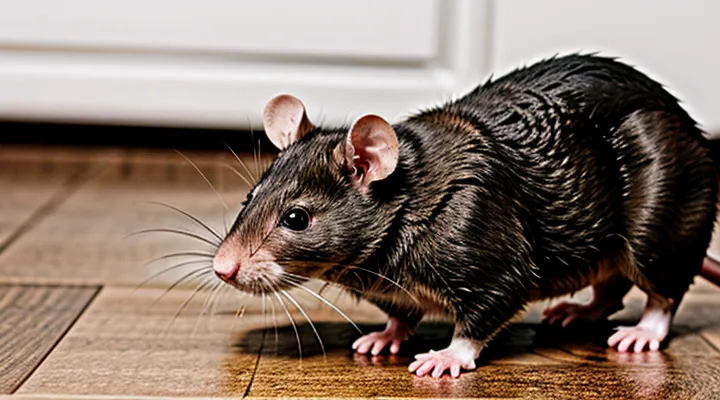
Understanding Pet Rats
Why Choose a Rat as a Pet?
«Their Intelligence and Trainability»
Rats demonstrate advanced cognitive abilities that make them suitable companions for new owners. Their capacity for spatial navigation enables them to learn maze layouts and locate food sources after only a few exposures. They exhibit strong memory retention, recalling specific objects and individuals for weeks. Social intelligence is evident in their interactions with conspecifics and humans, as they respond to vocalizations, body language, and facial cues.
Trainability stems from these mental traits and can be developed through consistent, short sessions. Effective techniques include:
- Target training: Use a small stick or fingertip as a target; reward the rat each time it touches the target with its nose. This forms the basis for guiding the animal to desired locations.
- Clicker conditioning: Pair a distinct sound with a treat to mark correct behavior, allowing precise shaping of actions such as coming when called or stepping onto a platform.
- Obstacle navigation: Introduce simple barriers or tunnels and reward successful passage, reinforcing problem‑solving skills and confidence.
Regular practice, positive reinforcement, and a calm environment accelerate learning. Most rats achieve basic obedience within two to three weeks, after which more complex tricks—like retrieving objects or performing spin commands—become attainable.
«Their Social Nature»
Rats thrive in environments where social interactions are predictable and supportive. In a domestic setting they form stable hierarchies, recognize individual companions, and exhibit cooperative behaviors such as grooming and sharing food. Understanding these dynamics helps new owners create conditions that reduce stress and encourage healthy bonding.
A solitary rat may display heightened vigilance, reduced activity, and increased aggression toward humans. Pairing or grouping compatible individuals typically results in:
- Consistent grooming exchanges that reinforce trust
- Shared nesting that improves thermoregulation and sleep quality
- Mutual play that stimulates mental and physical development
Hierarchy establishes clear roles; dominant members often lead exploration and resource access, while subordinates defer but still participate in group activities. Observing body language—upright posture, relaxed whiskers, and smooth movements—identifies a well‑adjusted group. Signs of discord, such as frequent biting, prolonged freezing, or excessive vocalizations, indicate that the social structure is unstable and may require reconfiguration.
When introducing newcomers, follow a staged protocol: separate cages, visual contact through a solid barrier, gradual scent exchange, and brief supervised interactions. This approach minimizes territorial disputes and accelerates acceptance.
Providing enrichment that encourages social play—tunnels, climbing structures, and chew toys—reinforces group cohesion. Regular handling of each rat individually, combined with group sessions, builds confidence and strengthens the bond between owner and animals.
Overall, respecting rats’ innate preference for companionship, monitoring hierarchy, and delivering appropriate enrichment create a harmonious environment that supports the well‑being of newly acquired pets.
«Their Cleanliness»
Rats that appear clean are easier to house and less likely to develop health problems. A tidy coat indicates regular self‑grooming and a diet that supports skin integrity.
Rats groom themselves several times each hour, using their paws and teeth to remove debris and distribute natural oils. Observe a potential pet for at least ten minutes; consistent grooming motions and a smooth, glossy fur surface signal good personal hygiene.
- Watch for excessive dandruff or oily patches; these may reveal skin disorders or dietary deficiencies.
- Check the animal’s tail and whiskers; a clean, unblemished tail suggests proper grooming.
- Feel the fur for clumps or mats; a smooth texture confirms effective self‑care.
- Ask the breeder or shelter staff about the rat’s bedding history; clean bedding reduces external contamination.
After acquisition, maintain the rat’s cleanliness by providing appropriate bedding, a balanced diet rich in omega‑3 fatty acids, and regular cage cleaning. Replace soiled bedding weekly, spot‑clean droppings daily, and offer a shallow water dish for occasional soaking under supervision. These practices reinforce the animal’s natural grooming habits and preserve a healthy, tidy coat.
Common Misconceptions About Rats
«Disease Carriers»
Rats are natural reservoirs for a range of pathogens that can affect humans and other animals. When acquiring a pet rat, recognize that each individual may harbor one or more of these agents, even if it appears healthy. Proper sourcing, quarantine, and hygiene reduce transmission risk.
Common disease agents found in rats include:
- Leptospira spp. – bacterial infection transmitted through urine; causes fever, muscle pain, and kidney complications.
- Salmonella enterica – bacteria spread via feces; leads to gastrointestinal distress and possible systemic infection.
- Streptobacillus moniliformis – bacterium responsible for rat‑bite fever; symptoms range from fever to arthritis.
- Hantavirus – virus carried in respiratory secretions; can result in severe respiratory illness.
- Lymphocytic choriomeningitis virus (LCMV) – virus present in blood and tissues; may cause meningitis or encephalitis.
- Pseudomonas aeruginosa – opportunistic bacterium found in wet bedding; can cause skin and ear infections.
Mitigation measures:
- Obtain rats from reputable breeders who conduct regular health screening.
- Isolate new arrivals for at least two weeks, monitoring for abnormal behavior, weight loss, or discharge.
- Maintain clean cages, replace bedding weekly, and disinfect surfaces with a diluted bleach solution.
- Use protective gloves when handling animals, cleaning cages, or disposing of waste.
- Wash hands thoroughly with soap and water after any direct contact.
- Avoid feeding raw meat or unpasteurized dairy products, which can introduce additional pathogens.
By adhering to these practices, prospective owners minimize exposure to disease carriers while providing a safe environment for both the rat and the household.
«Aggressive Behavior»
Aggressive behavior in newly acquired rats often stems from stress, territorial instincts, or inadequate socialization. Recognizing early signs—lunging, biting, rapid tail flicking, vocalizations—prevents escalation and protects both the animal and the handler.
Key factors influencing aggression:
- Housing conditions: Overcrowding, insufficient hiding spaces, or abrupt cage changes elevate tension. Provide a spacious enclosure with multiple shelters and maintain a stable environment.
- Health status: Painful injuries, dental issues, or infections trigger defensive reactions. Schedule a veterinary check within the first week to rule out medical causes.
- Social dynamics: Introducing an unfamiliar rat without gradual exposure can provoke hostility. Use a neutral neutral area for short, supervised meetings before permanent cohabitation.
- Handling technique: Rough grabs or sudden movements startle rats, leading to defensive bites. Approach calmly, support the body fully, and allow the animal to initiate contact.
Mitigation strategies:
- Gradual acclimation: Allow the rat to explore its new cage for several hours without handling. Offer treats to build positive associations.
- Routine interaction: Conduct short, daily sessions of gentle handling. Consistency reduces fear and reinforces trust.
- Environmental enrichment: Provide chew toys, tunnels, and climbing structures to channel natural energy away from aggression.
- Separate aggressive individuals: If a rat persists in biting despite interventions, isolate it to prevent injury to cage mates and reassess its suitability for a social setting.
Monitoring progress is essential. Document behavioral changes, noting frequency and intensity of aggressive episodes. Adjust housing, enrichment, or handling protocols based on observed trends. Proper management of aggression ensures a smoother transition for beginners acquiring a rat and promotes long‑term welfare.
«Short Lifespan»
Rats typically live between two and three years, with some individuals reaching up to four years under optimal conditions. Lifespan varies according to genetics, diet, housing, and veterinary care. Common health issues that shorten life expectancy include respiratory infections, tumors, and metabolic disorders. Monitoring weight, providing a balanced diet, and maintaining a clean environment extend longevity.
Prospective owners must incorporate the brief lifespan into their planning. Short life expectancy influences budgeting for food, bedding, and veterinary expenses, as well as emotional preparation for the animal’s eventual loss. Early socialization and enrichment become critical within the limited timeframe, ensuring the rat experiences a high quality of life.
Key considerations for managing a rat’s short lifespan:
- Provide a nutritionally complete diet formulated for rodents.
- Schedule regular health checks with a veterinarian experienced in small mammals.
- Maintain a temperature‑controlled, well‑ventilated cage free of drafts.
- Offer daily mental stimulation through toys, tunnels, and safe foraging opportunities.
- Establish a contingency plan for end‑of‑life care, including humane euthanasia options.
Preparing for Your New Rat
Researching Rat Care Essentials
«Dietary Needs»
A newly acquired rat requires a balanced diet to thrive and avoid health problems. Nutrition directly influences growth, coat condition, and lifespan, making dietary planning a priority from the first day of ownership.
- Protein: 15‑20 % of total calories; sources include high‑quality rat blocks, cooked eggs, and lean meat.
- Fiber: 5‑7 % of calories; provided by fresh vegetables such as kale, broccoli, and carrots.
- Fat: 5‑10 % of calories; included in commercial mixes and occasional nuts or seeds.
- Vitamins and minerals: supplied by fortified rat pellets; supplement with small amounts of citrus for vitamin C if needed.
- Water: constant access to clean, fresh water; change daily and use a sipper bottle to prevent contamination.
Commercial rat blocks form the diet’s foundation because they deliver consistent nutrient ratios. Complement the base with fresh items: leafy greens (spinach, romaine), cruciferous vegetables (broccoli, cauliflower), and limited fruit (apple slices, berries). Protein treats—hard‑boiled egg, cooked chicken, or mealworms—should not exceed 10 % of daily intake. Avoid foods toxic to rodents: chocolate, caffeine, raw beans, and high‑salt or high‑sugar snacks.
Feed adult rats 1‑2 tablespoons of pellets per day, divided into two sessions. Juveniles require 1‑1.5 times the adult portion, spread over three meals. Monitor body condition by feeling the ribcage; a slight layer of fat is normal, but ribs should be discernible. Adjust portions if weight loss or gain exceeds 5 % over two weeks.
Common errors include offering unlimited fruit, feeding processed human foods, and neglecting water changes. These practices lead to obesity, gastrointestinal upset, and dehydration. Adhering to the outlined nutrient ratios, providing fresh water, and restricting treats ensures a healthy start for any beginner’s rat companion.
«Enrichment and Toys»
Rats thrive when their environment offers mental and physical stimulation. A cage that contains only food, water, and a shelter quickly becomes monotonous, leading to stress‑related behaviors such as bar‑gnawing or excessive grooming.
Provide a variety of objects that encourage natural activities:
- Chewable items (untreated wood blocks, mineral chews, cardboard tubes) satisfy dental wear requirements.
- Climbing structures (rope ladders, sturdy branches, angled platforms) promote agility and muscle development.
- Puzzle feeders (tube dispensers, treat balls) require problem‑solving to access food, reinforcing foraging instincts.
- Tunnel systems (PVC pipes, fabric tunnels) simulate burrow networks, offering privacy and exploration routes.
- Manipulable toys (plastic beads, small balls, shredded paper) allow grasping and tossing, enhancing dexterity.
Rotate items regularly; a weekly change prevents habituation and keeps curiosity high. When introducing new enrichment, observe the rat’s reaction for signs of interest or aversion, and remove any object that causes injury or excessive stress.
Maintain cleanliness by cleaning toys that accumulate waste, and replace worn or damaged pieces promptly. Combining diverse, safe, and regularly refreshed enrichment ensures a rat remains active, engaged, and healthy throughout its life.
«Health Concerns»
Rats can transmit several pathogens that affect both animals and humans. Proper preparation and ongoing vigilance reduce the risk of illness.
Common health issues include:
- Salmonella infection – bacteria spread through contaminated food, bedding, or handling. Wash hands thoroughly after contact and keep the cage clean.
- Rat bite fever – bacterial disease caused by Streptobacillus moniliformis following a bite or scratch. Use gentle handling techniques, wear protective gloves if necessary, and seek medical attention for any wound.
- Allergic reactions – airborne proteins from urine, dander, and saliva can trigger asthma or dermatitis. Maintain good ventilation, use HEPA filters, and limit direct exposure for sensitive individuals.
- Parasites – mites, lice, and pinworms may infest the animal. Conduct regular inspections, treat infestations promptly with veterinary‑approved products, and quarantine new arrivals.
- Respiratory problems – poor cage hygiene can lead to ammonia buildup, causing nasal discharge and breathing difficulty. Change bedding weekly, spot‑clean daily, and monitor ammonia levels.
Veterinary care should begin with a health check shortly after acquisition. Schedule follow‑up exams to monitor weight, dental condition, and signs of disease. Vaccinations are not standard for pet rats, but a veterinarian can advise on preventive measures specific to your region.
Setting Up the Ideal Habitat
«Cage Selection»
Choosing an appropriate cage is the first practical step when acquiring a pet rat. The enclosure must accommodate the animal’s size, activity level, and natural behaviors while providing a safe, hygienic environment.
- Minimum floor area: 2 sq ft per rat; larger space reduces stress and encourages exercise.
- Height: at least 12 inches to allow climbing and vertical enrichment.
- Material: solid plastic or stainless steel; avoid wire flooring that can cause foot injuries.
- Ventilation: mesh panels on one side ensure airflow without creating drafts.
- Security: latch mechanism must lock firmly to prevent escape.
- Accessibility: large doors simplify cleaning and allow quick access for feeding and handling.
- Compatibility: ensure the cage fits within the intended room’s dimensions and complies with local housing regulations.
After purchase, establish a routine cleaning schedule, replace bedding weekly, and inspect the cage for wear. Proper maintenance preserves the animal’s health and prolongs the cage’s functional lifespan.
«Bedding and Substrate»
Choosing the right bedding creates a comfortable environment, reduces stress, and helps maintain hygiene for a newly acquired rat.
Common substrates fall into three categories:
- Paper‑based products (e.g., shredded paper, compressed paper pellets).
- Wood‑based options (e.g., aspen shavings, kiln‑dry pine).
- Specialized rodent mixes (e.g., hemp, coconut fibre, corn cob).
Selection criteria include absorbency, dust level, odor control, and safety. Paper bedding offers low dust and high absorbency, making it suitable for sensitive respiratory systems. Aspen shavings provide good odor control without the aromatic oils found in pine, which can irritate a rat’s nasal passages. Specialized mixes often combine absorbency with natural scent masking but may require more frequent replacement to prevent mold.
Maintenance involves removing soiled sections daily, fully replacing the substrate weekly, and monitoring for clumping or moisture buildup. Regular cleaning prevents bacterial growth and preserves the cage’s overall air quality.
By matching substrate properties to the rat’s health needs and the keeper’s cleaning routine, the enclosure remains clean, odor‑free, and conducive to the animal’s well‑being.
«Food and Water Dispensers»
Selecting reliable food and water dispensers is a fundamental step when introducing a rat to a new environment. Durable plastic or stainless‑steel containers resist chewing and simplify cleaning. Choose models with secure lids to prevent spillage and contamination.
Key considerations include:
- Capacity: Provide at least 10 ml of water per gram of body weight per day; a 250 ml bottle typically suffices for one or two rats.
- Accessibility: Position dispensers at the cage’s lower level to accommodate the animal’s natural foraging posture.
- Leak prevention: Opt for bottles with sipper tubes that require the rat’s bite pressure to release fluid, reducing waste.
- Material safety: Verify that all components are BPA‑free and approved for small‑animal use.
Installation should follow these steps:
- Attach the water bottle to a stainless‑steel or acrylic holder, ensuring the sipper tip extends into the cage interior.
- Fill the bottle with fresh, filtered water; discard any unused water after 24 hours to maintain hygiene.
- Place the food dish on the cage floor, away from the water dispenser to avoid moisture buildup.
- Offer a balanced rodent diet, measured according to the manufacturer’s guidelines, and replenish daily.
Maintenance routine:
- Clean both dispensers with warm, unscented soap and rinse thoroughly at least once per week.
- Inspect sipper tubes for blockages; flush with warm water if obstruction occurs.
- Rotate the water bottle’s position weekly to prevent the development of preferred feeding zones, encouraging natural exploration.
Consistent use of appropriate dispensers supports stable hydration and nutrition, facilitating the successful integration of a rat into its new habitat.
«Hiding Spots and Hammocks»
When selecting a home for a new rat, prioritize locations that provide security and comfort. Rats instinctively seek secluded areas where they can observe surroundings without exposure. Ideal hiding spots include:
- Small wooden boxes with ventilation holes, placed in the lower corner of the cage.
- PVC tunnels that can be arranged in a maze‑like configuration, offering multiple escape routes.
- Dense sections of shredded paper or fleece blankets, folded into compact bundles.
These options replicate natural burrows and reduce stress, encouraging natural foraging behavior.
In addition to concealment, a hammock offers a suspended resting platform that mimics arboreal habitats. Choose hammocks made of breathable fabric, anchored to the cage’s upper bars, and sized to support the rat’s weight without sagging. Position the hammock opposite the primary hiding spot to create a clear visual line of sight, allowing the rat to monitor activity while resting.
Combining concealed shelters with a well‑placed hammock creates a balanced environment that supports exploration, sleep, and territorial confidence, essential for a healthy introduction to a pet rat.
Choosing Your Rat
Finding Reputable Breeders or Rescues
«Questions to Ask a Breeder»
When evaluating a potential rat breeder, precise inquiries reveal the quality of care and the health of the animals. Direct questions eliminate ambiguity and protect both the buyer and the future pet.
- What health screenings do you perform on breeding stock?
- How often are the rats examined by a veterinarian, and can you provide recent health certificates?
- What is your protocol for preventing and treating common ailments such as respiratory infections or parasites?
- Do you keep detailed lineage records, including any genetic conditions observed in the line?
- What is the typical age at which you separate pups from the mother, and how long are they weaned?
- How are the rats housed—type of cage, bedding material, enrichment, and cleaning schedule?
- Are the rats socialized with humans and other rats before sale?
- What guarantees or return policies do you offer if health issues arise after purchase?
- Can you provide references from previous customers or a visit to your facility?
Ask about the breeder’s experience and the number of litters produced annually to gauge their capacity for attentive care. Request documentation of vaccination schedules and any recent health incidents within the colony. Confirm that the breeder adheres to local animal welfare regulations and maintains a clean, well-ventilated environment.
Finally, verify the breeder’s willingness to answer follow‑up questions after the transaction. Ongoing support indicates a responsible operation and reduces the risk of future complications.
«Adoption from a Shelter»
Adopting a rat from a shelter provides a humane, cost‑effective entry point for novice owners. Shelters maintain health records, conduct basic screenings, and often include initial vaccinations, reducing early‑stage expenses.
To secure a shelter rat, follow these steps:
- Locate accredited animal shelters or rescue groups that list rodents. Verify their licensing and read reviews for reliability.
- Contact the organization to inquire about available rats, their temperament, age, and any special care requirements.
- Arrange a visit. Observe the rat’s behavior, grooming condition, and interaction with staff. Request a brief health summary.
- Complete the adoption application. Provide details about your living environment, experience with small pets, and intended care plan.
- Review and sign the adoption contract, which typically outlines responsibilities, return policies, and post‑adoption support.
- Pay the adoption fee. Fees often cover spaying/neutering, microchipping, and a starter kit of bedding and food.
- Transport the rat in a secure carrier, ensuring proper ventilation and a stable temperature.
- Set up a cage with appropriate bedding, hideouts, and chew toys before the rat’s arrival. Provide fresh water and a balanced diet immediately.
Key considerations after adoption:
- Schedule a veterinary check‑up within two weeks to confirm health status and establish a vaccination schedule.
- Implement a quarantine period of at least one week if you already own other small animals, to prevent disease transmission.
- Monitor weight, activity level, and droppings daily; report any abnormalities to a veterinarian promptly.
- Enrich the environment with tunnels, climbing structures, and regular handling sessions to foster trust and reduce stress.
By adhering to this structured process, beginners acquire a healthy rat, support shelter missions, and lay the foundation for responsible, long‑term pet ownership.
Selecting Healthy Rats
«Signs of a Healthy Rat»
A healthy rat shows clear physical and behavioral indicators that help beginners confirm the animal’s well‑being before bringing it home.
- Bright, alert eyes without discharge or cloudiness
- Clean, pinkish skin on the ears, nose, and genital area; no sores, scabs, or excessive licking
- Smooth, glossy fur that lies flat against the body; no bald patches, clumps, or excessive shedding
- Steady, rhythmic breathing; no wheezing, coughing, or nasal discharge
- Normal body temperature (approximately 99‑101 °F) and warm paws when gently touched
- Active, curious movement; the rat explores its environment, climbs, and engages with toys without signs of lethargy or aggression
- Consistent, well‑formed fecal pellets that are dark, cylindrical, and moist; absence of diarrhea or blood
Observing these traits during the selection process reduces the risk of acquiring a sick animal and supports a smoother transition into responsible rat ownership.
«Age Considerations»
When selecting a rat, age determines health outlook, temperament, and care requirements. Younger rats (4–6 weeks) are weaned and ready for handling, but they lack fully developed immune systems and may need additional veterinary monitoring. Adolescents (8–12 weeks) display stable health, adaptability to new environments, and an established personality, making them ideal for first-time owners. Mature adults (6–12 months) offer predictable behavior, reduced juvenile stress, and often come with a known health record, though they may be less tolerant of extensive handling sessions. Senior rats (12+ months) can provide companionship with a calm demeanor, yet they are prone to age‑related ailments and require regular health assessments.
Key points for age selection:
- Health screening: Verify vaccination status and any existing conditions regardless of age.
- Socialization: Younger rats adapt quickly to human interaction; older rats may need gradual exposure.
- Longevity planning: Anticipate a lifespan of 2–3 years; younger purchases extend the time you care for the pet.
- Dietary adjustments: Juveniles require high‑protein starter diets; seniors benefit from fiber‑rich, low‑fat formulations.
- Housing considerations: Provide ample enrichment for active adolescents; seniors may need softer bedding and easier access to food and water sources.
Choosing the appropriate age aligns the rat’s developmental stage with the owner’s capacity for care, ensuring a sustainable and rewarding pet‑ownership experience.
«Gender Dynamics»
When choosing a rat as a first pet, understanding how sex influences temperament, health, and care requirements is essential. Male and female rats differ in social behavior, aggression levels, and reproductive considerations, each affecting the owner’s experience.
Male rats typically form stronger bonds with a single human caretaker but may display heightened territoriality when other males are present. They often emit louder vocalizations during excitement or distress, which can aid early detection of welfare issues. Females generally exhibit more curiosity toward multiple people and are less likely to exhibit dominance disputes, though they may become aggressive during estrus cycles. Both sexes are capable of forming deep, reciprocal relationships with owners, but the nuances shape daily interaction patterns.
Key aspects to evaluate when selecting a rat based on sex:
- Temperament: Males – consistent attachment to one handler; females – broader social engagement.
- Aggression: Males – potential dominance challenges with same‑sex companions; females – occasional hormonal aggression, mitigated by neutering.
- Health monitoring: Males – higher incidence of urinary tract infections; females – susceptibility to reproductive cancers if not spayed.
- Breeding considerations: Males provide genetic diversity; females require careful management to prevent unwanted litters, especially during estrus.
Choosing the appropriate sex aligns the pet’s natural tendencies with the caretaker’s capacity for interaction, supervision, and long‑term health management. By matching these factors, beginners can establish a stable, rewarding partnership with their new rat companion.
Deciding on Single or Multiple Rats
«The Importance of Companionship»
Companionship is a decisive factor when acquiring a pet rat, especially for newcomers. Rats are inherently social mammals; isolation leads to stress, reduced immunity, and abnormal behaviors. Pairing a newcomer’s rat with at least one compatible conspecific mitigates these risks and promotes natural activity patterns.
Benefits of providing a rat with a partner include:
- Enhanced mental stimulation through mutual grooming and play.
- Stabilized weight and eating habits due to shared foraging.
- Lower incidence of repetitive motions such as bar‑biting or excessive chewing.
- Increased lifespan linked to reduced cortisol levels.
For first‑time owners, selecting a companion involves evaluating age, sex, and temperament. Matching a juvenile with an adult of the opposite sex often yields a balanced hierarchy, while same‑sex pairings require careful observation for aggression. Introducing rats in a neutral enclosure, monitoring interactions for 10‑15 minutes, and providing multiple hiding spots help establish a cooperative relationship.
Neglecting companionship compromises the animal’s welfare and forces the caretaker to compensate with constant interaction, which may be unsustainable. Ensuring a rat has a peer aligns with responsible ownership, supports health outcomes, and simplifies daily care for beginners.
«Introducing New Rats»
When a new rat arrives, the introduction process determines whether the animals will coexist peacefully. Proper handling minimizes stress, reduces the risk of injury, and promotes stable social groups.
Begin by isolating the newcomer for a minimum of two weeks. During quarantine, conduct a veterinary health check, observe for signs of illness, and keep the rat in a separate cage equipped with bedding, food, and water identical to the resident’s environment. This period allows the new rat to recover from transport stress and prevents the spread of parasites or disease.
After quarantine, follow a step‑by‑step integration plan:
- Scent exchange: Swap a small amount of bedding between cages daily for three days. The rats become accustomed to each other’s odor without direct contact.
- Visual exposure: Place the cages side by side with a clear barrier for several sessions of 15‑30 minutes. Monitor reactions; calm curiosity indicates readiness for the next stage.
- Controlled interaction: Use a neutral, escape‑proof enclosure (e.g., a playpen) for short supervised meetings. Keep sessions brief, gradually extending duration as the rats display relaxed behavior.
- Behavior assessment: Watch for signs of aggression (lunging, biting) or excessive fear (freezing, hiding). If negative behavior appears, revert to the previous step and repeat until tolerance improves.
- Full integration: Once mutual tolerance is evident, introduce the rats into a larger, neutral cage with ample hiding spots and multiple feeding stations. Continue observation for at least 48 hours before considering the group stable.
Maintain consistent feeding schedules, provide separate water bottles initially, and ensure each rat has access to a hiding place. Regularly check for injuries, weight loss, or changes in social dynamics. Adjust group composition promptly if persistent aggression emerges. This systematic approach establishes a harmonious rat community and supports long‑term well‑being.
Bringing Your Rat Home
The First Few Days
«Acclimation Period»
When a rat arrives, the first 24–48 hours are critical for establishing trust and reducing stress. During this acclimation period the animal adjusts to new scents, sounds, and handling techniques. Provide a quiet cage, stable temperature, and fresh water; avoid sudden movements or loud noises. Keep lighting consistent and limit exposure to other pets.
Key actions during the initial days:
- Place the rat in a separate enclosure away from other rodents to prevent territorial disputes.
- Offer a small amount of familiar food (e.g., a piece of fruit or a favorite pellet) to encourage eating.
- Limit handling to brief, gentle sessions of 1–2 minutes, gradually increasing duration as the rat shows calm behavior.
- Observe for signs of illness such as lethargy, nasal discharge, or abnormal grooming; seek veterinary advice if symptoms appear.
By the end of the acclimation window the rat should exhibit regular feeding, normal activity, and reduced startle responses. Successful adjustment sets the foundation for long‑term bonding and health.
«Initial Handling Tips»
When you first meet a rat, approach calmly and keep movements slow. Allow the animal to sniff your hand before any contact; this reduces stress and establishes trust.
- Extend a flat palm toward the rat, keeping fingers relaxed.
- Gently cup the rat’s body, supporting the hindquarters and chest simultaneously.
- Avoid gripping the tail; it can cause injury and trigger defensive behavior.
- Maintain eye level with the rodent to prevent intimidation.
- Limit handling sessions to five minutes initially, gradually extending as confidence builds.
After each interaction, observe the rat’s posture and vocalizations. A relaxed posture, with whiskers forward and ears neutral, indicates comfort. If the rat flattens its body, hisses, or attempts to escape, pause, return the animal to its enclosure, and try again later with a softer approach. Consistent, gentle handling forms the foundation for a cooperative pet.
Handling and Socialization
«Building Trust»
Building trust with a new rat is the foundation for safe handling, health monitoring, and a positive relationship. Trust reduces stress for both animal and owner and enables reliable observation of behavior and condition.
Effective methods:
- Consistent routine: Offer food and water at the same times each day. Predictable patterns teach the rat that the caretaker is reliable.
- Gentle approach: Move slowly, keep hands low to the cage floor, and avoid sudden gestures. A calm presence signals safety.
- Hand feeding: Place a small treat directly into the rat’s mouth or near its cheek pouch. Repeated hand feeding associates the caretaker’s hand with reward.
- Gradual exposure: Begin with brief, quiet sessions of hand presence, then extend duration as the rat shows comfort. Do not force interaction.
- Positive reinforcement: Reward calm behavior with treats or gentle petting. Reinforcement strengthens the desired response.
After trust is established, maintain it by:
- Keeping handling sessions short and pleasant.
- Avoiding loud noises or abrupt movements near the cage.
- Regularly replenishing fresh food and clean water.
- Observing the rat’s body language for signs of discomfort and adjusting interaction accordingly.
A disciplined, patient approach creates a reliable bond, ensuring the rat remains healthy and responsive to care.
«Regular Interaction»
Regular interaction builds trust, reduces stress, and promotes healthy behavior in a new pet rat. Consistent handling familiarizes the animal with human contact, preventing fear responses that can impede care.
Begin each session by approaching calmly, allowing the rat to sniff your hand before attempting to lift. Hold the rat gently but securely, supporting the hindquarters and chest. Limit initial handling to two‑minute intervals, extending duration as the rat shows comfort.
Key practices for daily engagement:
- Offer fresh vegetables or small pieces of fruit by hand to encourage voluntary nibbling.
- Rotate toys, tunnels, and climbing structures to maintain curiosity and physical activity.
- Speak in a low, steady tone while the rat explores, reinforcing a sense of safety.
- Observe grooming, posture, and movement; deviations may signal health concerns that require immediate attention.
- Schedule brief play periods at the same times each day to establish a predictable routine.
Interaction should occur at least once every 12 hours for young or recently adopted rats. Older individuals may tolerate longer gaps but still benefit from regular contact to sustain social bonds.
Document notable behaviors, such as increased exploration or reduced hiding, to track progress. Consistent records help identify trends and inform adjustments in handling techniques.
By adhering to these interaction protocols, beginners ensure that their newly acquired rat adapts quickly, remains active, and develops a reliable relationship with its caretaker.
«Training Basics»
Acquiring a pet rat requires establishing reliable training routines from the outset. Consistent handling builds trust, reduces stress, and prepares the animal for daily interactions. Begin each session by offering a calm environment, allowing the rat to approach your hand voluntarily, then gently guide it onto your palm. Limit sessions to five minutes until the rat shows relaxed behavior, then gradually extend the duration.
Litter training follows a straightforward protocol. Place a shallow tray lined with paper bedding in the cage’s corner, preferably where the rat naturally rests. Observe the rat’s elimination patterns and relocate the tray to match. Reinforce successful use with a brief treat and a quiet verbal cue such as “good.” Repeat the cue each time the rat uses the tray to create an association.
Supplementary training elements support overall well‑being:
- Provide chew‑safe objects (e.g., wooden blocks, untreated cardboard) to satisfy dental needs and prevent destructive behavior.
- Introduce a simple target stick; reward the rat for touching the tip with its nose, then progress to stepping onto a platform.
- Establish a regular feeding schedule; consistent meal times cue the rat to anticipate training sessions.
By applying these practices consistently, new owners create a predictable routine that encourages cooperative behavior and enhances the rat’s quality of life.
Ongoing Care and Maintenance
Daily Routine
«Feeding Schedule»
A reliable feeding schedule is essential for a healthy pet rat and should be established from the first day the animal arrives. Consistency in timing and portion control supports stable metabolism, prevents obesity, and reduces the risk of digestive problems.
Rats thrive on a routine of three meals per day. The following pattern works well for most owners:
- Morning (7 – 9 a.m.) – Offer a measured amount of commercial rat pellets, supplemented with a small portion of fresh vegetables.
- Midday (12 – 2 p.m.) – Provide a fresh fruit slice or a few pieces of dried fruit, ensuring the quantity does not exceed 10 % of the daily caloric intake.
- Evening (5 – 7 p.m.) – Repeat the pellet serving and add a protein source such as boiled egg white, cooked chicken, or a commercial rat treat.
Pellets form the nutritional backbone and should constitute about 70 % of the diet. Choose a high‑quality, lab‑tested brand with appropriate vitamin and mineral levels. Fresh produce—leafy greens, carrots, bell peppers—adds fiber and hydration; rotate varieties to prevent nutrient gaps. Protein items are limited to two to three small servings per week to avoid excess calories.
Water must be available at all times. Use a sturdy bottle with a metal spout, clean and refill it daily to prevent contamination.
If a rat shows signs of over‑eating, such as rapid weight gain or reduced activity, reduce pellet portions by 10 % and increase the interval between meals. Conversely, a noticeable drop in weight warrants an additional small snack mid‑morning or mid‑afternoon, preferably a high‑protein treat.
Adhering to this schedule promotes predictable feeding behavior, simplifies care, and contributes to the overall well‑being of the new companion.
«Cage Cleaning»
A clean cage prevents disease, controls odor, and protects the rodent’s environment.
Rats require a fully emptied and washed enclosure at least once a week; spot‑cleaning of waste should occur daily.
Essential supplies include a stainless‑steel scraper, pet‑safe disinfectant, warm water, a brush, paper towels, and a fresh layer of bedding.
- Remove the rat and place it in a secure holding container.
- Discard all soiled bedding, food remnants, and droppings.
- Scrape debris from the base and walls with the scraper.
- Rinse the cage with warm water, ensuring no residue remains.
- Apply disinfectant, let it act for the manufacturer‑specified time, then rinse thoroughly.
- Dry the interior with paper towels or a clean cloth.
- Replace bedding, hideouts, and accessories with fresh, clean items.
- Return the rat to the refreshed cage.
Inspect the enclosure each day for spills or damp spots; address them immediately to avoid bacterial growth. Rotate bedding material weekly to maintain consistent dryness. Keep cleaning tools separate from food‑preparation items to prevent cross‑contamination.
Consistent, thorough cleaning extends the lifespan of the cage and supports the well‑being of a newly acquired rat.
Health and Wellness
«Recognizing Illness»
When acquiring a pet rat, early detection of health problems prevents suffering and reduces veterinary costs. Recognize illness by observing deviations from normal behavior, appearance, and physiological functions.
Common indicators include:
- Lethargy or reduced activity levels.
- Loss of appetite or failure to drink water.
- Unusual drooling, nasal discharge, or eye secretions.
- Rough, dull, or patchy fur; hair loss or bald spots.
- Swelling, lumps, or abnormal abdominal size.
- Respiratory sounds such as wheezing, coughing, or heavy breathing.
- Diarrhea, blood in stool, or abnormal urine color.
Physical examination should be performed daily. Feel the abdomen for tenderness, check the temperature of the paws (cold paws may signal circulatory issues), and monitor weight fluctuations. Record any changes; a weight loss of more than 10 % within a week warrants immediate veterinary attention.
When symptoms appear, isolate the rat to prevent contagion, maintain a clean cage, and provide easy access to fresh water. Contact a veterinarian experienced with rodents promptly; early intervention improves prognosis for conditions such as respiratory infections, gastrointestinal disorders, and skin diseases.
«Finding an Exotic Vet»
When you decide to keep a rat, securing veterinary care that understands exotic mammals is critical. Regular health checks, emergency treatment, and advice on nutrition all depend on a qualified practitioner.
First, identify clinics that list exotic or small‑animal services. Search online directories, use terms such as “exotic pet veterinarian” combined with your city or region. Verify that the clinic’s website mentions rodents, small mammals, or laboratory animals among the species they treat.
Second, confirm credentials. Look for a veterinarian who holds a board certification in exotic animal medicine (e.g., by the American College of Veterinary Preventive Medicine) or has completed an internship or residency focused on small mammals. Professional memberships in organizations such as the Association of Exotic Mammal Veterinarians also indicate specialized training.
Third, evaluate accessibility. Check the clinic’s hours, proximity to your home, and whether they accept emergency calls after regular hours. A practice that offers same‑day appointments for urgent rodent issues reduces risk of complications.
Fourth, assess facilities and equipment. A suitable clinic should have a separate examination area for exotic pets, appropriate restraint tools, and access to diagnostic services like radiography and blood work calibrated for small patients. Ask about the availability of anesthesia protocols safe for rodents.
Fifth, gather references. Contact local rat owners, pet‑store employees, or breeders and ask for recommendations. Online forums and social media groups dedicated to pet rodents often share recent experiences with veterinarians.
Checklist for selecting an exotic vet:
- Online listing explicitly includes rats or small mammals.
- Board certification or specialized training in exotic animal medicine.
- Membership in relevant professional societies.
- Convenient location and emergency coverage.
- Dedicated examination space and appropriate diagnostic equipment.
- Positive feedback from other rat owners.
After narrowing candidates, schedule a preliminary visit. Observe how the staff handles the animal, ask about vaccination protocols, parasite prevention, and typical health‑maintenance schedules. A veterinarian who provides clear, evidence‑based recommendations demonstrates the competence needed for responsible rat ownership.
«Preventative Measures»
Acquiring a pet rat requires specific precautions to protect both the animal and the owner.
- Verify local regulations; obtain any required permits before purchase.
- Choose a reputable breeder or rescue organization that conducts health screenings for common conditions such as respiratory infections and tumors.
- Prepare a secure, escape‑proof cage with appropriate bedding, ventilation, and enrichment items before the rat arrives.
- Implement a quarantine period of at least two weeks in a separate enclosure to monitor for signs of illness.
- Provide a balanced diet of certified rodent pellets, fresh vegetables, and limited treats; avoid foods that are toxic to rats.
- Maintain strict hygiene by cleaning the cage weekly, washing hands after handling, and using disposable gloves when cleaning waste.
These steps minimize disease transmission, legal complications, and habitat stress, ensuring a healthy start for the new companion.