
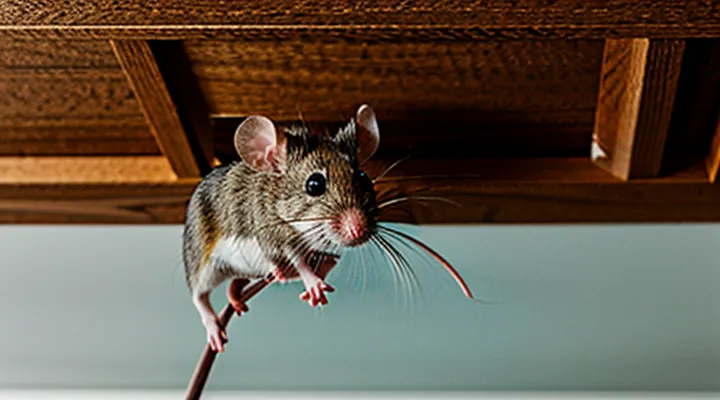
Understanding the Problem: Why is a Mouse Under Your Stretch Ceiling?
Common Entry Points for Rodents
Gaps in Walls and Ceilings
Gaps in walls and ceilings provide the only routes for a rodent to reach the space beneath a tensioned ceiling. Even a narrow opening around a pipe, conduit, or ventilation duct can serve as an entry point, allowing the animal to slip into the cavity and become trapped.
Identifying these openings requires a systematic inspection:
- Visual scan of all seams where the ceiling meets walls, corners, and lighting fixtures.
- Use of a flashlight and mirror to examine hidden joints and recessed areas.
- Tactile check of wall perimeters with a thin probe or screwdriver to detect loose or deteriorated plaster.
- Inspection of utility penetrations for gaps around cables, pipes, and ducts.
Sealing the gaps eliminates future incursions and stabilizes the structural integrity of the ceiling system. Effective sealing methods include:
- Applying acoustic sealant or flexible polyurethane caulk to irregular joints.
- Installing metal or PVC gaskets around pipe sleeves before applying sealant.
- Using expanding foam for larger voids, then trimming excess and covering with a thin layer of sealant for a smooth finish.
- Reinforcing cracked plaster with a bonding agent and mesh tape prior to resurfacing.
When a mouse is already present, the sealed environment prevents escape routes, allowing safe removal with a trap or humane capture device placed directly beneath the ceiling opening. After extraction, re‑inspect the cavity to confirm that all gaps have been fully sealed and that the ceiling surface remains intact.
Plumbing and Electrical Openings
Identify all plumbing and electrical penetrations before beginning work. Locate supply lines, drain pipes, conduit, and junction boxes that intersect the ceiling cavity. Mark each opening with a non‑permanent indicator to prevent accidental damage while maneuvering tools.
Use the openings as access points for removal equipment.
- Insert a flexible rod through a vent or conduit, attach a small trapdoor or grabber, and advance toward the mouse’s hiding spot.
- If a pipe is large enough, thread a thin flashlight and a capture tube to visualize and secure the animal.
- For tight spaces, employ a low‑profile pliers through an electrical box, ensuring wires remain insulated.
Maintain safety standards throughout the process. De‑energize circuits and shut off water flow to any lines that will be disturbed. Verify that all tools are insulated and that no sharp edges contact live conductors or pressurized pipes. After extraction, reseal each opening with appropriate fire‑rated caulk or conduit fittings to restore the ceiling’s integrity.
Risks Associated with a Mouse in the Ceiling
Health Hazards
Extracting a rodent trapped beneath a suspended ceiling poses several health risks that require immediate attention. The animal’s droppings and urine contain pathogens such as Hantavirus, Salmonella, and Leptospira, which can become airborne when disturbed. Inhalation of contaminated dust may trigger respiratory infections, fever, or severe pulmonary syndrome.
Contact with rodent saliva or bodily fluids can transmit bacterial infections through skin abrasions. Protective gloves and long sleeves reduce the likelihood of cuts and subsequent exposure. Immediate hand washing with antimicrobial soap after handling any material is essential to prevent gastrointestinal illness.
The ceiling’s insulation and plaster often trap dust, mold spores, and chemical residues from previous fire‑retardant treatments. Disruption of these layers can release irritants that aggravate asthma, cause allergic reactions, or result in chemical dermatitis. Wearing a properly fitted respirator with a P100 filter and a disposable coverall mitigates inhalation and skin contact.
Key precautions:
- Use disposable PPE: gloves, goggles, respirator, coveralls.
- Seal the work area with plastic sheeting to contain dust.
- Wet‑wipe surfaces before removal to suppress airborne particles.
- Dispose of all contaminated material in sealed biohazard bags.
Damage to Property
Removing a rodent that has become lodged beneath a stretch‑ceiling system can cause several types of property damage if the process is not managed correctly. The ceiling fabric is typically adhered to a tension grid; any force applied directly to the material may tear the membrane, creating visible holes or cracks that expose the underlying structure. A compromised membrane also reduces the acoustic and fire‑retardant properties for which stretch ceilings are installed, potentially violating building codes.
The support framework is vulnerable to deformation when excessive pressure is used to dislodge the animal. Bending or breaking the tension cables can shift the entire grid, resulting in uneven tension across the ceiling surface and subsequent sagging. Realignment of the grid often requires re‑tensioning, which may involve additional hardware and labor costs.
Direct contact with the mouse can leave biological residues. Saliva, urine, and feces contain pathogens that may stain the fabric and create odor problems. If not cleaned promptly, these contaminants can attract insects, leading to secondary infestations and further degradation of the ceiling material.
Typical damage outcomes include:
- Tears or punctures in the stretch fabric
- Distorted or broken tension cables
- Loss of acoustic insulation performance
- Compromised fire‑rating compliance
- Staining and odor from rodent waste
Mitigating these risks demands a controlled approach: isolate the area, use a long, slender retrieval tool to avoid pulling on the fabric, and apply disinfectant wipes to any contaminated zones before resealing the ceiling. Professional assistance is advisable when structural integrity or code compliance may be jeopardized.
Psychological Impact
A rodent discovered beneath a suspended ceiling creates an immediate psychological response. The sudden presence of a hidden animal triggers heightened alertness and a surge of adrenaline, which can impair decision‑making and increase perceived danger.
- Anxiety arises from uncertainty about the mouse’s location and potential damage to the ceiling structure.
- Stress intensifies when the extraction process requires climbing, tools, or disruption of a living space.
- Feelings of contamination emerge because rodents are associated with disease, prompting an urge to sanitize the area after removal.
- Loss of control is experienced when the animal moves unpredictably, forcing the observer to react quickly to prevent injury or escape.
Effective mitigation relies on preparation and mental framing. Prior to intervention, visualizing each step reduces panic and clarifies actions. Engaging a trained professional transfers technical responsibility, thereby lowering personal stress. Post‑removal, thorough cleaning and verification of structural integrity restore confidence and diminish lingering apprehension.
Preparation Before Extraction
Safety Precautions
Personal Protective Equipment (PPE)
When retrieving a rodent from beneath a suspended ceiling, appropriate personal protective equipment is mandatory to prevent injury and contamination.
- Heavy‑duty gloves (cut‑resistant, nitrile or leather) protect hands from sharp suspension wires, broken tiles, and potential bites.
- Safety goggles or a full face shield guard eyes against debris, dust, and splashes of cleaning agents.
- Disposable coveralls or a work shirt with long sleeves and reinforced knees shield skin from dust, insulation fibers, and rodent‑borne pathogens.
- A N95 or higher‑efficiency respirator filters airborne particles, including rodent droppings, urine, and insulation dust.
- Slip‑resistant boots with steel toe caps prevent foot injuries from falling objects and provide stability on ladders or scaffolding.
Gloves must be changed after contact with the mouse or contaminated surfaces to avoid cross‑contamination. Eye protection remains essential because the ceiling area often contains broken fragments that can be dislodged during manipulation. Respiratory protection is required when cutting or prying ceiling panels, as this releases fine particulate matter that can irritate the respiratory tract. Coveralls and boots reduce the risk of skin exposure to allergens and mechanical hazards.
All equipment should be inspected before use for tears, cracks, or compromised seals. Replace any damaged items immediately. After the extraction, remove and dispose of PPE according to local biohazard and waste regulations, then perform thorough hand hygiene and decontaminate reusable gear.
Securing the Area
Before any intervention, isolate the work zone to prevent the rodent from escaping and to protect occupants from debris. Begin by clearing the immediate vicinity of furniture, equipment, and loose items that could obstruct access or become hazards. Seal off adjoining rooms with temporary barriers such as plastic sheeting or cardboard to contain the mouse and limit noise transmission.
Create a clear path to the stretch‑ceiling panel by removing floor coverings or rugs that could trap the animal. Lay down a non‑slip mat or disposable sheet to catch droppings and prevent the mouse from slipping onto the floor.
Implement a controlled lighting scheme: use a portable lamp focused on the target area while keeping surrounding lights dim to discourage the mouse from fleeing into darker spaces.
Establish a safety perimeter for personnel:
- Mark the boundary with tape or cones at least 3 feet from the work site.
- Require anyone entering the zone to wear disposable gloves and shoe covers.
- Keep pets and children out of the area until the operation concludes.
Finally, position a small, ventilated capture container near the ceiling opening. The container should be ready for immediate use once the mouse is coaxed out, ensuring a swift and humane removal without spreading contamination.
Essential Tools and Materials
Traps (Live vs. Lethal)
When a rodent becomes trapped beneath a suspended ceiling, the choice of capture device determines both the speed of removal and the impact on the animal. Live‑capture mechanisms preserve the mouse for release, while lethal options provide immediate termination. Selecting the appropriate method depends on ethical considerations, building constraints, and the urgency of the situation.
-
Live traps
• Small entry size fits beneath ceiling panels.
• Require regular monitoring to prevent prolonged confinement.
• Allow relocation; no risk of contaminating the work area with carcass fluids.
• May be less effective if the mouse is injured or highly stressed. -
Lethal traps
• Snap or electric devices deliver rapid death, reducing handling time.
• Minimal maintenance after activation; no need for frequent checks.
• Produce carcass that must be removed and disposed of according to health regulations.
• Potentially generate debris that can fall through ceiling gaps, complicating cleanup.
For most maintenance crews, the recommended protocol is to start with a suitably sized live trap positioned directly under the mouse’s last known location. If capture does not occur within a short, predefined interval (e.g., 30 minutes), switch to a lethal device that can be safely deployed without damaging surrounding structures. Ensure all traps are placed on stable surfaces, away from electrical wiring, and that personnel wear gloves to avoid contaminating the work zone. Proper disposal of any deceased animal follows local pest‑control guidelines.
Inspection Equipment
Inspection equipment is essential for locating and retrieving a rodent hidden beneath a suspended ceiling. Accurate assessment prevents damage to the ceiling membrane and reduces the risk of contaminating the work area.
A typical inspection kit includes:
- Fiber‑optic camera (borescope) – a flexible probe with a LED light source that can be inserted through ceiling access points to provide real‑time visual feedback.
- Ultrasonic detector – a handheld device that amplifies the high‑frequency sounds produced by small mammals, allowing the operator to pinpoint activity without visual confirmation.
- Infrared thermometer – measures surface temperature variations that may indicate the presence of a live animal or recent activity.
- Moisture meter – detects elevated humidity levels caused by urine or feces, helping to narrow the search zone.
- Magnetic inspection rod – a slender, magnetized pole that can be guided along the ceiling grid to locate metal components and confirm the path for extraction tools.
Procedure:
- Identify all accessible entry points in the ceiling grid. Use the ultrasonic detector to confirm the general area of rodent movement.
- Insert the fiber‑optic camera through the nearest opening. Observe the video feed to locate the mouse and assess its position relative to structural supports.
- Verify the exact location with the infrared thermometer and moisture meter, noting any heat signatures or damp spots that corroborate the visual data.
- Once the animal’s position is confirmed, employ a small, purpose‑designed trap or suction device introduced through the same opening. The magnetic inspection rod can guide the trap into place without disturbing the ceiling membrane.
- After capture, withdraw the trap carefully, ensuring the ceiling surface remains intact. Use the camera to inspect the area for residual debris or signs of additional rodents.
Regular use of these inspection tools minimizes guesswork, reduces ceiling damage, and increases the likelihood of a successful, humane removal.
Repair Materials
When a rodent becomes trapped beneath a suspended ceiling, the extraction effort inevitably damages the surrounding surface. Selecting appropriate repair supplies before beginning the removal prevents additional work and restores the ceiling’s integrity.
- Heavy‑duty plastic sheeting or drop cloth to protect flooring and adjacent walls.
- Utility knife with a fresh blade for cutting the stretched fabric cleanly.
- Flat‑head screwdriver and pliers to disengage clips or fasteners.
- Adhesive remover or solvent compatible with the ceiling material to loosen bonding agents.
- Replacement stretch‑ceiling panels or fabric strips matching the original tension and color.
- Seam tape or high‑strength acrylic sealant for re‑sealing joints.
- Safety equipment: gloves, dust mask, and eye protection.
Apply the drop cloth, cut away the compromised section with the utility knife, and use the screwdriver and pliers to release any mounting hardware. After extracting the animal, clean residual adhesive with the solvent, then install the new panel, securing it with the original fastening system. Seal seams with tape or sealant, smooth the surface, and allow the cure time recommended by the sealant manufacturer before reinstalling lighting or ventilation components. This material set ensures a swift, clean repair and restores the ceiling’s functional appearance.
Identifying the Mouse’s Location
Listening for Sounds
Listening for the mouse’s movements is the first practical step when a rodent is trapped beneath a stretched ceiling. Sound travels through the ceiling panels, allowing the handler to pinpoint the animal’s location without dismantling the structure.
Begin by silencing ambient noise: turn off HVAC, close doors, and ask occupants to keep voices low. This creates a quiet environment where the mouse’s scurrying, squeaking, or gnawing becomes audible.
Position a lightweight listening device—such as a stethoscope, ultrasonic detector, or a simple handheld microphone—against the ceiling surface. Move the device slowly across the panel, noting changes in volume or frequency. The area with the strongest signal indicates the mouse’s current position.
If the mouse is inactive, wait a few minutes before re‑checking. Rodents often pause, then resume activity, producing intermittent sounds that reveal their exact spot.
When the location is confirmed, follow these actions:
- Mark the spot with a removable indicator (tape or chalk).
- Create a small access point directly above the marked area using a precision cutter or a small hole saw, avoiding damage to surrounding panels.
- Insert a gentle suction device or a soft trap to coax the mouse out, monitoring for continued sounds to ensure the animal is still present.
Throughout the process, maintain continuous auditory monitoring. Any sudden silence may indicate the mouse has hidden elsewhere, prompting a repeat of the listening sweep. This method reduces unnecessary ceiling damage and increases the likelihood of a successful, humane removal.
Observing Droppings or Gnaw Marks
Observing droppings and gnaw marks provides the first reliable clues about a mouse’s position beneath a stretch ceiling. Fresh droppings indicate recent activity, while the size and shape help confirm the presence of a rodent rather than another pest. Gnaw marks on the ceiling material, supporting beams, or insulation reveal the routes the animal uses to move and the points where it may be trapped.
To translate these signs into an effective removal plan, follow these steps:
- Locate the highest concentration of droppings; this area usually marks the mouse’s core foraging zone.
- Examine nearby surfaces for bite marks; note the direction of the scratches to infer travel pathways.
- Measure the distance between droppings and gnaw marks; the shortest route often leads to the entry or exit point.
- Use a flashlight or inspection camera to confirm the exact location of the rodent’s nesting or hiding spot.
Documenting each observation allows you to position traps, bait stations, or extraction tools precisely, minimizing disturbance to the ceiling structure and increasing the likelihood of a successful capture.
Methods for Safe and Humane Extraction
Non-Invasive Techniques
Luring with Food
When a mouse becomes trapped beneath a stretch‑mounted ceiling, the quickest way to coax it out is to use food as a lure. The goal is to create a clear, attractive path that leads the rodent toward an opening where it can escape safely.
Select a high‑value bait such as peanut butter, dried fruit, or small pieces of cooked meat. These items emit strong scents that mice can detect through the ceiling’s fabric and any intervening insulation. Apply a thin layer of the bait on a piece of cardboard or a shallow dish and place it directly under the nearest accessible gap—typically a vent, a ceiling tile opening, or a removable panel.
To increase effectiveness:
- Position the bait within a few centimeters of the mouse’s current location, avoiding direct contact that might cause the animal to panic.
- Ensure the path from the bait to the exit remains unobstructed; remove any loose debris or wiring that could block movement.
- Keep the area quiet; loud noises may deter the mouse from approaching the food source.
Monitor the situation from a safe distance. Once the mouse begins to feed, it will usually continue moving toward the exit to avoid confinement. After the animal has escaped, seal the gap to prevent future incursions and clean any residual bait to eliminate lingering attractants.
Creating an Escape Route
When a rodent becomes trapped beneath a suspended ceiling, the most reliable solution is to construct a clear path that leads it out of the confined space. The process begins with a thorough assessment of the ceiling’s layout. Identify the nearest access point—such as a removable panel, vent, or gap in the ceiling tiles—that can serve as an exit without compromising structural integrity.
Next, clear any debris, insulation, or wiring that blocks the line of sight between the mouse and the chosen exit. Use a flashlight to confirm an unobstructed corridor of at least 2 inches in width, sufficient for the animal to pass. If the natural opening is too small, create a temporary enlargement by gently prying a tile or cutting a small slit in the ceiling material, taking care not to damage supporting cables.
Once the route is prepared, encourage the mouse to move toward it:
- Place a small amount of food (e.g., peanut butter or cheese) at the entrance of the corridor.
- Position a gentle, low‑frequency sound source near the exit to guide the animal forward.
- Allow a few minutes for the mouse to locate the bait and travel the path.
After the rodent has exited, seal the temporary opening with the original tile or a suitable patch to restore the ceiling’s condition. Dispose of any used bait and clean the area to prevent re‑entry. This systematic approach ensures a humane, efficient removal while maintaining the integrity of the suspended ceiling system.
Controlled Access Techniques
Carefully Opening a Ceiling Panel
When a mouse becomes trapped beneath a tension‑mounted ceiling, the first priority is to gain safe access without damaging the surrounding structure. The process begins with a methodical opening of a ceiling panel.
Begin by locating the nearest removable panel. Identify the fastening system—usually clips, screws, or a combination of both. Use a flashlight to inspect the edges for hidden fasteners. Remove any visible screws with an appropriate screwdriver; for clips, insert a flat‑head tool at a slight angle and gently pry to release the tension.
Once the fasteners are disengaged, proceed with the panel removal:
- Grip the panel firmly at opposite corners.
- Apply steady, even pressure to lift it away from the ceiling grid.
- If resistance is felt, pause and verify that all fasteners have been cleared.
- Lower the panel slowly to avoid striking the mouse or causing debris to fall.
After the panel is set aside, use a small handheld trap or a humane capture device to secure the rodent. Keep the trap within reach to prevent the mouse from escaping back into the cavity. Following capture, replace the panel by reversing the removal steps, ensuring each clip or screw is securely re‑engaged to restore the ceiling’s integrity.
Using a Small Access Point
A mouse confined beneath a tension‑mounted ceiling can be removed without dismantling large sections of the ceiling by creating a limited opening that allows direct access.
A small access point minimizes damage to the ceiling fabric, reduces repair time, and limits disturbance to surrounding fixtures. The opening should be positioned directly above the rodent’s location, which can be identified by listening for movement or using a low‑intensity infrared camera.
- Cut a 2‑inch circular hole in the ceiling material using a sharp utility blade or a small hole‑saw.
- Insert a thin, flexible rod (e.g., a ¼‑inch steel wire or a flexible grabber) through the opening.
- Advance the rod gently until the mouse is encountered.
- Close the rod’s tip around the animal with a spring‑loaded claw or a small mesh cup.
- Retract the rod slowly, keeping the mouse secure, and withdraw it through the same opening.
- Seal the hole with a patch of ceiling‑compatible adhesive tape or a quick‑dry sealant.
Safety measures: wear protective gloves, ensure the ceiling surface is not under tension during cutting, and keep pets away from the work area. After extraction, disinfect the opening site and inspect for additional signs of infestation.
Post-Extraction Procedures
Sealing Entry Points
Identifying and Repairing Gaps
When a rodent becomes trapped beneath a tension‑mounted ceiling, the most common cause is a breach in the fabric or its supporting grid. Detecting those breaches eliminates obstacles that block safe extraction and prevents future incursions.
- Conduct a systematic visual sweep from the nearest access point; look for torn edges, loose seams, or exposed joints.
- Illuminate the area with a high‑intensity flashlight; shadows often reveal narrow openings invisible in ambient light.
- Run a thin, flexible probe (e.g., a bent wire or a piece of fishing line) along the ceiling surface; resistance changes indicate discontinuities.
- Examine the perimeter where the ceiling meets walls, ducts, and lighting fixtures; junctions are frequent failure sites.
After locating each breach, apply a repair method suited to the ceiling material and the size of the gap.
- For small tears (≤5 mm), use a clear, flexible sealant designed for stretch‑fabric applications; apply a thin bead and smooth with a gloved fingertip.
- Medium‑size openings (5–15 mm) require a patch cut from matching fabric; secure the patch with a high‑strength adhesive, then reinforce with a narrow strip of the original material.
- Large gaps (>15 mm) call for a two‑layer solution: first, attach a backing board (e.g., thin plywood or composite panel) to the supporting frame; second, stretch a new fabric panel over the board, fastening it with the ceiling’s standard tensioning system.
- All repaired sections should be allowed to cure according to the manufacturer's specifications before re‑tensioning the ceiling.
With gaps sealed, create a clear passage for the mouse. Position a humane trap at the nearest exit, ensure the pathway remains unobstructed, and monitor the area until capture is confirmed. The repaired ceiling will then retain its structural integrity and deter future rodent activity.
Reinforcing Vulnerable Areas
Reinforcing weak points in a suspended ceiling is essential before attempting to retrieve a rodent hidden beneath it. Unstable joints, sagging panels, and unsupported seams can collapse under the pressure of tools or the weight of a rescuer, creating hazards for both the animal and the technician.
- Inspect all ceiling tiles for cracks, loose fasteners, or warped sections. Replace or secure any damaged components.
- Add temporary support brackets or cross‑bars beneath the most vulnerable panels. Position them to distribute load evenly across the ceiling grid.
- Apply adhesive tape or clamps to reinforce seams that show signs of separation. Ensure the reinforcement does not impede access to the mouse’s location.
- Use a rigid board or plywood sheet to create a stable platform over the work area. Secure the board to the ceiling frame with screws or bolts to prevent shifting.
Select materials that match the ceiling’s structural specifications. Steel brackets provide high tensile strength; lightweight aluminum offers ease of installation. Verify that all fasteners are tightened to the manufacturer’s torque recommendations. After reinforcement, proceed with extraction using minimal force, monitoring the ceiling for any signs of stress. Once the mouse is removed, reassess the reinforced sections and restore the ceiling to its original condition.
Cleaning and Disinfection
Sanitizing the Affected Area
After the rodent has been removed from beneath the taut ceiling, the surrounding surface must be disinfected to prevent disease transmission and deter future infestations. Begin by ventilating the area for at least 15 minutes; open windows and use fans to circulate fresh air. Wear disposable gloves and a mask to avoid direct contact with contaminants.
Proceed with cleaning:
- Sweep or vacuum loose debris, disposing of the collection bag immediately.
- Apply an EPA‑approved disinfectant spray to all exposed sections of the ceiling fabric, joints, and adjacent walls. Follow the manufacturer’s dwell time, typically 5–10 minutes.
- Wipe surfaces with a clean, damp microfiber cloth to remove residue, then allow them to air‑dry completely.
- If the ceiling material is removable, place it in a sealed bag and treat it separately according to the disinfectant’s instructions.
Finally, inspect the area for residual droppings or urine stains. Use a UV‑light source to detect hidden contamination. Replace any compromised ceiling panels, and consider installing a deterrent sealant around access points to reduce the likelihood of recurrence.
Odor Removal
After a rodent is cleared from the space beneath a tension‑mounted ceiling, lingering odor can compromise indoor air quality and occupant comfort. The smell typically originates from urine, feces, and decomposing tissue left in the cavity.
Ventilate the area promptly. Open any accessible vents, use portable fans, and run a high‑efficiency particulate air (HEPA) purifier with an activated‑carbon filter for at least 30 minutes per hour until the odor diminishes.
Apply an enzymatic cleaner directly to all visible contamination. Enzymes break down organic molecules that cause odor, while the cleaning solution neutralizes bacterial growth. Follow the manufacturer’s contact time before wiping or rinsing.
If the mouse was deceased, remove the carcass with disposable gloves and a sealed container. Disinfect the surrounding surface with a solution containing at least 1 % sodium hypochlorite or an EPA‑approved disinfectant. Allow the disinfectant to remain on the surface for the recommended dwell period before wiping clean.
Implement a short‑term odor‑absorption strategy:
- Place open bowls of white vinegar or baking soda in the cavity for 24 hours.
- Insert odor‑absorbing gel packets (e.g., activated charcoal) into accessible gaps.
- Seal any openings with silicone caulk after cleaning to prevent further infiltration.
Long‑term prevention relies on eliminating entry points. Inspect the perimeter of the stretched ceiling for gaps around fixtures, ducts, and seams. Apply metal‑mesh screening or expanding foam to block rodent access, and schedule quarterly inspections to verify the integrity of the seal.
By combining immediate ventilation, enzymatic treatment, disinfection, and systematic sealing, the unpleasant scent associated with a mouse incident under a tensioned ceiling can be effectively eradicated and future occurrences minimized.
Prevention Strategies
Regular Inspections
Regular inspections are essential for preventing rodent entrapment beneath suspended ceilings and for identifying the earliest signs of activity. Conduct visual checks at least monthly, focusing on seams, joints, and access panels where gaps may allow entry. Document any droppings, gnaw marks, or disturbed insulation, and note changes in humidity that could attract pests.
Key inspection tasks include:
- Verifying the integrity of ceiling membranes and sealing any tears or punctures.
- Examining support structures for evidence of burrowing or chew damage.
- Testing ventilation ducts and cable trays for blockages or nesting material.
- Using a flashlight and mirror to inspect concealed corners without dismantling the entire system.
- Recording findings in a maintenance log and scheduling corrective actions within 48 hours of detection.
Prompt remediation based on inspection results reduces the likelihood of a mouse becoming trapped, simplifies eventual removal, and maintains the structural and sanitary condition of the ceiling area.
Maintaining a Rodent-Free Environment
A rodent‑free environment begins with sealing entry points. Inspect the perimeter, roof joists, and the underside of the suspended ceiling for gaps larger than a quarter‑inch. Apply steel wool or copper mesh to openings, then cover with caulk or expanding foam.
When a mouse is discovered beneath a stretch ceiling, immediate containment prevents spread. Use a long‑handled trap or a humane capture tube placed directly under the animal’s path. Avoid dislodging the ceiling material; instead, create a temporary access panel by cutting a small, removable section of the ceiling fabric.
After removal, disinfect the area. Spray an EPA‑registered rodent disinfectant on surfaces, then wipe with a clean cloth. Dispose of the mouse in a sealed bag according to local regulations.
Maintain vigilance through regular monitoring. Implement a schedule that includes:
- Visual inspection of ceiling seams and support structures monthly.
- Replacement of damaged ceiling sections promptly.
- Placement of passive monitoring stations (e.g., sticky pads) in concealed areas.
- Review of sanitation practices to eliminate food sources that attract rodents.
Consistent application of these measures sustains a rodent‑free condition while minimizing the risk of future incidents beneath suspended ceilings.