
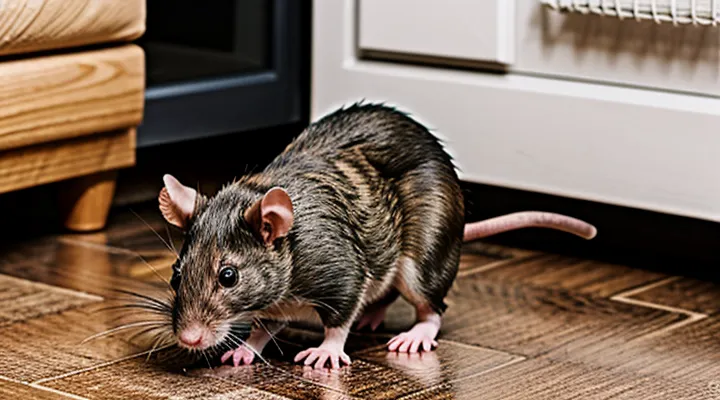
Understanding Rat Odor and Its Sources
What Causes Rat Odor?
Decomposition of Carcasses
Decomposing rodent remains release volatile compounds that create the unmistakable odor in residential spaces. The process begins with autolysis, where cellular enzymes break down tissues, followed by putrefaction, during which bacteria generate ammonia, hydrogen sulfide, cadaverine, and putrescine. These gases diffuse through walls, flooring, and insulation, persisting until the source is eliminated.
Temperature, humidity, and oxygen availability accelerate bacterial activity. Warm, moist environments increase the rate of decomposition, while cooler, drier conditions slow it. Limited airflow can trap gases, intensifying the smell in confined areas.
Effective odor removal requires immediate action on the carcass and subsequent treatment of the affected zone. Follow these steps:
- Locate and extract the dead rodent using disposable gloves and sealed bags.
- Disinfect the area with a solution containing chlorine bleach (1 part bleach to 10 parts water) or an enzymatic cleaner designed for protein breakdown.
- Apply an odor‑neutralizing agent, such as activated charcoal or a commercial odor absorber, to absorb lingering gases.
- Increase ventilation by opening windows and using fans to expel contaminated air.
- Reduce ambient humidity with a dehumidifier to inhibit further bacterial growth.
- Seal entry points (cracks, gaps, utility openings) to prevent future infestations and limit gas migration.
After removal and treatment, monitor the space for residual odor for several days. Persistent smells may indicate hidden remains or absorbed contaminants; repeat cleaning and employ professional remediation if necessary. Continuous pest‑proofing and regular inspection are essential to maintain a odor‑free environment.
Urine and Feces Accumulation
Rat urine and feces release ammonia, sulfides, and volatile fatty acids that create a persistent, penetrating odor. When these waste products dry, they become difficult to detect visually but continue to emit malodorous gases that linger in walls, insulation, and furnishings.
The first step in odor control is complete removal of contaminated material. Identify all areas with visible stains or a strong scent, then follow a systematic approach:
- Wear disposable gloves and a mask to prevent inhalation of harmful vapors.
- Scrape solid waste into a sealable bag; discard according to local pest‑control regulations.
- Soak wet spots with an enzymatic cleaner designed for rodent waste; allow the solution to penetrate for at least 15 minutes.
- Rinse the area with hot water and a mild detergent; repeat if residue remains.
- Apply a bio‑active deodorizer that breaks down remaining organic compounds; follow the product’s contact time instructions.
After cleaning, treat porous surfaces that may have absorbed odor molecules. Use a steam‑cleaner on carpets, upholstery, and drapery, or replace items that cannot be thoroughly sanitized. For wall cavities and insulation, inject an aerosolized enzymatic solution; allow it to dry completely before sealing the space.
Ventilation accelerates odor dissipation. Open windows, operate exhaust fans, and run a high‑efficiency particulate air (HEPA) purifier equipped with an activated‑carbon filter. Maintain low indoor humidity (below 50 %) to inhibit microbial growth that can amplify the smell.
Regular inspection prevents re‑accumulation. Schedule monthly checks of basements, attics, and crawl spaces for fresh droppings or wet spots. Prompt removal of any new waste stops the cycle of odor formation before it becomes entrenched.
Glandular Secretions
Rats emit a strong, musky smell primarily because their specialized glands release volatile compounds. The anal glands produce a mixture of fatty acids and sulfide‑rich substances, while the preputial and salivary glands add additional amines and pheromonal proteins. When rats occupy a dwelling, these secretions accumulate on surfaces, in insulation, and within wall cavities, creating a persistent odor that resists simple airing out.
The odor‑causing chemicals are characterized by low‑molecular‑weight molecules that evaporate quickly, binding to porous materials and persisting after the animals are removed. Anal gland secretions contain isovaleric acid and skatole, both recognized for their foul odor. Preputial secretions add volatile amines such as trimethylamine, which intensify the overall scent profile. Understanding the chemical nature of these excretions guides effective remediation.
Effective removal follows a systematic approach:
- Identify contaminated zones – trace the odor to specific rooms, wall voids, or insulation.
- Isolate the area – seal doors and vents to prevent cross‑contamination during cleaning.
- Apply enzymatic cleaners – products formulated to break down fatty acids and amines accelerate decomposition of glandular residues.
- Rinse with hot water – elevated temperature enhances solubility of odor molecules.
- Neutralize with oxidizing agents – diluted hydrogen peroxide or ozone generators oxidize remaining volatile compounds.
- Dry thoroughly – dehumidifiers and fans eliminate moisture that could support microbial growth, which would generate secondary odors.
- Dispose of absorbent materials – discard contaminated insulation, carpeting, or bedding that cannot be fully cleaned.
Prevention requires eliminating the source and limiting future secretion buildup. Seal cracks, install door sweeps, and repair utility entry points to block rodent access. Maintain a clean environment by removing food residues and clutter that provide nesting material. Regular inspection of attic and crawl‑space insulation helps detect early signs of glandular contamination before odor becomes entrenched.
Identifying the Location of the Odor Source
Visual Inspection for Rodent Activity
Visual inspection is the first step in locating the source of rat odor and confirming rodent presence. Look for fresh droppings, gnaw marks, shredded insulation, and urine stains on surfaces such as baseboards, pantry shelves, and behind appliances. Dark, greasy smears on walls or ceilings often indicate urine buildup, while shredded paper or fabric points to nesting activity.
Check entry points by examining gaps around pipes, vents, and door frames. Measure each opening; any space larger than a quarter‑inch can admit a rat. Record the dimensions and seal them after verification.
Inspect concealed areas where rodents hide. Typical sites include:
- Attic rafters and joists
- Crawl spaces under flooring
- Wall cavities accessed through removable vent covers
- Behind refrigerators and stoves
Examine stored food containers for bite holes, torn packaging, or powdery residues. Replace compromised items and clean the surrounding area with a disinfectant solution.
Document findings with photographs and a simple log. Note the location, type of evidence, and estimated age based on droplet size or feces consistency. This record guides targeted cleaning, odor neutralization, and future prevention measures.
Using Your Sense of Smell
Your sense of smell serves as the first indicator of a rodent problem and guides targeted remediation. Identify the odor’s intensity and location by moving through each room, noting areas where the scent is strongest. Record observations to prioritize treatment zones.
When the source is located, follow these actions:
- Ventilate the space by opening windows and using fans to disperse airborne particles.
- Apply enzymatic cleaners directly to contaminated surfaces; these agents break down odor-causing compounds.
- Place absorbent materials (e.g., activated charcoal, baking soda) near the affected area to trap lingering smells.
- Replace or seal any porous items (carpets, insulation) that have absorbed the odor, as cleaning alone may be insufficient.
- Conduct a final sniff test after each step to verify reduction; repeat treatments until the scent is no longer detectable.
Consistent monitoring with your nose ensures that hidden residues are not overlooked and that the environment remains free of rat-related odor.
Common Hiding Spots for Rodents
Identifying typical rodent concealment areas enables targeted odor control throughout the home.
- Wall cavities, especially behind drywall or paneling, provide warm, protected spaces.
- Attic insulation and rafters offer easy access to heat and shelter.
- Crawl spaces beneath the foundation remain dark and undisturbed.
- Basement corners and utility rooms contain gaps around pipes and wiring.
- Kitchen cabinets and pantry shelves hide behind stored food containers.
- Behind or beneath large appliances such as refrigerators, stoves, and dishwashers.
- Floor joists and subfloor gaps create routes between rooms.
- Dryer vents and laundry rooms contain openings to exterior ducts.
- Garage storage boxes and shelving units present cluttered refuges.
- Exterior structures like decks, sheds, and porches contain hidden voids and eaves.
Each location harbors droppings, urine, and nesting material that contribute directly to persistent odor. Inspecting these areas, sealing entry points, and applying appropriate cleaning and deodorizing measures eliminates the source of the smell at its origin.
Step-by-Step Guide to Eliminating Rat Odor
Removing the Source of the Odor
Locating and Disposing of Deceased Rodents
Dead rodents emit a strong, lingering smell that quickly spreads through walls, insulation, and ventilation systems. Prompt identification and removal are essential to stop the odor from worsening and to protect indoor air quality.
To locate a deceased mouse or rat, follow these steps:
- Conduct a visual sweep of hidden areas such as attics, crawl spaces, behind appliances, and inside wall cavities.
- Use a strong, unscented odor detector or a piece of gauze soaked in a mild disinfectant to trace the source; the scent will intensify near the carcass.
- Examine places with moisture accumulation, including pipe chases, basement corners, and under sinks, where rodents often hide.
- Check for droppings, gnaw marks, or shredded insulation that may indicate the animal’s last position.
- Deploy a temporary live‑trap or a small baited cage in suspected zones; if the trap captures a dead specimen, the location is confirmed.
Once the body is found, dispose of it safely:
- Wear disposable gloves and a protective mask to avoid direct contact and inhalation of pathogens.
- Place the carcass in a heavy‑duty, sealable plastic bag; double‑bag for added containment.
- Seal the bag, label it as “biological waste,” and place it in an outdoor trash container that is collected regularly.
- If the carcass is large or located within sealed wall spaces, hire a licensed pest‑removal service equipped to extract and dispose of the material according to local health regulations.
- After removal, clean the area with a solution of 1 part bleach to 9 parts water, then rinse and dry thoroughly to eliminate residual odors and bacteria.
Final precaution: seal entry points, repair damaged insulation, and maintain low humidity levels to deter future infestations and prevent odor recurrence.
Cleaning Up Urine and Feces
Removing rat urine and feces is the first practical step in eradicating the associated odor from a residence. These waste products contain ammonia, uric acid, and bacterial colonies that release strong, persistent smells. Prompt, thorough elimination prevents the odor from permeating walls, carpets, and furniture.
- Wear disposable gloves and a mask to avoid direct contact with contaminants.
- Absorb fresh urine with paper towels; discard them in a sealed bag.
- For dried stains, dampen the area with a solution of 1 part white vinegar to 2 parts water; let it sit for 5 minutes.
- Scrub the surface with a stiff brush, then rinse with clean water.
- Apply an enzymatic cleaner specifically formulated for pet waste; follow the manufacturer’s contact time.
- After the enzymatic action, blot excess moisture and allow the area to dry completely.
- Dispose of all cleaning materials in sealed containers; sanitize reusable tools with a bleach solution (1 % sodium hypochlorite).
Once the waste is removed, ventilate the space by opening windows and operating fans for at least 30 minutes. Use an activated‑carbon air purifier to capture residual odor molecules. Regularly inspect hidden corners, crawl spaces, and insulation for residual stains, and repeat the cleaning protocol if any remain. Consistent monitoring and immediate response to new deposits maintain an odor‑free environment.
Sealing Entry Points to Prevent Future Infestations
Sealing gaps and cracks eliminates the pathways rats use to enter a residence, directly reducing the source of lingering odor. Identifying vulnerable areas prevents new occupants from re‑establishing nests that produce waste and urine, the primary contributors to the smell.
Inspect the building envelope thoroughly. Common entry points include:
- Gaps around utility pipes and cables
- Openings beneath doors and windows
- Cracks in foundation walls, especially near the crawl space
- Holes in siding, soffits, and eaves
- Unsealed vents, chimneys, and dryer exhausts
Repair each opening with appropriate materials. Use stainless‑steel mesh or hardware cloth for larger gaps, then cover with cement, expanding foam, or caulk designed for exterior use. For door sweeps, install abrasion‑resistant brushes that seal the bottom while allowing movement. Apply weather‑stripping around windows and ensure it compresses fully when closed.
After sealing, implement a monitoring routine. Conduct a visual check every season, focusing on areas where moisture accumulates or where construction activity may have created new fissures. Replace worn seals promptly to maintain an impenetrable barrier.
By eliminating access points, the home becomes inhospitable to rodents, removing the ongoing source of odor and preventing future contamination. This proactive approach complements cleaning and deodorizing efforts, delivering a lasting improvement in indoor air quality.
Cleaning and Sanitizing Affected Areas
Personal Protective Equipment (PPE)
When addressing lingering rat odor inside a residence, appropriate personal protective equipment is essential to prevent exposure to harmful bacteria, ammonia, and volatile compounds released from urine and feces.
A basic PPE ensemble includes:
- Disposable nitrile gloves, thick enough to resist punctures and chemical seepage.
- N95 or higher‑rated respirator equipped with a particulate filter, protecting against aerosolized pathogens and strong smells.
- Eye protection such as safety goggles or a full face shield to guard against splashes during cleaning.
- Disposable coveralls or a waterproof jumpsuit with sealed seams, preventing skin contact with contaminated surfaces.
- Slip‑resistant boots or shoe covers to maintain traction and avoid cross‑contamination.
Additional considerations:
- Ensure respirator fit testing before use; an improper seal compromises protection.
- Replace gloves and coveralls after each cleaning session or when visibly soiled.
- Dispose of all single‑use items in sealed bags and follow local hazardous waste guidelines.
- Store reusable equipment, like respirators and goggles, in a clean, dry environment to maintain integrity.
Adhering to this equipment protocol minimizes health risks while eliminating rat odor from the home environment.
Initial Cleaning of Surfaces
The first phase of odor control targets all visible surfaces where rat secretions, urine, or droppings have accumulated. Prompt removal of these residues prevents the odor molecules from binding to porous materials and spreading through the indoor environment.
- Wear disposable gloves and a mask to avoid direct contact with contaminants.
- Dispose of solid waste in sealed bags; seal and discard immediately.
- Mix a solution of one part enzymatic cleaner to four parts warm water; enzymatic agents break down organic compounds that cause odor.
- Apply the solution liberally to countertops, cabinets, shelves, and any hard‑surface fixtures. Allow it to soak for at least five minutes to penetrate residues.
- Scrub with a non‑abrasive brush or sponge; focus on seams, corners, and crevices where urine may have seeped.
- Rinse thoroughly with clean water and dry with disposable towels to prevent moisture buildup.
For porous items such as wood, drywall, or upholstery, treat the area with the same enzymatic solution, then blot excess liquid. If the material remains saturated after drying, consider replacing it, as lingering moisture can continue to emit odor.
Complete the initial cleaning before proceeding to secondary measures such as ventilation, odor‑absorbing agents, or structural repairs. This groundwork eliminates the primary source of the smell and creates a neutral surface for further remediation steps.
Disinfection and Deodorization Solutions
Effective disinfection and deodorization are essential when removing rodent odor from a residence. The goal is to eradicate bacteria and parasites while neutralizing the unpleasant smell that lingers after a infestation.
Use enzymatic cleaners to break down organic residues. These products contain bacteria that digest urine, feces, and body fluids, eliminating the source of odor. Apply the solution liberally to contaminated surfaces, allow a dwell time of 10‑15 minutes, then rinse or blot dry. Repeat the process on heavily soiled areas.
Apply oxidizing agents such as hydrogen peroxide (3‑6 %) or peroxyacetic acid. These chemicals oxidize odor‑causing molecules, providing rapid neutralization. Spray the solution onto walls, floors, and insulation, ensuring full coverage. Allow the surface to air‑dry; the reaction will dissipate residual smells.
For persistent odor, consider activated charcoal or zeolite bags. Place the adsorbent material in closets, under cabinets, and near ventilation ducts. Replace or recharge the media every 30‑45 days to maintain effectiveness.
When chemical options are unsuitable, employ natural deodorizers:
- White vinegar diluted 1:1 with water. Wipe down hard surfaces; the acidity halts bacterial growth and masks odor.
- Baking soda spread thinly on carpets and upholstery. Leave for several hours, then vacuum. The powder absorbs volatile compounds.
- Essential‑oil blends (e.g., eucalyptus, tea tree, lemon) diluted in a carrier oil. Spray lightly to add a pleasant scent while providing mild antimicrobial action.
Safety measures:
- Wear gloves, goggles, and a mask when handling disinfectants.
- Ventilate rooms by opening windows and using fans.
- Test a small, hidden area before applying any liquid to avoid damage to finishes.
Combine thorough cleaning with one or more of the listed solutions to achieve a sanitary, odor‑free environment. Regular monitoring and prompt treatment of any new contamination will prevent recurrence.
Enzyme-Based Cleaners
Enzyme-based cleaners break down organic molecules that cause rat odor by catalyzing the conversion of proteins, fats, and urine crystals into harmless substances. The biochemical reaction eliminates the source of the smell rather than merely masking it.
When selecting a product, prioritize:
- Presence of protease, lipase, and amylase enzymes
- pH level compatible with household surfaces (typically neutral to slightly acidic)
- Certification for indoor use and low toxicity
Application procedure:
- Remove visible debris and dry the affected area.
- Apply the enzyme solution generously, ensuring full coverage of contaminated surfaces, walls, and flooring.
- Allow the product to remain wet for the manufacturer‑specified dwell time, usually 10–15 minutes, to enable enzymatic activity.
- Rinse with clean water if the surface is porous; otherwise, let it air‑dry.
- Repeat the process after 24 hours if odor persists, as enzymes may need multiple cycles to fully degrade residual compounds.
Safety considerations include wearing gloves, avoiding contact with eyes, and ensuring adequate ventilation. Enzyme cleaners are biodegradable and do not contribute to chemical buildup, making them suitable for repeated use throughout the home.
Regular maintenance with enzyme solutions prevents the re‑accumulation of odor‑producing residues, supporting long‑term control of rat‑related smells.
Bleach Solutions (with caution)
Bleach, when properly diluted, can break down the proteins that cause rodent smell. The chemical’s oxidizing action neutralizes odor molecules on surfaces such as floors, walls, and countertops.
- Wear gloves, goggles, and a mask to prevent skin and respiratory irritation.
- Open windows or use fans to keep the area well‑ventilated.
- Prepare a solution of one part regular household bleach (5‑6 % sodium hypochlorite) to nine parts water (approximately 10 % concentration).
- Test the mixture on an inconspicuous spot to ensure it does not discolor the material.
Apply the solution with a spray bottle or sponge, saturating the affected area. Allow it to remain wet for at least five minutes, then rinse with clean water and dry thoroughly. Repeat the process if the odor persists, but do not exceed three applications per day to avoid material degradation.
Bleach does not penetrate deep into porous substrates such as insulation or upholstery; in those cases, steam cleaning or enzymatic cleaners may be more effective. Always store bleach out of reach of children and pets, and discard any leftover solution after 24 hours.
Vinegar and Baking Soda
Vinegar neutralizes the volatile compounds produced by rat urine and feces through its acetic acid content. Apply undiluted white vinegar to contaminated surfaces, let it sit for five minutes, then wipe with a disposable cloth. The acid breaks down odor molecules, making them easier to remove.
Baking soda absorbs and traps lingering smells. Sprinkle a generous layer over carpets, upholstery, or floorboards where rats have been active. Leave the powder for at least two hours, then vacuum thoroughly. The alkaline nature of the powder counteracts the acidity of the odor, reducing its intensity.
When both agents are used together, follow this sequence:
- Clean the area with a solution of one part vinegar to four parts water; rinse and dry.
- Distribute baking soda evenly over the same surfaces.
- Allow the powder to remain for a minimum of two hours before vacuuming.
Safety considerations include wearing gloves, ensuring adequate ventilation, and avoiding direct contact with eyes. Repeat the process weekly until the odor no longer registers. Regular cleaning with these inexpensive, non‑toxic agents maintains a fresh indoor environment despite prior rodent activity.
Neutralizing Lingering Smells
Airing Out the House
Airing out the house is a fundamental step in removing persistent rodent odor. Fresh air dilutes and carries away volatile compounds that linger after an infestation, reducing the smell to background levels.
- Open all exterior doors and windows on opposite sides of each room to create cross‑ventilation.
- Use high‑capacity fans to push stale air out while pulling fresh air in; position one fan near a window facing outward and another facing inward.
- Keep doors to sealed spaces (closets, basements) open for the duration of the ventilation period.
- Maintain airflow for at least 30 minutes; extend to several hours if the odor is strong.
- Replace HVAC filters after the ventilation session to prevent recirculation of trapped particles.
- If weather permits, repeat the process daily until the odor no longer registers on a neutral test.
Consistent ventilation, combined with thorough cleaning of contaminated surfaces, accelerates the elimination of rodent smell and restores a neutral indoor environment.
Using Air Purifiers and Filters
Air purifiers equipped with appropriate filters can significantly reduce the lingering scent left by rodents. By continuously circulating indoor air through activated carbon or HEPA media, these devices capture odor‑bearing particles and volatile compounds that standard ventilation cannot eliminate.
- Activated carbon filters: Adsorb ammonia, uric acid, and other volatile organic compounds produced by rodent waste. Replace every 3–6 months, or sooner if the odor persists.
- HEPA filters: Trap fine dust and dander that may carry odor particles. Use in conjunction with carbon media for comprehensive coverage.
- Hybrid units: Combine carbon and HEPA layers, offering simultaneous removal of gases and particulate matter.
Effective deployment requires strategic placement. Position units in rooms where the odor is strongest, such as kitchens, basements, or near entry points. Maintain a minimum clearance of 12 inches from walls to allow unrestricted airflow. Run purifiers continuously for at least 24 hours after a cleaning session, then reduce to 8–10 hours per day for maintenance.
Regular upkeep preserves performance. Empty collection trays, clean pre‑filters, and verify seal integrity before installing new carbon cartridges. Monitoring filter pressure drop with a built‑in gauge helps determine optimal replacement intervals, preventing reduced airflow and diminished odor control.
When combined with thorough cleaning of contaminated surfaces, air purifiers and their filters provide a reliable, low‑maintenance solution for eliminating rat‑related smells throughout the residence.
Employing Odor Absorbers
Odor absorbers are essential tools for neutralizing the scent left by rodents in residential environments. Their effectiveness stems from chemical or physical processes that capture volatile compounds rather than merely masking them.
Common absorbers include:
- Activated charcoal: porous surface traps organic molecules; place in open containers near affected areas.
- Baking soda: alkaline powder binds acidic odorants; sprinkle on carpets, upholstery, and floor joints, then vacuum after 24 hours.
- Zeolite granules: natural aluminosilicate exchanges ions with odorous gases; distribute in sealed bags under furniture and in closets.
- White vinegar: acetic acid dissolves odor-causing residues; wipe hard surfaces and floorboards with a 1:1 solution, allowing it to evaporate.
- Commercial odor neutralizers: formulations containing cyclodextrins or enzymatic agents; follow manufacturer dosage instructions for optimal coverage.
Application protocol:
- Identify all locations where rodent activity occurred, including droppings, nesting sites, and ventilation ducts.
- Clean surfaces with a detergent solution to remove organic matter that can re‑release smells.
- Deploy the chosen absorber according to its specific method—containers for charcoal, loose spread for baking soda, sealed sachets for zeolite, or spray for vinegar-based products.
- Leave the absorber in place for at least 48 hours; replace or refresh materials if the odor persists.
- Perform a final ventilation step by opening windows and using fans to circulate fresh air, accelerating the removal of trapped compounds.
Safety considerations:
- Keep absorbers out of reach of children and pets; charcoal and zeolite may cause respiratory irritation if inhaled in dust form.
- Test vinegar on a small, inconspicuous area to ensure surface compatibility.
- Dispose of used materials in sealed bags to prevent re‑contamination.
Regular monitoring and replacement of absorbers maintain a low‑odor environment, preventing the re‑emergence of rodent scent after cleaning procedures.
Activated Charcoal
Activated charcoal is a porous carbon material that adsorbs volatile compounds responsible for rodent odor. Its high surface area traps molecules such as ammonia, urine, and fecal gases, reducing the scent intensity in indoor environments.
To deploy the adsorbent effectively, follow these steps:
- Place loose charcoal granules or pre‑filled bags in areas where the smell is strongest—near entry points, storage rooms, and crawl spaces.
- Ensure the material remains dry; moisture diminishes adsorption capacity.
- Replace or recharge the charcoal every 30‑60 days, depending on odor level and humidity.
- Combine with thorough cleaning (removing droppings, sanitizing surfaces) for optimal results.
Safety considerations include keeping the charcoal out of reach of children and pets, as ingestion may cause gastrointestinal irritation. Use food‑grade or horticultural‑grade charcoal to avoid contaminants. Ventilate the space while the charcoal works to prevent buildup of any displaced gases.
When integrated with regular sanitation, activated charcoal significantly lowers the perception of rat‑related smells, contributing to a fresher indoor atmosphere.
Coffee Grounds
Coffee grounds are a practical tool for neutralizing rat odor in residential spaces. Their strong, natural scent masks the musky smell left by rodents, while the porous texture absorbs lingering moisture that can intensify odor.
To employ coffee grounds effectively:
- Collect fresh or used grounds, allowing them to dry completely to prevent mold growth.
- Place a thin layer in open containers such as bowls, tins, or fabric pouches.
- Distribute containers in areas where rat scent is strongest: near entry points, storage closets, and under appliances.
- Replace grounds every 48‑72 hours, as the aroma diminishes over time.
The absorption capacity of coffee grounds reduces volatile organic compounds released by rat urine and feces. This action complements cleaning measures by targeting odor at its source rather than merely covering it.
Caution: avoid using grounds on surfaces that may stain, such as light-colored fabrics or unfinished wood. Test a small area before widespread placement. Keep grounds away from pets and children, as ingestion can cause gastrointestinal irritation.
Integrating coffee grounds with thorough sanitation—removing droppings, sealing entryways, and applying enzymatic cleaners—creates a comprehensive strategy for eliminating rat odor from the home.
Commercial Odor Eliminators
Commercial odor eliminators are formulated to neutralize volatile compounds produced by rodent infestations. They differ from simple air fresheners by chemically breaking down odor molecules rather than masking them.
Key product categories include:
- Enzymatic sprays – contain biologically active enzymes that catalyze the decomposition of urine and feces residues. Apply directly to contaminated surfaces; allow sufficient contact time for enzymatic activity.
- Oxidizing foggers – release ozone or hydrogen peroxide vapor that oxidizes odor-causing substances. Use in sealed rooms; vent thoroughly after treatment.
- Absorbent powders – consist of activated charcoal or zeolite particles that bind odor molecules. Distribute in crawl spaces, walls, or under flooring where rodent droppings are present.
- Encapsulated gels – slowly release neutralizing agents over weeks. Place in hidden corners to maintain continuous odor control.
When selecting a commercial solution, verify the following criteria:
- Spectrum of action – product must address both urine and fecal odorants, including ammonia, skatole, and indole.
- Safety profile – confirm low toxicity for humans and pets; check for required personal protective equipment.
- Residual effect – preference for formulations that continue to work after initial application.
- Regulatory compliance – ensure registration with relevant health or environmental agencies.
Effective application follows a systematic process:
- Identify all contaminated zones using a UV light or scent detection method.
- Remove visible debris and clean surfaces with a detergent before applying the eliminator.
- Apply the chosen product according to manufacturer instructions, covering all affected materials.
- Allow recommended dwell time, then rinse or dry as directed.
- Re‑inspect after 24–48 hours; repeat treatment if odor persists.
Safety considerations include wearing gloves, goggles, and respiratory protection when handling oxidizing foggers or concentrated sprays. Ventilate the area to prevent buildup of residual chemicals. Store products in a cool, dry place away from open flames.
Commercial odor eliminators provide a reliable, science‑based approach to eradicating rodent smell, complementing thorough cleaning and structural repairs to prevent re‑infestation.
Preventing Future Rat Infestations
Rodent-Proofing Your Home
Rodent-proofing is a critical step in removing rat odor from a residence. Effective exclusion prevents new infestations and eliminates the source of lingering smells.
Identify and seal all potential entry points. Inspect the foundation, walls, windows, doors, and utility penetrations. Use steel wool, copper mesh, or concrete to close gaps larger than ¼ inch. Install door sweeps and weather stripping to block gaps beneath exterior doors.
Secure food and waste. Store pantry items in airtight containers made of glass or heavy‑duty plastic. Keep garbage in sealed bins and remove it regularly. Eliminate standing water by fixing leaks and maintaining proper drainage.
Maintain a clean environment. Vacuum floors and upholstery frequently to remove droppings, urine, and hair. Clean surfaces with a solution of water and enzymatic cleaner, which breaks down organic residues that attract rodents.
Deploy physical barriers and traps. Place snap traps or electronic devices along walls, behind appliances, and near known pathways. Replace bait regularly and dispose of captured rodents promptly to prevent secondary odor buildup.
Conduct regular inspections. Schedule monthly checks of seals, traps, and sanitation practices. Replace worn materials immediately to sustain a rodent‑free condition and keep the indoor air free of unpleasant smells.
Maintaining Cleanliness and Tidiness
Maintaining a spotless environment directly reduces the intensity and persistence of rodent odor. Regular removal of food debris, spilled liquids, and waste eliminates the primary attractants that sustain both the animals and their scent.
- Sweep and vacuum floors daily, paying special attention to corners, under appliances, and behind furniture where droppings may accumulate.
- Empty trash cans each night; use sealed containers to prevent odor leakage.
- Clean countertops, shelves, and pantry surfaces with a disinfectant solution after any food preparation.
- Wash bedding, curtains, and upholstery weekly; use hot water and a mild detergent to break down organic residues.
Prompt disposal of droppings and urine stains is essential. Wear disposable gloves, collect waste with a sealed bag, and apply an enzymatic cleaner that neutralizes odor molecules rather than merely masking them.
Consistent organization prevents clutter that can conceal debris. Store items in sealed containers, keep storage areas well‑ventilated, and conduct a monthly inspection for hidden messes. A disciplined cleaning routine creates an inhospitable setting for rodents and accelerates the removal of their lingering smell.
Professional Pest Control Assistance
Professional pest‑control services provide a systematic approach to removing rat‑related odors from a residence. Technicians begin with a thorough inspection, pinpointing entry points, nesting sites, and areas where urine or feces have accumulated. Identification of the exact sources allows targeted intervention rather than generic cleaning.
After assessment, specialists employ a combination of control and sanitation measures:
- Placement of snap or electronic traps to reduce the rodent population quickly.
- Installation of bait stations with anticoagulant or non‑anticoagulant formulations, positioned away from children and pets.
- Sealing of gaps, vents, and cracks to prevent re‑entry, using steel wool, caulk, or metal mesh.
- Removal of contaminated materials, such as infested insulation or cardboard, followed by deep cleaning with enzymatic detergents that break down organic residues.
- Application of industrial‑strength deodorizing agents, ozone generators, or activated‑carbon filtration to neutralize lingering smells.
The odor‑elimination phase focuses on eliminating volatile compounds produced by urine and feces. Technicians use enzyme‑based cleaners that hydrolyze odor‑causing molecules, then rinse surfaces with hot water and a disinfectant approved for indoor use. In severe cases, professionals may employ ozone treatment, which oxidizes odor particles without leaving chemical residues.
Follow‑up visits confirm that the infestation is resolved and that odor levels remain below perceptible thresholds. Many providers offer warranties that include periodic monitoring and additional treatment if signs of rodent activity reappear. Engaging a qualified pest‑control firm therefore ensures comprehensive eradication of both the pests and the associated unpleasant smells.