
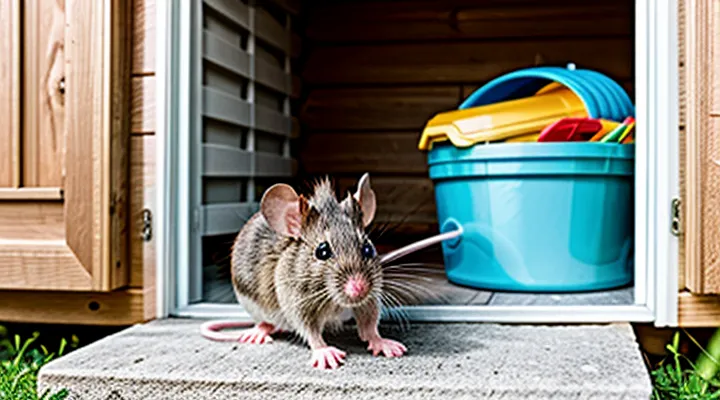
Understanding Mouse Odor
What Causes the Smell?
Urine and Feces
Rodent urine and feces are the primary sources of the strong, lingering smell often encountered in a seasonal cottage. Both waste types contain volatile compounds—such as ammonia, urea, and sulfur‑rich substances—that readily disperse at warm temperatures, intensifying the odor.
To neutralize these emissions, follow a systematic approach:
- Locate all contamination zones: inspect corners, behind appliances, and within insulation where mice may have nested.
- Remove solid waste: wear disposable gloves, use a paper towel to collect droppings, and place them in a sealed plastic bag.
- Clean surfaces with an enzymatic cleaner: apply directly to the affected area, allow the solution to penetrate for the recommended dwell time, then wipe away.
- Treat urine‑stained areas with a diluted vinegar solution (1 part white vinegar to 3 parts water) or a commercial ammonia neutralizer; rinse with clean water and dry thoroughly.
- Disinfect the cleaned zone using a 1% hydrogen peroxide solution to eliminate residual bacteria that can re‑release odor.
- Seal any entry points to prevent further contamination: repair gaps, install mesh screens, and ensure proper storage of food.
After removal and treatment, improve ventilation by opening windows, using exhaust fans, or installing a portable air purifier equipped with activated carbon filters. Regularly inspect the cottage for new signs of rodent activity and repeat the cleaning protocol promptly to maintain an odor‑free environment.
Decomposing Carcasses
Decomposing mouse remains emit volatile organic compounds that quickly saturate the interior of a seasonal cottage, creating a persistent, unpleasant smell. The primary odor sources are cadaverine, putrescine, and sulfur‑containing gases released as tissue breaks down. These substances spread through air currents and settle on fabrics, wood, and insulation, making the problem difficult to eradicate without addressing the source.
Effective control requires immediate removal of the carcass and thorough sanitation of the affected area. Follow these actions:
- Locate the body by inspecting hidden corners, wall voids, and attic spaces where mice commonly hide.
- Wear disposable gloves and a mask; place the carcass in a sealed plastic bag.
- Dispose of the bag according to local wildlife‑waste regulations, preferably in a sealed container for landfill pickup.
- Clean the site with a detergent solution, then apply an enzymatic cleaner designed to break down protein residues.
- Rinse with clean water and dry the surface completely; moisture promotes further bacterial growth.
- Apply an odor‑neutralizing agent (e.g., activated charcoal, zeolite, or a commercial odor absorber) to absorb lingering gases.
- Increase ventilation by opening windows and using fans for several hours; consider a portable air purifier with a HEPA filter for continuous air turnover.
Prevent future incidents by sealing entry points, installing snap traps, and conducting regular inspections. Prompt removal of any new carcasses stops the decomposition process before odor compounds accumulate, maintaining a fresh indoor environment throughout the summer season.
Identifying the Source of the Odor
When tackling a lingering rodent smell in a seasonal cottage, the first step is to pinpoint its origin. Accurate identification prevents unnecessary work and ensures that remediation addresses the true cause.
Begin by inspecting areas where mice are most likely to travel. Look for fresh droppings on countertops, shelves, and behind appliances. Droppings are typically dark, pellet‑shaped, and about 5 mm long. Accumulated urine appears as dark, damp patches; it may be invisible but can be detected with a blacklight.
Next, examine potential nesting sites. Mice construct nests from shredded paper, fabric, or insulation. These structures often contain a strong, musky odor. Check corners, attics, crawl spaces, and the underside of furniture.
Dead rodents generate the most persistent odor. Search for signs of decay—discolored fur, a foul, ammonia‑like smell, or small pools of fluid. Common hiding places include wall voids, chimney flues, and beneath floorboards. Use a flashlight and a mirror to view concealed spaces.
Identify entry points that allow rodents to infiltrate the cottage. Small gaps around pipes, vents, and foundation cracks can serve as access routes. Seal openings with steel wool, caulk, or hardware cloth to prevent further intrusion.
Finally, assess moisture sources that attract mice. Leaky pipes, condensation, and standing water create favorable conditions. Repair leaks, improve ventilation, and dry damp areas to eliminate the environmental draw.
By systematically examining droppings, urine stains, nests, deceased pests, entry points, and moisture, you can accurately locate the source of the odor and proceed with targeted elimination measures.
Preparation Before Cleaning
Safety Precautions
Personal Protective Equipment («PPE»)
Personal Protective Equipment (PPE) is essential when confronting rodent odor in a summer cottage because the smell originates from urine, feces, and bacterial growth that can irritate skin, eyes, and respiratory passages.
A typical PPE set for this task includes:
- Nitrile or latex gloves to prevent direct contact with contaminated surfaces.
- Disposable coveralls or old work clothes that can be laundered after use.
- Safety goggles or face shields to shield eyes from splashes.
- N95 or higher‑efficiency respirators equipped with particulate filters to block inhalation of dust and ammonia vapors.
- Slip‑resistant boots or shoe covers to avoid spreading contaminants.
Before beginning cleaning, inspect each item for damage, ensure a proper fit, and verify that respirator filters are within their service life. Don the equipment in the order of gloves, goggles, respirator, and coveralls to maintain a sealed barrier.
During the cleaning process, keep the cottage well‑ventilated by opening windows or using portable fans. Replace or dispose of gloves and respirator filters immediately after exposure to heavily soiled areas. Wash reusable garments in hot water with a detergent that contains enzymatic agents to break down organic residues.
After completion, remove PPE carefully to avoid cross‑contamination: detach gloves first, then the respirator, followed by coveralls, and finally wash hands thoroughly. Store clean equipment in a dry, dust‑free environment for future use.
Ventilation
Mouse odor in a summer cottage persists when stale air traps ammonia and pheromones released by rodents. Continuous exchange with fresh outdoor air dilutes these compounds, reduces humidity, and prevents the odor from settling in furnishings.
Air movement must be directed through all occupied zones. Openable windows, skylights, and vent shafts create pressure differentials that pull contaminated air outward while drawing clean air inward. Mechanical assistance, such as exhaust fans or portable air movers, accelerates the process during periods of still weather.
Practical ventilation actions
- Install adjustable vents in each room; position them opposite each other to enable cross‑draft.
- Operate window casements for at least 15 minutes each morning and evening; increase duration on hot, humid days.
- Use a low‑speed exhaust fan in the kitchen and bathroom; run continuously for 30 minutes after cleaning activities.
- Deploy a portable air circulator near known mouse activity sites; set to a speed that creates gentle turbulence without disturbing occupants.
- Seal gaps around doors and walls after ventilation to maintain the created airflow pattern.
Regular inspection guarantees effectiveness. Clean vent grilles weekly to remove dust that can block airflow. Replace filter elements in exhaust units every two months. Monitor indoor humidity; keep it below 60 % to discourage microbial growth that can mask or amplify rodent odor.
By maintaining a consistent, directed flow of fresh air, the cottage environment stays free of lingering mouse smell, supporting a comfortable and healthy seasonal retreat.
Gathering Cleaning Supplies
Disinfectants and Enzymatic Cleaners
Disinfectants destroy the bacterial component of mouse waste, preventing lingering smells that persist after the source is removed. They also break down volatile compounds that contribute to odor.
Common disinfectants suitable for a cottage environment include:
- Chlorine bleach (diluted to 1 % sodium hypochlorite) for hard, non‑porous surfaces.
- Hydrogen peroxide (3 %) for wood, stone, and tile without excessive moisture.
- Quaternary ammonium compounds for upholstery and carpets, applied with a spray bottle and allowed to air‑dry.
Enzymatic cleaners target organic residues left by mouse droppings and urine. Enzymes hydrolyze proteins, fats, and uric acid, eliminating the odor source at a molecular level.
Effective enzymatic products are:
- Protease‑based formulas for protein‑rich stains on kitchen counters.
- Lipase blends for greasy areas near food storage.
- Urease preparations for urine‑affected flooring and fabrics.
Application guidelines:
- Remove visible debris and vacuum the area thoroughly before treatment.
- Apply disinfectant, ensuring full coverage; let it remain wet for the manufacturer‑specified contact time (usually 5–10 minutes).
- Rinse or wipe the surface if required, then dry completely.
- Follow with an enzymatic cleaner, saturating the affected zone; allow the enzyme reaction to proceed for several hours, preferably overnight.
- Ventilate the cottage by opening windows or using fans to accelerate drying and odor dissipation.
Combining a disinfectant with an enzymatic cleaner addresses both microbial contamination and the organic substrates that sustain mouse odor, resulting in a neutral, fresh environment.
Odor Absorbers
Odor absorbers provide a practical solution for removing rodent smells from a seasonal cottage. Effective products fall into three categories: natural mineral agents, activated carbon filters, and enzymatic cleaners.
- Mineral agents such as zeolite and baking soda trap volatile compounds through adsorption. Apply a thin layer in corners, under furniture, and near entry points; replace every two weeks.
- Activated carbon sheets or sachets capture a broad spectrum of odor molecules. Position them in enclosed spaces—cabins, closets, and storage sheds—where airflow is limited. Replace when the material darkens or after three months of continuous use.
- Enzymatic cleaners break down organic residues that generate odor. Spray directly onto surfaces contaminated by urine or droppings, allow a ten‑minute dwell time, then wipe clean. Reapply after heavy use or when new stains appear.
Proper placement maximizes absorption. Install absorbers at ground level, where mouse urine settles, and near ventilation ducts to intercept airborne particles. In rooms with limited ventilation, increase the quantity of absorbers proportionally to the area.
Maintenance schedules prevent saturation. Inspect each absorber weekly; discard any that feel damp or emit a faint odor. Store spare units in sealed containers to preserve effectiveness.
Safety considerations include selecting non‑toxic, pet‑friendly formulations and avoiding direct contact with open food containers. Ensure that all absorbers are kept out of reach of children and animals.
Integrating these odor‑neutralizing tools into routine cleaning protocols eliminates mouse scent swiftly, preserving the cottage’s freshness throughout the summer season.
Locating and Removing Odor Sources
Finding Mouse Droppings and Nests
Identifying the source of rodent scent requires a systematic search for droppings and nesting sites. Begin by inspecting areas where food is stored or prepared. Look under kitchen cabinets, pantry shelves, and behind appliances for dark, pellet‑shaped feces. In sleeping quarters, examine mattress edges, box springs, and headboard crevices. In utility rooms, check behind water heaters, furnaces, and electrical panels, as these provide warmth and shelter.
Key locations to examine include:
- Gaps around doors, windows, and vents where mice can enter.
- Insulated wall cavities and attic spaces, accessed via small inspection holes.
- Under floorboards, especially near exterior walls.
- Behind furniture, stacks of firewood, and stored clothing.
When droppings are found, note the concentration; clusters indicate active pathways and nearby nests. Nests appear as shredded paper, fabric, or dried insulation bound together with urine‑stained material. Follow the trail from droppings to the nest, then seal entry points and clean the area with a disinfectant solution to neutralize odor and prevent reinfestation.
Dealing with Deceased Mice
Deceased rodents left inside a summer retreat create a persistent, unpleasant smell that spreads quickly through walls, insulation and furniture. Prompt removal of the carcass is the first and most effective measure to stop the odor from developing further.
- Locate the source: inspect hidden corners, attic spaces, crawl‑areas and behind stored items. Use a flashlight and, if necessary, a small mirror to view hard‑to‑reach spots.
- Protect yourself: wear disposable gloves, a mask rated for particulates, and a disposable gown. Rodent bodies may harbor pathogens; direct contact should be avoided.
- Remove the body: place the carcass in a sealed plastic bag, double‑bag for extra security, and seal tightly.
- Dispose safely: discard the sealed bags in a municipal waste container designated for animal remains, or follow local regulations for hazardous waste disposal.
After the carcass is eliminated, clean the affected area to eradicate lingering odors.
- Scrub surfaces with a detergent solution to remove organic residues.
- Rinse with warm water and dry thoroughly.
- Apply an enzymatic cleaner specifically designed for protein‑based stains; these agents break down residual tissue fragments that continue to emit odor.
- If the smell persists, treat porous materials (carpet, upholstery, insulation) with a neutralizing spray containing activated charcoal or ozone‑based formulation, following manufacturer instructions.
Finally, prevent future incidents by sealing entry points, storing food in airtight containers, and maintaining regular inspections during the cottage’s occupancy season.
Cleaning Contaminated Surfaces
Hard Surfaces
Hard surfaces retain mouse odor because urine and feces seep into cracks and porous finishes. Removing the scent requires thorough cleaning, neutralization, and prevention of re‑absorption.
- Sweep or vacuum all floors, countertops, and shelves to eliminate debris.
- Apply a solution of warm water and enzymatic cleaner (1 % concentration) to the affected area; let it sit for 10 minutes to break down organic compounds.
- Scrub with a stiff‑bristled brush, paying special attention to joints, grout lines, and edges where residue accumulates.
- Rinse with clean water, then dry completely using a lint‑free cloth or a low‑speed fan to prevent moisture‑related odors.
- For persistent smells, repeat the enzymatic treatment and follow with a 50 % white‑vinegar solution; let it evaporate naturally.
After cleaning, protect hard surfaces by applying a sealant or polyurethane coating where appropriate. Sealants block microscopic pores, hindering future odor penetration. Regularly wipe surfaces with a mild detergent and inspect for signs of rodent activity, addressing any breach immediately to maintain an odor‑free environment.
Soft Furnishings and Textiles
Mouse odor penetrates cushions, curtains, and bedding, making removal difficult without targeted treatment of soft furnishings.
Effective remediation begins with thorough extraction of contaminants.
- Vacuum all surfaces with a HEPA‑rated attachment to capture urine crystals and hair.
- Remove removable covers; wash at the highest temperature the fiber tolerates (≥60 °C) using an enzymatic detergent designed for protein stains.
- Add a half‑cup of baking soda to the rinse cycle to neutralize lingering smells.
- For non‑washable items, apply a solution of equal parts white vinegar and water, blot gently, then air‑dry in direct sunlight for at least four hours.
- After drying, sprinkle a thin layer of activated charcoal or a commercial odor‑absorbing powder; leave for 24 hours, then vacuum.
If odor persists after repeated cleaning, replace the affected textile. Synthetic fibers such as polyester release trapped compounds more readily than natural fibers; consider swapping to tightly woven cotton or linen, which are easier to launder and less prone to retain scent.
Preventive measures protect textiles from future contamination. Store blankets and cushion covers in sealed, rodent‑proof containers when not in use. Install mouse‑proof screens on vents and seal gaps around doors and windows to limit entry. Apply a thin coat of natural repellent (e.g., peppermint oil diluted 1 % in water) to fabric edges; the scent deters rodents without damaging the material.
Maintain a regular schedule: vacuum weekly, launder removable textiles monthly, and inspect hidden seams quarterly for signs of infestation. Consistent upkeep preserves freshness and prevents odor from re‑establishing in the cottage’s soft furnishings.
Deep Cleaning and Disinfection
Disinfecting Affected Areas
Using Bleach Solutions
Bleach solutions provide a reliable means of neutralizing mouse odor in a seasonal cottage. The active chlorine compounds break down odor‑causing molecules, while the high pH denatures protein residues left by rodents.
Preparation
- Mix one part regular household bleach (5‑6 % sodium hypochlorite) with nine parts cold water to achieve a 0.5 % solution.
- Add a few drops of mild detergent to improve surface wetting; avoid scented additives that may mask the smell.
Application
- Identify all areas where mouse activity occurred: corners, baseboards, insulation, and any damaged food containers.
- Apply the solution with a spray bottle or a clean cloth, ensuring the surface remains wet for at least five minutes.
- For porous materials (carpet padding, upholstered furniture), soak a clean rag in the solution, blot the area, then replace the rag with a fresh, damp one to rinse out residual bleach.
- After the contact time, rinse surfaces with plain water and dry thoroughly with a fan or open windows.
Safety Measures
- Wear nitrile gloves, eye protection, and a mask to prevent inhalation of fumes.
- Keep the area well ventilated; open doors and windows, and use a portable exhaust fan if possible.
- Store unused bleach in a locked, cool, and dark cabinet away from children and pets.
Maintenance
- Reapply the solution weekly during the peak mouse season or after any new infestation signs.
- Combine bleach treatment with regular cleaning, sealing entry points, and proper food storage to prevent odor recurrence.
When used correctly, a 0.5 % bleach solution eliminates residual smell, restores a fresh indoor environment, and supports long‑term odor control in the cottage.
Commercial Disinfectants
Mouse odor in a seasonal cottage requires a targeted chemical approach to break down the organic compounds that cause the smell. Commercial disinfectants provide reliable, fast‑acting solutions when used correctly.
- Quaternary ammonium compounds (QACs) destroy bacterial and fungal cells, reduce lingering scent, and remain effective on wood, plastic, and metal surfaces.
- Hydrogen peroxide solutions oxidize odor‑causing molecules, leave no residue, and are safe for most finishes when diluted to 3 %–6 %.
- Enzymatic cleaners contain proteases and lipases that hydrolyze urine proteins, eliminating the source of the odor rather than masking it.
- Sodium hypochlorite (bleach) at 0.5 %–1 % concentration sanitizes and neutralizes ammonia, but may discolor light woods and fabrics.
Apply disinfectants according to manufacturer specifications: pre‑clean the area, wet the surface, maintain the recommended contact time (typically 5–10 minutes), then rinse or wipe dry if required. For porous materials, saturate the area and allow thorough drying to ensure penetration.
Use protective gloves and eye protection, work in well‑ventilated spaces, and store products away from direct sunlight. Dispose of excess solution in accordance with local hazardous‑waste regulations to prevent environmental contamination.
Select a product based on efficacy against urine‑derived compounds, compatibility with cottage materials, cost per litre, and safety profile. Consistent use of the appropriate commercial disinfectant eliminates mouse odor quickly and maintains a hygienic environment throughout the summer season.
Cleaning Air Ducts and Vents
Rodent odor often circulates through the HVAC system, making the entire cottage smell despite localized cleaning. Air ducts and vents act as pathways that distribute the scent, so thorough cleaning of these components is essential for complete odor removal.
- Turn off all heating and cooling equipment before beginning work.
- Open every vent and register to expose internal surfaces.
- Remove visible debris with a hand tool or flexible brush.
- Use a HEPA‑rated vacuum to extract dust, droppings, and nesting material from the duct interior.
- Prepare a mild detergent solution (e.g., dish soap and warm water).
- Apply the solution with a spray bottle or low‑pressure pump, ensuring all duct walls are wetted.
- Scrub with a long‑handled brush to release absorbed odors.
- Rinse with clean water, allowing excess liquid to drain completely.
- Disinfect using a solution of 1 % hydrogen peroxide or an EPA‑approved sanitizer; let it sit for the recommended contact time.
- Dry ducts thoroughly with a shop‑vac or portable fan to prevent mold growth.
- Replace or clean furnace and air‑conditioner filters; consider installing odor‑absorbing filters.
- Reassemble vent covers and restore power to the system.
Inspect ducts for gaps or openings that could permit rodent entry. Seal any breaches with metal mesh or appropriate sealant to prevent future infestations and the associated odor. Regular maintenance—inspection and cleaning every six months—keeps the air supply fresh and eliminates lingering smell.
Addressing Hidden Spaces
Wall Cavities
Wall cavities are the hollow spaces behind interior and exterior walls where insulation, wiring, and structural components reside. These voids often become reservoirs for mouse urine and feces, allowing odor to permeate the cottage even after surface cleaning. Because the scent molecules can adhere to insulation fibers and wood, addressing the cavities is essential for lasting odor removal.
To treat contaminated cavities, follow these steps:
- Locate entry points: trace mouse tracks and droppings to identify walls that have been penetrated.
- Open access: remove a small section of drywall or paneling to expose the cavity interior.
- Remove debris: vacuum loose nesting material and droppings using a HEPA‑rated filter; discard in sealed bags.
- Clean surfaces: apply an enzymatic cleaner designed for animal waste, ensuring thorough coverage of insulation and framing wood.
- Dry thoroughly: use fans or dehumidifiers to eliminate moisture, preventing bacterial growth that can re‑emit odor.
- Seal entry points: reinstall drywall, applying acoustic sealant around gaps, and reinforce with steel wool or mesh to deter future intrusion.
Preventive actions reduce the likelihood of re‑contamination:
- Install metal flashing and mesh at the base of walls to block rodent passage.
- Maintain a clear gap between the foundation and exterior siding, eliminating crawl spaces.
- Store food and waste in sealed containers, removing attractants from the interior.
- Conduct quarterly inspections of wall seams, vents, and utility penetrations, repairing any damage promptly.
By systematically cleaning, drying, and sealing wall cavities, the source of mouse‑related smell is eliminated, ensuring a fresh environment throughout the summer residence.
Attics and Crawl Spaces
Attics and crawl spaces often serve as hidden reservoirs for mouse waste, insulation fibers, and moisture that together generate a persistent odor in a seasonal cottage. Because these areas are difficult to access, debris can accumulate unnoticed, allowing bacterial breakdown of urine and feces to spread through the structure.
Identify entry points. Seal cracks, gaps around vents, and utility penetrations with steel wool, caulk, or metal flashing. This prevents further intrusion and limits the source of new waste.
Remove contaminated material. Wear protective gloves and a mask, then:
- Extract droppings, nesting material, and soiled insulation.
- Discard items in sealed bags.
- Vacuum surfaces with a HEPA‑rated filter to capture fine particles.
Sanitize surfaces. Apply an enzyme‑based cleaner to all affected wood, drywall, and insulation remnants. Enzymes break down organic residues, eliminating the odor at its source rather than masking it.
Control humidity. Install a vapor barrier in the crawl space and ensure proper ventilation to discourage mold growth, which can amplify the smell. Use a dehumidifier if ambient moisture remains high.
Inspect and maintain. Conduct quarterly checks of the attic and crawl space for fresh signs of activity, re‑seal any new openings, and repeat cleaning as needed to keep the environment odor‑free.
Odor Neutralization and Prevention
Utilizing Odor Absorbers
Activated Charcoal
Activated charcoal is a porous carbon material that traps volatile compounds through adsorption. Its high surface area makes it effective for neutralizing the pungent gases produced by rodent waste and urine.
To apply activated charcoal for odor control in a seasonal cottage, follow these steps:
- Choose bulk charcoal bags or loose granules with a minimum surface area of 500 m²/g.
- Place the material in areas where mouse scent accumulates: corners of storage rooms, beneath cabinets, and near entry points.
- Use airtight containers or breathable fabric pouches to prevent charcoal dust from dispersing while allowing air flow.
- Replace the charcoal every 30–45 days, or sooner if a noticeable decline in odor absorption occurs.
- Dispose of spent charcoal in sealed bags to avoid releasing trapped gases back into the interior.
When selecting a product, verify that it is food‑grade and free of additives. Avoid charcoal treated with chemicals that could emit secondary odors. For optimal performance, combine the carbon with regular cleaning: remove droppings, disinfect surfaces, and ensure adequate ventilation. The combination of physical removal and charcoal adsorption yields a measurable reduction in rodent‑related smell.
Baking Soda
Baking soda neutralizes the volatile compounds that cause the characteristic mouse smell. Its alkaline nature reacts with acidic odor molecules, converting them into odor‑less salts.
To use baking soda effectively in a cottage:
- Sprinkle a generous layer (about 1‑2 cm thick) on the floor of each room where mouse activity is suspected.
- Leave the powder for 24 hours to absorb odors from wood, fabric, and insulation.
- Vacuum or sweep up the residue, discarding the collected material in a sealed bag.
For persistent odor in confined spaces such as closets or storage boxes, place an open container of baking soda (≈250 g) inside each enclosure. Replace the contents weekly to maintain absorption capacity.
When applying baking soda near food preparation areas, ensure the powder does not contact food items. The substance is non‑toxic, but direct ingestion should be avoided.
Combining baking soda with thorough cleaning (removing droppings, sealing entry points, and ventilating the cottage) yields the most reliable reduction of mouse‑related smells.
Commercial Odor Eliminators
Commercial odor eliminators provide a practical solution for neutralising rodent scent in a seasonal cottage. These products are formulated to break down volatile compounds that attract mice, thereby discouraging re‑infestation and improving indoor air quality.
Key categories include:
- Aerosol sprays – contain oxidising agents that react with odorous molecules on contact; ideal for spot treatment of cabinets, closets and baseboards.
- Foggers and mist generators – disperse fine particles throughout larger rooms; effective for thorough coverage after a mouse removal operation.
- Ozone generators – emit controlled ozone concentrations that oxidise organic residues; require strict adherence to safety intervals and ventilation before re‑entry.
- Enzymatic cleaners – use biologically active enzymes to digest urine and fecal proteins; safe for use on wood, fabric and tile surfaces.
- Activated‑carbon filters – absorb airborne odorants when placed in HVAC ducts or portable units; provide continuous passive reduction of lingering smells.
When selecting a commercial product, consider the following criteria:
- Efficacy – laboratory‑tested removal rates for rodent‑specific compounds.
- Safety – low toxicity to humans and pets; compliance with EPA or equivalent standards.
- Application method – suitability for the cottage’s layout and the user’s equipment.
- Residue – minimal staining or lingering chemical odor after treatment.
- Cost‑effectiveness – balance between price per treatment and longevity of results.
Typical usage procedure:
- Remove visible debris and clean surfaces with a mild detergent.
- Apply the chosen eliminator according to label instructions, ensuring even coverage of affected areas.
- Allow the product to act for the recommended dwell time; for foggers, maintain closed doors and windows.
- Ventilate the space thoroughly before re‑occupying the cottage.
- Repeat the process after any subsequent mouse sightings to maintain a scent‑free environment.
Proper integration of commercial odor eliminators with physical exclusion measures—such as sealing entry points and maintaining cleanliness—delivers a reliable strategy for keeping mouse odor out of a summer retreat.
Improving Air Quality
Air Purifiers
Air purifiers are a practical solution for removing rodent‑related smells from a seasonal cottage. They work by drawing contaminated air through filters that capture odor‑causing particles and volatile organic compounds (VOCs). Selecting a unit with a high-efficiency particulate air (HEPA) filter combined with an activated carbon layer maximizes odor reduction, because the carbon adsorbs gases while the HEPA element traps fine dust and hair.
When choosing a purifier for a cottage, consider the following criteria:
- Room size coverage: Match the device’s square‑foot rating to the area where mouse activity is suspected.
- Filter lifespan: Opt for models with replaceable carbon filters that last at least six months in a low‑traffic environment.
- Air exchange rate: Higher cubic feet per minute (CFM) values ensure quicker turnover of stale air.
- Power consumption: Energy‑efficient units reduce operating costs during long summer stays.
Proper placement enhances effectiveness. Position the purifier near entry points, such as doors or ventilation shafts, where mice are most likely to leave scent trails. Keep the device at least 12 inches off the floor to allow unobstructed airflow. Running the unit continuously, especially during warm evenings when odors intensify, maintains a consistently fresh indoor atmosphere.
Maintenance is straightforward. Replace carbon filters according to the manufacturer’s schedule or when a noticeable decline in odor control occurs. Clean the pre‑filter regularly to prevent dust buildup that can impede performance. Periodic inspection of seals and housing ensures the unit operates without air leaks.
Integrating air purifiers with complementary measures—sealing gaps, removing food sources, and cleaning contaminated surfaces—creates a comprehensive approach to eliminating mouse odor from a summer residence. The combined strategy produces a breathable environment without relying on chemical sprays or extensive renovations.
Ventilation Strategies
Effective ventilation is essential for removing mouse odor from a summer cottage. Fresh air must replace contaminated indoor air continuously, while moisture levels stay low enough to prevent odor persistence.
- Install operable windows on opposite walls to create a cross‑draft; open both during daylight hours.
- Fit exhaust fans in kitchens and bathrooms; run them for at least 15 minutes after cleaning or when odors are detected.
- Place a high‑efficiency particulate air (HEPA) purifier with activated‑carbon filter in the main living area; replace the filter every three months.
- Use portable, battery‑powered fans to direct air from odor sources toward open windows or exhaust outlets.
- Add roof or soffit vents to improve attic airflow; ensure vent openings remain unobstructed by foliage.
- Incorporate trickle vents in interior doors; keep them open while the cottage is occupied.
- Install a heat‑recovery ventilator (HRV) to exchange stale indoor air with fresh outdoor air without losing heat during cooler evenings.
Maintain a regular schedule: open windows for a minimum of two hours each day, run exhaust fans during cooking and cleaning, and clean fan blades and vent grilles weekly to prevent dust buildup that can trap odor particles. Monitoring indoor humidity with a hygrometer and using a dehumidifier when levels exceed 60 % further reduces the conditions that allow mouse scent to linger.
Preventing Future Infestations
Sealing Entry Points
Sealing entry points stops rodents from re‑entering the cottage, which directly prevents the source of lingering odor. Begin by inspecting the building envelope for gaps larger than a quarter inch. Pay special attention to foundations, window frames, door thresholds, utility penetrations, and vent openings. Any opening that allows a mouse to slip through must be closed before the next season.
- Apply expanding polyurethane foam to irregular cracks in walls and around pipe sleeves.
- Install steel wool or copper mesh behind foam or caulk to create a barrier that rodents cannot chew.
- Fit weatherstripping to exterior doors and windows; replace damaged sections promptly.
- Cover ventilation grilles with fine metal mesh secured with screws.
- Seal gaps around chimney flues with high‑temperature silicone sealant.
After repairs, conduct a visual check from the interior and exterior to confirm that no gaps remain. Re‑apply sealant after seasonal settlement or after any structural adjustments. Maintaining a fully sealed envelope eliminates fresh odor contributions and supports long‑term cleanliness in the summer retreat.
Food Storage and Sanitation
Effective food storage directly influences the presence of rodent odor in a seasonal cottage. Seal all containers with airtight lids; glass jars, heavy‑duty plastic bins, and metal tins prevent mice from accessing residues that emit scent. Store dry goods on raised shelves away from walls, eliminating crawl‑space pathways.
Maintain sanitation by removing waste promptly. Empty trash bins daily, line them with disposable bags, and store the bins outside the living area. Clean spills immediately with a mild detergent, then wipe surfaces with a solution containing a small amount of vinegar to discourage rodent activity.
Implement a routine inspection schedule:
- Check seals on all food containers before each use.
- Inspect pantry corners for droppings or gnaw marks weekly.
- Sweep and mop floors with a disinfectant solution every two days.
- Dispose of expired items in sealed bags and remove them from the cottage.
By controlling storage conditions and enforcing strict cleaning practices, the source of mouse odor is eliminated, resulting in a fresher indoor environment during the summer months.
Regular Inspections
Regular inspections are the most reliable way to keep mouse odor from developing in a seasonal cottage. By examining the property at set intervals, you detect fresh droppings, urine stains, and nesting material before they become a persistent source of smell.
Key inspection points:
- Entry locations – Examine gaps around doors, windows, vents, and utility lines. Seal any openings with steel wool, caulk, or mesh.
- Storage areas – Open pantry shelves, toolboxes, and outdoor sheds. Remove food residues, shredded paper, and fabric scraps that attract rodents.
- Ventilation system – Inspect ducts, exhaust fans, and air filters for contamination. Clean or replace filters that show signs of rodent waste.
- Living spaces – Look under furniture, inside cabinets, and behind appliances for droppings or urine spots. Use a UV flashlight to reveal hidden traces.
- Exterior surroundings – Check the foundation, crawl spaces, and garden sheds for burrows or gnawed materials. Trim vegetation that provides shelter.
After each inspection, follow a consistent cleaning protocol: dispose of waste in sealed bags, disinfect affected surfaces with an enzyme‑based cleaner, and reset traps or deterrents. Record findings in a simple log to track problem areas and verify that corrective actions have been taken.
A schedule of weekly checks during the warm months and bi‑weekly checks in cooler periods maintains a clean environment, prevents odor buildup, and reduces the likelihood of a full infestation.