
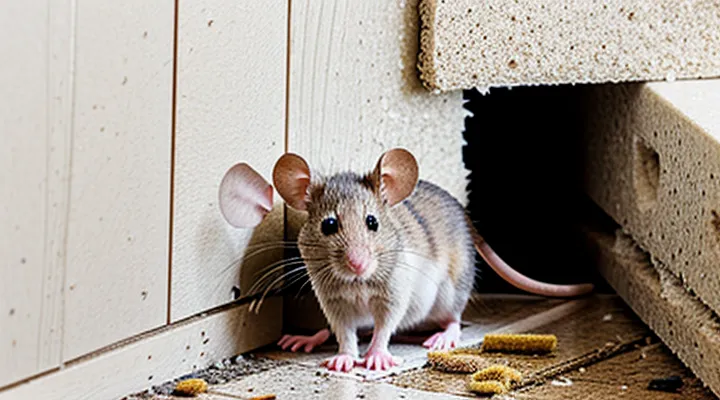
Understanding the Mouse Problem in Wall Cavities
Signs of Mice in Walls
Sounds of Movement
Detecting rodent activity inside wall cavities relies heavily on auditory cues. Mice generate distinct noises when navigating confined spaces: rapid footfalls, intermittent scratching against insulation, and high‑pitched gnawing on structural elements. These sounds differ from ambient household noise by their irregular rhythm and concentration near concealed entry points.
Effective monitoring begins with systematic listening sessions. Schedule observations during quiet periods, typically late night or early morning, when external sounds are minimal. Position a stethoscope or a sensitive microphone against the exterior wall surface and move it along the length of the cavity. Record audible patterns that repeat at intervals of 2–5 seconds, indicating repeated movement.
Analyzing recorded audio enhances accuracy. Use software that displays frequency spectra; mouse footfalls appear in the 2–4 kHz range, while gnawing produces higher frequencies up to 8 kHz. Isolate these bands to distinguish rodent sounds from HVAC or plumbing noise. Consistent peaks within these ranges confirm active infestation.
When auditory evidence confirms presence, implement targeted control measures. Deploy snap traps or electronic devices directly adjacent to identified hotspots, ensuring placement within 12 inches of the sound source. Seal identified gaps with steel‑wool‑filled caulk to prevent further ingress, reducing future acoustic activity.
Regular auditory checks after intervention verify success. Absence of characteristic footfall and gnawing frequencies over several nights indicates effective elimination. Continuous monitoring, combined with physical barriers, maintains a rodent‑free wall environment.
Odor of Urine and Droppings
The presence of a strong, ammonia‑like scent signals mouse urine and feces within wall cavities. This odor serves as a reliable indicator of active infestation and helps pinpoint affected sections for targeted treatment.
Urine and droppings introduce pathogens such as Hantavirus, Salmonella, and leptospirosis. Inhalation of aerosolized particles from dried waste can cause respiratory irritation and allergic reactions. Prompt removal reduces health risks and eliminates food sources that encourage rodent persistence.
Cleaning procedure:
- Ventilate the area by opening windows and using fans to disperse airborne contaminants.
- Wear disposable gloves, N‑95 respirator, and protective eyewear.
- Apply an enzymatic cleaner to wet waste; allow the solution to break down organic matter for at least 15 minutes.
- Scrub the surface with a stiff brush, then rinse with warm water.
- Disinfect the treated zone with a 10 % bleach solution; let it sit for 10 minutes before wiping dry.
- Seal the cavity with an appropriate pest‑proof material to prevent re‑entry.
Preventive measures focus on eliminating moisture and food residues that attract rodents. Repair leaks, install vapor barriers, and store food in sealed containers. Regular inspection for lingering odor helps detect early activity before damage spreads.
Gnaw Marks and Damage
Gnaw marks serve as primary evidence of rodent activity within concealed spaces. Distinctive V‑shaped incisions on wood, plastic, or insulation indicate the direction of entry and the size of the animal. Parallel rows of shallow bites suggest continuous feeding, while deeper, irregular gouges point to nesting or territorial behavior. Recognizing these patterns enables rapid localization of infestation zones and informs targeted intervention.
Damage resulting from chewing extends beyond superficial markings. Key impacts include:
- Compromised structural components: weakened studs, joists, or drywall may lead to sagging or collapse.
- Degraded insulation: loss of thermal barrier raises energy consumption and creates cold spots.
- Exposed wiring: stripped cables increase the risk of short circuits and fire hazards.
- Contaminated surfaces: saliva and urine introduce pathogens, elevating health concerns for occupants.
Assessing the extent of gnaw‑related deterioration guides the selection of control methods. For example, when wiring is exposed, immediate isolation and repair are required before deploying bait stations. In cases of extensive insulation loss, replacement accompanies sealing of entry points to prevent re‑infestation. Monitoring gnaw marks over time provides measurable feedback on the effectiveness of applied techniques and indicates whether additional measures, such as ultrasonic deterrents or trapping, are necessary.
Why Mice Choose Wall Cavities
Shelter and Warmth
Mice survive in wall cavities because the space offers protection from predators and a stable temperature. Insulation, drywall gaps, and hidden voids create an environment that retains heat, allowing rodents to remain active during colder months. The combination of shelter and warmth encourages nesting, breeding, and persistent infestation.
To disrupt this habitat and reduce mouse presence, implement the following actions:
- Seal all exterior entry points, including cracks around foundations, vents, and utility penetrations. Use steel wool and caulk or expandable foam to block gaps that rodents can squeeze through.
- Remove or replace damaged insulation that provides nesting material. Install dense, non‑cavity‑friendly insulation where possible, and ensure it is tightly fitted to eliminate voids.
- Install metal flashing or hardware cloth at the interior side of wall openings to prevent re‑entry after sealing.
- Reduce indoor humidity and temperature fluctuations by improving ventilation and using dehumidifiers in crawl spaces. Consistent, lower humidity makes the environment less attractive for nesting.
- Deploy trapping devices in identified activity zones, positioning them near known shelter locations such as behind baseboards or inside ceiling joists. Check traps regularly and dispose of captured rodents promptly.
Maintaining a barrier that denies both shelter and warmth deprives mice of the conditions needed for survival, leading to a decline in population and preventing future incursions. Regular inspection of wall cavities, especially after seasonal temperature changes, ensures early detection and timely intervention.
Access to Food and Water
Mice survive in wall cavities primarily because they locate food residues and moisture. Removing these resources forces the rodents to seek alternative habitats, increasing the likelihood of detection and removal.
Typical sources include:
- Accumulated dust mixed with food particles from kitchen vents.
- Leaking pipes or condensation that creates damp spots.
- Crumbs and grease that travel along utility lines.
- Pet water dishes placed near exterior walls.
Effective actions:
- Seal gaps around plumbing, electrical conduits, and vent openings with steel wool or silicone caulk.
- Install drip‑free pipe fittings and repair any leaks promptly.
- Clean interior surfaces of vents and ducts with a vacuum equipped with a HEPA filter, then apply a food‑grade deterrent spray.
- Relocate pet water containers at least three meters from exterior walls; use spill‑proof bowls.
- Store pantry items in airtight containers; avoid placing food bags in cabinets adjacent to wall voids.
Regular inspection of wall insulation for moisture and debris, followed by prompt remediation, sustains a hostile environment for rodents. Continuous monitoring ensures that any re‑established access points are identified and sealed before mice can re‑populate the cavity.
Protection from Predators
Mice infestations in wall cavities attract a range of natural predators, including cats, birds of prey, and snakes. Allowing these animals to enter the structure creates additional damage, health hazards, and complicates control efforts. Effective predator protection reduces secondary infestations and safeguards the building envelope.
- Seal all exterior cracks, gaps around utility penetrations, and ventilation openings with steel wool, caulk, or metal flashing.
- Install predator‑proof mesh (minimum ¼‑inch stainless‑steel) over vent grills and chimney flues.
- Use snap‑tight, sealed traps that prevent capture of non‑target species; place them on interior surfaces only.
- Apply deterrent barriers such as copper tape or peppermint oil strips at known entry points; replace regularly to maintain potency.
- Conduct routine inspections of attic and crawl‑space insulation for signs of predator activity; repair compromised areas promptly.
Regular maintenance of the building’s exterior and interior barriers sustains protection. Document each inspected location, note any signs of predator intrusion, and schedule follow‑up actions within a 30‑day cycle. Consistent application of these techniques limits predator access while supporting long‑term mouse eradication efforts.
Preparatory Steps Before Extermination
Identifying Entry Points
Inspecting the Exterior
Inspecting the building envelope is the first step in preventing rodents from colonising wall voids. A thorough external survey reveals entry routes, structural weaknesses and attractants that facilitate infestation.
- Examine foundation walls for cracks, gaps around utility penetrations and deteriorated mortar.
- Verify that all exterior doors and windows close tightly; inspect weather‑stripping and thresholds for damage.
- Survey roof eaves, soffits and vent openings; ensure screens are intact and that no gaps exist around chimneys or exhaust fans.
- Check siding, cladding and any decorative trim for loose panels or missing nails that could create passageways.
Visible evidence of activity includes fresh droppings, gnaw marks on wood or plastic, and smudge trails along surfaces. Accumulated debris, such as leaves or mulch piled against the foundation, provides shelter and food sources; removal reduces the likelihood of mice seeking shelter in wall cavities.
After identification of vulnerabilities, seal openings with appropriate materials: steel wool combined with caulking for small gaps, cement‑based mortar for larger cracks, and metal flashing for vent openings. Install robust door sweeps and maintain tight weather‑stripping to eliminate residual entry points. Regular exterior maintenance, including repainting damaged siding and trimming vegetation away from the structure, sustains a barrier against future incursions.
Examining the Interior
Inspecting the interior of wall voids begins with locating entry points. Look for gaps around utility penetrations, vent covers, and foundation cracks. Seal openings before further action.
Identify signs of activity. Droppings, urine stains, gnaw marks on insulation, and shredded material indicate nesting locations. Use a flashlight to view dark sections through small access holes.
Create inspection openings. Drill 1‑inch holes at strategic points: near suspected entry, at the top of the cavity, and adjacent to visible damage. Insert a flexible borescope to capture visual evidence without extensive demolition.
Document findings. Record the position of each opening, the type of evidence observed, and the extent of damage. This information guides targeted treatment and prevents unnecessary removal of healthy structures.
Select appropriate mitigation methods after interior assessment. Common options include:
- Deploying bait stations within the cavity, secured behind removable panels.
- Introducing low‑toxicity rodenticide blocks placed in concealed locations.
- Installing ultrasonic emitters that target the interior space.
After treatment, reseal all openings with steel wool, caulk, or expanding foam. Conduct a follow‑up inspection after two weeks to verify the absence of new activity. If evidence persists, repeat the examination process and adjust mitigation measures accordingly.
Sealing Entry Points
Using Steel Wool and Caulk
Effective control of rodents within interior wall spaces relies on sealing potential entry routes. Steel wool, when densely packed into gaps, creates a physical barrier that rodents cannot penetrate. Once the wool is in place, a layer of caulk locks the material, preventing displacement and protecting against moisture intrusion.
Key steps for implementation:
- Identify all visible and hidden openings around baseboards, utility penetrations, and vent ducts.
- Compress steel wool tightly into each aperture, ensuring no empty space remains.
- Apply a continuous bead of caulk over the packed wool, covering the surface completely.
- Allow the caulk to cure according to the manufacturer’s specifications before restoring wall coverings.
Benefits of this combined approach include long‑term durability, resistance to chewing, and simultaneous sealing of air leaks that can affect energy efficiency. The method also eliminates the need for chemical repellents, reducing health risks for occupants.
Periodic inspection of sealed areas is advisable. Reapply steel wool and caulk if signs of wear, moisture damage, or new openings appear. Maintaining an intact barrier sustains protection against future rodent intrusion.
Repairing Gaps and Cracks
Repairing gaps and cracks in wall cavities directly reduces the likelihood of mouse intrusion. Unsealed openings provide easy access to shelter, food sources, and nesting material, allowing rodents to establish colonies behind finished surfaces.
Typical entry points include:
- Gaps around plumbing stacks and pipe penetrations
- Openings surrounding electrical conduit and outlet boxes
- Spaces surrounding HVAC ducts and vent flues
- Cracks in foundation or sill plates
- Gaps behind baseboards and trim where walls meet floors
Effective sealing materials and techniques:
- Silicone or acrylic caulk for narrow gaps (≤ ¼ in)
- Low‑expansion polyurethane foam for larger voids (up to 2 in)
- Steel wool or copper mesh inserted into cracks before applying sealant to deter chewing
- Cement‑based mortar for structural cracks in masonry
- Metal flashing or sheet metal patches for high‑traffic openings
Step‑by‑step repair process:
- Inspect all interior and exterior wall surfaces, focusing on known penetration points.
- Clean debris and dust from each opening to ensure adhesion.
- Insert steel wool or mesh into cracks larger than ¼ in to create a chew‑resistant barrier.
- Apply appropriate sealant (caulk or foam) over the barrier, smoothing to flush with surrounding material.
- For structural cracks, mix mortar according to manufacturer instructions and press into the void, allowing cure time.
- Cover metal patches with joint compound or plaster to restore wall finish.
After sealing, conduct a follow‑up inspection after 48 hours to verify that sealants have set and no new gaps have formed. Periodic visual checks, especially after seasonal temperature shifts, maintain the integrity of the barrier and prevent future mouse activity.
Removing Food Sources
Storing Food Properly
Proper food storage reduces attraction of rodents to wall cavities. Seal all containers with tight‑fitting lids; avoid open bags or boxes that allow scent leakage. Place stored items on shelves away from walls, limiting direct contact with structural gaps.
Maintain cleanliness in pantry and kitchen areas. Remove crumbs and spills promptly, and dispose of waste in containers with secure lids. Regularly inspect storage areas for signs of moisture, as dampness encourages mouse activity.
Implement the following practices:
- Use metal or heavy‑plastic containers with airtight seals.
- Store bulk grains, cereals, and pet food in sealed bins.
- Rotate stock to prevent long‑term exposure of food to ambient odors.
- Keep storage spaces well‑ventilated and dry.
- Conduct routine inspections for cracks or openings in walls and cabinets, sealing any identified gaps.
Consistent application of these measures limits food sources that draw mice into structural voids, supporting overall rodent‑control efforts.
Cleaning Up Spills and Crumbs
Eliminating rodents from concealed spaces requires removal of food sources that can attract them. Spills and crumbs that seep into wall cavities create a persistent supply of nutrition, encouraging infestation and supporting population growth. Regular maintenance of these areas deprives pests of sustenance and reduces the likelihood of colonization.
Effective cleanup protocol includes:
- Immediate absorption of liquid spills with absorbent cloths; avoid leaving moisture to penetrate deeper into structural gaps.
- Thorough removal of dry debris using a brush or handheld vacuum equipped with a HEPA filter; ensure all particles are extracted from surface crevices and vent openings.
- Application of a mild detergent solution to the affected zone; scrub gently to dislodge residual residue that may cling to insulation or framing.
- Drying of the treated area with a fan or dehumidifier; maintain low humidity levels to discourage rodent activity.
- Sealing of entry points after cleanup; employ steel wool, caulk, or expandable foam to block gaps that could allow access to food remnants.
Consistent execution of these measures eliminates attractants, limits reproductive potential, and supports broader pest‑management strategies aimed at wall cavities.
Effective Techniques for Eliminating Mice
Trapping Methods
Snap Traps
Snap traps provide a rapid, humane method for controlling rodents concealed within wall voids. Their spring‑loaded mechanism delivers an instantaneous kill, eliminating the need for prolonged exposure to poison.
Effective deployment requires precise positioning. Place traps directly against the interior surface of the cavity, aligning the trigger with known travel paths. Secure the device with nails or adhesive strips to prevent displacement by vibrations.
Key considerations:
- Choose traps constructed from stainless steel to resist corrosion in humid environments.
- Select models with a sensitivity setting that activates with minimal pressure, ensuring capture of small mice.
- Use bait that appeals to rodents but does not attract non‑target species; peanut butter or dried fruit work well.
- Inspect traps daily, disposing of captured specimens promptly and resetting the mechanism.
Safety precautions include wearing thick gloves when handling traps, keeping them out of reach of children and pets, and sealing disposal bags before removal from the premises. Regular maintenance—cleaning trigger mechanisms and checking spring tension—preserves reliability over multiple uses.
When integrated with other control measures such as sealing entry points and reducing food sources, snap traps contribute significantly to the eradication of mice hidden within structural cavities.
Live Traps
Live traps provide a humane alternative to lethal devices for removing rodents from wall voids. The traps capture mice without injury, allowing relocation away from the building.
Key factors when choosing a live trap include:
- Size appropriate for adult mice, typically 4–6 inches in length.
- Durable construction, such as wire mesh or sturdy plastic, to prevent escape.
- Sensitive trigger mechanism that closes the door instantly upon entry.
Placement should follow these principles. Position traps near visible droppings, gnaw marks, or entry holes. Insert the trap flush with the cavity opening, ensuring the entrance faces the expected travel path. Secure the trap to prevent displacement by vibrations or other pests.
Check traps at least twice daily. When a mouse is captured, transport it at least two miles from the residence to reduce the chance of return. Release the animal in a wooded or field area, providing cover and access to water. Wear gloves and disinfect the trap after each use to avoid disease transmission.
Live traps offer several benefits: they avoid chemical residues, comply with humane pest‑control standards, and allow verification of capture success. Limitations include the need for frequent monitoring, potential stress to the captured animal, and the requirement for proper relocation sites. Effective use of live traps, combined with sealing entry points, contributes to long‑term exclusion of mice from wall cavities.
Electronic Traps
Electronic traps deliver a high‑voltage shock that instantly kills rodents that enter the device. The shock is generated by a capacitor bank charged from an internal battery or mains power; when a mouse completes the circuit by touching the trigger plates, the stored energy discharges through its body.
Key considerations for effective use in wall cavities:
- Power source – Battery‑operated units allow placement in inaccessible spaces without wiring; mains‑connected models provide continuous operation but require safe installation.
- Trigger sensitivity – Adjustable sensitivity ensures activation by small rodents while avoiding false triggers from debris.
- Size and shape – Compact, flat designs fit between studs or within insulation layers; larger units may obstruct airflow.
- Safety features – Built‑in insulation, child‑proof covers, and automatic shut‑off after a set number of shocks prevent accidental exposure.
- Maintenance – Replace batteries or check the power supply monthly; clean trigger plates with a dry cloth to maintain conductivity.
Installation steps:
- Locate active mouse pathways using visual inspection or acoustic monitoring.
- Cut a small access opening in the drywall or insulation to insert the trap.
- Position the device so that the trigger plates face the cavity opening; secure with mounting brackets or adhesive tape.
- Activate the power source and set the sensitivity according to manufacturer guidelines.
- Seal the access point to preserve wall integrity while allowing trap access for inspection.
Advantages of electronic traps include rapid kill, minimal odor, and reusable components that reduce long‑term costs. Limitations involve the need for periodic power checks and the requirement for proper placement to ensure mice encounter the device. Selecting a model with reliable battery life and adjustable sensitivity maximizes efficacy in concealed wall spaces.
Proper Trap Placement
Proper trap placement determines the success of any effort to remove rodents from wall cavities. Positioning devices directly in the paths that mice use to travel between entry points and food sources maximizes capture rates and minimizes the time required to achieve control.
- Identify active travel routes by inspecting for fresh gnaw marks, droppings, or grease stains on interior surfaces.
- Install traps at least 12 inches (30 cm) from known entry holes, aligning them perpendicular to the wall to intercept forward movement.
- Place a series of traps at intervals of 18–24 inches (45–60 cm) along the identified route to create a continuous barrier.
- Secure each trap firmly to the cavity wall or framing to prevent displacement by mouse activity.
- Use snap traps or electronic devices rated for concealed spaces; avoid bait stations that can be accessed by non‑target animals.
Additional considerations include checking traps daily, resetting or replacing captured units promptly, and wearing gloves to avoid contaminating bait with human scent. Ensure that traps are positioned away from electrical wiring and insulation to prevent damage. Consistent monitoring and adjustment of trap locations based on observed mouse movement patterns sustain effective control within the concealed environment.
Baits and Lures
Types of Bait
Effective mouse control in wall cavities relies on selecting appropriate bait. Understanding the characteristics of each bait type ensures targeted action and minimizes non‑target exposure.
• Snap‑type bait: solid blocks or pellets containing anticoagulant or non‑anticoagulant rodenticides. Designed for ingestion, these baits provide rapid mortality and are suitable for concealed spaces where mice can gnaw directly.
• Gel bait: pliable formulation that can be applied into cracks and crevices. Its consistency allows placement in narrow voids, delivering a potent dose of active ingredient upon contact.
• Grain‑based bait: wheat, corn or barley kernels coated with rodenticide. Attractive to mice that preferentially forage on seeds, this bait integrates seamlessly with natural foraging behavior.
• Protein‑rich bait: fish or meat‑based formulations, often scented to enhance appeal. Effective for populations that favor high‑protein sources, especially in colder climates.
• Natural deterrent bait: products containing essential oils such as peppermint or eucalyptus. While not lethal, these baits create an unfavorable environment that discourages occupancy.
Selection criteria include bait palatability, placement feasibility, toxicity level, and regulatory compliance. Deploy baits within sealed entry points or behind insulation panels to restrict access to targeted rodents while preventing accidental contact with pets or humans. Regular monitoring and replenishment maintain bait efficacy throughout the eradication process.
Bait Stations for Safety
Bait stations provide a controlled method for delivering rodenticide while minimizing exposure to children, pets, and non‑target wildlife. Devices are sealed, tamper‑resistant containers that release a measured dose of bait when a mouse enters. Placement within wall cavities isolates the poison from the living space, reducing the risk of accidental ingestion.
Key safety features include:
- Secure locking mechanisms that prevent opening without a specialized tool.
- Durable housing resistant to gnawing, ensuring the bait remains inaccessible to non‑target species.
- Clear labeling indicating active ingredients, expiration dates, and handling instructions.
Effective deployment involves positioning stations at identified entry points, near droppings, or along known runways. Stations should be mounted flush with the wall surface, using brackets that keep the unit stable and out of reach. Regular inspection, at least monthly, confirms integrity of the lock and bait condition; any compromised unit must be removed and replaced promptly.
Disposal of used stations follows local hazardous waste regulations. Sealed containers should be placed in a rigid, leak‑proof bag before transport to an authorized collection point. Proper record‑keeping of placement locations and inspection dates supports compliance and facilitates targeted follow‑up actions.
Rodenticides: When and How to Use
Understanding Risks and Precautions
Mice residing in wall cavities pose significant health and structural threats. Their droppings and urine introduce pathogens such as Hantavirus and Salmonella, contaminating indoor air and surfaces. Direct contact with contaminated materials can lead to respiratory irritation and allergic reactions.
Chewing activity compromises insulation, wiring, and support beams. Damaged insulation reduces energy efficiency, while gnawed electrical conductors increase fire risk. Structural integrity diminishes as rodents create extensive tunnel networks, weakening wall stability.
Effective risk mitigation requires systematic precautions:
- Seal all exterior entry points using steel‑wool or cement‑based fillers; rodents can penetrate gaps as small as ¼ inch.
- Install rodent‑proof vent covers and maintain screens in good condition.
- Reduce food sources by storing pantry items in airtight containers and promptly cleaning crumbs.
- Conduct regular inspections of insulation, wiring, and wall surfaces for signs of gnaw marks or droppings.
- Employ non‑chemical traps positioned near identified activity zones; monitor and replace traps promptly.
- Consider professional pest‑control services for comprehensive assessment and targeted treatment.
Adhering to these measures limits exposure to disease agents, prevents material degradation, and safeguards overall building safety.
Safe Application in Wall Cavities
Safe treatment of wall cavities requires methods that protect occupants, pets, and the building structure. Choose products labeled for indoor use and verify that active ingredients meet regulatory limits for toxicity. Apply baits or gels directly into concealed spaces using a syringe or applicator tip, ensuring the material does not seep onto exposed surfaces. After placement, seal entry points with steel wool or caulk to prevent re‑infestation.
Key precautions include:
- Wearing gloves, goggles, and a mask to avoid skin contact and inhalation of dust or chemicals.
- Ventilating the area by opening windows or using a portable exhaust fan for at least 30 minutes after application.
- Limiting the amount of bait to the minimum effective dose, as recommended by the manufacturer.
- Labeling treated cavities with a visible marker such as «treated – no food» to alert maintenance personnel.
When using mechanical traps, position them flush against the interior wall surface, securing them with screws or heavy‑duty tape. Check traps daily, remove captured rodents, and disinfect the area with a solution of one part bleach to nine parts water. Dispose of dead rodents in sealed bags and follow local waste‑management regulations.
Regular monitoring after treatment confirms efficacy. Install infrared cameras or motion sensors within cavities to detect any remaining activity. If signs of mice persist, repeat the safe application protocol, adjusting bait placement and sealing measures as needed. Maintaining a clean, debris‑free environment reduces attractants and supports long‑term control.
Professional Pest Control
When to Call an Expert
Mice residing in wall cavities can cause structural damage, electrical hazards, and health risks. When simple traps, sealing of small entry points, and basic baits fail to reduce activity, professional assistance becomes necessary.
Typical signs indicating the need for an expert include:
- Persistent droppings despite regular cleaning;
- Continuous gnaw marks on insulation or wiring;
- Audible scratching or scurrying at all hours;
- Evidence of nesting material deep within walls;
- Recurring damage after multiple DIY attempts.
Professional pest controllers possess specialized equipment such as infrared cameras, ultrasonic detectors, and industry‑approved rodenticides. Their training ensures safe removal without compromising electrical systems or compromising building integrity.
Engaging a licensed exterminator also guarantees compliance with local regulations, proper disposal of carcasses, and a documented action plan that can be referenced for future maintenance.
If any of the listed indicators appear, contacting a qualified specialist promptly prevents escalation and protects the property’s value.
Benefits of Professional Services
Professional pest‑control services provide specialized knowledge that surpasses typical DIY methods. Technicians identify entry points, assess infestation severity, and select targeted treatments that minimize collateral damage to building materials.
Advanced equipment, such as infrared cameras and ultrasonic detectors, locates hidden rodents within concealed wall spaces, ensuring comprehensive removal. Properly applied baits and traps reduce the risk of secondary contamination and prevent re‑infestation.
Safety standards are upheld through the use of approved chemicals and protective measures, protecting occupants and pets from hazardous exposure. Certified providers also comply with local regulations, eliminating liability concerns for property managers.
Cost efficiency emerges from reduced labor time, lower material waste, and warranty programs that cover future outbreaks. The following points summarize the primary advantages:
- Accurate detection of concealed activity
- Targeted treatment that limits structural impact
- Regulatory compliance and liability protection
- Guaranteed results with follow‑up monitoring
- Long‑term prevention through sealing and exclusion techniques
Documentation of the entire process, including inspection reports and treatment records, supports insurance claims and property audits. Engaging experts therefore yields reliable eradication and sustained protection for wall cavities.
Preventing Future Infestations
Regular Home Maintenance
Sealing New Gaps
Sealing new gaps prevents mice from re‑entering wall cavities after removal. Identify all potential entry points, including holes around pipes, wiring, vents, and cracks at the junction of walls and floors. Clean each opening of debris, then apply a durable, rodent‑proof sealant such as steel‑wool backed caulk, expanding polyurethane foam, or cement‑based mortar. Ensure the sealant adheres to both the interior surface and surrounding material, creating a continuous barrier.
Key actions:
- Inspect exterior and interior walls for gaps larger than ¼ inch.
- Use a flashlight and mirror to reveal hidden openings behind insulation.
- Insert steel wool into larger voids before applying sealant to deter chewing.
- Apply sealant in overlapping layers, smoothing the surface to eliminate air pockets.
- Allow the material to cure fully according to manufacturer instructions before reinstalling fixtures.
Regularly monitor sealed areas for signs of fresh damage. Promptly repair any breach to maintain an effective exclusion system.
Trimming Vegetation
Trimming vegetation surrounding a building reduces the likelihood that mice will use branches and vines as bridges to reach wall cavities. Overgrown shrubs, ivy, and tree limbs create direct pathways for rodents, allowing easy access to roof eaves and attic openings.
Effective trimming involves the following actions:
- Cut back any branches that extend within 12 inches of the roof or wall surface.
- Remove ivy and climbing plants from the exterior walls, ensuring that roots are also extracted to prevent regrowth.
- Prune shrubs to a height lower than the eaves, maintaining a clear zone around the structure.
- Dispose of trimmed material promptly, storing it away from the building to avoid providing shelter for mice.
Regular maintenance of the cleared area, at least twice a year, sustains the barrier. Keeping vegetation at a minimal distance eliminates the natural cover that rodents seek, thereby supporting broader rodent‑exclusion measures in wall cavities.
Sanitation Practices
Consistent Cleaning
Consistent cleaning directly reduces the attraction of rodents to wall voids. Removing food particles, spilled liquids, and debris eliminates the primary resources mice seek for sustenance and nesting.
- Sweep or vacuum all accessible surfaces daily, focusing on kitchen edges, baseboards, and entry points to cavities.
- Wipe countertops, cabinets, and pantry shelves with a disinfectant solution after each meal preparation.
- Store dry goods in airtight containers; discard expired items promptly.
- Inspect and clean behind appliances, under sinks, and within closets where crumbs may accumulate unnoticed.
Establish a fixed schedule for deep cleaning of wall cavities. Use a flexible brush or a low‑profile vacuum attachment to reach interior spaces without damaging insulation. Periodically replace vacuum filters with HEPA models to capture fine droppings and hair.
Regular removal of waste and the maintenance of a sanitary environment create conditions that discourage mouse activity, supporting broader pest‑management measures.
Proper Waste Disposal
Proper waste disposal directly influences mouse activity within wall cavities. Food remnants, packaging fragments, and organic debris attract rodents, providing a steady food source that encourages nesting and foraging inside structural voids.
Key practices for effective waste management:
- Store refuse in sealed containers with tight‑fitting lids; containers should be emptied regularly to prevent accumulation.
- Separate organic waste from non‑organic material; compost bins must be enclosed and located away from building exteriors.
- Dispose of pet food, crumbs, and discarded packaging promptly; avoid leaving food on countertops or in cupboards adjacent to walls.
- Conduct routine inspections of waste areas, ensuring lids remain intact and no cracks allow rodent entry.
Implementing these measures eliminates readily available nourishment, reducing the likelihood that mice will invade wall spaces. Consistent adherence to proper disposal protocols supports broader pest‑control efforts and maintains the integrity of building interiors.
Monitoring and Early Detection
Regular Inspections
Regular inspections form a necessary component of any strategy to eradicate mice from wall cavities. Systematic checks reveal entry points, nesting sites, and signs of activity before infestations become severe.
Plan inspections at intervals that match seasonal rodent behavior. Conduct thorough examinations during spring and autumn, when mice seek shelter and food. Increase frequency to monthly checks in buildings with known problems.
Employ multiple detection techniques during each visit. Visual inspection of insulation, droppings, and gnaw marks identifies active zones. Listening for scurrying sounds in quiet periods confirms presence. Placement of motion‑sensitive cameras captures nocturnal activity without disturbance. Use of non‑toxic tracking powders highlights pathways.
Key actions for each inspection:
- Examine interior and exterior wall surfaces for gaps larger than ¼ inch.
- Inspect insulation for compacted areas, droppings, and urine stains.
- Test all accessible cavities with a flashlight and mirror to locate nests.
- Record findings in a log, noting location, evidence type, and date.
- Seal identified openings with steel wool, caulk, or metal mesh before the next check.
Consistent documentation and prompt repair of vulnerabilities prevent re‑infestation and sustain a mouse‑free environment.
Setting up Monitoring Traps
Effective monitoring traps provide reliable data on rodent activity within concealed wall spaces. Selecting a trap designed for discreet placement—such as a snap trap with a low‑profile housing or a digital sensor‑enabled unit—ensures minimal disruption to interior finishes while delivering accurate detection.
Placement follows a logical pattern. Position traps at intervals of 12–18 inches along known travel routes, typically near openings, insulation gaps, or utility conduits. Secure each device to framing members using stainless‑steel staples or zip ties to prevent displacement by vibrations. Ensure the trigger mechanism faces outward, allowing immediate contact with passing mice.
Regular inspection schedules maintain trap efficacy. Record observations at 24‑hour intervals, noting capture counts, trap activation timestamps, and environmental conditions. Replace bait or reset mechanisms promptly after each event to avoid false negatives. Document findings in a structured log, using consistent units and terminology for easy analysis.
Data interpretation guides subsequent control measures. High capture density in a specific cavity segment indicates a primary ingress point; focus sealing efforts on that area. Low activity across multiple traps suggests a dispersed population, warranting broader exclusion strategies. Continuous monitoring throughout the remediation period validates the success of implemented interventions.