
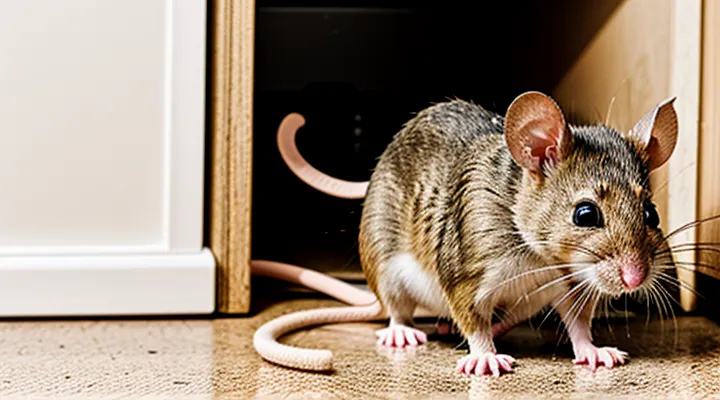
Understanding Your Mouse Problem
Signs of a Mouse Infestation
Droppings and Urine Puddles
Droppings and urine puddles provide the most reliable evidence of a mouse presence and indicate the severity of an infestation. Each pellet measures approximately one‑third of an inch, darkens with age, and often clusters near food sources, walls, and concealed pathways. Urine accumulates in damp areas, leaving a distinct, metallic odor that intensifies as moisture evaporates.
Health risks stem from pathogens carried in rodent excreta. Hantavirus, leptospirosis, and salmonella can be transmitted through inhalation of dried particles or direct contact with contaminated surfaces. Prompt removal reduces exposure for occupants and pets.
Effective remediation follows a systematic approach:
- Identify all droppings and urine spots, recording locations to target high‑traffic routes.
- Wear disposable gloves and a particulate‑filter respirator before handling any material.
- Moisten solid droppings with a disinfectant solution (e.g., 10 % bleach) to prevent aerosolization.
- Scrape softened material into a sealed bag, then dispose of it in a hard‑plastic container.
- Saturate urine puddles with the same disinfectant, allowing a minimum of ten minutes contact time.
- Rinse the area with clean water, then dry thoroughly to inhibit mold growth.
- Apply a rodent‑resistant sealant to cracks, gaps, and entry points identified during the survey.
Regular inspection of previously contaminated zones ensures that new deposits do not appear, confirming that the underlying mouse control strategy remains effective.
Gnaw Marks
Gnaw marks appear as shallow, crescent‑shaped incisions on wood, plastic, or insulation, typically 2–6 mm wide. Fresh cuts display bright edges, while older ones become dull and may be covered with dust or debris. Recognizing these patterns distinguishes mouse damage from that caused by other rodents or pets.
The presence of gnaw marks signals active foraging routes and nesting sites. Concentrations along baseboards, behind appliances, and near stored food indicate preferred pathways. Mapping the distribution of these markings allows the homeowner to locate entry points, concealment areas, and high‑traffic zones that require immediate attention.
Effective mouse control relies on targeted actions based on gnaw‑mark evidence:
- Inspect all identified markings; probe adjacent gaps with a thin wire to confirm openings.
- Seal verified entryways using steel wool, caulk, or hardware cloth to prevent re‑entry.
- Deploy snap traps or electronic devices along the recorded pathways, positioning bait near the inner edge of each gnaw mark.
- Place bait stations at a safe distance from children and pets, focusing on areas where markings cluster.
- Monitor traps daily; replace or reposition them until no new gnaw marks appear for at least two weeks.
Eliminating gnaw marks through these measures interrupts feeding routes, reduces shelter availability, and ultimately removes the infestation source. Continuous vigilance—periodic inspection for fresh incisions—maintains a mouse‑free environment.
Scratching Noises
Scratching noises are a primary indicator of rodent activity inside a dwelling. The sounds typically originate from gnawing or movement within walls, ceilings, or floor cavities where mice seek shelter and food sources. Recognizing the pattern—intermittent, high‑pitched, and often louder at night—helps distinguish rodents from other pests such as insects.
To address scratching noises effectively, follow these steps:
- Inspect likely entry points: examine gaps around pipes, vents, and foundation seams; seal openings with steel wool, caulk, or hardware cloth.
- Identify the source location: tap walls and listen for resonance; use a flashlight to examine any visible droppings, gnaw marks, or shredded material.
- Deploy traps or bait stations near the identified area; choose snap traps, electronic traps, or sealed bait stations to minimize exposure to non‑target species.
- Reduce attractants: store food in airtight containers, clean crumbs from countertops, and maintain regular garbage disposal.
- Enhance structural barriers: install metal mesh behind insulation, reinforce baseboards, and repair damaged drywall to eliminate concealment spaces.
- Monitor progress: check traps daily, record any continued scratching, and adjust placement as needed until activity ceases.
Eliminating the source of scratching noises restores a quiet environment and confirms that rodent presence has been effectively controlled. Continuous maintenance of sealed entry points and diligent housekeeping prevents recurrence.
Nests and Runways
Nests and runways provide the most reliable evidence of rodent presence. Recognizing their characteristics enables targeted removal and reduces the likelihood of re‑infestation.
Mice construct nests from shredded paper, fabric, insulation, or dried plant material. Nests are typically found in concealed areas such as behind appliances, within wall cavities, under flooring, or inside stored boxes. A nest appears as a loosely packed, irregular mound, often containing droppings or gnawed objects.
Runways consist of flattened paths worn by repeated traffic. They appear as smooth, parallel tracks on surfaces such as countertops, shelves, or pantry floors. The presence of grease, urine stains, or shredded food along these lines confirms active movement.
Steps to locate and eliminate nests and runways
- Inspect hidden zones for compacted material and droppings.
- Follow visible runways to trace the route back to the nest source.
- Remove nests by discarding material in sealed bags and disposing of them in outdoor trash.
- Apply rodent‑approved gel or powder directly onto runways and entry points.
- Seal gaps larger than ¼ inch with steel wool, caulk, or metal mesh to block access.
Preventive actions
- Store food in airtight containers; clean spills promptly.
- Reduce clutter that offers concealment for nests.
- Maintain regular inspection of potential entry points and repair structural damage.
- Use traps or bait stations along established runways to intercept traveling mice.
Why Mice are a Problem
Health Risks
Mice inhabiting residential spaces introduce a range of health hazards that affect occupants directly and indirectly.
Common pathogens transmitted by rodents include:
- Hantavirus, capable of causing severe respiratory illness.
- Salmonella species, responsible for gastrointestinal infections.
- Leptospira bacteria, leading to leptospirosis with symptoms ranging from fever to organ failure.
- Lymphocytic choriomeningitis virus, which may result in meningitis and encephalitis.
Rodent droppings, urine, and nesting material contaminate food supplies and kitchen surfaces, creating opportunities for bacterial growth and cross‑contamination. Persistent exposure to these contaminants increases the likelihood of food‑borne outbreaks.
Allergic reactions arise from mouse dander and shed hair, which act as potent aeroallergens. Sensitive individuals may experience heightened asthma symptoms, nasal congestion, and skin irritation.
Control measures themselves present additional risks. Chemical rodenticides pose poisoning hazards to humans and pets if improperly handled or ingested. Snap traps and glue boards can cause accidental injuries, especially among children. Integrated pest‑management strategies that emphasize sealing entry points, maintaining cleanliness, and employing low‑toxicity bait reduce both rodent‑related and mitigation‑related health threats.
Property Damage
Mice inflict significant property damage, compromising the safety and functionality of residential environments. Their gnawing behavior targets a wide range of materials, leading to costly repairs and increased health risks.
Common forms of damage include:
- Electrical wiring chewed, creating fire hazards and requiring professional rewiring.
- Insulation stripped, reducing energy efficiency and exposing structural elements to moisture.
- Food containers punctured, resulting in contamination and waste.
- Wooden structures eroded, weakening support beams, flooring, and cabinetry.
- Plumbing compromised, as rodents bite plastic or rubber seals, causing leaks.
Unaddressed damage accelerates infestation, because compromised structures provide additional entry points and shelter. Prompt repair of gnawed components eliminates habitats, reducing the likelihood of population growth.
Preventive measures focus on sealing potential entryways, maintaining a clean environment, and employing monitoring devices. Regular inspection of vulnerable areas—such as attics, basements, and kitchens—detects early signs of damage, allowing timely intervention before extensive deterioration occurs.
Food Contamination
Mice infiltrate kitchens and pantries, depositing droppings, urine, and hair on stored food. These contaminants introduce pathogens such as Salmonella, Hantavirus, and Listeria, which can cause severe illness after ingestion. Even sealed packages become vulnerable when rodents gnaw through packaging, exposing contents to bacterial growth.
Effective control of food contamination requires strict sanitation and structural barriers. Key actions include:
- Store all dry goods in airtight, rodent‑proof containers made of metal or heavy‑wall plastic.
- Inspect packaging for tears or holes before purchase; discard any compromised items.
- Clean countertops, floors, and shelves regularly with a disinfectant solution to remove residues that attract rodents.
- Promptly remove food waste and crumbs; use sealed trash cans with tight‑fitting lids.
- Seal entry points—cracks, gaps around pipes, and vent openings—with steel wool and caulk, as mice can squeeze through openings as small as a quarter‑inch.
Maintaining a clutter‑free environment reduces hiding places and limits access to food sources. Regularly rotate pantry stock, placing older items at the front to ensure timely consumption and reduce the risk of spoilage. When a spill occurs, clean it immediately, disposing of contaminated material in a sealed bag.
Monitoring devices such as snap traps or electronic detectors can reveal rodent activity before it escalates to widespread contamination. Replace traps promptly and document locations to identify patterns and reinforce vulnerable areas.
By integrating rigorous food storage practices, diligent cleaning routines, and physical barriers, households can minimize the risk of rodent‑related food contamination and protect occupants from associated health hazards.
Prevention Strategies
Sealing Entry Points
Inspecting Your Home's Exterior
Inspecting the exterior of a residence is a critical step in preventing mouse infestations. Begin by walking around the building and examining all potential entry points. Look for gaps larger than a quarter‑inch around doors, windows, utility penetrations, and the foundation. Seal identified openings with steel wool, caulk, or hardware cloth to block access.
Key inspection areas include:
- Roof eaves and soffits: check for loose or damaged flashing that could allow rodents to climb.
- Vents and dryer exhausts: ensure screens are intact and mesh openings are no larger than one‑quarter inch.
- Crawl spaces and basements: verify that floor joists and sill plates are free of cracks or holes.
- Exterior walls: inspect siding, brick, and stucco for gaps, especially where pipes or wires enter the structure.
- Landscaping: trim vegetation away from the house, remove debris piles, and keep firewood stored off the ground.
After repairs, conduct a follow‑up walk‑through to confirm that all seals remain secure and that no new gaps have formed. Regular seasonal inspections maintain a barrier that discourages mice from entering the home.
Repairing Gaps and Cracks
Sealing structural openings stops rodents from entering living spaces. Every opening that connects the interior to the exterior offers a pathway for mice, making thorough repair essential for effective control.
Typical locations where openings appear include baseboards, window frames, door thresholds, utility penetrations, and gaps around plumbing or electrical fixtures. Inspecting these areas reveals the size and shape of each breach, allowing selection of appropriate sealing materials.
Common sealants and fillers consist of steel wool, expanding foam, silicone caulk, and cement‑based mortar. Steel wool provides a physical barrier that mice cannot chew through; it should be packed tightly before applying a layer of foam or caulk to secure it. Silicone caulk remains flexible, accommodating slight movement in walls, while mortar offers a permanent solution for larger cracks.
Practical steps for repairing gaps and cracks:
- Clean the area to remove debris, dust, and loose material.
- Insert steel wool or a comparable mesh into the opening, ensuring complete coverage.
- Apply expanding foam or caulk over the mesh, smoothing the surface to eliminate voids.
- Allow the sealant to cure according to manufacturer instructions before exposing the area to traffic.
- Inspect the repaired section regularly for signs of wear or new openings.
Routine inspection of the building envelope prevents re‑formation of breaches. Promptly addressing any new gaps maintains the integrity of the barrier and reduces the likelihood of mouse activity.
Covering Vents and Openings
Covering vents and openings prevents rodents from entering living spaces. Unsealed gaps around HVAC ducts, dryer vents, and utility penetrations provide direct routes for mice seeking shelter and food.
Identifying vulnerable points is a prerequisite for effective sealing. Inspect exterior walls, attic hatches, and basement crawl spaces for any holes larger than a quarter‑inch. Pay particular attention to:
- HVAC supply and return registers; install fine‑mesh screens rated for rodent exclusion.
- Dryer exhaust ducts; replace standard flaps with metal caps fitted with stainless‑steel mesh.
- Utility entry points for plumbing, electrical, and cable lines; apply steel wool or copper mesh before sealing with expanding foam or caulk.
- Gaps around pipe sleeves and conduit; use silicone‑based sealant combined with metal flashing for long‑term durability.
After sealing, verify integrity by conducting a visual inspection and, if possible, a low‑pressure air test to detect remaining leaks. Regular maintenance, such as cleaning debris from vent covers and resealing any deteriorated material, sustains the barrier against future infestations.
Maintaining a Clean Environment
Proper Food Storage
Proper food storage is a critical component of any strategy to prevent rodent infestations. Food that is easily accessible attracts mice, providing a reliable source of nutrition that encourages nesting and breeding. By eliminating these attractants, the likelihood of mouse activity drops significantly.
Key practices for securing food include:
- Use airtight containers made of metal or heavy‑wall plastic for dry goods such as grains, cereals, and pet food. Ensure lids seal completely.
- Store perishable items in the refrigerator or freezer promptly after purchase. Check that seals are intact and temperatures remain below 4 °C for refrigeration and –18 °C for freezing.
- Clean countertops, floors, and appliance interiors after each meal preparation. Remove crumbs and spills immediately to deny mice any residual food sources.
- Dispose of waste in containers with tight‑fitting lids. Empty trash daily and keep outdoor bins away from building entrances.
- Rotate pantry stock regularly. Place newer items behind older ones to use supplies before they become stale, reducing the chance of spoilage that could lure rodents.
Consistent implementation of these measures removes the primary food incentives that sustain mouse populations, supporting broader pest‑control efforts within the home.
Regular Cleaning Practices
Regular cleaning reduces food residues and shelter, two primary attractants for rodents. Removing crumbs, spills, and waste eliminates sources that sustain mouse populations.
- Sweep and vacuum floors daily, focusing on corners, under appliances, and behind furniture.
- Wipe countertops, tables, and cabinet interiors after each meal; use disinfectant to deter scent trails.
- Store dry goods in sealed containers made of glass, metal, or heavy‑wall plastic.
- Dispose of garbage in bins with tight‑fitting lids; empty bins regularly and clean them to prevent odor buildup.
- Keep pet food in sealed containers; avoid leaving bowls out overnight.
- Maintain clutter‑free storage areas; discard unnecessary cardboard boxes and fabric piles that provide nesting material.
- Clean behind and beneath refrigerators, stoves, and washing machines weekly to remove hidden debris.
Consistent implementation of these practices removes the conditions that encourage mice to enter homes, supporting long‑term pest control.
Eliminating Clutter
Eliminating clutter reduces hiding places and travel routes for rodents, making the environment less attractive to infestations.
Practical actions include:
- Remove piles of paper, cardboard, and fabric from floor and shelves.
- Store food containers in sealed, opaque bins; keep pantry items off the floor.
- Dispose of unused appliances, broken furniture, and excess décor promptly.
- Keep laundry hampers closed and regularly empty.
- Organize storage areas with labeled, stacked boxes that leave visible gaps between items.
Regular upkeep prevents clutter from reappearing. Schedule weekly inspections of high‑traffic zones, clear debris after repairs, and maintain a tidy layout in basements, garages, and attics. Consistent organization deprives mice of shelter, supporting long‑term rodent management.
Outdoor Landscaping Tips
Trimming Vegetation
Trimming vegetation around a residence removes shelter and food sources that attract mice, making the property less inviting for rodent activity.
Key actions include:
- Cutting back shrub branches to a minimum height of 12 inches, preventing mice from climbing onto the house.
- Maintaining lawn height below 3 inches, eliminating dense grass that provides cover.
- Removing leaf piles, compost heaps, and debris that serve as nesting material.
- Pruning tree limbs so they do not overhang windows or the roof, reducing bridge pathways.
- Creating a clear zone of at least 2 feet between the foundation and any plant material.
A well‑kept perimeter forces mice to travel exposed ground, increasing their vulnerability to predators and decreasing the likelihood of entry through gaps.
Schedule regular maintenance: inspect and trim vegetation monthly during spring and summer, and after severe weather events that may cause overgrowth. Consistent upkeep sustains a hostile environment for rodents and supports broader pest‑prevention efforts.
Storing Firewood Properly
Proper firewood storage reduces the likelihood of rodent infestations inside residential spaces. Wood piles provide shelter, warmth, and food sources for mice; managing the pile eliminates an attractive habitat.
- Keep firewood at least three feet above ground level; use pallets or shelving to prevent direct contact with soil.
- Store wood at a minimum distance of ten feet from the exterior walls and foundation to limit easy entry points.
- Cover the stack with a waterproof, breathable tarp that does not touch the ground; secure edges to prevent gaps.
- Stack wood in a stable, compact formation; avoid loose, sprawling piles that create voids for nesting.
- Inspect the storage area regularly for signs of gnawing or droppings; remove compromised pieces promptly.
Maintain a dry environment around the woodpile. Ensure adequate ventilation to discourage mold, which attracts insects that serve as secondary food for rodents. Trim vegetation and debris near the storage site to remove additional concealment. Periodically rotate the wood to expose older pieces, reducing the time any single bundle remains undisturbed.
«Effective firewood management is a critical component of comprehensive rodent control in the home». By implementing these practices, the risk of mice entering living areas diminishes significantly.
Securing Outdoor Bins
Securing outdoor waste containers is a critical step in preventing rodents from entering residential spaces. Unsealed bins provide easy access to food residues, encouraging mice to forage near the home and eventually infiltrate interior areas.
Effective measures include:
- Selecting containers with tight‑fitting lids equipped with latch mechanisms that cannot be opened by small animals.
- Positioning bins away from building walls, preferably at least two meters from any exterior door or window.
- Elevating containers on a platform or using a stand to reduce ground‑level moisture, which attracts pests.
- Regularly cleaning bin interiors and disposing of food waste promptly to eliminate residual odors.
- Installing a perimeter of metal mesh or hardware cloth around the bin area, ensuring openings are no larger than ¼ inch.
Routine inspection of lids, hinges, and seals identifies wear or damage before rodents exploit vulnerabilities. Maintaining these practices reduces the likelihood of mice establishing a foothold outside the home, thereby supporting overall pest‑control efforts.
Eradication Methods
Trapping Solutions
Snap Traps
Snap traps deliver rapid, lethal control of mice when installed correctly. The device consists of a spring‑loaded bar that releases upon contact with a trigger, driving a sharpened jaw into the rodent’s body. This mechanism eliminates the pest instantly, preventing breeding and further damage.
Effective snap traps share several characteristics. Durable housing resists gnawing, a sensitive trigger responds to light pressure, and a secure bait cup holds attractant without allowing escape. Models featuring a transparent window enable visual monitoring without disturbing the trap.
Placement determines success. Traps should be positioned along established runways, near walls, behind appliances, and in concealed corners where mouse activity is observed. Avoid areas with high human traffic to reduce accidental activation. A typical deployment strategy includes:
- One trap per 10‑15 sq ft of infested space.
- Alignment perpendicular to the wall, with the trigger facing the wall.
- Baiting with high‑protein items such as peanut butter or bits of dried meat.
- Regular inspection at 12‑hour intervals; replace captured traps promptly.
Safety precautions are mandatory. Keep traps out of reach of children and pets; use tamper‑resistant designs when possible. After capture, wear disposable gloves, seal the rodent in a plastic bag, and dispose of it in an outdoor trash container. Clean and disinfect the trap surface before reuse to maintain hygiene.
Proper selection, strategic placement, and diligent maintenance make snap traps a reliable component of residential rodent‑control programs. «Snap traps provide immediate results, reducing infestation levels within days».
Live Traps
Live traps capture mice without killing them, allowing humane removal from the household. The devices consist of a cage with a spring‑loaded door that closes when the rodent enters to reach bait.
Effective use requires proper placement, bait selection, regular monitoring, and safe release.
- Position traps along walls, behind appliances, and near known activity signs such as droppings or gnaw marks.
- Use attractive foods such as peanut butter, seeds, or small pieces of fruit as bait; secure the bait to prevent premature removal.
- Check traps at least twice daily; a captured mouse should be removed promptly to avoid stress and possible injury.
- Release captured rodents at least 100 meters away from the residence, preferably in a wooded or grassy area where they can find shelter.
Maintenance includes cleaning cages with mild detergent after each catch and inspecting the door mechanism for wear. Proper disposal of dead bait and thorough sanitation of the trap area reduce the risk of secondary infestations.
Live traps complement exclusion methods and chemical controls, providing an ethical option for homeowners seeking to eradicate mice from their living spaces.
Electronic Traps
Electronic traps provide a rapid, humane solution for rodent control in residential settings. The devices emit a high‑voltage shock that instantly kills a mouse upon contact with a metal plate, eliminating the need for poisons or snap traps. Power sources include disposable batteries, rechargeable cells, or direct mains connection, allowing flexible placement in kitchens, basements, and attics.
Key characteristics of effective electronic traps:
- Multiple entry holes increase capture probability.
- Safety lock prevents accidental activation during handling.
- LED indicator confirms successful discharge and battery status.
- Reusable design reduces long‑term expense compared with disposable alternatives.
Installation guidelines ensure optimal performance. Position traps along established mouse pathways, typically near walls, behind appliances, or close to food storage areas. Activate the device, verify that the safety lock is engaged, and monitor the LED signal for each kill. Empty the collection chamber regularly to maintain hygiene and prevent odor buildup. Dispose of captured rodents according to local regulations, using sealed bags to avoid secondary contamination.
Baiting Techniques
Baiting remains a direct, controllable approach for reducing mouse populations inside residential spaces. Effective baiting relies on selecting appropriate attractants, positioning devices strategically, and maintaining strict safety standards.
Safety considerations dictate the use of tamper‑resistant containers, placement out of reach of children and pets, and compliance with local regulations concerning rodenticides. Protective gloves should be worn when handling any toxic material.
- Snap traps loaded with peanut butter, chocolate, or dried fruit provide rapid kill and allow immediate assessment of success.
- Electronic traps equipped with a low‑voltage shock deliver humane mortality and reduce the need for manual disposal.
- Anticoagulant baits, such as bromadiolone or difethialone, require precise dosing; pre‑baiting with non‑poisoned food can increase acceptance.
- Natural baits, including dried beans or sunflower seeds, support non‑chemical control in sensitive environments.
- Pre‑baiting involves offering non‑lethal food for several days to establish a feeding pattern before introducing lethal bait.
Placement guidelines emphasize positioning devices along walls, behind appliances, within concealed entry points, and near known gnawing activity. Devices should be spaced 10–15 cm apart in high‑traffic corridors to maximize encounter rates.
Regular inspection, removal of deceased rodents, and replacement of spent bait sustain efficacy. Documentation of trap counts assists in evaluating population trends and adjusting the baiting schedule accordingly.
Using Repellents
Natural Repellents
Natural repellents provide a non‑chemical option for reducing mouse activity inside residences. These substances create an environment that mice avoid, limiting the need for traps or poisons.
- «Peppermint oil»: apply a few drops on cotton balls, place them in corners, cupboards, and near entry points; refresh weekly.
- «Clove oil»: dilute in water, spray along baseboards and behind appliances; reapply after cleaning.
- «Ammonia»: soak small containers with undiluted ammonia, position in concealed locations; replace every two weeks.
- «Cedar shavings»: spread in drawers, closets, and pantry shelves; replace when scent diminishes.
- «Dry cat litter»: distribute in areas where rodents travel; discard and replenish regularly.
Effective deployment requires sealing obvious entry points, maintaining low food availability, and rotating repellents to prevent habituation. Placement should target known pathways and nesting sites, avoiding direct contact with food preparation surfaces.
Safety considerations include keeping essential oils away from children and pets, ensuring adequate ventilation when using ammonia, and storing repellents out of reach. Regular inspection confirms continued efficacy and identifies any new ingress routes.
Commercial Repellents
Commercial repellents provide a non‑lethal option for preventing rodents from entering living spaces. Formulations rely on odors, tastes, or ultrasonic emissions that disrupt mouse behavior, reducing the likelihood of infestation.
Active ingredients commonly include peppermint oil, capsaicin, and synthetic predator scents. These compounds create an environment perceived as hostile, prompting mice to seek alternative shelter.
- Peppermint‑oil sprays, applied to entry points and interior corners
- Capsaicin‑based granules, placed along baseboards and crawl‑space openings
- Ultrasonic devices, positioned in rooms where activity is observed
- Predator‑scent dispensers, containing urine extracts from natural mouse predators
Effective deployment requires thorough sealing of gaps, regular re‑application of chemical repellents, and periodic rotation of ultrasonic units to prevent habituation. Placement should target known pathways, such as door thresholds, pipe penetrations, and vent openings.
Safety considerations include verifying that products meet local regulatory standards, keeping repellents out of reach of children and pets, and following manufacturer dosage instructions. While commercial repellents can diminish mouse presence, integration with sanitation measures and structural repairs maximizes long‑term success.
Professional Pest Control
When to Call an Expert
When signs of infestation exceed the limits of DIY measures, professional intervention becomes necessary. Persistent droppings in hidden areas, audible activity during daylight, or damage to structural components indicate that the problem has escalated beyond simple traps and baits.
Typical scenarios that warrant expert assistance include:
- Evidence of a breeding colony, such as nests or multiple capture attempts without success.
- Repeated failure of over‑the‑counter products despite proper placement and maintenance.
- Presence of mice in food‑storage zones, posing immediate health risks.
- Structural damage that compromises insulation, wiring, or building integrity.
Engaging a certified pest‑control specialist ensures comprehensive assessment, targeted treatment plans, and ongoing monitoring to prevent re‑infestation. Professional services also provide compliance with local regulations regarding pesticide use and disposal, reducing liability for the homeowner.
What to Expect from a Professional Service
Professional pest‑control providers follow a systematic approach to eradicate rodents from a residence. The process begins with a thorough inspection of interior and exterior zones, identifying entry points, nesting sites, and activity trails. Inspectors document findings and develop a customized plan that aligns with local regulations and safety standards.
Clients can anticipate the following components from a reputable service:
- Detailed report outlining discovered infestations, potential vulnerabilities, and recommended interventions.
- Implementation of exclusion measures, such as sealing gaps, installing door sweeps, and repairing structural defects.
- Deployment of approved baiting or trapping devices, positioned strategically to maximize capture rates while minimizing exposure to non‑target species.
- Ongoing monitoring visits, typically scheduled at two‑week intervals, to assess effectiveness, adjust tactics, and confirm elimination.
- Final verification, including a comprehensive walkthrough and written confirmation that activity levels have fallen below actionable thresholds.
Professional teams also provide guidance on preventive practices, including sanitation improvements, proper food storage, and routine maintenance checks, ensuring long‑term protection against re‑infestation.