
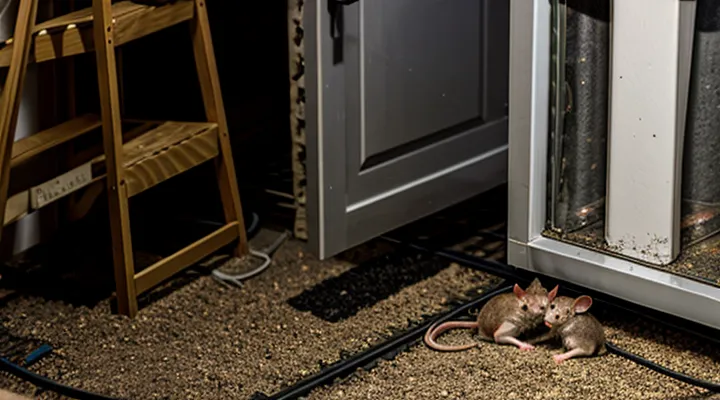
Understanding the Mouse Problem in Your Basement
Why Mice Are Attracted to Basements
Food Sources
Mice are drawn to basements primarily because of readily available nutrition. Crumbs, spilled liquids, and improperly stored food provide a continuous energy supply that sustains infestations.
Identify and remove all edible materials:
- Sweep and vacuum floors daily to eliminate debris.
- Clean countertops, shelves, and work surfaces with a disinfectant solution after any food handling.
- Store pet food, canned goods, and dry products in sealed, rodent‑proof containers made of metal or thick plastic.
- Dispose of garbage in bins with tight‑fitting lids and empty them regularly.
Eliminate indirect food sources that may support mouse activity:
- Repair leaks and dry damp areas; moisture encourages mold growth, which some rodents consume.
- Keep recycling bins empty of cardboard and paper, which can be chewed and used for nesting while also retaining food residues.
- Remove plant material, such as potted herbs or fallen leaves, that can harbor insects and seeds.
By systematically denying access to nourishment, the basement becomes an inhospitable environment, reducing the likelihood of mouse survival and reproduction. Continuous vigilance and strict sanitation are essential components of an effective eradication strategy.
Shelter and Warmth
Mice seek out basements because they provide shelter from predators and external weather. The underground environment offers consistent darkness, limited disturbance, and a stable temperature that supports nesting and reproduction.
To remove this attraction, eliminate any conditions that create a comfortable refuge:
- Seal cracks, gaps, and holes in walls, floors, and foundation; rodents can enter through openings as small as a quarter‑inch.
- Insulate exposed pipes and ductwork, then cover insulation with metal mesh to prevent nesting material accumulation.
- Store firewood, boxes, and other clutter away from the basement floor; keep items on pallets or shelves to avoid direct contact with concrete.
- Install a moisture barrier and repair leaks; dampness increases humidity, which together with warmth encourages mouse habitation.
- Maintain a temperature gradient by using a dehumidifier and ensuring ventilation; cooler, drier air reduces the appeal of the space for nesting.
Regular inspection of these elements, combined with prompt repair, removes the shelter and warmth that make a basement an ideal mouse habitat.
Entry Points
Mice gain access to a basement through any opening larger than a quarter‑inch. Identifying these gaps is the first step toward a lasting solution.
Common pathways include:
- Cracks in foundation walls or floor slabs
- Gaps around utility pipes, electrical conduits, and HVAC ducts
- Unsealed openings around vent flues, dryer exhausts, and sump pump housings
- Space beneath doors or between door frames and thresholds
- Openings around windows, especially where screens or weatherstripping are damaged
- Holes in insulation or wall cavities that lead to the exterior
Inspection should begin with a thorough visual survey. Use a flashlight to examine dim corners, and run a thin piece of gauze or a flashlight beam along seams to detect airflow that indicates hidden cracks. A handheld infrared camera can reveal temperature differentials where cold air infiltrates, pointing to concealed gaps.
Once identified, seal each opening with materials suited to the location:
- Concrete cracks: epoxy filler or hydraulic cement, applied after cleaning debris.
- Pipe penetrations: stainless‑steel mesh or metal flashing, covered with silicone sealant.
- Door gaps: weatherstripping or a door sweep, reinforced with expanding foam if necessary.
- Vents and ducts: metal flashing and high‑temperature silicone, ensuring no blockage of airflow.
- Floor slab openings: steel wool packed into the gap, then sealed with caulk or mortar.
After sealing, monitor the basement for signs of renewed activity. Persistent droppings or gnaw marks indicate missed entry points, requiring a repeat inspection. Maintaining a sealed perimeter prevents future infestations and supports long‑term rodent control.
Signs of a Mouse Infestation
Droppings and Urine Smells
Droppings and urine odors indicate active rodent presence and pose health risks. Small, dark pellets scattered on surfaces, especially near walls, insulation, or stored items, confirm mouse activity. Urine leaves a sharp, ammonia‑like smell that intensifies in confined, damp areas.
Health hazards include hantavirus, salmonella, and leptospirosis, all transmissible through inhalation of dust contaminated with droppings or direct contact with urine. Persistent odors also attract additional pests and degrade indoor air quality.
Effective removal requires a systematic approach:
- Wear disposable gloves, N‑95 respirator, and eye protection before entry.
- Ventilate the space by opening windows and using fans to direct airflow outward.
- Sweep or vacuum dry droppings with a HEPA‑rated vacuum; avoid stirring up dust.
- Disinfect surfaces with a solution of 1 part bleach to 10 parts water; apply, let stand for 10 minutes, then wipe clean.
- Absorb wet urine stains with absorbent pads, then treat the area with the same bleach solution.
- Dispose of contaminated materials in sealed, double‑bagged waste; discard according to local hazardous‑waste regulations.
After cleaning, control odor by placing activated charcoal or baking‑soda containers in the basement for several days. Replace or refresh these absorbers regularly.
Prevent recurrence by sealing entry points, storing belongings in sealed containers, and maintaining low humidity. Regular inspections for fresh droppings or new odors will reveal any resurgence promptly.
Gnaw Marks
Gnaw marks are the most reliable indicator that rodents are active in a basement. Their presence confirms that mice are accessing the space, chewing on structural members, wiring, insulation, or stored items. Recognizing the pattern of damage—parallel grooves on wood, shallow chips on plastic, or rounded bites on cables—allows precise mapping of travel routes and nesting zones.
Identifying gnaw marks serves three critical functions:
- Pinpoint entry points. Fresh bites on door frames, vent covers, or pipe sleeves reveal where mice breach the barrier.
- Reveal high‑traffic pathways. Continuous lines of damage along baseboards or joists indicate preferred routes that must be blocked.
- Highlight vulnerable materials. Chewed insulation or electrical wiring poses fire hazards and energy loss; these areas require immediate replacement and protection.
Once gnaw marks are documented, an effective eradication plan proceeds as follows:
- Seal all identified openings with steel wool, copper mesh, or cement‑based filler; rodents cannot gnaw through metal.
- Install snap traps or electronic devices along the mapped pathways, positioning bait at least 2–3 inches from the damage to maximize capture rates.
- Apply rodent‑resistant materials—hard‑plastic conduit for wiring, metal shelving for storage—to prevent future chewing.
- Conduct a thorough sanitation sweep, removing all food residues and debris that may encourage repeat activity.
- Schedule periodic inspections of previously marked surfaces; any new gnaw marks signal a breach that demands immediate remediation.
By treating gnaw marks as a diagnostic tool rather than a mere symptom, homeowners can eliminate mouse infestations efficiently and prevent structural or electrical damage in the basement environment.
Scratching Noises
Scratching sounds heard in a basement often indicate the presence of rodents moving through insulation, wall cavities, or beneath floorboards. The noise typically occurs at night when mice are most active, and its pattern—rapid, intermittent bursts—differs from the steady creak of settling structures.
Identifying the source requires systematic inspection. Start by listening from a central point, noting the direction of the sound. Examine exposed joists, vent openings, and utility pipes for gnaw marks, droppings, or shredded material. Follow any visible pathways, such as gaps around pipes or unsealed entry points, to locate nesting sites.
To address scratching activity and prevent further infestation, take the following actions:
- Seal all openings larger than ¼ inch with steel wool, caulk, or metal flashing.
- Install snap traps or electronic devices along walls where noise originates; position bait at least 2 inches from the trap to avoid premature triggering.
- Replace damaged insulation and repair compromised structural elements to eliminate hiding places.
- Maintain a dry environment by fixing leaks and using a dehumidifier; moisture attracts rodents and intensifies scratching behavior.
- Conduct regular monitoring for new sounds, droppings, or gnaw marks, adjusting control measures as needed.
Prompt response to scratching noises reduces the risk of structural damage, contamination, and the spread of disease associated with rodent activity in a residential basement.
Prevention Strategies
Sealing Entry Points
Inspecting the Foundation
Inspecting the foundation is the first step in preventing rodent intrusion into a home’s lower level. Identify all visible cracks, gaps, and openings in concrete walls, footings, and perimeter drainage. Use a flashlight and a mirror to examine hidden corners, utility penetrations, and vent stacks. Record the size and location of each defect for targeted repair.
- Seal cracks larger than ¼ inch with hydraulic cement or epoxy filler.
- Apply expanding foam to gaps around pipes, cables, and vent pipes.
- Install metal flashing or concrete patch over seams where the foundation meets the exterior wall.
- Ensure the perimeter drainage system directs water away from the structure; repair broken or clogged downspouts and install a French drain if necessary.
- Verify that the soil grade slopes at least 6 inches away from the foundation to discourage moisture buildup that attracts mice.
After repairs, conduct a follow‑up inspection to confirm that all seals remain intact and that no new openings have formed. Document the completed work and schedule a quarterly review, especially after heavy rain or seasonal temperature changes, to maintain a secure barrier against rodent entry.
Blocking Gaps and Cracks
Effective rodent control in a residential basement begins with eliminating entry points. Inspect all walls, floors, and ceilings for openings larger than a quarter‑inch. Pay special attention to utility penetrations, pipe sleeves, vent ducts, and foundation cracks.
Identify each gap and record its dimensions. Prioritize seams that intersect high‑traffic areas or moisture sources, as these attract mice. Use a flashlight and a mirror to view hidden sections behind insulation or stored items.
Seal gaps with appropriate materials:
- Expandable polyurethane foam for irregular or expanding spaces.
- Cement‑based mortar for concrete cracks wider than ½ in.
- Steel wool or copper mesh backed by caulk for openings around pipes, preventing gnawing.
- Weather‑strip and door sweeps on basement doors and access panels.
Apply sealant after cleaning the surface of dust and debris. Ensure the filler adheres firmly; press the material into the opening and smooth the surface to eliminate voids. Allow curing time as specified by the manufacturer before restoring stored items.
Perform a final walk‑through to verify that no visible openings remain. Re‑inspect quarterly, especially after heavy rain or seasonal temperature changes, and repeat sealing as needed to maintain a barrier against future infestations.
Protecting Vents and Drains
Protecting ventilation shafts and drainage systems is essential when trying to eradicate rodents from a residential basement. Openings in vents and pipe entries provide direct routes for mice to travel from the exterior to the interior, so sealing these pathways reduces the likelihood of re‑infestation.
Inspect all vent covers, exhaust fans, and utility openings. Remove any gaps larger than a quarter inch. Apply stainless‑steel mesh or hardware cloth with a ¼‑inch aperture to cover the openings, securing the material with corrosion‑resistant screws. For existing vent grilles, replace damaged screens with new ones that fit tightly.
Examine floor and wall drains for cracks or loose fittings. Install drain covers made of metal or heavy‑duty plastic that snap securely into place. Use silicone sealant around the perimeter of each cover to eliminate micro‑gaps. Where drains lead to exterior piping, attach a metal sleeve or pipe wrap to block rodent entry while allowing water flow.
Maintain the integrity of protective barriers with regular checks. At least once every three months:
- Verify that mesh and covers remain firmly attached.
- Replace any corroded or torn hardware cloth.
- Re‑apply sealant to any areas showing signs of wear.
By systematically sealing vents and drains, the basement becomes inhospitable to mice, supporting long‑term pest control efforts.
Maintaining a Clean Environment
Storing Food Properly
Proper food storage is a critical element in preventing rodent activity in a residential basement. Mice are attracted to accessible, unsecured food sources; eliminating those attractions reduces the likelihood of infestation.
Store all consumables in containers that seal completely. Use metal or heavy‑wall plastic bins equipped with screw‑on lids; avoid bags that can be torn or resealable pouches that lose their closure over time. Keep containers on shelves or pallets that raise them at least six inches above the floor to discourage entry from gnawing rodents.
Maintain a strict cleaning routine. Immediately wipe up crumbs and liquid spills; mop the floor after each meal preparation or snack consumption. Conduct weekly inspections of storage areas, checking for signs of damage to containers, moisture accumulation, or evidence of gnawing.
- Choose containers labeled “rodent‑proof.”
- Store dry goods such as grains, cereals, and pet food in airtight bins.
- Keep canned items in a dedicated cabinet away from walls.
- Rotate stock regularly; discard expired or compromised products.
By eliminating accessible food, the basement becomes an inhospitable environment for mice, supporting broader efforts to eradicate these pests from the home.
Regular Cleaning and Decluttering
Regular cleaning eliminates food residues and nesting material that attract rodents, while decluttering removes potential shelter in the basement. Both actions reduce the habitability of the space for mice and support any other control measures.
- Remove all stored food, pet feed, and garbage; place remaining items in sealed containers.
- Sweep, vacuum, and mop floors daily to clear crumbs and droppings.
- Dispose of cardboard boxes, paper piles, and fabric scraps that could serve as nesting sites.
- Organize tools, seasonal items, and furniture against walls, leaving clear pathways and open floor space.
- Seal cracks, gaps, and utility openings with steel wool or silicone caulk before repositioning items.
Establish a weekly inspection routine: verify that containers remain sealed, check for new debris, and confirm that no items have been misplaced. Record any signs of activity, such as droppings or gnaw marks, and address them immediately.
Maintain a clutter‑free environment by assigning each stored item a specific location and limiting the amount of material kept in the basement. Regularly reassess stored goods and discard anything unnecessary. This disciplined approach sustains an uninviting habitat for mice and enhances overall basement hygiene.
Managing Pet Food
Proper handling of pet food is a critical factor in preventing rodents from colonizing a home basement. Mice are attracted to accessible, aromatic food sources; uncontrolled pet provisions create a reliable feeding ground that sustains an infestation.
- Store dry kibble in airtight containers made of heavy‑wall plastic or metal.
- Keep containers sealed after each use; avoid leaving bags open on the floor.
- Place food storage units on elevated shelves, away from walls and potential entry points.
Regular cleaning eliminates residual crumbs that lure rodents. Sweep and vacuum the basement floor daily, and mop with a mild detergent weekly. Dispose of waste in a sealed trash can with a tight‑fitting lid; empty it before it becomes a food source.
- Remove spilled food immediately; use a damp cloth rather than a dry brush to capture particles.
- Inspect containers for damage; replace any that show cracks or compromised seals.
- Schedule a monthly audit of all pet feeding areas to verify compliance with storage guidelines.
Monitoring complements preventive measures. Install motion‑activated cameras or set up non‑lethal traps near feeding zones to detect early mouse activity. Promptly address any sightings by tightening storage practices and reinforcing barriers. Consistent pet food management reduces attractants, making the basement environment hostile to rodents and supporting long‑term elimination efforts.
Outdoor Measures
Trimming Vegetation
Overgrown shrubs, grass, and vines adjacent to the home create cover and direct routes for mice seeking entry to the cellar. When vegetation contacts the foundation, rodents can climb, gnaw, or use the plant material to conceal their movements, increasing the likelihood of infestation.
Effective vegetation management includes the following actions:
- Cut back all shrubs to a height of no more than six inches from the ground, leaving a clear gap between foliage and the exterior walls.
- Trim tree branches so they end at least three feet from the house, preventing rodents from using limbs as bridges.
- Mow lawn edges regularly, maintaining a minimum clearance of twelve inches from the foundation.
- Remove any weeds, vines, or ground cover that touch the building, disposing of them away from the property to avoid re‑establishment.
Timing matters. Perform initial trimming in early spring, when new growth begins, and repeat every six to eight weeks throughout the growing season. Seasonal leaf fall should be cleared promptly to eliminate additional shelter.
Consistent vegetation control reduces the number of accessible pathways, limits hiding places, and forces mice to seek alternative routes that are easier to block with sealing and exclusion measures.
Removing Debris
Removing debris from a basement creates an environment where mice cannot find shelter, food, or nesting material. Clear all piles of cardboard, paper, fabric, and insulation that could serve as hideouts. Dispose of waste in sealed containers and transport it directly to an outdoor bin with a tight‑locking lid.
Key actions for debris removal:
- Sweep floors, corners, and wall junctions with a stiff brush; vacuum crevices to extract fine particles.
- Inspect storage areas; relocate items onto pallets or shelves, leaving a minimum of six inches between objects and the floor.
- Eliminate accumulated dust and cobwebs using a damp cloth; dry surfaces promptly to prevent moisture buildup.
- Remove discarded building materials, broken pallets, and excess mulch; recycle or discard according to local regulations.
- Seal all trash bags, then store them in a sealed outdoor dumpster away from the foundation.
After debris is cleared, seal entry points, set traps, and maintain regular cleaning to keep the basement inhospitable to rodents. Continuous removal of any new clutter prevents re‑establishment of mouse populations.
Securing Trash Cans
Securing trash containers is a critical component of any rodent‑control plan for a residential basement. Open or loosely fitted lids provide easy access to food residues, encouraging mice to establish foraging routes that lead to nesting sites. By eliminating this source, the attraction factor is reduced dramatically.
- Choose cans with tight‑fitting, snap‑lock lids that cannot be pried open by small paws.
- Inspect seals regularly; replace cracked or warped lids before they compromise the closure.
- Position cans away from walls and corners, preferably on a raised platform to deter climbing.
- Empty containers daily; residual crumbs attract mice faster than whole waste.
- Clean the interior after each emptying with a mild detergent, then rinse thoroughly to remove scent traces.
Plastic or metal bins with built‑in foot pedals are preferable, as they require deliberate pressure to open, preventing accidental access by rodents. If space permits, store cans inside a sealed cabinet or under a lockable door to add an extra barrier.
Implementing these measures alongside other sanitation practices—such as sealing cracks and removing clutter—creates a hostile environment for mice and supports long‑term elimination of infestations in the basement.
Elimination Methods
Trapping Techniques
Snap Traps
Snap traps provide a rapid, humane method for controlling mouse populations in a residential basement. The device consists of a spring‑loaded bar that delivers an instantaneous strike, killing the rodent instantly and preventing further damage to insulation, wiring, and stored items.
Effective use begins with selecting the appropriate size and material. Stainless‑steel traps resist corrosion in damp environments; plastic models are lightweight and easy to handle. Choose traps with a sensitive trigger mechanism to ensure activation by light pressure.
Placement determines success. Position traps along walls, behind stacks of boxes, and near known entry points, as mice travel close to surfaces. Arrange traps perpendicular to the wall, with the trigger end facing the expected travel route. Space traps 2–3 feet apart in high‑traffic zones; increase density in severe infestations.
Bait selection influences capture rates. Peanut butter, chocolate, or small pieces of cured meat attract mice reliably. Apply a pea‑sized amount to the bait cup, avoiding excess that could allow the animal to avoid the trigger. Replace bait daily to maintain freshness.
Safety precautions protect occupants and pets. Wear disposable gloves when handling traps to prevent scent transfer. Keep traps out of reach of children and non‑target animals by mounting them on elevated platforms or using protective cages.
After a kill, dispose of the carcass promptly. Submerge the trap in a sealed bag, place it in an outdoor trash container, and clean the mechanism with a mild disinfectant. Inspect traps regularly; reset or replace any that have become dull or malfunctioned.
A concise protocol for snap‑trap deployment:
- Choose corrosion‑resistant, sensitive traps.
- Bait with a small amount of high‑odor food.
- Place traps along walls, 2–3 ft apart, trigger end facing mouse routes.
- Wear gloves, secure traps from children and pets.
- Check daily, dispose of captured rodents, clean and reset traps.
Consistent application of this approach reduces mouse activity, protects structural components, and minimizes the risk of re‑infestation in the basement environment.
Live Traps
Live traps provide a humane method for removing mice from a residential basement. They consist of a container with a trigger mechanism that closes the door once the animal enters, preventing injury and allowing relocation.
Effective use requires proper placement. Position traps along walls, behind stored items, and near known gnawing sites. Mice travel close to surfaces; aligning traps with these pathways maximizes captures.
Bait selection influences success. Peanut butter, seed mixes, or small pieces of cheese attract rodents without creating strong odors that may deter them. Apply a pea‑sized amount to the trigger area, avoiding excess that could allow the mouse to eat without activating the mechanism.
Check traps at least twice daily. Prompt removal reduces stress on captured mice and prevents escape. When a mouse is caught, wear gloves, cover the trap, and transport it at least one mile from the home to a suitable outdoor habitat. Release the animal near natural cover such as brush or a wooded area.
Maintain trap hygiene. After each capture, clean the device with mild detergent and disinfectant to eliminate scent markers that could discourage future visits. Inspect the trigger for wear and replace damaged components to preserve reliability.
Integrating live traps with complementary measures—sealing entry points, reducing food sources, and controlling humidity—creates a comprehensive strategy for eliminating rodent activity in a basement environment.
Electronic Traps
Electronic traps provide a rapid, non‑chemical solution for controlling mouse populations in residential basements. The devices emit a high‑voltage shock when a rodent contacts a sensor plate, delivering an instantaneous kill and preventing further breeding.
Key characteristics of effective electronic traps:
- Power source: Battery‑operated models offer portability; plug‑in units ensure continuous operation without battery replacement.
- Sensor type: Infrared or mechanical triggers detect movement with minimal false activations.
- Safety features: Built‑in insulation and a sealed housing protect users and pets from accidental contact.
- Capacity: Multi‑catch designs hold several individuals before requiring emptying, reducing maintenance frequency.
Placement guidelines maximize capture rates:
- Identify active runways by observing droppings, gnaw marks, and fresh gnawing on stored items.
- Position traps perpendicular to walls, with the sensor plate aligned to the expected path.
- Maintain a 12‑inch clearance from obstructions to allow unobstructed entry.
- Deploy at least two traps per identified runway to increase odds of contact.
Maintenance procedures ensure consistent performance:
- Inspection: Check trap interiors daily; dispose of deceased rodents following local health regulations.
- Cleaning: Remove debris and wipe sensor plates with a damp cloth; avoid abrasive cleaners that could damage the trigger mechanism.
- Power management: Replace batteries when indicator lights dim; verify that plug‑in units remain connected to a functioning outlet.
Advantages of electronic traps include immediate results, absence of poison residues, and suitability for homes with children or pets. Limitations involve the need for electricity or battery supply, potential noise from the shock indicator, and the requirement for regular disposal of captured rodents.
Integrating electronic traps with complementary measures—such as sealing entry points, reducing clutter, and eliminating food sources—creates a comprehensive strategy that minimizes mouse reinfestation in the basement environment.
Proper Trap Placement
Effective rodent control in a basement begins with strategic trap positioning. Place devices along walls where mice travel, typically within 2 inches of the baseboard. Target known entry points such as gaps around pipes, utility openings, and foundation cracks; a trap positioned directly in front of these openings intercepts mice before they reach stored items.
Select locations that offer shelter and easy access. Mice prefer concealed routes, so position traps behind insulation, beneath shelving, and inside cupboards. Ensure each trap is anchored firmly to prevent displacement by movement or vibration. Check traps daily; remove captured rodents promptly to maintain trap effectiveness and prevent odor buildup.
Guidelines for trap placement:
- Install traps perpendicular to walls, with the trigger end facing the wall.
- Space multiple traps 10–12 feet apart in high‑traffic zones.
- Position at least one trap near every identified entry or exit point.
- Avoid placing traps directly on concrete floors; use a thin layer of cardboard or a small platform for stability.
- Rotate trap locations weekly to cover new activity areas and prevent mouse habituation.
Rodenticides (Chemical Control)
Types of Baits
Effective mouse control in a residential basement depends on selecting the appropriate bait. Different bait categories address varying infestation levels, safety concerns, and regulatory requirements.
-
Commercial rodenticide blocks – dense, pre‑formulated pellets that contain anticoagulant or neurotoxic compounds. Designed for long‑term exposure; placement in tamper‑proof stations minimizes accidental contact with children or pets.
-
Powdered or liquid poison baits – flexible formulations that can be applied to small surfaces or mixed with food attractants. Suitable for hard‑to‑reach crevices; require precise dosing and secure containment.
-
Food‑based attractants – natural items such as peanut butter, sunflower seed butter, dried fruit, or grain. Used with snap or live‑capture traps; provide immediate appeal without chemical risk.
-
Synthetic attractant gels – concentrated, odor‑rich gels that can be positioned in narrow gaps. Compatible with both lethal and non‑lethal traps; offer controlled release of scent.
-
Pre‑bated snap traps – traps pre‑loaded with a small amount of food lure. Reduce handling time and ensure consistent bait quantity.
-
Pre‑bated live‑catch traps – humane cages equipped with a chewable bait pad. Allow for capture and release while maintaining containment standards.
Placement strategy influences success. Position baits along known runways, near wall voids, and close to entry points. Maintain a minimum of 2‑3 feet between stations to prevent bait saturation. Rotate bait types every two weeks to prevent habituation. Monitor stations daily; replace depleted or contaminated units promptly. Ensure compliance with local pest‑control regulations and follow label instructions for dosage and disposal.
Safe Usage and Placement
Effective rodent control in a residential basement requires careful consideration of how traps, baits, and deterrents are used and positioned. Safety for occupants, pets, and the environment must guide every decision.
First, select products that meet recognized safety standards. Choose snap traps with insulated handles, electronic devices with sealed enclosures, or sealed bait stations that prevent direct contact. Verify that chemicals, such as anticoagulant rodenticides, are approved for indoor use and labeled for restricted access.
Placement guidelines:
- Position snap traps along walls, behind stored items, and near known runways. Align the trigger mechanism perpendicular to the wall to maximize strike efficiency.
- Install bait stations at least 18 inches above the floor and 12 inches away from any opening that pets could reach. Secure stations to a stable surface to avoid displacement.
- Deploy electronic devices in corners where mice travel, ensuring a clear line of sight to the target area. Keep devices at least 24 inches from water sources to prevent electrical hazards.
- Avoid placing any device directly on concrete that may become damp. Use a rubber mat or platform to elevate traps in moist zones.
Second, maintain a safe operating environment. Wear disposable gloves when handling traps or bait, and wash hands thoroughly afterward. Store all rodent control products in a locked cabinet, out of reach of children and animals. Keep the basement well‑ventilated during and after application of any chemical agents to disperse vapors.
Finally, monitor and adjust. Check traps daily, remove captured rodents promptly, and replace baits according to manufacturer instructions. If a trap fails to activate, reposition it at a different angle or move it to an alternate runway.
Adhering to these usage and placement practices reduces the risk of accidental exposure while ensuring consistent rodent suppression in the basement.
Risks to Pets and Children
Rodent control in a home basement can expose pets and children to hazards that arise from both the pests themselves and the methods used to eradicate them.
Mice carry pathogens such as Salmonella, Leptospira and hantavirus. Direct contact with droppings, urine or contaminated surfaces may transmit these agents to a child's hands or a pet’s paws, leading to gastrointestinal illness, kidney damage or respiratory problems. Ingestion of contaminated material is a common route of infection for small children who explore low‑lying areas.
Traps present physical dangers. Snap traps can cause severe lacerations if a pet or child inadvertently activates them. Glue boards may adhere to fur or skin, requiring painful removal and risking skin irritation. Live‑catch traps, while humane, can be knocked over, releasing captured mice back into the environment.
Chemical rodenticides pose the greatest risk. Anticoagulant baits, bromadiolone or brodifacoum, are toxic if ingested. A single bite of bait can be lethal to a small dog or cat; children may mistake bait pellets for candy. Secondary poisoning occurs when a pet consumes a dead mouse that has ingested poison, leading to internal bleeding and organ failure.
Preventive measures reduce exposure. Seal entry points to stop mice from reaching areas where children play or pets roam. Store food and waste in sealed containers to eliminate attractants. Use bait stations designed to restrict access to non‑target species, and place them out of reach of children and animals. Regularly inspect trap locations and remove dead rodents promptly, wearing gloves and disposing of waste in sealed bags.
If a pet or child shows signs of rodent‑related illness—vomiting, bloody stools, lethargy, coughing or unexplained bruising—seek veterinary or medical care immediately. Prompt treatment with appropriate antidotes or antibiotics improves outcomes.
Natural Deterrents
Peppermint Oil
Peppermint oil works as a natural repellent for mice that have taken up residence in a basement. The strong menthol scent overwhelms the rodents’ olfactory receptors, causing them to avoid treated areas. Studies show that concentrated peppermint oil can reduce mouse activity when applied consistently.
Application guidelines:
- Dilute 10‑15 ml of pure peppermint essential oil in 1 liter of water.
- Add a small amount of dish soap to improve surface tension.
- Soak cotton balls or cloth strips in the solution and place them in corners, behind stored items, and near known entry points.
- Replace the saturated material every 3‑4 days to maintain potency.
Safety considerations include wearing gloves when handling undiluted oil, keeping the solution away from open flames, and ensuring pets and children cannot ingest the cotton balls. Peppermint oil does not eradicate established infestations; it should be combined with sealing cracks, removing food sources, and, if necessary, professional trapping to achieve complete control.
Ultrasonic Devices
Ultrasonic devices emit high‑frequency sound waves that are inaudible to humans but uncomfortable for rodents. The waves create a hostile environment, prompting mice to leave the area.
Effectiveness depends on several factors:
- Frequency range: 20–65 kHz is typical; higher frequencies may deter more species.
- Coverage area: manufacturers specify square footage; choose a model that exceeds the basement’s dimensions.
- Placement: devices should be positioned at least 12 inches above the floor, away from walls and large objects that block sound propagation.
- Continuous operation: most units require constant power; battery‑operated models provide limited runtime.
Installation steps:
- Measure the basement’s total square footage.
- Select an ultrasonic unit with a coverage rating of at least 20 % above the measured area.
- Mount the device on a wall or ceiling, ensuring an unobstructed line of sight.
- Plug the unit into a grounded outlet; verify that the indicator light confirms activation.
- Monitor mouse activity for two weeks; if sightings persist, add a second device in the opposite corner.
Limitations:
- Sound does not penetrate solid barriers; mice hidden behind insulation or inside wall voids may remain unaffected.
- Young rodents may acclimate after several days, reducing deterrent impact.
- Ultrasonic emissions cease if power is interrupted; surge protectors can prevent accidental shutdown.
Integration with other control methods—such as sealing entry points, removing food sources, and setting traps—enhances overall success. Regular inspection of the device’s emitter surface ensures consistent output; dust or debris can diminish sound intensity.
Ammonia
Ammonia is a volatile compound that mice find intolerable because its strong odor interferes with their scent‑based navigation. When applied correctly, it creates an environment that discourages rodent activity without relying on poison.
The chemical’s effectiveness stems from its ability to evaporate rapidly, filling cracks, gaps, and open spaces with a pungent vapor. Mice avoid areas where the scent concentration exceeds their sensory threshold, typically retreating to cleaner sections of the structure.
Practical application in a basement:
- Dilute clear ammonia with water at a ratio of 1 part ammonia to 3 parts water.
- Soak absorbent cloths or disposable pads in the solution.
- Place the saturated material in known entry points, along baseboards, and near suspected nesting sites.
- Replace the cloths every 24 hours or when the odor diminishes.
Safety considerations:
- Wear protective gloves and goggles to prevent skin and eye irritation.
- Ensure adequate ventilation; open windows and use fans to disperse excess fumes.
- Keep the solution away from open flames, as ammonia is flammable at high concentrations.
- Store unused ammonia in a sealed container out of reach of children and pets.
Advantages:
- Non‑lethal, reducing risk to non‑target wildlife.
- Readily available and inexpensive.
- No residue that contaminates food or surfaces when used in recommended concentrations.
Limitations:
- Effectiveness declines in poorly ventilated or humid areas where vapor disperses slowly.
- Requires regular replacement to maintain deterrent strength.
- Strong odor may be unpleasant for occupants if not managed properly.
Integrating ammonia with additional measures—such as sealing entry points, removing food sources, and maintaining low humidity—creates a comprehensive strategy for preventing mouse infestations in residential basements.
Post-Elimination and Monitoring
Cleaning and Sanitizing
Removing Droppings and Nests
Removing rodent feces and abandoned nests is a critical step in eradicating a mouse problem in a residential basement. Fecal matter can harbor pathogens such as hantavirus and salmonella; thorough decontamination protects occupants and prevents re‑infestation. Begin by wearing disposable gloves, a N95 mask, and eye protection. Wet the droppings with a disinfectant solution (e.g., a 1:10 bleach‑water mixture) to minimize aerosolization, then scrape them onto a disposable paper towel and place the waste in a sealed plastic bag. After removal, mop the area with the same disinfectant, allowing a five‑minute contact time before rinsing with clean water. Dispose of all used materials in a sealed container and wash hands thoroughly.
Nest elimination follows a similar protocol. Locate nests in hidden corners, insulation, or behind stored items. Using a sturdy tool, gently dislodge the nest material, placing it directly into a sealed bag. Apply the same wetting technique to any residual droppings within the nest, then discard the bag in an outdoor trash receptacle. After removal, vacuum the surrounding floor and walls with a HEPA‑rated vacuum to capture remaining particles. Finally, replace any damaged insulation or storage containers with rodent‑proof alternatives, such as sealed plastic bins, to reduce future shelter opportunities.
Disinfecting Contaminated Areas
After a mouse infestation, droppings, urine, and nesting material contaminate surfaces and pose health risks. Immediate disinfection prevents disease transmission and eliminates odors that attract further rodent activity.
Identify all areas where droppings or urine are visible. Use a flashlight to inspect walls, insulation, stored boxes, and floor joists. Mark each zone with tape to ensure thorough treatment.
Wear disposable gloves, a N‑95 respirator, and protective eyewear before starting. Remove loose debris with a damp paper towel; discard the towel in a sealed bag.
Select an EPA‑registered disinfectant effective against hantavirus, salmonella, and leptospirosis. Dilute according to the manufacturer’s instructions, then apply the solution to contaminated surfaces using a spray bottle or pump sprayer.
Allow the disinfectant to remain wet for the contact time specified on the label—typically 10–15 minutes. During this period, avoid wiping or rinsing the area.
After the dwell time, wipe surfaces with a clean, damp cloth saturated with the same disinfectant. Rinse the cloth frequently to prevent cross‑contamination.
Dispose of all cleaning materials, gloves, and protective gear in sealed bags. Clean reusable equipment with hot, soapy water and a disinfectant rinse before storage.
Ventilate the basement for at least 30 minutes after completion. Inspect the area again to confirm no residue or remaining droplets are present.
Repeat the process in any newly discovered contaminated spot before sealing entry points and setting traps, ensuring the environment remains inhospitable to rodents.
Ongoing Monitoring
Regular Inspections
Regular inspections are essential for maintaining a mouse‑free basement. Conduct a visual sweep of all accessible areas at least once a week. Look for droppings, gnaw marks, and shredded insulation, which indicate active infestation. Record findings in a log to track patterns and identify hotspots.
During each inspection, focus on the following points:
- Seal all gaps larger than ¼ inch in walls, floors, and around utility penetrations.
- Verify that doors and windows close tightly; install door sweeps if needed.
- Examine stored items for signs of damage; relocate boxes away from walls to improve visibility.
- Test traps and bait stations for functionality; replace any that are worn or empty.
- Check ventilation ducts and pipe sleeves for openings; use steel wool or metal mesh to block entry.
Consistent documentation and prompt remediation of discovered issues prevent mouse populations from establishing a foothold, ensuring long‑term protection of the basement environment.
Maintaining Prevention Measures
Maintaining prevention measures is essential for long‑term exclusion of rodents from a home’s lower level. Regular inspection of the basement should focus on identifying new entry points, water sources, and food residues. Seal cracks, gaps around pipes, and utility openings with steel wool, caulk, or cement, because mice can exploit openings as small as ¼ inch.
Sanitation practices must remain consistent. Store items off the floor, use airtight containers for dry goods, and promptly clean spills. Remove clutter that provides shelter, such as cardboard boxes or unused furniture, to reduce hiding places.
Monitoring devices, including snap traps, glue boards, or electronic deterrents, require periodic checking. Replace bait or reposition traps every few days to sustain effectiveness. Record capture activity to detect patterns and adjust placement accordingly.
A seasonal review supports proactive control. Before winter, verify that insulation does not create concealed pathways and that ventilation does not introduce moisture. After seasonal changes, repeat the inspection cycle to address any new vulnerabilities.
Documenting maintenance actions creates a reliable schedule. A simple log listing dates of inspections, repairs, and trap servicing ensures that preventive tasks are not overlooked and provides evidence of diligent pest management.
When to Call a Professional
Large Infestations
A large mouse population in a basement is evident when droppings cover multiple square meters, gnaw marks appear on structural beams, and audible activity persists throughout the day and night. Visible nests, urine stains, and damage to insulation confirm that the problem exceeds isolated sightings.
First response requires sealing entry points larger than a quarter‑inch, removing food sources, and setting a sufficient number of traps or bait stations to cover the affected area. Personal protective equipment must be worn to prevent disease exposure during cleanup.
- Conduct a thorough inspection to map all active zones.
- Deploy snap traps, electronic traps, or approved anticoagulant baits at a density of one device per 10‑15 square feet.
- Place traps along walls, behind stored items, and near known travel routes.
- Replace contaminated insulation and sanitize surfaces with a disinfectant effective against rodent pathogens.
- Monitor trap success daily; remove captured rodents promptly and reset devices as needed.
- After capture rates decline, apply a residual rodenticide in concealed voids, following label instructions and local regulations.
Post‑eradication measures include installing metal flashing or cement‑based sealants around foundation cracks, maintaining a dry environment by fixing leaks, and storing items off the floor in sealed containers. Regular inspections every six months will detect early signs of re‑infestation before the population reaches a disruptive level.
Persistent Problems
Persistent problems often undermine efforts to eradicate rodents from a home’s lower level. These issues appear repeatedly despite initial interventions and can reignite infestations if left unchecked.
- Gaps around utility penetrations, pipe sleeves, and foundation cracks
- Accumulated food debris, pet feed, or unsecured trash bins
- Elevated humidity creating favorable nesting conditions
- Rapid breeding cycles that outpace trap or bait removal rates
- Misplaced or improperly baited snap traps and live‑capture devices
- Resistance to common rodenticides caused by previous exposure
Each problem persists because it addresses only a symptom, not the underlying cause. Structural openings provide continuous entry routes; even small fissures allow mice to infiltrate. Food sources sustain the colony, while moisture levels support nest construction. The species’ reproductive capacity quickly compensates for losses inflicted by inadequate control measures. Improper trap placement reduces capture efficiency, and repeated use of the same poison formulation selects for tolerant individuals.
Effective resolution requires a systematic approach:
- Seal all identified gaps with steel wool, cement, or metal flashing to eliminate entry points.
- Store food in airtight containers, clean spills promptly, and relocate garbage to sealed outdoor receptacles.
- Install a dehumidifier or improve ventilation to maintain relative humidity below 50 %.
- Deploy a combination of snap traps, electronic traps, and bait stations, positioning them along walls, behind stored items, and near known activity zones.
- Rotate rodenticide active ingredients according to label recommendations, ensuring compliance with safety regulations.
Addressing these persistent factors concurrently creates an environment where rodents cannot survive, thereby securing the basement against future incursions.
Structural Damage
Mice gnaw on wood, insulation, and wiring, creating holes that weaken support beams, compromise waterproofing, and increase fire risk. Their constant activity can erode concrete corners, disrupt foundation integrity, and expose the basement to moisture infiltration.
Signs of structural compromise include visible chew marks on joists, flattened or broken insulation, exposed wiring, and cracks that expand over time. Auditory cues such as scratching sounds behind walls often precede visible damage. Regular visual inspections and infrared scanning help detect hidden deterioration before it spreads.
Preventive actions focus on eliminating access points and reducing attractants. Seal cracks larger than ¼ inch with steel wool and caulk, install metal flashing around foundation seams, and store food in airtight containers. Maintain low humidity with a dehumidifier to deter nesting, and keep the area free of clutter that provides shelter.
When damage occurs, follow a systematic repair process:
- Remove all gnawed material and contaminated insulation.
- Replace compromised wood with pressure‑treated lumber of appropriate dimensions.
- Repair concrete cracks using epoxy filler designed for load‑bearing surfaces.
- Re‑route damaged electrical wiring according to local code and inspect for rodent‑proof conduit.
- Apply a moisture‑resistant barrier to restored sections to prevent future infiltration.
Completing these steps restores structural stability and reduces the likelihood of recurring rodent‑induced damage. Continuous monitoring and prompt repair maintain the basement’s integrity over the long term.