
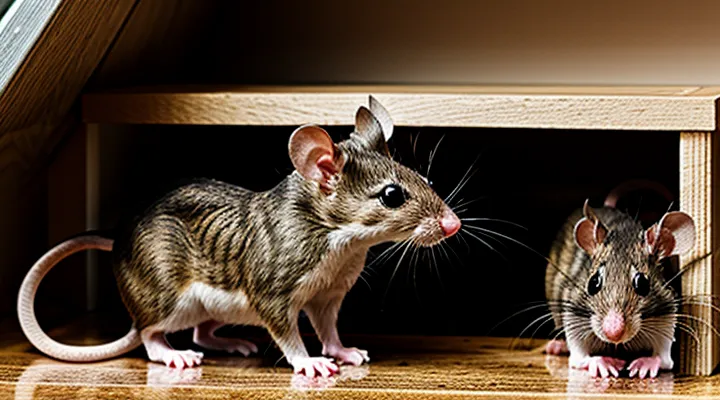
Understanding the Mice Problem in Wooden Houses
Why Wooden Houses Attract Mice
Entry Points and Vulnerabilities
Mice gain access to a wooden private house through gaps, cracks, and openings that connect the interior with the surrounding environment. The most frequent routes include:
- Gaps around exterior doors and windows, especially where weather‑stripping is worn or missing.
- Openings around utility penetrations such as pipes, cables, and vent ducts.
- Cracks in the foundation, siding, and roof eaves.
- Unsealed gaps under stairwells, crawl‑space vents, and attic hatches.
- Holes in the chimney flue or damaged chimney caps.
- Openings around garage doors, garage‑to‑house pass‑throughs, and sheds attached to the structure.
Each of these vulnerabilities provides a path for rodents to enter, locate shelter, and establish a breeding colony. Inspecting the building envelope with a flashlight and a piece of gauze or smoke can reveal hidden openings. Pay particular attention to areas where wood meets metal, where expansion joints exist, and where previous repairs have left uneven surfaces.
After identification, seal all openings using materials resistant to gnawing, such as steel wool, copper mesh, or cement‑based caulk. For larger gaps, install metal flashing or hardware cloth with a mesh size of no more than ¼ inch. Replace damaged weather‑stripping on doors and windows, and ensure that all vents are fitted with tight, rodent‑proof covers.
Regular maintenance—replacing deteriorated siding, repairing foundation cracks, and checking utility penetrations—prevents new entry points from forming. A systematic, ongoing inspection schedule reduces the risk of infestation by eliminating the structural weaknesses that mice exploit.
Food Sources and Shelter
Mice are attracted to any readily available nutrition and secure nesting sites within a timber-framed dwelling. Eliminate these incentives by securing all food items:
- Store dry goods, pet feed, and cereals in airtight containers.
- Clean up crumbs, spills, and residue from countertops, floors, and appliances after each use.
- Dispose of garbage in sealed bins and remove outdoor trash weekly.
- Keep birdseed, compost, and garden produce in locked sheds or elevated platforms away from the house.
Shelter opportunities arise from gaps, clutter, and structural defects. Reduce habitat suitability with the following actions:
- Seal cracks, holes, and gaps larger than ¼ inch in walls, foundations, and rooflines using steel wool, caulk, or metal flashing.
- Repair damaged siding, floorboards, and window frames to prevent entry points.
- Declutter attics, basements, and storage rooms; store items off the floor and away from walls.
- Trim vegetation, vines, and tree branches that contact the exterior, eliminating bridge routes to the roof.
By removing food sources and denying shelter, the environment becomes inhospitable, driving rodents away from the wooden private residence.
Identifying a Mouse Infestation
Signs of Mice Activity
Detecting mouse presence early prevents extensive damage to timber structures and stored provisions. Observable indicators reveal activity before infestations become severe.
- Small, dark droppings about 3‑5 mm long, often found along baseboards, behind appliances, or in pantry corners. Fresh droppings appear glossy; older ones dry and crumble.
- Gnaw marks on wood, insulation, or wiring, characterized by clean, parallel cuts roughly 2‑3 mm wide. Fresh gnawing leaves sharp edges, while older damage shows splintered fibers.
- Visible tracks in dusty areas, such as attics or crawl spaces. Tracks display a distinctive four‑toed imprint with a pronounced hind foot pad.
- Nests constructed from shredded paper, fabric, or insulation, typically located in concealed spots: wall cavities, under floorboards, or inside stored boxes.
- Scratching or scurrying sounds, especially at night, emanating from walls, ceilings, or floor joists.
- Chewed food packaging, especially plastic or paper bags, with torn seams and exposed contents.
- Small urine stains, often invisible to the naked eye, detectable with a blacklight; they emit a strong, ammonia‑like odor when concentrated.
Recognizing these signs enables prompt intervention, reducing the risk of structural compromise and health hazards associated with rodent infestations.
Locating Nests and Runways
Locating the points where mice establish nests and travel routes is a prerequisite for any effective control effort in a timber‑framed residence. Nests concentrate breeding activity, while runways provide the pathways that link food sources, water, and shelter. Identifying both structures enables targeted placement of traps, baits, and exclusion measures, reducing the population more efficiently than random interventions.
Typical indicators of nests and runways include:
- Small piles of shredded wood, insulation, or paper near concealed corners.
- Dark, greasy streaks along walls, baseboards, or beams.
- Fresh droppings, 3–5 mm long, found in clusters along linear paths.
- Scraped or gnawed edges on structural timber, especially near joists and rafters.
- Evidence of gnaw marks on wiring, piping, or vent covers.
Inspection steps:
- Conduct a systematic walk‑through, starting at the foundation and moving upward, focusing on concealed spaces such as crawl spaces, attics, and wall cavities.
- Use a flashlight to examine low‑light areas; a UV light reveals urine trails that often accompany runways.
- Probe suspected nesting material with a gloved hand to confirm presence of nesting debris or live occupants.
- Mark each confirmed site with a temporary label to guide subsequent treatment actions.
Once nests and runways are documented, position snap traps or bait stations directly on the identified pathways, and seal entry points within a 2‑foot radius of each nest to prevent re‑infestation. Continuous monitoring of these locations ensures rapid detection of new activity and allows immediate corrective measures.
Prevention Strategies
Sealing Entry Points
Inspecting the Exterior Foundation
Inspect the exterior foundation before any control measures. Begin by walking the perimeter at ground level, looking for gaps larger than a quarter‑inch. Record each opening, noting its location relative to doors, windows, and utility lines.
Examine the soil‑to‑wall interface. Soil that contacts the wooden siding creates a direct pathway for rodents. If soil touches the structure, grade the ground away from the house at a slope of at least six inches per ten feet.
Check for cracks in concrete footings, stone veneer, or masonry. Use a flashlight to reveal hairline fractures that may be hidden by vegetation. For each crack, measure width; any opening exceeding three‑millimetres requires sealing.
Inspect drainage components. Clogged gutters and downspouts cause water to pool near the foundation, softening soil and encouraging burrowing. Verify that downspouts discharge water at least three feet from the base of the building.
Identify potential entry points created by utility penetrations. Cable, pipe, and vent sleeves should fit tightly around the conduit. If gaps are present, insert stainless‑steel mesh or expandable foam designed for rodent exclusion.
Summarize findings in a checklist:
- Gaps > ¼ in (record position)
- Soil contact with siding (grade required)
- Cracks > 3 mm in footings or veneer (seal)
- Drainage issues (clear gutters, extend downspouts)
- Utility penetrations with gaps (seal)
Address each item systematically; sealing and grading eliminate the most common exterior routes rodents use to enter a wooden residence.
Addressing Gaps in Walls and Roof
Mice enter a wooden residence primarily through openings in the building envelope. Identify every breach in walls and the roof before sealing them. Use a flashlight and a mirror to inspect interior corners, attic joists, and exterior siding. Pay special attention to:
- Gaps around utility penetrations (pipes, cables, vent pipes)
- Cracks at the junction of wall sheathing and roof decking
- Openings left by removed vents, chimneys, or skylights
- Small holes created by rot or insect damage
Repair methods vary with the size and location of each opening. For gaps larger than ¼ inch, install steel mesh or copper flashing, then cover with exterior-grade caulk. For seams up to ¼ inch, apply expanding polyurethane foam that hardens and resists chewing. Seal all edges of foam with a thin layer of silicone sealant to prevent water infiltration. In the attic, replace damaged sheathing and install a continuous vapor barrier beneath the roofing material.
Maintain a regular inspection schedule. After initial sealing, re‑examine the structure quarterly, focusing on areas where weathering or settlement may create new gaps. Promptly address any deterioration to keep the envelope mouse‑tight.
Securing Vents and Pipes
Securing vents and pipes is essential for preventing rodents from entering a wooden residence. Mice exploit any opening larger than a quarter‑inch, so thorough inspection and sealing are mandatory.
Begin by examining all exterior vents, including attic, roof, and dryer exhausts. Identify gaps around vent covers, flashing, and the vent housing. Apply a combination of steel wool and copper mesh to fill openings, then reinforce with a high‑quality, rodent‑resistant caulk. For larger gaps, install stainless‑steel vent caps that snap shut automatically when pressure changes.
Next, address all utility penetrations. Locate where plumbing, electrical conduit, and gas lines pass through walls and foundations. Insert steel wool into the space, then encase it with expanding polyurethane foam formulated for pest resistance. Where foam is unsuitable—such as near heat sources—use metal flashing or silicone sealant designed for high temperatures.
Inspect crawl spaces and basement walls for cracks or holes around pipe sleeves. Use a concrete patch or mortar to fill structural cracks, and seal the perimeter of each pipe with a metal collar that expands to close any voids.
Maintain the integrity of the sealing measures. Schedule a semi‑annual walk‑through to verify that weathering has not compromised caulk or mesh, and replace any damaged components promptly.
Key actions:
- Inspect all exterior vents; seal gaps with steel wool, copper mesh, and rodent‑proof caulk.
- Install self‑closing vent caps on roof and dryer exhausts.
- Fill utility penetrations with steel wool and pest‑resistant expanding foam or metal flashing.
- Patch foundation cracks; fit expandable metal collars around pipes.
- Conduct biannual inspections; repair wear immediately.
By systematically securing vents and pipes, entry points are eliminated, reducing the likelihood of mouse infestation in a wooden private house.
Eliminating Food and Water Sources
Proper Food Storage
Proper food storage is essential for preventing mouse activity in a wooden residence. Food that is left exposed provides a reliable source of nutrition, encouraging rodents to infiltrate the structure. Secure storage eliminates this attraction and supports long‑term pest control.
Store all dry goods—cereals, grains, nuts, and pet food—in containers made of metal or thick plastic with airtight seals. Plastic bags should be replaced with rigid containers once the product is opened. Label each container with the purchase date to encourage regular rotation and avoid spoilage that can draw mice.
Maintain a clean pantry environment. Remove crumbs and spills immediately; wipe shelves with a mild disinfectant after each use. Dispose of waste in sealed bins that feature tight‑fitting lids. Empty the bins daily, especially during warmer months when rodent activity increases.
Implement the following routine:
- Inspect containers weekly for signs of damage or gaps.
- Transfer any opened packages to sealed storage within 24 hours.
- Clean pantry surfaces with a damp cloth after each shopping trip.
- Place trash cans away from food storage areas and secure lids tightly.
- Conduct a quarterly inventory to discard expired items.
By adhering to these practices, the home’s food supply becomes inaccessible to mice, reducing the likelihood of infestation and supporting overall rodent‑prevention efforts.
Maintaining Cleanliness
Clean environments reduce food sources that attract rodents. Store dry goods in sealed containers, discard crumbs promptly, and keep countertops free of residue. Regularly sweep floors, vacuum corners, and wipe surfaces with a mild disinfectant to eliminate scent trails.
- Remove pet food after each meal and keep bowls on a raised platform.
- Clean behind appliances, inside cabinets, and beneath furniture weekly.
- Dispose of garbage in tightly sealed bins; empty them at least twice a week.
- Wash dishes immediately; avoid leaving dishes in the sink overnight.
A tidy house deprives mice of sustenance and nesting material, making the wooden structure less inviting for infestation.
Repairing Leaky Pipes
Leaking water lines create damp wood, a preferred environment for rodents seeking shelter and food sources. Addressing pipe failures eliminates moisture, reduces structural damage, and removes a key attractant for mice in a timber residence.
Identify and isolate the source.
- Shut off the main water supply.
- Inspect visible sections of plumbing for drips, corrosion, or joint failure.
- Use a moisture meter or infrared camera to locate hidden leaks within walls or floors.
Repair or replace compromised components.
- Tighten loose fittings with appropriate wrenches; apply pipe thread sealant where needed.
- Cut out corroded sections; install new copper, PEX, or PVC pipe matching the existing system.
- Employ push‑fit or compression fittings for quick, leak‑free connections.
Seal surrounding wood.
- Dry the affected area thoroughly.
- Apply a water‑resistant wood filler or epoxy sealant to fill gaps around repaired sections.
- Finish with a moisture‑blocking paint or varnish to prevent future absorption.
Test the system.
- Restore water flow gradually, monitoring for any signs of seepage.
- Check joints and surrounding wood for condensation or pooling water over several hours.
Maintain vigilance.
- Schedule regular inspections of pipe integrity, especially in basements and crawl spaces.
- Install a water detection alarm near vulnerable areas to receive early warnings of new leaks.
By eliminating moisture sources through systematic pipe repair, the wooden house becomes less hospitable to rodents, supporting an overall strategy to keep mice out.
Housekeeping and Yard Maintenance
Decluttering Indoor Spaces
Removing rodents from a wooden residence requires eliminating shelter opportunities inside the structure. Clutter provides hiding places, nesting material, and pathways that facilitate infestation. Reducing indoor items to essential belongings directly limits the environment mice can exploit.
Start by assessing each room and removing unnecessary objects. Store seasonal items in sealed containers away from living spaces. Dispose of broken furniture, damaged insulation, and any material that can serve as a food source. Keep storage areas organized; items should be stacked off the floor and away from walls to prevent mice from nesting underneath.
Implement a systematic decluttering routine:
- Conduct a room‑by‑room sweep, categorizing items as keep, store, or discard.
- Place keep items on shelves that allow easy cleaning underneath.
- Transfer stored items to airtight bins with a minimum of one‑year shelf life for any organic material.
- Remove discarded items promptly, using sealed bags for waste that may attract rodents.
After clearing excess objects, maintain a clean floor surface. Vacuum daily, mop regularly, and wipe down countertops to eliminate crumbs. Ensure that all food is sealed in metal or heavy‑duty plastic containers; avoid leaving pet feed uncovered.
By restricting clutter, you remove the structural support mice need to establish colonies, making subsequent pest‑control measures more effective and reducing the likelihood of re‑infestation.
Managing Outdoor Vegetation
Effective control of rodents around a wooden dwelling begins with careful management of the surrounding plant life. Dense shrubs, overgrown lawns, and unmanaged garden beds create shelter and foraging routes that attract mice. Regular trimming reduces cover, limits access points, and forces potential pests to seek habitats farther from the building.
Key actions for vegetation management:
- Trim shrubs and hedges to a height of no more than 12 inches from the ground, maintaining a clear perimeter of at least three feet around the foundation.
- Keep grass mowed to 2–3 inches, removing clippings that could serve as food.
- Eliminate weeds and ground cover that hide nests; use mulches that do not retain moisture, such as gravel or coarse bark.
- Store firewood, compost, and garden tools on raised platforms or away from the house, ensuring they are not in direct contact with the ground.
- Inspect and prune tree branches that overhang the roof, preventing mice from using them as bridges to the attic.
Consistent application of these practices deprives mice of shelter and easy entry routes, thereby supporting broader rodent‑elimination efforts for the wooden residence.
Storing Firewood Properly
Storing firewood correctly reduces the likelihood that rodents will find shelter or food inside a wooden residence. Keep the pile away from the house foundation, preferably at least three meters from any wall, and elevate it on a solid platform that prevents direct contact with soil.
- Use raised racks or pallets made of metal or treated wood; ensure the surface is smooth and free of gaps.
- Cover the top of the stack with a waterproof tarp, leaving the sides open for airflow to avoid moisture buildup.
- Arrange logs in a single layer or with limited overlap; a compact stack eliminates hidden voids where mice can nest.
- Position the firewood in a sunny, well‑ventilated area; sunlight and air circulation deter infestations.
- Rotate the stock regularly, placing newer wood at the bottom and older pieces on top to promote even drying and early removal of any compromised logs.
Inspect the stored wood monthly for signs of gnawing, droppings, or nesting material. Replace damaged pieces promptly and maintain the surrounding area clear of debris and vegetation that could serve as a bridge for rodents to reach the house. Consistent application of these measures helps protect a wooden dwelling from mouse intrusion.
Elimination Methods
Trapping Techniques
Snap Traps
Snap traps provide a direct, mechanical solution for removing rodents from timber dwellings. The device consists of a spring‑loaded bar that snaps shut when the mouse contacts a trigger plate, delivering an immediate kill. This method eliminates the need for chemicals and reduces the risk of contaminating food storage areas.
Effective deployment requires attention to placement, bait selection, and timing.
- Position traps along walls, behind appliances, and near known gnawing sites; mice travel close to vertical surfaces.
- Use a small amount of high‑fat bait such as peanut butter, cheese, or sunflower seeds to attract the animal without encouraging excessive foraging.
- Set traps in the evening when mouse activity peaks, and check them early the following morning to prevent decomposition.
Safety measures are essential in occupied homes. Keep traps out of reach of children and domestic pets; consider using enclosed snap‑trap designs that conceal the spring mechanism. Wear thick gloves when handling captured specimens to avoid accidental injury.
Regular maintenance prolongs trap performance. Replace worn trigger plates, replenish bait, and dispose of dead rodents in sealed bags before discarding them in an outdoor trash container. Cleaning the trap surface with mild detergent prevents scent buildup that could deter future captures.
When applied consistently, snap traps reduce mouse populations quickly and maintain a hygienic environment in wooden residences.
Live Traps
Live traps provide a humane method for removing mice from a wooden private residence. These devices capture rodents without killing them, allowing owners to release the animals far from the property.
When choosing a live trap, prioritize models with a sturdy metal or heavy‑duty plastic frame, a spring‑loaded door, and a secure latch that closes automatically when the mouse enters. Traps sized 4–6 inches long accommodate adult house mice while preventing escape.
Effective placement follows a few principles:
- Position traps along walls, behind baseboards, and near known activity sites such as droppings or gnaw marks.
- Set traps at a height of 2–4 inches off the floor, matching the typical travel path of mice.
- Use attractive bait, such as peanut butter, sunflower seeds, or bits of cheese, placed on the trigger plate.
- Ensure the trap is stable; a wobbling device reduces capture rates.
After a mouse is caught, handle the trap with gloves, cover it with a cloth, and transport it at least two miles away from the house. Release the animal in a wooded or field area, preferably near natural cover. Clean the trap with mild detergent and hot water before reuse to eliminate scent trails that could deter future captures.
Regular monitoring is essential. Check traps at least twice daily; a trapped mouse left unattended may die from stress or dehydration, negating the humane intent. Replace bait as needed and rotate trap locations to target new activity zones.
Integrating live traps with complementary measures—sealing entry points, removing food sources, and maintaining low indoor humidity—enhances overall rodent control in a wooden structure.
Placement Strategies
Effective placement of control devices determines success when removing rodents from a wooden residence. Position traps along established runways, typically within 1–2 feet of walls, near baseboards, and behind appliances. Locate bait stations where droppings or gnaw marks appear, ensuring they are inaccessible to children and pets. Seal identified entry points before deploying devices; use steel wool or copper mesh combined with caulking to block gaps around pipes, vents, and foundation cracks. Install motion‑activated deterrents in attic spaces and crawl‑spaces, aiming them at corners and junctions where mice congregate. Rotate trap locations weekly to prevent habituation and maintain pressure on the population. Monitor each device daily, record captures, and adjust placement based on activity patterns. This systematic approach maximizes coverage, reduces reinfestation risk, and accelerates eradication.
Baits and Rodenticides
Types of Baits
Effective mouse control in a wooden residence relies on selecting the appropriate bait. Different bait categories address various mouse behaviors and environmental constraints.
- Food-based baits: Peanut butter, chocolate, and dried fruit provide strong olfactory cues. They attract foraging mice and are suitable for indoor placement where food residues are common.
- Protein baits: Dried fish, canned meat, or commercial rodent protein pellets target omnivorous tendencies. Ideal for areas near kitchens or garages where protein odors are present.
- Grain baits: Wheat, cornmeal, and sunflower seeds appeal to seed‑eating rodents. Useful in storage rooms, basements, or attics where grains may be stored.
- Synthetic baits: Commercially formulated rodenticide blocks combine attractants with anticoagulant or neurotoxic agents. Designed for long‑term effectiveness and reduced bait shyness.
- Non‑toxic baits: Live‑catch traps loaded with cheese or oatmeal serve households preferring humane solutions. Provide immediate visual confirmation of capture.
Placement considerations enhance bait performance. Position baits along walls, behind appliances, and near known entry points. Secure baits in tamper‑resistant stations to protect children and pets. Replace or refresh baits every two to three days to maintain potency and prevent spoilage. Monitoring bait activity informs adjustments in type or location, ensuring sustained reduction of the mouse population.
Safe Application and Disposal
When treating a wooden residence for rodents, protect occupants and the structure by following precise application and disposal protocols.
Apply rodenticides only in sealed bait stations that prevent access by children, pets, and non‑target wildlife. Place stations along walls, behind appliances, and in concealed gaps where mouse activity is confirmed. Use the minimum effective dose; label instructions must be observed without deviation. Wear disposable gloves, a mask, and protective eyewear during handling to avoid skin contact and inhalation of dust.
After the infestation is resolved, remove all bait stations and any unused product. Transfer contents to a sealed, puncture‑proof container. Do not discard chemicals in regular trash or down drains. Follow local hazardous‑waste regulations: deliver the sealed container to an authorized collection point or arrange for a licensed disposal service. Clean the area with a mild detergent solution, then rinse with water to eliminate residue that could attract other pests.
Key safety steps:
- Wear appropriate personal protective equipment (gloves, mask, goggles).
- Use tamper‑resistant bait stations; avoid open containers.
- Record locations of each station for later retrieval.
- Store unused bait in its original, sealed packaging until disposal.
- Dispose of all waste through a certified hazardous‑waste program.
Adhering to these measures ensures effective rodent control while safeguarding human health, pets, and the wooden framework of the home.
Risks and Precautions
Rodent control in a timber‑framed residence presents several hazards that can affect occupants, the structure, and the environment.
- Damage to insulation and wiring caused by gnawing, increasing fire risk.
- Contamination of food supplies and surfaces with urine, feces, and pathogens such as hantavirus and salmonella.
- Exposure to toxic chemicals when using rodenticides or fumigants, potentially harming children, pets, and non‑target wildlife.
- Structural weakening from burrows in joists, floorboards, and wall cavities, leading to costly repairs.
- Allergic reactions or respiratory irritation from dust, mold, or rodent allergens stirred up during treatment.
Mitigation measures must be applied systematically:
- Seal entry points with steel wool, metal flashing, or caulking to prevent re‑infestation.
- Install snap traps or electronic devices in concealed locations, positioning them away from food preparation areas.
- Use low‑toxicity baits, stored in tamper‑resistant containers, and follow label instructions precisely.
- Conduct thorough cleaning of contaminated zones with disinfectants approved for zoonotic agents; dispose of waste in sealed bags.
- Inspect electrical and insulation systems after removal; replace compromised components before restoration.
- Wear protective gloves, goggles, and a fitted respirator when handling traps, baits, or cleaning agents.
- Document all actions, maintain a schedule for regular inspections, and adjust strategies based on monitoring results.
Natural Repellents
Essential Oils
Essential oils provide a natural, scent‑based deterrent for rodents inhabiting timber structures. Their volatile compounds overwhelm mice’s sensitive olfactory system, prompting avoidance of treated areas.
- Peppermint oil – high menthol concentration; strong, irritating aroma for rodents.
- Clove oil – eugenol content disrupts sensory perception.
- Eucalyptus oil – cineole‑rich vapors act as repellent.
- Citronella oil – lemon‑grass scent creates an unfavorable environment.
- Lavender oil – linalool component adds supplementary deterrence.
To apply, follow these steps:
- Dilute each oil in water at a ratio of 10 ml oil to 500 ml water; optional addition of a few drops of dish‑soap improves dispersion.
- Soak cotton balls or small fabric patches in the solution.
- Place soaked items near known entry points, gaps in siding, attic vents, and along interior wall junctions.
- Refresh the material every 48‑72 hours, or after cleaning or heavy rain exposure.
Safety considerations include testing a small area for surface reactions, keeping solutions out of reach of children and pets, and avoiding direct skin contact without gloves. Essential oils diminish in potency over weeks; regular replacement ensures continuous rodent deterrence.
Plant-Based Solutions
Plant-derived repellents provide an effective, non‑chemical approach to deter rodents from timber structures. Essential oils rich in menthol, such as peppermint, interfere with mouse olfactory receptors; a few drops diluted in water and applied to entry points, baseboards, and interior corners create a hostile scent barrier. Dried lavender, sage, or rosemary placed in sachets along walls and under floorboards releases volatile compounds that mice avoid, while also resisting mold growth in humid wood.
Strategic landscaping further reduces infestation risk. Cultivating mint, rosemary, or marigold around the perimeter creates a peripheral deterrent zone; regular pruning prevents these plants from becoming shelter for pests. Ground‑level applications of crushed garlic or hot pepper flakes mixed with sawdust can be sprinkled in crawl spaces, where the strong odor and irritant properties discourage nesting. When using powdered deterrents, distribute a thin layer under joists and seal with a breathable fabric to maintain effectiveness without compromising structural ventilation.
Common plant-based deterrents and recommended usage
- Peppermint oil: 10 ml per liter of water; spray every 48 hours on wood surfaces and gaps.
- Dried lavender sachets: replace monthly; position inside closets, kitchen cabinets, and attic corners.
- Crushed garlic cloves: 200 g per square meter; embed in sawdust and place in crawl spaces.
- Hot pepper flakes: 50 g per square meter; scatter under floorboards and seal with mesh.
- Fresh rosemary sprigs: arrange in bundles; attach to exterior eaves and door frames, replace quarterly.
Ultrasonic Devices
Ultrasonic devices emit high‑frequency sound waves that are inaudible to humans but disturb the nervous system of mice, prompting them to vacate the area. The technology relies on frequencies typically between 20 kHz and 65 kHz, which cause discomfort without harming the animals.
Effective deployment in a wooden residence requires strategic placement. Position units near entry points, along walls, and in concealed spaces such as attic corners or crawl‑space openings. Ensure each device covers a radius of 15–20 feet; overlapping zones prevent blind spots where rodents could hide. Power sources should be stable, and devices must be mounted away from direct sunlight or moisture, which can degrade performance.
Limitations include reduced efficacy when obstacles block sound propagation, and habituation if the same frequency is used continuously. To mitigate these issues, rotate devices with different frequency ranges or use models that automatically cycle through multiple tones. Regularly clean speaker grills to maintain output strength.
Key considerations:
- Frequency range (20 kHz–65 kHz) matched to target species
- Coverage area per unit (≈ 15 ft radius)
- Placement near entry points and concealed spaces
- Power stability and protection from environmental factors
- Periodic frequency rotation to prevent habituation
- Maintenance schedule for cleaning and battery replacement
When integrated with sealing of entry gaps and proper sanitation, ultrasonic devices provide a non‑chemical, low‑maintenance component of a comprehensive rodent‑exclusion strategy for wooden homes.
Post-Elimination and Long-Term Management
Cleaning and Sanitization
Disinfecting Contaminated Areas
Disinfecting areas contaminated by mouse activity is essential for preventing disease transmission and deterring future infestations. Begin by locating all sites with droppings, urine stains, or gnaw marks, paying special attention to corners, pantry shelves, insulation gaps, and behind appliances.
- Wear gloves, a mask, and eye protection before handling any material.
- Remove visible debris with a disposable cloth; place the cloth in a sealed bag for disposal.
- Prepare a disinfectant solution—use a 1:10 dilution of household bleach (5.25% sodium hypochlorite) or a commercial quaternary ammonium product according to the manufacturer’s instructions.
- Apply the solution thoroughly to the contaminated surface, ensuring complete coverage of crevices and porous wood.
- Maintain the recommended contact time, typically 10 minutes for bleach and 5 minutes for quaternary compounds, to achieve full microbial kill.
- Rinse with clean water if the disinfectant leaves a residue that could damage wood finishes; allow the area to dry completely.
- Increase ventilation by opening windows or using fans to disperse fumes and moisture.
After treatment, inspect the area for remaining stains. Repeat the disinfection process if any signs persist. Store all protective equipment and cleaning supplies out of reach of children and pets. Regularly schedule inspections and spot treatments to keep the wooden residence free from rodent‑related contamination.
Removing Droppings and Urine
Droppings and urine left by rodents create health risks, attract additional pests, and generate persistent odors that compromise the habitability of a wooden residence. Immediate removal eliminates disease vectors, reduces scent cues that encourage re‑infestation, and prepares surfaces for thorough sanitation.
Before beginning, equip yourself with disposable gloves, a N‑95 respirator, and eye protection. Open windows or use a portable exhaust fan to increase airflow and prevent inhalation of aerosolized particles. Seal off the work area with plastic sheeting if possible.
- Collect solid waste with paper towels or disposable cloths; place material directly into a heavy‑duty trash bag, expel air, and tie the bag tightly.
- Saturate droppings and urine stains with an enzymatic cleaner or a 10 % bleach solution; allow the liquid to soak for at least five minutes to detach organic matter.
- Scrub the affected area using a stiff‑bristled brush; avoid dry sweeping, which can disperse particles into the air.
- Rinse the surface with clean water, then apply a registered disinfectant (e.g., hydrogen peroxide‑based or quaternary ammonium compound) according to the manufacturer’s contact time.
- Dispose of all cleaning implements in sealed bags; wash reusable tools with hot, soapy water before storage.
After treatment, let the cleaned surface dry completely. Conduct a visual inspection to confirm that no residue remains. Repeat the process in any adjacent rooms where signs of contamination are detected. Maintaining a schedule of regular inspections and prompt waste removal prevents the buildup of rodent by‑products and supports long‑term rodent‑free conditions in the wooden house.
Preventing Odors
Effective odor control is essential when addressing rodent infestations in timber residences. Unpleasant smells attract pests, mask early signs of activity, and create discomfort for occupants. Managing odors simultaneously reduces the likelihood of re‑infestation and improves indoor air quality.
- Seal cracks, gaps, and openings in walls, floors, and roof structures to block entry and prevent waste accumulation.
- Store food in airtight containers; dispose of garbage in sealed bins and remove trash regularly.
- Clean surfaces with enzymatic cleaners that break down urine, droppings, and food residues.
- Place traps or bait stations in concealed locations; remove dead rodents promptly to eliminate decay odors.
- Install metal or concrete barriers beneath foundation joists to block nesting material from contacting the wood.
Enhance ventilation by installing exhaust fans or opening windows after cleaning. Use natural odor absorbers such as activated charcoal, baking soda, or cedar shavings in areas prone to moisture. Apply a mild, non‑toxic deodorizing spray after each cleaning cycle to maintain a neutral scent environment. Regular inspection and maintenance of these measures sustain odor‑free conditions while supporting long‑term rodent control.
Ongoing Monitoring
Regular Inspections
Regular inspections are essential for maintaining a mouse‑free wooden residence. They provide early detection of entry points, nesting activity, and signs of damage, allowing swift corrective measures before infestations spread.
Inspect the exterior weekly during warm months and monthly in colder periods. Focus on:
- Gaps around doors, windows, and utility penetrations; seal with steel wool and caulk.
- Cracks in siding, foundation, and roof sheathing; repair using appropriate wood filler or metal flashing.
- Openings around vents, chimney flues, and eaves; install mesh screens or metal covers.
- Areas where insulation contacts the exterior; ensure it is intact and not exposed.
Inside the house, conduct a thorough walk‑through at least once a month. Look for:
- Droppings, urine stains, or gnaw marks on beams, baseboards, and cabinetry.
- Accumulated debris or shredded material in corners, attics, and crawl spaces.
- Fresh gnaw holes in wooden structures, especially near food storage or water sources.
- Unusual noises, especially at night, indicating active movement.
Document findings on a simple log, noting location, type of evidence, and corrective action taken. A consistent record helps identify patterns, prioritize repairs, and evaluate the effectiveness of preventive measures.
When inspections reveal damage, repair promptly and re‑seal the affected area. Replace compromised wood sections if necessary, as gnawed timber can weaken structural integrity.
Integrating systematic inspections with other control tactics—such as exclusion, sanitation, and trapping—creates a comprehensive strategy that minimizes mouse activity in wooden homes.
Maintaining Prevention Measures
Maintaining effective prevention measures is essential for keeping a wooden residence free of rodents over the long term. Regular assessment of the building’s envelope identifies new gaps caused by weathering, settling, or renovation work. Seal all openings larger than ¼ inch with steel wool, caulk, or hardware cloth; replace damaged siding, flashing, or foundation vents promptly.
Implement a routine inspection schedule:
- Examine attic, crawl spaces, and basements monthly for droppings, gnaw marks, or nesting material.
- Check exterior walls, eaves, and rooflines for cracks or holes after storms.
- Verify that doors and windows close tightly; install door sweeps where needed.
Maintain a clean environment that deprives mice of food and shelter:
- Store grains, pet food, and dry goods in sealed metal containers.
- Remove spilled crumbs and residues from countertops, floors, and appliances daily.
- Keep garbage bins covered and empty them regularly.
- Trim vegetation, tree branches, and shrubs at least 12 inches from the house to eliminate bridge pathways.
Sustain trap and bait efficacy:
- Position snap traps or electronic devices along established travel routes; reset or replace them after each catch.
- Rotate bait types quarterly to prevent habituation.
- Dispose of captured rodents according to local health regulations to avoid attracting predators.
Document all observations, repairs, and actions in a simple log. Review the record quarterly to detect patterns and adjust strategies before infestations develop. Consistent application of these practices preserves the structural integrity of a wooden home and prevents recurring mouse problems.
When to Call a Professional
Severe Infestations
Severe mouse infestations in a timber residence present immediate structural and health threats. Evidence of a heavy population includes extensive gnaw marks on beams, large droppings piles, nests built in wall cavities, and audible activity throughout the night.
The first priority is to halt further damage. Close all exterior openings larger than a quarter inch, focusing on gaps around doors, windows, utility penetrations, and the foundation. Seal cracks with steel wool followed by caulking or hardware cloth to prevent re‑entry.
Next, reduce the existing population. Implement a three‑stage approach:
- Trapping – Deploy snap traps or electronic devices along established runways, near walls, and in concealed areas. Use bait such as peanut butter or dried fruit; check and replace traps daily.
- Baiting – Apply anticoagulant or non‑anticoagulant rodenticides in tamper‑resistant stations positioned away from children and pets. Follow label instructions for dosage and placement.
- Exclusion – After capture or poisoning, repair damaged wood and replace compromised structural elements. Install metal flashing or cement‑based sealants around vulnerable points.
Sanitation measures support control efforts. Remove food sources by storing grains, cereals, and pet feed in airtight containers. Clean crumbs and spills promptly, and eliminate standing water.
Finally, monitor progress. Place motion‑activated cameras or infrared detectors to confirm activity cessation. Conduct weekly inspections for new signs of gnawing or droppings for at least one month before declaring the problem resolved. Continuous vigilance prevents recurrence and safeguards the wooden framework.
Recurring Problems
Mice infestations in timber homes often reappear despite initial control efforts. The most common sources of recurrence include:
- Unsealed entry points – gaps around windows, doors, utility penetrations, and roof eaves that were not fully blocked allow new intruders to enter.
- Improper waste management – food scraps, pet feed, and compost stored near the structure provide a continuous attractant.
- Insufficient habitat modification – untreated wood, stored firewood, and clutter create nesting sites that support population growth.
- Incomplete baiting or trapping – single‑dose poison or isolated traps fail to reach hidden individuals, leaving survivors to repopulate.
- Seasonal migrations – temperature changes drive rodents to seek shelter, prompting influxes during fall and winter.
Addressing each factor systematically prevents the cycle of re‑infestation. Seal all openings with steel wool or caulk, relocate waste containers to sealed bins, remove or elevate combustible wood piles, and maintain a clutter‑free interior. Deploy a combination of snap traps and regulated bait stations, monitoring placement weekly and replacing as needed. Finally, schedule a quarterly inspection after the first year to verify that all preventive measures remain effective.
Health Concerns
Mice inhabiting a wooden residence pose several direct health hazards. They contaminate surfaces and food supplies with urine, feces, and saliva, which contain pathogens such as Salmonella, Leptospira, and hantavirus. Inhalation of aerosolized particles from dried droppings can trigger respiratory infections and allergic reactions. Skin contact with contaminated materials may cause dermatitis or secondary bacterial infections.
Rodent control methods introduce additional risks. Chemical baits contain anticoagulants that can be ingested accidentally by children, pets, or non‑target wildlife, leading to internal bleeding and organ damage. Placement of traps near living areas increases the chance of injury from snap mechanisms. Non‑chemical approaches, such as sealing entry points, reduce exposure to toxic substances but may concentrate mouse activity in confined spaces, heightening the density of contaminant buildup.
Key health considerations include:
- Disease transmission – direct contact or ingestion of contaminated material.
- Allergen exposure – proteins in mouse urine and dander exacerbate asthma and allergic rhinitis.
- Toxin hazards – accidental poisoning from anticoagulant baits or secondary poisoning of predators.
- Psychological stress – persistent infestations can elevate cortisol levels, affecting overall well‑being.
Mitigation strategies should prioritize sanitation, proper bait placement, and regular monitoring. Cleaning protocols must involve wearing gloves, masks, and disposable coveralls, followed by thorough disinfection of surfaces where droppings are found. Safe removal of dead rodents and prompt disposal prevent secondary contamination. Implementing these measures minimizes the health impact while addressing the rodent problem in a wooden private dwelling.