
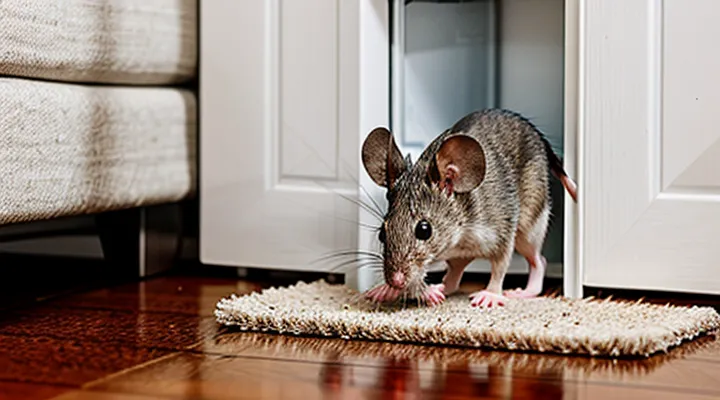
Understanding the Mouse Problem
Signs of a Mouse Infestation
Droppings
Droppings are the most immediate sign that a rodent is present in a room. They appear as small, dark, pellet‑shaped deposits, typically 5‑10 mm long, with a tapered end. Fresh droppings are glossy; older ones become dry and crumbly. Identifying droppings accurately is essential for confirming an infestation and planning removal actions.
Health risks associated with rodent excrement include transmission of Hantavirus, salmonella, and leptospirosis. Inhalation of dried particles can cause respiratory irritation. Direct contact may lead to skin infections. Therefore, handling droppings requires protective equipment: disposable gloves, a N95 mask, and eye protection.
Effective cleaning protocol:
- Ventilate the area for at least 15 minutes, closing doors to prevent dust spread.
- Dampen droppings with a disinfectant solution (e.g., 1 % bleach) to reduce aerosolization.
- Use a disposable paper towel or a mop to collect the moist material; place it in a sealed plastic bag.
- Apply the same disinfectant to the surrounding surface; let it sit for 10 minutes.
- Dispose of the sealed bag in an outdoor trash container; wash hands thoroughly after removing gloves.
Preventive measures focus on eliminating the conditions that encourage droppings:
- Seal cracks, gaps, and openings larger than ¼ inch to block entry points.
- Store food in airtight containers; remove crumbs and spills promptly.
- Reduce clutter that provides hiding places for rodents.
- Install snap traps or electronic devices near identified droppings to capture the source.
Regular inspection of corners, behind appliances, and under furniture for fresh droppings will reveal early activity. Prompt cleaning and targeted trapping reduce the likelihood of a full‑scale infestation.
Gnaw Marks
Gnaw marks are the distinctive bite impressions left by rodents on wood, plastic, wiring, or insulation. They appear as shallow, crescent‑shaped cuts with rough edges, often clustered near corners, baseboards, or behind appliances.
These marks confirm active presence, reveal preferred travel routes, and indicate which materials the animal can breach. Recognizing the pattern helps prioritize intervention points and select appropriate control devices.
Assess gnaw marks by measuring width (typically 2–4 mm for mice), noting the material type, and mapping their distribution on a floor plan. Compare fresh, clean cuts with older, weathered ones to gauge recent activity.
Use the assessment to:
- Seal identified entry routes with steel wool, caulk, or metal flashing.
- Position snap traps or live‑capture devices along the mapped pathways.
- Place bait stations near the most heavily damaged zones, ensuring they are inaccessible to non‑target species.
Continue monitoring for new gnaw marks after sealing and trapping. Record any fresh impressions; if they appear, repeat the sealing and trapping cycle until no new activity is detected. This systematic approach reduces the likelihood of re‑infestation and eliminates the rodent threat efficiently.
Scratching Noises
Scratching sounds often reveal a mouse’s activity zones. The noise typically originates from gnawing on insulation, wall panels, or stored items. Pinpointing the exact location reduces inspection time and limits disruption.
To interpret scratching noises effectively:
- Observe the time pattern; frequent sounds at night indicate nocturnal foraging.
- Follow the sound to the nearest wall or ceiling cavity.
- Look for fresh droppings, gnaw marks, or shredded material near the source.
Once the area is identified, apply targeted control measures:
- Seal entry points with steel wool or silicone caulk to prevent re‑entry.
- Place snap traps or electronic traps directly in the identified pathway.
- Deploy a concentrated bait station, ensuring it is positioned away from children and pets.
- Use ultrasonic repellers sparingly; effectiveness varies and they should complement, not replace, physical traps.
After trapping, monitor the room for residual scratching. Absence of noise for 48 hours confirms successful removal; persistent sounds suggest additional concealment sites requiring further inspection.
Unpleasant Odors
Unpleasant odors often signal a mouse presence and can persist long after the animal is gone. The scent originates from urine, feces, and secretions that coat surfaces, fabrics, and ventilation ducts. Ignoring these smells allows bacteria to multiply, creating health hazards and attracting additional pests.
Identify contaminated zones by locating dark, damp spots and following the odor’s intensity. Use disposable gloves and a mask to prevent exposure while inspecting walls, cabinets, and hidden corners.
Address the odor in three steps:
- Remove waste: Vacuum or sweep all visible droppings, then seal the collected material in a plastic bag for disposal.
- Sanitize surfaces: Apply an enzymatic cleaner to break down organic residues; allow the solution to dwell for the manufacturer‑recommended time before wiping dry.
- Deodorize air: Place activated charcoal or ozone generators in the room for several hours, ensuring proper ventilation after treatment.
After cleaning, seal entry points with steel wool and caulk to stop future infestations. Regularly inspect the area for new deposits, and repeat the sanitation process immediately if any appear. This systematic approach eliminates odor sources, reduces health risks, and supports long‑term rodent control.
Why Mice Are a Problem
Health Risks
Mice in indoor environments carry pathogens that can affect human health. Direct contact with droppings, urine, or saliva may transmit hantavirus, salmonella, and leptospirosis. Inhalation of aerosolized particles from disturbed droppings can cause respiratory irritation and allergic reactions. Skin exposure to contaminated surfaces increases the risk of bacterial infections.
When attempting rodent removal, several health hazards arise:
- Use of snap traps or glue boards may cause accidental injury to occupants, especially children.
- Chemical rodenticides pose poisoning risks through ingestion, dermal contact, or secondary exposure when predators consume poisoned mice.
- Ultrasonic repellents emit high‑frequency sounds that can affect hearing sensitivity in vulnerable individuals.
- Improper cleaning of infested areas can spread dust laden with allergens and microbes.
Mitigation measures include wearing disposable gloves and masks during handling, ventilating the room before cleaning, selecting non‑toxic traps, and disposing of waste in sealed containers. Follow manufacturer instructions for any chemical agents and keep them out of reach of non‑target species. Regular sanitation and sealing entry points reduce the likelihood of future infestations and associated health threats.
Property Damage
Mice cause extensive property damage that can compromise safety and increase repair costs. Their gnawing habit targets electrical wiring, creating fire hazards, and damages insulation, reducing energy efficiency. They breach stored food containers, leading to contamination and costly waste. Their nests stress structural components, such as drywall and flooring, creating holes and weakening surfaces.
Effective rodent removal must address the damage they cause. Recommended actions include:
- Inspect walls, ceilings, and baseboards for chew marks and holes; seal openings with steel wool and caulk.
- Replace compromised wiring and damaged insulation promptly to restore safety standards.
- Discard contaminated food and clean affected areas with disinfectant to prevent disease spread.
- Use snap traps or live‑catch traps placed near identified activity zones; monitor and reset traps daily.
- After capture, repair holes with appropriate materials, reinforce vulnerable points, and consider installing rodent‑proof barriers such as metal mesh.
Prompt remediation of mouse‑induced damage reduces long‑term expenses and restores the room’s integrity while the infestation is being eliminated.
Preparing for Mouse Elimination
Identifying Entry Points
Cracks in Walls
Cracks in walls provide the most common route for rodents to enter an indoor space. Even hairline fissures can accommodate a mouse’s slender body, allowing it to bypass traps and barriers placed elsewhere.
Detecting these openings requires visual inspection along baseboards, behind appliances, and around windows. Use a flashlight to reveal shadows, and run a thin piece of paper or a smoke pencil along suspect lines; movement or displacement indicates a passage.
Sealing cracks eliminates the primary access point and enhances the effectiveness of any bait or trapping system. Recommended steps:
- Clean the area to remove dust and debris.
- Apply a high‑quality silicone or acrylic caulk, pressing it into the fissure with a putty knife.
- For larger gaps, insert steel wool or copper mesh before caulking to block chewing.
- Allow the sealant to cure fully according to manufacturer instructions before re‑installing furniture or fixtures.
Integrating wall‑repair work with other control measures—such as proper food storage, regular cleaning, and strategic trap placement—creates a comprehensive barrier that prevents re‑entry and reduces the likelihood of infestation recurrence.
Gaps Around Pipes
Gaps surrounding plumbing fixtures create direct pathways for rodents to enter a room. Even narrow openings of a few millimeters allow a mouse to slip through, compromising any other control measures. Identifying and sealing these gaps eliminates one of the most common entry points.
- Inspect the perimeter of all visible pipes, including water, gas, and drainage lines.
- Use a flashlight to detect dark crevices behind cabinets, under sinks, and along walls.
- Measure each opening; gaps larger than ¼ inch require immediate remediation.
Sealants and materials must suit the pipe type and surrounding structure. Expanding polyurethane foam works well for irregular spaces, while steel wool combined with caulk provides a durable barrier for larger gaps. For metal or concrete walls, install metal or PVC collars that fit tightly around the pipe and are anchored with construction adhesive. Ensure the chosen product is rodent‑resistant and compatible with any temperature fluctuations.
Regular maintenance preserves the integrity of the seal. Re‑inspect pipe junctions quarterly, especially after renovations or plumbing repairs. Replace compromised filler material promptly, and verify that no new gaps have formed due to settling or wear. Consistent attention to these details prevents re‑entry and supports overall rodent management in the space.
Damaged Screens
Mice often gnaw on the edges of computer or television screens, leaving cracks, scratches, or missing panels. Such damage signals an active infestation and creates additional pathways for rodents to move unnoticed.
A compromised display reduces the effectiveness of visual monitoring devices and can conceal bait stations or traps. The loss of structural integrity also increases the risk of further equipment failure, which may distract from pest‑control efforts.
- Examine every screen in the room for signs of gnawing, loose hinges, or broken glass.
- Seal cracks with a durable, rodent‑proof material such as metal mesh or epoxy.
- Replace severely damaged screens to restore a solid barrier and improve visibility of control measures.
- Install protective covers or acrylic shields on vulnerable devices to deter chewing.
- Relocate bait or traps away from damaged screens to prevent mice from using the broken area as a hiding spot.
Restoring screen integrity eliminates a common entry point, enhances detection of rodent activity, and supports the overall strategy for removing mice from the environment.
Cleaning and Decluttering
Removing Food Sources
Secure food storage is the first barrier against rodent activity. Place all dry goods in airtight containers made of glass, metal, or heavy‑wall plastic. Verify that lids close tightly; any gaps allow scent to escape.
Eliminate accidental spills promptly. Sweep floors, wipe countertops, and vacuum upholstery after each meal. Dispose of crumbs in a trash can with a fitted lid; empty the can regularly to prevent buildup.
Manage waste effectively. Use bins with tight‑closing lids, line them with heavy‑duty bags, and remove bags from the room at least daily. Keep recycling containers clean; rinse bottles and cans before disposal.
Control pet feeding habits. Offer measured portions in sealed feeders and remove leftovers within 30 minutes. Store pet food in the same airtight containers used for human supplies.
Inspect and seal entry points for food odors. Repair damaged screens, seal cracks around pipes, and apply weatherstripping to doors to block scent migration.
Maintain a regular inspection schedule. Weekly, check for hidden food sources such as forgotten snacks behind appliances, under furniture, or in rarely used storage areas. Remove any discovered items immediately.
By systematically removing all potential food supplies, the environment becomes inhospitable, reducing the likelihood of mouse presence and supporting long‑term eradication efforts.
Eliminating Hiding Spots
Eliminating hiding places deprives a rodent of safety and access, making control measures far more effective. Begin by inspecting all structural elements; seal gaps larger than ¼ inch with steel wool, caulk, or expanding foam. Replace damaged vent covers and install door sweeps to block entry points.
Remove clutter that offers concealment. Store boxes, papers, and fabrics off the floor, and keep storage areas organized. Trim back furniture that touches walls, creating a gap where a mouse could nest.
Secure food sources. Place pantry items in airtight containers, clean crumbs from countertops, and empty pet‑food dishes after each feeding. Dispose of garbage in sealed bins and remove recycling materials that have been left open.
Maintain a clean environment. Vacuum regularly, especially under appliances and in corners, to eliminate droppings and scent trails that attract rodents.
Key actions
- Inspect and seal all exterior and interior openings.
- Declutter floor space and keep storage units away from walls.
- Use airtight containers for all food and eliminate spills promptly.
- Keep waste containers tightly sealed and remove recyclables regularly.
- Perform routine cleaning to erase attractants.
By systematically removing each potential refuge, the room becomes inhospitable, forcing the mouse to seek elsewhere and increasing the likelihood of successful eradication.
Methods for Mouse Elimination
Trapping Methods
Snap Traps
Snap traps provide a rapid, lethal solution for removing rodents from indoor spaces. The mechanism consists of a spring‑loaded bar that clamps shut when a mouse triggers a baited trigger plate. This design ensures immediate incapacitation, preventing prolonged suffering and reducing the chance of escape.
Effective deployment requires strategic placement. Mice travel along walls, behind furniture, and near food sources; positioning traps along these pathways maximizes contact. Recommended locations include:
- Inside wall corners, with the trigger end facing the wall.
- Behind appliances such as refrigerators and stoves.
- Near known droppings or gnaw marks.
- Adjacent to baseboards where mice can move unnoticed.
Proper bait selection influences capture rates. High‑protein options—peanut butter, canned fish, or small pieces of cheese—retain scent and attract rodents. Apply a pea‑sized amount to the trigger plate; excess bait can cause premature activation or discourage entry.
After a capture, dispose of the carcass in a sealed plastic bag and discard it according to local regulations. Reset the trap with fresh bait before the next use. Regular monitoring and replacement of traps maintain consistent pressure on the mouse population, ensuring the room remains rodent‑free.
Live Traps
Live traps provide a humane method for removing rodents from indoor spaces. The device consists of a cage with a trigger mechanism that closes the door when the mouse enters, allowing capture without lethal injury.
- Choose a trap size appropriate for the target species; a 4‑inch square cage accommodates most house mice.
- Use a bait that appeals to the animal, such as peanut butter, sunflower seeds, or a small piece of cheese.
- Position traps along walls, behind furniture, and near known gnaw marks, because mice travel close to surfaces.
- Set the trigger before nightfall; mouse activity peaks after dark.
- Check traps at least once every 12 hours to prevent stress or dehydration.
When a mouse is captured, transport the cage to an outdoor release site at least 200 meters from the residence. Open the door gently, allowing the animal to exit on its own. After release, clean the trap with mild detergent, rinse thoroughly, and reuse if needed. Maintaining a clutter‑free environment and sealing entry points further reduces the likelihood of re‑infestation.
Glue Traps
Glue traps consist of a flat surface coated with a strong, non‑drying adhesive. When a mouse steps onto the trap, its feet become stuck, preventing further movement. The method is inexpensive, requires no electricity, and can be deployed quickly in hard‑to‑reach corners.
Effective use depends on proper placement. Position traps along walls, behind appliances, and near known entry points. Mice travel close to surfaces; aligning the adhesive side perpendicular to the wall maximizes contact. Space traps 1–2 feet apart in high‑traffic zones to increase capture probability.
Safety considerations are essential. Gloves should be worn when handling traps to avoid accidental skin contact. Keep traps away from children, pets, and non‑target wildlife. If a trap captures a mouse, seal it in a plastic bag, dispose of it in an outdoor trash container, and replace the trap promptly.
Advantages include rapid immobilization and low visual impact. Limitations involve potential suffering for captured rodents and the inability to reuse traps. For environments where humane treatment is a priority, consider snap traps or live‑catch devices as alternatives.
Key steps for implementation:
- Purchase traps with a clear adhesive layer and a protective backing.
- Remove the backing immediately before placement.
- Set traps in the identified locations, ensuring the sticky side faces the expected travel path.
- Inspect traps daily; replace any that are contaminated or have captured a mouse.
- Dispose of captured rodents and used traps according to local regulations.
When integrated with a comprehensive rodent‑control plan—such as sealing entry points and maintaining cleanliness—glue traps can contribute effectively to removing mice from indoor spaces.
Baits and Poisons
Considerations for Use
When selecting a method to remove a rodent from an indoor space, evaluate safety, efficacy, and environmental impact.
- Toxic baits require secure placement to prevent accidental ingestion by children or pets; verify that the active ingredient complies with local health regulations.
- Snap traps deliver rapid results but generate debris that must be collected promptly to avoid secondary contamination.
- Live‑catch traps allow relocation; ensure release sites are distant enough to prevent re‑entry and that the animal is handled with protective gloves.
- Electronic devices emit ultrasonic frequencies; confirm that target species are susceptible and that the device does not interfere with nearby electronics.
Assess the room’s layout before deployment. High‑traffic zones, gaps behind appliances, and concealed openings are optimal locations for traps or bait stations. Maintain a clean environment; eliminate food residues and clutter that could mask attractants or provide shelter.
Regular inspection is mandatory. Replace depleted baits, reset malfunctioning devices, and document any signs of activity. Proper disposal of captured rodents follows local waste‑management guidelines; sealed containers prevent odor leakage and disease transmission.
Consider legal constraints. Some jurisdictions restrict certain poisons or require humane treatment standards. Verify compliance before purchase or installation.
Finally, integrate preventive measures after elimination. Seal entry points, store food in airtight containers, and schedule periodic monitoring to sustain a mouse‑free environment.
Safety Precautions
When dealing with a rodent problem, safety must precede any removal effort. Personal protection, proper product use, and environmental awareness reduce the risk of injury or contamination.
- Wear disposable gloves and, if traps involve snap mechanisms, use thick‑walled shoes to prevent accidental foot injury.
- Choose traps that are sealed or have a protective cover to avoid direct contact with the animal.
- If applying rodenticides, read the label, wear a mask, and keep the area well‑ventilated; store the product out of reach of children and pets.
- Place traps or bait stations away from food preparation surfaces, open food containers, and areas frequented by household members.
- After a capture, dispose of the mouse and any contaminated material in a sealed bag before discarding in an outdoor trash receptacle.
- Clean the surrounding area with a disinfectant approved for rodent‑related pathogens; allow the surface to dry completely before reuse.
Maintain clear pathways to prevent tripping while setting devices. Verify that any electrical equipment used for illumination or monitoring is properly insulated and positioned away from moisture. Regularly inspect traps for wear or malfunction; replace damaged components promptly. By adhering to these measures, the elimination process remains effective while safeguarding health and property.
Repellents
Natural Repellents
Natural repellents offer a chemical‑free approach to discouraging mice from occupying indoor areas. Their effectiveness depends on proper selection, concentration, and placement.
- Peppermint oil – Apply 10–15 drops on cotton balls and position them near entry points, walls, and suspected pathways. Refresh every three days to maintain potency.
- Clove oil – Mix 5 ml of clove oil with 100 ml of water, spray onto baseboards and behind appliances. Reapply weekly.
- Ammonia – Place shallow dishes containing a half‑cup of ammonia in corners where mice travel. Replace the solution every two days; the sharp odor masks food scents.
- Citrus peels – Distribute fresh orange or lemon peels on countertops and shelves. Replace when the scent fades, typically after 48 hours.
- Dry herbs (e.g., mint, rosemary, thyme) – Fill small fabric sachets with dried herbs, hang them from light fixtures or tuck them into wall voids. Change sachets monthly.
For optimal results, combine multiple repellents to create overlapping scent barriers. Ensure all food sources are sealed, and eliminate clutter that provides shelter. Regular inspection of repellent locations confirms continued coverage and allows prompt replacement before efficacy declines.
Electronic Repellents
Electronic repellents emit ultrasonic or electromagnetic frequencies intended to disrupt rodent behavior. The devices generate sound waves above 20 kHz, a range inaudible to humans but uncomfortable for mice, prompting them to vacate the area. Some models also produce low‑frequency electromagnetic fields that interfere with the nervous system of small mammals.
Key considerations for selecting and using an electronic repellent:
- Frequency range: Effective units cover 20–65 kHz; broader spectra increase coverage of different rodent species.
- Coverage area: Manufacturers specify square‑meter ratings; place units centrally to maximize overlap.
- Power source: Plug‑in models ensure continuous operation; battery‑powered devices require regular replacement.
- Safety features: Look for automatic shut‑off when the unit is tilted or removed, preventing accidental exposure to pets or children.
- Certification: CE, UL, or FCC approval indicates compliance with emission standards.
Installation guidelines:
- Position the device at least 30 cm from walls or furniture to avoid sound reflection that reduces efficacy.
- Avoid placement near large metal objects, which can absorb ultrasonic waves.
- Ensure unobstructed line of sight across the targeted zone; obstacles create dead spots.
- Activate the unit for a minimum of 48 hours before evaluating results; mice may initially ignore the stimulus before seeking alternative routes.
Maintenance requirements are minimal. Clean the exterior with a dry cloth to remove dust that can attenuate ultrasonic output. Replace batteries according to the manufacturer’s schedule, typically every 6–12 months for cordless units.
Effectiveness assessments indicate that electronic repellents reduce mouse activity by 30–70 % in controlled environments, with higher success rates when combined with exclusion measures such as sealing entry gaps. Limitations include reduced performance in rooms with high acoustic damping (carpeted floors, heavy curtains) and the potential for habituation if mice are exposed continuously without alternate deterrents.
Overall, electronic repellents provide a non‑chemical, low‑maintenance option for discouraging rodent presence. Their proper selection, placement, and integration with physical barriers enhance the likelihood of sustained removal.
Preventing Future Infestations
Sealing Entry Points
Using Caulk and Steel Wool
Caulk combined with steel wool creates a barrier that mice cannot chew through, making it a reliable method for sealing entry points in a room.
- Identify gaps around baseboards, pipes, vents, and wall joints where rodents may gain access.
- Pack dry steel wool tightly into each opening; the dense fibers resist gnawing.
- Apply a thin bead of silicone or latex caulk over the steel wool, ensuring full coverage and a smooth seal.
- Smooth the caulk with a fingertip or tool before it sets to prevent cracks.
- Allow the caulk to cure according to the manufacturer’s instructions, typically 24 hours, before exposing the area to moisture or cleaning.
After sealing, inspect the sealed areas periodically for signs of wear or new openings. Replace damaged steel wool and reapply caulk as needed to maintain an impenetrable barrier. Use gloves when handling steel wool to avoid irritation, and work in a well‑ventilated space to reduce exposure to caulk fumes. This approach eliminates access routes, discouraging mouse presence without relying on traps or chemicals.
Repairing Damaged Areas
When a rodent breaches a space, it often leaves gnawed walls, chewed wiring, and contaminated insulation. Restoring these areas eliminates shelter, reduces health risks, and prevents future incursions.
Identify all compromised surfaces. Examine walls, baseboards, and ceilings for bite marks; inspect electrical cords for exposed wires; check flooring for holes or droppings. Document each defect before beginning repairs.
Execute repairs in the following order:
- Seal entry points with steel wool and durable caulk or cement.
- Replace damaged drywall or paneling, ensuring joints are smooth and free of gaps.
- Repair or reroute exposed wiring, using conduit or insulated sleeves to deter chewing.
- Install rodent‑proof materials such as metal mesh or hard‑plastic trims around vulnerable zones.
- Apply a non‑toxic disinfectant to all cleaned surfaces, then allow thorough drying before re‑occupying the room.
Complete the work promptly after removing the animal to restore structural integrity and maintain a hostile environment for any subsequent pests.
Maintaining Cleanliness
Regular Cleaning Practices
Regular cleaning reduces the food sources and shelter that attract rodents to indoor spaces. Maintaining a spotless environment eliminates crumbs, spilled liquids, and waste that mice can exploit for sustenance. Daily removal of kitchen debris, prompt disposal of garbage in sealed containers, and immediate wiping of countertops after meals create conditions that are hostile to rodent survival.
Effective cleaning routines include:
- Sweeping and vacuuming floors each evening to capture hidden particles.
- Washing dishes and wiping surfaces with disinfectant after every use.
- Storing dry goods in airtight containers and rotating stock to prevent spoilage.
- Emptying trash bins nightly and sealing the lids tightly.
- Inspecting and cleaning behind appliances, under furniture, and in utility closets where dust and food residue accumulate.
Consistent execution of these practices deprives mice of nourishment and nesting material, thereby supporting broader rodent‑control measures in any room.
Proper Food Storage
Proper food storage directly reduces the attraction of rodents to an indoor environment. When food is sealed in airtight containers, odors that draw mice are confined, limiting their ability to locate a food source. Storing perishables in refrigeration or freezer units further prevents spoilage that releases scent cues.
Keeping the floor and surfaces clean eliminates residual crumbs that serve as supplemental nutrition. Regularly sweeping, vacuuming, and wiping down counters remove trace particles that could sustain a mouse population.
Effective waste management is essential. Dispose of garbage in bins with tight-fitting lids, and empty them frequently to avoid buildup of food residue. Compost bins should be kept outdoors or in sealed containers to prevent indoor access.
Key practices for secure food storage:
- Use containers made of glass, metal, or heavy plastic with rubber seals.
- Label containers with dates and rotate stock to consume older items first.
- Store pet food in sealed bins and avoid leaving bowls out overnight.
- Place pantry items on higher shelves, away from floor level.
- Inspect packaging for tears or punctures before placing items in storage.
Implementing these measures creates an environment where mice find no viable nourishment, thereby supporting the removal of the rodent from the room.
Regular Inspections
Regular inspections are essential for maintaining a rodent‑free environment. Conducting systematic checks allows early detection of entry points, nesting sites, and food sources before an infestation expands.
- Inspect walls, baseboards, and ceiling corners for gnaw marks, droppings, or shredded material.
- Examine utility openings, pipe sleeves, and cables for gaps larger than ¼ inch.
- Verify that doors and windows close tightly; test weatherstripping for wear.
- Review storage areas; ensure all containers are sealed and food is not left exposed.
Perform inspections at least once a week in high‑risk rooms and monthly in low‑traffic areas. Document findings with photographs and written notes, noting the location, type of evidence, and any corrective actions taken. Promptly seal identified openings using steel wool, caulk, or metal flashing, and remove debris that could conceal activity.
Consistent monitoring, combined with immediate remediation, reduces the likelihood of mouse presence and supports long‑term control of indoor rodent problems.