
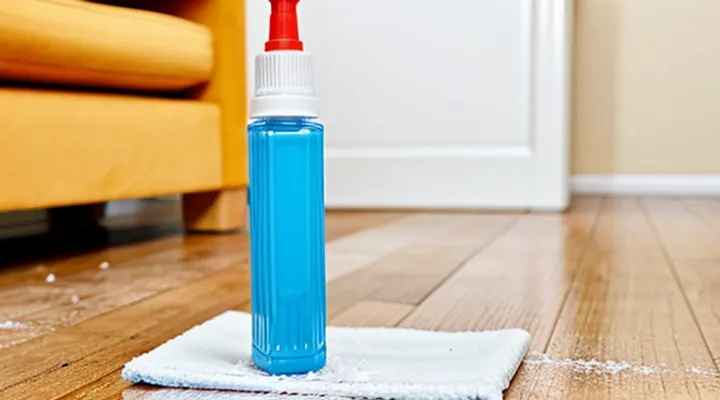
Understanding Glue Trap Adhesives
Types of Glue Trap Adhesives
Adhesive formulations determine both trapping efficiency and cleaning difficulty. Understanding the chemistry of each type helps select appropriate removal methods and protective measures.
Common categories include:
- Water‑soluble adhesives: polymer gels that dissolve in warm water, often combined with surfactants. They leave minimal residue after thorough rinsing.
- Oil‑based adhesives: petroleum‑derived stickies that resist water, requiring solvents such as mineral oil or specialized degreasers for effective removal.
- Synthetic resin adhesives: polyurethane or epoxy‑based compounds that harden upon drying. Mechanical scraping followed by solvent application, typically acetone or isopropanol, yields best results.
- Natural‑origin adhesives: starch or casein extracts, biodegradable and water‑reactive. Simple soap‑water solutions usually suffice for complete dissolution.
Each adhesive class presents distinct challenges. Water‑soluble gels permit direct flushing with hot, mildly alkaline water, whereas oil‑based and synthetic resins demand pre‑treatment with compatible solvents before mechanical agitation. Selecting the appropriate solvent or detergent prevents surface damage and accelerates residue clearance.
Factors Affecting Removal
The success of cleaning mouse‑bait adhesive from flooring hinges on multiple variables. Each factor interacts with the others, altering the effectiveness of the washing process.
- Type of adhesive: water‑soluble formulations dissolve readily, while oil‑based glues resist aqueous solutions and require solvents.
- Floor material: porous surfaces such as untreated wood absorb glue, extending removal time; sealed tiles or vinyl allow easier runoff.
- Temperature: warm water lowers viscosity, accelerating dissolution; cold water can solidify the adhesive, hindering removal.
- Humidity: high ambient moisture supports softening of glue, whereas dry conditions keep it rigid.
- Age of spill: freshly applied glue responds quickly to cleaning agents; aged residues harden and may need mechanical agitation.
- Cleaning agent concentration: higher concentrations of appropriate solvent increase dissolution rate but may damage sensitive flooring finishes.
- Mechanical action: scrubbing with a non‑abrasive pad enhances contact, while excessive force can scar delicate surfaces.
Balancing these elements—selecting a compatible solvent, adjusting water temperature, and applying suitable mechanical effort—optimizes the removal of mouse glue while preserving floor integrity.
Essential Preparations Before Cleaning
Gathering Your Materials
Gather the necessary supplies before commencing the cleaning operation. Selecting appropriate items ensures safety and efficiency when removing adhesive residues from the floor.
- Protective gloves (nitrile or latex) to prevent skin contact with the glue.
- Disposable absorbent cloths or paper towels for immediate blotting.
- Mild liquid detergent suitable for the floor material.
- Warm water in a bucket, preferably at 40‑45 °C, to aid solubilization.
- Plastic scraper or putty knife with a smooth edge to lift cured glue without damaging the surface.
- Soft-bristled brush for gentle agitation of stubborn spots.
- Sealable container for waste disposal, complying with local hazardous‑material regulations.
- Eye protection (safety glasses) to guard against splashes.
Arrange all items within arm’s reach of the work area. Verify that the detergent is compatible with the flooring type; incompatible chemicals may cause discoloration or degradation. Ensure that gloves fit snugly to maintain dexterity while handling the adhesive.
Safety Precautions
Protecting Yourself
When adhesive intended for rodent control contacts skin, it can cause irritation, chemical burns, or allergic reactions. Immediate protection prevents exposure and reduces the need for medical treatment.
- Disposable nitrile gloves, cut‑resistant gloves, or rubber gloves with a chemical‑resistant coating.
- Protective goggles or face shield to guard eyes from splashes.
- Long‑sleeved, water‑resistant clothing; disposable coveralls for extensive spills.
- Respiratory protection (N95 or higher) if aerosolized particles become airborne during agitation.
Apply protective equipment before any contact with the adhesive. Verify integrity of gloves and seals; replace compromised items promptly. Use a dedicated cleaning tool—plastic scraper or silicone spatula—rather than metal instruments that may damage gloves.
Ventilate the area by opening windows or employing an exhaust fan. Avoid inhalation of vapors released when the glue is warmed or diluted. Keep a neutralizing agent, such as a mild alkaline solution, readily available to neutralize accidental skin contact. If exposure occurs, rinse affected skin with copious amounts of water for at least 15 minutes, then seek medical advice.
After cleaning, remove and dispose of all protective gear in sealed bags. Wash hands thoroughly with soap, even when gloves were worn. Inspect the floor for residual adhesive; repeat decontamination if any trace remains. Maintain a log of incidents and protective measures to ensure consistent safety compliance.
Protecting Your Floor
When adhesive intended for rodent control spills onto a floor, the primary concern is preserving the surface while eliminating the residue. Immediate action prevents the glue from hardening, which reduces the risk of permanent staining or material degradation.
Begin by containing the spill. Place a disposable absorbent barrier, such as a paper towel or a silicone mat, around the affected area. This prevents the adhesive from spreading onto adjacent sections. Avoid using abrasive scrapers; they can scratch wood, laminate, or tile finishes.
Select a solvent compatible with the floor type. For sealed surfaces, a mild citrus‑based cleaner or diluted isopropyl alcohol removes the glue without compromising the sealant. Apply the solvent to a soft microfiber cloth rather than directly onto the floor, then gently blot the adhesive. Excess liquid should be mopped up promptly with a dry absorbent pad.
After the residue disappears, rinse the area with a small amount of warm water to eliminate any solvent trace. Dry the surface thoroughly using a clean, lint‑free towel to avoid water marks or swelling.
Key protective measures:
- Use a protective sheet or newspaper underneath the cleaning area.
- Test the chosen solvent on an inconspicuous spot before full application.
- Employ soft, non‑abrasive tools (cloths, sponges) for all contact.
- Work in a well‑ventilated space to disperse fumes from chemical cleaners.
- Follow manufacturer guidelines for floor maintenance to retain warranties.
By adhering to these steps, the floor remains intact, and the adhesive is removed efficiently without compromising the underlying material.
Step-by-Step Glue Removal Techniques
Initial Scrapping and Loosening
The first phase of adhesive removal focuses on breaking the bond between the glue and the floor surface. Direct mechanical action creates gaps that allow subsequent cleaning agents to penetrate and dissolve the residue.
Essential tools include a rigid scraper (plastic or metal), a putty knife, a stiff-bristle brush, and a container for collected debris. Protective gloves and eye shields protect the operator from splinters and chemical exposure.
Procedure
- Position the scraper at a shallow angle to the glue line.
- Apply steady pressure to lift the outermost layer without gouging the substrate.
- Move the tool in short, overlapping strokes, creating a series of thin strips.
- Use the brush to dislodge loosened fragments and sweep them into the collection container.
- Repeat the process until the majority of the adhesive surface is fragmented.
Safety measures require immediate disposal of scraped material in a sealed bag and thorough ventilation of the area before applying solvents. Maintaining a clean work zone prevents secondary contamination and facilitates the next cleaning stage.
Using Common Household Solvents
Vegetable Oils and Peanut Butter
Mouse‑trap adhesive left on hard flooring creates a persistent, tacky film that resists water alone. Fat‑based substances disrupt the polymer matrix, allowing mechanical removal without damaging the substrate.
Vegetable oils, such as olive, canola, or sunflower, consist primarily of triglycerides that infiltrate adhesive bonds. Their low polarity weakens the glue’s cohesion, causing it to lose elasticity. Peanut butter contains a similar oil fraction combined with proteins that further destabilize the adhesive surface.
Effective procedure:
- Select a clean cloth or sponge; saturate with a small amount of chosen oil or peanut butter.
- Spread the substance evenly over the glue stain, ensuring full coverage.
- Allow penetration for 5–10 minutes; the adhesive softens and lifts from the floor.
- Scrape the loosened residue with a plastic spatula to avoid scratching.
- Rinse the area with warm water and a mild detergent to remove oil traces.
- Dry with a lint‑free towel.
Safety notes: test the oil or peanut butter on an inconspicuous spot to confirm compatibility with floor finish. Avoid excessive application to prevent slipping hazards. After cleaning, ventilate the room to disperse any residual odor.
«Apply a thin layer of oil, wait, then remove» summarizes the essential action. The combination of lipid solvents and gentle mechanical agitation delivers a reliable solution for removing mouse‑trap glue from flooring.
Rubbing Alcohol or Mineral Spirits
Rubbing alcohol and mineral spirits are effective solvents for dissolving adhesive residues left by mouse traps on flooring surfaces. Both agents penetrate polymer bonds, allowing the glue to soften and release from the substrate.
Application procedure
- Test a small, inconspicuous area to confirm that the solvent does not damage the floor finish.
- Apply the chosen solvent to a clean cloth; avoid direct pouring to prevent excess pooling.
- Press the cloth onto the adhesive for 30–60 seconds, allowing the solvent to infiltrate the bond.
- Gently scrape the softened glue with a plastic putty knife or a soft‑bristle brush; metal tools may scratch delicate finishes.
- Wipe the area with a fresh damp cloth to remove residual solvent and loosened particles.
- Dry the surface with a lint‑free towel; ensure complete evaporation before foot traffic resumes.
Safety considerations
- Work in a well‑ventilated area; both alcohol and mineral spirits emit volatile organic compounds.
- Wear chemical‑resistant gloves and eye protection to prevent skin irritation and splashes.
- Keep ignition sources away; mineral spirits are flammable, and rubbing alcohol can ignite at low temperatures.
- Dispose of used rags in a sealed container; spontaneous combustion is possible with saturated materials.
Selection guidance
- Choose rubbing alcohol for sealed or laminate flooring, as its lower solvency reduces risk of discoloration.
- Opt for mineral spirits when dealing with robust surfaces such as hardwood or tile, where stronger solvent action is required.
Proper execution of these steps removes adhesive traces efficiently while preserving the integrity of the floor.
Commercial Adhesive Removers
Commercial adhesive removers provide a rapid solution for eliminating rodent‑trap glue residues from hard flooring. Formulations typically contain solvents such as citrus‑based esters, petroleum distillates, or biodegradable polymers that break down polymeric bonds without damaging surface finishes.
Selection criteria focus on solvent strength, material compatibility, and environmental impact. Stronger solvents remove cured adhesive quickly but may affect polished wood or sealed tile; milder agents preserve finish but require longer dwell time. Biodegradable options reduce hazardous waste concerns and simplify disposal procedures.
Application procedure:
- Test a small, inconspicuous area to confirm surface compatibility.
- Apply a thin layer of the remover using a spray bottle or cloth; ensure complete coverage of the glue spot.
- Allow the solvent to act for the manufacturer‑specified interval, typically 3–5 minutes.
- Gently scrape softened adhesive with a plastic spatula; avoid metal tools that could scratch the floor.
- Wipe the area with a clean, damp microfiber cloth to remove residual solvent.
- Rinse the floor with neutral pH cleaner and dry with a lint‑free towel.
Safety measures include wearing chemical‑resistant gloves, eye protection, and ensuring adequate ventilation. Store containers tightly sealed away from heat sources. Dispose of used wipes and solvent residues according to local hazardous‑waste regulations; many biodegradable formulations qualify for regular waste streams.
Applying the Solvent
Soaking the Area
Soaking the affected surface prepares the adhesive for removal and minimizes residue. Begin by applying a generous amount of warm water directly onto the glue‑covered area. Use a spray bottle or a damp cloth to ensure even coverage. Allow the water to penetrate for several minutes; the heat softens the polymer, while moisture expands the fibers of the floor, reducing adhesion.
After the initial soak, introduce a mild, pH‑balanced cleaning agent. Dilute the detergent according to the manufacturer’s recommendations, then reapply using the same method. Maintain the soak for an additional five to ten minutes, checking periodically that the glue remains pliable.
When the adhesive shows signs of loosening, gently agitate the surface with a soft‑bristled brush. Avoid abrasive tools that could damage the flooring. Continue to keep the area wet throughout the agitation to prevent the glue from re‑hardening.
Finally, rinse the floor with clean water to remove any detergent remnants. Extract excess liquid with a absorbent mop or vacuum equipped for wet use. Allow the floor to air‑dry completely before applying any protective coating.
Key points for effective soaking:
- Warm water temperature: 40‑45 °C (104‑113 °F)
- Soak duration: 5–10 minutes per application
- Detergent concentration: 1 %–2 % solution
- Gentle agitation with soft brush
Proper soaking ensures the adhesive softens uniformly, facilitating safe and thorough removal without compromising the integrity of the floor.
Gentle Rubbing
Gentle rubbing, described as the application of light, circular pressure with a soft cloth or sponge, provides an effective means of loosening adhesive residues without harming the underlying surface. The method relies on the combined action of mild mechanical agitation and a suitable solvent, allowing the glue to soften and release from the floor material.
This approach minimizes the risk of scratches, gouges, or discoloration that can result from aggressive scrubbing. By maintaining a low friction level, the floor’s finish remains intact while the adhesive gradually detaches.
«Gentle Rubbing» procedure:
- Dampen a soft microfiber cloth with warm water mixed with a small amount of mild dish soap or a commercially recommended adhesive remover.
- Apply the cloth to the affected area, moving in small, overlapping circles for 10‑15 seconds.
- Observe the glue softening; if resistance persists, repeat the motion while adding a few additional drops of solvent.
- Once the adhesive lifts, wipe the surface with a clean, dry cloth to remove any residual moisture.
- Inspect the floor for remaining traces; repeat the gentle rubbing cycle only as needed.
The technique’s low‑impact nature ensures that both hardwood and laminate flooring retain their aesthetic and structural integrity throughout the cleaning process.
Rinsing and Drying the Area
After the adhesive has been lifted from the floor, the surface must be flushed to eliminate remaining residue. Rinsing removes soluble particles and prevents re‑adhesion that could trap debris.
- Apply a steady stream of lukewarm water, directing flow across the affected area.
- Use a soft mop or sponge to agitate the water, ensuring contact with all corners.
- Introduce a mild, pH‑neutral detergent if the glue contains oily components; rinse thoroughly to avoid soap film.
- Verify that no visible streaks or film remain; repeat the flush if necessary.
Drying follows rinsing to inhibit moisture‑related damage. Immediate removal of excess water preserves floor integrity and reduces slip risk.
- Employ a clean, absorbent microfiber cloth to blot the surface, pressing firmly to extract liquid.
- Deploy a low‑speed fan or dehumidifier for at least fifteen minutes, allowing residual moisture to evaporate evenly.
- Confirm that the floor is dry to the touch before allowing any traffic or further treatment.
Addressing Stubborn Stains and Residue
Repeat Applications for Tough Spots
When adhesive residue persists after the initial cleaning, a single treatment rarely removes all traces. Stubborn deposits cling to porous surfaces, embed in micro‑grooves, or have partially cured layers that resist dissolution. Repeating the cleaning cycle breaks down the bond incrementally, allowing each pass to target residual film left behind by the previous one.
Effective repetition follows a structured approach:
- Apply a solvent‑based remover, ensuring complete coverage of the affected area.
- Allow the solution to soak for the manufacturer‑recommended dwell time, typically two to five minutes.
- Agitate gently with a soft brush or microfiber pad to dislodge softened glue.
- Rinse thoroughly with warm water, removing both solvent and loosened adhesive.
- Dry the surface completely before assessing remaining residue.
If inspection reveals lingering spots, repeat the cycle. Each iteration reduces the glue thickness, diminishing its tackiness and preventing re‑adhesion. Limit the number of repetitions to three or four; beyond this, the substrate may experience unnecessary exposure to chemicals, potentially affecting its finish.
Final verification involves wiping the floor with a clean, damp cloth and conducting a tactile check. Absence of stickiness confirms successful removal; any detectable resistance indicates one more application is warranted. This disciplined repetition ensures complete eradication of adhesive without compromising the underlying material.
Dealing with Discoloration
Discoloration after removing adhesive from floor surfaces often indicates residual pigment or reaction between the glue and cleaning agents. Addressing the issue requires systematic assessment and targeted treatment.
Identify the source of the stain. Common causes include:
- Pigments embedded in the adhesive.
- Chemical interaction between the glue and detergent.
- Absorption of moisture into porous flooring material.
Select a neutralizing agent appropriate for the floor type. For sealed tiles, a mild acidic solution (e.g., diluted white vinegar) can lift pigment without damaging the surface. For untreated wood, a pH‑balanced wood cleaner followed by a light sanding may be necessary.
Apply the chosen solution to a small, inconspicuous area. Allow the liquid to act for 2–3 minutes, then blot with a clean microfiber cloth. Observe any change in coloration before proceeding to the full area.
If discoloration persists, consider a gentle abrasive approach:
- Use a fine‑grit polishing pad on a low‑speed rotary tool.
- Apply a floor‑compatible polishing compound.
- Buff until the original hue reappears.
After treatment, rinse the floor with clear water to remove residual cleaning agents. Dry thoroughly with absorbent towels or a low‑speed fan to prevent water spots.
Finally, protect the restored surface with an appropriate sealant or floor finish. This barrier reduces future adhesive adhesion and minimizes the risk of repeat discoloration.
Post-Cleaning Floor Care
Restoring Floor Shine
Effective restoration of floor shine after removing rodent adhesive demands thorough cleaning and proper finishing. Initial removal leaves residues that dull the surface; complete elimination of these residues is prerequisite for a reflective finish.
A systematic approach includes:
- Application of a mild solvent (e.g., isopropyl alcohol) to dissolve remaining glue; allow solvent to act for 2–3 minutes, then wipe with a lint‑free cloth.
- Rinsing the area with warm water mixed with a neutral pH cleaner; circulate water with a mop to dislodge loosened particles.
- Drying the surface using a clean microfiber towel; ensure no moisture remains to prevent streaks.
- Polishing with a floor‑appropriate polish or wax; apply a thin, even layer, let it set according to product instructions, then buff with a low‑speed buffer until a uniform sheen appears.
Final verification involves inspecting the surface under angled lighting to confirm the absence of hazy patches. Regular maintenance, such as periodic polishing, preserves the restored luster and prevents future dullness.
Preventive Measures for Future Incidents
Implementing preventive strategies reduces the risk of adhesive residue reappearing on work surfaces. Proper handling, storage, and environmental controls form the core of an effective prevention plan.
- Store adhesive containers upright on stable shelves, secured with non‑slipping mats to prevent accidental tipping.
- Seal each container tightly after use; employ tamper‑evident caps to maintain integrity.
- Place disposable trays or protective liners beneath trap stations; replace liners regularly to avoid buildup.
- Mark high‑risk zones with clear signage using French quotation marks, for example « adhesive area », to alert personnel.
- Conduct weekly inspections of floor conditions, documenting any signs of leakage or residue.
- Provide staff with quick‑access spill‑containment kits, including absorbent pads, neutralizing agents, and waste bags.
- Incorporate training sessions that emphasize proper disposal of used traps and immediate cleanup of minor spills.
Adopting these measures creates a controlled environment where adhesive applications remain confined, minimizing the likelihood of future floor contamination.