
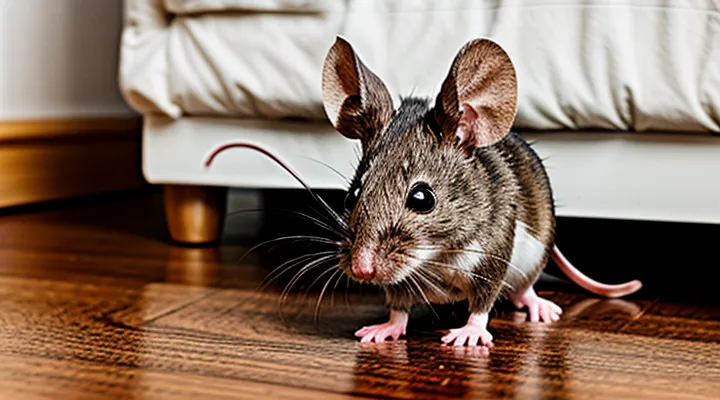
Understanding the Mouse Problem in Your Apartment
Identifying Signs of a Mouse Infestation
Droppings
Mouse droppings provide the most direct evidence of an active infestation and guide the placement of lethal measures. Recognizing their appearance, distribution, and health implications allows targeted intervention and prevents unnecessary exposure to disease.
Typical mouse feces are small, dark, and spindle‑shaped, measuring about 4–7 mm in length. They appear in clusters along walls, behind appliances, and near food sources. Fresh droppings are glossy; older ones become dry and crumbly. Presence of urine stains or gnaw marks reinforces the need for immediate action.
Safe handling and removal of droppings should precede any extermination attempt:
- Wear disposable gloves and a mask rated for particulate protection.
- Ventilate the area by opening windows for at least 15 minutes.
- Moisten droppings with a disinfectant solution (e.g., 10 % bleach) to prevent aerosolization.
- Use a disposable paper towel or a damp cloth to gather the material, placing it directly into a sealed plastic bag.
- Disinfect the cleaned surface with the same solution, allowing it to remain wet for the recommended contact time.
- Dispose of the sealed bag in an outdoor trash container away from the dwelling.
Proper identification and removal of droppings eliminate a health hazard and confirm the locations where lethal traps or baits should be positioned, thereby increasing the likelihood of successful rodent eradication.
Gnaw Marks
Gnaw marks reveal the presence and movement patterns of a rodent within a residence. Fresh incisions appear light‑colored, while older ones darken as the surrounding material ages. The depth and angle of the bite indicate the animal’s size and the direction of travel, allowing precise placement of traps or baits.
Identifying gnaw marks on common surfaces—wood, plastic, electrical cords, and insulation—helps prioritize hazards. Damage to wiring poses fire risk; compromised insulation can lead to heat loss. Immediate inspection of these areas reduces secondary threats while addressing the primary infestation.
Effective response relies on three actions:
- Locate all visible gnaw sites, mark them, and trace each to potential entry points such as gaps behind appliances or cracks in walls.
- Deploy snap traps or bait stations directly adjacent to the most recent marks, aligning with the observed travel direction.
- Seal identified entry points after confirming capture, using steel wool, caulk, or metal flashing to prevent re‑entry.
Monitoring gnaw marks after intervention confirms success. Absence of new bites over several days indicates that the rodent no longer accesses the treated zones, allowing final consolidation of barriers and cleanup of residual damage.
Nests
Identifying mouse nests is essential for any successful eradication effort in a dwelling. Nests are typically found in concealed locations such as behind appliances, within wall cavities, under furniture, or inside insulation. Signs include shredded material, droppings, and gnaw marks near potential entry points.
To neutralize nests and increase the likelihood of a kill:
- Remove all food sources and debris that could conceal a nest.
- Disassemble furniture or appliances that hide nests, then clean the area with a disinfectant.
- Place snap or electronic traps directly adjacent to the discovered nest, ensuring the trigger is positioned at the mouse’s usual travel route.
- Apply a small amount of rodenticide gel to the interior of the nest, following label instructions and safety precautions.
- Seal entry gaps after traps are set to prevent re‑entry.
After a mouse is eliminated, inspect the site for remaining nesting material, discard it in a sealed bag, and replace it with a clean, unobstructed surface. Continuous monitoring of previously infested zones guarantees that any surviving rodents cannot rebuild nests and resume activity.
Strange Odors
Strange odors often signal the presence of a rodent and can guide effective elimination strategies in a residential setting. Mice emit a musky, ammonia‑like scent from urine and feces, while the decomposition of dead individuals produces a sour, putrid smell. Detecting these aromas helps locate infestation hotspots, allowing targeted action.
Key odor indicators:
- Musky or ammonia scent from fresh urine markings
- Strong, sour odor from accumulated droppings
- Foul, rancid smell indicating a dead mouse
- Greasy or oily residue near nesting materials
When an odor confirms activity, immediate measures reduce the population:
- Seal entry points to prevent re‑entry.
- Deploy snap traps or electronic devices directly at the identified zones.
- Apply rodenticide baits in concealed containers near the source, ensuring pets and children are protected.
- Ventilate the area and use enzymatic cleaners to neutralize lingering smells, preventing attraction of additional pests.
Regular monitoring of odor changes validates the success of control efforts and signals any resurgence that requires prompt response.
Why Mice are a Problem
Health Risks
Using traps, poisons, or improvised weapons to eliminate a mouse in a dwelling introduces several health hazards. Direct contact with rodent carcasses can transmit pathogens such as hantavirus, leptospirosis, and salmonella. Skin punctures from snap traps or injuries from broken glass used as makeshift weapons increase the risk of bacterial infection and tetanus if wounds are not promptly cleaned and treated.
Poison baits pose additional dangers. Ingested rodenticides may contaminate food preparation surfaces, kitchen utensils, and pet food, leading to accidental poisoning of humans and domestic animals. Secondary poisoning occurs when a predator or scavenger consumes a poisoned mouse, potentially affecting household cats or dogs. Many anticoagulant rodenticides cause internal bleeding and require medical intervention if exposure is suspected.
Airborne particles released when a mouse is crushed or dismembered can contain allergenic proteins and dust-borne bacteria. These aerosols may trigger asthma attacks or respiratory irritation, especially in occupants with pre‑existing lung conditions. Proper ventilation and the use of protective masks reduce inhalation risk.
To mitigate these risks, follow established safety protocols:
- Wear disposable gloves and a face mask when handling traps or dead rodents.
- Seal and dispose of carcasses in airtight containers before placing them in external waste bins.
- Store rodenticides in locked, child‑proof containers away from food and pet supplies.
- Keep pets away from treated areas for at least 24 hours after bait placement.
- Clean any surfaces contacted by rodents with a disinfectant containing at least 1 % sodium hypochlorite.
Failure to observe these measures can result in acute illness, chronic disease exposure, or accidental poisoning, undermining the intended benefit of rodent control.
Property Damage
When attempting to eliminate a rodent in a residence, the methods chosen can create significant damage to the dwelling and its contents. Chemical sprays may corrode metal fittings, discolor painted surfaces, and leave residues that attract dust and mold. Snap traps placed near walls can puncture drywall, break electrical wiring, or shatter glass if mis‑fired. Glue boards, when removed, often strip paint or wallpaper, leaving unsightly patches that require repainting.
Common sources of property damage include:
- Structural compromise – holes drilled for bait stations weaken wall integrity; repeated placement of traps can create multiple punctures.
- Electrical hazards – bait stations that contact power cords may short circuits, leading to outages or fire risk.
- Surface contamination – insecticides and rodenticides can seep into carpet fibers, upholstery, and wooden floors, demanding professional cleaning or replacement.
- Appliance interference – traps placed near kitchen appliances can damage plastic housings, seals, and control panels.
Mitigation measures involve selecting low‑impact tools, such as humane snap traps with insulated backs, positioning devices away from wiring and plumbing, and using targeted, minimal‑quantity rodenticides applied by certified professionals. Sealing entry points after removal prevents re‑infestation, reducing the need for repeated lethal interventions and the associated wear on the property.
Rapid Reproduction
Mice reproduce quickly; a single female can produce up to ten litters per year, each containing three to twelve offspring. This exponential growth means an infestation can multiply from a few individuals to dozens within weeks, overwhelming passive control methods.
Rapid reproduction creates two practical challenges for extermination in a residential unit:
- Population spikes before detection, reducing the window for effective intervention.
- New litters emerge while existing adults remain active, requiring repeated treatment cycles.
Addressing these challenges demands a strategy that eliminates both current adults and prevents future breeding:
- Immediate placement of snap traps or electronic devices at known runways to kill active mice.
- Installation of bait stations containing anticoagulant or zinc phosphide formulations, positioned away from children and pets, to target hidden individuals and reduce reproductive capacity.
- Sealing entry points—gaps around pipes, vents, and baseboards—with steel wool and caulk to block re‑entry and limit access to nesting sites.
- Removal of food sources: store pantry items in airtight containers, clean crumbs, and secure garbage to deprive mice of sustenance needed for gestation.
Consistent monitoring after initial deployment is essential. Replace or reposition traps every 24–48 hours, and replenish bait stations according to label instructions. By confronting the high reproductive rate with rapid, multi‑modal control, the mouse population can be reduced to a level where eradication becomes feasible within the confined environment of an apartment.
Effective Mouse Control Strategies
Prevention as the First Line of Defense
Sealing Entry Points
Sealing entry points prevents mice from accessing the living space, directly reducing the likelihood of infestation and eliminating the need for repeated lethal measures.
- Conduct a thorough inspection of walls, floors, and ceilings; focus on gaps around pipes, vents, and electrical wiring.
- Measure each opening; even a ¼‑inch gap can admit a mouse.
- Apply appropriate materials: steel wool combined with caulk for small cracks, cement or expanding foam for larger voids, and copper mesh for ventilation ducts.
- Install weatherstripping on doors and windows; replace damaged strips promptly.
- Use door sweeps on exterior doors to block low‑lying entryways.
- Seal gaps around baseboards and under appliances with silicone sealant.
Regularly revisit high‑traffic areas, especially after renovations or seasonal temperature changes, to ensure seals remain intact. Maintaining a fully sealed perimeter removes the primary pathway for rodents, thereby supporting an effective eradication strategy.
Proper Food Storage
Effective rodent control in a residence begins with eliminating food sources that attract mice. Secure storage prevents individuals from becoming a passive contributor to the infestation, thereby increasing the success of lethal measures.
Store all dry goods—cereals, grains, nuts, pet food—in airtight containers made of metal or thick plastic. Containers should feature a locking lid or a screw‑on seal that resists gnawing. Place containers on shelves rather than on the floor to reduce access points.
Maintain a routine of clearing countertops and tables after each meal. Remove crumbs and spills immediately; use a damp cloth rather than a dry brush to avoid dispersing particles. Dispose of waste in bins equipped with tight‑fitting lids and empty them regularly.
When handling perishable items, keep refrigerators and freezers at recommended temperatures. Verify that door seals are intact; replace any that show signs of wear. Store raw meat on the lowest shelf to prevent drips onto other foods.
Implement the following checklist daily:
- Seal all pantry items in chew‑proof containers.
- Wipe surfaces after food preparation.
- Transfer leftovers to covered dishes within two hours.
- Check trash can lids for proper closure.
- Inspect door and window screens for gaps.
By denying mice access to nourishment, the likelihood of encountering them declines, and any lethal traps or poisons deployed become markedly more effective.
Maintaining Cleanliness
Maintaining a spotless environment reduces food sources and hiding places that attract rodents, thereby increasing the likelihood of a successful elimination effort.
- Store dry goods in sealed containers.
- Remove crumbs and spills immediately; wipe surfaces after each meal.
- Dispose of garbage in tightly fitted bins; empty them regularly.
- Sweep and vacuum floors, especially behind appliances and under furniture.
- Clean pet feeding areas daily; wash bowls and replace leftover food.
- Repair leaks and eliminate standing water to deter moisture‑seeking mice.
A disciplined cleaning routine deprives the pest of sustenance and shelter, making traps and baits more effective and limiting the need for repeated interventions.
Eliminating Water Sources
Eliminating water sources deprives mice of a critical survival need, forcing them to leave the dwelling or become vulnerable to traps and poisons. Identify all containers that hold liquid—pet bowls, plant saucers, open bottles, and leaking pipes. Remove or secure each item, replacing open dishes with sealed feeders and ensuring that any leaks are repaired promptly.
- Remove standing water from countertops and floors.
- Store drinking water for pets in containers with tight‑fitting lids.
- Use drip‑free watering systems for indoor plants.
- Inspect and fix plumbing fixtures that drip or pool.
- Empty and dry sink trays, dish racks, and refrigerator drip pans daily.
Dry environments also discourage nesting, as mice seek moisture for breeding. After clearing water, increase ventilation to lower humidity levels, especially in kitchens, bathrooms, and basements. A dry, inhospitable setting accelerates the effectiveness of other control measures, leading to faster removal of the infestation.
Trapping Methods
Snap Traps
Snap traps provide a rapid, reliable means of eliminating a mouse that has entered a dwelling. The mechanism delivers an instantaneous strike, minimizing suffering and preventing the animal from escaping to other rooms.
Select a trap that matches the size of the target. Standard wooden or plastic models with a 2‑inch jaw opening suit most house mice; larger rats require a 3‑inch version. Choose a spring with a consistent tension rating to ensure a decisive closure every time.
- Use attractive bait such as peanut butter, chocolate, or dried fruit. Apply a pea‑sized amount to the trigger platform to avoid excess that could distract the mouse.
- Position traps along established runways: behind appliances, under sinks, near wall baseboards, and within 2 feet of known droppings.
- Place traps perpendicular to the wall, with the trigger end facing the wall, so the mouse must run past the bait to activate the mechanism.
- Set multiple traps simultaneously; mice often explore alternative routes after a failed attempt.
Maintain safety by handling traps with gloves, keeping them out of reach of children and pets, and checking them at least twice daily. Dispose of captured rodents in sealed bags, then place them in an outdoor trash container. Clean the trap surface with mild detergent before resetting to preserve bait effectiveness.
Regular monitoring and prompt replacement of bait ensure continued efficacy, preventing reinfestation and reducing the need for additional control measures.
Live-Catch Traps
Live‑catch traps are designed to confine a mouse without killing it, allowing owners to remove the pest from a dwelling. The devices consist of a sturdy cage, a trigger mechanism, and a bait compartment. When the rodent takes the bait, the door snaps shut, preventing escape.
Key characteristics to evaluate when choosing a live‑catch trap:
- Size: interior dimensions must accommodate adult mice (approximately 3–4 inches long) while preventing injury.
- Trigger sensitivity: a reliable mechanism reduces the chance of false releases.
- Visibility: transparent walls or clear panels enable quick inspection without opening the cage.
- Ease of cleaning: smooth interior surfaces simplify disinfection after each capture.
Effective placement maximizes capture rates:
- Identify active pathways: along walls, near food sources, and behind appliances.
- Position the trap perpendicular to the wall, with the entry side facing the expected travel direction.
- Secure the trap to prevent shifting caused by the mouse’s movement or vibrations.
- Use high‑protein bait (peanut butter, bits of cheese, or dried fruit) placed on the trigger platform.
After a capture, follow a consistent protocol:
- Transport the cage to a location far from the residence (minimum 1 mile) to avoid immediate re‑entry.
- Release the mouse into a suitable natural habitat, ensuring it is not near another dwelling.
- Clean the trap with hot, soapy water and a disinfectant; rinse thoroughly before reuse.
- Inspect the apartment for additional signs of activity and set additional traps if necessary.
Live‑catch traps provide a humane alternative to lethal methods, reduce the risk of poison exposure, and allow for precise monitoring of infestation levels. Proper selection, strategic placement, and diligent post‑capture handling are essential for successful mouse removal in an apartment setting.
Glue Traps
Glue traps are adhesive devices designed to immobilize rodents upon contact. The surface is coated with a non‑toxic, high‑strength glue that holds the animal in place, preventing further movement and facilitating removal.
Effective placement requires knowledge of mouse pathways. Identify areas with visible droppings, gnaw marks, or frequent activity. Position traps perpendicular to walls, with the glue side facing the expected direction of travel. Avoid placing traps in high‑traffic human zones to reduce accidental contact.
Key safety measures include:
- Wearing disposable gloves during handling.
- Keeping traps out of reach of children and pets.
- Using traps only in sealed rooms; close doors and windows to contain the mouse.
When a mouse is captured, follow a controlled disposal process:
- Secure the trap in a sealed plastic bag.
- Transport the bag directly to an outdoor trash container.
- Discard the bag without opening it to prevent exposure to bodily fluids.
Glue traps provide a quick, low‑cost solution for mouse control in apartments when used with precise placement and strict safety protocols.
Strategic Trap Placement
Place traps where mouse activity is evident. Look for droppings, gnaw marks, or grease trails along walls, behind appliances, and near food storage. Position devices perpendicular to the wall, with the entry side facing the baseboard, forcing the rodent to run into the trigger.
Select trap types that suit the environment. Snap traps provide rapid kill; ensure the spring is fully tensioned. Glue boards capture but may cause prolonged suffering; use only where humane considerations are secondary. Electronic traps deliver a lethal shock; locate near power outlets and keep cords away from children.
Bait matters for success. Use high‑protein items such as peanut butter, small pieces of cooked meat, or dried insects. Apply a pea‑size amount directly on the trigger mechanism to avoid spillage that could alert the mouse.
Timing enhances effectiveness. Set traps in the evening when rodents are most active. Check devices early each morning; remove captured mice promptly to prevent scent buildup that deters further entries.
Maintain a clear perimeter around each trap. Eliminate clutter, seal food containers, and repair gaps larger than ¼ inch. A disciplined layout reduces alternative pathways and directs the mouse toward the chosen devices.
Using Baits and Repellents
Commercial Baits
Commercial baits provide a reliable method for mouse eradication in a flat. They combine proven toxicants with delivery systems that protect non‑target occupants while ensuring rodents encounter lethal doses.
Common active ingredients include:
- Anticoagulants (warfarin, bromadiolone) – disrupt blood clotting, cause death within 3–7 days.
- Bromethalin – interferes with nerve function, results in rapid paralysis.
- Zinc phosphide – releases phosphine gas in the stomach, lethal within hours.
Selection criteria focus on toxicity level, risk of secondary poisoning, speed of action, and registration status. Anticoagulants are suitable for long‑term control; bromethalin and zinc phosphide are preferred when immediate results are required.
Effective placement follows a simple pattern: position bait stations along walls, behind appliances, and in concealed corners where mouse activity is evident. Use tamper‑resistant containers to prevent access by children or pets. Space stations 10–15 ft apart to create an overlapping coverage zone.
Routine monitoring is essential. Inspect stations daily, replenish depleted bait, and remove dead rodents promptly. Dispose of carcasses in sealed bags and follow local waste‑management guidelines to avoid contamination.
Compliance with pesticide regulations is mandatory. Use only products listed on the national approved‑product registry, retain the label for reference, and adhere to prescribed dosage and application limits. Failure to follow these directives can result in legal penalties and increased health risks.
Natural Repellents
Natural repellents provide a non‑chemical approach to reducing mouse activity in a flat. They rely on odors, tastes, or textures that rodents find unpleasant, prompting relocation away from treated zones.
- Peppermint oil: strong menthol scent disrupts mouse olfactory cues; apply a few drops on cotton balls and place them near entry points, behind appliances, and in cupboards. Replace every 3‑4 days to maintain potency.
- Ammonia: volatile ammonia mimics predator urine; soak a small cloth in a diluted solution (1 part ammonia to 4 parts water) and position it in concealed areas. Re‑wet daily while the scent persists.
- Citrus peels: limonene compounds deter rodents; scatter fresh orange, lemon, or grapefruit rinds in corners, under sinks, and around baseboards. Refresh rinds weekly as they dry.
- Clove and eucalyptus essential oils: both emit strong aromas that mice avoid; combine with carrier oil (e.g., mineral oil) at a 1 % concentration and spray onto fabric strips placed in problem zones.
Application requires thorough coverage of potential travel routes and nesting sites. Seal obvious gaps in walls, floors, and pipe penetrations before deploying repellents; otherwise, rodents may bypass treated areas. Use multiple repellent types simultaneously to increase efficacy, but avoid mixing chemicals that could neutralize each other.
Natural repellents do not guarantee immediate extermination; they function by encouraging displacement. For complete eradication, combine repellents with trapping or baiting strategies after mice vacate the treated zones. Ensure ventilation to prevent respiratory irritation from strong odors, and keep substances away from children and pets.
Safety Precautions for Baits
Effective rodent control in a residence demands careful handling of poisonous baits. Improper use can cause accidental poisoning of children, pets, or non‑target wildlife, and may lead to legal liability. Following established safety protocols minimizes these risks while ensuring the bait reaches the intended pest.
- Store all bait containers in a locked cabinet out of reach of children and animals.
- Keep the original packaging intact until the moment of placement; do not transfer poison to unlabeled containers.
- Wear disposable gloves when handling bait to avoid skin absorption and prevent transfer to other surfaces.
- Apply bait only in sealed stations or tamper‑proof boxes designed to restrict access. Place stations along walls, behind appliances, and in concealed corners where mouse activity is observed.
- Label each station with a clear warning indicating the presence of toxic material.
- Record the location and quantity of bait deployed; maintain a log for future reference and regulatory compliance.
- Dispose of unused or expired bait according to local hazardous waste guidelines; never discard in regular trash.
- Ensure ventilation in the area where bait is placed; avoid using bait in poorly ventilated spaces that could concentrate fumes.
- Conduct a final inspection before leaving the premises to confirm that bait stations are secure and no unintended exposure exists.
Adhering to these measures protects household members, complies with health regulations, and enhances the likelihood of successful pest elimination.
When to Seek Professional Help
Large Infestations
Large mouse populations in an apartment demand a systematic approach that combines habitat modification, lethal devices, and ongoing monitoring.
First, eliminate food and water sources. Store all dry goods in sealed containers, clean crumbs immediately, and fix leaky pipes or dripping faucets. Reducing sustenance forces rodents to seek bait.
Second, secure entry points. Inspect walls, baseboards, and utility openings; fill gaps larger than ¼ inch with steel wool and caulk, then apply metal flashing where necessary. Preventing re‑entry is essential for lasting control.
Third, deploy multiple lethal tools simultaneously. Use a combination of snap traps, electronic traps, and sealed bait stations to cover different activity zones. Position traps along walls, behind appliances, and near suspected runways. For large infestations, place at least one trap per 10 sq ft of floor space; increase density in hotspots.
- Snap traps: quick kill, low cost, no poison residue.
- Electronic traps: humane‑to‑kill, reusable, effective on larger rodents.
- Bait stations: contain anticoagulant or bromethalin pellets, require careful placement to avoid accidental exposure.
Fourth, monitor results daily. Record captured rodents, relocate traps to fresh sites after each catch, and replenish bait as needed. Persistent activity after two weeks indicates the need for professional intervention.
Fifth, consider licensed pest‑control services for severe cases. Professionals can apply rodenticides under strict regulations, perform structural inspections, and provide follow‑up visits to verify eradication.
Consistent execution of these steps reduces population density, prevents resurgence, and restores a safe living environment.
Persistent Problems
Persistent problems often undermine attempts to eliminate a rodent in a dwelling. Reinfestation occurs quickly when a few individuals survive the initial action; they reproduce, restoring the population within weeks. Inadequate sanitation provides food sources that attract newcomers, rendering any single kill ineffective. Structural gaps—cracks, gaps around pipes, and unsealed vents—allow easy re‑entry, so the problem resurfaces despite lethal measures.
Common obstacles include:
- Trap avoidance: mice learn to bypass snap traps or poison stations after a few exposures.
- Poison resistance: repeated use of anticoagulant baits can select for tolerant individuals, reducing efficacy.
- Health risks: handling dead rodents or contaminated bait poses disease exposure to occupants.
- Legal constraints: many jurisdictions restrict certain poisons or require humane methods, limiting available options.
- Property damage: aggressive methods may damage furniture, wiring, or walls, creating additional repair costs.
Addressing these issues requires a comprehensive approach: seal entry points, maintain strict cleanliness, rotate control methods, and comply with local regulations. Only by eliminating the underlying conditions can the effort to remove a mouse become lasting.
Safety Concerns
When attempting to remove a mouse from a dwelling, safety must guide every action. Mishandling lethal methods can endanger occupants, pets, and the building’s integrity.
Potential hazards include:
- Poison ingestion – secondary poisoning of children, pets, or wildlife; risk of accidental contact with skin or eyes.
- Snap‑trap injuries – rapid release of force can cause lacerations; improper placement may lead to unintended strikes on non‑target species.
- Electric traps – exposure to live electricity if devices are damaged or used near water sources; risk of fire if cords are frayed.
- Chemical sprays – inhalation of toxic fumes; surface contamination that may affect food preparation areas.
- Fire hazards – use of flammable baits or ignition sources near heat‑producing appliances.
- Structural damage – aggressive placement of traps in walls or ceilings can compromise drywall or wiring.
Mitigation measures:
- Store all lethal agents in locked containers, out of reach of children and pets.
- Position snap traps behind appliances or in concealed corners, away from high‑traffic pathways.
- Verify that electric devices have intact insulation, ground connections, and are kept dry.
- Apply chemical repellents only in well‑ventilated spaces; follow label instructions for dosage and exposure time.
- Keep flammable materials separate from any heat‑producing equipment used during the process.
- Inspect walls and ceilings after trap placement to ensure no damage to utilities.
Adhering to these precautions reduces the likelihood of accidental injury, legal liability, and property loss while achieving effective rodent control.