
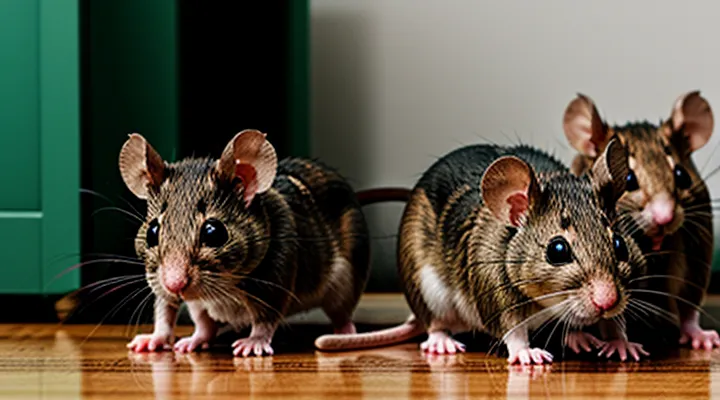
Key Differences in Physical Characteristics
Size and Body Shape
Body Length and Weight
Body length and weight provide reliable criteria for separating small rodents commonly confused in field and laboratory settings. Precise measurements reduce misidentification and improve data quality.
Typical adult body length, measured from nose to the base of the tail, differs markedly:
- «Mouse»: 7–10 cm
- «Rat»: 20–25 cm
Tail length adds additional distinction, with mice displaying tails roughly equal to body length, while rats possess tails longer than the body, often exceeding 20 cm.
Weight ranges further separate the species:
- «Mouse»: 15–30 g
- «Rat»: 250–500 g
These values represent average adult specimens; juveniles fall below the lower limits, yet maintain proportional differences. When evaluating an unknown specimen, compare measured dimensions against the listed intervals. A subject falling within the mouse range for both length and weight can be confidently classified as a mouse; values aligning with the rat intervals indicate a rat. This approach streamlines identification without reliance on behavioral or morphological nuances.
Tail Length and Appearance
Tail length provides a reliable criterion for separating small rodents. Mice possess tails that match or slightly exceed body length, are slender, and covered with fine hair along the entire surface. Rat tails are noticeably shorter than the body, appear thicker, and display sparse hair with a leathery, scaly texture near the tip.
Key visual distinctions:
- Proportion: mouse tail ≈ 100 % of body length; rat tail ≈ 60–80 % of body length.
- Thickness: mouse tail ≤ 5 mm in diameter; rat tail ≥ 8 mm, often tapering only near the tip.
- Surface: mouse tail uniformly furred; rat tail partially furred, with a naked, rough segment toward the end.
- Coloration: mouse tail typically pink or light brown; rat tail darker, often black or dark brown, especially on the scaly portion.
These characteristics enable precise identification when visual assessment is required.
Head and Facial Features
Snout Shape
Snout shape provides a reliable visual cue for separating the two most common household rodents. Mice exhibit a sharply pointed, triangular snout that tapers to a fine tip. Rats possess a broader, blunter snout with a rounded tip, giving the head a more robust appearance.
- Mice: triangular profile, narrow width, tip extending beyond the lower jaw.
- Rats: blunt profile, wider at the base, tip aligned with or slightly recessed behind the lower jaw.
These morphological distinctions allow rapid field identification without capture or laboratory analysis. «Mice possess a triangular snout, while rats display a blunter profile».
Ear Size and Hairiness
Ear dimensions and fur characteristics provide reliable criteria for separating the two most common household rodents.
- Mice possess ears that extend well beyond the outline of the skull, often appearing proportionally large.
- Rats display relatively small ears that sit close to the head, with the ear rim barely reaching the eye line.
Fur texture further differentiates the species.
- Mouse pelage is uniformly soft, dense, and typically covers the entire body without noticeable gaps.
- Rat fur is coarser, occasionally sparse on the ventral side, and may reveal a thin, hairless patch near the tail base.
These observable traits enable rapid, accurate identification without laboratory equipment. Observers should examine ear size first, then confirm with fur assessment to avoid misclassification.
«Ear size and hairiness together form a practical diagnostic pair for distinguishing small rodent species».
Eye Size
Eye size provides a reliable metric for separating mice and rats. Mice possess proportionally larger eyes relative to skull length, while rats display smaller eyes in comparison to their more robust cranial dimensions.
Key distinctions:
- Relative eye diameter: mice typically exhibit an eye diameter of 3–4 mm; rats range from 4–6 mm, but the larger skull reduces the eye‑to‑head ratio.
- Eye‑to‑snout length ratio: in mice, the ratio averages 0.20–0.25; in rats, it falls between 0.12–0.15.
- Visual field: mice have a wider peripheral field due to larger ocular placement, whereas rats show a narrower field focused forward.
When assessing a captured specimen, measure eye diameter and compare it to skull length. A ratio exceeding 0.2 strongly suggests a mouse; a ratio below 0.15 indicates a rat. This quantitative approach minimizes reliance on subjective visual cues and enhances accuracy in rodent identification.
Fur and Coloration
Fur texture provides a reliable indicator when separating small rodents. Mice possess fine, silky hair that lies close to the body, creating a smooth appearance. Rats exhibit coarser, more bristly fur, often appearing patchy on the dorsal surface and thicker around the tail base.
Color patterns differ markedly between the two groups. Typical house mice display a range of shades from light gray to brown, frequently featuring a distinct white belly and a darker dorsal stripe. Common rats, such as the brown rat, show a uniform brown‑black coat with a lighter ventral side, while the black rat presents a glossy, almost entirely black pelage.
Key visual cues include:
- Hair length: mice – short and sleek; rats – longer and harsher.
- Dorsal coloration: mice – variable with possible dorsal stripe; rats – generally solid, darker tones.
- Ventral contrast: mice – stark white belly; rats – pale but not starkly white.
- Tail fur: mice – scant hair covering the tail; rats – noticeable hair on the tail, especially near the base.
These fur and coloration traits enable accurate identification without reliance on size or behavior.
Droppings and Tracks
Droppings provide a reliable indicator of rodent species. Mouse feces are small, approximately 3–6 mm long, spindle‑shaped, and have pointed ends. Rat feces are larger, 10–20 mm long, blunt‑ended, and often display a more uniform, cylindrical form. Both types are dark brown to black, but the size difference is the most distinctive characteristic.
- « Mouse droppings »: 3–6 mm, tapered, pointed ends.
- « Rat droppings »: 10–20 mm, blunt ends, cylindrical.
Tracks reveal additional clues. Mouse footprints measure about 4–6 mm across, showing four distinct toe marks with a small, delicate imprint. Rat footprints are broader, 8–12 mm, with five toe marks and a more pronounced heel. Tail drag marks, common in rats, appear as continuous, faint lines extending from a series of footprints; mice rarely leave such marks.
- « Mouse tracks »: small, four‑toe prints, no tail drag.
- « Rat tracks »: larger, five‑toe prints, possible tail drag.
Collecting evidence requires careful handling. Use disposable gloves, place a clean white sheet or tray beneath suspected activity zones, and examine the material with a magnifying lens. Record measurements and photograph each sample before disposal. These steps enable accurate identification and inform targeted control measures.
Behavioral and Environmental Clues
Habitat and Nesting Habits
Indoor vs. Outdoor Preferences
Mice typically favor indoor environments where shelter is abundant and food sources are readily accessible. Small nests are often built behind walls, under floorboards, or inside cabinets. The presence of fine droppings, gnaw marks on wooden structures, and a faint sweet odor are common indicators of indoor activity.
Rats show a stronger inclination toward outdoor settings, especially areas with vegetation, debris, or standing water. Outdoor burrows are larger and may be located near garbage piles, sewer outlets, or agricultural fields. Signs of outdoor habitation include larger droppings, extensive gnaw damage on plastic or metal, and noticeable tracks in soft soil.
Key differences in habitat preference can be summarized:
-
Location:
• Mice – confined spaces within buildings.
• Rats – open spaces, gardens, and utility areas. -
Nesting material:
• Mice – shredded paper, fabric fibers, insulation.
• Rats – leaves, twigs, coarse vegetation. -
Food sources:
• Mice – stored grains, pantry items, crumbs.
• Rats – refuse, animal feed, exposed produce.
Observations of these patterns assist in accurate identification and targeted control measures. «Indoor preference indicates mouse activity, while outdoor dominance suggests rat presence».
Nesting Materials
Nesting material provides a reliable indicator when separating small rodent species. Differences in material selection reflect size, behavior, and habitat preferences, allowing observers to infer whether a specimen is a mouse or a rat.
Mice commonly utilize lightweight, easily manipulated substances. Typical components include:
- shredded paper or tissue
- cotton fibers
- fine plant matter such as grass seed heads
- soft polymer foams
These materials are chosen for their pliability and low mass, facilitating construction of compact nests in confined spaces.
Rats favor sturdier, bulkier substances capable of supporting larger structures. Frequently encountered items are:
The selection emphasizes durability and structural integrity, matching the species’ tendency to build extensive burrows or hidden chambers.
When surveying a site, examine the composition and arrangement of the collected material. Presence of fine, soft fibers suggests mouse activity, whereas coarse, robust items point to rat habitation. Correlating these observations with other signs—such as droppings size and trail width—enhances accuracy in distinguishing the two rodents.
Diet and Feeding Patterns
Food Preferences
Food preferences provide reliable indicators when differentiating small rodents. Both species exhibit distinct dietary patterns that reflect physiological and behavioral differences, allowing observers to make accurate identifications without reliance on visual cues alone.
Typical mouse diet emphasizes:
- Seeds and grains, especially wheat and corn
- Soft plant matter such as fresh greens and fruits
- Insect larvae when available, though consumption remains occasional
- High‑carbohydrate processed foods in human environments, including cereal flakes
Typical rat diet emphasizes:
- Larger quantities of protein‑rich sources, including meat scraps and pet food
- Harder nuts and seeds, such as peanuts and sunflower seeds
- Starchy items like potatoes and bread crusts
- Persistent foraging of waste, including fats and oils
Observing these preferences in situ clarifies species identification. Presence of abundant grain and fresh greens suggests mouse activity, whereas dominance of protein‑dense and hard‑shelled foods points to rat presence. Accurate assessment of food remnants therefore enhances discrimination between the two rodents.
Chewing Marks
Chewing marks left on wires, wood, or plastic reveal the size and bite force of the culprit. Mice produce narrow, shallow grooves roughly 2‑3 mm wide, often punctuated by parallel lines from repeated gnawing. The edges appear smooth, reflecting the animal’s delicate incisors.
Rats generate broader, deeper channels 5‑10 mm wide, with jagged margins caused by stronger jaw muscles. Their marks frequently display irregular, uneven patterns as the larger incisors remove more material with each bite.
Key identifiers:
- Width: mouse marks ≤3 mm; rat marks ≥5 mm.
- Depth: shallow for mice, deep for rats.
- Edge texture: smooth (mouse) versus ragged (rat).
- Frequency: rats create multiple overlapping cuts; mice tend to follow a single line.
Inspecting these characteristics alongside other signs, such as droppings or footprints, enables precise separation of the two rodent species.
Sounds and Vocalizations
Acoustic cues provide reliable indicators for separating small rodents. Mice emit ultrasonic vocalizations that peak above 50 kHz, often described as brief, high‑pitched squeaks. These sounds are typically inaudible to humans without specialized equipment and occur during social interactions, exploration, and distress. Frequency modulation is rapid, with bursts lasting less than 100 ms.
Rats produce a broader acoustic spectrum. Audible calls include low‑frequency chirps ranging from 5 to 15 kHz, especially during aggressive encounters or mating. In addition, rats generate ultrasonic emissions between 20 and 50 kHz, longer in duration than mouse squeaks and often patterned in series of 2–3 pulses. The tonal quality is deeper, and the temporal structure shows slower modulation.
Key acoustic distinctions:
- Frequency range: mice > 50 kHz; rats ≈ 5–50 kHz.
- Duration: mouse bursts < 0.1 s; rat pulses ≈ 0.2–0.5 s.
- Pattern: mice produce rapid, isolated squeaks; rats emit series of chirps or longer ultrasonic trills.
- Audibility: rat calls include frequencies audible to humans; mouse calls remain largely ultrasonic.
Monitoring these vocal signatures with a spectrograph or ultrasonic detector enables accurate identification of the species present in a given environment.
Reproduction and Lifespan
Litter Size and Frequency
Mice reproduce more rapidly than rats, a fact that aids reliable identification. Female mice typically produce litters of 4 to 12 offspring, whereas female rats average 6 to 14. The higher upper limit in rats reflects their larger body size, but mice compensate with more frequent breeding cycles.
- Mouse gestation: 19–21 days
- Rat gestation: 21–23 days
After giving birth, mice can become fertile as early as 5 days, allowing up to 10 litters per year under optimal conditions. Rats reach sexual maturity in 6–8 weeks and generally produce 5–7 litters annually. The combination of shorter gestation, earlier post‑partum fertility, and higher potential litter count makes mouse populations expand faster, creating a distinct reproductive profile that separates them from rat populations.
Lifespan Differences
Mice generally live shorter lives than rats, a fact that aids in species identification. In laboratory environments, the average mouse reaches maturity within six weeks and survives up to two to three years, whereas a rat attains sexual maturity around ten weeks and can live three to five years under similar conditions.
In natural habitats, lifespan contracts further: wild mice typically survive one to eighteen months, while wild rats often persist two to four years.
These differences translate into observable patterns. Shorter generational turnover in mouse populations results in more frequent litters and higher population turnover, whereas rat colonies exhibit slower turnover and larger, longer‑lived individuals.
Key lifespan ranges:
- Mouse: 0.5 – 3 years (captive); 1 – 18 months (wild)
- Rat: 2 – 5 years (captive); 2 – 4 years (wild)
Recognizing these temporal benchmarks supports accurate distinction between the two rodent groups.
Practical Identification Methods
Visual Inspection Techniques
Visual inspection provides the quickest means to separate small rodents based on external characteristics. Size differences are readily apparent: adult rats typically exceed 200 mm in total length, while mice remain below 150 mm. Body mass follows the same pattern, with rats weighing 200–500 g compared to mice at 15–30 g. Tail length offers another metric; rat tails are proportionally shorter relative to body length, whereas mouse tails are long and slender, often approaching the body length.
Head and facial features further differentiate the two species. Rats possess a blunt snout, large, blunt ears that lie close to the skull, and a more robust skull shape. Mice display a pointed snout, relatively large ears that extend outward, and a finer skull. Fur coloration can vary, but the presence of a naked patch on the tail is common in rats, while mouse tails are uniformly furred.
Key visual cues for field identification:
- Total length (including tail) – rat > 200 mm, mouse < 150 mm.
- Tail proportion – rat tail shorter than body, mouse tail equal to or longer than body.
- Ear placement – rat ears close to head, mouse ears outward.
- Snout shape – blunt in rats, pointed in mice.
- Tail skin – naked segment typical of rats, fully furred in mice.
Using Traps and Baits
Trap Selection
Selecting the appropriate trap is essential when separating small rodents from larger ones. Correct choice prevents misidentification, reduces non‑target capture, and enhances control efficiency.
Key criteria for trap selection include:
- Body length: devices designed for creatures up to 10 cm target mice, while models accommodating 15 cm or more address rats.
- Activity pattern: snap traps and electronic units respond well to nocturnal foraging, whereas live‑capture cages suit daytime activity.
- Habitat: sealed bait stations function in concealed indoor areas; open‑top traps perform better in exposed outdoor settings.
Placement must consider travel routes, feeding zones, and shelter locations. Position traps perpendicular to walls, with the trigger side facing the expected approach direction. Secure anchorage prevents displacement by larger rodents. Bait selection should match species preferences; grains and peanut butter attract mice, while meat‑based lures draw rats.
Safety protocols require gloves during handling, regular inspection of trigger mechanisms, and immediate disposal of captured animals. Devices that cause rapid lethal injury comply with humane standards and minimize stress for the target. Continuous monitoring allows timely replacement of ineffective traps and adjustment of placement strategies.
Baiting Strategies
Effective bait selection is a primary factor in separating mouse activity from rat activity. Mice prefer high‑carbohydrate, low‑fat foods such as peanut butter, grain‑based pellets, or dried fruit. Rats show a stronger attraction to protein‑rich or oily substances, including fish meal, meat scraps, and commercial rodent blocks containing soy or animal fat. Matching bait type to the target species increases capture rates and reduces cross‑attraction.
Placement techniques further enhance discrimination. Small, concealed stations placed along interior walls, near cabinets, or behind appliances are optimal for mice, which travel close to surfaces. Larger stations positioned along main pathways, near waste containers, or in outdoor burrow entrances attract rats, which favor open routes and higher traffic zones. Adjusting station height—low for mice (1–2 inches above floor) and higher for rats (4–6 inches)—aligns with species‑specific movement patterns.
Timing of bait deployment influences identification. Mice exhibit peak foraging during late evening to early night hours; checking stations after dusk yields the most reliable evidence. Rats maintain activity throughout the night and into early morning; inspections before sunrise capture their presence. Recording the time of captures clarifies which species is responding to the bait.
A concise baiting protocol:
- Choose species‑appropriate bait (carbohydrate for mice, protein/oil for rats).
- Position stations according to typical travel routes (wall‑adjacent for mice, open pathways for rats).
- Set station height to match the target’s locomotion level.
- Deploy stations in the evening; inspect at species‑specific peak times.
- Document capture dates, times, and locations to build a pattern of activity.
Consistent application of these strategies provides clear, actionable data for distinguishing between the two rodent types without reliance on visual identification alone.
Consulting Pest Control Professionals
Consulting professional pest‑control services is essential when accurate identification of small rodent species is required. Expertise in distinguishing between mice and larger relatives ensures that control measures address the correct target, preventing ineffective treatments and unnecessary expenses.
Professional inspectors conduct thorough site evaluations, noting signs such as droppings, gnaw marks, and nesting materials. They apply species‑specific criteria—body size, tail length, ear shape, and skull structure—to determine whether the infestation involves mice or rats. This precise identification guides the selection of bait, traps, and exclusion techniques appropriate for each animal.
Typical steps in engaging a pest‑control consultant include:
- Initial contact to describe observed evidence and request an on‑site assessment.
- Scheduled inspection during which inspectors document evidence and capture photographic records.
- Delivery of a written report that outlines the species present, infestation severity, and recommended control actions.
- Implementation of targeted interventions, followed by monitoring visits to verify effectiveness.
Benefits of professional consultation extend beyond identification. Specialists possess knowledge of local regulations, ensure that pesticide applications comply with safety standards, and provide integrated pest‑management strategies that minimize environmental impact. Accurate species determination reduces the risk of secondary infestations and protects public health by eliminating disease‑carrying rodents efficiently.
Common Misconceptions
Misconception 1: Size alone determines species. A small rodent is automatically labeled a mouse, while a larger one is called a rat. In reality, size ranges overlap; some mouse breeds reach the weight of a juvenile rat, and dwarf rats may be comparable to large mice. Accurate identification requires additional characteristics beyond mere dimensions.
Misconception 2: Tail length matches body length only in mice. Both groups can exhibit tails equal to or longer than their bodies. The distinguishing factor is tail thickness: mice possess slender, relatively hairless tails, whereas rats have thicker, often scaly tails with visible fur.
Misconception 3: Ear size differentiates the two. It is commonly believed that mice have proportionally larger ears. While mice generally have larger ears relative to head size, certain rat strains, such as the “hairless” variety, display unusually large ears, rendering this criterion unreliable on its own.
Misconception 4: Color patterns are exclusive. People assume that brown coloration indicates a rat and gray indicates a mouse. Both species exhibit a wide spectrum of fur colors, including black, white, and mixed shades, making color an insufficient identifier.
Misconception 5: Behavioral traits separate the species. A frequent claim is that rats are aggressive and mice are timid. Behavior varies with environment, age, and species strain; both can display aggression or avoidance depending on circumstances.
Key points to dispel misconceptions
- Size overlap: consider weight and body length together with other traits.
- Tail assessment: evaluate thickness and fur coverage, not just length.
- Ear proportion: use as supplementary, not definitive, indicator.
- Color variability: avoid reliance on fur hue for classification.
- Behavior context: observe specific actions rather than assume species‑wide patterns.
Understanding these corrections prevents erroneous labeling and supports accurate rodent identification.
Why Identification Matters
Understanding Potential Damage
Rodent activity in residential and commercial settings generates material loss, structural compromise, and health hazards. Mice and rats differ in size, behavior, and the extent of damage they inflict, yet both pose significant threats that demand precise assessment.
Key damage categories include:
- Structural degradation – gnawing of wood, insulation, and electrical wiring leads to fire risk and weakened building integrity.
- Food contamination – droppings, urine, and nesting material introduce spoilage, attract insects, and reduce product value.
- Disease transmission – pathogens such as Hantavirus, Leptospira, and Salmonella spread through direct contact or aerosolized particles.
- Reproductive acceleration – rapid breeding cycles expand infestations, amplifying all aforementioned effects.
Mice typically target soft materials, compromising insulation and small-diameter wiring. Their prolific nesting behavior increases the volume of debris, accelerating contamination. Rats, possessing greater jaw strength, inflict more severe damage on structural components, often severing larger cables and breaching concrete foundations.
Economic impact derives from repair costs, product loss, and medical expenses associated with illness outbreaks. Early identification of damage signs—chewed surfaces, gnaw marks, visible droppings, and unexplained electrical failures—enables targeted control measures before infestations reach critical levels.
Effective Pest Control Strategies
Accurate identification of rodent species determines the choice of control measures. Mice are typically under 10 cm body length, possess a slender tail that is roughly equal to the head‑body length, and exhibit a fine, hairless appearance. Rats exceed 15 cm, have a thicker, scaly tail shorter than the head‑body length, and display a more robust body with coarse fur.
Effective pest control strategies incorporate species‑specific tactics:
- Seal entry points smaller than ¼ inch to prevent mouse ingress; use steel‑wool or cement for larger gaps favored by rats.
- Deploy snap traps calibrated to target size: lightweight spring mechanisms for mice, heavier duty traps for rats.
- Apply bait stations with anticoagulant rodenticides, ensuring placement at ground level for rats and elevated platforms for mice to match foraging habits.
- Employ electronic repellents calibrated to the ultrasonic frequency range preferred by mice, while using scent‑based deterrents (e.g., peppermint oil) that are less effective against rats.
Continuous monitoring reinforces control efforts. Install motion‑activated cameras to verify species activity, adjust trap density based on capture data, and rotate bait formulations to mitigate resistance. Maintaining a clean environment—removing food debris, securing waste containers, and eliminating clutter—reduces attractants for both rodents, supporting long‑term suppression.
Health Risks Associated with Each Rodent
Mice and rats serve as vectors for a range of pathogens that affect humans directly through bites, contaminated food, or inhalation of dust carrying droppings. Distinguishing the specific health threats linked to each species aids in targeted control measures.
- Hantavirus infection, transmitted primarily by mouse urine and feces, can cause severe respiratory illness. Early symptoms include fever and muscle aches, progressing to pulmonary edema in advanced cases.
- Salmonellosis arises from consumption of food contaminated with mouse droppings. The bacterium induces gastrointestinal distress, fever, and dehydration, particularly dangerous for children and the elderly.
- Lymphocytic choriomeningitis virus (LCMV) is another mouse‑borne pathogen; exposure occurs through contact with contaminated materials, leading to meningitis‑like symptoms and, in pregnant women, potential fetal complications.
- Allergic reactions to mouse dander and urine proteins may trigger asthma attacks and chronic rhinitis, especially in indoor environments.
Rats present a distinct set of hazards:
- Leptospirosis, spread via rat urine, enters the body through skin abrasions or mucous membranes, causing high fever, jaundice, and renal failure if untreated.
- Rat‑borne plague, although rare, can be transmitted through flea bites after rats serve as reservoirs; it manifests as sudden fever, swollen lymph nodes, and can be fatal without prompt antibiotic therapy.
- Rat‑associated hantavirus strains, such as Seoul virus, produce a milder form of hantavirus pulmonary syndrome, yet still pose a serious respiratory threat.
- Food contamination by rat droppings introduces pathogens like E. coli O157:H7 and Staphylococcus aureus, leading to severe gastroenteritis and, in some cases, hemolytic‑uremic syndrome.
- Occupational exposure in laboratories and waste management facilities increases risk of rat‑borne hemorrhagic fever, characterized by bleeding disorders and shock.
Both rodents contribute to chronic health issues through persistent allergen exposure, exacerbating asthma and allergic rhinitis. Effective sanitation, exclusion techniques, and regular monitoring reduce the probability of disease transmission from these ubiquitous pests.