
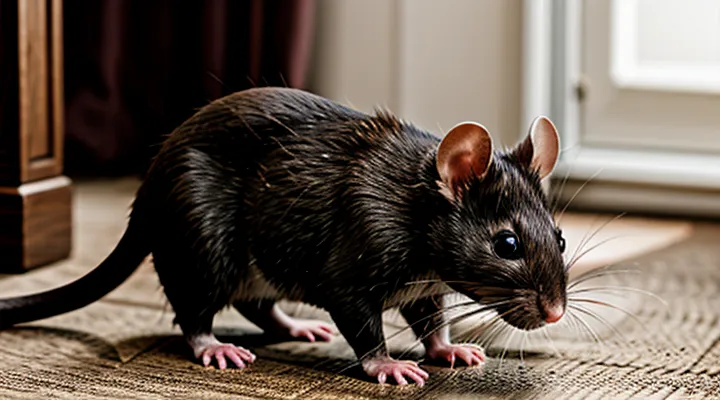
The Importance of Knowing Your Rat’s Age
Why Accurate Age Estimation Matters
Health Monitoring
Health monitoring supplies objective data that correlate with the biological age of ornamental rodents. Regular observation and measurement create a baseline for comparison, enabling age estimation without invasive procedures.
Key physiological markers include:
- Dental attrition patterns; older specimens exhibit pronounced wear on incisors.
- Coat texture; progressive greying or thinning signals advancing age.
- Body mass trajectory; stable or declining weight after maturity differs from growth-phase gains.
- Activity profile; reduced agility and shorter play periods indicate senior status.
- Vision and hearing responsiveness; diminished sensory acuity aligns with later life stages.
Implement a systematic protocol: schedule bi‑monthly physical examinations, document dental condition, coat assessment, weight, and activity levels; employ a veterinarian for otoscopic and ophthalmic checks; archive all records in a centralized log. Consistent data collection refines age predictions and supports optimal care decisions for decorative rats.
Breeding Considerations
When evaluating the maturity of ornamental rodents, breeders must integrate several practical factors. Accurate age assessment supports responsible pairing, health management, and compliance with exhibition standards.
- Maintain detailed pedigree sheets that record birth dates, litter numbers, and parental ages. Documentation eliminates reliance on visual estimation alone.
- Observe dental wear patterns: incisors develop a predictable enamel ridge sequence, while molar surface texture changes predictably after the first year.
- Monitor coat coloration and texture. Juvenile fur appears softer and lighter; progressive greying or coarse patches often indicate seniority.
- Assess body mass relative to breed standards. Weight curves plotted against known growth rates reveal deviations that suggest either delayed development or premature aging.
- Conduct periodic health screenings. Age‑related conditions such as cataracts or arthritis provide indirect clues when combined with other metrics.
Breeding decisions should reflect the compiled data. Pairings that involve individuals of uncertain age risk mismatched reproductive cycles and may compromise offspring viability. By adhering to systematic record‑keeping and objective physical indicators, breeders achieve reliable age determination without speculative judgment.
Behavioral Insights
Observing the conduct of ornamental rodents yields reliable indicators of their chronological stage. Younger specimens typically display heightened locomotion, frequent exploratory bursts, and rapid transitions between objects. As age advances, movement diminishes, intervals between activity lengthen, and the animal favors familiar zones over novel ones.
Grooming patterns correlate with maturity. Juvenile rats engage in brief, sporadic cleaning, often interrupted by play. Mature individuals perform longer, methodical grooming sessions, concentrating on specific body regions and exhibiting less interruption.
Social interaction provides additional clues. Early‑life rats initiate frequent contact, chase peers, and emit high‑frequency vocalizations. Older rats reduce overt play, adopt a more passive posture during group encounters, and rely on low‑tone communication.
Responses to external stimuli differentiate age groups. Young rats react swiftly to sudden sounds or light changes, exhibiting startle reflexes and rapid escape attempts. Older rats show delayed reactions, limited escape distance, and a preference for remaining stationary.
Key behavioral markers for age estimation:
- Frequency of locomotor bursts per hour
- Duration of individual grooming episodes
- Ratio of active play to passive resting time
- Latency to respond to novel auditory or visual cues
- Vocalization pitch and repetition rate
Collecting quantitative data on these variables enables precise age assessment without invasive methods. Consistent measurement across multiple observation periods enhances accuracy and reduces individual variance.
Methods for Estimating Age
Physical Indicators
Tooth Appearance
Tooth appearance provides reliable indicators for estimating the age of ornamental rodents. Dental assessment focuses on three observable characteristics: wear patterns, coloration changes, and enamel integrity.
-
Wear patterns: Younger specimens display sharp, unabraded incisors with minimal gnaw marks. As the animal ages, the biting edges become blunted, and the occlusal surfaces develop shallow grooves. The depth and frequency of these grooves correlate with cumulative feeding activity.
-
Coloration changes: Incisors of juveniles retain a bright, uniform hue. Over time, the enamel surface acquires a yellowish tint due to mineral deposition and exposure to environmental factors. Darkening of the tooth base often signals advanced age.
-
Enamel integrity: Early-stage teeth present a smooth, glossy enamel layer. Progressive aging leads to microfractures, pitting, and occasional chipping at the tip. The presence of these defects indicates prolonged wear cycles.
Combining these observations yields a practical framework for age determination. Examine each tooth for wear depth, note color shifts from bright to muted tones, and assess enamel condition for signs of deterioration. The cumulative assessment produces a more accurate age estimate than any single characteristic alone.
Coloration and Wear
Coloration provides a reliable chronological signal for ornamental rodents. Freshly painted coats exhibit vivid, uniform hues; over time, pigments fade toward muted tones. Early-stage aging typically shows slight desaturation, while advanced specimens display pronounced dullness and uneven shading. Specific pigments degrade at known rates: water‑based acrylics lose intensity within 2–3 years, whereas oil‑based enamels retain brightness up to 5 years before noticeable fading. Monitoring the shift from original shade to a paler variant allows an approximate age range to be assigned.
Wear patterns complement color analysis. Surface abrasion reveals the duration of handling and exposure to environmental factors. Initial wear manifests as fine scratches along high‑contact zones such as the ears, tail base, and limbs. Progressive wear produces broader scuffs, loss of fine detail, and exposure of underlying substrate. The depth of material loss correlates with elapsed time; for example:
- Shallow surface scratches – less than 1 year.
- Moderate scuffing with partial pigment exposure – 1–3 years.
- Deep gouges revealing base material – over 3 years.
Additional wear indicators include:
- Cracking of varnish layers.
- Discoloration from oxidation at joints.
- Softening of polymer components under prolonged UV exposure.
By cross‑referencing pigment fading with the severity of mechanical wear, an accurate age estimate can be derived without reliance on external documentation.
Length and Alignment
Measuring the overall length of a decorative rat provides a direct proxy for its developmental stage. Standard specimens reach a maximum length of 12–14 cm when fully mature; younger examples typically fall within 5–9 cm. Use a calibrated caliper or flexible measuring tape, record the distance from the tip of the nose to the base of the tail, and compare the value against established size charts for the specific model.
Alignment of body parts reveals additional age information. Observe the following characteristics:
- Head‑to‑body angle: juvenile figures exhibit a more pronounced forward tilt; mature pieces maintain a neutral, straight posture.
- Tail orientation: younger rats display a tightly coiled tail; adult specimens present a straight or gently curved tail extending beyond the hindquarters.
- Ear placement: ears of juveniles sit higher on the skull and may appear proportionally larger; adult ears align lower and closer to the head’s contour.
- Limb spread: juvenile limbs are positioned closer together, while mature rats show a wider stance with legs aligned parallel to the torso.
Integrating length and alignment yields a reliable age estimate. First, record the measured length. Second, assess each alignment indicator, assigning a binary score (0 = juvenile, 1 = adult). Sum the scores; a total above three, combined with a length exceeding 10 cm, confirms full maturity. Apply this protocol consistently across collections to maintain comparability and accuracy.
Eye Development
Eye development provides reliable markers for estimating the age of ornamental rodents. During the first weeks after birth, the ocular surface remains smooth, the cornea appears clear, and the iris exhibits a uniform, light coloration. By the third week, the iris begins to develop pigment granules, creating a mottled pattern that intensifies with each subsequent month. At approximately two months, the lens shows slight opacity detectable under magnification, while the retinal pigment epithelium starts to display age‑related granulation. These changes progress predictably and can be measured without invasive procedures.
Age assessment relies on three observable parameters:
- Iris pigmentation density – light, uniform iris in neonates; gradual darkening and speckling in juveniles; fully pigmented, heterogeneous iris in adults.
- Lens clarity – transparent lens in early development; emergence of micro‑opacities after eight weeks; pronounced clouding in mature specimens.
- Retinal granulation – smooth retinal surface in newborns; appearance of discrete pigment granules at four weeks; extensive granulation and thinning in older individuals.
Combining these ocular indicators yields an age estimate accurate to within one developmental stage. Regular visual examination, supplemented by calibrated imaging, ensures consistent results across populations of decorative rats.
Opacity and Cloudiness
Opacity and cloudiness serve as measurable indicators when assessing the age of ornamental rodents. Over time, exposure to light, humidity, and handling alters the translucency of materials such as resin, glass, or polymer coatings that encase decorative rats. The degree of visual clarity correlates with the length of exposure, providing a non‑invasive method for age estimation.
Key observations include:
- Progressive yellowing or hazing of clear coats, indicating oxidation that accumulates with years of ambient exposure.
- Development of micro‑bubbles or internal scattering within resin, visible as reduced transparency and increased cloudiness.
- Surface abrasion that diminishes reflective gloss, measurable by comparing specular reflectance values against calibrated standards.
Quantitative approaches:
- Measure light transmission through the specimen using a spectrophotometer; lower transmission percentages correspond to greater cloudiness and older age.
- Record refractive index variations with a handheld refractometer; deviations from the material’s original index signal structural changes linked to aging.
- Capture high‑resolution images under standardized lighting; apply image‑analysis software to calculate opacity ratios, then reference a database of known‑age samples for comparison.
Combining these metrics yields a reliable age profile for decorative rats without destructive sampling. Regular calibration against dated reference pieces ensures consistency across different batches and material compositions.
Pupil Size and Reactivity
Pupil size and reactivity provide reliable indicators for estimating the age of ornamental rodents. Younger specimens typically exhibit larger pupils relative to eye diameter and display rapid constriction and dilation in response to changes in ambient light. As the animal matures, the pupil-to-eye ratio decreases and the latency of reflexes lengthens.
Measurement of these parameters requires consistent lighting conditions and a calibrated ophthalmoscope or digital imaging system. The procedure includes:
- Recording baseline pupil diameter under standardized illumination.
- Introducing a sudden light stimulus and timing the onset of constriction.
- Measuring the time required for the pupil to return to its original size after the stimulus is removed.
Data interpretation follows established age‑related trends. Pupil diameters exceeding 30 % of the eye’s horizontal axis, coupled with constriction latencies under 0.2 seconds, correspond to juveniles up to three months old. Ratios between 20 % and 30 % with latencies of 0.2–0.4 seconds indicate adolescents aged three to six months. Ratios below 20 % and latencies above 0.4 seconds are typical of adults older than six months.
Combining pupil metrics with other morphological markers, such as coat coloration and skeletal development, enhances accuracy. When applied systematically, pupil assessment reduces reliance on invasive techniques and supports humane handling of decorative rat collections.
Coat Condition
The fur of a decorative rat provides a reliable indicator of its chronological stage. Younger specimens display a uniformly soft, dense coat with a glossy sheen; the hair shafts are fine and the coloration appears vibrant and unblemished. As the animal ages, the coat undergoes measurable changes that can be recorded without specialized equipment.
Key observable alterations include:
- Texture shift – a gradual transition from silky smoothness to a coarser, slightly wiry feel.
- Color fading – progressive dulling of pigments, especially in areas exposed to light, resulting in a muted palette.
- Hair loss patterns – occasional thinning around the neck, tail base, and hindquarters, often forming small, regular patches.
- Matting tendency – increased propensity for tangles and clumps, indicating reduced grooming efficiency.
These characteristics, when evaluated together, allow an accurate placement of the rat within an age bracket. Consistent documentation of coat condition across multiple specimens enhances the precision of any age-estimation protocol.
Texture and Luster
When estimating the age of ornamental rat figures, surface characteristics provide the most reliable clues. The tactile quality of the material reveals wear patterns that accumulate over time; smoother, polished areas indicate recent manufacture, while uneven, grainy sections suggest prolonged exposure to handling and environmental factors. The presence of micro‑abrasions, softened edges, and subtle depressions around decorative elements signals prolonged use and, consequently, greater antiquity.
Luster, the visual sheen of the piece, changes predictably as the object ages. Freshly cast items exhibit a bright, uniform gloss that reflects light sharply. Over decades, oxidation, dust accumulation, and minor surface oxidation diminish this reflectivity, producing a muted, diffused sheen. The degree of tarnish, especially on metallic accents, correlates with exposure duration and can be measured visually or with a gloss meter for quantitative assessment.
Key texture and luster indicators:
- Grain consistency: coarse, irregular grain → older; fine, even grain → newer.
- Edge definition: sharp, crisp edges → recent; rounded, softened edges → aged.
- Surface patina: uniform, bright gloss → recent; uneven, dulled sheen → older.
- Oxidation spots: minimal or absent → newer; widespread, subtle discoloration → older.
Combining tactile inspection with visual evaluation of luster yields a comprehensive age approximation for decorative rat artifacts.
Hair Loss Patterns
Hair loss patterns provide reliable visual cues for estimating the age of ornamental rats used in decorative displays. Early‑stage individuals retain a full coat with uniform density across the body. As rats mature, the dorsal region begins to show subtle thinning, most noticeable along the spine. Mid‑life specimens exhibit pronounced hair loss on the shoulders, hips, and the base of the tail, often forming irregular patches. Senior rats display extensive balding on the ears, muzzle, and ventral surface, with the remaining fur typically coarse and sparse.
Key observations for age assessment:
- Coat density: Dense and even → juvenile; patchy or reduced → older.
- Location of thinning: Spine first, then shoulders and hips, followed by facial and ventral areas.
- Hair texture: Fine and soft in young rats; coarse and wiry in aged individuals.
- Pattern symmetry: Symmetrical loss suggests natural aging; asymmetrical gaps may indicate injury or disease.
To apply these indicators, follow a systematic examination:
- Visually inspect the entire coat, noting areas of reduced coverage.
- Record the sequence of affected regions, comparing them with the typical progression outlined above.
- Assess hair texture using gentle tactile feedback.
- Correlate findings with known lifespan benchmarks for the specific breed or variety of decorative rat.
Interpretation must consider environmental factors such as lighting, grooming frequency, and nutritional status, which can accelerate or mask normal hair loss. When multiple indicators align, the estimated age range achieves higher confidence. In cases of ambiguous patterns, supplement visual analysis with dental wear assessment or skeletal examination for a more comprehensive evaluation.
Body Size and Weight
Body size and weight provide reliable indicators when estimating the age of ornamental rats. As rodents mature, skeletal growth and muscle development follow predictable patterns that can be quantified.
- Growth curves: Species‑specific charts record average body length and mass at successive weeks. Comparing an individual’s measurements to these curves yields an approximate age range.
- Weight thresholds: Juvenile rats typically weigh less than 50 g, adolescents fall between 50 g and 150 g, while adults exceed 150 g. Deviations often signal health issues rather than age anomalies.
- Proportional analysis: The ratio of tail length to body length stabilizes after the first month. Measuring this ratio helps distinguish between early and later developmental stages.
- Sex differences: Males generally attain higher maximum weights than females. Adjusting reference values for sex improves accuracy.
Accurate measurement tools—digital calipers for length and calibrated scales for mass—are essential. Recording data in a standardized format (e.g., length in millimeters, weight in grams) ensures consistency across assessments. Combining size and weight metrics with other age markers, such as dental wear, refines the overall age estimate for decorative rats.
Growth Curves
Growth curves provide a quantitative framework for estimating the chronological stage of ornamental rodents by mapping measurable traits against time. Researchers record parameters such as body mass, head‑to‑body length, and whisker development at regular intervals from birth to maturity. Plotting these data generates a sigmoidal trajectory that reflects rapid early growth, a deceleration phase, and a plateau at adult size.
To apply growth curves for age determination, follow these steps:
- Establish a reference cohort of decorative rats with known birth dates; collect metric data at least weekly during the first two months and monthly thereafter.
- Fit the collected points to a logistic or Gompertz model using least‑squares regression; retain the model coefficients for future comparisons.
- Measure the same traits on the specimen of unknown age; insert the values into the fitted equation to solve for the corresponding time variable.
- Validate the estimate by cross‑referencing multiple traits; convergence of age predictions increases reliability.
Statistical confidence improves with larger sample sizes and repeated measurements, reducing the impact of individual variation. When constructing reference curves, exclude outliers caused by disease or abnormal nutrition, as these distort the age‑growth relationship. The resulting model enables rapid, non‑invasive age assessment of decorative rats in breeding programs, exhibition preparation, and scientific studies.
Weight Fluctuations
Weight fluctuations provide a reliable indicator when estimating the lifespan of ornamental rodents. As a rat ages, its metabolic efficiency declines, leading to measurable changes in body mass. Younger specimens typically maintain a steady weight within a narrow range, while older individuals exhibit greater variability due to reduced muscle tone, altered feeding patterns, and health issues.
Key observations for interpreting weight data include:
- Consistent weight gain of less than 2 % per month suggests a mature but still relatively young animal.
- Sudden weight loss exceeding 5 % within two weeks often signals advanced age or underlying disease.
- Persistent weight oscillations of 3–7 % over a three‑month period correlate with the onset of senescence.
- Comparison with breed‑specific growth curves helps differentiate normal aging from abnormal conditions.
Accurate measurement requires calibrated scales, recording at the same time of day, and control of environmental factors such as temperature and humidity. Repeated assessments, preferably weekly, reduce random error and reveal trends that single measurements cannot capture.
Integrating weight trends with additional age markers—such as fur coloration, dental wear, and activity level—enhances precision. When weight data align with expected age‑related patterns, confidence in the age estimate increases substantially.
Behavioral Clues
Activity Levels
Observing a decorative rat’s activity level offers reliable clues about its developmental stage. Younger specimens typically display rapid, erratic movements, frequent exploration of new objects, and high responsiveness to minor stimuli. As the animal matures, locomotion becomes steadier, bouts of activity shorten, and reactions to the same stimuli diminish in intensity.
Key indicators of activity‑related age include:
- Speed of locomotion measured over a fixed distance; values above the species‑average suggest juvenility, while slower rates align with adulthood.
- Frequency of exploratory bouts per hour; a high count correlates with early life stages.
- Reaction latency to tactile or auditory cues; shorter delays indicate younger individuals.
- Duration of sustained activity periods; extended continuous movement is characteristic of younger rats, whereas older rats alternate brief activity with longer rest intervals.
Collecting these metrics under consistent lighting and temperature conditions minimizes external variation. Comparing the results to established baseline charts enables precise age estimation without reliance on external appearance alone.
Playfulness and Exploration
Assessing the age of ornamental rodents benefits from observing their innate curiosity and interactive behavior. Young specimens display heightened activity, frequent investigation of new objects, and rapid response to stimuli, whereas older individuals show reduced vigor and selective engagement.
Key behavioral indicators include:
- Frequency of spontaneous exploration: multiple short forays per hour suggest juvenile status; occasional, longer forays indicate maturity.
- Reaction time to sudden sounds or movements: latency under one second points to youth; latency exceeding two seconds aligns with seniority.
- Preference for complex environments: preference for intricate mazes or multi‑level structures is typical of younger rats; contentment with simple layouts reflects advanced age.
Physical manifestations often accompany these patterns. Juvenile rats possess supple musculature, bright eyes, and a tendency to climb or dash across surfaces. Mature rats exhibit steadier gait, diminished climbing, and a propensity to linger near familiar objects.
Combining behavioral metrics with morphological assessment yields a reliable age estimate. Record exploration frequency, reaction latency, and environmental preference over a standardized observation period, then correlate these data with established age‑behavior charts for decorative rodent models. This systematic approach minimizes subjective judgment and enhances precision in age determination.
Rest and Sleep Patterns
Understanding the sleep‑related characteristics of ornamental rodents provides measurable clues for age estimation. Younger specimens typically display compact, well‑defined postures with minimal signs of prolonged rest. In contrast, older figurines often reveal softened contours, slight sagging of limbs, and a relaxed, reclined stance that suggests extended periods of inactivity.
Key observable factors include:
- Position of the tail: a tightly coiled tail indicates recent manufacture; a loosened or drooping tail points to long‑term storage or display.
- Eye clarity: bright, unclouded eyes suggest minimal exposure to dust and light, common in newer pieces; muted or yellowed lenses imply prolonged exposure.
- Surface wear: smooth, untouched surfaces correlate with limited handling, whereas surface abrasion, especially on areas that would touch a surface during sleep, signals extended use.
- Joint flexibility: freely moving joints denote recent assembly; stiffness or creaking when adjusted indicates material fatigue over time.
Correlating these rest‑related markers with known production dates of comparable items refines the age determination process. By systematically recording each attribute and comparing it against a calibrated reference database, experts can assign an approximate age range to decorative rats with a high degree of confidence.
Social Interaction
Observing the patterns of interaction among ornamental rodents provides measurable indicators of their chronological development. Younger specimens tend to exhibit higher levels of exploratory play, frequent peer‑initiated contact, and reduced dominance displays, whereas older individuals show diminished social initiation, increased grooming of conspecifics, and more pronounced hierarchical behavior.
Key behavioral metrics useful for age assessment include:
- Frequency of reciprocal grooming sessions per hour.
- Ratio of initiated versus received affiliative contacts.
- Duration of dominance challenges during group gatherings.
- Latency before re‑engaging after brief isolation periods.
Collecting these data requires consistent monitoring under controlled lighting and temperature conditions to eliminate external stressors that could skew interaction rates. Video recording over several consecutive days allows for reliable quantification and comparison against established age‑behavior baselines.
Statistical analysis of the compiled metrics, such as multivariate regression, yields an age estimate with a typical error margin of ±10 % of the actual lifespan for the species. This method supplements anatomical examinations, offering a non‑invasive complement for determining the maturity of decorative rats in curated environments.
Dominance Hierarchies
Age estimation for ornamental rodents often incorporates both physical traits and social behavior. Among behavioral indicators, the rank order within a group—known as the dominance hierarchy—offers a reliable metric.
Rats establish a hierarchy through repeated contests involving aggression, displacement, and priority access to food, nesting material, and preferred resting sites. Higher‑ranking individuals consistently win confrontations, occupy central positions in the cage, and receive grooming from subordinates.
Empirical observations show a strong association between rank and chronological maturity. In stable groups, individuals that have occupied the top tier for extended periods typically exhibit the greatest age, while newly introduced or younger rats remain at lower levels. This pattern persists across both sexes, provided health status does not interfere.
To apply hierarchy analysis in age determination, follow these steps:
- Record outcomes of at least ten dyadic encounters per pair of rats.
- Note which animal initiates and wins each encounter.
- Track resource control: food bowl occupation, nesting spot preference, and exclusive use of elevated platforms.
- Assign a rank score based on win‑loss ratios and resource dominance.
- Compare the rank distribution with reference data from colonies of known ages.
Integrating hierarchy data with dentition wear, body mass, and coat condition refines age estimates, compensating for anomalies caused by illness, hormonal fluctuations, or atypical social structures.
Response to Cagemates
When evaluating the age of ornamental rodents, the reactions of their cage companions constitute a reliable source of data. Younger individuals typically occupy subordinate positions, exhibit frequent play bouts, and display limited dominance displays, while mature rats assert control through territorial marking and consistent leadership in group movements.
Key behavioral markers observable in cage mates:
- Initiation of grooming: senior rats often groom peers more than being groomed.
- Food competition: older rats claim priority at feeding times.
- Exploration patterns: juveniles follow leaders, whereas adults lead and explore novel areas first.
- Vocalization frequency: reduced high‑pitched squeaks indicate maturity.
Correlating these observations with known developmental milestones yields an age estimate. Record each behavior daily, noting frequency and participants. Cross‑reference the compiled data with species‑specific growth charts to refine the age determination. Consistent documentation and objective analysis of cage‑mate interactions produce a dependable assessment without reliance on invasive methods.
Training and Learning Abilities
Training protocols and learning assessments provide reliable indicators for estimating the age of ornamental rodents. Younger specimens display rapid acquisition of simple operant tasks, while older individuals require more repetitions and exhibit slower response times. Systematic observation of these learning curves yields quantifiable age markers.
Key observations include:
- Acquisition speed: Number of trials needed to reach a predefined success rate on a lever‑press or maze task.
- Retention interval: Duration after which the learned behavior diminishes, measured in days.
- Error pattern: Frequency and type of mistakes during initial learning phases, such as repeated backtracking in a T‑maze.
- Motivation threshold: Minimum reward magnitude that sustains engagement, decreasing with advancing age.
Implementing a standardized training regimen—consistent stimulus presentation, fixed reward schedule, and controlled environmental conditions—eliminates extraneous variables. Data collected across multiple sessions can be plotted against established age‑performance curves, allowing precise age inference without invasive techniques.
By integrating conditioned learning metrics with morphological cues, evaluators achieve a comprehensive, non‑destructive method for age determination in decorative rat collections.
Ease of Training
Assessing the age of ornamental rats often involves observing their responsiveness to training. Younger specimens typically exhibit higher curiosity and quicker adaptation to new cues, while older individuals may display slower learning curves and reduced enthusiasm for novel tasks.
Key indicators of training ease that correlate with age include:
- Speed of task acquisition: rapid mastery suggests juvenile or adolescent stage.
- Retention period: longer memory of commands points to mature adulthood.
- Motivation level: frequent engagement with rewards indicates younger age; diminished interest may signal seniority.
Evaluators should standardize training protocols—consistent cue presentation, uniform reward timing, and repeatable task complexity—to ensure that observed differences stem from age-related factors rather than methodological variance. By systematically recording performance metrics, practitioners can infer age brackets with greater reliability.
Memory Retention
Memory retention techniques provide reliable markers for estimating the chronological stage of ornamental rodents. The ability of a decorative rat to retain specific tasks or stimuli declines in a predictable manner, creating a measurable proxy for age.
- Conditioned response decay: Train the specimen to perform a simple maze or lever press for a reward. Record the number of trials required for the response to weaken below a predefined success rate. Faster decay indicates an older individual.
- Spatial recall test: Place distinct visual cues in a miniature environment. Measure the time needed for the rat to navigate back to a target location after a delay. Longer latency correlates with advanced age.
- Object recognition latency: Present a novel object alongside a familiar one after varying intervals. Track the discrimination time; diminished discrimination speed reflects age-related memory loss.
Interpretation of results demands control of environmental variables, consistent training protocols, and baseline data from known-age specimens. By aligning observed retention metrics with calibrated age curves, practitioners can assign an approximate age to decorative rats with scientific confidence.
Documented Information
Breeder Records
Breeder records provide the most reliable chronological framework for assessing the age of ornamental rodents. Each entry typically includes the date of birth, litter identification, and parental lineage, allowing investigators to calculate exact ages without reliance on visual estimations.
Key data points found in standard breeder logs:
- Birthdate – recorded in DD/MM/YYYY format; serves as the primary age reference.
- Litter number – links siblings to a single breeding event, confirming simultaneous birth.
- Parent IDs – enable cross‑verification with parent birth records, reinforcing accuracy.
- Health checks – dates of veterinary examinations often note developmental stage, corroborating the birthdate.
- Transfer records – dates of sale or relocation indicate the rat’s age at each transaction.
When evaluating a decorative rat, cross‑reference the animal’s registration tag with the breeder’s ledger. Verify that the tag number matches the recorded litter and that the documented birthdate aligns with any accompanying health certificates. Discrepancies between the ledger and external documents suggest potential errors or falsification.
For archival purposes, maintain digital backups of breeder logs with timestamps. Implement checksum verification to detect alterations. Regular audits of these records ensure that age determinations remain precise and defensible in both commercial and scholarly contexts.
Birth Date Verification
Accurate verification of a decorative rat’s birth date requires objective documentation and systematic analysis. Primary sources include the manufacturer’s certificate of authenticity, which typically lists the production batch and the date of molding. When a certificate is unavailable, examine the serial number stamped on the base; manufacturers maintain chronological logs that correlate serial ranges with specific release dates. Cross‑reference this information with archival catalogs or reputable collector databases to confirm the recorded date.
Key verification steps:
- Obtain the original certificate or request a copy from the producer’s archives.
- Identify the serial or model number engraved on the piece.
- Access the manufacturer’s production ledger or an established online registry to match the number with a calendar date.
- Compare the stated date with known design releases or limited‑edition announcements to detect inconsistencies.
- Document all findings in a written report, citing sources and including photographic evidence of markings.
When discrepancies arise, contact the maker’s customer service department for clarification or submit the item for professional appraisal. Maintaining a clear audit trail ensures the declared birth date withstands scrutiny and supports accurate age assessment of ornamental rodents.
Pedigree Information
Pedigree documentation provides the most reliable reference for estimating the age of ornamental rats. Official breeding records typically list the exact birth date, parental lineage, and registration number, allowing a direct calculation of chronological age. When a certificate is unavailable, the following sources can be consulted:
- Breeder logbooks that record mating dates and litter outcomes.
- Registry databases that assign unique identifiers to each animal and store birth information.
- Veterinary health records that include initial examinations dated shortly after birth.
Cross‑referencing these documents eliminates reliance on visual cues, which can be misleading due to variations in coat condition or size. In cases where pedigree data is incomplete, genetic testing may confirm relatedness to known‑age lines, narrowing the possible age range. Accurate age determination thus hinges on the integrity and accessibility of documented lineage.
Adoption Agency Data
Adoption agencies maintain records that can serve as reliable evidence when estimating the age of ornamental rodents. Each intake file typically includes the date the animal entered the system, veterinary evaluations, and any prior ownership documentation. By cross‑referencing these timestamps with physical indicators, researchers can produce a narrowed age range.
Key data elements useful for age assessment:
- Intake date: establishes the earliest possible age if the animal was already mature at admission.
- Veterinary notes: contain dentition status, bone density measurements, and skin elasticity observations.
- Previous ownership records: may list birth dates, breeder certificates, or sale receipts.
- Health history: chronic conditions such as arthritis or cataracts correlate with advanced age.
When the intake date predates the animal’s likely maturity, the agency’s veterinary report becomes the primary source. Dental examination, for instance, distinguishes juvenile from adult specimens by counting erupted incisors and evaluating wear patterns. Bone scans, recorded in the medical file, reveal osteoporotic changes that increase with time.
Combining chronological data with physiological markers yields a robust age estimate. Agencies that standardize their documentation formats enhance comparability across cases, allowing analysts to apply consistent criteria when evaluating decorative rat specimens.
Estimated Birth Dates
Estimating the birth dates of ornamental rodents relies on observable physical and behavioral markers that correlate with known developmental timelines.
Physical indicators include dental eruption patterns, coat coloration changes, and skeletal ossification levels. Freshly erupted incisors appear white and smooth; by the third month, enamel darkens and wear becomes evident. Juvenile coat shades transition from muted gray to the vibrant hues typical of adult specimens within four to six weeks, providing a reliable temporal cue. Radiographic assessment of epiphyseal plate closure offers precise age brackets: open plates suggest under six months, partial closure indicates six to twelve months, and complete fusion denotes maturity beyond one year.
Behavioral cues further refine estimates. Early social interaction frequency peaks between two and three weeks, while the onset of territorial marking typically emerges after eight weeks. Activity monitoring, such as nocturnal movement intensity, declines noticeably after the first year, aligning with known lifespan stages.
A practical workflow for determining approximate birth dates:
- Record dental condition and compare with reference charts for incisive wear stages.
- Document coat coloration and pattern progression against standardized age-color matrices.
- Conduct a brief radiographic scan to assess epiphyseal plate status.
- Observe social and territorial behaviors, noting the age range associated with each activity.
- Synthesize data points to assign the most probable birth month and year, acknowledging a margin of error of ±2 weeks.
Combining these metrics yields a triangulated estimate that balances anatomical precision with observable behavior, enabling accurate age attribution for decorative rats without invasive procedures.
Previous Owner History
Understanding the provenance of an ornamental rat provides critical clues about its age. Records of past ownership reveal manufacturing periods, restoration interventions, and geographic distribution, all of which help place the piece within a chronological framework.
- Sale receipts, auction catalogs, or estate inventories often list the acquisition date, allowing a direct link to the item’s timeline.
- Owner annotations on the base or hidden tags may contain serial numbers, maker’s marks, or dates of embellishment.
- Correspondence between collectors, such as letters or emails, can document when a piece changed hands, indicating the minimum age of the object.
- Exhibition histories recorded in museum or gallery archives show when the rat was publicly displayed, establishing a latest possible creation date.
Cross‑referencing these data points with known production periods of specific artisans or workshops narrows the age range. When documentation is incomplete, stylistic analysis of the owner's personalization—such as varnish layers, added accessories, or repair marks—offers supplementary dating evidence. Combining documented ownership chronology with physical examination yields the most reliable estimate of an ornamental rat’s age.
Challenges and Limitations of Age Determination
Variability Among Individuals
Genetic Factors
Genetic analysis provides objective measures that correlate with chronological and physiological age in ornamental rodents. Specific biomarkers can be quantified from tissue samples, enabling age estimation without reliance on external appearance.
- Telomere length – progressive shortening reflects cumulative cell divisions; quantitative PCR or Southern blot yields average telomere repeat copy number per genome.
- DNA methylation patterns – age‑associated CpG sites form an epigenetic clock; targeted bisulfite sequencing or array platforms generate methylation scores calibrated against known‑age cohorts.
- Somatic mutation burden – accumulation of point mutations and small insertions/deletions in nuclear DNA increases with age; whole‑genome or exome sequencing provides mutation frequency metrics.
- Expression of senescence genes – up‑regulation of Cdkn2a (p16^Ink4a), Cdkn1a (p21) and down‑regulation of proliferative markers can be measured by quantitative RT‑PCR.
- Mitochondrial DNA heteroplasmy – age‑related shifts in mitochondrial variant frequencies are detectable by high‑throughput sequencing; heteroplasmy indices serve as supplemental age indicators.
Implementation requires standardized sampling (e.g., ear punch or tail tip), DNA extraction protocols that preserve integrity, and reference datasets derived from rats of known age and breed. Statistical models, typically linear or mixed‑effects regressions, combine multiple biomarkers into a composite age predictor, improving accuracy over single‑marker approaches. Validation against independent samples confirms predictive performance and identifies breed‑specific calibration needs.
Environmental Influences
Environmental conditions directly affect the physical characteristics used to estimate the age of ornamental rat figurines. Temperature fluctuations accelerate the degradation of polymer binders, causing surface cracking that may be misinterpreted as age‑related wear. High humidity promotes mold growth and metal corrosion, altering patina and obscuring original finish details. Prolonged exposure to ultraviolet light fades pigments and weakens structural components, creating false indicators of advanced age. Atmospheric pollutants, such as sulfur dioxide and ozone, react with metal alloys and lacquer layers, producing discoloration patterns that differ from natural aging processes. Storage variables—including enclosure material, ventilation, and proximity to heat sources—modulate the rate of these alterations.
Key environmental factors to monitor when evaluating age:
- Temperature range: Record average and peak values; rapid cycles correlate with increased micro‑fracturing.
- Relative humidity: Maintain levels below 45 % to limit moisture‑induced corrosion.
- Light exposure: Measure cumulative UV dosage; limit direct sunlight to reduce pigment breakdown.
- Air quality: Assess presence of corrosive gases; use filtration to prevent chemical staining.
- Physical handling: Document frequency and method of contact; mechanical stress can mimic age‑related wear.
By quantifying these parameters and correlating them with observed material changes, practitioners can differentiate between genuine chronological deterioration and environmentally induced alterations, leading to more accurate age assessments of decorative rat artifacts.
Lack of Early Life Records
Unknown Origins
Decorative rat figurines frequently appear without maker’s marks, certificates, or documented acquisition histories, leaving their provenance ambiguous. The absence of clear origin information hinders straightforward age estimation because reference points such as production periods, regional styles, or known workshop timelines are unavailable.
Uncertain provenance introduces several analytical obstacles. Materials may vary widely—from cast metal to polymer resin—without accompanying records that identify manufacturing techniques. Surface finishes can be artificially aged, and repair work may obscure original wear patterns, further complicating chronological assessment.
Effective age determination under these conditions relies on a combination of scientific and comparative methods:
- Material composition analysis – spectroscopic techniques (e.g., XRF, FTIR) identify alloy constituents or polymer types linked to specific industrial eras.
- Stylistic comparison – visual inspection against cataloged examples with known dates isolates recurring motifs, proportions, or decorative elements characteristic of particular periods.
- Wear and patina evaluation – microscopic examination of surface oxidation or abrasion distinguishes genuine aging from recent artificial treatments.
- Contextual provenance research – investigation of auction records, estate inventories, or exhibition catalogs may reveal indirect clues about the piece’s circulation timeline.
- Direct dating – when organic residues or binders are present, radiocarbon dating or thermoluminescence provides absolute age estimates.
Prioritizing methods that yield quantitative data (material analysis, direct dating) reduces reliance on subjective interpretation. When such data are unavailable, stylistic and contextual clues serve as secondary indicators, albeit with broader uncertainty margins.
A disciplined, multilayered approach compensates for the lack of explicit origin details, enabling reliable age assessments of decorative rat artifacts despite their mysterious beginnings.
Inaccurate Guesses
Accurate age assessment of ornamental rodents requires more than casual speculation. Guessing based on appearance alone introduces systematic errors that compromise documentation and valuation.
Typical sources of inaccurate guesses include:
- Surface wear misinterpretation – assuming that faded paint or chipped varnish directly reflects age, while environmental factors such as sunlight exposure or cleaning agents can produce similar effects on newer pieces.
- Stylistic confusion – attributing a design trend to a specific era without cross‑referencing production records; many motifs reappear in later reproductions, leading to chronological misplacement.
- Material degradation bias – equating material fatigue (e.g., brittle wood, cracked porcelain) with advanced age, ignoring that low‑quality materials may deteriorate rapidly regardless of their production date.
- Provenance gaps – relying on anecdotal ownership histories that lack verifiable dates, which often inflate perceived antiquity.
Mitigating these pitfalls involves systematic procedures: document physical condition, compare stylistic elements against authenticated catalogues, conduct material analysis (e.g., spectrometry for pigment composition), and corroborate ownership records with archival data. Relying on empirical evidence rather than intuition eliminates the majority of guess‑driven inaccuracies.
Consulting a Veterinarian for Age Assessment
Professional Examination
Comprehensive Health Check
A comprehensive health evaluation provides objective data that support age estimation for ornamental rodents. By systematically recording physiological and behavioral markers, the observer can correlate specific health trends with chronological development.
Key components of the examination include:
- Dental assessment – Measure incisor wear and root exposure; progressive enamel loss aligns with increasing years.
- Fur analysis – Observe color fading, texture changes, and pattern clarity; older specimens often display dulled hues and coarser coats.
- Body condition – Record weight relative to standard growth curves; deviations from expected mass indicate maturity or senescence.
- Organ palpation – Evaluate abdominal firmness and organ size; enlarged spleen or liver may signal age‑related pathology.
- Mobility testing – Conduct gait and balance checks; reduced agility typically corresponds with advanced age.
Each metric is documented and compared against validated reference tables, allowing the practitioner to assign an age range with statistical confidence. Combining multiple health indicators reduces reliance on any single variable, thereby increasing the precision of the final age determination.
Expert Opinion
Experts in antique appraisal and material science agree that determining the age of ornamental rodent figurines requires a combination of visual analysis, scientific testing, and provenance research. Visual analysis focuses on stylistic elements such as carving techniques, patina development, and decorative motifs that correspond to known historical periods. Material science tests, including radiocarbon dating of organic components and spectroscopic analysis of pigments, provide objective age estimates. Provenance research examines documentation, previous ownership records, and auction histories to corroborate physical findings.
Key guidelines from seasoned appraisers include:
- Examine surface wear patterns; consistent abrasion indicates prolonged exposure, while uniform polish suggests recent restoration.
- Identify metal alloys or ceramic glazes; specific compositions were introduced at documented times, allowing chronological placement.
- Conduct microscopic analysis of wood grain or polymer aging; cellular degradation rates correlate with elapsed years.
- Cross‑reference stylistic trends with catalogues of known manufacturers; distinctive design signatures often align with production dates.
Professional consensus stresses that no single method yields definitive results. A triangulated approach, integrating all three investigative streams, produces the most reliable age assessment. Experts also caution against relying solely on visual cues, as modern reproductions can mimic historical aesthetics. Comprehensive documentation of each analytical step ensures transparency and facilitates peer review.
Advanced Techniques
Dental X-rays
Dental radiography provides a reliable means of estimating the chronological stage of ornamental rodent figures when their dentition is preserved. The technique captures the internal structure of teeth, revealing growth markers that correlate with age.
The primary indicators observable on dental X‑rays include:
- Root length and closure – shorter, open apices indicate juvenile specimens; fully closed roots suggest maturity.
- Pulp cavity size – the pulp chamber narrows progressively; reduced dimensions correspond to older individuals.
- Enamel wear patterns – extensive occlusal erosion signifies prolonged use or aging.
- Secondary dentin deposition – increased thickness of dentin layers reflects cumulative deposition over time.
To apply these markers, follow a systematic procedure:
- Position the decorative rat so that the incisors and molars align with the X‑ray detector.
- Acquire high‑resolution images at 60–80 kVp to ensure clear differentiation of hard tissue.
- Measure root apex closure and pulp cavity dimensions using calibrated software.
- Compare the obtained metrics against established age‑reference charts derived from laboratory‑bred specimens.
Considerations for accurate assessment:
- Verify that the specimen’s teeth are intact; missing or restored crowns compromise measurements.
- Account for species‑specific dental development rates; reference data must match the rat breed depicted.
- Maintain consistent imaging parameters to avoid variability in contrast and scale.
When executed correctly, dental X‑ray analysis yields quantifiable age estimates, supporting authentication, conservation, and valuation of decorative rodent artifacts.
Blood Tests
Blood analysis provides the most direct evidence of physiological development in ornamental rodents. By measuring specific biomarkers, researchers can correlate biochemical levels with chronological stages.
Key indicators include:
- Telomere length – shorter telomeres correspond to older individuals; quantitative PCR yields precise measurements.
- Serum alkaline phosphatase – elevated activity reflects bone growth; decreasing values suggest maturation.
- Hormone concentrations – growth hormone and insulin‑like growth factor‑1 peak during juvenile phases and decline with age.
- Oxidative stress markers – increased malondialdehyde and reduced glutathione indicate cumulative cellular damage typical of older specimens.
Sample collection follows standard veterinary protocols: venipuncture from the lateral tail vein, anticoagulant-treated tubes, and immediate cooling to preserve analyte stability. Laboratory processing should employ calibrated assays, duplicate runs, and appropriate control samples to ensure reliability.
Interpretation requires a reference database built from rats of known age, stratified by breed and environmental conditions. Statistical models, such as linear regression or machine learning classifiers, translate raw values into age estimates with confidence intervals.
Limitations include genetic variability, diet‑induced metabolic shifts, and disease states that may alter biomarker levels independently of age. Combining blood test results with external assessments—such as dental wear or body size—enhances accuracy and mitigates single‑parameter bias.