
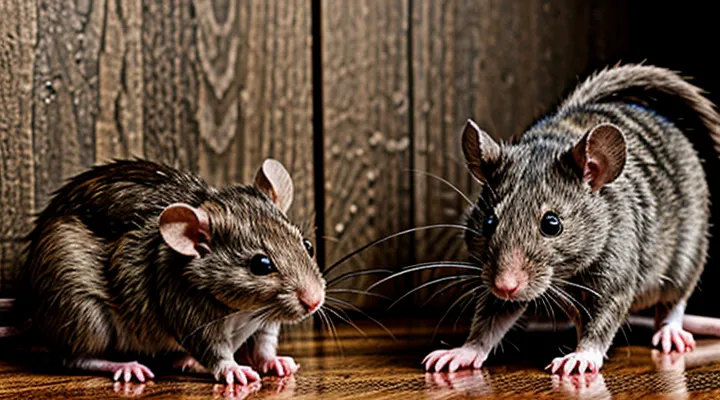
«Understanding Rat Lifespan and Growth»
«Average Lifespan of Domestic Rats»
Domestic rats typically live between 2 and 3 years under standard laboratory or pet conditions. Factors such as genetics, diet, housing, and health care can shift this range by several months.
Key lifespan statistics:
- Median lifespan: 2.5 years.
- 25th percentile: 1.8 years.
- 75th percentile: 3.0 years.
- Maximum recorded age: 4.5 years (exceptional cases with optimal care).
Males often exhibit slightly shorter lifespans than females, with averages of 2.3 years versus 2.6 years respectively. Early onset of common diseases—respiratory infections, tumors, and metabolic disorders—contributes to mortality peaks around the 18‑month mark. Proper nutrition, regular veterinary checks, and enrichment reduce premature deaths, extending the useful age range for age‑assessment methods.
«Factors Influencing Lifespan»
«Genetics»
Genetic analysis provides objective criteria for estimating the age of a pet rat when external markers such as fur condition or dentition are ambiguous. Molecular age indicators reflect cumulative cellular processes that correlate with chronological development, allowing researchers and veterinarians to assign an approximate age range with measurable confidence.
Key genetic techniques include:
- DNA methylation profiling – quantifies site‑specific methyl groups, forming an epigenetic clock calibrated against known‑age specimens.
- Telomere length measurement – assesses terminal chromosome repeats; progressive shortening aligns with increasing age.
- Somatic mutation burden – counts accumulated point mutations in non‑germline cells, offering a secondary age predictor.
- Gene expression signatures – evaluates age‑responsive transcripts identified in rodent models.
Implementation requires high‑quality tissue samples (e.g., ear punch or tail tip), standardized extraction protocols, and reference datasets derived from rats of documented ages. Validation against a control cohort ensures assay accuracy; reported error margins typically range from ±10 % of true age. Integration of multiple genetic markers improves reliability, especially for individuals older than six months where phenotypic cues diminish.
«Diet and Nutrition»
Dietary patterns shift noticeably as a pet rat matures, providing practical clues for age estimation. Young rats (approximately 3‑8 weeks) exhibit rapid growth, require high‑calorie feed, and readily accept soft pellets or formula. Their feces are small, moist, and frequent, reflecting a digestive system still adapting to solid food.
Adult rats (2‑12 months) maintain stable body weight, consume moderate‑calorie pellets, and supplement with fresh vegetables. Their consumption of high‑fiber greens increases, and they develop a preference for occasional treats. Fecal output becomes larger, dryer, and less frequent, indicating a fully developed gut flora.
Senior rats (over 12 months) show reduced appetite, favor easily chewable foods, and may develop weight loss despite unchanged feed amounts. They often require higher protein and calcium to counteract muscle and bone loss. Observations of decreased food intake, preference for soft textures, and altered stool consistency support age assessment.
Key nutritional indicators for age determination:
- Caloric intake: high in juveniles, moderate in adults, declining in seniors.
- Food texture preference: soft/formula for young, firm pellets for adults, softened or soaked foods for older animals.
- Supplementary nutrients: increased protein and calcium requirements in senior rats.
- Fecal characteristics: size, moisture, and frequency correlate with developmental stage.
Monitoring these dietary and nutritional markers alongside physical examination enhances the accuracy of age estimation for domestic rats.
«Environment and Enrichment»
Environment and enrichment directly affect the physical indicators used to estimate a pet rat’s age. Housing conditions alter dental wear, fur quality, and body condition, all of which serve as age markers. A cage with abrasive surfaces accelerates incisor attrition, potentially mimicking the wear seen in older animals. Conversely, soft bedding reduces natural wear, leading to younger‑appearing teeth in mature rats.
Nutritional enrichment influences coat color and texture. High‑fat diets may cause premature greying or loss of the glossy sheen typical of younger specimens. Access to fresh vegetables and protein sources supports healthy fur and skin, preserving juvenile characteristics longer than in rats fed a limited diet.
Behavioral enrichment shapes activity patterns that can be misread as age cues. Complex toys and climbing structures maintain higher locomotor activity, which might suggest a younger age despite advanced dental or skeletal development. Conversely, a barren environment reduces movement, creating the impression of senescence even in relatively young rats.
Key environmental factors to monitor when estimating age:
- Substrate hardness and material composition (affects incisor wear).
- Bedding type and frequency of change (impacts skin health).
- Diet diversity and nutrient balance (influences coat condition).
- Availability of climbing apparatus and tunnels (modifies activity level).
- Frequency of cage cleaning and enrichment rotation (prevents premature wear and stress‑related aging signs).
Accurate age estimation requires correlating these environmental observations with anatomical markers such as tooth length, vertebral ossification, and body weight. Ignoring the influence of habitat and enrichment can lead to systematic over‑ or under‑estimation of a rat’s chronological age.
«Veterinary Care»
Veterinary assessment provides the most reliable framework for estimating a pet rat’s age because it integrates observable physical traits with diagnostic data.
Physical examination reveals age‑related changes: younger animals display supple skin, bright eyes, and high activity levels; older rats often have coarser fur, cataracts, and reduced mobility. Body condition scores help differentiate juvenile growth from adult maintenance.
Dental inspection is critical. Incisor length shortens as enamel wears down, while molar surface texture becomes flatter with age. Root exposure increases gradually, offering a measurable marker for senior individuals.
Radiographic analysis adds precision. Closure of growth plates in the femur and tibia indicates the transition from adolescence to adulthood. Progressive vertebral osteophyte formation and reduced intervertebral disc space correlate with advanced years.
Laboratory testing supports visual findings. Elevated serum alkaline phosphatase and altered calcium‑phosphate ratios can reflect skeletal maturation, while hormone profiles (e.g., growth hormone, cortisol) shift predictably throughout the lifespan.
Key veterinary tools for age estimation
- Comprehensive physical exam (coat, eyes, behavior)
- Detailed dental charting (incisor length, molar wear)
- Skeletal radiographs (growth‑plate status, vertebral changes)
- Blood panel focusing on bone‑metabolism markers and hormonal levels
Combining these methods yields a nuanced age profile, enabling appropriate health management and preventive care for domestic rats.
«Visual Cues for Age Estimation»
«Physical Development Stages»
«Newborn to Weanling (0-4 Weeks)»
A newborn rat is hairless, eyes closed, and ears folded. Weight typically ranges from 4 g to 7 g. These features identify the first week of life.
During the second week, fur begins to appear, initially sparse and later denser. Eyes open between days 12 and 14. Ear pinnae straighten. Weight increases to 10 g–15 g.
The third week shows full fur coverage, including the whisker pads. Eyes remain fully open, and the rat becomes more active. Weight reaches 20 g–25 g. Teeth erupt, and the animal starts exploring the nest.
In the fourth week, the rat is weanling‑ready. Fur is uniformly colored, and the animal can consume solid food. Weight approaches 30 g–35 g. Mobility is coordinated, and social play with littermates increases.
Key age indicators (0‑4 weeks):
- Fur development: none → sparse → full → uniform
- Eye status: closed → partially open → fully open → normal vision
- Ear posture: folded → partially unfolded → fully upright
- Weight: 4‑7 g → 10‑15 g → 20‑25 g → 30‑35 g
- Dental eruption: absent → incisor emergence → chewing ability
- Behavior: immobile → limited movement → active exploration → social play
Observing these parameters allows precise estimation of a pet rat’s age during the newborn to weanling period.
«Size and Weight»
The physical dimensions of a pet rat provide reliable clues about its developmental stage. Younger individuals exhibit rapid growth, while adult rats reach a plateau in both length and mass.
- Newborn (0–2 weeks): body length 5–8 cm, weight 5–15 g.
- Juvenile (3–6 weeks): length 9–12 cm, weight 20–45 g.
- Sub‑adult (7–10 weeks): length 13–15 cm, weight 50–80 g.
- Adult (11 weeks and older): length 16–20 cm, weight 90–150 g, with males typically heavier than females by 10–20 g.
Growth curves flatten after the tenth week; any increase beyond typical adult weight suggests obesity rather than continued maturation. Conversely, a rat markedly smaller than the adult range likely belongs to a younger cohort. Accurate measurement with a flexible ruler and a digital scale to the nearest gram yields the most precise age estimation.
«Fur Development»
Fur development offers concrete cues for estimating the age of a pet rat. Newborns emerge with sparse, soft down that lacks pigmentation; within the first week the coat thickens and a uniform gray or brown hue appears. By three weeks the fur reaches adult density, and the characteristic glossy sheen becomes evident.
- Birth to 7 days: minimal fur, pink skin visible, whiskers short or absent.
- 8 days to 21 days: fine down replaces naked skin, coat color stabilizes, whiskers extend to approximately half adult length.
- 22 days to 6 months: fur attains full length, texture shifts from velvety to sleek, whiskers match adult length, occasional seasonal shedding begins.
- 6 months onward: coat maintains consistent length and sheen, pattern variations (e.g., spotting, striping) become permanent, shedding cycles regularize.
Texture transitions provide additional data. Juvenile fur remains soft and pliable, while adult fur feels firmer and resists flattening under gentle pressure. Color intensity increases with melanin deposition; lighter shades in early life darken as the rat matures. Whisker growth follows a predictable schedule: initial short whiskers lengthen rapidly, reaching full length by the third week, then exhibit periodic renewal without significant length change.
Genetic lineage influences the timing of these milestones. Albino strains display delayed pigmentation but follow the same fur‑growth timeline. Nutritional adequacy accelerates coat maturation; protein‑rich diets yield earlier development of the adult sheen. Environmental temperature affects shedding frequency but does not alter the fundamental age‑related stages.
When assessing age, combine observations of coat density, texture, coloration, and whisker length with the outlined developmental timeline. Consistent alignment of these attributes with the expected age ranges yields a reliable estimate of a domestic rat’s chronological stage.
«Eye Opening»
Eye opening is a reliable indicator of developmental stage in a pet rat. The eyelids separate typically between days 12 and 15 after birth; most litters exhibit full corneal exposure by day 14. This window narrows with breed variations: dwarf rats may open slightly earlier, while larger breeds can lag by one or two days.
Assessment involves direct observation of the ocular region. A fully opened eye displays a clear, moist cornea and a visible pupil that constricts when exposed to a light source. Partial opening appears as a slit with a thin membrane still covering part of the cornea. Absence of any opening suggests an age younger than the expected 12‑day threshold.
- Full eye opening → approximately 14 days old
- Partial opening → 12‑13 days old
- No opening → less than 12 days old
These benchmarks, combined with other developmental cues such as fur growth and ear unfolding, enable accurate age estimation for domestic rats.
«Ear Development»
Ear morphology provides a reliable metric for estimating a pet rat’s chronological stage because the auditory structures undergo predictable changes from birth to senescence.
In neonates, the pinna is small, translucent, and loosely attached to the skull; the cartilage is soft, and the ear canal appears narrow and unpigmented. By the end of the third week, the pinna enlarges to roughly one‑third of head width, the cartilage stiffens, and fine hair begins to cover the outer surface. The ear canal darkens as melanin deposits increase, and the external rim gains a defined edge.
From four to six months, the ears reach adult proportions, typically matching the width of the head’s midline. The cartilage becomes firm, the hair density stabilizes, and the ear canal exhibits full pigmentation. The inner surface may display subtle venous patterns that become more pronounced with age.
In senior rats, the pinna may appear slightly drooped, and the cartilage can lose elasticity, resulting in a softer feel. Hair thinning or loss around the ear base, along with occasional crust formation, signals advanced age. The ear canal may show increased keratin buildup, and the surrounding skin often develops fine wrinkles.
Key observable indicators:
- Pinna size relative to head width
- Cartilage firmness (soft → firm → softened)
- Hair density and distribution on the outer ear
- Pigmentation level of the ear canal
- Presence of drooping or skin changes around the ear
By systematically assessing these characteristics, one can approximate the rat’s age with a high degree of confidence.
«Juvenile (4-8 Weeks)»
Juvenile domestic rats, typically between four and eight weeks old, display a distinct set of physical and behavioral traits that allow precise age assessment.
Body size increases rapidly during this interval. At four weeks, the average weight ranges from 30 to 45 g; by eight weeks, weight commonly reaches 80 to 110 g. Length measurements follow a similar pattern: head‑to‑rump distance expands from approximately 5 cm to 8 cm.
Coat development provides reliable cues. At four weeks, the fur is sparse, with a pinkish hue on the ventral surface and a thin, wiry texture on the dorsal side. By six weeks, the fur becomes denser, darker, and uniformly covers the body. Full adult pelage usually appears at eight weeks.
Dental eruption is a definitive marker. The second set of incisors emerges around five weeks, and the molar crowns become visible by seven weeks. Examination of the incisors for wear patterns can differentiate a four‑week individual from an eight‑week counterpart.
Behavioral observations support physical indicators. Juveniles in the four‑to‑six‑week range exhibit high levels of exploratory locomotion, frequent climbing, and limited social hierarchy formation. Rats older than six weeks demonstrate more stable social interactions, reduced erratic movement, and increased grooming behavior.
Key assessment points:
- Weight: 30‑45 g (≈4 weeks) → 80‑110 g (≈8 weeks)
- Fur density: sparse, pinkish (≈4 weeks) → thick, dark (≈8 weeks)
- Dental status: second incisors emerging (≈5 weeks), molar crowns visible (≈7 weeks)
- Behavior: intense exploration and climbing (early juvenile) → stable social patterns and grooming (late juvenile)
Combining these measurements yields an accurate determination of a rat’s age within the 4‑8 week juvenile window.
«Rapid Growth Phase»
Rats experience a distinct period of accelerated growth that spans roughly the first three weeks of life. During this interval, body weight, skeletal length, and dental eruption follow predictable trajectories, providing reliable markers for age estimation.
Weight gain is the most accessible indicator. Neonates typically weigh 5–7 g at birth; by day 7 they reach 15–20 g, and by day 21 they exceed 45 g. Recording weight daily and comparing it to established growth curves allows precise placement within the rapid growth window.
Skeletal development offers complementary data. The forelimb and hindlimb bones lengthen noticeably between days 5 and 14. Measuring the distance from the olecranon to the proximal phalanx, or the tibia length, and referencing species‑specific charts yields an age estimate accurate to within two days.
Dental milestones further refine the assessment. Incisor eruption occurs at birth, but the first set of molars appears around day 10, and the second set emerges by day 18. Visual inspection of molar visibility, combined with weight and skeletal metrics, confirms the rat’s developmental stage.
A practical protocol for determining age during the rapid growth phase:
- Weigh the animal each morning; plot the value on a standard growth curve.
- Measure forelimb and hindlimb bone lengths with calipers; record values.
- Examine the oral cavity for molar emergence; note the number of visible molars.
- Cross‑reference all three data sets with published growth tables for domestic rats.
Applying these quantitative criteria eliminates guesswork and yields an objective age determination for young pet rats.
«Sexual Maturity Onset»
Sexual maturity in domestic rats typically begins between 5 and 8 weeks of age for females and 6 to 9 weeks for males. The onset is marked by physiological and behavioral changes that can be observed without invasive procedures.
Key indicators include:
- Females: first estrus cycle, vaginal opening enlargement, and occasional lordosis behavior when exposed to a male.
- Males: development of descended testes, increased anogenital gland secretions, and emergence of mounting attempts toward other rats.
Factors that can shift these timelines are:
- Genetic strain: some laboratory strains mature earlier than outbred pet lines.
- Nutrition: diets rich in protein and calories accelerate development; malnutrition delays it.
- Environmental temperature: warmer housing conditions tend to hasten puberty, while prolonged cold exposure slows it.
Assessment methods suitable for age estimation:
- Physical examination: palpation of testicular descent in males; inspection of vaginal opening size in females.
- Behavioral observation: recording the first occurrence of mating or courtship displays.
- Hormonal testing: measuring serum estradiol or testosterone levels, though this requires blood sampling and laboratory analysis.
When estimating a rat’s age, the presence of any sexual maturity signs indicates that the animal has surpassed the juvenile stage and is at least 5 weeks old. Absence of these signs, combined with other growth metrics, helps narrow the age range for younger specimens.
«Adult (8 Weeks to 1.5 Years)»
Domestic rats reach maturity between eight weeks and approximately eighteen months. Within this interval, age assessment relies on observable physical and behavioral traits.
External characteristics provide the most reliable cues. Younger adults display a sleek coat with minimal wear, while older individuals develop coarser fur, especially on the back and tail. Hair loss or thinning commonly appears after one year. The tail’s surface may show increased brittleness and occasional discoloration in senior rats.
Dental examination offers additional precision. Incisor length peaks during the early adult stage (approximately eight to twelve weeks) and gradually shortens as the animal ages. Measuring the exposed portion of the incisor—using a caliper to the nearest millimeter—allows differentiation between rats younger than six months (longer exposure) and those older than one year (shorter exposure).
Reproductive status serves as an indirect indicator. Females typically experience their first estrus cycle around ten weeks; a history of multiple litters suggests an age exceeding six months. Males develop prominent testicular enlargement by twelve weeks, with a gradual reduction in size after one year.
Internal assessment, such as body weight, correlates with age but varies with diet and genetics. Average adult weights range from 150 g at eight weeks to 300 g at eighteen months. Consistent weight gain beyond 250 g often signals the upper end of the adult spectrum.
A concise checklist for age determination:
- Coat texture: sleek (young) vs. coarse/thinning (older)
- Tail condition: supple (young) vs. brittle/discolored (older)
- Incisor exposure: longer (early adult) vs. shorter (senior)
- Reproductive history: first estrus/litter timing (young) vs. multiple litters (older)
- Testicular size (males): maximal at ~12 weeks, reduced after one year
- Body weight: 150–200 g (early adult) vs. 250–300 g (late adult)
Combining these markers yields a practical estimate of a rat’s position within the eight‑week to one‑and‑a‑half‑year adult range.
«Stable Size and Weight»
Rats reach a predictable size and weight once they have passed the rapid growth phase of the first two months. At around eight weeks, most domestic rats stabilize at a body length of 18–22 cm (excluding the tail) and a weight of 250–350 g for females, 300–450 g for males. These figures remain relatively constant through the majority of the animal’s adult life, with only minor fluctuations caused by health status or diet.
Because size and weight plateau after the juvenile period, deviations from the established range can signal an age that is either younger or older than the adult norm. A rat weighing significantly less than the lower bound is likely still in the growth stage, whereas a consistent weight loss in an adult animal may indicate senescence or underlying health issues. Monitoring weight trends over several weeks provides a reliable metric for estimating whether the rat has reached maturity.
Key measurements for assessing stable size and weight:
- Body length (nose to base of tail) measured with a flexible ruler.
- Body weight recorded on a digital scale with 1 g precision.
- Weekly recordings for at least four weeks to confirm plateau.
- Comparison against species‑specific reference ranges for the rat’s strain and sex.
«Coat Condition»
Coat condition offers reliable clues when estimating a pet rat’s age. Younger animals display a dense, velvety pelage that feels uniformly soft across the body. As the rat matures, the fur becomes coarser, especially around the neck, back, and hindquarters. In senior individuals, the coat often appears thinner, with occasional bald patches, particularly on the ears, tail base, and abdomen.
Key observable changes include:
- Texture: Soft and uniform in juveniles; progressively coarse with age.
- Thickness: Full coverage in early life; gradual reduction in older rats.
- Color intensity: Vibrant, saturated hues in young rats; duller, faded tones in mature specimens.
- Shedding pattern: Minimal in the first months; increased molting cycles and uneven loss in later years.
The presence of whisker wear also correlates with age. Juvenile whiskers are long, straight, and unblemished, while adult whiskers show signs of breakage or flattening from frequent contact with cage structures. Excessive whisker loss may indicate advanced age or health issues, requiring separate assessment.
When evaluating a rat, combine coat observations with other age indicators—such as dental wear and body size—to produce a comprehensive age estimate. Consistent documentation of coat characteristics over time improves accuracy and supports proper care planning.
«Teeth Appearance»
The condition of a rat’s incisors provides a reliable indicator of its developmental stage. Freshly erupted teeth are white and smooth; as the animal matures, the enamel develops characteristic wear patterns and color changes.
- Incisor color: Juvenile rats display bright, translucent enamel. Adults often exhibit a yellowish or brownish tint due to accumulated staining from diet.
- Wear facets: Early teeth show minimal flattening. Progressive grinding creates distinct dorsal and ventral wear surfaces, which become more pronounced with age.
- Length relative to jaw: In young rats, incisors extend slightly beyond the lips. Mature individuals maintain a consistent length, as continuous growth balances wear.
- Surface texture: Smooth enamel indicates recent eruption. Roughened or pitted surfaces suggest prolonged use and exposure to abrasive food particles.
- Alignment: Properly aligned incisors are typical in healthy adults. Malocclusion may appear in older rats due to dental wear or skeletal changes.
By evaluating these features, owners and veterinarians can estimate a domestic rat’s age with reasonable accuracy, supplementing other physiological markers.
«Senior (1.5+ Years)»
Domestic rats reach senior status at approximately 18 months. At this stage, physical and behavioral markers become reliable indicators of age, complementing any known birth records.
Visible signs include:
- Coarse or thinning fur, especially on the back and tail.
- Reduced muscle tone, noticeable when the rat climbs or jumps.
- Grayish patches around the eyes and nose.
- Slower response to stimuli and diminished activity levels.
Dental health changes also emerge. Incisor growth may slow, and wear patterns become irregular, often requiring veterinary monitoring. Weight fluctuations are common; senior rats may either lose weight due to metabolic decline or gain fat if activity drops.
Reproductive capacity declines sharply after the first year. Males exhibit lower testosterone levels, resulting in less frequent mounting behavior; females show irregular or absent estrus cycles.
Health risks increase with age. Common conditions in rats older than 1.5 years are:
- Respiratory infections, often linked to weakened immunity.
- Tumors, particularly in the mammary glands and abdomen.
- Renal insufficiency, presenting as increased water consumption and urine output.
- Arthritis, evident through stiffness or reluctance to move.
Management strategies for senior rats focus on prevention and supportive care:
- Provide a high‑quality, low‑fat diet enriched with fiber to aid digestion.
- Maintain a stable, warm environment to reduce stress on the respiratory system.
- Schedule regular veterinary examinations, emphasizing dental checks and blood work.
- Offer soft bedding and easy‑access food dishes to accommodate reduced mobility.
- Monitor weight weekly; adjust food portions promptly to avoid obesity or malnutrition.
Understanding these characteristics enables accurate age assessment and informs appropriate husbandry practices for rats in their senior phase.
«Graying Fur»
Graying of the coat is a reliable indicator when estimating the age of a pet rat. As the animal matures, melanin production declines, producing visible silver or white patches on previously dark fur.
The most common locations for age‑related depigmentation are the whiskers, the dorsal stripe, and the ventral abdomen. Whiskers typically lose pigmentation first, often appearing at 12‑18 months. The dorsal stripe begins to show interspersed gray hairs around 18‑24 months, while the belly may develop a mottled pattern after two years.
- 12‑18 months: whisker tips turn gray; overall coat remains dark.
- 18‑24 months: dorsal stripe shows mixed gray and black hairs; occasional gray patches on the back.
- 24‑36 months: extensive graying of the dorsal coat; ventral area displays noticeable silver spotting.
- Over 36 months: coat may become predominantly gray or white, especially on the head and tail.
Graying alone does not provide a precise age; it should be considered alongside dental wear, body size, and behavior. Combining these markers yields a more accurate assessment of a domestic rat’s maturity.
«Loss of Muscle Mass»
Loss of muscle mass, or sarcopenia, provides a reliable indicator of a pet rat’s chronological stage. As rats age, protein synthesis declines while catabolic processes increase, resulting in visible reductions in body musculature. Observers should focus on the following characteristics:
- Thinning of the hind‑limb and fore‑limb musculature, especially around the femur and humerus.
- Diminished bulk of the lumbar and abdominal wall, detectable by gentle palpation.
- Reduced muscle tone during locomotion, leading to slower, more deliberate movements.
These signs correlate with documented age‑related changes in laboratory rodents and can be quantified by measuring limb circumference with a flexible tape measure. Comparing measurements against established growth curves for the species yields an approximate age range. When combined with other age markers such as dental wear and coat condition, muscle mass assessment refines the overall age estimation, enabling more precise health management for the animal.
«Changes in Activity Level»
Activity level provides a reliable indicator of a pet rat’s developmental stage. Young juveniles, typically under four weeks, display rapid, erratic movements, frequent darting, and short bursts of high‑intensity play. Their locomotion is characterized by frequent pauses and a tendency to explore confined spaces with little endurance.
Adolescents, roughly four to eight weeks old, show a noticeable increase in stamina. They engage in longer bouts of exploration, maintain higher speeds for extended periods, and exhibit more structured social interactions, such as chasing and gentle wrestling. Muscle coordination improves, resulting in smoother navigation of obstacles.
Adult rats, from eight weeks onward, demonstrate a steady decline in overall activity. Daily movement patterns shift toward routine foraging, grooming, and brief exercise sessions. The frequency of high‑energy play diminishes, and rest periods lengthen. Older individuals (over twelve months) may display reduced agility, slower response times, and a preference for low‑impact activities.
Monitoring these trends can refine age estimates when combined with other physiological markers. Observe the following parameters:
- Duration of continuous movement (seconds)
- Frequency of high‑intensity bursts per hour
- Average speed during exploratory runs
- Rest interval length between activity phases
Documenting changes over several days yields a profile that distinguishes juvenile, adolescent, adult, and senior stages with practical accuracy.
«Dental Examination»
«Tooth Color and Wear Patterns»
Tooth color and wear patterns provide reliable indicators for estimating the age of a domestic rat. Younger rats possess incisors that are bright, uniform yellow‑white, while older individuals show progressive discoloration toward amber or brown due to accumulated tannins and enamel wear. The enamel surface of mature rats often exhibits a matte finish, contrasting with the glossy sheen of juveniles.
Wear patterns reflect both chronological development and functional usage. In rats under three months, incisors display minimal attrition, retaining sharp edges and consistent curvature. Between three and twelve months, gradual flattening of the incisal edge occurs, accompanied by slight chipping at the tip. Rats older than one year typically present pronounced blunting, irregular wear facets, and occasional exposure of dentin, which appears darker than the surrounding enamel.
Key observations for age assessment:
- Color shift from bright yellow‑white to amber/brown.
- Surface texture change from glossy to matte.
- Incisal edge condition: sharp → slightly flattened → heavily blunted.
- Presence of dentin exposure or irregular wear facets.
«Gingival Recession»
Gingival recession is a measurable oral change that correlates with the chronological development of a domestic rat. As the animal matures, the gingival margin gradually withdraws from the tooth crown, exposing more of the enamel. This phenomenon provides a reliable indicator when estimating the rat’s age, especially when combined with skeletal and dental wear assessments.
Observation of gingival recession requires a clear view of the incisors and molars. Indicators include:
- Visible exposure of the enamel surface beyond the gum line.
- Increased distance between the gingival margin and the occlusal plane.
- Presence of shallow pockets along the tooth root.
Quantifying the recession can be performed with a calibrated periodontal probe. Measure the distance from the gingival margin to the cemento‑enamel junction at multiple points; average values increase predictably with age groups (juvenile, sub‑adult, adult, senior).
When integrating gingival recession into age determination:
- Record recession measurements during routine health checks.
- Compare values to established age‑related reference ranges for the specific rat strain.
- Adjust the age estimate based on concurrent signs such as tooth wear, bone density, and body size.
Accurate documentation of gingival recession enhances the overall precision of age assessment in pet rats, supporting appropriate husbandry and veterinary care decisions.
«Behavioral Indicators of Age»
«Activity Levels»
«Energetic vs. Sedentary Behavior»
Energetic rats typically display rapid muscle development, higher bone density, and pronounced dental wear. These physical markers provide reliable clues when estimating a pet rat’s age. Younger individuals often exhibit lean body condition, flexible joints, and minimal enamel abrasion, whereas older, active rats show increased muscle mass, robust skeletal structure, and noticeable dentition erosion.
Sedentary rats present a contrasting profile. Reduced activity leads to slower bone remodeling, lower muscle tone, and delayed dental wear. In low‑movement individuals, age assessment must rely more heavily on secondary indicators such as fur coloration, whisker length, and the presence of age‑related skin laxity. Because metabolic rates decline with inactivity, body weight may remain stable despite advancing years, complicating age estimation based solely on size.
Key physiological parameters for differentiating the two activity patterns include:
- Muscle mass to body length ratio
- Bone radiodensity measured via X‑ray
- Dental enamel thickness and wear pattern
- Fur pigmentation changes (gray‑ish patches)
- Whisker growth rate
When evaluating a domestic rat’s age, combine observations of activity level with these measurable traits. Energetic behavior amplifies age‑related changes, making them more apparent, while sedentary behavior masks some markers, requiring a broader set of criteria for accurate determination.
«Social Interaction Patterns»
Observing social behavior provides reliable clues when estimating a pet rat’s age. Younger rats exhibit frequent, high‑energy play, including rapid chasing, wrestling, and mock biting. Their interactions are generally short‑lived and marked by frequent role reversal. As rats mature, play frequency declines, bouts become longer, and dominance hierarchies solidify. Adult individuals display consistent territorial patterns, reduced tolerance for unfamiliar conspecifics, and a marked increase in grooming directed toward specific cage mates.
Key age‑related social markers:
- Play intensity – rapid, reciprocal bouts dominate in juveniles; frequency drops sharply after 3–4 months.
- Aggression style – juveniles use gentle nudges; adults employ sustained biting and ear‑pinching.
- Hierarchical stability – fluid ranking in young groups; fixed dominant‑subordinate positions in mature colonies.
- Vocalization pattern – high‑pitched squeaks accompany juvenile play; low‑frequency chatter increases with age and social bonding.
- Grooming distribution – indiscriminate grooming in juveniles; selective, partner‑specific grooming in adults.
Systematic recording of these behaviors—frequency, duration, and context—allows the construction of an age‑assessment profile. Researchers recommend weekly observation sessions of at least 10 minutes per cage, noting each listed parameter. Comparative data from known‑age cohorts refine the profile, enabling accurate age estimation without invasive procedures.
«Cognitive Function»
Cognitive performance provides reliable clues when estimating a pet rat’s age. Younger rats display rapid learning, high exploration rates, and flexible problem‑solving, while older individuals show slower acquisition, reduced novelty seeking, and diminished memory retention.
Behavioral assessments commonly used include:
- Maze navigation: Time to complete a simple labyrinth and the number of errors indicate learning speed. Rapid completion with few mistakes suggests juvenile status; prolonged latency and repeated back‑tracking point to senior age.
- Object recognition: Present a familiar and a novel object. Preference for the novel item declines with age; a strong bias toward novelty signals a younger rat.
- Social interaction test: Measure initiation of contact and response to conspecifics. Frequent, brief interactions are typical of juveniles; reduced initiation and longer pauses characterize older rats.
- Operant conditioning: Train a lever press for a reward. Acquisition curves flatten as age advances; the number of sessions required to reach criterion reflects cognitive decline.
Neurophysiological markers support behavioral findings. Reduced hippocampal neurogenesis, lower synaptic plasticity, and decreased expression of plasticity‑related proteins correlate with diminished cognitive scores and align with advanced age.
Integrating these observations yields a composite age estimate. Assign weighted values to each test (e.g., maze performance 30 %, object recognition 25 %, social interaction 20 %, operant conditioning 25 %). Sum the weighted scores to generate an age index that places the rat within juvenile, adult, or senior categories. This systematic approach minimizes reliance on external indicators and grounds age determination in measurable cognitive function.
«Advanced Age Assessment Methods (If Applicable)»
«Veterinary Consultation»
«Physical Examination for Age-Related Conditions»
Physical examination provides the most direct evidence for estimating a pet rat’s age when records are unavailable. Observable traits change predictably as the animal matures, allowing clinicians to narrow the age range with reasonable accuracy.
- Coat: Juvenile rats display a soft, uniformly colored pelage; adults develop coarser fur with possible graying on the dorsal surface.
- Teeth: Incisor length and wear pattern progress with age; younger rats have sharp, unabraded edges, while older individuals show flattened tips and increased dentin exposure.
- Eyes: Clear, bright corneas are typical of youth; cataracts, cloudiness, or retinal degeneration increase in prevalence after one year.
- Skin: Elasticity diminishes over time; skin that recoils quickly after gentle pinch suggests a younger animal, whereas delayed return indicates advanced age.
- Body condition: Rapid growth occurs in the first three months, after which weight stabilizes; significant weight loss or obesity may reflect metabolic changes associated with aging.
- Behavior: High activity levels and exploratory play are common in juveniles; reduced locomotion and increased grooming can signal senior status.
Assessment procedures are straightforward. Gently lift the rat to inspect the coat for texture and color variation. Use a flashlight to evaluate ocular clarity, noting any opacities. Examine the incisors with a small, clean probe, measuring length and checking for wear. Pinch a fold of skin on the flank; observe the speed of recoil. Record body weight with a calibrated scale, comparing to species‑specific growth curves. Observe the animal for at least five minutes to gauge activity, grooming frequency, and response to handling.
Age‑related conditions often emerge alongside these physical signs. Dental overgrowth can lead to malocclusion, requiring trimming. Cataracts and retinal degeneration may impair vision, affecting navigation and feeding. Skin elasticity loss predisposes to dermal tears, especially during handling. Metabolic shifts can cause hepatic lipidosis or renal decline, detectable through weight changes and reduced vigor.
Integrating coat, dental, ocular, dermatological, and behavioral observations yields a composite age profile. Correlating these findings with known growth milestones enables a reliable estimate of the rat’s chronological stage, facilitating appropriate veterinary care and management.
«Consideration of Owner's History»
When estimating a pet rat’s age, the owner’s record‑keeping provides the most reliable chronological anchor. The date the animal entered the household, documented breeding information, and veterinary reports create a timeline that can corroborate physical assessments.
Key elements of the owner’s history include:
- Acquisition date or adoption paperwork confirming when the rat first arrived.
- Breeder identification and litter number, which often indicate the rat’s birth cohort.
- Veterinary examinations noting developmental milestones (e.g., weaning, dental wear) and any age‑related health issues.
- Changes in diet or environment that may affect growth rate, recorded in feeding logs or housing notes.
- Observations of behavior and activity levels over time, especially periods of marked decline that align with senior stages.
Cross‑referencing these data points with observable traits—such as fur condition, eye clarity, and skeletal development—produces a more accurate age estimate than morphology alone.
«Tips for Estimating Age in Rescue Rats»
When evaluating rescued rats, age estimation relies on observable physical markers and behavioral patterns. Accurate guesses aid in health planning, dietary adjustments, and social integration.
Key indicators include:
- Body size and weight – Juveniles weigh under 200 g and display proportionally larger heads; adults typically exceed 250 g with more balanced proportions.
- Fur condition – Young rats possess soft, fine coats; older animals develop coarser, sometimes patchy fur, especially around the neck and tail.
- Dental wear – Incisors that appear bright and smooth suggest youth; significant enamel wear or discoloration points to maturity.
- Eye clarity – Clear, bright eyes are common in younger rats; cloudiness or cataract formation increases with age.
- Tail length and flexibility – Fully grown rats have tails equal to or slightly longer than body length; reduced flexibility may indicate senior status.
- Behavioral signs – Playful, high‑energy activity aligns with juveniles; calmer, more cautious behavior often belongs to older individuals.
Combine multiple criteria for a more reliable estimate, as single traits can vary among individuals. Document observations, compare with known‑age reference groups, and adjust care protocols accordingly.