
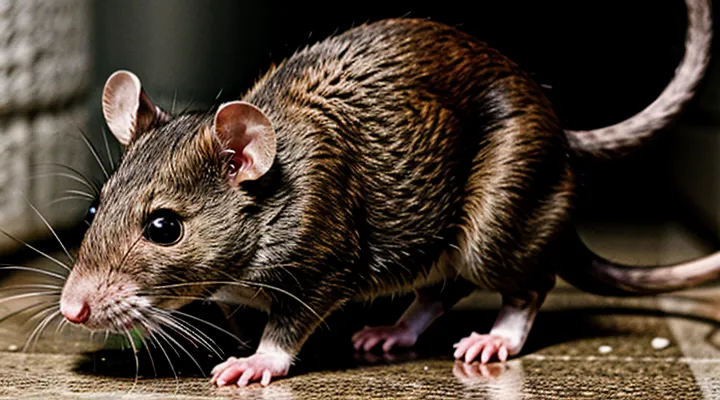
Understanding Rat Development Stages
Neonatal Stage: Birth to 2 Weeks
Fur Development
Rats undergo predictable changes in coat condition, texture, and coloration that correlate with their developmental stage. Observers can use these external signs to estimate age with reasonable accuracy.
Young pups (0–3 weeks) possess a soft, downy pelage that lacks the glossy sheen seen in older animals. The fur is thin, often appearing slightly sparse around the head and limbs. whisker length is minimal, and the vibrissae are short and barely protruding.
Juveniles (4–8 weeks) develop a denser coat that begins to acquire a subtle sheen. The fur becomes more uniform in length, covering the entire body without gaps. Coloration may still be mottled, with patches of lighter and darker hair reflecting the transition from neonatal to adult pigment patterns.
Subadults (9–12 weeks) display a fully formed adult coat. Hair shafts reach their maximum length, and the fur exhibits a consistent sheen that reflects health and maturity. The dorsal region often shows a darker hue, while the ventral side remains lighter. Whiskers lengthen considerably, extending well beyond the snout.
Adults (13 weeks and older) maintain a stable coat that shows signs of wear rather than growth. The fur may develop slight graying, particularly on the muzzle and tail, indicating advancing age. Texture remains coarse, and the overall sheen may diminish with reduced grooming activity. In senior rats, patches of thinning hair can appear, especially on the ears and tail base.
Key fur indicators for age assessment:
- Coat density: sparse → dense → stable.
- Hair length: short → full adult length → unchanged.
- Shine: absent → emerging → mature gloss → possible reduction.
- Whisker development: minimal → moderate → prominent.
- Color pattern: mottled → uniform → age‑related graying.
By systematically evaluating these characteristics, one can derive a reliable approximation of a rat’s chronological stage without invasive measures.
Eye Opening
Eye opening provides a reliable indicator of developmental stage in laboratory and pet rats. Newborn pups keep their eyelids sealed for a brief period after birth; the timing of their first ocular exposure correlates closely with age.
- Day 0‑1: Eyelids remain closed, membranes appear opaque.
- Day 2‑3: Partial separation of lids; thin translucent membrane may be visible, but true opening has not occurred.
- Day 4‑5: Complete eyelid separation; pupils become visible, and the rat begins to respond to light.
- Day 6‑7: Eyes fully functional; corneas clear, iris coloration stabilizes.
Observation of these milestones allows an accurate estimate of a rat’s age within a one‑day margin. Consistency across strains makes eye opening a primary visual cue for age assessment, especially when birth records are unavailable.
Ear Development
Ear size and shape change predictably as rats mature, providing reliable visual cues for age estimation. Neonatal pups exhibit ear pinnae that are tightly folded against the skull, with a translucent, thin skin covering. By day 10, the pinnae begin to unfold, revealing a faint pink coloration and a slight increase in surface area.
From three to six weeks, ear cartilage thickens, and the pinna becomes more rigid. The outer edge sharpens, and the hair coat on the ear surface transitions from sparse, fine whiskers to a denser, darker coat. These changes correspond with the weaning period and rapid skeletal growth.
Adult rats (older than eight weeks) display fully developed, robust pinnae with a consistent dark brown or black pigmentation. The ear cartilage is firm, and the ear margin is clearly defined. In senior rats (12 months and beyond), the pinna may show signs of wear: slight thinning of cartilage, occasional loss of hair density, and a duller coloration.
Key ear development markers for age estimation:
- 0–10 days: folded, translucent pinna; minimal hair.
- 10–21 days: partial unfolding; pink hue; emerging whiskers.
- 3–6 weeks: rigid cartilage; sharper edge; denser dark hair.
- >8 weeks: fully formed, firm pinna; uniform dark pigmentation.
- >12 months: cartilage thinning; reduced hair; muted color.
Juvenile Stage: 2 to 6 Weeks
Size and Weight Progression
Rats exhibit a predictable pattern of growth that can be measured to estimate their age. Newborn pups weigh 5–7 g and measure 4–5 cm in total length. By the third week, weight typically reaches 20–30 g and length extends to 8–10 cm. At four weeks, most individuals approach 40–50 g and 12 cm in length, marking the transition to juvenile status. Adult rats (8–12 weeks) stabilize at 150–250 g, with body length ranging from 18 to 22 cm; females generally weigh slightly less than males. Senior rats (>12 months) often exceed 300 g, and body length may increase modestly, but weight gain becomes irregular due to changes in metabolism and health.
Key indicators for age assessment:
-
Weight milestones:
1. 5–7 g – neonatal
2. 20–30 g – early juvenile (≈3 weeks)
3. 40–50 g – late juvenile (≈4 weeks)
4. 150–250 g – adult (8–12 weeks)
5. >300 g – senior -
Size benchmarks:
• Total length <10 cm – pre‑weaning
• Length 12–14 cm – post‑weaning, approaching maturity
• Length 18–22 cm – fully mature adult
Variability arises from strain, diet, and housing conditions; therefore, reference ranges should be applied alongside other visual cues such as coat condition and dental wear for a reliable age estimate.
Coat Texture Changes
Assessing a rat’s age through visual cues relies heavily on the condition of its fur. Young rats exhibit a soft, downy coat that feels pliable and lacks any discernible texture variation. As the animal matures, the pelage becomes denser and coarser, reflecting the development of protective layers.
Middle‑aged rats typically display a transition zone where the undercoat thins while the outer guard hairs thicken. This results in a slightly rougher surface that can be felt with gentle pressure. The coat may also begin to show subtle color fading, especially on the ventral side.
Older rats present distinct textural changes:
- Guard hairs become markedly stiff and may appear frayed at the tips.
- The undercoat often diminishes, leaving large gaps that expose the skin.
- The overall fur feels brittle, and the animal may display patches of alopecia or matting.
These tactile and visual markers provide reliable indicators for estimating a rat’s chronological stage without invasive procedures.
Activity Levels and Coordination
Rats reveal their approximate age through observable differences in movement vigor and motor control. Younger individuals display rapid, erratic bursts of activity, while mature adults maintain steady, purposeful locomotion. Senior rats exhibit reduced speed, frequent pauses, and occasional hesitation.
- Juvenile (up to 3 months): frequent darting, high endurance, minimal rest periods.
- Adult (3 – 12 months): consistent pacing, moderate stamina, regular grooming breaks.
- Senior (over 12 months): slower strides, longer intervals between movements, occasional stumbling.
Coordination manifests in gait symmetry, balance on narrow surfaces, and the ability to navigate obstacles. Young rats maintain even foot placement and effortless climbing. Middle‑aged rats show stable footing but may pause before complex maneuvers. Older rats often display uneven stride length, occasional foot slips, and reduced climbing height.
Effective age estimation requires systematic observation:
- Record activity for several minutes during the animal’s active phase.
- Note the frequency of spontaneous runs versus stationary periods.
- Assess gait by watching the rat travel across a flat surface and a narrow ledge.
- Test coordination with a simple obstacle, such as a low step, and observe hesitation or missteps.
Combining these metrics yields a reliable age indication without invasive procedures.
Sub-Adult Stage: 6 Weeks to 6 Months
Growth Plateaus
Growth plateaus represent a distinct phase in a rat’s development when longitudinal bone growth ceases, providing a clear visual marker for age estimation. The closure of epiphyseal plates occurs at predictable intervals, varying slightly between male and female specimens and among common laboratory strains.
Physiological timing of plate closure correlates with skeletal maturation. In most strains, the proximal tibial and femoral plates fuse between 6 and 8 weeks of age, while distal plates complete fusion by 10 to 12 weeks. After fusion, the external dimensions of the limbs remain static, allowing observers to distinguish mature individuals from juveniles.
Practical assessment relies on external and minimally invasive cues:
- Absence of palpable growth‑plate ridges at the distal femur and proximal tibia.
- Uniform limb length without progressive elongation over successive weeks.
- Consistent fur density and coloration that no longer exhibit the rapid changes typical of early growth stages.
- Stable incisor wear patterns, reflecting a steady rate of dental eruption after skeletal maturity.
Radiographic confirmation strengthens visual evaluation. A single lateral view of the hind limb reveals ossified epiphyses, confirming the plateau. Combining tactile inspection with targeted imaging yields an accurate age determination without reliance on invasive procedures.
Sexual Maturity Indicators
Rats reach sexual maturity at a predictable stage of development, and several external characteristics provide reliable clues for age estimation.
- Testicular descent in males: palpable, rounded testes become visible within the scrotum around 5‑6 weeks of age. Enlargement continues until sexual maturity is complete, typically by 8 weeks.
- Vaginal opening in females: the vaginal orifice enlarges and the surrounding tissue becomes pink and supple. This change usually occurs between 4 and 6 weeks, signaling the onset of puberty.
- Body size and weight: mature individuals exhibit a stable body mass plateau. Males often surpass 250 g, while females stabilize near 200 g. Rapid weight gain ceases as reproductive organs mature.
- Secondary sexual characteristics: in males, the presence of a prominent anogenital scent gland and a darker, glossy coat may appear. In females, the development of a more pronounced mammary line and occasional estrous swelling indicate reproductive readiness.
- Behavioral markers: males display increased territorial marking and mounting attempts, while females exhibit regular estrous cycles, observable through changes in vaginal discharge and receptivity to males.
These indicators, when evaluated together, allow precise determination of a rat’s developmental stage, thereby refining visual age assessments.
Behavioral Development
Rats exhibit distinct behavioral patterns that correlate with their developmental stage, providing reliable clues for age estimation without reliance on external measurements. Juvenile rats (approximately 3‑4 weeks old) display heightened exploratory activity, frequent climbing, and a propensity for social play such as wrestling and chasing. Their vocalizations are high‑pitched and frequent during these interactions.
Adolescent rats (5‑8 weeks) begin to show reduced play aggression, increased territorial marking, and a shift toward solitary foraging. They exhibit more consistent grooming routines and develop a stable hierarchy within groups, often asserting dominance through controlled bouts of aggression rather than chaotic play.
Adult rats (9‑12 weeks and older) demonstrate predictable circadian locomotor patterns, reduced exploratory bursts, and a preference for established nest sites. Their social behavior stabilizes; they engage in brief affiliative contacts and maintain clear dominance structures. Grooming becomes meticulous, and scent‑marking intensifies, especially in males.
Senior rats (over 18 months) show diminished activity, slower response to novel stimuli, and increased time spent resting. They may display stereotypic pacing or repetitive grooming, indicating age‑related motor decline. Social interactions decrease, and aggression levels drop markedly.
Key behavioral indicators for age assessment:
- Play frequency and intensity – high in juveniles, waning in adolescents, minimal in adults.
- Grooming thoroughness – progresses from occasional to meticulous, then may become repetitive in seniors.
- Territorial marking – absent in early juveniles, rises during adolescence, peaks in mature adults.
- Activity cycles – erratic in young rats, regular in adults, reduced in aged individuals.
Observing these behaviors in combination with physical cues yields an accurate determination of a rat’s developmental stage.
Adult Stage: 6 Months to 1.5 Years
Peak Physical Condition
Assessing a rat’s age through visual cues relies heavily on recognizing the period of peak physical condition. This stage typically occurs between three and six months for most domesticated and laboratory strains, when growth has stabilized and senescence has not yet begun. Observers can confirm peak condition by evaluating several external and behavioral indicators.
- Coat: dense, glossy fur without patches of thinning or discoloration.
- Musculature: well‑defined, firm body mass; abdomen appears flat rather than rounded.
- Eyes: clear, bright sclera with no cloudiness or cataract formation.
- Activity: high energy levels, rapid yet coordinated movement, frequent exploration of the environment.
- Teeth: smooth, evenly worn incisors without excessive chipping or overgrowth.
- Tail: intact, flexible, and proportionate to body length, showing no signs of brittleness or loss of skin elasticity.
These markers collectively signal that the rat is in its optimal growth window. When multiple characteristics align, the animal is likely at the age where physiological performance is maximal, providing a reliable reference point for age estimation without invasive procedures.
Muscle Tone and Fat Distribution
Muscle tone provides a reliable indicator of a rat’s developmental stage. Young rats exhibit soft, pliable musculature that yields easily under gentle pressure. As the animal matures, muscle fibers become firmer and maintain shape when grasped. In senior rats, muscle mass often diminishes, resulting in a lax, flaccid appearance that may reveal visible skin folds.
Fat distribution follows a predictable pattern throughout the lifespan. Juvenile specimens possess minimal subcutaneous fat, with a streamlined torso and thin limbs. Adult rats develop a modest layer of dorsal and ventral adipose tissue, especially over the lumbar region and around the abdomen. In older individuals, fat accumulates irregularly, forming pronounced deposits on the flanks, hips, and tail base, while peripheral areas such as the paws may appear lean.
Key observational points:
- Muscle firmness: soft → firm → lax with age.
- Subcutaneous fat thickness: minimal → moderate → uneven, localized deposits.
- Body contour: sleek → rounded → sagging, with possible skin laxity.
Combining these visual cues allows an accurate estimation of a rat’s age without invasive methods.
Fur Condition and Coloration
Rats reveal their age through observable changes in fur quality and hue. Young individuals display a dense, soft coat with a uniform, vibrant coloration that matches the species‑typical palette. As they mature, the hair becomes coarser, the sheen diminishes, and the overall thickness may reduce, especially along the dorsal line and tail.
Age‑related coloration shifts include gradual greying of the whiskers, fading of the dorsal stripe, and the emergence of scattered white patches on the ventral surface. In senior rats, the coat often exhibits uneven pigmentation, with noticeable patches of dull or bleached fur, particularly around the paws and ears. These changes result from reduced melanin production and wear from grooming and environmental exposure.
Key visual cues for assessing fur condition and coloration:
- Coarse, less glossy hair versus smooth, glossy fur.
- Presence of whisker greying or complete loss of pigmentation.
- Fading or breaking of the dorsal stripe.
- Appearance of white or light‑colored patches on the belly, paws, or tail.
- Overall unevenness in coat color, indicating prolonged exposure and physiological decline.
Senior Stage: 1.5 Years and Beyond
Graying Fur and Thinning Coat
Rats develop noticeable changes in coat coloration as they grow older. The emergence of gray patches, especially around the muzzle, ears, and tail, signals a reduction in melanin production that typically begins in middle age. The progression from a uniformly dark coat to a mixed pattern often follows a predictable timeline, with the first signs appearing around one year of age in common laboratory strains.
A thinning coat accompanies the graying process. Hair density decreases, leaving the skin more visible and palpable. The loss is most evident on the back, flanks, and tail, where individual hairs become sparse and the fur feels less plush. This reduction in fur volume correlates with metabolic shifts and hormonal changes that accompany senescence.
Key indicators of advancing age through coat condition:
- Gray or silver hairs interspersed with darker fur, beginning near the face and expanding outward.
- Reduced hair count, creating a patchy appearance on the dorsal and ventral surfaces.
- Increased skin visibility, especially on the tail, where the fur may appear almost absent.
- Softer, less wiry texture when the animal is stroked, indicating diminished keratin thickness.
Monitoring these visual cues provides a practical method for estimating a rat’s chronological stage without invasive procedures.
Hunchback Posture
Hunchback posture is a reliable visual cue when estimating a rat’s chronological stage. As rats age, intervertebral discs lose elasticity, spinal muscles weaken, and vertebral bodies may begin to compress, producing a noticeable forward curvature of the thoracolumbar region.
The curvature becomes evident in several ways:
- The dorsal line deviates from a straight silhouette when the animal is observed from the side.
- The head tilts forward, and the forelimbs may appear raised relative to the hindquarters.
- When the rat is stationary, the spine arches more sharply than in younger individuals.
Assessment procedure:
- Position the rat on a flat surface and view it laterally.
- Trace the outline of the back from the occipital region to the base of the tail; note any deviation from a linear path.
- Measure the angle between the cervical and lumbar segments using a protractor or a digital imaging tool; angles exceeding 15° typically indicate advanced age.
- Compare the observed curvature with reference images of known-age specimens to refine the estimate.
Hunchback posture alone does not provide a complete age profile; combine it with dental wear, fur coloration, and activity level for a comprehensive evaluation.
Reduced Mobility and Activity
Reduced mobility and diminished activity are reliable external markers when estimating a rat’s chronological stage. Older rodents display slower gait, reluctance to explore, and decreased frequency of climbing or jumping. These changes stem from age‑related musculoskeletal degeneration, joint stiffness, and reduced muscle mass.
Key observations include:
- Sluggish response to gentle prompts; the animal may pause longer before moving.
- Preference for staying on the cage floor rather than using elevated platforms or nesting tubes.
- Noticeable limp or uneven stride, often more evident on hard surfaces.
- Decreased participation in nighttime foraging or wheel running, measured by fewer wheel rotations or shorter active periods.
Quantifying activity through video monitoring or motion‑sensor devices yields objective data. A decline of 30 % or more in nightly movement compared to younger cohorts typically signals senior age. Coupling these metrics with other age‑related signs—such as greying fur, reduced body weight, and dental wear—enhances accuracy in age assessment without invasive procedures.
Dental Wear
Dental wear offers a reliable metric for estimating a rat’s chronological stage. Incisors grow continuously; the balance between eruption and abrasion reflects the animal’s life history, while molar surfaces accumulate wear progressively.
Key dental indicators include:
- Incisor length relative to the skull: longer, unabraded incisors suggest juvenility; shortened, heavily worn incisors indicate adulthood.
- Enamel band visibility: a distinct orange‑red enamel band near the tip signals younger individuals; extensive exposure of dentin denotes older age.
- Molar cusp flattening: sharp cusps correspond to early life; rounded, worn cusps appear after several months.
- Root exposure on molars: minimal root visibility in juveniles; pronounced root surfaces emerge with advanced wear.
Practical assessment involves visual inspection under adequate lighting, gentle probing to assess enamel thickness, and measurement of incisor length with calipers. Correlating observed wear patterns with established age brackets—juvenile (0–2 months), subadult (2–4 months), adult (4 months and older)—provides a consistent framework for age determination.
Factors Affecting Appearance and Age Assessment
Breed Differences
Size Variations by Breed
Rats exhibit distinct size patterns that vary significantly among breeds, and these patterns are essential when estimating age from external characteristics. Recognizing breed‑specific growth limits prevents misinterpretation of a juvenile’s dimensions as an indicator of advanced age.
Adult size ranges differ across the most common fancy rat breeds:
- Standard (Short‑haired) rats: 250–300 g, body length 20–25 cm. Rapid growth during the first eight weeks, reaching 70 % of adult weight by day 30.
- Dumbo (large‑ear) rats: 260–320 g, body length 22–27 cm. Slightly larger head and ear cartilage delays proportional weight gain; adult weight is typically 5–10 % higher than standard counterparts.
- Rex (curly‑fur) rats: 240–280 g, body length 19–24 cm. Fur density obscures visual assessment of body condition, making weight a more reliable metric.
- Hairless (Satin) rats: 230–270 g, body length 18–23 cm. Minimal insulation results in lower body mass despite comparable length, requiring careful comparison with breed norms.
- Giant (large‑size) rats: 300–350 g, body length 25–30 cm. Growth rate mirrors standard rats but extends over a longer period; full size may not be reached until 12 weeks.
When applying visual age estimation, follow these steps:
- Identify the breed by examining ear shape, fur texture, and coat length.
- Measure body length from nose to base of the tail; record weight if feasible.
- Compare measurements with the breed‑specific growth chart above, noting that a rat reaching 70 % of the adult weight for its breed typically falls between 4 and 6 weeks old.
- Adjust the age estimate upward if the animal’s dimensions exceed the breed’s average for its presumed age, acknowledging that individual variation can be up to 15 % within a breed.
Accurate age assessment relies on integrating breed‑related size expectations with observed growth milestones, thereby reducing the risk of over‑ or under‑estimating a rat’s developmental stage.
Coat Characteristics Specific to Breeds
Coat texture, length, and coloration differ markedly among rat breeds, providing reliable clues when estimating an animal’s developmental stage.
Short‑haired varieties such as the Standard and Fancy exhibit a sleek, smooth pelage that becomes increasingly glossy as the animal matures. Juvenile specimens display a duller sheen and finer fur, while adults develop a thicker, more resilient coat.
Long‑haired breeds—including the Rex, Manx, and Satin—present distinctive features. Rex rats possess a plush, velvety coat with a uniform length; young individuals show softer, less dense fur that thickens noticeably after eight weeks. Manx rats display a semi‑long, wavy coat that gains length and weight with age, reaching full development around three months. Satin rats are characterized by a silky, reflective surface; early growth stages produce a matte appearance that sharpens into a high‑luster finish in mature animals.
Color patterns also assist age assessment. In breeds with marked markings (e.g., Hooded, Dutch), juveniles often display muted or incomplete coloration, while fully formed adults exhibit crisp, well‑defined contrast between body and mask regions.
Key breed‑specific coat indicators:
- Standard/Fancy: smooth, glossy coat; increased sheen after 6‑8 weeks.
- Rex: velvety, uniform length; fur density rises sharply between weeks 4‑8.
- Manx: semi‑long, wavy hair; length extends to full adult size by week 12.
- Satin: silky, reflective surface; matte to glossy transition occurs by week 10.
- Marked breeds (Hooded, Dutch): incomplete coloration in juveniles, sharp contrast in adults.
Observing these attributes alongside other physical markers enables precise age determination without reliance on external references.
Nutritional Impact
Effects of Diet on Growth
Dietary composition directly alters the physical development of laboratory rats, thereby affecting the visual markers used for age estimation. High‑quality protein accelerates muscle mass increase, leading to larger body size at younger chronological ages. Elevated fat content raises overall weight, potentially masking skeletal growth stages that are critical for age assessment. Micronutrients such as calcium and phosphorus regulate bone mineralization; deficiencies delay epiphyseal closure, resulting in longer limbs and softer skulls than expected for a given age. Adequate vitamin A and E levels maintain fur quality; poor nutrition produces dull, sparse pelage that can be misinterpreted as a sign of advanced age.
Key dietary factors and their observable effects:
- Protein level – rapid growth, increased body length, earlier development of adult‑type whisker patterns.
- Fat proportion – higher body mass, delayed reduction of subcutaneous fat layers, which may suggest older age.
- Calcium/phosphorus balance – proper bone density, timely closure of growth plates visible in radiographs; imbalance leads to prolonged skeletal immaturity.
- Vitamin A/E – maintains coat sheen and pigmentation; deficiency yields faded coloration often associated with senescence.
- Water intake – influences skin elasticity and eye clarity; dehydration can produce dry eye appearance commonly linked to older individuals.
When evaluating a rat’s age by external traits, investigators must account for the animal’s nutritional regime. A rat fed a calorie‑dense, protein‑rich diet may exhibit adult‑size features earlier, while a subject on a restricted diet may retain juvenile characteristics despite chronological age. Adjusting age estimates to reflect known dietary conditions improves accuracy and reduces systematic bias in research data.
Malnutrition and Appearance
Malnutrition alters the physical characteristics that veterinarians and researchers rely on when estimating a rat’s age from visual cues. A rat that has experienced insufficient nutrition often displays slower growth, reduced body mass, and atypical development of skeletal and dental structures, which can mimic the appearance of a younger animal.
Key visual effects of inadequate nutrition include:
- Fur quality: Dull, sparse, or unevenly colored coat; loss of the glossy sheen typical of well‑nourished juveniles.
- Body condition: Pronounced ribs, reduced abdominal girth, and a thinner tail; overall emaciation that masks expected weight for a given age.
- Skeletal development: Delayed ossification of the skull and long bones; reduced epiphyseal closure in the femur and tibia.
- Dental wear: Less erupted incisors and underdeveloped molar crowns, which may be mistaken for early‑stage dentition.
When assessing age, adjust observations by accounting for these malnutrition‑related deviations:
- Compare the rat’s weight and body condition to standardized growth curves, noting any negative offset.
- Examine skeletal markers with radiography or palpation; recognize that delayed ossification can lower apparent age.
- Evaluate dental eruption patterns alongside nutritional status; differentiate between genuine juvenile dentition and stunted development caused by nutrient deficiency.
- Correlate fur and skin condition with known environmental stressors to avoid over‑estimating youth based solely on a thin coat.
By systematically incorporating nutritional assessment into visual age estimation, practitioners achieve more accurate determinations and reduce the risk of misclassifying malnourished adults as juveniles.
Health Conditions
Illnesses Mimicking Aging Signs
When visual cues are used to estimate a rat’s chronological stage, disease‑related alterations can be mistaken for age‑related wear. Recognizing this overlap prevents inaccurate conclusions.
- Dermatophyte infection – causes alopecia, crusting, and skin thickening that resemble the sparse fur and rough coat of older rodents.
- Chronic renal insufficiency – leads to pallor of the mucous membranes and loss of muscle mass, both common in senior animals.
- Nutritional deficiencies (e.g., vitamin E, zinc) – produce dermatitis and brittle whiskers, mimicking the fragile pelage of aged rats.
- Neoplastic growths – may cause localized swelling, ulceration, or discoloration that can be confused with age‑related tissue laxity.
- Systemic infections (e.g., Mycoplasma pulmonis) – generate weight loss and reduced activity, traits often attributed to senescence.
Distinguishing genuine senescence from pathology requires a systematic approach:
- Conduct a thorough physical examination, noting the distribution and symmetry of lesions.
- Obtain complete blood counts and serum chemistry panels to detect organ dysfunction or inflammatory markers.
- Perform radiographic or ultrasonographic imaging when skeletal or internal organ changes are suspected.
- Collect tissue samples for histopathology if skin lesions or masses are present.
- Correlate findings with the animal’s history, including diet, environment, and previous illnesses.
By integrating clinical observation with laboratory and imaging data, practitioners can accurately separate disease‑induced signs from true age‑related changes, ensuring reliable age assessment in laboratory and pet rats.
Injuries and Their Long-Term Effects
Physical trauma provides reliable markers for estimating a rat’s developmental stage. Scars on the dorsal surface, especially those resulting from cage fights or accidental lacerations, become more prominent with age. Early‑life wounds heal quickly, leaving faint lines; older individuals display thicker, darker scar tissue that resists regrowth. Observers can therefore assign an approximate age range by measuring scar depth and coloration.
Bone injuries produce lasting alterations in posture and silhouette. Fracture sites that have fused produce asymmetrical shoulders or uneven hind‑limb alignment. Such deformities persist throughout life and are distinguishable from normal growth patterns. When a rat exhibits a pronounced tilt in its spine, the underlying cause is often a healed vertebral fracture, indicating a mature stage.
Dental damage influences facial appearance over the long term. Missing incisors or worn molars change the shape of the snout and affect fur distribution around the mouth. Chronic malocclusion leads to overgrown teeth, altering the animal’s profile and signaling an advanced age.
Long‑term effects of internal injuries manifest indirectly. Repeated abdominal trauma can cause adhesions that restrict abdominal expansion, resulting in a flattened belly visible in older rats. Liver or kidney trauma may lead to subtle discoloration of the fur along the flank, providing additional age cues.
Key observations for age assessment include:
- Scar thickness and pigmentation
- Persistent skeletal misalignments
- Dental wear and loss
- Altered body contour from healed internal injuries
Each factor contributes to a composite visual profile that correlates with the rat’s chronological development. By integrating these injury‑related characteristics, practitioners achieve more accurate age estimations without reliance on invasive methods.
Environmental Influences
Impact of Stress on Development
Age estimation in rodents relies on external characteristics that develop predictably over time. When individuals experience chronic or acute stress, those characteristics can deviate from the expected trajectory, reducing the reliability of visual age markers.
- Stress‑induced growth retardation lowers body length and weight relative to chronological age.
- Elevated corticosterone levels delay fur maturation, producing a softer, less pigmented coat that resembles younger stages.
- Dental eruption may be postponed, resulting in incomplete incisors in animals that are chronologically older.
- Skeletal ossification can be slowed, causing reduced calcification visible in limb bones.
- Behavioral stress responses alter activity patterns, affecting muscle tone and posture used in visual assessments.
Accurate age determination therefore requires documentation of the animal’s stress exposure, maintenance of stable housing conditions, and integration of physiological data (e.g., hormone concentrations) into age‑prediction models. Adjusting reference standards to account for stress‑related variations restores confidence in appearance‑based age estimates.
Housing Conditions and Physical State
Rats reveal age through the interaction of their living environment and bodily condition. A well‑maintained cage, appropriate space, and consistent bedding influence the appearance of younger versus older animals. Observers can extract age clues by noting several physical and environmental markers.
- Coat texture: smooth, glossy fur indicates recent growth; coarse, patchy hair suggests senior wear.
- Dental wear: incisors with minimal chipping belong to juveniles; flattened, dull edges signal prolonged use.
- Body proportion: proportionally larger heads and shorter limbs are typical of younger rats; elongated bodies and reduced muscle tone point to older individuals.
- Weight relative to cage size: animals in spacious, enriched cages maintain steady weight; rats confined to small, barren enclosures often display weight loss or excess fat accumulation, both of which correlate with age‑related stress.
- Paw condition: clean, intact pads are common in juveniles; thickened, calloused pads or cracked nails appear with age and prolonged activity on hard surfaces.
Housing quality also offers indirect age information. Clean bedding reduces skin irritation, preserving youthful appearance, while accumulated waste and mold cause dermatitis that mimics age‑related skin changes. Regular cage cleaning prevents the buildup of parasites, which, if present, can accelerate hair loss and mask true age indicators.
By systematically evaluating these housing and physiological factors, one can estimate a rat’s age with greater accuracy than by visual inspection alone.
Practical Tips for Visual Age Estimation
Observing Multiple Indicators
Combining Physical Cues
When estimating a rat’s age from its appearance, reliable conclusions arise only after multiple physical indicators are evaluated together rather than in isolation.
- Coat condition: younger rats display a sleek, glossy pelage, while older individuals often have dulled fur with patches of thinning or graying.
- Dental wear: incisors of juveniles are sharp and show minimal attrition; adults exhibit noticeable flattening and occasional chipping.
- Body size and proportion: growth peaks around three months; beyond that, weight stabilizes and the head‑to‑body ratio shifts toward a more mature silhouette.
- Skin elasticity: supple skin on young rats recoils quickly after gentle pinching; aged rats show reduced elasticity and may develop visible wrinkling.
- Eye clarity: clear, bright eyes are typical of younger specimens; cataracts or cloudiness increase with age.
Integrating these cues involves assigning relative significance based on species‑specific development patterns. For example, dental wear often provides the strongest age signal after the first month, while coat condition offers supplementary information for distinguishing between adolescent and senior stages. Cross‑referencing all observed traits reduces misclassification and yields a more precise age approximation.
Cross-referencing with Behavioral Traits
Assessing a rat’s age solely from external features can be ambiguous; integrating observed behavior refines the estimate. Younger rodents exhibit high locomotor activity, frequent exploration of novel objects, and rapid transitions between resting and moving. As they mature, activity stabilizes, curiosity wanes, and social interactions become more predictable. Senior individuals display reduced movement, prolonged grooming sessions, and increased preference for secluded nesting sites.
Key behavioral indicators to cross‑reference with visual cues:
- Exploratory drive: Frequent, vigorous investigation of new environments suggests juvenile or adolescent status.
- Play frequency: Frequent mock fighting and chasing are typical of mice under six months.
- Grooming pattern: Short, intermittent grooming aligns with younger rats; extensive, repetitive grooming often appears in older specimens.
- Social hierarchy participation: Dominance displays, such as aggressive posturing, peak in early adulthood; submissive behavior rises with age.
- Nest construction: Simple, loosely organized nests indicate youth, while compact, well‑structured nests are common in mature rats.
Correlating these observations with physical markers—such as coat condition, dentition wear, and body size—produces a more reliable age assessment than appearance alone.
Challenges in Age Determination
Individual Variability
Assessing a rat’s age through visual cues must account for individual variability. Genetic background influences growth rate, resulting in divergent body proportions among rats of the same chronological age. Consequently, size alone cannot serve as a reliable indicator without reference to the animal’s lineage.
Health status alters external features. Chronic illness or malnutrition can delay fur development, reduce muscle mass, and obscure skeletal landmarks. Conversely, well‑fed individuals may exhibit accelerated coat thickening and earlier onset of age‑related wear.
Environmental conditions shape appearance. Exposure to humidity, temperature fluctuations, or abrasive substrates accelerates skin and fur degradation, potentially mimicking older age stages. Rats housed in sterile, climate‑controlled environments retain smoother pelage longer than those in variable settings.
Dental wear, a common age marker, varies with diet texture. Soft‑food regimens produce minimal incisor abrasion, while hard‑seed diets generate pronounced grinding patterns. Therefore, tooth wear must be interpreted alongside dietary history.
Key factors contributing to variability:
- Genetic strain (e.g., laboratory vs. wild‑type)
- Nutritional regime (caloric density, fiber content)
- Health history (presence of chronic disease)
- Housing conditions (temperature, humidity, substrate)
- Diet texture (soft pellets vs. hard seeds)
Accurate age estimation requires integrating these variables with morphological observations. Ignoring individual differences leads to systematic misclassification, undermining research conclusions and welfare assessments.
Limited Visual Cues in Certain Stages
When a rodent’s coat, size, and dental wear are examined, certain life‑stage intervals provide only minimal visual information. In the first weeks after birth, fur is uniformly soft and pale, making distinction between neonates and very young juveniles virtually impossible without tactile or developmental data. Likewise, during the transition from adolescent to early adult, body length stabilizes while whisker length and ear cartilage show negligible change, rendering these features unreliable for age estimation. In senior rats, fur may become grayer, but pigmentation loss can result from genetics, diet, or health conditions rather than chronological age, limiting its diagnostic value.
Key visual indicators that lack specificity in these periods include:
- Fur texture and color – uniform in neonates; variable in seniors for non‑age‑related reasons.
- Whisker length – minimal growth after early development, offering no distinction between late juvenile and young adult.
- Ear size and cartilage firmness – reaches adult dimensions early; firmness declines inconsistently with age.
- Tail length – reaches near‑maximum length by the end of the first month; subsequent changes are marginal.
Because these traits provide little resolution, accurate age determination for rats in the mentioned stages should rely on supplemental methods such as skeletal ossification assessment, tooth eruption patterns, or known birth records rather than external appearance alone.