
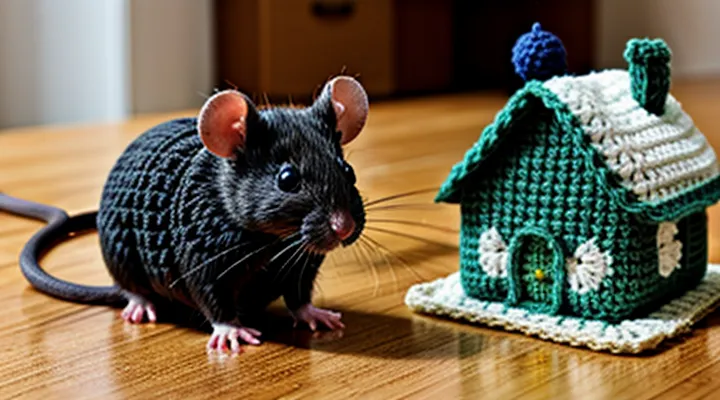
Getting Started: Materials and Tools
Yarn Selection
Fiber Type
Choosing the right yarn determines the durability, comfort, and hygiene of a crocheted rat dwelling.
- Cotton: Soft, breathable, and machine‑washable. Holds shape well, making it ideal for walls and roofs that need regular cleaning.
- Acrylic: Inexpensive, hypoallergenic, and resistant to moisture. Provides a sturdy structure but may feel less natural to the animal.
- Wool blends: Offer warmth and a plush texture. Require gentle hand washing to prevent shrinkage; avoid pure wool if the rat is prone to overheating.
- Bamboo: Naturally antimicrobial and eco‑friendly. Slightly slippery when wet, so combine with a tighter stitch pattern for stability.
- Hemp: Strong and biodegradable. Rougher surface may be less appealing for nesting; use as reinforcement for load‑bearing sections such as the base.
Select a fiber that balances softness for nesting with resilience against chewing and cleaning cycles. For most owners, a cotton‑acrylic blend delivers optimal performance: the cotton component ensures comfort, while acrylic adds strength and easy care. Ensure the yarn is free of toxic dyes and has a smooth texture to prevent injury to the rat’s delicate paws.
Weight and Color
When crocheting a small rodent dwelling, yarn weight and color directly affect durability, usability, and the animal’s well‑being.
A heavier yarn—such as worsted or bulky weight—creates a sturdier shell that resists sagging under the rat’s movements. Lighter options, like sport or DK weight, produce a more flexible enclosure but may require additional stitching to maintain shape. Choose a yarn whose gauge yields a fabric that supports the rat without excessive compression; a finished wall thickness of 0.5–0.75 cm provides adequate protection while keeping the overall piece manageable.
The finished house should weigh between 80 g and 150 g. Below this range, the structure may tip or collapse; above it, the rat may struggle to enter and exit. Test the weight by lifting the completed object; a comfortable grip indicates an appropriate mass for both stability and ease of handling.
Color selection influences visibility, hygiene, and psychological comfort. Rats perceive ultraviolet light and are sensitive to contrast; high‑contrast shades such as dark gray paired with a light accent help the animal locate entrances. Light colors reveal dirt and stains, simplifying cleaning routines. Avoid dyes that contain toxic mordants; opt for acrylic or cotton yarn labeled safe for pets.
Practical guidelines
- Yarn weight: sport (4) for flexibility, worsted (5) for strength, bulky (6) for maximum rigidity.
- Fabric thickness: 0.5–0.75 cm wall depth.
- Target weight: 80–150 g total.
- Color palette: dark base (charcoal, navy) with bright trim (yellow, orange) for contrast; use non‑toxic, washable fibers.
Adhering to these specifications yields a crochet‑crafted rat house that remains stable, easy to maintain, and visually suitable for the animal’s sensory preferences.
Crochet Hooks
Size Recommendations
When creating a crocheted shelter for a rat, the interior dimensions must accommodate the animal’s body length, standing height, and movement space. An undersized enclosure restricts natural behavior, while an oversized one wastes material and reduces warmth.
- Adult rat (average length 9–11 cm, height 5–7 cm): interior width 12 cm, depth 15 cm, height 10 cm.
- Juvenile rat (4–6 cm length, 2–3 cm height): interior width 8 cm, depth 10 cm, height 7 cm.
- Large breed or overweight rat (up to 14 cm length, 9 cm height): interior width 15 cm, depth 20 cm, height 12 cm.
Select yarn and hook sizes that produce a fabric density allowing the dimensions to be measured accurately. A medium‑weight (worsted) yarn paired with a 4 mm (G/6) hook yields a gauge of approximately 12 stitches per 10 cm and 14 rows per 10 cm; adjust hook size up or down one increment to tighten or loosen the fabric as needed.
If the rat’s measurements fall between the listed categories, add 1–2 cm to each dimension to maintain a comfortable clearance. Verify fit by gently placing the rat inside; the animal should be able to turn, stand upright, and retreat without touching the walls. Adjust stitch count accordingly before completing the final round.
Ergonomic Considerations
When creating a crocheted shelter for a small rodent, the crafter’s comfort directly affects the quality of the final piece. Proper ergonomics reduces fatigue, maintains stitch consistency, and prevents repetitive‑strain injuries.
Adopt a neutral wrist position by holding the crochet hook between the thumb and index finger, allowing the wrist to remain straight. Select a hook with a smooth, rounded handle; larger diameters lessen grip force. Use yarn of medium weight to avoid excessive tension that forces the hands to work harder.
- Keep the work surface at elbow height to eliminate shoulder elevation.
- Alternate hands periodically; switch the hook between left and right hands if ambidextrous.
- Take micro‑breaks every 15 minutes: stretch fingers, flex wrists, and shake out tension.
- Employ a light, breathable fabric for the project bag to prevent heat buildup during prolonged sessions.
- Adjust lighting to reduce eye strain; a lamp positioned to eliminate shadows over the stitching area is optimal.
Maintain a stable seating posture: back supported, feet flat on the floor, knees at a right angle. This stance distributes weight evenly and prevents lower‑back stress. By integrating these ergonomic practices, the crocheter produces a sturdy, well‑finished rat habitat while safeguarding personal health.
Essential Accessories
Scissors
Scissors are the primary tool for cutting yarn, trimming excess fibers, and shaping the components of a crocheted rat shelter. Selecting the right pair influences both precision and efficiency.
- Blade type: Sharp, stainless‑steel blades maintain a clean edge that prevents fraying.
- Size: 6–8 inches offers sufficient leverage for thick yarn while remaining manageable for detailed cuts.
- Grip: Ergonomic handles reduce hand fatigue during prolonged projects.
When preparing the yarn, cut lengths slightly longer than the pattern calls for; this prevents premature running out of material and allows for seamless joining of sections. After completing each piece, use the scissors to trim loose ends flush with the fabric, ensuring a smooth interior surface that will not irritate the rodent.
Safety considerations include keeping the blades pointed away from the work area, storing the scissors in a designated holder, and inspecting the cutting edge regularly for dullness. Dull blades increase the risk of snagging, which can damage delicate stitches and compromise the structural integrity of the final enclosure.
Maintenance involves hand‑washing the blades with mild soap, drying thoroughly, and applying a light oil coat to prevent corrosion. Regular sharpening extends the tool’s lifespan and maintains consistent performance throughout the construction of the crocheted habitat.
Tapestry Needle
A tapestry needle is essential for assembling the final structure of a crocheted rat dwelling. Its large eye accommodates thick yarn or multiple strands, allowing seamless threading of the finishing yarn without damaging the fibers. The blunt tip prevents the delicate crochet stitches from being split when pulling seams together.
When selecting a needle for this project, consider the following criteria:
- Size matches the yarn weight; a needle labeled “U / 6 mm” works well with bulky cotton or acrylic yarns commonly used for small animal habitats.
- Material is smooth and rust‑resistant; stainless steel or nickel‑plated options provide durability and easy cleaning.
- Length is sufficient to hold the entire seam; a 10‑inch needle offers enough leverage for pulling tight, even‑sized seams.
During assembly, the tapestry needle performs three key functions:
- Thread the yarn through the needle’s eye, leaving a tail of at least 5 cm for knot security.
- Insert the needle into the edge of the crocheted panels, catching the stitch loops without pulling them apart.
- Pull the yarn through, aligning edges and tightening seams until the housing is snug and stable.
Proper use of a tapestry needle ensures a clean finish, strong seams, and a safe interior for the rodent.
Stitch Markers
Stitch markers are essential tools for maintaining accuracy while constructing a crocheted rat shelter. They identify the beginning of rounds, mark changes in stitch count, and separate sections such as walls, roof, and entrance tunnel. Proper use prevents miscounts that could compromise the structure’s stability and safety for the pet.
Common types include:
- Metal rings with split‑lock designs; durable, easy to slide.
- Plastic clips; lightweight, suitable for small projects.
- Lockable silicone markers; flexible, grip tight yarn without damaging fibers.
Placement strategy:
- Insert a marker at the first stitch of each round before starting the round; this provides a reliable reference point for counting.
- Position markers at every increase or decrease point along the wall circumference; they signal where to add or remove stitches.
- Place a marker at the junction where the roof transitions to the walls; this delineates the roof’s start and aids in aligning the two sections.
- Use a marker to denote the opening for the entrance tunnel; it ensures consistent width throughout the tunnel’s length.
When working with markers, keep them visible by choosing contrasting colors or finishes. Avoid pulling markers through tight loops; instead, slide them along the yarn before completing the stitch. After the project is finished, remove markers carefully to prevent snagging the final fabric.
In summary, stitch markers streamline the assembly of a crocheted rat home, reduce errors, and improve the overall quality of the finished piece. Their strategic use is a best practice for any crafter aiming to produce a reliable, pet‑friendly structure.
Crafting Your Rat's Abode: The Crochet Process
Foundation and Base
Starting Chain
The starting chain forms the foundation of any crocheted rat shelter. Choose a yarn weight that balances softness for the animal with durability for repeated cleaning. Use a hook size recommended by the yarn label, typically one or two sizes larger than standard for the selected yarn. Make a slip knot, then create the required number of chain stitches; this count determines the width of the house’s base.
- Slip knot on the hook.
- Yarn over and pull through the loop to form the first chain stitch.
- Repeat the yarn‑over and pull‑through motion until the chain reaches the predetermined length.
- Ensure each chain stitch is uniform; uneven tension will affect the shape of subsequent rows.
After completing the chain, join the ends with a slip stitch only if the pattern calls for a closed loop; otherwise, leave the chain open to begin the first row of single crochet. Maintaining consistent tension throughout the chain prevents gaps that could allow the rat to escape or create weak points in the structure.
Establishing the Flat Base
The flat base serves as the foundation for a crocheted rat dwelling, supplying a stable floor and defining the interior dimensions.
Use a medium‑weight yarn (worsted or DK) and a 4 mm (G/6) crochet hook. Prepare a skein of yarn that will cover the entire surface without pulling the work tight. Keep the tension even to avoid gaps.
- Chain the length needed for the desired floor size; for a 6‑inch square, chain 30 stitches.
- Join the chain with a slip stitch to form a ring, being careful not to twist the chain.
- Work single crochet stitches evenly around the ring, completing the first round.
- Continue single crochet rounds until the base reaches the required thickness, typically three to four rounds for a firm floor.
- Close the final round with a slip stitch, then cut the yarn, leaving a 6‑inch tail for weaving in later.
Maintain consistent stitch height throughout the rounds; irregularities cause uneven weight distribution. After completing the base, weave the tail through the edge stitches and trim excess yarn. The finished platform is ready for the walls and roof of the crocheted rat habitat.
Building the Walls
Increasing for Height
When a crocheted rat dwelling must accommodate a taller animal, the pattern should incorporate height‑building techniques rather than simply widening the base. Begin by selecting a yarn weight that supports vertical stretch without sagging; a medium‑weight (worsted) yarn paired with a size 5–6 crochet hook provides sufficient rigidity. Next, adjust the stitch count in the side walls: increase the number of rows before decreasing, thereby extending the structure while preserving the intended circumference.
Key methods for adding height include:
- Extended rise rows: after establishing the base, continue adding rounds of single or half‑double crochet without initiating any decrease. Each additional round raises the walls by the stitch height.
- Incremental increases: insert a set of double crochet increases every few rows (e.g., increase one stitch on each side every fourth row). This expands the wall width slightly, allowing the structure to remain stable as it grows taller.
- Starch or wire reinforcement: thread a thin, flexible wire through the interior of the walls before the final rounds, then crochet over it. The wire maintains vertical shape and prevents collapse under the rat’s weight.
- Layered roof construction: build a separate roof piece with a higher apex, then attach it to the top of the walls. This adds visual height and creates a clear interior space for the rat.
Finally, verify the final dimensions by measuring the interior height against the rat’s standing length. Adjust the number of rise rows or increase frequency until the interior comfortably exceeds the animal’s height by a margin of 0.5 inch, ensuring ample clearance for movement. Secure all loose ends, block the finished piece to set the shape, and the elevated crocheted rat home is ready for use.
Creating Door and Window Openings
When constructing a crocheted shelter for a pet rat, the passageways for entry and ventilation must be defined before the final assembly. Precise openings prevent loose yarn from snagging and give the animal clear routes for movement.
Materials needed: worsted‑weight yarn in a neutral color, a 4 mm (G/6) crochet hook, a small safety pin or crochet hook with a blunt tip for opening cuts, a ruler or measuring tape, and a tapestry needle for weaving in ends.
Door opening
- Measure a rectangle 2 inches wide by 3 inches high on the front wall of the unfinished house.
- Insert the safety pin at the midpoint of the measured line and pull gently to separate the stitches, creating a clean slit.
- Remove the pin, then work a single‑crochet border around the slit for reinforcement.
- Attach a short piece of yarn to form a latch: chain 4, slip stitch to the border, and fasten off.
Window opening
- Choose a side wall and mark a 1.5‑inch square, positioned 1 inch above the base.
- Using the blunt tip, lift the center stitches of the marked area and pull them apart to open a square hole.
- Crochet a single‑crochet frame around the perimeter of the square, tightening the edges to maintain shape.
- Optionally, add a second layer of transparent acrylic mesh through the frame for added safety.
After both openings are completed, weave all loose ends back into the fabric with the tapestry needle. Inspect the edges for uniform tension; any loose loops should be tightened to avoid gaps. The result is a functional, well‑ventilated interior that supports the rat’s natural behaviors while maintaining structural integrity.
Adding the Roof
Shaping Techniques
Effective shaping is the foundation of a functional crochet rat dwelling. Precise manipulation of stitches creates walls, a roof, and openings that accommodate a small pet while maintaining structural integrity.
- Increase rounds gradually to expand the base diameter, using two single crochets in one stitch every few rounds.
- Decrease rounds symmetrically to taper the roof, applying single crochet decreases at regular intervals.
- Form a doorway by working short rows: crochet up to the desired height, turn, and complete the remaining stitches on the opposite side, leaving a gap.
- Shape windows with eyelet stitches: insert the hook through the front and back loops, pull through, and secure with a slip stitch to create a clear opening.
- Reinforce corners with front post double crochets, aligning them vertically to prevent collapse under the rat’s weight.
The final steps involve weaving in ends, blocking the piece to set dimensions, and attaching a detachable floor panel for easy cleaning. These techniques produce a compact, durable crochet house suitable for a domesticated rodent.
Attaching Securely
When constructing a crocheted shelter for a small rodent, the stability of each joint determines the durability of the entire structure. Secure attachment prevents gaps, maintains shape, and protects the animal from accidental collapse.
- Choose a sturdy yarn, preferably a blend of cotton and acrylic, with a weight that holds tension without stretching excessively.
- Use a crochet hook sized to achieve a firm stitch; a 3.5 mm hook works well for medium‑weight yarn.
- Begin each component (walls, roof, floor) with a closed round to eliminate loose ends that could unravel later.
To join sections:
- Align the edges of the two pieces, ensuring the stitch rows are parallel.
- Insert the hook through the corresponding stitches of both parts, then pull a loop of yarn through both, creating a slip stitch.
- Repeat the slip stitch at intervals of no more than three rows to distribute load evenly.
- Finish each seam with a row of single crochet stitches that encircle the joint, forming a continuous barrier.
Reinforcement techniques:
- Apply a thin line of non‑toxic fabric glue along the interior of the seam; allow it to dry completely before use.
- For high‑traffic areas such as the entrance, double‑wrap the seam with an additional row of single crochet and secure with a backstitch.
Inspection protocol:
- After assembly, tug gently on each connection; any movement signals a weak point.
- Check for loose yarn ends, trim, and weave them back into the nearest stitch.
Following these procedures results in a rat house that remains intact under regular use, offers a safe environment, and requires minimal maintenance.
Finishing Touches and Embellishments
Weaving in Ends
Weaving in ends secures the final rows of a crocheted rat dwelling, preventing strands from slipping and giving a tidy appearance. The technique integrates the tail of the working yarn into the existing fabric, eliminating loose ends that could catch on the pet’s claws.
When the last round of the house is complete, follow these steps:
- Insert the needle through the first stitch of the round, pulling the yarn tail through without tightening.
- Continue to pass the needle through successive stitches, moving clockwise around the circumference.
- Each pass should capture a short length of yarn, creating a series of small loops that lock the tail in place.
- After the final stitch, pull the tail gently until the loops lie flat against the fabric.
- Trim any excess yarn, leaving a minimal length to avoid fraying.
Additional recommendations:
- Use a needle size matching the crochet hook to maintain consistent tension.
- Keep the yarn tail at least 6 inches (15 cm) before trimming; this length provides enough material for a secure weave.
- For colored yarn, match the tail to the surrounding stitches to preserve visual uniformity.
- Apply a light block after weaving to flatten the area and ensure the house retains its shape.
Decorative Elements
When adding decorative features to a crocheted rat dwelling, focus on elements that enhance safety, hygiene, and visual appeal without compromising structural integrity.
Select yarn that is soft, hypoallergenic, and easy to clean. Light‑weight acrylic or cotton blends resist odors and allow frequent washing. Choose colors that contrast with the main shell to highlight details such as windows, doors, and roof trim.
Key decorative components include:
- Roof shingles – crochet small, overlapping tiles in a sturdy stitch; secure them with a few rows of single crochet to prevent detachment.
- Window frames – use a tighter gauge to create rectangular openings; line the interior with a thin, breathable fabric to protect the rat from drafts.
- Door latch – craft a miniature hook or toggle from a firmer yarn, ensuring it moves freely and does not create sharp edges.
- Exterior trim – add a narrow band of ribbed stitch around the perimeter; this defines the house’s silhouette and reinforces the edges.
- Interior accessories – crochet a hammock, nest pad, or small tunnel; attach them with discreet stitching so they can be removed for cleaning.
Attach each element with a slip stitch or a few rows of single crochet, testing for flexibility before final assembly. Verify that all protruding parts are rounded or covered with a soft layer to avoid injury. Regularly inspect the decorations for wear, replacing any frayed sections promptly.
Ensuring Comfort and Safety
Cleaning and Maintenance
Washability
When creating a crocheted rat shelter, the ability to clean the structure determines its longevity and the animal’s health. Choose yarn that tolerates water without shrinking, felting, or losing shape. Acrylic blends, cotton‑based fibers, and specialty “machine‑washable” yarns meet these criteria; they retain drape after repeated laundering and resist mildew.
Cleaning methods depend on yarn composition. For machine‑safe fibers:
- Place the house in a mesh laundry bag to protect stitches.
- Use a gentle cycle with cold water and mild detergent.
- Air‑dry flat to prevent distortion.
For hand‑washable yarns:
- Submerge in lukewarm water with a few drops of wool‑safe soap.
- Gently squeeze; avoid wringing.
- Rinse until suds disappear, then lay flat on a towel to dry.
Avoid dyes that bleed; pre‑wash yarn before construction to eliminate excess color runoff. Regular cleaning removes urine, droppings, and dust, preserving both the crochet work and the rat’s environment.
Durability Considerations
When constructing a crocheted dwelling for a pet rodent, durability determines the habitat’s lifespan and the animal’s safety. Selecting appropriate yarn is the first safeguard. Natural fibers such as cotton or bamboo resist moisture and are less prone to fraying than acrylic; however, tightly spun yarns enhance tensile strength, reducing the risk of tearing under the rat’s activity.
Stitch density directly influences structural integrity. A tighter gauge—approximately 12–14 stitches per inch—creates a firmer wall that resists punctures. Reinforce high‑stress zones, such as door openings and corners, by incorporating double stitches or a secondary layer of yarn.
Thread the interior with a non‑slip liner, preferably a thin canvas or fleece fabric, to protect the crocheted shell from claw wear. Secure the liner with small, flat stitches to prevent gaps that could be exploited by the animal.
Regular maintenance extends durability. Inspect seams weekly for loosened loops; re‑tighten with a matching needle and yarn. Wash the habitat in cool water using a mild detergent; avoid high temperatures that weaken fibers.
Key durability considerations:
- Yarn type: natural, tightly spun, low‑pilling
- Stitch gauge: 12–14 stitches per inch
- Reinforcement: double stitches at openings, extra layers at corners
- Interior liner: slip‑resistant fabric, securely stitched
- Maintenance schedule: weekly seam checks, gentle washing, air‑drying
By adhering to these specifications, the crocheted rat house retains its shape, withstands daily use, and provides a safe, long‑lasting environment for the pet.
Rat Safety Check
Non-toxic Materials
When constructing a crocheted shelter for a pet rodent, the choice of yarn determines the safety of the environment. Only fibers that lack harmful chemicals should be used; natural, untreated cotton, bamboo, and organic wool meet this criterion. Synthetic options such as acrylic or polyester are acceptable if they are labeled “non‑toxic” and free of flame retardants, heavy metals, or formaldehyde‑based finishes.
The following items must also conform to safety standards:
- Yarn dyes – select those certified as “food‑grade” or “pet‑safe”; avoid products containing azo, nitro, or phthalate compounds.
- Stuffing – use plain polyester fiberfill or untreated cotton batting; do not employ foam pellets, polystyrene beads, or recycled textile scraps that may release toxins when chewed.
- Fasteners – replace metal hooks or clasps with wooden or plastic alternatives that are BPA‑free and free of lead.
- Cleaning agents – wash the finished item with mild, fragrance‑free detergent; refrain from bleach, fabric softeners, or disinfectants containing chlorine or quaternary ammonium compounds.
Regulatory references support these selections. The Consumer Product Safety Commission (CPSC) classifies any material containing lead above 100 ppm as hazardous for small animals. The ASTM F963 standard for toy safety specifies that yarns and fabrics must pass a migration test for hazardous substances; certified non‑toxic yarns meet this requirement.
During the crocheting process, avoid using dyed threads that have not been rinsed to remove excess dye. Rinse the yarn in cool water until the runoff is clear, then air‑dry before beginning. This step eliminates residual chemicals that could be ingested by the rat.
Finally, inspect the finished structure for loose ends or unraveling stitches. Trim any protruding fibers and secure all joins with a double crochet seam to prevent the animal from pulling and ingesting stray yarn. A well‑constructed, non‑toxic crocheted rat house provides a durable, hygienic habitat without exposing the pet to harmful substances.
Chew-Proof Design
When creating a crocheted shelter for a pet rat, the most reliable way to prevent damage from persistent chewing is to incorporate chew‑resistant elements into the design. Select yarns that combine softness for the animal with a tight, dense construction that discourages gnawing. Acrylic blends, bamboo‑based fibers, and tightly twisted polyester strands retain shape under pressure and are less attractive to rodents than loosely spun cotton. Avoid loose, open‑work stitches such as airy mesh or large shells; instead, use compact stitches that create a solid surface.
Key techniques for a chew‑proof structure:
- Double‑layered walls: Crochet an inner layer with a tight stitch (e.g., single crochet) and cover it with an outer layer of a sturdier yarn, stitching the two together at regular intervals.
- Reinforced corners: Apply a few rounds of a dense stitch (e.g., half‑double crochet) around all corners and entry points; this area receives the most pressure.
- Protective inserts: Slip a thin sheet of polycarbonate or acrylic into the floor and roof before stitching the final layer; the material stays hidden while providing a hard barrier.
- Secure seams: Use a slip stitch or a back‑stitch to join sections, eliminating gaps where teeth can catch.
- Non‑toxic finishes: Apply a water‑based, pet‑safe sealant to the exterior; it adds a glossy barrier without compromising breathability.
Testing the completed habitat before introduction ensures durability. Apply gentle pressure with fingernails or a small tool to simulate chewing; any deformation indicates a need for additional reinforcement. By integrating these measures, the crocheted rat house remains functional and safe for extended use.