
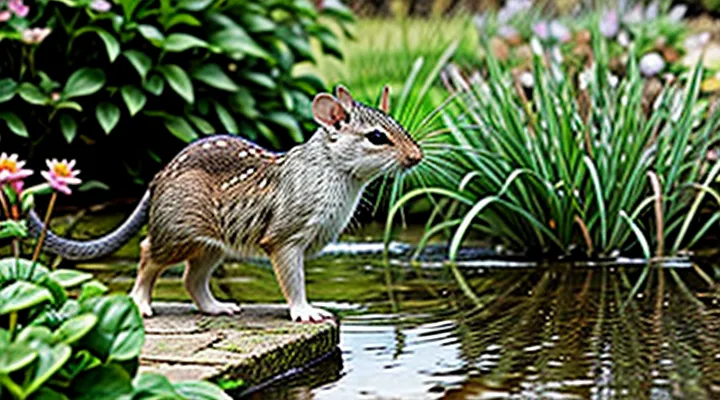
Understanding Water Rats («Voles»)
Identifying Water Rats
Physical Characteristics
Water rats found in garden waterways measure 15‑20 cm in body length, with tails adding another 12‑18 cm. Their fur is dense, water‑repellent, ranging from dark brown to black, sometimes with a silvery sheen on the underparts. Eyes are small, positioned high on the skull, providing a wide field of vision for detecting predators. Ears are short and covered by fur, reducing water resistance while swimming.
Key physical traits that influence control measures:
- Robust limbs – strong, webbed hind feet enable rapid propulsion; traps must accommodate both swimming and climbing ability.
- Sharp incisors – continuously growing front teeth allow gnawing of vegetation and plastic debris; bait should be resistant to chewing.
- Flexible spine – permits squeezing through narrow gaps; sealing entry points requires gaps no larger than 2 cm.
- Sensitive whiskers – detect vibrations in water; motion‑activated devices should emit low‑frequency signals to trigger avoidance.
Understanding these characteristics assists in selecting appropriate barriers, baits, and detection tools for effective garden management.
Typical Behavior
Water rats frequent garden waterways, especially ponds, streams, and irrigation ditches. They are primarily nocturnal, emerging after dusk to forage for aquatic vegetation, insects, and small vertebrates. Their activity peaks during the early night hours, when cooler temperatures reduce predation risk.
Key aspects of their behavior include:
- Swimming proficiency – strong, webbed feet enable rapid movement through water, allowing quick access to distant feeding sites.
- Burrowing – construct shallow tunnels along banks and under debris, creating concealed nests that protect offspring and provide shelter during daylight.
- Territorial patrols – maintain defined home ranges along water edges, marking pathways with scent glands and vocalizations to deter intruders.
- Food storage – gather and cache plant material and invertebrates near burrow entrances for later consumption.
- Seasonal variation – increase foraging distance and reproductive output in spring and summer when food availability rises; reduce activity in colder months, often seeking refuge in deeper water or underground chambers.
Understanding these patterns enables targeted management actions, such as installing barriers at typical entry points, disrupting burrow systems during peak activity periods, and reducing available food sources by maintaining clean water edges.
Signs of Infestation
Water rats leave unmistakable evidence of their presence. Recognizing these indicators early prevents extensive damage to vegetation and water features.
- Fresh, wet burrows along pond edges, irrigation lines, or damp soil banks.
- Chewed or gnawed plant stems, especially near water sources; stems may appear ragged or partially severed.
- Visible droppings, typically dark, pellet‑shaped, and found near feeding sites or nesting tunnels.
- Tracks in soft mud or sand, displaying four‑toed footprints with webbed hind feet.
- Discolored or eroded bank material caused by constant digging and trampling.
- Unusual noises at night, such as squeaks or rustling, emanating from concealed burrows.
- Presence of nests constructed from vegetation, reeds, and debris, often partially submerged or hidden under cover.
Each sign warrants immediate inspection and, if confirmed, swift implementation of control measures to protect garden ecosystems.
The Impact of Water Rats on Gardens
Damage to Plants and Crops
Water rats, also known as muskrats, frequently inhabit garden waterways, where they feed on vegetation and disturb soil. Their presence directly reduces the yield of ornamental and edible plants by removing foliage, stripping bark, and uprooting seedlings. The loss of photosynthetic tissue limits growth, while exposed roots become vulnerable to disease and drought.
Typical damage includes:
- Defoliation of leafy crops such as lettuce, spinach, and kale.
- Stripping of bark from young trees and shrubs, leading to girdling and eventual death.
- Burrowing that creates tunnels in the root zone, causing soil erosion and loss of nutrient-holding capacity.
- Consumption of tubers and root vegetables, resulting in partial or complete loss of harvestable produce.
The cumulative effect of these actions is a measurable decline in garden productivity and increased maintenance costs. Prompt identification of rat activity and implementation of control measures are essential to preserve plant health and protect crop yields.
Damage to Garden Structures
Water rats gnaw on wooden trellises, pergolas, and raised beds, creating structural weaknesses that can lead to collapse under load. Their persistent chewing removes protective coatings, exposing timber to moisture and accelerating rot. Burrowing activity undermines the foundations of garden walls and compost bins, causing cracks and shifting that compromise stability.
Typical damage includes:
- Severed support beams in vegetable trellises
- Eroded joints of wooden arbors
- Cracked concrete footings around water features
- Displaced stones in retaining walls
- Compromised panels of greenhouse frames
Preventive measures focus on eliminating access points and reinforcing vulnerable components. Replace exposed wood with pressure‑treated or metal alternatives, install metal mesh barriers around the base of structures, and seal gaps with waterproof caulk. Regular inspection of joints and footings allows early detection of gnaw marks or subsidence; immediate repair with epoxy resin or concrete patching restores integrity.
If infestation is confirmed, install live traps or bait stations near identified pathways, then remove captured individuals promptly. Follow up with habitat modification: reduce standing water, clear dense vegetation, and store firewood off the ground to deter future incursions. Combining physical barriers with diligent monitoring limits structural damage and preserves the garden’s functional layout.
Potential Health Risks
Water rats thriving in garden water features pose several direct health hazards. Their droppings and urine contaminate soil and standing water, creating an environment for pathogenic microorganisms. Contact with contaminated material can lead to gastrointestinal infections, skin irritation, and respiratory problems.
Key diseases transmitted by water rats include:
- Leptospirosis – bacterial infection acquired through skin cuts or mucous membranes exposed to urine‑laden water.
- Hantavirus – virus spread by inhaling aerosolized particles from dried droppings.
- Salmonellosis – bacterial infection from ingesting food or water contaminated with feces.
- Rat‑bite fever (Streptobacillosis) – bacterial infection following bites or scratches.
Additional risks affect pets and livestock. Dogs that drink from polluted ponds may develop gastroenteritis or kidney damage. Cats hunting these rodents risk bite‑related infections and parasitic infestations such as tapeworms.
Water rat activity also encourages secondary pests. Larvae of mosquitoes proliferate in the same stagnant water, increasing the likelihood of vector‑borne diseases such as West Nile virus and dengue fever.
Mitigating these health threats requires eliminating standing water, securing food sources, and employing traps or barriers to reduce rodent access. Regular monitoring of garden water features and prompt removal of droppings lower the probability of disease transmission.
Prevention Strategies
Garden Design and Maintenance
Removing Food Sources
Effective control of water rats begins with eliminating the resources that attract them. Food availability drives their presence, so removing or securing potential meals reduces population pressure.
Identify and manage the following sources:
- Fallen fruit, vegetables, and seeds left on the ground. Collect debris daily and compost in sealed containers.
- Pet food left outdoors. Store in airtight containers and feed only at scheduled times, removing leftovers promptly.
- Birdseed spillage. Place feeders on platforms with trays that capture excess seed, emptying them regularly.
- Human food waste. Use rat‑proof bins with tight‑fitting lids; position bins away from the garden perimeter.
- Insect larvae and grubs in soil. Apply targeted biological controls or soil treatments to limit their numbers.
Secure compost piles with wire mesh or solid covers to prevent rats from accessing decomposing material. Mulch should be thin and well‑drained; excessive organic layers create hiding spots and food caches.
Maintain a regular clean‑up schedule. Inspect garden beds, pathways, and storage areas weekly, removing any material that could serve as a food source. Consistent denial of nourishment forces water rats to relocate, reducing their impact on the garden ecosystem.
Eliminating Shelter and Hiding Spots
Eliminating shelter and hiding spots deprives water rats of the cover they need to thrive in a garden. Remove dense vegetation, debris, and standing water that create safe zones. Trim overgrown shrubs, mow grass regularly, and clear leaf litter to expose the ground.
- Cut back hedges and remove low branches that form tunnels.
- Dispose of rotting wood, compost piles, and garden waste promptly.
- Fill low-lying areas where water collects; ensure proper drainage.
- Seal cracks in garden walls, fences, and raised beds to prevent burrow entry.
- Store feed, pet food, and birdseed in sealed containers to eliminate food sources that attract rodents.
Inspect the garden after each maintenance cycle. Identify new growth or debris that could become shelter, and address it immediately. Consistent removal of cover reduces water rat populations by limiting breeding sites and escape routes.
Protecting Vulnerable Plants
Water rats target tender foliage, seedlings, and low‑lying perennials, causing rapid loss of canopy and root damage. Effective protection begins with habitat modification. Remove standing water, trim dense ground cover, and keep garden edges clear of debris to reduce shelter and food sources. Install barriers such as fine‑mesh fencing or hardware cloth at a depth of 12‑15 cm around vulnerable beds; secure the material tightly to prevent burrowing.
Implement physical deterrents. Place smooth, slippery surfaces (e.g., metal flashing) around plant bases to impede climbing. Use rolling logs or stone edging to create an uneven perimeter that discourages entry. Deploy motion‑activated sprinklers or ultrasonic devices where permitted; these create immediate disturbance without chemical use.
Adopt strategic planting. Choose species with tougher stems and foliage, or those that develop quickly and can outgrow damage. Position susceptible plants away from water sources and near dense, less attractive vegetation that acts as a buffer. Interplant aromatic herbs such as mint or rosemary, which emit scents water rats tend to avoid.
Maintain vigilant monitoring. Conduct nightly inspections during peak activity periods, looking for fresh gnaw marks, droppings, or burrow entrances. Promptly repair any breaches in barriers and replace damaged plant material. Record observations to identify patterns and adjust control measures accordingly.
Summary of key actions:
- Eliminate standing water and dense ground cover.
- Install buried mesh barriers around beds.
- Apply slippery or uneven edging to deter climbing.
- Use motion‑activated deterrents where legal.
- Choose resilient plant species and position them strategically.
- Conduct regular inspections and maintain barrier integrity.
Fencing and Barriers
Types of Fencing
Effective fencing is a primary barrier that prevents water rats from entering garden beds, storage areas, and irrigation zones. Selecting the appropriate fence type determines the durability of protection and the level of maintenance required.
- Solid wood panel fences – dense boards block sight lines, discourage burrowing, and can be treated with water‑resistant sealants. Install panels with a minimum height of 24 inches and embed the base 6 inches below soil to thwart digging.
- Metal mesh (hardware cloth) fences – galvanized or stainless‑steel mesh with openings no larger than ¼ inch stops rats from squeezing through. Secure the mesh to sturdy posts, and extend the lower edge 12 inches underground to create a continuous underground wall.
- Vinyl or PVC fences – smooth surfaces resist gnawing and moisture damage. Choose models with reinforced posts and a sealed bottom strip; a buried skirt of at least 8 inches adds extra protection.
- Concrete or brick walls – permanent structures eliminate gaps and are impervious to corrosion. Ensure a smooth finish at the base to prevent rats from gaining purchase, and incorporate a concrete footpad extending outward from the wall to block digging.
- Living hedges (dense shrub barriers) – dense, thorny plants such as hawthorn or barberry create a natural deterrent. Plant rows 3–4 feet apart, trimming regularly to maintain thickness that discourages entry.
When installing any fence, verify that the soil around the base is compacted and that no adjacent structures provide a bridge for rats. Regular inspections—checking for rust, rot, or broken mesh—maintain the fence’s effectiveness over time.
Installation Tips
Effective control of water rats begins with proper installation of deterrent and trapping systems. Position devices where rats are most active, typically along the water’s edge, near burrow entrances, and along established runways. Secure each unit to the ground or a stable structure to prevent displacement by wind or animal interference.
Select materials that resist corrosion and moisture damage. Use stainless‑steel brackets or galvanized stakes for anchoring. When installing baited traps, conceal the mechanism with natural debris while keeping the opening unobstructed. Ensure that all wiring for electric barriers is insulated and buried at a depth of at least 6 cm to avoid accidental contact with non‑target wildlife.
- Mount live‑capture traps at ground level, angled slightly forward to guide rats into the entry.
- Attach perimeter fences with mesh size no larger than 25 mm, fastening the bottom edge 10 cm below ground to block burrowing.
- Install water‑flow diversion channels to reduce standing water, using PVC pipe elbows to direct runoff away from garden beds.
- Connect solar‑powered ultrasonic emitters to a timer set for dusk‑to‑dawn operation; mount the units 30 cm above ground on sturdy poles.
- Test each electrical barrier with a multimeter before activation; verify continuity and proper grounding.
Natural Deterrents
Repellent Plants
Water rats are attracted to moist garden areas where shelter and food are abundant. Introducing plant species that emit strong odors or possess unpalatable textures can reduce their presence without chemical interventions.
- Mint (Mentha spp.) – releases a volatile oil that water rats avoid; plant in containers to prevent spreading.
- Lavender (Lavandula angustifolia) – aromatic foliage and flowers deter rodents; prefers well‑drained soil and full sun.
- Marigold (Tagetes spp.) – produces thiophene compounds unpleasant to many mammals; thrives in sunny spots with moderate moisture.
- Rue (Ruta graveolens) – emits a pungent scent; tolerates poor soils and tolerates occasional flooding.
- Allium species (e.g., garlic, chives, onions) – sulfur‑based volatiles repel rodents; plant around pond edges and vegetable beds.
Placement matters. Position repellent plants along the perimeter of water features, near burrow entrances, and in zones where water rats frequently travel. Maintain dense foliage to create a continuous barrier; prune regularly to preserve vigor and volatile production. Avoid over‑watering, which can dilute aromatic compounds and encourage the pests.
Combining multiple repellent species enhances effectiveness, as water rats encounter a variety of deterrents. Monitor activity weekly, replace any dead plants promptly, and integrate the botanical barrier with physical measures such as fencing or habitat modification for sustained control.
Encouraging Natural Predators
Effective biological control of water rats relies on fostering species that naturally prey on them. By creating conditions that attract and sustain these predators, gardeners reduce rat populations without chemical interventions.
Key predators include barn owls, great‑horned owls, herons, raccoons, snapping turtles, and common water snakes. Each species targets water rats at different life stages, providing continuous pressure on the rodent community.
To encourage these hunters, implement the following actions:
- Install sturdy nesting boxes at heights of 10–15 feet, oriented away from prevailing winds, to attract owls and other raptors.
- Place wooden or metal perches near water edges for herons and egrets, ensuring stable footing and unobstructed sightlines.
- Preserve natural vegetation buffers, such as reeds and shrubs, that offer cover for raccoons and snakes while maintaining water access.
- Provide shallow, clean water sources separate from the garden’s irrigation system to draw amphibious predators like turtles.
- Eliminate broad‑spectrum pesticides that diminish the food base of insect‑eating birds and reptiles, thereby supporting the entire predator chain.
Monitoring predator activity is essential. Record sightings, track nesting success, and adjust habitat features to address any shortfalls. Avoid creating dense, low‑lying cover that could shelter rats instead of predators. Regularly inspect nesting boxes for damage and clean them to sustain occupancy.
By integrating these measures, gardeners harness natural predation to suppress water rat numbers, maintain ecological balance, and protect plant health.
Eradication Methods
Trapping
Types of Traps
Effective control of water rats in a garden relies on selecting the appropriate trap. Several designs target the species’ habits and environment.
-
Live‑catch cage traps – sturdy wire cages with a baited entrance. Once the animal enters, a spring‑loaded door closes, allowing relocation. Use waterproof bait such as fresh vegetables or fish. Position cages near water edges and check them twice daily to prevent stress.
-
Snap traps – heavy‑duty, rodent‑specific devices with a lethal strike bar. Place them on stable platforms above ground level to avoid flooding. Bait with oily fish or meat, and conceal the trap with vegetation to reduce wariness.
-
Electronic kill traps – battery‑powered units delivering a high‑voltage shock. Suitable for areas with limited human traffic. Install near burrow entrances, ensure proper grounding, and follow manufacturer safety guidelines.
-
Scent‑infused glue boards – adhesive sheets coated with attractant pheromones. Effective for monitoring activity and capturing juveniles. Lay boards on flat surfaces adjacent to water channels, replace when covered.
-
Water‑filled funnel traps – a funnel leading into a shallow container of water with a slippery interior. Rats slide down and drown. Use a mesh cover to prevent non‑target species from entering. Regularly empty and clean to maintain efficacy.
Each trap type demands specific placement, bait selection, and maintenance routine. Combining live‑catch cages for removal with snap or electronic traps for immediate reduction often yields the fastest population decline while minimizing disruption to garden flora.
Baiting Strategies
Effective baiting requires precise selection, placement, and timing to reduce water‑rat activity without harming non‑target wildlife. Choose baits that attract rodents but are unattractive to birds and amphibians; common options include high‑protein pellets, grain‑based mixes, and commercial rodent attractants formulated for semi‑aquatic environments. Ensure baits are housed in waterproof, sealed stations to prevent dissolution in moist soil or standing water.
- Use bait stations positioned along established runways, near burrow entrances, and at the water’s edge where rats forage.
- Install stations at ground level, concealed by vegetation but accessible to the target species.
- Replace bait every 48–72 hours to maintain freshness and potency.
- Rotate bait types weekly to prevent habituation and to target different dietary preferences.
- Apply stations during dusk or early night when rats are most active; avoid daylight placement to limit exposure to non‑target species.
Monitor trap success daily, record removal rates, and adjust station density accordingly. Increase station numbers in high‑traffic zones and reduce in areas showing low activity. Replace depleted bait promptly and inspect stations for damage. Consistent observation and adaptive placement sustain bait effectiveness and support long‑term reduction of water‑rat populations in garden settings.
Safe and Humane Trapping Practices
Water rats frequently inhabit garden waterways, causing damage to vegetation and posing health risks. Effective control requires traps that protect the animals from injury while allowing swift removal.
- Choose live‑capture traps constructed of sturdy wire mesh with smooth interior surfaces; avoid cages with sharp edges or coarse coatings.
- Select bait that attracts rodents without encouraging predation, such as fresh vegetables, fruit peel, or oatmeal mixed with a small amount of peanut butter.
- Position traps near burrow entrances, along bank edges, or in shaded sections where activity is observed. Secure traps to the ground to prevent displacement by water flow.
- Check traps at least twice daily. Remove captured rats promptly to reduce stress and prevent escape.
- Release captured individuals at least 2 km away from the garden, preferably in a natural wetland or riparian area where they can find shelter and food.
- Disinfect traps after each use with a mild bleach solution (1 % concentration) and rinse thoroughly to eliminate scent trails that may deter future captures.
- Record capture dates, locations, and numbers to monitor population trends and adjust trap placement accordingly.
Compliance with local wildlife regulations is mandatory; many jurisdictions require permits for the removal of native rodent species. Documentation of humane practices can demonstrate adherence to legal standards and support responsible garden management.
Baits and Poisons
Choosing the Right Bait
Selecting effective bait is a critical step in reducing water rat activity around garden water features. Successful bait choice depends on species preferences, environmental conditions, and trap compatibility.
Bait options include:
- Fish scraps – strong odor, high protein; works well in warm water.
- Raw poultry – dense texture, sustained scent release; suitable for cooler periods.
- Commercial rodent attractants – formulated with pheromones; provides consistent performance across seasons.
- Fresh fruit peel – sweet scent, attractive to juveniles; best for short‑term use.
When evaluating bait, consider the following criteria:
- Odor intensity – stronger scents increase detection distance.
- Durability – bait must remain intact long enough for the trap to close.
- Safety – avoid substances that could harm non‑target wildlife or pets.
- Availability – choose items that can be sourced reliably throughout the year.
Preparation guidelines:
- Cut bait into 2‑3 cm pieces to fit standard live‑capture traps.
- Store perishable bait in a refrigerator and use within 24 hours to preserve potency.
- Attach bait to the trap trigger using a small piece of wire or a biodegradable string to prevent premature removal.
Placement strategy:
- Position traps 1‑2 m from the water’s edge, where rats travel between feeding sites and burrows.
- Set traps in the late afternoon; rats are most active at dusk.
- Replace bait daily, or sooner if it becomes wet or contaminated.
Monitoring results and adjusting bait type based on capture rates ensures continuous effectiveness. Consistent application of these practices maximizes reduction of water rat presence in garden environments.
Safe Application and Placement
Effective control of water rats in garden settings depends on proper use and positioning of deterrents and traps.
Select products certified for use around plants and wildlife. Read label instructions thoroughly; apply only the recommended amount. Avoid direct contact with edible crops and water features used for irrigation.
When deploying baited traps, place them along established runways, typically within 1–2 m of the water’s edge. Position traps on stable, level ground to prevent tipping and ensure the mechanism functions correctly. Space multiple traps at intervals of 5–10 m to cover the entire perimeter of the affected area.
Rodent‑repellent granules or liquid formulations should be scattered uniformly across the perimeter of ponds, drainage ditches, and moist soil beds. Apply a thin layer—no more than 0.5 cm deep—to avoid runoff into ornamental beds. Re‑apply after heavy rain or irrigation cycles, following the product’s re‑treatment schedule.
Barrier installation requires a minimum of 30 cm of buried hardware cloth or metal mesh, extending at least 15 cm below the soil surface and protruding 30 cm above ground. Secure the material tightly against plant stems and garden structures to eliminate gaps.
Maintain a log of application dates, locations, and quantities used. Review the record quarterly to adjust placement density and verify compliance with safety guidelines.
By adhering to these placement principles and dosage limits, gardeners can reduce water rat activity while protecting non‑target organisms and preserving plant health.
Environmental Considerations
Effective management of water‑rat activity in garden ecosystems requires attention to ecological balance, legal compliance, and long‑term habitat stability. Interventions that alter water flow, vegetation, or soil composition can affect non‑target species, water quality, and nutrient cycles; therefore, each action must be evaluated for its broader environmental impact.
Key considerations include:
- Preservation of native flora and fauna: removal techniques should avoid collateral damage to amphibians, insects, and birds that share the same wetland habitat.
- Water‑resource integrity: chemical agents risk contaminating irrigation supplies and downstream waterways; mechanical barriers and habitat modification present lower chemical footprints.
- Biodiversity support: maintaining a mosaic of plant species and providing alternative food sources can reduce reliance on garden crops, limiting attractants for water rats.
- Legal restrictions: many jurisdictions protect water‑rat populations under wildlife regulations; compliance prevents penalties and promotes ethical stewardship.
- Soil health: excessive trapping or digging can compact soil, impair drainage, and hinder root development; gentle habitat adjustments minimize disturbance.
Implementing these guidelines promotes a garden environment that discourages water‑rat incursions while safeguarding ecological functions and regulatory standards. Continuous monitoring and adaptive management ensure that control measures remain effective without compromising the surrounding ecosystem.
Professional Pest Control
When to Call an Expert
Professional assistance becomes necessary when water rat activity threatens the structural integrity of garden features, when chemical or mechanical control methods have failed after several attempts, or when the infestation spreads beyond a confined area.
Key indicators that expert intervention is required include:
- Persistent burrowing that undermines retaining walls, irrigation pipes, or raised beds.
- Visible damage to plant roots, leading to wilting or death of multiple species.
- High population density observed at night, with frequent sightings of adult rats and juveniles.
- Evidence of disease transmission risk, such as rodents carrying pathogens near children or pets.
- Inadequate results from traps, repellents, or habitat modification after a minimum of three weeks of consistent effort.
If any of these conditions are present, contact a licensed wildlife control professional. Request a site assessment, an integrated pest management plan, and documentation of recommended actions. Prompt expert involvement prevents extensive garden damage, reduces health hazards, and restores ecological balance more efficiently than continued DIY attempts.
Services Offered
Effective control of water rat populations in garden environments requires professional intervention. Service providers deliver targeted solutions that protect plantings, soil integrity, and water features from damage caused by these rodents.
- Site assessment and identification of infestation hotspots
- Installation of bait stations and trap systems designed for aquatic and semi‑aquatic habitats
- Habitat modification, including removal of excess vegetation and debris that offer shelter
- Application of environmentally compliant rodenticides with precise dosing
- Regular monitoring visits to evaluate effectiveness and adjust tactics
Clients receive a structured plan that begins with a detailed survey, followed by immediate deployment of control measures. Subsequent inspections verify reduction of activity and ensure long‑term deterrence. Documentation of each step supports compliance with local wildlife regulations and provides clear evidence of successful management.