
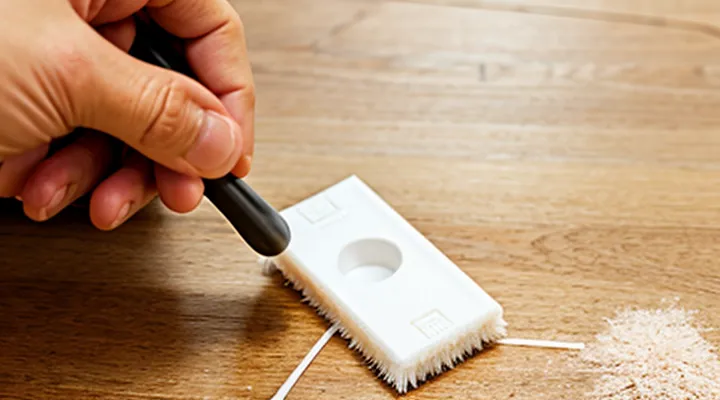
Safety First: Protecting Yourself
Essential Safety Gear
When handling adhesive rodent traps, protective equipment prevents skin irritation, inhalation of fumes, and accidental contact with lingering glue.
- Disposable nitrile gloves – resist chemical solvents and protect hands from sticky residues.
- Safety goggles – shield eyes from splashes of cleaning agents.
- Respiratory mask with particulate filter – block fine adhesive particles and vapors from solvents.
- Protective apron or lab coat – guard clothing and skin from spills.
- Non‑slip footwear – maintain stability on wet surfaces.
Gloves should be removed after cleaning and discarded to avoid cross‑contamination. Goggles must remain in place until all solvent vapors have dissipated. Masks are to be worn throughout the entire cleaning process, replacing filters if they become saturated. Aprons should be laundered or replaced after each use. Ensure the work area is well‑ventilated, and keep a fire‑extinguishing blanket nearby when using flammable solvents.
Handling Traps Safely
When handling adhesive mouse traps, protect skin and eyes before any cleaning begins. Wear disposable nitrile gloves and safety goggles to prevent contact with the sticky residue and potential allergens.
- Secure the trap on a stable surface to avoid accidental drops.
- Use a plastic spatula or a stiff card to lift the trap without applying pressure to the glue.
- Keep the work area well‑ventilated; open windows or operate a fan to disperse any fumes from cleaning agents.
- Store gloves and tools in a sealed bag after use to contain residue.
Dispose of the trap according to local hazardous‑waste guidelines. Place the used device in a sturdy, sealed container before transferring it to a waste bin designated for sticky‑substance disposal. Do not place traps in regular recycling streams.
Additional precautions include keeping traps out of reach of children and pets, labeling the cleaning area with a warning sign, and washing hands thoroughly after glove removal. Regularly inspect protective equipment for tears or contamination; replace compromised items immediately.
Disposal of Captured Pests
Proper disposal of trapped rodents prevents secondary contamination and reduces the risk of disease transmission. After removing the animal from a glue‑based trap, place it in a sealable plastic bag, expel excess air, and secure the closure. The sealed bag should then be positioned within a second, larger bag to provide double containment before discarding in an outdoor waste receptacle designated for animal carcasses.
- Wear disposable gloves throughout the process.
- Use a sturdy tool (e.g., tweezers) to lift the pest without crushing it.
- Transfer the pest directly into a small, puncture‑resistant bag.
- Seal the bag, then place it inside a larger, tightly‑closing bag.
- Label the outer bag with «dead rodent – dispose promptly».
- Dispose of the double‑bagged waste according to local regulations, typically at a municipal landfill or animal‑control facility.
After disposal, remove gloves and wash hands thoroughly with soap and water. Clean the trap surface with a solvent safe for the adhesive, such as mineral oil or a commercial glue remover, to eliminate residual stickiness. Store the cleaned trap in a sealed container if reuse is planned; otherwise, discard it following the same double‑bag protocol. This approach ensures hygienic handling and compliance with public‑health guidelines.
Understanding Glue Traps and Residue
Types of Glue Traps
Glue traps for rodents come in several distinct designs, each influencing the method required to eliminate adhesive residue.
Flat‑board traps consist of a rectangular surface coated with a thin layer of tacky polymer. The smooth plane allows easy removal of the glue film with a solvent‑soaked cloth or a gentle scraping tool. Because the adhesive spreads evenly, a single application of mineral oil or citrus‑based remover typically dissolves the residue without damaging the board.
Cylindrical traps feature a curved, funnel‑shaped surface that directs captured pests toward a central adhesive zone. The curvature creates pockets where glue accumulates, necessitating a two‑step cleaning process: first, soak the trap in warm, soapy water to loosen the bulk of the residue; second, apply a brush or soft‑bristle tool to reach the inner curve and remove remaining tack.
Disposable traps are constructed from thin cardboard or plastic sheets designed for one‑time use. After capture, the entire trap can be discarded, but when reuse is desired, the adhesive layer can be peeled off in large sections. A brief immersion in warm water followed by gentle peeling usually separates the glue without leaving significant traces.
Reusable traps incorporate a replaceable adhesive pad mounted on a rigid frame. The pad can be detached, soaked in a solvent such as isopropyl alcohol, and rinsed clean before reattachment. This modular approach simplifies maintenance and extends the trap’s lifespan.
Scented traps embed attractant compounds within the glue matrix. The presence of fragrance does not affect cleaning, but the added chemicals may react with certain solvents. A mild, neutral detergent combined with warm water effectively removes both glue and odor residues without compromising the trap’s material.
Non‑toxic traps employ plant‑based adhesives, such as natural latex. These adhesives soften at lower temperatures, allowing removal with a warm, damp cloth. No harsh chemicals are required, making the process safe for household environments.
Each type presents specific considerations for residue removal, yet the overarching principle remains: apply an appropriate solvent, allow adequate soaking time, and use a non‑abrasive tool to detach the adhesive without harming the trap’s structure.
Composition of Glue Adhesives
Glue adhesives used in rodent traps consist primarily of a polymer matrix, a tackifying agent, and optional additives that modify viscosity and durability.
The polymer matrix is typically a natural rubber such as polyisobutylene or a synthetic elastomer like styrene‑butadiene rubber. These polymers provide the elastic backbone that allows the adhesive to stretch without breaking.
Tackifiers, often composed of aromatic resins or hydrocarbon oils, increase surface stickiness by lowering the glass transition temperature of the polymer. This enhances the initial grip on small insects and rodents.
Plasticizers, for example phthalate esters or vegetable‑based oils, are incorporated to maintain flexibility over a wide temperature range. Without adequate plasticization, the adhesive would become brittle in cooler environments, reducing effectiveness.
Solvents such as mineral spirits or acetone may be present in low concentrations to adjust flow characteristics during manufacturing. After application, the solvent evaporates, leaving a stable, tacky film.
Additives including antioxidants, UV stabilizers, and antimicrobial agents extend shelf life and prevent degradation when exposed to light or moisture.
Typical formulation percentages (by weight) are:
- Polymer matrix: 40–60 %
- Tackifier: 20–30 %
- Plasticizer: 10–20 %
- Solvent: 0–5 %
- Additives: 1–3 %
Understanding these components clarifies why certain cleaning agents, such as mineral oil or citrus‑based solvents, effectively dissolve the adhesive while preserving the trap’s structural integrity. The polarity of the solvent must match that of the polymer‑tackifier system to break intermolecular forces and release the residue without damaging surrounding surfaces.
Why Glue Residue is Stubborn
Glue residue on mouse traps remains tenacious because of its chemical composition. The adhesive consists of polymeric resins that form a visco‑elastic matrix, creating strong intermolecular forces that resist dissolution. The matrix’s high molecular weight limits solvent penetration, while the presence of tackifiers enhances surface adhesion.
Physical factors contribute further. The adhesive spreads into microscopic pores of the trap surface, establishing mechanical interlocking that increases shear resistance. Contact with the pest’s fur or skin introduces additional fibers, which become embedded in the polymer network and reinforce the bond.
Environmental conditions amplify persistence. Low humidity reduces the rate at which water‑based cleaners can swell the polymer, and moderate temperatures maintain the resin’s elasticity, preventing brittle cracking that would otherwise facilitate removal.
Typical cleaning agents confront these barriers:
- Solvents with low polarity (e.g., mineral oil) struggle to disrupt the hydrophobic polymer.
- Water‑based detergents lack the capacity to swell the high‑molecular‑weight matrix.
- Mild acids or bases may hydrolyze the resin slowly, requiring prolonged exposure.
Understanding these properties explains why simple wiping or rinsing fails to eliminate the residue. Effective removal demands agents capable of breaking polymer chains or swelling the adhesive, coupled with mechanical action to overcome the established interlock.
Preparing the Workspace
Choosing a Suitable Area
Choosing an appropriate location for glue‑based rodent traps is essential before attempting residue removal. The area must allow easy access, adequate ventilation, and containment of any dislodged adhesive fragments.
- Surface should be flat and non‑porous (tile, laminate, sealed wood) to prevent glue spreading.
- Lighting must be sufficient for visual inspection of the trap and surrounding floor.
- Proximity to power outlets enables use of fans or ventilation devices.
- Isolation from high‑traffic zones reduces risk of accidental contact with remaining glue.
Ventilation prevents inhalation of fumes from cleaning agents such as mineral spirits or citrus‑based solvents. Positioning the trap on a disposable sheet or tray confines drips and simplifies waste disposal. Ensure that nearby pets or children cannot reach the work zone. After cleaning, allow the surface to dry completely before returning it to regular use.
Gathering Your Materials
Before beginning the removal process, assemble all required supplies. Proper preparation prevents damage to the trap and reduces mess.
- Soft‑bristle brush or old toothbrush
- Mineral spirits, rubbing alcohol, or citrus‑based adhesive remover
- Disposable gloves
- Paper towels or lint‑free cloths
- Small container for waste
- Plastic scraper or old credit card
Ensure each item is within easy reach. Verify that the chosen solvent is compatible with the trap’s material to avoid deterioration. Dispose of used materials according to local regulations.
Effective Methods for Residue Removal
Method 1: Oil-Based Solutions
Step-by-Step with Vegetable Oil
Removing dried adhesive from mouse traps with vegetable oil provides a quick, non‑toxic solution. The oil penetrates the glue, loosening the bond without damaging the trap’s surface.
- Apply a thin layer of vegetable oil directly onto the glue‑covered area.
- Allow the oil to sit for 2–3 minutes; the adhesive softens.
- Use a disposable plastic scraper or a blunt knife to lift the softened residue.
- Wipe the remaining oil and glue with a paper towel soaked in warm, soapy water.
- Rinse the trap with clean water and dry thoroughly before reuse.
For optimal results, select a neutral‑flavored oil to avoid attracting pests. Avoid excessive oil, which can leave a slippery film. After cleaning, store traps in a dry container to prevent future buildup.
Step-by-Step with Mineral Oil
Removing adhesive from rodent traps can be achieved efficiently with mineral oil. The oil penetrates the glue, loosening the bond without damaging the trap’s plastic components.
Materials required
- Mineral oil (food‑grade)
- Soft cloth or paper towel
- Small container for oil
- Disposable gloves
- Mild detergent
- Warm water
Procedure
- Wear disposable gloves to protect skin from prolonged oil exposure.
- Place a few drops of mineral oil directly onto the glue‑covered area.
- Allow the oil to sit for 1–2 minutes; the adhesive will become translucent and pliable.
- Gently rub the softened glue with a soft cloth, moving in a circular motion until residue lifts away.
- Rinse the trap under warm water mixed with mild detergent to remove oil traces.
- Dry the trap thoroughly with a clean towel before reuse or disposal.
Safety and disposal notes
- Conduct the process in a well‑ventilated area to avoid inhaling oil vapors.
- Discard used cloths and gloves in a sealed bag to prevent accidental contamination.
- Store remaining mineral oil in a tightly sealed container away from heat sources.
The outlined method restores traps to a clean state, ready for safe handling or responsible disposal.
Using Peanut Butter as an Alternative
Peanut butter provides an effective, household‑available medium for loosening adhesive left on mouse traps. The oil and protein content penetrate the glue, reducing its tackiness and allowing easier removal.
Key properties:
- High fat content softens the adhesive matrix.
- Slight acidity assists in breaking down synthetic binders.
- Non‑toxic composition ensures safe handling around food‑storage areas.
Procedure:
- Apply a thin layer of smooth peanut butter directly onto the glue‑covered surface.
- Allow the coating to sit for 3–5 minutes; the paste will seep into the adhesive.
- Use a plastic scraper or old credit card to lift the softened glue, working from the edges toward the center.
- Wipe the area with a damp cloth to remove residual peanut butter and any remaining particles.
- Rinse the trap with warm, soapy water if reuse is intended; dry thoroughly before redeployment.
Precautions:
- Select unsalted, natural peanut butter to avoid adding unnecessary sugars or salts.
- Test the method on a small, inconspicuous spot to confirm that the trap material tolerates the oil.
- Dispose of used peanut butter safely to prevent attraction of insects.
Using this approach eliminates the need for commercial solvents, reduces chemical exposure, and leverages a common pantry item to restore mouse traps to a clean, functional state.
Method 2: Alcohol-Based Solutions
Isopropyl Alcohol Application
Isopropyl alcohol (70‑90 % concentration) efficiently dissolves adhesive polymers left on rodent traps. The solvent penetrates the glue matrix, reducing tackiness and allowing easy removal without damaging the trap surface.
- Apply a small amount of alcohol to a cotton swab or lint‑free cloth.
- Press the saturated tip against the glue spot, hold for 10–15 seconds.
- Gently rub the area in a circular motion until the residue lifts.
- Wipe the cleared surface with a dry cloth to remove excess liquid.
- Allow the trap to air‑dry for a few minutes before reuse.
Safety considerations include using the alcohol in a well‑ventilated area, wearing gloves to protect skin, and keeping the solvent away from open flames. Dispose of used cloths in a sealed container to prevent accidental ignition. The method leaves no harmful residues, making it suitable for household applications.
Denatured Alcohol Precautions
Denatured alcohol efficiently dissolves the sticky residue left on rodent traps, but its volatility and toxicity demand strict safety measures.
- Wear chemical‑resistant gloves to prevent skin absorption.
- Use safety goggles to shield eyes from splashes.
- Operate in a well‑ventilated area; open windows or employ an exhaust fan.
- Keep ignition sources away; the vapour is highly flammable.
- Store the container tightly sealed, away from heat and direct sunlight.
- Dispose of excess liquid according to local hazardous‑waste regulations.
Additional precautions include testing a small, inconspicuous area of the trap material before full application to ensure no discoloration or degradation occurs. After treatment, allow the trap to dry completely before reuse or disposal.
Method 3: Commercial Glue Removers
Selecting the Right Product
Choosing an appropriate cleaning agent determines the speed and safety of adhesive removal from mouse traps.
First, verify that the product dissolves the specific type of glue used in the trap. Water‑based adhesives respond to mild solvents such as warm soapy water, while stronger, industrial‑strength glues often require mineral spirits, acetone, or dedicated adhesive removers.
Second, assess material compatibility. Plastic and wood surfaces tolerate alcohol‑based solutions, whereas painted or lacquered surfaces may be damaged by harsh chemicals. Select a product labeled safe for the trap’s construction material to avoid discoloration or warping.
Third, consider health and ventilation requirements. Products with low volatile organic compound (VOC) content reduce inhalation risk and limit the need for extensive airflow. When a stronger solvent is unavoidable, use it in a well‑ventilated area and wear protective gloves.
Fourth, evaluate environmental impact. Biodegradable cleaners and citrus‑based solvents provide effective results while minimizing ecological footprint.
Finally, ensure availability and cost‑effectiveness. Common household items—such as dish soap, white vinegar, or rubbing alcohol—offer inexpensive alternatives to commercial adhesive removers, but confirm that their efficacy matches the glue’s strength.
Key selection criteria
- Solvent strength appropriate to glue type
- Compatibility with trap material
- Low toxicity and adequate ventilation needs
- Environmental friendliness
- Accessibility and price
Applying these criteria leads to a product that removes residue efficiently without compromising safety or trap integrity.
Following Manufacturer's Instructions
Adhering to the guidelines supplied by the trap producer ensures effective removal of adhesive without compromising safety. The manufacturer’s label typically outlines the recommended solvent, application method, and exposure time. Selecting the specified solvent prevents damage to the trap’s plastic components and reduces the risk of hazardous fumes.
- Verify that the cleaning agent is compatible with the trap material; most manufacturers suggest a mild, water‑based solution or a designated adhesive remover.
- Apply the solvent using a disposable cloth or soft brush, following the exact duration indicated on the packaging.
- Rinse the trap with lukewarm water if the instructions permit, then dry thoroughly before reuse or disposal.
- Dispose of used cleaning materials according to the safety instructions, avoiding direct contact with skin or eyes.
Neglecting the prescribed procedure may result in incomplete residue elimination, material degradation, or exposure to toxic substances. Consulting the product manual before each cleaning session guarantees compliance with safety standards and maintains the trap’s functional integrity.
Method 4: Mechanical Removal Techniques
Gentle Scraping Tools
When adhesive remains on a mouse trap, removal must avoid tearing the plastic base or damaging the trigger mechanism. Employing «gentle scraping tools» preserves structural integrity while eliminating residue.
- Plastic putty knife, thin and flexible, slides under dried glue without scratching.
- Wooden toothpick or bamboo skewer, naturally non‑abrasive, reaches tight corners.
- Credit‑card‑style plastic scraper, rigid enough to lift film yet soft on surfaces.
- Silicone spatula, heat‑resistant, useful for softened adhesive after brief warming.
Begin by softening the glue with a low‑heat hair dryer held a few centimeters away for 10–15 seconds. Immediately apply the chosen scraper at a shallow angle, pushing forward rather than pulling upward. Work in short strokes; replace the tool if the edge becomes saturated with residue. For stubborn spots, re‑heat briefly and repeat the scraping motion.
After the adhesive is removed, wipe the trap with a damp cloth dampened with mild dish soap. Rinse briefly, then dry with a lint‑free towel. Dispose of used scraping implements according to household waste guidelines, especially if they have collected biological material. This approach ensures a clean, functional trap ready for redeployment.
Freezing for Brittle Glue
Freezing transforms adhesive into a brittle state, allowing easy separation from the trap surface. The process requires a standard freezer or a sealed plastic bag placed in a domestic refrigerator set to the lowest temperature.
- Place the mouse trap, glue side up, inside a zip‑lock bag to prevent moisture contamination.
- Seal the bag and position it on a freezer shelf, ensuring no direct contact with other food items.
- Allow the trap to remain frozen for 30‑45 minutes; the glue will become opaque and fragile.
- Remove the bag, tap the trap gently to crack the adhesive, and peel the fragments away with a plastic scraper or fingernail.
- Dispose of the broken glue pieces in a sealed container; wash the trap with warm, soapy water to eliminate residual particles.
Temperature below ‑18 °C guarantees sufficient brittleness without compromising the trap’s plastic components. Avoid prolonged exposure, which may cause material shrinkage. After removal, dry the trap thoroughly before reuse or disposal. This method eliminates the need for chemical solvents, reducing health risks and preserving indoor air quality.
Post-Cleaning and Maintenance
Disinfecting the Trap
After removing adhesive, the trap remains a potential source of bacterial contamination. Disinfection eliminates pathogens and prevents odors that could attract further pests.
- Choose a disinfectant that is effective against bacteria and safe for the trap material (e.g., diluted bleach solution 1 %–2 %, isopropyl alcohol 70 %).
- Submerge the trap in the solution for 5–10 minutes, ensuring all surfaces are fully covered.
- Agitate gently to dislodge residual organic matter.
- Rinse thoroughly with clean water to remove chemical residues that could harm future use.
- Allow the trap to air‑dry completely on a clean, non‑porous surface before storage or redeployment.
If bleach is unavailable, hydrogen peroxide (3 %) offers a comparable antimicrobial effect without strong odor. For traps made of delicate plastics, limit exposure to alcohol or peroxide to 2–3 minutes to avoid material degradation.
Final verification: confirm the absence of visible residue, lingering scent, or material warping. Only a fully disinfected trap should be returned to service, ensuring a hygienic environment and optimal trap performance.
Storing Cleaned Traps
After removing adhesive, allow each trap to dry completely before placement in storage. Drying prevents mold growth and maintains the integrity of the plastic components.
Store traps in a sealed container to protect them from dust, moisture, and accidental activation. A plastic bin with a tight‑closing lid works well; alternatively, a zip‑lock bag provides a lightweight option.
Organize traps by size or type within the container. Use separate compartments or small mesh bags to keep larger and smaller devices distinct, simplifying future retrieval.
Label the storage container with the date of cleaning. This practice enables quick assessment of the traps’ freshness and helps schedule periodic re‑inspection.
Keep the container in a cool, dry area away from direct sunlight. Excess heat can warp plastic, while humidity may weaken the remaining adhesive residue.
If traps will be stored for an extended period, consider applying a thin coat of silicone spray to the plastic surfaces. The coating creates a barrier against dust and reduces the risk of accidental sticking.
Preventing Future Residue Build-up
Preventing the re‑accumulation of adhesive on rodent traps extends the effectiveness of each device and reduces the frequency of cleaning cycles. Selecting the appropriate trap surface and applying a protective barrier create conditions where glue does not bond permanently to the base material.
- Apply a thin layer of petroleum‑based lubricant (e.g., mineral oil) to the trap’s exterior before placement; the oil forms a non‑sticky film that repels dust and debris.
- Use disposable plastic liners cut to fit the trap’s shape; liners capture excess glue and can be discarded after a single use.
- Store unused traps in airtight containers with a desiccant packet; low humidity slows the curing process of residual adhesive.
- Avoid direct exposure to sunlight or high temperatures, which accelerate glue hardening and attract dust particles.
- Rotate trap locations regularly, ensuring that any area exposed to the same trap for extended periods receives periodic cleaning.
Implementing these steps minimizes the formation of new residue, maintains trap readiness, and limits the need for intensive cleaning interventions.
Troubleshooting Common Issues
Dealing with Stubborn Stains
Removing adhesive from household mouse traps often leaves stubborn residues that resist standard cleaning. Effective removal requires a systematic approach that combines solvent action, mechanical agitation, and protective measures for the trap’s surface.
- Apply a small amount of mineral oil, acetone, or commercial adhesive remover directly onto the residue. Allow the liquid to penetrate for 2–3 minutes; this softens the glue and reduces adhesion.
- Use a soft‑bristled brush or a plastic scraper to lift the softened material. Gentle strokes prevent damage to the trap’s plastic or wood components.
- Rinse the trap under warm running water while maintaining a steady flow of the chosen solvent. Continuous rinsing washes away loosened particles and prevents re‑hardening.
- Dry the trap with a lint‑free cloth. Inspect for remaining spots; repeat the solvent‑brush cycle if any trace persists.
- Finish with a light coating of silicone spray or a thin layer of petroleum jelly. This creates a barrier that discourages future glue buildup and eases subsequent cleaning.
Addressing persistent stains promptly avoids hardening that complicates removal. Selecting the appropriate solvent for the trap’s material, limiting exposure time to prevent corrosion, and employing gentle mechanical tools ensure thorough cleaning without compromising the trap’s functionality.
Addressing Sticky Residue on Hands or Surfaces
Sticky glue from rodent traps often transfers to skin or nearby objects, creating an uncomfortable tacky film that resists ordinary washing. Prompt removal prevents irritation and preserves the condition of household materials.
For hands, the most reliable approach combines a mild solvent with mechanical action. Apply a small amount of vegetable oil, baby oil, or mineral oil to the affected area, allow the oil to penetrate the adhesive for 30 seconds, then rub the skin gently with a soft cloth or silicone scrub pad. Rinse with warm, soapy water to eliminate residual oil. If oil proves insufficient, a brief soak in warm water mixed with a few drops of dish detergent softens the glue; subsequent gentle rubbing removes the residue without damaging the skin. For stubborn film, a cotton swab dipped in isopropyl alcohol (70 % concentration) can be swept across the surface, followed immediately by thorough washing to avoid prolonged alcohol exposure.
For non‑porous surfaces such as countertops, plastic containers, or metal traps, the following sequence yields consistent results:
- Dampen a cloth with warm water and a few drops of mild detergent; press onto the glue for 1 minute to loosen the bond.
- Apply a thin layer of cooking oil or a commercial adhesive remover; let stand for 20–30 seconds, then scrape gently with a plastic scraper or fingernail.
- Rinse the area with warm soapy water; dry with a clean towel.
- If trace residue remains, wipe with a cotton pad soaked in isopropyl alcohol; allow the surface to air‑dry before reuse.
All solvents should be tested on an inconspicuous spot to confirm material compatibility. Adequate ventilation is advisable when using alcohol‑based products. Proper disposal of used wipes and cloths prevents accidental re‑contamination.
When to Discard a Trap
When a glue‑based mouse trap has been treated to remove adhesive, assessing its continued usability is essential. Continued use of a compromised trap can reduce capture efficiency and pose safety risks.
- Surface shows visible wear, cracks, or deformations that prevent a flat contact area.
- Adhesive layer is saturated, flaking, or no longer adheres to the intended surface.
- Metal components exhibit rust, corrosion, or structural weakening.
- Repeated cleaning cycles have diminished the trap’s structural integrity, indicated by loosened hinges or broken springs.
- The trap has been exposed to chemicals that may degrade the adhesive or the trap’s material.
If any of these conditions are present, the trap should be discarded rather than subjected to further cleaning attempts. Replacing the device ensures reliable performance and maintains a hygienic environment.