
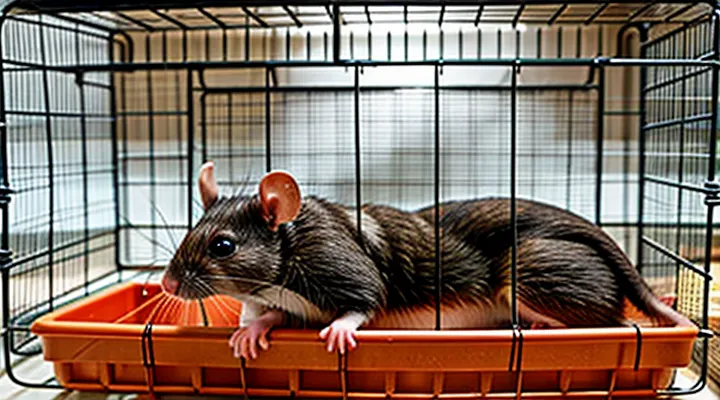
Why Regular Cage Cleaning is Crucial
Health Benefits for Your Rats
Preventing Respiratory Issues
Regular removal of urine, droppings, and food residue eliminates ammonia buildup, the primary irritant of rodent respiratory tracts. Clean the cage at least twice weekly; increase frequency during warm months when evaporation accelerates ammonia concentration.
Use a mild, unscented detergent diluted in warm water. Rinse thoroughly to prevent chemical residues that can provoke inhalation irritation. After washing, dry all surfaces completely before returning animals; moisture promotes mold growth, which releases spores harmful to breathing.
Personal protection reduces exposure risk for caretakers. Wear a disposable mask and gloves while scrubbing, and work in a well‑ventilated area. Dispose of used cleaning cloths in sealed bags to contain dust.
Key preventive actions:
- Remove waste daily with a scoop or paper towel.
- Spot‑clean spills immediately to avoid lingering odors.
- Replace bedding weekly; choose low‑dust, absorbent material.
- Perform a deep clean monthly: dismantle accessories, soak in detergent, scrub, rinse, and dry.
- Monitor cage temperature; keep it within the species’ comfort range to limit respiratory stress.
Reducing Skin Irritations
When maintaining a rat enclosure, skin irritation can arise from direct contact with bedding, urine, feces, and cleaning agents. Preventing these reactions protects the caretaker and ensures consistent hygiene.
- Wear disposable nitrile or latex gloves; replace them if torn or after heavy contamination.
- Choose disinfectants labeled as low‑irritant, fragrance‑free, and free of harsh solvents; avoid bleach unless heavily diluted (1 part bleach to 30 parts water).
- Rinse all surfaces with warm water before applying any cleaning solution; this reduces residual chemicals that may cause dermatitis.
- After cleaning, dry the cage thoroughly with a clean, lint‑free cloth; moisture left on metal or plastic components can promote mold growth, which irritates skin on contact.
- Store gloves and cleaning supplies in a sealed container to prevent exposure to airborne particles that could trigger allergic reactions.
Additional measures:
- Apply a barrier cream to exposed skin before handling the cage; reapply after each cleaning session if needed.
- Keep a mild, hypoallergenic soap on hand for immediate hand washing; wash for at least 20 seconds, then pat dry.
- Inspect hands for redness or itching after each session; address symptoms early with topical corticosteroid creams if prescribed.
By following these practices, the risk of skin irritation during enclosure maintenance remains minimal, supporting both animal welfare and caretaker health.
Odor Control for Your Home
Effective odor control in a rodent enclosure hinges on regular maintenance, proper bedding selection, and ventilation management.
Clean the cage promptly after each litter change. Remove all waste, replace soiled bedding, and rinse surfaces with warm water. Follow with a mild, unscented disinfectant that neutralizes ammonia without leaving strong residues.
Choose bedding that absorbs moisture and odors efficiently. Options such as paper-based or kiln-dried wood shavings provide low dust levels and high absorbency. Avoid scented products that mask smells rather than eliminate them.
Implement airflow solutions. Position the cage near a window or use a small, quiet fan to circulate fresh air. Ensure the enclosure’s vents remain unobstructed.
Maintain a routine schedule:
- Daily: spot‑clean droppings and urine patches.
- Weekly: replace all bedding, scrub cage walls, and disinfect accessories.
- Monthly: deep‑clean the entire cage, inspect for hidden odor sources, and refresh ventilation filters if applicable.
Store spare bedding in airtight containers to prevent moisture buildup.
Monitor the room’s humidity; high levels exacerbate odor retention. Use a dehumidifier or open windows to keep relative humidity between 40‑50 %.
By integrating these practices, odor is reduced at the source, resulting in a fresher living environment for both pets and occupants.
Extending Cage Lifespan
Regular upkeep of a rat enclosure directly influences its durability. Proper cleaning methods prevent material degradation, corrosion, and structural fatigue, thereby extending the cage’s functional lifespan.
- Clean the cage weekly with warm water and a mild, non‑abrasive detergent; avoid harsh chemicals that can weaken plastic or metal components.
- Rinse thoroughly to eliminate residue that could cause discoloration or brittleness.
- Disinfect monthly using a diluted solution of hydrogen peroxide or white vinegar; limit exposure time to prevent corrosion.
Inspect all joints, hinges, and wire mesh during each cleaning session. Tighten loose screws, replace frayed wires, and verify that sliding doors operate smoothly. Reinforce high‑traffic areas with additional plastic liners or metal brackets to reduce wear.
Store the cage in a dry, temperature‑controlled environment when not in use. Prolonged exposure to humidity or extreme temperatures accelerates material breakdown. Periodic inspection for cracks, rust, or warped sections allows early intervention before extensive damage occurs.
Essential Cleaning Supplies
Cleaning Solutions
Pet-Safe Disinfectants
Pet-safe disinfectants are essential for eliminating pathogens while protecting a rat’s delicate respiratory system. These products contain active ingredients such as hydrogen peroxide, diluted chlorhexidine, or plant‑derived essential oils that have proven efficacy against bacteria, fungi, and viruses without leaving toxic residues.
When selecting a disinfectant, verify that the label specifies suitability for small mammals. Ingredients to avoid include phenols, bleach, ammonia, and quaternary ammonium compounds, all of which can cause irritation or systemic toxicity in rodents.
Application procedure:
- Remove all bedding, food, and toys from the cage.
- Rinse surfaces with warm water to eliminate visible debris.
- Apply the disinfectant according to manufacturer directions, ensuring full coverage of bars, walls, and accessories.
- Allow the solution to remain on the surface for the recommended contact time, typically 5–10 minutes.
- Rinse thoroughly with clean water to remove any residual chemical.
- Dry with a clean cloth or let air dry before re‑introducing the animal.
After disinfection, store the product in a sealed container away from direct sunlight and out of reach of pets. Maintain a usage log to track concentration adjustments and expiration dates.
Regular use of approved, non‑toxic disinfectants reduces the risk of respiratory infections and keeps the habitat hygienic without compromising animal welfare.
Natural Alternatives «Vinegar and Water»
Vinegar and water provide an effective, non‑toxic option for sanitizing a rat enclosure. The solution cuts through urine stains, removes odor, and inhibits bacterial growth without harming the animals when rinsed properly.
- Mix one part white distilled vinegar with three parts lukewarm water.
- Fill a spray bottle or bucket with the mixture.
- Remove all bedding, toys, and food.
- Apply the solution to the cage walls, bars, and accessories. Allow it to sit for 3–5 minutes to loosen residues.
- Scrub with a soft brush or non‑abrasive sponge.
- Rinse thoroughly with clean water to eliminate any vinegar remnants.
- Dry all components with a clean towel or let them air dry before reassembling.
Use this regimen weekly for routine maintenance and after any illness outbreak. Store the mixture in a sealed container for up to two weeks; discard if the scent weakens. The approach eliminates the need for harsh chemicals while keeping the habitat safe and hygienic.
Tools for Scrubbing and Wiping
Brushes and Sponges
Effective sanitation of a rat enclosure relies on selecting the right cleaning implements. Stiff‑bristled brushes remove dried droppings and stubborn residue from wire bars and plastic corners, while soft‑sponge pads dissolve grime on smooth surfaces without scratching. Both tools should be dedicated to rodent use to prevent cross‑contamination.
When preparing the cage for a deep clean, follow these steps:
- Disassemble accessories (bedding, hideouts, water bottle) and rinse them separately.
- Wet the brush with warm, soapy water; scrub wire mesh and hard‑to‑reach joints until debris lifts.
- Rinse the brush, then apply a damp sponge to the floor, plastic ramps, and any glazed surfaces.
- Rinse all areas with clean water, ensuring no soap residue remains.
- Allow the cage to air‑dry completely before reassembly.
Choosing a brush with ergonomic handle reduces hand fatigue during repetitive motions, and a non‑abrasive sponge maintains the integrity of acrylic panels. Store both items in a sealed container after use to keep them free from bacterial growth.
Microfiber Cloths
Microfiber cloths provide a highly absorbent, lint‑free surface for removing urine, droppings, and food residue from a rat enclosure. Their fine synthetic fibers trap particles without scratching plastic bars or corroding metal cages.
- Choose a cloth with a density of at least 300 gsm; higher density increases durability and liquid retention.
- Pre‑wet the cloth with warm water and a mild, fragrance‑free detergent; avoid harsh chemicals that can irritate rodents.
- Wring out excess liquid to a damp, not soaking, state; this prevents excess moisture from reaching bedding.
- Wipe all interior surfaces, paying special attention to corners, water bottles, and feeding trays where grime accumulates.
- Rinse the cloth in clean water, repeat the wringing process, and repeat the wipe if residue remains.
After each cleaning session, launder the cloth separately at 60 °C to eliminate bacteria, then air‑dry completely before storage. Replace the cloth when fibers become frayed or retain odors, as compromised material can re‑deposit contaminants onto the cage.
Personal Protective Equipment
Gloves
Gloves protect the handler from pathogens, waste, and chemicals while cleaning a rat enclosure. Choose materials that resist puncture and chemical degradation; latex, nitrile, and neoprene are common options. Nitrile offers superior resistance to disinfectants, while latex provides a snug fit for detailed tasks. Neoprene tolerates higher temperatures and prolonged exposure to cleaning agents.
When preparing to clean, inspect gloves for tears or holes. Don a pair that covers the wrist fully to prevent skin contact with contaminated surfaces. Secure the gloves with a clean, dry inner liner if additional barrier protection is needed.
During the cleaning process:
- Remove all bedding and debris before applying disinfectant.
- Wear gloves while handling waste to avoid direct contact with urine and feces.
- Apply cleaning solution with a brush or sponge, keeping gloves intact to prevent skin exposure.
- Rinse the cage thoroughly; replace gloves if they become visibly soiled or compromised.
After cleaning, remove gloves by turning them inside out to contain contaminants, then discard in a sealed biohazard bag. If reusable gloves are employed, wash them with hot water and a mild detergent, then dry completely before the next use. Regular replacement of disposable gloves and periodic inspection of reusable ones maintain effective barrier protection.
Apron
When cleaning a rat enclosure, an apron protects clothing from droppings, urine, and cleaning solutions. Choose a fabric that resists stains, such as heavyweight cotton or polyester‑cotton blend, and that can be laundered at high temperatures. A full‑length design with a tie‑back or snap closure prevents gaps where contaminants could reach the skin.
Key considerations for selecting an apron:
- Material durability: withstand repeated washing and exposure to disinfectants.
- Coverage: extend to the knees and wrap around the torso.
- Fastening system: secure straps or adjustable buckles that stay in place during vigorous movements.
- Pocket placement: optional compartments for gloves, wipes, or small tools.
Before starting the cleaning routine, don the apron, secure the straps, and verify that no skin is exposed. Wear gloves and a mask in addition to the apron for complete protection.
After the cage is cleaned, treat the apron as follows:
- Remove visible debris by shaking or brushing the fabric.
- Rinse under cold water to eliminate excess cleaning agents.
- Machine‑wash on a hot cycle (≥60 °C) with a detergent that contains enzymes for protein breakdown.
- Dry on high heat or air‑dry in sunlight to inhibit bacterial growth.
Regular inspection of seams and stitching ensures the apron remains effective. Replace the garment if tears, thinning, or persistent odors develop. Proper apron use and maintenance keep the caretaker’s attire clean and reduce cross‑contamination when handling rodent habitats.
Step-by-Step Daily Spot Cleaning
Removing Soiled Bedding and Droppings
Removing soiled bedding and droppings is the first critical step in maintaining a healthy rat enclosure. Accumulated waste harbors bacteria, ammonia, and parasites that can cause respiratory and digestive problems for the animals.
- Prepare a clean work surface and gather supplies: disposable gloves, a small scoop or spatula, a dustpan, a sealable bag, and fresh bedding material.
- Put on gloves to protect against pathogens.
- Lift the cage door and use the scoop to collect all visible droppings, urine stains, and clumped bedding. Deposit the waste into the dustpan.
- Transfer the waste into the sealable bag, expel excess air, and seal tightly before discarding in an outdoor trash container.
- Remove the remaining bedding in sections, rolling it up to prevent spills. Place the used bedding in the same sealed bag.
- Inspect the cage floor for hidden debris; use a handheld brush or vacuum with a HEPA filter to capture fine particles.
- Wipe the cage interior with a damp cloth; avoid harsh chemicals that could linger on surfaces.
- Allow the cage to dry completely, then add a measured layer of fresh, absorbent bedding appropriate for rats.
Completing these actions eliminates most contaminants, reduces odor, and creates a safe environment for daily care and observation.
Wiping Down Surfaces
Wiping down the interior surfaces of a rat enclosure removes residual food, urine, and bacteria, preventing odor buildup and health hazards for the animals.
Gather a clean cloth or disposable paper towel, a mild, non‑abrasive detergent, a bucket of warm water, and a separate container for rinsing. Wear disposable gloves to avoid direct contact with waste. Ensure the cage is empty and all accessories are removed before beginning.
- Dampen the cloth in the detergent solution, then wring out excess liquid.
- Scrub each wall, corner, and slatted panel, applying steady pressure to lift grime.
- Rinse the cloth in clean water, wipe the surfaces again to eliminate soap residue.
- Use a dry towel or paper towel to absorb remaining moisture, focusing on seams and joints where water can collect.
Allow the cage to air‑dry for at least 15 minutes before returning bedding, toys, and rats. Inspect the surfaces for missed spots; any lingering residue should be re‑treated immediately. This systematic approach ensures a hygienic environment that supports rodent well‑being.
Replenishing Food and Water
After the cage has been cleaned, restore the food and water supplies promptly to maintain the rats’ health and prevent stress.
- Remove any leftover food remnants from the previous feeding cycle. Dispose of them in a sealed waste container to avoid attracting pests.
- Rinse the food dish with hot water, then sanitize with a mild, non‑toxic disinfectant. Rinse thoroughly and allow it to dry completely before refilling.
- Choose a nutritionally balanced rodent pellet or a measured portion of fresh produce. Place the food in the dish, ensuring the amount matches the rats’ daily intake guidelines.
- Inspect the water bottle for cracks or leaks. Disassemble it, scrub the interior with a brush, and soak in a diluted bleach solution (1 % concentration). Rinse several times with clean water and let it air‑dry.
- Fill the bottle with fresh, filtered water. Reattach it securely to the cage, confirming that the drinking spout functions without drips.
- Verify that both the food dish and water bottle are positioned at comfortable heights, allowing easy access for all cage occupants.
Regularly check the supplies throughout the day. Replace any spoiled food and refill the water bottle as soon as the level drops below half capacity. This routine ensures continuous access to clean nourishment after each cleaning session.
Weekly Deep Cleaning Procedure
Preparing the Cage
Removing Rats to a Secure Playpen
When transferring rats to a confined play area, begin by preparing the pen. Place a clean, dry substrate and arrange hiding spots to reduce stress. Ensure the pen is positioned on a stable surface away from drafts.
- Close the cage door securely to prevent escape.
- Open one side of the cage gently, avoiding sudden movements.
- Grasp each rat by the base of the tail, supporting the body with the other hand.
- Move the animal directly into the playpen, releasing it onto the substrate.
- Repeat the process for each occupant, checking that the pen remains sealed after each entry.
After all rats are inside, inspect the enclosure for gaps or loose panels. Verify that the latch mechanism functions smoothly and that ventilation openings are covered with fine mesh. Finally, observe the rats for a few minutes to confirm they are settled and able to navigate the new space safely.
Disassembling Removable Parts
Disassembling the removable components of a rat enclosure is the first essential step for a complete sanitation cycle. Detachable elements typically include the food hopper, water bottle, wire mesh door, ramps, and any plastic platforms. Removing each part exposes hidden surfaces where debris and bacteria accumulate, allowing thorough cleaning without damaging the cage structure.
- Unscrew or unlatch the food hopper; place it on a stable surface.
- Detach the water bottle by loosening the mounting bracket; set the bottle aside.
- Release the wire mesh door using the hinge pins; keep pins in a small container to avoid loss.
- Slide out ramps and platforms; note their orientation for correct reassembly.
- Separate any additional accessories such as chew toys or nesting boxes; place them in a separate tray.
Prepare a cleaning station with warm water, mild dish soap, and a soft brush. Submerge each component, scrub gently to remove residue, then rinse thoroughly. For plastic parts, a brief soak in a diluted bleach solution (1 % sodium hypochlorite) eliminates stubborn microbes; rinse until no odor remains. Metal components may benefit from a brief dip in a rust‑inhibiting sanitizer before drying.
Safety measures include wearing gloves to protect skin from cleaning agents and inspecting each piece for cracks or wear before reinstallation. Use a non‑abrasive sponge to avoid scratching surfaces, and ensure all items are completely dry to prevent mold growth.
Reassembly follows the reverse order of removal. Verify that hinges and brackets engage securely, confirm that the water bottle is properly sealed, and check that the food hopper sits level. Conduct a final visual inspection to ensure no cleaning residue remains and that all components function correctly before returning the rats to their habitat.
Cleaning the Main Cage Structure
Scrubbing Bars and Trays
Regular cleaning of a rat enclosure requires thorough attention to the metal bars and any detachable trays. These components accumulate urine, feces, and food residue, which can foster bacterial growth and odor if left unchecked.
To maintain the bars and trays:
- Remove all bedding, toys, and food items before beginning.
- Rinse the bars with warm water to loosen loose debris.
- Apply a non‑abrasive, pet‑safe detergent to the bars and trays.
- Use a stiff‑bristled brush or a dedicated scrubbing pad; scrub each bar individually, paying special attention to joints and corners where grime collects.
- Rinse thoroughly with hot water to eliminate detergent residues.
- Disinfect with a diluted solution of veterinary‑grade disinfectant (e.g., 1 % hydrogen peroxide or a quaternary ammonium compound) for the recommended contact time.
- Rinse again and allow all parts to air‑dry completely before reassembly.
Frequency depends on cage usage: daily spot cleaning, with a full scrub of bars and trays at least once a week. For heavily soiled cages, increase to twice weekly. After each deep clean, inspect bars for rust or damage; replace compromised sections promptly to preserve cage integrity and animal safety.
Rinsing Thoroughly
Rinsing removes residual debris, urine, and food particles that can harbor bacteria and cause odor. A complete rinse eliminates traces left after scrubbing, ensuring a sterile environment for the animal and preventing reinfection.
- Disassemble cage components (floor, water bottle, food dish).
- Fill a basin with warm water; temperature should be comfortable to the touch, not hot.
- Submerge each piece, agitate gently to loosen remaining matter.
- Use a clean brush or sponge to sweep surfaces while water flows over them.
- Continue rinsing until the water runs clear and no suds or residue appear.
- Allow all parts to air‑dry on a clean surface before reassembly.
Washing Accessories
Tunnels, Toys, and Hammocks
Cleaning tunnels, toys, and hammocks is essential for a healthy rat habitat. Remove each item from the cage before beginning. Rinse with warm water to eliminate loose debris, then soak in a solution of one part white vinegar to three parts water for ten minutes. After soaking, scrub with a brush designed for small plastic or fabric surfaces, focusing on crevices where waste can accumulate. Rinse thoroughly to remove all cleaning agents, then air‑dry completely before returning to the enclosure.
Maintain a regular schedule to prevent odor buildup and bacterial growth. Replace heavily soiled or damaged accessories promptly. Use disposable paper towels to blot excess moisture from fabric hammocks, and inspect ropes or cords for fraying that could pose a hazard.
Cleaning checklist
- Detach tunnels, toys, and hammocks from the cage.
- Rinse under warm running water.
- Soak in diluted vinegar solution (1:3) for ten minutes.
- Scrub with appropriate brush; pay attention to joints and seams.
- Rinse until no vinegar scent remains.
- Air‑dry on a clean surface; ensure total dryness before reuse.
- Examine for wear; discard or replace as needed.
Food Bowls and Water Bottles
Food bowls and water bottles are the primary points of contact between rats and their diet, making regular sanitation essential for health and odor control.
Cleaning supplies should include a stainless‑steel or BPA‑free bowl, a glass or plastic water bottle, mild dish soap, a soft brush, white vinegar, a small funnel, and a clean cloth. Avoid abrasive pads that could damage surfaces.
Food bowl sanitation
- Disassemble any detachable parts.
- Rinse with warm water to remove debris.
- Fill a sink with warm water, add a few drops of mild dish soap, and soak for two minutes.
- Scrub interior and edges with a soft brush; focus on corners where food can accumulate.
- Rinse thoroughly until no soap residue remains.
- Soak in a 1:1 solution of white vinegar and water for five minutes to neutralize odors.
- Rinse again and dry with a clean cloth before returning to the cage.
Water bottle maintenance
- Detach the bottle from its holder and remove the drinking tube.
- Empty any remaining water.
- Flush the tube with warm, soapy water using a small funnel; push water through to clear blockages.
- Submerge the bottle and tube in a vinegar‑water solution (1:1) for five minutes.
- Rinse both components under running water until clear.
- Dry with a lint‑free cloth; reassemble and refill with fresh water.
Routine cleaning should occur at least once a week, with daily spot checks for spills or mold. Replace worn or cracked bowls and bottles promptly to maintain a hygienic environment.
Drying and Reassembling
Air Drying vs. Towel Drying
After rinsing a rat enclosure, removing excess moisture prevents mold growth and protects the cage’s materials. Two common methods are air drying and towel drying.
-
Air drying
- Relies on ambient airflow; requires several hours or overnight.
- Eliminates lint or fiber residues that towels might leave.
- Suitable for large cages or when a clean, dry space is available.
- Risks uneven drying in shaded corners; may prolong cleaning cycle.
-
Towel drying
- Uses a clean, absorbent cloth to blot water immediately after rinsing.
- Reduces drying time to minutes, allowing faster turnaround.
- Can introduce fibers or small particles if the towel is not lint‑free.
- Effective for small cages or when space constraints limit airflow.
Choosing the optimal method depends on cage size, available drying area, and time constraints. For extensive enclosures, air drying ensures thorough moisture removal without contaminating the interior. For rapid turnover of multiple cages, towel drying accelerates the process while maintaining hygiene, provided lint‑free towels are used. Combining both—blotting excess water with a towel followed by a brief period of airflow—offers balanced results.
Checking for Damage or Wear
When cleaning a rat enclosure, begin by inspecting the structure for damage or wear. A compromised cage can jeopardize the animals’ safety and undermine sanitation efforts.
Examine the following components:
- Bars or mesh: look for rust, bending, sharp edges, or loose sections that could cause injury or allow escape.
- Latches and doors: test each lock for smooth operation; replace any that stick or fail to close securely.
- Plastic or glass panels: check for cracks, scratches, or warping that could harbor bacteria or create sharp points.
- Flooring and bedding trays: verify that they are intact, without holes or tears that could trap waste or allow bedding to spill.
- Wire or plastic grid under the cage: ensure it remains level and free of frayed wires that could snag paws.
If any defect is identified, remove the cage from use immediately. Repair minor issues such as tightening loose screws or smoothing rough edges with sandpaper. Replace severely corroded bars, cracked panels, or broken latches before proceeding with the cleaning routine.
Document the condition of each cage after inspection. Regular records help track wear patterns and schedule preventative maintenance, reducing the likelihood of unexpected failures during cleaning cycles.
Troubleshooting Common Cleaning Challenges
Dealing with Stubborn Stains
Stubborn stains in a rodent enclosure require a systematic approach to prevent residue buildup and odor. Begin by removing all bedding, food, and accessories, then rinse the cage with warm water to loosen surface grime. Apply a paste of baking soda and water to the stained area; let it sit for five minutes before scrubbing with a nylon brush. For protein‑based stains, soak the spot in a solution of one part white vinegar to three parts water for ten minutes, then rinse thoroughly. If discoloration persists, use a commercial enzymatic cleaner designed for pet habitats—follow the manufacturer’s dilution instructions and allow the solution to work for the recommended contact time. After treatment, rinse the cage multiple times with clean water, dry with a lint‑free cloth, and reassemble only after confirming the absence of residue. Regular deep cleaning, performed weekly, reduces the likelihood of stubborn stains reappearing.
Eliminating Persistent Odors
Persistent smells in a rat enclosure arise from urine, droppings, and food residues that embed in bedding, cage walls, and accessories. Even after a surface wash, microscopic particles can release odor for weeks, attracting pests and stressing the animals.
Before tackling the odor, remove all bedding, toys, and feeding dishes. Rinse the cage with warm water to dislodge loose debris, then soak removable parts in a solution of one part white vinegar to four parts water for 15 minutes. Rinse thoroughly to eliminate vinegar traces.
- Scrub interior surfaces with a non‑abrasive brush and a mild, animal‑safe detergent; avoid scented soaps that may irritate rodents.
- Rinse again with hot water (at least 60 °C) to dissolve remaining oils and bacteria.
- Apply a thin layer of baking soda to dry surfaces; let sit for 30 minutes to absorb lingering compounds.
- Vacuum or wipe away the baking soda, then rinse with clean water.
- Place activated charcoal packets or a small dish of coffee grounds in a concealed corner; both absorb volatile organic compounds for several days.
- Refill the cage with fresh, low‑dust bedding and reinstall cleaned accessories.
Regular maintenance prevents odor buildup. Spot‑clean spills daily, replace bedding weekly, and schedule a full deep clean every two weeks. Ensure adequate ventilation by positioning the cage away from enclosed spaces and using a cage fan if needed. Consistent application of these measures eliminates persistent smells and creates a healthier environment for the rats.
Managing Multiple Cages
Effective management of several rat enclosures requires a systematic approach that minimizes cross‑contamination and maximizes efficiency. Begin by labeling each cage with a unique identifier and recording its cleaning schedule in a centralized log. Assign a specific day or time block to each cage, ensuring that no two cages are cleaned simultaneously to prevent the spread of pathogens.
Create a dedicated workspace equipped with all necessary supplies—disinfectant, scrub brushes, clean bedding, and protective gloves. Store these items in clearly marked containers that can be moved from one cage to the next without exposing them to contaminants. After each cleaning cycle, place used tools in a sealed bag for disposal or sterilization before proceeding to the next cage.
Maintain a rotation system:
- Remove the rat and place it in a temporary holding container with fresh bedding.
- Empty the cage, discard old bedding, and scrub all surfaces with a rodent‑safe disinfectant.
- Rinse thoroughly, allow the cage to air‑dry, then add fresh bedding and accessories.
- Return the rat, observe for signs of stress or illness, and record observations.
Implement a color‑coding scheme for cleaning equipment to indicate which cage it has serviced. This visual cue prevents accidental reuse on another cage before proper decontamination.
Regularly audit the log for missed entries and adjust the schedule if a cage consistently requires more frequent cleaning due to higher occupancy or waste levels. Consistency in these practices ensures each enclosure remains hygienic while reducing labor time and the risk of disease transmission across multiple habitats.
Maintaining a Clean Environment Between Deep Cleans
Choosing the Right Bedding
Choosing appropriate bedding is essential for effective sanitation of a rat enclosure. The material must absorb waste, control odor, and allow easy removal during cleaning cycles. Selecting a substrate that balances these properties reduces the time spent scrubbing and minimizes bacterial growth.
Consider the following options:
- Paper-based bedding – highly absorbent, low dust, biodegradable; easy to replace in whole sheets, but can be more expensive than alternatives.
- Aspen shavings – moderate absorbency, minimal aromatic oils that could irritate respiratory tracts; requires frequent changing to prevent odor buildup.
- Coconut fiber (coir) – excellent moisture retention, natural scent control; tends to compact and may harbor mold if not dried thoroughly between cleanings.
- Hemp pellets – strong absorbency, low dust, rapid decomposition; pellets expand when wet, demanding thorough stirring to maintain even coverage.
- Corncob granules – inexpensive, good odor control; produces fine dust that can irritate sensitive lungs and may cling to fur.
Key criteria for evaluation:
- Absorbency – higher capacity lowers the frequency of full‑cage washes.
- Dust production – low‑dust substrates protect respiratory health and keep cleaning tools cleaner.
- Biodegradability – compostable materials simplify disposal and reduce environmental impact.
- Cost per pound – budget considerations affect long‑term maintenance plans.
- Ease of removal – bedding that can be lifted in bulk speeds up waste extraction.
For optimal hygiene, pair a low‑dust, high‑absorbency substrate with regular spot cleaning. Replace the entire bedding layer at least once every two weeks, or sooner if moisture levels exceed 30 % of the substrate weight. This schedule maintains a dry, odor‑free environment and shortens the duration of deep cleaning sessions.
Strategically Placing Litter Trays
Strategic positioning of litter trays reduces waste accumulation and simplifies cage sanitation. Place trays where rats naturally eliminate, typically near the back corner and opposite the feeding area. This arrangement confines droppings to defined zones, allowing quicker removal and less disturbance to the rest of the habitat.
Key considerations for effective tray placement:
- Size: Choose a tray that covers at least 25 % of the cage floor to capture most deposits.
- Height: Use low‑profile trays to prevent climbing hazards while remaining easy to lift.
- Quantity: Install two trays in larger cages; one may suffice for standard dimensions.
- Proximity: Keep trays at least 2 inches away from food bowls to avoid contamination.
- Accessibility: Position trays near the cage door for swift extraction during cleaning cycles.
Regularly empty and rinse trays with warm water and a mild, rodent‑safe disinfectant. Replace the tray liner each cleaning session to maintain a hygienic environment and prevent odor buildup.
Encouraging Good Hygiene Habits in Rats
Rats thrive when their environment is regularly cleaned and when they develop personal grooming routines. Consistent cage sanitation reduces odor, limits bacterial growth, and prevents parasites, creating a setting where rats naturally adopt clean‑living behaviors.
Provide clean nesting material daily and remove soiled bedding at least once a week. Fresh water and food dishes should be washed with mild detergent and rinsed thoroughly before each refill. By maintaining these standards, rats learn to associate the cage with a tidy space and are less likely to explore contaminated corners.
Key practices that reinforce hygiene habits in rats:
- Offer chew toys made of safe, untreated wood; gnawing removes plaque from teeth and encourages oral cleanliness.
- Place a shallow dish of sand or fine bedding for dust bathing; regular dust baths remove excess oils and parasites from fur.
- Schedule short handling sessions after cleaning; gentle contact teaches rats to accept human assistance with grooming.
- Observe and remove visible waste promptly; visible cleanliness signals a safe habitat and reduces stress.
Monitoring rat behavior reveals whether habits are forming. Rats that actively use dust baths, chew appropriate items, and avoid soiled corners demonstrate successful adoption of hygienic routines. Adjust cleaning frequency and enrichment items if undesirable behaviors, such as excessive digging in waste zones, appear.