
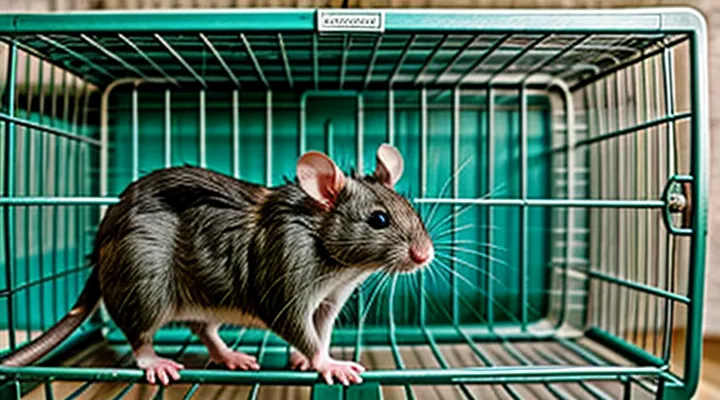
Understanding Rat Needs
Why Cage Size Matters
Physical Health Benefits
Choosing a cage that provides enough space directly influences a rat’s physical well‑being. Adequate room encourages natural movement patterns, reduces stress on the musculoskeletal system, and supports overall health.
- Muscle and joint development – Freedom to climb, run, and explore maintains muscle tone and prevents joint stiffness.
- Cardiovascular fitness – Extended activity periods improve heart rate variability and promote efficient circulation.
- Weight regulation – Sufficient space for active play helps maintain a healthy body condition and prevents obesity.
- Respiratory health – Proper ventilation combined with ample volume reduces the concentration of airborne particles, lowering the risk of respiratory infections.
- Injury avoidance – A larger enclosure minimizes crowding, decreasing the likelihood of accidental bites or entrapment injuries.
Mental Well-being and Enrichment
A rat’s psychological health depends heavily on having sufficient space to explore, hide, and interact with its environment. A cage that is too cramped restricts natural foraging behavior, leading to stress, repetitive movements, and reduced curiosity. Providing an area that allows the animal to move between distinct zones—sleeping, feeding, and play—supports stable mood and reduces anxiety.
Enrichment objects must be arranged so the rat can access them without crowding the living space. Distribute tunnels, climbing structures, and chewable items throughout the enclosure; this encourages problem‑solving and physical activity while preventing any single area from becoming overused. Regular rotation of toys maintains novelty and prevents habituation.
Key considerations for mental stimulation include:
- Multiple levels or platforms to create vertical space.
- Varied textures (rope, wood, plastic) for tactile exploration.
- Hideouts that mimic burrows, offering privacy.
- Puzzle feeders that require manipulation to obtain food.
Monitoring behavior—such as increased grooming, exploration, or reduced stereotypic circling—provides feedback on whether the cage size and enrichment layout meet the rat’s cognitive needs. Adjustments should be made promptly if signs of distress appear.
Preventing Behavioral Issues
A rat confined to a cage that is too small experiences chronic stress, leading to excessive chewing, aggression, and escape attempts. Adequate floor space allows natural foraging and exploration, reducing the impulse to develop destructive habits.
- Minimum floor area: 2 sq ft per adult rat; larger for multiple occupants.
- Minimum height: 12 in to permit vertical climbing and nesting.
- Enrichment zones: include tunnels, hammocks, and chew toys distributed throughout the enclosure.
- Separate zones for feeding, sleeping, and play to prevent territorial disputes.
When the enclosure meets these spatial criteria, rats can perform stereotypic behaviors—such as wheel running or tunnel digging—in a controlled manner rather than redirecting them toward furniture or owners. Consistent access to varied levels and objects satisfies their curiosity, curtails boredom, and stabilizes social dynamics within a group.
If space constraints force a smaller cage, supplement with daily supervised out‑of‑cage sessions lasting at least one hour. During these sessions, provide safe climbing structures and interactive toys to mimic the missing environmental complexity. Regular handling and positive reinforcement further diminish fear‑based aggression.
In summary, selecting a cage that fulfills the minimum dimensional standards and incorporates diversified enrichment directly prevents the emergence of problem behaviors, ensuring a healthier, more cooperative pet.
Factors Influencing Cage Size
Number of Rats
Single Rat Considerations
When housing a solitary rat, the cage must provide enough floor area for unrestricted movement, comfortable resting spots, and opportunities for natural behaviors. A minimum of 450 sq in (≈2.9 sq ft) of base space is advisable; larger enclosures reduce stress and promote health. Vertical space is secondary for a single occupant, but adding a short platform or climbing structure can increase enrichment without compromising floor area.
Key dimensions and features to evaluate:
- Floor length of at least 24 in and width of 18 in, allowing the animal to turn freely.
- Height of 12–15 in, sufficient for a small climbing perch or hammock.
- Solid base material that prevents chewing through the floor and facilitates cleaning.
- Secure latch system that prevents escape while allowing easy access for husbandry tasks.
- Adequate ventilation to maintain air quality without creating drafts.
Space allocation for accessories must not encroach on the primary movement zone. Position the water bottle, food dish, and bedding along the periphery, leaving a clear central area of at least 30 % of the total floor space. Use chew‑resistant bedding that can be changed weekly to control odor and parasites.
Behavioral health depends on environmental complexity. Include at least one hideout, a chewable object, and a manipulable toy. Rotate these items weekly to sustain interest. Monitor the rat’s activity; signs of excessive pacing or reduced exploration may indicate insufficient space or lack of stimulation, prompting an upgrade to a larger enclosure.
In summary, a single rat requires a cage that exceeds the minimal floor area, offers secure yet accessible design, and incorporates enrichment items without crowding the living space. Selecting a cage that meets these criteria supports physical well‑being and behavioral satisfaction.
Multiple Rat Housing
When keeping more than one rat, each animal requires sufficient floor area to move freely, explore, and establish personal zones. A minimum of 2 sq ft (0.19 m²) per rat prevents crowding; larger groups benefit from an additional 1 sq ft per extra individual. Height matters because rats climb; a cage with at least 12 in (30 cm) clearance accommodates vertical activity and allows placement of hammocks or platforms.
Ventilation must remove odor and moisture without creating drafts. Wire mesh on the upper half of the enclosure provides airflow while retaining a solid floor for bedding. Solid bottoms simplify cleaning; removable trays enable quick substrate changes, reducing the risk of bacterial buildup.
Enrichment items—tunnels, chew toys, climbing structures—should be spaced to avoid obstruction of the primary living area. Arrange objects so that each rat can access a separate hideaway, supporting natural territorial behavior and reducing stress.
Key dimensions to verify before purchase:
- Length ≥ 24 in (61 cm) for two rats; add 12 in (30 cm) per additional rat.
- Width ≥ 12 in (30 cm) for two rats; add 6 in (15 cm) per extra rat.
- Height ≥ 12 in (30 cm) for climbing and bedding depth.
Regular inspection of cage integrity, latch security, and material durability ensures a safe environment. Replace worn wires or plastic components promptly to prevent injuries. Clean the enclosure at least once a week, removing soiled bedding and disinfecting surfaces with a rat‑safe solution. Consistent maintenance, appropriate space, and well‑planned enrichment together create a healthy setting for multiple rats.
Rat Breed and Size
Standard vs. Dwarf Rats
When selecting a cage, the physical dimensions of the rat breed dictate the minimum floor area and height required for healthy activity. Standard rats typically reach 10–12 cm in body length and weigh 300–500 g, while dwarf varieties average 6–8 cm and 150–250 g. The size disparity translates directly into space requirements.
For standard rats, a cage providing at least 0.5 sq ft (≈0.05 m²) per animal is the baseline; larger groups demand proportionally more floor space to prevent overcrowding and to accommodate enrichment items. Dwarf rats can be housed comfortably with 0.3 sq ft (≈0.03 m²) per individual, but the same principle of avoiding cramped conditions applies.
Key considerations when comparing the two breeds:
- Floor space: Standard rats need roughly 60 % more area than dwarf rats for the same number of occupants.
- Vertical space: Both breeds benefit from multi‑level setups, yet standard rats require a higher clearance (minimum 12 in/30 cm) to allow full stretch of limbs during climbing. Dwarf rats are comfortable with slightly lower clearance (minimum 9 in/23 cm).
- Enrichment load: Larger rats exert greater force on wheels, tunnels, and chew toys; equipment must be robust enough to withstand the weight. Dwarf rats place less stress on accessories, permitting lighter models.
- Group dynamics: Standard rats often establish a clearer hierarchy, which can be mitigated by providing ample space. Dwarf rats, being smaller, may tolerate tighter groupings, but insufficient space still leads to stress.
In practice, calculate the total floor area by multiplying the per‑rat requirement by the intended number of occupants, then add an extra 20 % margin to accommodate bedding, food dishes, and enrichment structures. Ensure the cage height exceeds the minimum clearance for the chosen breed, and verify that all accessories are rated for the appropriate weight class.
By aligning cage dimensions with the specific size class of the rats, owners secure an environment that supports natural behaviors, reduces stress, and promotes long‑term health.
Age and Activity Level
Young and Energetic Rats
Young rats demand ample room for climbing, sprinting, and exploring. A cage that restricts movement can lead to stress, reduced immunity, and abnormal behavior. Minimum floor area should exceed 2 sq ft per animal; larger groups require at least 3 sq ft per rat. Height matters as well—provide a vertical space of 12–18 inches to accommodate ladders, hammocks, and multi‑level platforms.
When selecting dimensions, consider the following guidelines:
- Floor space: 2 sq ft for a single juvenile, adding 1 sq ft for each additional rat.
- Vertical clearance: 12–18 inches to allow climbing structures.
- Bar spacing: ½‑inch gaps prevent escape while permitting ventilation.
- Material: Solid, chew‑resistant bars and a non‑porous floor simplify cleaning.
Enrichment items increase activity without expanding the cage footprint. Include tunnels, chew toys, and rope bridges, but ensure each element occupies no more than 10 % of the total floor area to preserve walking space. Rotate accessories weekly to sustain curiosity.
Growth rates accelerate during the first six months; a cage suitable at weaning may become cramped within weeks. Reassess dimensions quarterly, expanding the enclosure or adding modular sections as the rats mature. Providing a spacious habitat from the outset supports healthy development and maximizes the lifespan of young, energetic rodents.
Older and Less Active Rats
When a rat reaches senior age and moves less frequently, the cage must accommodate reduced mobility while still providing sufficient space for health and comfort. A compact yet spacious enclosure prevents the animal from feeling cramped, reduces stress on joints, and allows easy access to food, water, and bedding. Choose a cage that offers a minimum floor area of 1.5 sq ft per adult rat; for a single older rat, a cage measuring at least 24 in × 36 in is advisable. Larger dimensions become necessary if the rat shares the cage with a companion, as crowding can exacerbate inactivity‑related issues.
Key considerations for senior rats include:
- Low entry height: Provide a doorway no higher than 2 in to prevent difficulty climbing.
- Smooth flooring: Use solid, non‑slippery surfaces; avoid wire mesh that can irritate paws.
- Easy‑reach enrichment: Place chew toys, hideouts, and nesting material on the floor level to eliminate the need for climbing.
- Adjustable layout: Ensure the cage can be reconfigured to create open pathways as the rat’s agility declines.
- Sturdy construction: Opt for a cage with sturdy walls and a secure latch to protect a less active animal from accidental escapes.
By selecting a cage that meets these criteria, owners support the physical well‑being of older rats, facilitate routine care, and maintain a stable environment that compensates for diminished activity.
Minimum Cage Size Recommendations
General Guidelines
Square Footage per Rat
When determining the appropriate living area for a pet rat, the most reliable metric is the floor space allocated to each individual. Scientific observations and veterinary guidelines converge on a minimum of 2 square feet (approximately 0.19 m²) of horizontal surface per rat. This baseline ensures sufficient room for natural foraging, nesting, and exercise behaviors without compromising health.
Factors that modify this minimum include:
- Number of occupants: Adding more rats does not simply multiply the total floor area; each additional rat should receive the full 2 sq ft to prevent overcrowding.
- Activity level: Highly active strains or rats that engage in extensive climbing benefit from extra space, often up to 3 sq ft per animal.
- Enrichment density: Incorporating tunnels, wheels, and platforms consumes usable floor area; compensate by increasing the overall cage footprint.
- Cage height: While vertical space does not replace floor space, a taller cage allows for additional platforms that can effectively expand usable surface area.
For practical application, calculate the required cage size by multiplying the desired square footage per rat by the total number of rats, then add a margin of 10–15 percent to accommodate enrichment items. For example, a pair of rats with a 2.5 sq ft allowance each would need a cage offering at least 5.5 sq ft of floor space. Selecting a cage that meets or exceeds this measurement promotes optimal welfare and reduces the risk of stress‑related conditions.
Vertical Space Importance
Rats instinctively explore upward, using climbing to satisfy curiosity, strengthen muscles, and maintain dental health. A cage that provides sufficient height mimics the three‑dimensional environment of their natural burrows, reducing stress and encouraging active behavior.
When evaluating cage dimensions, prioritize interior height over floor area. Choose a model where the vertical clearance allows at least one full stretch of the rat’s body and accommodates accessories such as platforms, ladders, and hammocks. Position these elements at varying levels to create a layered habitat that promotes movement and prevents monotony.
- Enhances cardiovascular fitness through vertical locomotion.
- Supports dental wear by encouraging gnawing on elevated toys.
- Reduces dominance disputes by offering multiple tiers for territory.
- Facilitates mental stimulation via varied routes and viewpoints.
Select a cage whose height matches the rat’s size and activity level; a taller enclosure yields healthier, more engaged pets.
Specific Dimensions
Common Cage Brands and Models
When evaluating cages for pet rats, familiarity with the market’s leading manufacturers and their flagship models simplifies the sizing decision. Recognizable brands provide standardized dimensions, material quality, and accessory compatibility that align with the spatial requirements of active rodents.
- Midwest Supplies – Rat Cage XL – interior floor space 30 × 20 in, height 18 in; wire mesh with rounded corners, removable drop-down tray, single‑door access.
- Prevue Pet Products – Rat Habitat – interior floor space 28 × 22 in, height 20 in; acrylic front panel, wire back and sides, adjustable shelving, slide‑out cleaning tray.
- Kaytee – Rat Cage Classic – interior floor space 26 × 18 in, height 16 in; all‑wire construction, dual doors, optional upper level kit, mesh floor for easy waste removal.
- Living World – Rat Cattery – interior floor space 32 × 24 in, height 22 in; solid plastic base, stainless‑steel wire top, integrated feeder and water bottle holders, lockable doors. - Ferplast – Rat Home – interior floor space 29 × 21 in, height 19 in; acrylic front, metal back, modular accessories, ventilation panels, detachable cleaning tray.
Each model presents a baseline floor area that accommodates a single adult rat comfortably; adding 10 %–15 % per additional animal prevents overcrowding. Height influences vertical enrichment potential, making taller cages preferable for climbing structures. Material choice affects durability and cleaning frequency; wire cages facilitate airflow and waste removal, while acrylic fronts allow observation without disturbance. Compatibility with accessories such as hammocks, tunnels, and nesting boxes varies by brand, so verify that the selected model supports the desired enrichment layout.
By matching the listed dimensions and features to the number of rats and intended enrichment plan, owners can quickly identify a cage that meets spatial standards without unnecessary trial and error.
Assessing Cage Features Beyond Size
Bar Spacing
Preventing Escapes and Injuries
Selecting an appropriately sized enclosure is only the first step; preventing a rat’s escape and minimizing injury depend on cage design, placement, and accessories. A cage that is too small encourages climbing and squeezing, increasing the likelihood of gaps forming around doors or ventilation slots. A spacious cage allows natural behaviors without forcing the animal to exploit weak points.
- Install secure latch mechanisms that require two‑handed operation; single‑handed releases are prone to accidental opening.
- Verify that all mesh panels have a spacing no larger than ¼ inch (6 mm) to block the rat’s head and paws.
- Seal any seams or joints with pet‑safe silicone; loose fittings create escape routes and can cause cuts.
- Position the cage away from high‑traffic areas, avoiding vibrations that might loosen bars or doors.
- Provide multiple levels of sturdy platforms, but attach them with reinforced brackets to prevent collapse under weight.
Regular inspection is essential. Check hinges, locks, and bar spacing weekly; replace worn components immediately. Ensure that enrichment items such as tunnels or chew toys are free of sharp edges and cannot be used as levers to pry doors open. By combining adequate space with robust construction and vigilant maintenance, the risk of escapes and injuries is dramatically reduced.
Material and Construction
Durability and Safety
A cage intended for a rat must resist persistent gnawing and support the animal’s activity without deformation. Choose a frame made from solid steel or reinforced aluminum; these metals maintain structural integrity under repeated stress. Avoid cages built primarily from thin wire or flimsy plastic, which can collapse or develop holes after months of use.
Material selection influences both durability and hygiene. Powder‑coated metal resists rust and simplifies cleaning, while high‑density polyethylene panels provide impact resistance and are easy to disinfect. Ensure all joints are welded or bolted securely, and that any acrylic or glass components are tempered to prevent cracking.
Safety considerations focus on preventing injury and escape. Bar spacing should not exceed ½ inch (≈1.3 cm) to stop a rat’s head from slipping through. Edges must be rounded or covered with protective caps to eliminate sharp points. Locks and latches need to engage with a firm click, keeping the enclosure sealed even if the animal pushes against the door.
Key criteria for evaluating durability and safety:
- Structural material: steel, aluminum, or reinforced polymer.
- Finish: powder coating or rust‑inhibiting treatment.
- Bar spacing: ≤ ½ inch (≈1.3 cm).
- Edge protection: rounded or capped.
- Lock mechanism: self‑locking, tamper‑resistant.
- Cleaning compatibility: non‑porous surfaces, dishwasher‑safe components.
A cage meeting these standards reduces replacement frequency and protects the rat from physical harm, ensuring a stable environment for healthy growth.
Ventilation
Adequate airflow prevents respiratory problems and odor buildup in a rat enclosure. Choose cages with multiple openings that allow fresh air to circulate without creating drafts that could chill the animal. Mesh panels or perforated sides provide constant ventilation while maintaining structural integrity.
- Position openings on opposite walls to promote cross‑ventilation.
- Ensure gaps are small enough to stop escape but large enough for unobstructed airflow.
- Use removable screens that can be cleaned regularly to avoid dust accumulation.
- Avoid solid plastic lids; if a cover is needed, incorporate vent holes covered with fine mesh.
Proper ventilation also regulates humidity. High moisture levels accelerate mold growth and increase the risk of fungal infections. Monitor relative humidity with a hygrometer and adjust airflow by adding or removing vent panels as needed.
Air exchange must not compromise safety. Verify that vent materials are non‑toxic and free of sharp edges. Secure vent frames to prevent rats from gnawing through and escaping.
Overall, a cage that balances sufficient airflow, controlled humidity, and secure construction supports the health and comfort of a pet rat while fitting the size requirements appropriate for the animal’s activity level.
Accessibility for Cleaning and Interaction
When evaluating cage dimensions, prioritize designs that allow swift removal of panels, doors, or tops without sacrificing structural integrity. Openable sections should hinge on sturdy pivots and lock with simple latches, enabling routine cleaning without dismantling the entire enclosure.
Key features that support efficient maintenance and interaction include:
- Sliding or hinged front doors that open wide enough for hand access.
- Removable or hinged side panels that can be lifted in a single motion.
- Bottom trays or grates that slide out on rails for waste removal.
- Interior bars spaced to prevent paw entrapment while allowing easy hand reach.
- Smooth, non‑porous flooring that tolerates repeated scrubbing and disinfecting.
Selecting a cage that incorporates these elements reduces cleaning time, minimizes stress for the animal, and facilitates regular handling, thereby promoting health and a stronger bond between owner and pet.
Consequences of an Inadequate Cage
Health Problems
Respiratory Issues
A cage that is too small restricts airflow, increases dust accumulation, and creates a humid micro‑environment where pathogens thrive. These conditions predispose rats to upper‑respiratory infections, such as Mycoplasma pulmonis, and lower‑respiratory ailments, including pneumonia. Overcrowding also elevates stress levels, which weakens immune defenses and accelerates disease progression.
Key respiratory risks linked to inadequate enclosure dimensions:
- Insufficient ventilation space, leading to stagnant air and elevated ammonia from urine.
- Dense bedding or excessive nesting material that releases fine particles when disturbed.
- Elevated humidity caused by limited surface area for evaporation.
- Limited movement, preventing natural grooming and respiratory clearance behaviors.
Selecting a cage that provides at least 0.5 square feet of floor area per adult rat, with multiple openings for cross‑ventilation, mitigates these hazards. Regular cleaning, low‑dust bedding, and monitoring of temperature and humidity further protect against respiratory problems.
Obesity
Choosing a cage that provides ample floor space is essential to prevent excess weight gain in pet rats. Limited area restricts natural foraging and running behaviors, leading to reduced calorie expenditure and increased adiposity.
- Minimum floor dimensions: 2 sq ft (≈0.19 m²) per adult rat; larger groups require proportionally more space.
- Multi‑level platforms add vertical exercise without expanding the footprint, encouraging climbing and muscle activity.
- Adjustable bar spacing (0.5 in/12 mm) allows placement of enrichment items that promote movement, such as wheels and tunnels.
- Regularly assess body condition; if a rat shows a rounded abdomen or reduced mobility, consider expanding the enclosure or adding additional levels.
Providing a spacious, well‑structured habitat supports the physiological needs of rats, reduces the likelihood of obesity, and contributes to overall health and longevity.
Behavioral Problems
Aggression
Adequate cage dimensions directly affect a rat’s propensity for aggressive behavior. Overcrowding forces individuals into constant close contact, triggering dominance disputes and bite incidents. A cage that provides at least 2 sq ft of floor space per adult rat allows each animal to establish a personal zone, reducing territorial clashes.
Key considerations for minimizing aggression through enclosure size:
- Floor area: Minimum 0.19 m² per rat; larger spaces further lower stress levels.
- Vertical space: Inclusion of platforms or climbing structures distributes activity vertically, preventing bottlenecks on the ground level.
- Barrier placement: Separate feeding and nesting zones with partial dividers creates visual privacy, discouraging competition over resources.
When evaluating a potential cage, measure the interior length, width, and height. Compare the total usable floor area with the recommended minimum per rat and ensure the height accommodates at least two levels of equipment. If the calculated space falls short, either reduce the number of occupants or select a larger enclosure.
Signs that a cage is insufficiently sized include frequent fighting, excessive grooming of other rats, and avoidance of shared areas. Addressing these symptoms by expanding the habitat or reconfiguring the layout typically results in a measurable decline in aggressive episodes.
Stereotypies
Adequate cage dimensions are essential for preventing stereotypic behaviors in pet rats. Stereotypies—repetitive, invariant actions such as excessive circling, bar‑rattling, or self‑gnawing—signal chronic stress, often rooted in environmental constraints. When the enclosure is too small, rats cannot express natural foraging, climbing, and nesting activities, leading to the development of these maladaptive patterns.
Key factors that influence the likelihood of stereotypies include:
- Floor space: provide at least 0.5 square feet per adult rat; larger groups require proportionally more area.
- Vertical space: incorporate platforms, ladders, and hammocks to enable climbing and exploration.
- Enrichment density: supply tunnels, chew toys, and hideouts at a ratio of one item per 0.2 square feet of floor area.
- Social capacity: ensure the cage can accommodate the full social group without crowding; overcrowding accelerates stress responses.
If stereotypic signs appear, evaluate the enclosure against these criteria. Expand the habitat, add vertical structures, and increase enrichment variety before considering medical interventions. Continuous observation of behavior patterns allows timely adjustments, preserving the animal’s welfare and reducing the incidence of repetitive stress‑related actions.
Depression
Choosing a cage that meets a rat’s spatial needs directly influences its emotional stability. Insufficient floor area, limited vertical space, and lack of hiding spots trigger chronic stress responses that manifest as depressive‑like behavior.
Depression in rats appears as reduced exploration, diminished grooming, prolonged periods of inactivity, and a lowered response to rewarding stimuli. These patterns differ from temporary lethargy by persisting despite normal feeding and health parameters.
Restricted space prevents natural foraging, climbing, and nesting activities, thereby suppressing dopamine pathways linked to motivation. A cage that provides at least 0.5 square feet of unobstructed floor per adult rat, combined with a minimum height of 12 inches, restores opportunities for movement and reduces the risk of mood disorders.
Practical size guidelines:
- Minimum floor area: 0.5 sq ft per rat; larger groups require proportional increases.
- Height: 12 inches or more to accommodate vertical enrichment.
- Multi‑level platforms: optional, but must not reduce usable floor space below the minimum.
- Adequate bedding depth: at least 2 inches for nesting behavior.
- Clear zones for food, water, and shelter to prevent competition and crowding.
Supplementary enrichment—such as tunnels, chew toys, and rotating objects—further mitigates depressive symptoms by stimulating natural exploratory instincts. Regular assessment of activity levels and social interaction confirms that the cage dimensions support both physical health and emotional well‑being.
Optimizing Your Rat«s Habitat
Cage Placement
Place the cage on a stable, flat surface away from direct sunlight and drafts. Excess heat or cold can stress a rat and affect its health. A quiet corner of a living area reduces exposure to sudden noises that might trigger panic.
Keep the enclosure within easy reach for daily cleaning and feeding. Position it where you can access all doors and accessories without moving furniture. Avoid high shelves that require ladders; a height no greater than waist level for an adult human ensures safe handling.
Maintain proper ventilation while preventing escape. Locate the cage near a wall that allows airflow but does not create strong currents. If the room uses a ceiling fan, ensure the cage is positioned at least two feet from the airflow path.
Consider the rat’s social environment. If you have multiple rats, place the cage where they can observe household activity without feeling threatened. A location with moderate visual stimulation—such as near a window with a filtered view—provides enrichment without overstimulation.
Avoid areas with toxic chemicals, cleaning agents, or strong odors. Keep the cage away from kitchens, bathrooms, and spaces where aerosolized substances are used. Ensure the floor beneath the cage is non‑slippery to prevent the enclosure from shifting during interaction.
Key placement criteria
- Stable, level surface
- Protection from direct sunlight, drafts, and strong airflow
- Quiet, low‑traffic area
- Easy access for maintenance
- Safe distance from chemicals and strong odors
- Moderate visual stimulation without overstimulation
Enrichment and Accessories
Toys and Chews
When selecting an appropriate enclosure for a pet rat, the space allocated for enrichment items directly influences the minimum dimensions required. Toys and chewable objects occupy floor area and vertical height; inadequate room can lead to overcrowding, reduced activity, and potential injury.
Include a variety of items that stimulate natural behaviors:
- Climbing structures (branches, ladders) that extend upward at least 4‑6 inches.
- Suspended toys (rope loops, hammocks) that hang from the top rail, requiring clearance above the cage floor.
- Chew blocks, wooden dowels, or untreated natural bark that can be positioned along one wall, allowing the rat to gnaw without obstruction.
- Puzzle feeders or treat-dispensing toys that sit on the cage base, needing a clear surface area of roughly 2 × 2 inches per unit.
Calculate the total footprint of these enrichments and add a safety margin of 20 % to the base cage size recommendation. This approach ensures the enclosure accommodates both the animal’s physical needs and the space required for safe, engaging play.
Hiding Spots and Hammocks
Providing adequate hiding spots and hammocks influences the suitability of a cage’s dimensions. A rat that can retreat to a concealed area experiences reduced stress, which in turn encourages natural behaviors such as foraging and nesting. When the enclosure is too small, the animal cannot establish a separate zone for privacy, leading to constant exposure and heightened anxiety.
Hammocks add vertical space without expanding the cage’s footprint. They support climbing instincts and create a perch that keeps the rat off the floor, facilitating exercise and preventing contact with waste. Selecting a hammock that fits securely within the cage’s height ensures the animal can move freely between levels while maintaining a clear line of sight to its hiding spots.
Key considerations for integrating these elements into cage size decisions:
- Minimum floor area: at least 2 sq ft per adult rat to accommodate a hideout and a hammock simultaneously.
- Height clearance: 12–15 inches above the floor to allow a hammock to hang without touching the base.
- Material safety: non‑toxic, chew‑resistant fabrics for hides and sturdy, washable ropes or mesh for hammocks.
- Placement flexibility: ability to reposition hides and hammocks as the rat’s preferences evolve.
Balancing floor space with vertical capacity creates an environment where the rat can alternate between concealed retreats and elevated rest areas, optimizing welfare within the chosen cage dimensions.
Exercise Opportunities
Choosing an appropriately sized enclosure directly influences a rat’s ability to move freely and engage in natural behaviors. A cage that is too small restricts locomotion, leading to reduced muscle development and heightened stress. Adequate floor space, combined with vertical elements, creates a three‑dimensional environment that mimics the rat’s instinct to climb and explore.
A minimum of 2 sq ft of uninterrupted floor per adult rat provides sufficient room for running, foraging, and social interaction. Larger cages (3 sq ft or more) allow the addition of separate zones for nesting, feeding, and play without crowding. Vertical space should be at least 12 inches high, enabling the placement of ladders, platforms, and hammocks.
Key exercise components to incorporate:
- Running wheels: solid‑surface wheels of 11‑12 inches diameter prevent foot injuries; position them on a stable platform to avoid wobble.
- Climbing structures: wooden branches, PVC tubes, or rope ladders encourage upward movement and muscle strengthening.
- Tunnel networks: interconnected tunnels simulate burrows, promote exploration, and provide safe passage between areas.
- Open floor zones: unobstructed sections allow sprinting and free‑range play; keep bedding shallow to facilitate rapid movement.
- Interactive toys: chewable blocks, puzzle feeders, and treat‑dispensing balls add mental stimulation while requiring physical effort.
When arranging these elements, maintain clear pathways to prevent bottlenecks. Space each accessory at least 4 inches apart, allowing the rat to navigate without collision. Regularly rotate toys and rearrange structures to sustain novelty and prevent habituation.
In summary, a cage that meets the specified floor and height criteria, equipped with diverse climbing and running options, ensures robust exercise opportunities. This setup supports muscular health, behavioral enrichment, and overall well‑being for pet rats.
Routine Cleaning and Maintenance
Routine cleaning preserves the health of a rat and prevents the cage from becoming a source of odor, waste buildup, or structural damage. Selecting a cage with appropriate dimensions simplifies maintenance because larger spaces allow easier access to corners and equipment, while smaller cages may require more frequent spot cleaning to avoid contamination.
- Daily tasks: remove uneaten food, replace soiled bedding in high‑traffic zones, wipe visible surfaces with a damp cloth.
- Weekly tasks: empty all bedding, clean water bottles and food dishes with warm, soapy water, scrub cage walls and bars using a non‑abrasive brush, then rinse thoroughly.
- Monthly tasks: inspect the cage frame for cracks, rust, or loose fittings; tighten bolts, replace worn mesh or plastic components, and apply a pet‑safe disinfectant to all surfaces after a full cleaning cycle.
- Seasonal checks: verify ventilation openings remain unobstructed, ensure the cage remains stable on its stand, and assess whether the current size still meets the rat’s growth and activity levels.
Using a cleaning schedule aligned with the cage’s capacity ensures that waste does not accumulate faster than the space can accommodate it, thereby extending the lifespan of the enclosure and supporting the rat’s well‑being. Safe cleaning agents include diluted white vinegar, hydrogen peroxide (3 %), or commercially available rodent‑approved disinfectants; avoid harsh chemicals that can linger on surfaces and affect respiration. Regular maintenance also provides opportunities to observe the animal’s behavior, allowing timely adjustments to cage size if activity patterns indicate space constraints.