
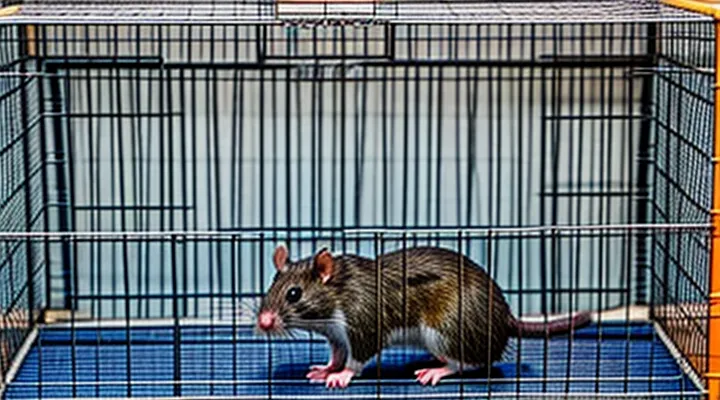
Why a Large Cage is Essential for Rats« Welfare»
Understanding Rat Needs« Space, Enrichment, and Socialization»
The Dangers of Small Cages« Stress, Health Issues, and Behavioral Problems»
Small cages impose chronic stress on rats. Limited space restricts natural exploratory behavior, causing elevated cortisol levels and persistent agitation. The physiological response reduces immune function and predisposes animals to respiratory infections, skin lesions, and gastrointestinal disturbances.
Health complications arise from inadequate ventilation and insufficient substrate depth. Poor air circulation encourages ammonia buildup, damaging nasal passages and lungs. Shallow bedding prevents proper nesting, leading to musculoskeletal strain and compromised thermoregulation.
Behavioral problems develop when rats cannot express innate activities such as climbing, foraging, and burrowing. Observable outcomes include excessive chewing, stereotypic pacing, and social withdrawal. These patterns often culminate in aggression toward cage mates or caretakers.
Key risks associated with undersized enclosures:
- Elevated stress hormones
- Respiratory and dermatological infections
- Impaired immune response
- Musculoskeletal injuries
- Stereotypic and aggressive behaviors
Choosing a spacious, well‑ventilated cage eliminates these hazards, supporting physical health and natural behavior.
Key Considerations Before Buying« Research and Preparation»
Determining the Ideal Cage Size« Minimum Dimensions and Calculation Methods»
Per Rat or Per Group« Space Requirements for Multiple Rats»
When planning a cage for one or several rats, allocate at least 2 sq ft (0.19 m²) of floor area per animal. This baseline prevents overcrowding, supports natural movement, and reduces stress‑induced health issues.
- Single rat: Minimum floor space 2 sq ft; cage height 12 in (30 cm) or greater to allow climbing.
- Two rats: Minimum floor space 4 sq ft; maintain the same height, but add vertical platforms to increase usable area.
- Three or more rats: Add 2 sq ft for each additional rat. For example, a group of four requires at least 8 sq ft of floor space. Increase cage height to 18 in (45 cm) or more, providing multiple levels and tunnels.
Calculate total space by multiplying the per‑rat floor requirement by the number of occupants, then add a 10‑15 % buffer for enrichment items such as wheels, hideouts, and chew toys. Vertical space counts toward the total usable area when platforms are securely attached and fully accessible.
Select a cage whose external dimensions exceed the computed interior space, accounting for bar thickness and ventilation gaps. Verify that the cage’s material can support the added weight of multiple levels and that the door mechanism remains operable with the larger footprint. By adhering to these measurements, the enclosure will accommodate the rats’ physical and behavioral needs while remaining manageable for cleaning and maintenance.
Types of Cages« Wire, Plastic, and Hybrid Options»
Pros and Cons of Each Material« Durability, Ventilation, and Cleaning»
When selecting a spacious enclosure for a rat, the material determines long‑term performance in three critical areas: durability, airflow, and maintenance.
-
Metal wire cage
Durability: Resists chewing and structural deformation; corrosion‑resistant finishes extend lifespan.
Ventilation: Open mesh provides unrestricted airflow, preventing odor buildup.
Cleaning: Removable bars allow easy access; however, narrow gaps can trap debris, requiring regular disassembly. -
Solid plastic tub
Durability: Lightweight and impact‑resistant, but susceptible to cracking under heavy chewing or extreme temperature changes.
Ventilation: Limited openings restrict air circulation; supplemental vents are necessary to avoid humidity spikes.
Cleaning: Smooth surfaces simplify wiping; sealed design prevents waste from escaping, but interior corners may collect residue if not fully emptied. -
Acrylic/plexiglass enclosure
Durability: Shatter‑resistant yet prone to scratches that obscure visibility over time.
Ventilation: Transparent panels limit natural airflow; drilled vents or mesh inserts mitigate the issue.
Cleaning: Non‑porous interior allows thorough rinsing; seams between panels can harbor grime if not removed. -
Wooden cage with wire front
Durability: Structural strength depends on hardwood; soft woods may warp or be gnawed through.
Ventilation: Wire front supplies airflow, while solid sides restrict it; additional vents improve exchange.
Cleaning: Porous wood absorbs moisture, making sterilization difficult; removable wire sections ease spot cleaning, but overall sanitation is lower than plastic or metal options. -
Glass aquarium
Durability: Thick glass resists breakage, yet heavy weight complicates relocation.
Ventilation: Fully sealed; requires drilled holes or a mesh lid for adequate airflow.
Cleaning: Smooth interior permits thorough washing; however, sealed design can trap odors if ventilation is insufficient.
Choosing the optimal material involves balancing these attributes against the rat’s behavior, the owner’s cleaning routine, and the intended environment.
Essential Features to Look For« Bar Spacing, Door Security, and Tray Depth»
Bar Spacing Safety« Preventing Escapes and Injuries»
When evaluating a spacious rat enclosure, the distance between cage bars directly affects the animal’s security. Bars set too far apart allow a rat to squeeze through; bars that are too close can trap limbs or cause bruising.
A safe gap size typically does not exceed 0.25 in (6 mm). This dimension accommodates the average adult rat’s shoulder width while preventing the animal from slipping head‑first. For juveniles, a slightly smaller limit—0.20 in (5 mm)—offers additional protection.
Wider openings create escape routes, especially when rats learn to exploit corners or corners of the cage. Narrower openings can pinch paws or compress the spine during rapid movement, leading to injuries that may not be immediately apparent.
To confirm appropriate spacing, follow these steps:
- Use a ruler or caliper to measure the distance between adjacent bars at several points around the cage.
- Compare measurements with the manufacturer’s specifications; ignore claims that lack precise numbers.
- Perform a manual test: insert a fingertip or a thin probe; the space should not allow passage of an object larger than 0.25 in.
- Inspect for deformation after assembly; warped or bent bars increase the risk of both escape and injury.
Material choice influences long‑term spacing integrity. Steel or reinforced aluminum bars retain shape under stress, while softer alloys may bend over time, widening gaps. Choose cages with reinforced corners and welded joints to maintain consistent bar spacing throughout the cage’s lifespan.
In summary, select a large rat cage with bar gaps no larger than 0.25 in, verify measurements directly, and prioritize sturdy, non‑deforming materials. These practices eliminate escape routes and reduce the likelihood of bar‑related injuries.
Accessibility for Cleaning and Interaction« Large Doors and Removable Trays»
When evaluating a spacious rodent enclosure, prioritize features that simplify routine maintenance and facilitate direct handling. Large front or side doors that open fully without hinges obstructing the interior provide unobstructed access for both cleaning and interaction. Secure latch mechanisms should allow quick release while preventing accidental opening.
Removable trays positioned beneath the cage floor collect bedding, droppings, and spilled food. Opt for trays that slide out on tracks or detach with a single motion, enabling swift emptying and replacement. Materials such as heavy‑weight plastic resist cracking and support repeated removal without warping.
Key considerations for accessibility:
- Door dimensions at least 12 inches wide and 10 inches high to accommodate hand entry and equipment.
- Latch system operable with one hand, preferably a push‑button or thumb‑release.
- Tray capacity sufficient for the cage size, reducing the frequency of full‑cage cleaning.
- Smooth interior surfaces that prevent snagging of the door when opened wide.
Choosing a cage that integrates these elements reduces cleaning time, minimizes stress for the animal, and enhances the owner’s ability to monitor health and behavior.
Where to Purchase Your Rat Cage« Retailers and Brands»
Online Retailers« Advantages and Disadvantages»
When looking for a spacious enclosure for a pet rat, many buyers rely on e‑commerce platforms because they aggregate products from multiple manufacturers and specialty stores.
Advantages of purchasing through online retailers:
- Extensive product range, including models not stocked locally.
- Ability to compare prices and specifications instantly.
- Customer reviews that reveal durability, ease of cleaning, and suitability for rodents.
- Home delivery eliminates the need to transport a bulky cage.
- Frequent promotional codes and bulk‑purchase discounts.
Disadvantages of using online channels:
- Risk of damage during shipping; cages may arrive dented or with missing parts.
- Inability to assess material quality, cage dimensions, or ventilation before purchase.
- Return policies vary; some sellers impose restocking fees or limited return windows.
- Delivery delays can postpone setup, especially when ordering from distant warehouses.
- Misleading product images or descriptions sometimes result in mismatched expectations.
Balancing these factors requires checking seller ratings, confirming cage dimensions against the rat’s size, reading detailed buyer feedback, and ensuring a clear return process. A thorough evaluation of the listed pros and cons leads to a more reliable acquisition of a large rat cage.
Pet Stores« Local vs« Chain Stores»
When evaluating where to acquire a spacious cage for a rat, the choice between independent pet retailers and nationwide chains influences price, selection, and service quality.
Independent stores often stock a limited range of cages, but they frequently carry specialty models not found in larger chains. Staff typically possess detailed knowledge of rodent care and can offer personalized advice on cage dimensions, material safety, and accessories suited to a rat’s behavior. Local retailers may also provide flexible return policies and the possibility of negotiating discounts for bulk purchases or additional accessories.
Chain outlets present a broader inventory, including multiple brands and price points. Their purchasing power enables competitive pricing, frequent sales, and the ability to compare models side by side in a single location. However, employee expertise varies, and assistance may be limited to generic product descriptions. Return procedures are standardized, often requiring receipt and original packaging.
Key considerations when deciding where to shop:
- Price: Chains usually offer lower base prices; independents may offset higher costs with expert guidance.
- Selection: Specialty cages are more likely found at local shops; chains provide a wide array of mainstream options.
- Expertise: Independent staff tend to have deeper rodent-specific knowledge; chain personnel may have broader but less detailed training.
- Customer service: Return flexibility and personalized support are stronger at local stores; chains guarantee consistent policies across locations.
By weighing these factors, buyers can select the retail environment that best aligns with budget constraints, desired cage features, and the level of professional assistance required for optimal rat housing.
Second-Hand Options« Safety and Disinfection Protocols»
When considering a pre‑owned enclosure for a rat, evaluate structural integrity, material durability, and size compliance. Verify that the cage meets the minimum floor space recommended for a mature rat (approximately 0.5 sq ft per animal) and that all bars or mesh are securely fastened to prevent escape.
Key inspection points:
- Frame: look for cracks, rust, or warped sections.
- Mesh or bars: ensure no sharp edges, burrs, or loose fittings.
- Doors and locks: test for smooth operation and reliable sealing.
- Accessories: assess condition of water bottles, food dishes, and chew toys.
After acquisition, implement a rigorous disinfection regimen before introducing the animal. Follow these steps:
- Remove all removable components and discard any that show signs of wear or contamination.
- Soak metal parts in a solution of 10 % diluted bleach (1 part bleach to 9 parts water) for 10 minutes, then rinse thoroughly with hot water.
- Clean plastic elements with a mild detergent, scrub to eliminate biofilm, and rinse with a vinegar‑water mixture (1 part white vinegar to 4 parts water) to neutralize residues.
- Air‑dry all items completely; moisture promotes bacterial growth.
- Reassemble the cage, then spray the interior with an animal‑safe disinfectant containing quaternary ammonium compounds, allowing the recommended contact time before wiping down with a clean cloth.
Document the cleaning process, noting dates, solutions used, and any observations of damage. Maintaining records supports consistent hygiene and facilitates future inspections.
Setting Up Your New Rat Cage« Creating a Rat Paradise»
Furnishing the Cage« Levels, Ladders, and Hammocks»
When outfitting a spacious rat enclosure, vertical space maximizes activity and reduces stress. Install multiple platforms to create distinct levels; each platform should be securely anchored to the cage walls and positioned at least four inches apart to allow easy climbing. Use solid, non‑toxic wood or reinforced plastic for durability and easy cleaning.
- Ladders: Choose sturdy, straight ladders with rungs spaced no more than one inch apart. Attach ladders at an angle that matches the rat’s natural climbing ability; a gentle incline encourages use without risking falls. Secure connections with stainless‑steel screws or brackets to prevent wobble.
- Hammocks: Hang hammocks at mid‑level height, ensuring they are at least two inches from any cage bar to avoid entanglement. Select breathable fabric or mesh that withstands chewing. Support hammocks with metal hooks screwed directly into the cage frame, distributing weight evenly.
- Level integration: Combine platforms, ladders, and hammocks into a continuous circuit. Arrange elements so the rat can travel from the lower floor to the top level without backtracking, promoting exploration and exercise.
Regularly inspect all components for wear, replace cracked rungs, and clean surfaces with a mild, pet‑safe disinfectant. Properly arranged vertical enrichment enhances locomotion, mental stimulation, and overall health.
Enrichment Items« Toys, Tunnels, and Chewing Materials»
When selecting a spacious enclosure for a rat, include a variety of enrichment items to promote natural behaviors and prevent boredom. Proper enrichment contributes to physical health, mental stimulation, and social interaction.
Toys should be sturdy, easy to clean, and sized for the cage interior. Choose items that encourage climbing, foraging, and problem‑solving, such as wooden ladders, puzzle feeders, and detachable balls. Avoid plastic pieces that can splinter or develop sharp edges.
Tunnels provide concealed pathways and nesting opportunities. Opt for acrylic or untreated hardwood tubes with an internal diameter of at least 2 inches, ensuring the rat can pass comfortably. Connect multiple tunnels to create a network that mimics burrow systems and encourages exploration.
Chewing materials satisfy the rat’s instinct to gnaw and protect dental health. Provide safe, renewable options:
- Untreated natural wood blocks (e.g., apple, willow, pine)
- Compressed hay or straw sticks
- Mineral chews designed for small rodents
Rotate chewables regularly to maintain novelty and reduce wear. Ensure all items are free from paint, varnish, or chemical treatments that could be toxic if ingested.
Integrating these enrichment components into a large cage creates a dynamic environment that supports the rat’s well‑being while simplifying maintenance for the owner.
Food and Water Placement« Bowls, Bottles, and Crockery»
When setting up a large rat enclosure, the arrangement of feeding and drinking stations directly influences hygiene, convenience, and the animals’ well‑being. Choose containers that resist chewing, prevent spills, and allow easy cleaning.
- Water bottles: stainless‑steel or heavy‑gauge plastic models with secure caps reduce leakage. Position bottles on the cage side wall at a height reachable for adult rats but low enough to avoid excessive droppings on the floor. Replace the bottle when the flow slows or after each thorough cleaning.
- Food bowls: shallow ceramic or melamine dishes discourage hoarding and make it simple to remove leftovers. Place bowls on a solid platform or a chew‑resistant tray to keep them stable. Separate the bowl from the water source by at least 4–6 inches to prevent contamination.
- Crockery and accessories: use glazed ceramic plates for treats, glass dishes for wet food, and silicone mats under containers to catch drips. All items should be dishwasher‑safe or easily hand‑washed without abrasive tools.
Maintain a rotation schedule: remove uneaten food after 24 hours, rinse bowls with hot water, and inspect bottles for wear. Position feeding stations away from the main nesting area to keep bedding dry and reduce odor buildup. By standardizing placement and selecting durable, non‑porous materials, the enclosure remains clean, the rats stay hydrated and well‑fed, and routine maintenance is streamlined.
Maintaining Your Rat«s Cage« Longevity and Hygiene»
Daily Cleaning Routine« Spot Cleaning and Waste Removal»
A large rat enclosure accumulates droppings, food scraps, and urine patches quickly, so a consistent spot‑cleaning schedule prevents odor buildup and maintains a healthy environment.
Each day, remove visible waste from the floor, corners, and accessories. Use a small handheld scoop or a disposable spoon to lift droppings, then place them in a sealed bag. For urine stains, apply a few drops of a pet‑safe enzyme cleaner directly to the affected area; let it sit for the recommended time, then blot with a paper towel.
After waste removal, sweep or vacuum the cage floor to capture loose particles. If the cage includes a wire mesh or plastic grate, brush the surface with a soft brush to dislodge debris lodged in the mesh.
Finish the routine by checking water bottles, food dishes, and chew toys for contamination. Replace soiled bedding in high‑traffic zones if necessary, but retain the bulk of the substrate to preserve beneficial bacteria.
Daily spot cleaning reduces the need for full‑cage changes, extends the lifespan of the cage materials, and supports the rat’s well‑being.
Weekly Deep Cleaning« Disinfection and Full Setup Refresh»
When buying a spacious rat enclosure, plan for a weekly deep‑cleaning routine that restores hygiene and prevents disease. The routine should include full surface disinfection, substrate replacement, and equipment inspection.
- Remove the rat, place it in a secure temporary habitat.
- Disassemble all removable components: ramps, hideouts, water bottles, feeding dishes.
- Dump used bedding; clean the cage base with warm water, then apply a rodent‑safe disinfectant (e.g., diluted hydrogen peroxide or veterinary‑grade quaternary ammonium). Allow the solution to contact surfaces for the manufacturer‑specified dwell time.
- Rinse thoroughly with clean water to eliminate chemical residues. Dry with a lint‑free cloth or let air dry.
- Clean and disinfect all accessories individually, following the same dwell‑time protocol.
- Inspect each item for wear, cracks, or rust; replace any compromised parts before reassembly.
- Re‑add fresh, low‑dust bedding appropriate for rats (paper‑based or aspen). Ensure an even layer that allows burrowing while preventing accumulation of waste.
- Reassemble the cage, verify that all locks and hinges function smoothly, and confirm that water bottles and food dishes are correctly positioned.
- Return the rat to the cleaned environment; monitor for signs of stress or illness during the first hour.
Consistent execution of this weekly deep‑cleaning cycle maintains a stable microenvironment, extends the lifespan of the large cage, and supports the health of the resident rat.
Addressing Common Cage Issues« Rust, Odor, and Damage»
Choosing a roomy enclosure for a rat inevitably brings three recurring problems: metal corrosion, unpleasant smell, and wear that compromises integrity. Addressing each issue during selection and maintenance prevents costly replacements and protects the animal’s health.
-
Corrosion control
- Opt for cages made of powder‑coated steel, stainless steel, or high‑grade aluminum; these materials resist moisture‑induced rust.
- Avoid cages with exposed seams or unsealed welds; inspect joints for protective coating before purchase.
- Apply a thin layer of food‑grade mineral oil to any bare metal surfaces that cannot be replaced, and reapply quarterly.
-
Odor management
- Select models with removable, washable trays and slatted flooring that allow droppings to fall into a sealed container.
- Use bedding made from aspen shavings, paper pulp, or hemp, which absorb moisture without retaining strong scents.
- Implement a weekly cleaning schedule: empty waste, rinse all surfaces with a diluted white‑vinegar solution, and dry thoroughly before reassembly.
-
Structural durability
- Verify that the cage’s frame includes reinforced corners and cross‑bars; these features distribute weight and reduce stress on individual panels.
- Check for lockable doors with robust hinges; flimsy hardware leads to gaps that can cause escape or injury.
- Perform a monthly inspection for cracks, loose screws, or worn mesh; tighten or replace components immediately to maintain enclosure integrity.
By prioritizing corrosion‑resistant materials, effective waste handling, and reinforced construction, buyers eliminate the most common deficiencies and secure a long‑lasting habitat for their rat.