
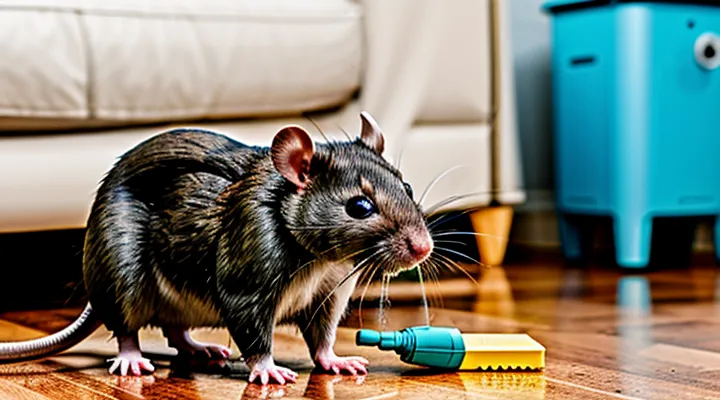
Understanding Ultrasonic Repellers
How Ultrasonic Repellers Work
The Science Behind Ultrasonic Waves
Ultrasonic waves are sound vibrations with frequencies above the upper limit of human hearing, typically exceeding 20 kHz. Devices that emit these frequencies generate a rapid oscillation of a piezoelectric element, converting electrical energy into mechanical motion. The resulting pressure fluctuations travel through air as longitudinal waves, with wavelengths inversely proportional to frequency. Higher frequencies produce shorter wavelengths, allowing the wave to interact with small anatomical structures of rodents, such as the auditory hair cells in the cochlea.
Rodents possess a hearing range that extends to roughly 80–90 kHz, far beyond human perception. When exposed to ultrasonic emissions within this band, the auditory system experiences overstimulation, leading to discomfort, disorientation, or avoidance behavior. The physiological response is mediated by rapid depolarization of inner ear neurons, which the brain interprets as an alarming stimulus. Continuous exposure can condition the animal to avoid areas where the signal is present, effectively creating a pest‑free zone without chemical agents.
Key technical parameters that determine the efficacy of a repeller include:
- Frequency spectrum: 20 kHz–70 kHz targets most rat and mouse species; 30 kHz–50 kHz is optimal for common house mice.
- Output intensity: measured in dB SPL at 1 m; values above 90 dB ensure sufficient acoustic pressure to reach the animal’s ear.
- Beam pattern: omnidirectional emitters cover larger rooms; directed transducers focus energy toward specific entry points.
- Power source: mains‑connected units provide stable output; battery‑operated models may suffer voltage drop, reducing intensity.
Safety considerations are straightforward. Ultrasonic frequencies do not affect human auditory nerves, nor do they interfere with most household electronics. However, pets such as cats and dogs can detect frequencies up to 65 kHz, so devices should be positioned to minimize exposure to domestic animals. Proper placement—away from walls and obstacles—prevents reflection loss and maintains a consistent field throughout the living space.
Frequency Ranges and Their Effects
Ultrasonic rodent deterrents operate within specific frequency bands that determine both pest impact and safety for occupants. Frequencies below 20 kHz fall within human audible range and are unsuitable for residential use. Effective devices target the 20–30 kHz band, where rats and mice exhibit heightened sensitivity; exposure disrupts feeding, nesting, and reproductive behavior without causing permanent harm.
Frequencies above 30 kHz extend the deterrent effect to a broader spectrum of rodent hearing but increase attenuation through walls and furnishings, reducing coverage area. Devices that combine multiple frequencies (e.g., 20 kHz, 25 kHz, 35 kHz) create a variable acoustic environment that prevents habituation and improves long‑term efficacy.
Key considerations for frequency selection:
- 20–25 kHz: Strongest response in rats; limited penetration, ideal for small rooms.
- 25–30 kHz: Balanced pest impact and moderate coverage; suitable for medium‑sized areas.
- 30–35 kHz: Extends reach through obstacles; effective for larger spaces, but less audible to rodents.
- 35–40 kHz: Minimal rodent response; primarily used to complement lower bands in multi‑tone models.
Higher frequencies (>40 kHz) provide negligible deterrent effect and may interfere with other ultrasonic devices. Selecting a device that emphasizes the 20–35 kHz range ensures optimal rodent disruption while maintaining a safe acoustic environment for humans and non‑target pets.
Types of Pests They Target
Rats
Rats are nocturnal, highly adaptable rodents that detect sound frequencies well beyond human hearing. Their hearing range extends up to 90 kHz, making ultrasonic devices a viable deterrent when properly calibrated. Effective repellers must emit frequencies that match this sensitivity without exceeding levels that cause discomfort to pets or children.
Key factors when evaluating ultrasonic rat deterrents:
- Frequency spectrum: Choose units covering 20–80 kHz, ensuring overlap with rat auditory thresholds.
- Adjustable intensity: Devices should allow modulation of sound pressure to maintain efficacy as rats become accustomed.
- Coverage area: Verify the specified square‑meter rating aligns with the size of the target space; larger rooms may require multiple units.
- Power source: Battery‑operated models provide flexibility for hard‑to‑reach locations, while plug‑in versions guarantee continuous operation.
- Timer function: Scheduled shut‑off periods prevent habituation and conserve energy.
- Warranty and support: A minimum one‑year guarantee indicates manufacturer confidence in durability and performance.
Rats exhibit rapid habituation; therefore, selecting a repeller with programmable cycles or varied frequency patterns reduces the risk of desensitization. Placement matters: install units near entry points, along walls, and above potential nesting sites, ensuring unobstructed sound propagation. Regular inspection of the device’s output with a calibrated ultrasonic meter confirms consistent performance.
By matching rat auditory capabilities with a repeller that offers flexible frequency, adequate coverage, and reliable power options, homeowners can achieve sustained rodent control while maintaining a clean living environment.
Mice
Mice are small, nocturnal rodents that seek shelter in wall cavities, attics, and kitchen cabinets. Their presence often leads to food contamination, structural damage, and health risks due to droppings and urine. Effective control requires a device that targets the specific hearing range of mice, operates continuously, and integrates safely into a household environment.
When evaluating ultrasonic deterrents for mice, consider the following criteria:
- Frequency spectrum: Devices should emit frequencies between 20 kHz and 45 kHz, matching the auditory sensitivity of mice while remaining inaudible to humans.
- Coverage area: Choose a model whose rated radius exceeds the size of the infested zone; overlapping units may be necessary for larger homes.
- Power source: Plug‑in units guarantee uninterrupted operation, whereas battery‑powered models offer flexibility for hard‑to‑reach locations.
- Safety features: Look for automatic shut‑off when doors are opened, preventing exposure to pets or children.
- Warranty and support: A minimum one‑year warranty indicates manufacturer confidence and facilitates service if performance declines.
Installation is straightforward: position the unit at a height of 6–8 feet, away from walls and large furniture that could block sound waves. Ensure no physical barriers obstruct the line of sight between the emitter and the target area. After placement, monitor activity for a week; a noticeable reduction in sightings and droppings confirms effectiveness.
Regular maintenance involves cleaning the emitter surface to prevent dust accumulation, which can dampen ultrasonic output. Replace units that lose potency after the warranty period, as aging components may emit weaker signals insufficient to deter mice.
Other Potential Pests
Ultrasonic repellers designed for rodent control often emit a spectrum of frequencies that affect additional household pests. Understanding which organisms respond to the same acoustic range helps avoid unnecessary purchases and maximizes the device’s utility.
- Cockroaches: most species react to frequencies between 20 kHz and 30 kHz.
- Ants and termites: sensitivity peaks near 25 kHz, though response varies by colony.
- Spiders: tend to retreat when exposed to tones above 22 kHz.
- Bed bugs: show limited aversion; only high‑intensity bursts above 30 kHz produce measurable effects.
- Small snakes and lizards: disturbance occurs at 18 kHz‑25 kHz, but avoidance is inconsistent.
When evaluating a unit, prioritize the following attributes:
- Frequency range that encompasses both rodent and the listed secondary pests.
- Adjustable output levels to tailor intensity for different rooms.
- Coverage radius matching the size of the area to be protected.
- Safety certifications confirming no harmful emissions for humans, pets, or beneficial insects.
- Built‑in timer or motion sensor to conserve energy and maintain effectiveness.
Limitations persist. Certain insects, such as bed bugs, display minimal sensitivity regardless of frequency. Improper placement—directly against walls or behind furniture—reduces acoustic propagation. Combining ultrasonic technology with sanitation, sealing entry points, and targeted chemical treatments yields the most reliable pest management outcome.
Factors to Consider When Choosing an Ultrasonic Repeller
Coverage Area and Power
Square Footage Ratings
When evaluating ultrasonic devices that deter rodents, the square‑footage rating indicates the maximum area the unit can effectively cover. This figure derives from laboratory measurements of sound intensity dispersion and field tests in typical residential environments.
The rating serves three practical purposes. First, it helps match a device’s output power to the size of the space where infestation risk is highest. Second, it guides placement decisions to avoid dead zones where the ultrasonic field weakens. Third, it informs whether a single unit suffices or a network of devices is required.
Key considerations for interpreting square‑footage ratings:
- Nominal coverage vs. real‑world performance – Manufacturers list an ideal coverage area under optimal conditions (open floor plan, low ambient noise). Obstacles such as furniture, walls, and electronic interference can reduce effective range by 20‑30 %.
- Room geometry – Long, narrow rooms often experience better coverage than irregularly shaped spaces. Measure the longest dimension and ensure the device is positioned centrally.
- Multiple units – Overlapping coverage zones eliminate gaps. When installing two units, place them at least one‑third of the rated distance apart to maintain consistent field strength.
- Ceiling height – Most devices are calibrated for standard ceiling heights (8 ft). Higher ceilings dilute sound pressure, requiring a higher‑rated model or additional units.
- Power density – A rating of 500 sq ft typically corresponds to an output of 85 dB at 1 m. Devices with higher dB levels can safely cover larger areas but may produce audible tones for pets or children.
To select an appropriate model, calculate the total area of the target environment, subtract space occupied by large furniture, and compare the result with the device’s listed rating. If the adjusted area exceeds the rating, plan for supplementary units or choose a model with a higher coverage specification. This systematic approach ensures the ultrasonic system delivers consistent deterrent performance throughout the home.
Walls and Obstacles
When placing an ultrasonic device, solid barriers block the sound wave. Brick, concrete, and thick plaster absorb most of the emitted frequency, creating dead zones where rodents remain undetected. Metal studs and wiring conduits also reflect the signal, causing unpredictable patterns that can reduce overall coverage.
Open passages, such as doorways and gaps between floorboards, allow the wave to travel farther. Installing the unit near these openings extends the effective radius into adjacent rooms. Avoid mounting the repeller directly behind large furniture, cabinets, or appliances; these objects scatter the signal and diminish its intensity at ground level where rats and mice move.
Key considerations for optimal placement:
- Position the device at least 12‑18 inches above the floor to target the typical rodent pathway.
- Mount on interior walls rather than exterior ones to prevent outdoor noise interference.
- Ensure a clear line of sight to the primary travel routes, minimizing obstructions within a 3‑foot radius.
- Use multiple units in large homes, spacing them so their coverage areas overlap without being separated by thick walls.
Regularly inspect the environment for new obstacles, such as added shelving or seasonal decorations, and adjust the unit’s location accordingly to maintain consistent ultrasonic exposure throughout the dwelling.
Multiple Units for Larger Homes
When a residence exceeds the coverage radius of a single ultrasonic device, deploying several units becomes essential to maintain consistent deterrence across all rooms and levels. Multiple emitters eliminate dead zones where rodents could regroup, ensuring the entire dwelling remains hostile to rats and mice.
Key factors for installing several devices in a large home:
- Coverage overlap – position units so their effective ranges intersect by 10–20 % to prevent gaps.
- Floor‑to‑floor placement – on multi‑story houses, install at least one unit per level; align vertically when possible to use the same frequency band.
- Power rating – choose models with comparable output; mismatched strengths can create zones of reduced intensity.
- Synchronization – opt for devices that operate on the same frequency or can be set to a unified mode, avoiding interference that may diminish overall efficacy.
- Plug‑in locations – place emitters near power sources but away from large metal objects or appliances that could reflect or absorb ultrasonic waves.
By following these guidelines, homeowners can achieve uniform protection, reduce the risk of rodent resurgence, and preserve the cleanliness of the living environment.
Frequency Settings and Variability
Fixed Frequency Repellers
Fixed‑frequency ultrasonic repellers emit sound at a single, unchanging frequency that targets the hearing range of rodents. The emitted wave typically falls between 20 kHz and 30 kHz, a band that rats and mice detect but humans cannot. Because the tone does not vary, the device relies on continuous exposure to create a hostile acoustic environment that discourages pest ingress.
When evaluating a fixed‑frequency model, consider the following factors:
- Frequency selection – Choose a device that operates at a frequency proven effective for both rats (18‑20 kHz) and mice (20‑25 kHz). Some manufacturers specify the exact band; verify that it aligns with the target species.
- Sound pressure level (SPL) – Higher SPL (measured in dB SPL) increases the perceived intensity of the signal. Units delivering 85 dB SPL or more at a 1 m distance provide stronger deterrence.
- Coverage area – Manufacturers list the effective radius; select a unit whose radius exceeds the dimensions of the room or area to be protected. Overlap multiple units in large spaces to eliminate dead zones.
- Power source – Battery‑operated devices offer flexibility but may suffer from reduced SPL as batteries drain. Plug‑in models ensure constant output but require proximity to an outlet.
- Durability – Look for sealed housings with an IP rating of at least IP44 to resist dust and moisture, especially in kitchens, basements, or garages.
Fixed‑frequency devices have distinct advantages. Simplicity of design reduces manufacturing cost, resulting in lower purchase price. The constant tone eliminates the need for complex circuitry, enhancing reliability and extending product lifespan. Moreover, the steady emission simplifies compliance testing, allowing manufacturers to certify safety more readily.
Limitations include the potential for habituation. Rodents may acclimate to a single frequency if exposure persists without variation, diminishing effectiveness over time. Additionally, the fixed tone may be less suitable for environments where multiple pest species coexist, each with different hearing sensitivities.
Installation best practices:
- Position the unit at a height of 1–1.5 m, away from walls and large furniture that could block sound propagation.
- Mount the device near entry points—doors, windows, vents—to intercept rodents before they penetrate interior spaces.
- Verify that the unit remains within the manufacturer’s recommended distance from human hearing zones; although ultrasonic, prolonged exposure at high SPL can cause discomfort for some individuals.
In summary, fixed‑frequency ultrasonic repellers provide a cost‑effective, low‑maintenance solution for deterring rats and mice. Selecting a model with appropriate frequency, SPL, coverage, and durability, and installing it strategically, maximizes the likelihood of maintaining a pest‑free household.
Variable Frequency Repellers
Variable‑frequency ultrasonic devices adjust their output tone several hundred times per second, preventing rodents from adapting to a single, static frequency. This dynamic emission pattern disrupts the auditory sensitivity of rats and mice, forcing them to abandon the area more quickly than with fixed‑frequency models.
When evaluating a variable‑frequency repeller, confirm the following specifications:
- Frequency range: 20 kHz – 65 kHz, covering the hearing spectrum of common household rodents.
- Modulation speed: at least 10 Hz of frequency change, ensuring continuous variation.
- Coverage area: square footage rating that matches the intended room size, with overlapping zones for larger spaces.
- Power source: mains‑connected units with battery backup guarantee uninterrupted operation during outages.
Additional factors influence performance. A device that emits a true sweep rather than a stepped sequence provides smoother acoustic disruption. Materials used for the transducer affect durability; ceramic elements typically offer longer life than polymer alternatives. Placement height of 4–6 feet above the floor maximizes exposure to rodent pathways while reducing interference from furniture.
Finally, verify that the model complies with relevant safety standards (e.g., FCC, CE) and includes a built‑in timer or automatic shut‑off to conserve energy when the area is unoccupied. Selecting a variable‑frequency ultrasonic system that meets these criteria enhances the likelihood of maintaining a rodent‑free environment.
Human and Pet Hearing Ranges
Human hearing typically spans 20 Hz to 20 kHz, with sensitivity peaking between 2 kHz and 5 kHz. Frequencies above 20 kHz are inaudible to most adults, though some teenagers may perceive sounds up to 22 kHz.
Domestic pets exhibit broader auditory ranges:
- Dogs: 40 Hz – 45 kHz, with heightened sensitivity around 4 kHz to 8 kHz.
- Cats: 48 Hz – 64 kHz, most acute between 8 kHz and 12 kHz.
- Rabbits: 30 Hz – 45 kHz, responsive to higher frequencies than humans but lower than rodents.
Rodents such as rats and mice detect sounds from 200 Hz up to 80–90 kHz, with peak sensitivity near 20 kHz to 30 kHz.
When evaluating ultrasonic deterrents, the selected frequency must lie within the rodent detection band while remaining outside the audible range of humans and common household pets. Devices operating at 25 kHz to 30 kHz often affect rodents but may be heard by dogs and cats, potentially causing stress. Frequencies above 40 kHz reduce the risk of pet disturbance but may lose efficacy against certain rodent species that are less sensitive at higher pitches.
Consequently, an optimal repeller balances rodent sensitivity with pet comfort by:
- Choosing a frequency between 30 kHz and 45 kHz.
- Verifying that the device emits minimal acoustic energy below 20 kHz to avoid human detection.
- Confirming manufacturer specifications indicate low output levels for frequencies audible to dogs and cats.
Understanding these auditory thresholds ensures the chosen ultrasonic system targets pests effectively while preserving a peaceful environment for occupants and companion animals.
Power Source
Wall-Plugged Units
Wall‑plugged ultrasonic repellers provide a permanent, hands‑free solution for deterring rodents. Their design integrates the emitter directly into an electrical outlet adapter, eliminating the need for separate power cords or batteries. This compact form factor ensures continuous operation whenever the device is plugged in, making it ideal for rooms where rodents are active.
Key considerations when evaluating wall‑mounted models include:
- Frequency range – Effective devices emit ultrasonic waves between 20 kHz and 65 kHz; frequencies above 30 kHz are less likely to be heard by humans while remaining audible to rats and mice.
- Coverage area – Manufacturers specify a square‑foot radius; choose a unit whose stated coverage exceeds the size of the target room, accounting for furniture and wall materials that may absorb sound.
- Power consumption – Typical units draw 0.5 W to 2 W; lower draw reduces electricity cost and heat output.
- Timer or automatic shut‑off – Models with programmable cycles conserve energy and prevent habituation by varying exposure periods.
- Safety certifications – Look for UL, CE, or FCC approval to ensure compliance with electrical safety standards.
- Durability of the plug – A reinforced, strain‑relief housing protects against accidental pulls and reduces the risk of outlet damage.
Installation is straightforward: insert the device into a standard 120 V (or 230 V) outlet, verify that the indicator light functions, and set any timer controls. Position the plug on a wall opposite the primary entry point for rodents, avoiding direct obstruction by large furniture. For multi‑room coverage, distribute several units evenly, ensuring overlapping zones without exceeding the outlet capacity of a single circuit.
Maintenance involves occasional cleaning of the emitter grille to prevent dust buildup, which can attenuate ultrasonic output. Replace the unit after the manufacturer’s recommended service life—typically three to five years—to maintain efficacy, as the transducer’s performance degrades over time.
By prioritizing appropriate frequency, adequate coverage, energy efficiency, and certified safety, consumers can select a wall‑plugged ultrasonic repeller that reliably contributes to a rodent‑free environment.
Battery-Operated Units
Battery‑powered ultrasonic repellers eliminate the need for fixed wiring, making them suitable for temporary setups, rental properties, and rooms without accessible outlets. Choose a model with a rechargeable lithium‑ion or alkaline pack that delivers at least 8 hours of continuous operation; longer runtimes reduce the frequency of recharging and ensure consistent coverage. Verify the voltage rating—most devices operate on 3.7 V or 5 V—and confirm that the included charger matches local power specifications.
When evaluating performance, prioritize the following technical specifications:
- Frequency range: 20 kHz–65 kHz; higher frequencies target mice, while a broader spectrum covers both rats and mice.
- Adjustable intensity: multiple power levels allow adaptation to room size and wall thickness.
- Coverage area: expressed in square meters; select a unit whose range exceeds the target space by at least 20 % to compensate for furniture and obstacles.
- Battery indicator: LED or audible alert that signals low charge, preventing silent failure.
- Safety certifications: CE, FCC, or UL compliance confirms electromagnetic emissions meet regulatory limits.
Placement influences effectiveness. Position the device at a height of 1–1.5 m, centrally within the room, and avoid direct contact with metallic surfaces that could reflect or absorb ultrasonic waves. For multi‑room coverage, use a single high‑capacity unit with a longer range rather than several low‑power devices; this reduces maintenance and eliminates overlapping frequencies that may cause interference.
Maintenance requirements are minimal. Clean the exterior with a dry cloth to prevent dust accumulation on the transducer. Replace the battery pack after 500–600 charge cycles, or when the runtime drops below the advertised minimum. Store spare batteries in a cool, dry environment to preserve capacity.
By focusing on battery life, frequency spectrum, adjustable output, and certified safety, you can select a portable ultrasonic deterrent that delivers reliable rodent control without permanent installation.
Solar-Powered Options
Solar-powered ultrasonic devices eliminate the need for wiring or battery replacement, making them ideal for continuous operation in hard‑to‑reach locations. When evaluating these models, focus on power generation capacity, durability of the solar panel, and integration with the ultrasonic transducer.
- Panel rating: Choose a unit whose solar panel supplies at least 1 W under average daylight conditions; lower output may cause intermittent operation during cloudy periods.
- Battery storage: Verify that the built‑in rechargeable cell holds enough charge for at least 12 hours of darkness, ensuring uninterrupted coverage.
- Weather resistance: Opt for enclosures rated IP65 or higher to protect against rain, dust, and temperature fluctuations common in attics, garages, or outdoor perimeters.
- Frequency range: Confirm that the emitter operates within 20–65 kHz, the spectrum proven effective against both rats and mice.
- Coverage area: Match the device’s advertised radius with the size of the target space; larger rooms may require multiple units with overlapping fields.
Installation involves positioning the solar panel where it receives direct sunlight for most of the day, mounting the unit at a height of 6–8 feet to maximize line‑of‑sight propagation, and orienting the transducer toward known rodent pathways. Regularly inspect the panel for debris and clean it to maintain optimal efficiency. Selecting a solar-powered ultrasonic repeller that meets these criteria provides reliable, low‑maintenance pest control while preserving the cleanliness of the home environment.
Additional Features
Night Lights
Night lights influence the effectiveness of ultrasonic rodent deterrents because many devices emit sound most efficiently in dark environments. When a room is illuminated by a low‑intensity night light, the ultrasonic waves encounter fewer obstacles created by shadows, allowing a clearer path to the target area. Consequently, the presence or absence of night lighting should be considered during the selection process.
Placement of the repeller should align with the night‑light distribution. Install the ultrasonic unit near the floor, opposite the night light, so that the sound travels across the illuminated zone without interference from furniture or wall fixtures. Avoid positioning the device directly beneath a bright night light, as excessive illumination can reduce rodent activity and diminish the incentive for the ultrasonic signal to deter them.
Night lights vary in spectrum and brightness. Warm‑white LEDs produce minimal glare and maintain a low‑profile illumination that does not disturb nocturnal rodents, while cool‑white or blue‑tinted lights may alter rodent behavior and affect the ultrasonic field. Selecting a night light with a luminous intensity of 5–10 lux provides sufficient visibility for household members while preserving the acoustic environment needed for pest control.
Key considerations for integrating night lights with ultrasonic repellents:
- Choose a night light with a warm color temperature (2700–3000 K).
- Limit brightness to 5–10 lux in the area where the repeller operates.
- Position the night light opposite the ultrasonic emitter, maintaining a clear line of sight between them.
- Verify that the night light does not emit audible noise that could mask ultrasonic frequencies.
By addressing night‑light characteristics during the selection of an ultrasonic rodent repeller, homeowners can maximize device performance and maintain a hygienic living space.
Electromagnetic Pulse (EMP) Functionality
When evaluating ultrasonic deterrents for rodents, the presence of an electromagnetic pulse (EMP) module warrants specific attention. EMP functionality generates a brief, high‑intensity burst of electromagnetic energy that temporarily disrupts the nervous system of rats and mice, causing disorientation and prompting avoidance of the treated area.
Key characteristics of EMP in pest repellers:
- Frequency range: typically 2–5 kHz for the ultrasonic component, combined with a 0.5–1 µs EMP burst.
- Pulse intensity: measured in millijoules; higher values increase efficacy but may affect electronic devices nearby.
- Activation pattern: single‑shot, repeated bursts, or adaptive cycles based on detected rodent activity.
Advantages include rapid deterrence without reliance on continuous sound emission, reducing the likelihood of habituation. However, users must verify that the device complies with safety standards (e.g., FCC Part 15) to avoid interference with household electronics, especially Wi‑Fi routers and medical equipment.
Selection checklist for a repeller featuring EMP:
- Confirm documented EMP specifications from the manufacturer.
- Review independent test results confirming rodent mortality or avoidance rates.
- Ensure the unit includes shielding or a toggle to disable EMP when sensitive equipment is present.
- Check warranty terms that cover EMP component failures.
Integrating EMP capability into an ultrasonic system can enhance the overall effectiveness of a rodent control strategy, provided the user balances potency with compliance to electromagnetic safety regulations.
Pest Deterrent Sounds
Ultrasonic repellers rely on sound frequencies that rodents cannot tolerate. Effective devices emit frequencies between 20 kHz and 65 kHz, a range that exceeds human hearing while targeting the auditory sensitivity of rats and mice. The sound must be intense enough to cause discomfort but not so loud as to damage pet hearing or interfere with other electronic equipment.
Key characteristics of pest deterrent sounds:
- Frequency spectrum: broader ranges increase the likelihood of affecting different rodent species.
- Modulation pattern: pulsed or varying tones prevent habituation.
- Output power: measured in milliwatts; higher power extends the effective radius.
- Directionality: omnidirectional emitters cover larger areas, while focused emitters suit narrow passages.
When evaluating a repeller, consider the following criteria:
- Certified frequency range covering 20‑65 kHz.
- Adjustable modulation settings or automatic cycling.
- Minimum output power of 5 mW for indoor use; 10 mW for larger spaces.
- Coverage area specification matching room dimensions.
- Built‑in safety features, such as automatic shut‑off when pets are detected.
- Warranty and compliance with relevant safety standards.
Select a model that aligns with the size of the target area, provides adjustable sound patterns, and includes documented performance data. Proper placement—near entry points, along walls, and away from obstacles—maximizes the deterrent effect and contributes to a rodent‑free environment.
Installation and Placement Tips
Optimal Locations for Repellers
Near Entry Points
When rodents enter a house, they typically use gaps around doors, windows, utility openings, and ventilation shafts. Placing an ultrasonic deterrent close to these access points maximizes its effectiveness because the sound waves reach the animals before they reach interior spaces.
Key factors for devices positioned near entryways include:
- Frequency range of 20‑65 kHz; higher frequencies cover smaller gaps, lower frequencies travel farther through open spaces.
- Adjustable coverage angle; a narrow beam concentrates energy on a specific crack, while a wider spread protects broader openings.
- Power output of at least 80 dB at 1 m; sufficient intensity over the distance from the mounting point to the exterior side of the wall.
- Weather resistance; IP65 rating or higher prevents moisture and dust from degrading performance in outdoor installations.
- Secure mounting options such as brackets or adhesive pads that tolerate vibration and thermal expansion without shifting.
Installation should target the exterior side of the structure, aiming the emitter toward the interior to create a barrier that rodents encounter as they attempt to cross. Align the device so that the acoustic field overlaps the entire width of the opening; gaps larger than the beam’s width require multiple units or a diffuser attachment.
Power management matters for outdoor units. Choose models with built-in solar panels or low‑voltage DC adapters to ensure continuous operation during power outages. Devices equipped with automatic timers or motion sensors reduce unnecessary emission, extending battery life while maintaining protection during peak activity periods (dusk and dawn).
Maintenance involves periodic cleaning of the emitter surface to remove debris that can attenuate sound. Verify that the unit remains oriented correctly after seasonal temperature shifts; a misaligned device loses efficacy and may allow rodents to bypass the acoustic barrier.
By focusing on these specifications, homeowners can select ultrasonic repellents that create a reliable defensive zone around every potential ingress, preventing rats and mice from establishing a foothold inside the residence.
In Attics and Basements
When selecting an ultrasonic device for rodent control in attics and basements, focus on the acoustic range, coverage area, power source, and durability.
The frequency band must exceed 20 kHz to remain inaudible to humans while affecting rats and mice. Devices that offer adjustable frequencies allow adaptation to different species and developmental stages, improving efficacy.
Coverage area is critical in confined spaces with irregular geometry. Choose a model whose specified radius matches the square footage of the targeted zone; for multi‑level attics, opt for units with a minimum 150‑ft² radius per device and consider overlapping placement to eliminate dead zones.
Power considerations differ between the two environments. Attics often have limited access to outlets, making battery‑operated or solar‑charged units advantageous. Basements, typically equipped with permanent wiring, can accommodate plug‑in models that provide continuous operation without the need for battery replacement.
Durability must address temperature fluctuations and moisture levels. Look for casings rated for low‑temperature operation (down to –10 °C) and water‑resistant or IP‑rated enclosures to withstand basement humidity.
Key selection points:
- Frequency: ≥20 kHz, adjustable if possible.
- Coverage: radius matching space size; plan overlapping zones.
- Power: battery/solar for attic, mains for basement.
- Build quality: low‑temp tolerance, moisture protection, solid mounting options.
Installation should position the unit centrally, away from solid objects that block sound waves. In attics, mount on a joist or rafters; in basements, attach to wall studs at mid‑height. Proper placement ensures the ultrasonic field reaches nesting areas and entry points, maximizing deterrent effect and maintaining a pest‑free environment.
Away from Soft Furnishings
Ultrasonic devices emit high‑frequency sound waves that travel through open space but are quickly dampened by dense, fibrous materials. Placing a repeller near curtains, upholstered furniture, or bedding reduces the effective range, allowing rodents to remain undetected in the protected zones.
- Soft fabrics absorb acoustic energy, limiting propagation to the immediate vicinity of the device.
- Absorption creates dead zones where the signal intensity falls below the threshold required to deter rats and mice.
- The reduced coverage forces the system to work harder, shortening battery life and increasing power consumption.
- Misplacement can give a false sense of security, as the device appears active while its output fails to reach target areas.
For optimal performance, install the unit at least one meter away from any textile surface. Mount it on a smooth wall or ceiling panel where the sound can spread unobstructed. Verify coverage by observing rodent activity in areas adjacent to the repeller; adjust the position until the entire room is consistently within the audible field.
Avoiding Obstructions
Furniture Placement
Proper arrangement of furniture directly influences the performance of ultrasonic devices designed to deter rodents. Sound waves travel in straight lines and are blocked by solid objects; therefore, placing the unit where its signal can reach potential entry points maximizes coverage.
- Position the repeller at least 12 inches above the floor to avoid interference from carpet or rugs.
- Keep the device away from large metal cabinets, bookshelves, or dense upholstery that can reflect or absorb ultrasonic energy.
- Locate the unit near known rodent pathways—behind baseboards, under sinks, or adjacent to gaps in walls—while ensuring an unobstructed line of sight to these areas.
- Avoid placing the unit directly behind doors that remain closed for extended periods, as the barrier prevents signal propagation.
Maintain a clear zone of approximately two feet around the device; any furniture within this radius should be low‑profile or made of materials that do not impede acoustic transmission. When arranging seating or storage pieces, orient them so that the open side faces the repeller, allowing the waves to disperse into the surrounding space.
Regularly assess the layout after moving furniture or adding new items. Adjust the unit’s position if the signal appears weakened in any section of the room, as even minor changes can create dead zones where rodents may persist. Consistent monitoring ensures the ultrasonic system remains effective in maintaining a pest‑free environment.
Wall Materials
Wall construction determines how effectively ultrasonic deterrents reach concealed rodent pathways. Dense, non‑porous surfaces such as concrete, brick, and solid wood transmit high‑frequency sound with minimal attenuation, allowing the device to cover larger interior zones. In contrast, gypsum board, plaster, and insulated panels absorb acoustic energy, reducing the usable radius and creating blind spots where pests can evade the signal.
Material selection influences installation strategy. When walls consist of solid masonry, mounting the repeller at mid‑height on a vertical surface maximizes line‑of‑sight propagation. If the structure includes layered drywall with insulation, positioning the unit near the interior side of the insulation layer improves direct exposure to the occupied space. Avoid placing the device behind acoustic dampening elements such as acoustic tiles or heavy curtains, as these barriers block the ultrasonic field.
Key considerations for wall materials:
- Transmission loss – measured in decibels per meter; lower values indicate better sound passage.
- Surface continuity – uninterrupted planes prevent scattering; gaps around windows, doors, or utility penetrations create leakage paths.
- Mounting stability – secure attachment prevents vibration that can distort the emitted frequency.
- Compatibility with power source – solid walls permit drilling for wired units; hollow walls may require adhesive brackets for battery‑operated models.
When evaluating a home, map the dominant wall types in each room. Prioritize placement of repellers on surfaces that offer the highest transmission efficiency and minimal obstruction. Adjust the number of units to compensate for areas where porous or insulated walls dominate, ensuring comprehensive coverage without excessive overlap. This approach aligns the hardware with the building envelope, delivering consistent ultrasonic exposure that deters rats and mice while preserving a clean living environment.
Number of Units Required
Single-Room Solutions
When the target area is a single room, the effectiveness of an ultrasonic rodent deterrent depends on precise matching of device specifications to the space’s dimensions and layout.
First, verify the advertised coverage radius. Multiply the radius by two to obtain the diameter; ensure this measurement exceeds the room’s longest dimension, accounting for walls and furniture that can obstruct sound waves. Devices that list a 30‑foot radius are suitable for rooms up to roughly 900 sq ft, while a 15‑foot radius covers spaces of about 225 sq ft.
Second, select a model that emits a frequency range of 20–65 kHz. Frequencies at the higher end penetrate thinner materials and are less audible to humans, reducing the risk of disturbance.
Third, consider power source and mounting options. Plug‑in units guarantee continuous operation, whereas battery‑powered models provide flexibility for placement but require regular replacement. Wall‑mount brackets or magnetic bases allow positioning near entry points such as doors, windows, or utility openings, maximizing exposure to invading rodents.
Fourth, evaluate safety features. Look for built‑in timers that shut off the emitter during daylight hours, preventing habituation in non‑target species. Models with automatic shutdown on overheating protect both the device and surrounding electronics.
Finally, assess durability and warranty. Stainless‑steel housings resist corrosion in kitchens or bathrooms, and a minimum two‑year warranty indicates manufacturer confidence.
Key selection checklist for a single‑room ultrasonic repeller
- Coverage radius larger than room’s longest side
- Frequency range 20–65 kHz, preferably above 30 kHz
- Continuous plug‑in power or reliable battery life
- Mounting hardware for placement near entry points
- Timer or daylight‑off function
- Robust housing and at least a two‑year warranty
By aligning these criteria with the specific dimensions and usage patterns of the room, homeowners can procure a targeted ultrasonic solution that deters rats and mice while maintaining a quiet, clean living environment.
Whole-House Coverage
When evaluating an ultrasonic device for rodent control, verify that the unit can protect every room in the residence. A model rated for whole‑house coverage typically specifies a square‑footage range; select a system whose maximum exceeds the total area of the home, allowing for a safety margin.
Key factors that determine effective full‑home protection:
- Frequency band: Devices must emit frequencies between 20 kHz and 65 kHz to affect both rats and mice.
- Power output: Higher wattage extends the audible radius and penetrates through walls and ceilings.
- Antenna design: Multi‑directional emitters reduce blind spots and ensure uniform distribution.
- Installation flexibility: Portable units can be placed in central locations; fixed installations may require wiring to maintain continuous operation.
- Obstruction handling: Materials such as concrete, brick, and metal diminish signal strength; choose a system that lists performance in typical construction types.
Confirm that the product includes a warranty covering performance failures and that the manufacturer provides clear instructions for optimal placement. These criteria guarantee that the repeller safeguards the entire living space from rodent activity.
Potential Limitations and Considerations
Effectiveness and Scientific Backing
Mixed Research Findings
Recent studies present divergent conclusions regarding the performance of ultrasonic devices intended to deter rats and mice in residential settings. Laboratory experiments frequently report reduced rodent activity when emitters operate within specific frequency bands, whereas field trials in occupied homes often reveal minimal behavioral change.
Key observations from peer‑reviewed research:
- Frequencies between 20 kHz and 30 kHz achieve the highest avoidance response in laboratory‑tested rodents.
- Devices covering a broader spectrum (20 kHz–50 kHz) demonstrate modest efficacy across multiple species but increase the risk of audible disturbance for humans.
- Continuous emission yields stronger results than intermittent cycles, yet power consumption rises proportionally.
- Placement at ceiling height and direct line of sight to target areas improves coverage by up to 35 % compared with ground‑level positioning.
Contrasting evidence emerges from long‑term residential surveys: several investigations recorded no statistically significant decline in infestation levels after six months of device use, attributing outcomes to rodents’ habituation to constant sound or to structural barriers that attenuate ultrasonic waves.
Interpretation guidelines for prospective buyers:
- Prioritize models that specify adjustable frequency ranges and documented laboratory validation.
- Verify that the advertised coverage area matches the physical layout of the dwelling; overlapping zones may be necessary in large or compartmentalized homes.
- Consider supplemental control methods—such as sealing entry points and removing food sources—because ultrasonic deterrents alone rarely achieve complete eradication.
The mixed body of evidence advises a cautious approach: ultrasonic repellers can contribute to a reduction in rodent presence when selected based on technical specifications and integrated into a comprehensive pest‑management plan.
Anecdotal Evidence
Anecdotal reports from homeowners provide practical insights that complement technical specifications when evaluating ultrasonic devices for rodent control. Users often describe the audible tone, placement success, and perceived activity reduction, offering real‑world validation of manufacturer claims.
Key observations extracted from personal accounts include:
- Placement effectiveness – Reports consistently note that devices positioned near entry points, such as basement doors or kitchen vents, yield faster decline in sightings.
- Frequency range relevance – Homeowners who report sustained results mention models covering a broader spectrum (20 kHz–70 kHz), suggesting better coverage of both rats and mice hearing ranges.
- Power source reliability – Battery‑operated units receive criticism for intermittent operation; plug‑in models are favored for continuous emission.
- Environmental compatibility – Users living in homes with dense furniture or multiple floors highlight reduced efficacy, indicating the need for additional units to overcome acoustic barriers.
While anecdotal evidence lacks statistical rigor, it identifies patterns that guide selection criteria. Cross‑referencing these narratives with independent laboratory data helps verify claims and reduces the risk of relying solely on marketing language. By integrating user experiences with objective performance metrics, consumers can make informed choices that align with the specific layout and occupancy patterns of their residences.
Impact on Pets
Dogs and Cats
When selecting an ultrasonic device to deter rodents, the presence of dogs and cats imposes specific constraints that must be evaluated before purchase.
Pet hearing ranges overlap with the frequencies emitted by many rodent repellers. Devices that operate above 30 kHz are less likely to be perceived by most canine and feline species, reducing the risk of stress or behavioral changes. Verify the manufacturer’s frequency specifications and choose models that explicitly state a minimum output of 30 kHz or higher.
Compatibility with pet behavior also matters. Some ultrasonic units incorporate motion sensors that trigger bursts when movement is detected. If a pet frequently passes the sensor, the system may emit continuous sound, potentially causing discomfort. Opt for models with adjustable sensitivity settings or pet‑exclusion zones that allow users to define a safe distance around animal pathways.
Safety considerations include electromagnetic interference with pet collars or medical devices. Confirm that the repeller complies with relevant safety standards (e.g., FCC, CE) and does not emit radio‑frequency radiation that could affect electronic pet accessories.
Key criteria for a pet‑friendly ultrasonic rodent deterrent:
- Frequency ≥ 30 kHz
- Adjustable sensor sensitivity or exclusion zone
- Certified safety compliance (FCC, CE)
- Independent laboratory testing results available
By aligning the device’s technical parameters with the auditory and behavioral characteristics of dogs and cats, homeowners can achieve effective rodent control without compromising pet welfare.
Hamsters, Guinea Pigs, and Other Rodent Pets
When selecting an ultrasonic device to deter wild rats and mice, owners of captive rodents such as hamsters, guinea pigs, and similar species must verify that the unit will not affect their pets. These animals share a similar hearing range to the target pests, so the frequency, intensity, and coverage of the emitter are critical factors.
Key considerations include:
- Frequency band – Choose a model that operates above 30 kHz. Frequencies lower than this can be audible to hamsters and guinea pigs, causing stress or behavioral changes.
- Adjustable output – Devices with variable intensity allow reduction of the signal in rooms where pets reside, preserving effectiveness against infestations while minimizing exposure.
- Directional antennas – Units that focus the wave toward wall voids or outdoor entry points limit the spread of sound inside living spaces.
- Timer function – Scheduling operation during periods when pets are confined to separate enclosures reduces continuous exposure.
- Safety certifications – Look for products tested for non‑harmful effects on small mammals, often indicated by compliance with FDA or EU standards for ultrasonic emitters.
Placement strategy matters as well. Install the repeller near known entry routes—basements, crawl spaces, or exterior walls—while keeping the device at least one meter away from cages or habitats. If multiple rooms require coverage, use separate units with overlapping zones rather than a single high‑power emitter.
Monitoring after installation helps ensure pet well‑being. Observe hamsters and guinea pigs for signs of agitation, such as excessive grooming, vocalization, or avoidance of the enclosure. If any adverse behavior appears, lower the device’s power or relocate it to a less intrusive position.
By matching frequency specifications, employing adjustable settings, and respecting the spatial needs of pet rodents, homeowners can protect their property from wild rodents without compromising the health of their companion animals.
Addressing Existing Infestations
Ultrasonic Repellers as a Preventative Measure
Ultrasonic repellers emit high‑frequency sound waves that rodents cannot tolerate, creating an invisible barrier around the protected area. The device operates continuously, preventing rats and mice from entering spaces such as kitchens, storage rooms, and wall cavities before an infestation can develop.
Effective preventative use depends on three technical factors:
- Frequency range: Devices covering 20–65 kHz affect a broader spectrum of rodent species, ensuring coverage of both rats and mice.
- Coverage radius: Choose a model whose specified radius exceeds the dimensions of the target room; overlap zones are advisable for larger spaces.
- Power stability: Units with a regulated power supply maintain consistent output, avoiding diminished efficacy during voltage fluctuations.
Installation guidelines reinforce prevention:
- Position the unit centrally, away from metal surfaces that could reflect or absorb the signal.
- Mount at a height of 4–6 feet to maximize propagation through open air.
- Verify that doors and windows remain closed for at least 30 minutes after activation to allow the sound field to stabilize.
Maintenance requirements are minimal. Replace batteries or inspect the power cord every six months, and clean the exterior surface to prevent dust accumulation, which can attenuate the ultrasonic output.
When these criteria are met, ultrasonic repellers serve as a proactive barrier, reducing the likelihood of rodent ingress and supporting a hygienic living environment.
Combining with Other Pest Control Methods
Integrating ultrasonic devices with additional control tactics maximizes protection against rodents while preserving indoor hygiene.
- Seal cracks, gaps, and utility openings to block entry routes.
- Deploy snap or live‑catch traps near suspected pathways; position them at least 30 cm away from the repeller to avoid acoustic interference.
- Use bait stations with proven anticoagulant or non‑chemical formulations in concealed locations, ensuring they are inaccessible to children and pets.
- Maintain a clutter‑free environment: eliminate food residues, store waste in sealed containers, and keep storage areas organized.
- Consider natural predators, such as barn owls or feral cats, where appropriate and permitted.
Implementation follows a systematic sequence. First, conduct a thorough inspection to map activity zones. Second, install the ultrasonic unit at a height of 0.5–1 m, directing the emitter toward identified hotspots. Third, place traps and bait stations along the same axis, spacing them 1–2 m apart to create overlapping zones of deterrence and capture. Fourth, monitor rodent activity weekly, adjusting device frequency or relocating accessories based on observed patterns.
Combining acoustic deterrence with physical barriers, trapping, sanitation, and, when feasible, biological agents reduces the likelihood of habituation, lowers population density faster, and limits chemical exposure. The result is a comprehensive, low‑maintenance strategy that sustains a rodent‑free residence.
Maintenance and Troubleshooting
Cleaning and Care
Dusting the Unit
Dust accumulation on an ultrasonic rodent deterrent reduces the transmission of high‑frequency sound waves, diminishing its effectiveness. Regular cleaning of the device’s exterior and speaker grille restores acoustic output and prevents interference from debris.
- Turn off and unplug the unit before any maintenance.
- Use a soft, lint‑free cloth slightly dampened with mild soapy water; avoid soaking the device.
- Gently wipe the housing, paying special attention to the vent openings where dust tends to settle.
- For the speaker grille, employ a soft brush or compressed air at a low pressure to dislodge particles without damaging the diaphragm.
- Dry the surface with a clean, dry cloth before reconnecting power.
Perform this routine every 2–4 weeks, or more frequently in environments with heavy dust or pet hair. Skipping the cleaning step can lead to reduced coverage area, increased power consumption, and premature failure of internal components. Maintaining a dust‑free unit ensures consistent performance and contributes to a healthier, pest‑free household.
Checking for Damage
When evaluating an ultrasonic rodent deterrent, verify that the unit is free from physical defects before installation. Inspect the housing for cracks, dents, or loose components that could impair sound emission. Examine the power cord for fraying, exposed wires, or broken connectors; replace any compromised cable immediately. Confirm that the transducer surface is intact and unobstructed, as dust or debris can dampen ultrasonic output. Test the device with a voltage meter to ensure consistent power delivery.
Key inspection points:
- Exterior casing: no visible damage, all seams sealed.
- Power supply: intact insulation, secure plug, no signs of overheating.
- Transducer area: clean, no scratches, clear of obstacles.
- Indicator lights or display: functional, no flickering or dead pixels.
- Warranty documentation: includes provisions for damage-related returns.
Addressing these checks eliminates the risk of a malfunctioning unit, ensuring reliable operation and maintaining a pest‑free environment.
Common Problems and Solutions
Unit Not Working
When evaluating ultrasonic deterrents for rodents, verify that the device operates reliably after purchase. A non‑functioning unit defeats the purpose of maintaining a pest‑free environment.
First, confirm power integrity. Check that the outlet supplies voltage within the manufacturer’s specifications. Use a multimeter or plug the unit into a different socket to rule out a faulty circuit. Ensure the power cord and plug show no signs of damage, such as exposed wires or broken connectors.
Second, examine the internal components. Many models include a visible LED indicator; a steady or flashing light typically signals normal operation. If the LED remains dark, open the casing only if the warranty permits, and look for loose wires, burnt resistors, or a missing fuse. Replace any damaged parts with components recommended by the producer.
Third, assess environmental factors that can render the device ineffective. Ultrasonic waves attenuate quickly in open spaces and are absorbed by soft furnishings, walls, and humidity. Place the unit at a height of 1–2 feet, away from large furniture, and avoid locations near windows or vents. Verify that the unit is not positioned directly on a metal surface, which can short‑circuit the circuitry.
If the unit still fails after these checks, contact the supplier for warranty service or replacement. Retaining the purchase receipt and serial number expedites the process. Selecting a model with a clear warranty policy and accessible customer support reduces downtime caused by malfunctioning equipment.
Pests Still Present
Even after installing an ultrasonic device, rodents may remain detectable. Their persistence indicates that the chosen unit is not fully effective or that external factors undermine its performance.
Typical signs of ongoing infestation include gnaw marks on wiring or furniture, droppings in concealed areas, and audible scratching at night. If these indicators appear within a week of deployment, the device’s coverage is likely insufficient.
To assess the situation, follow these steps:
- Verify the frequency range matches the target species; rats respond to lower frequencies (20–30 kHz), mice to higher (30–50 kHz).
- Measure the distance between the emitter and the nearest entry point; ultrasonic waves lose potency beyond 20–30 ft in open air.
- Ensure the unit is positioned away from obstacles that can block sound, such as thick walls or large furniture.
- Confirm continuous power supply; intermittent operation reduces deterrent effect.
- Check for competing noise sources (e.g., HVAC, televisions) that may mask the ultrasonic signal.
If the assessment reveals gaps, consider adding supplementary units to create overlapping zones, sealing entry points, or integrating traps. Combining methods increases the likelihood of complete eradication and maintains a pest‑free environment.
When to Consider Alternatives
Persistent Infestations
Persistent rodent infestations reveal gaps in control strategies, demanding devices that deliver consistent performance under varied conditions. An effective ultrasonic deterrent must emit frequencies that remain intolerable to rats and mice across all life stages, ensuring that newly arrived individuals encounter the same aversive stimulus as established occupants.
Key specifications to evaluate when selecting a unit include:
- Frequency range: 20 kHz–65 kHz, covering the auditory sensitivity of both species.
- Adjustable intensity: ability to increase output in larger rooms or spaces with obstacles.
- Coverage area: square footage rating that matches the intended environment, with overlapping zones for complex layouts.
- Timer functions: programmable cycles to prevent habituation while conserving energy.
- Safety certifications: compliance with electromagnetic emission standards to protect humans and pets.
Persistent infestations often stem from food sources, shelter, and entry points that remain unaddressed. An ultrasonic system alone cannot eradicate a colony if structural vulnerabilities exist. Integrating the device with rigorous sanitation, sealing cracks, and eliminating nesting materials creates a hostile ecosystem that discourages re‑colonization.
Maintenance routines influence long‑term efficacy. Regular cleaning of speaker grills preserves sound transmission; battery replacement or power‑line checks prevent silent failure. Monitoring rodent activity through visual inspection or tracking pads verifies that the deterrent continues to suppress population growth.
By aligning device specifications with the scale of the problem and reinforcing environmental controls, homeowners can break the cycle of recurring rodent presence and sustain a hygienic living space.
Severe Rodent Damage
Severe rodent damage manifests as gnawed wiring, compromised insulation, chewed structural beams, and contaminated food storage. These injuries create fire hazards, increase energy consumption, and degrade indoor air quality. The financial impact often exceeds the cost of preventive measures, with repairs ranging from hundreds to thousands of dollars per incident.
When evaluating an ultrasonic deterrent, consider the following criteria directly related to the threat of extensive damage:
- Frequency range that covers both rats (approximately 1.5–3 kHz) and mice (approximately 2–4 kHz).
- Adjustable output power to penetrate walls, ceilings, and floor joists where rodents hide.
- Coverage area calibrated in square feet, ensuring no blind spots in high‑risk zones such as kitchens, basements, and attics.
- Built‑in timer or motion sensor to conserve energy while maintaining constant protection during peak activity periods (dusk to dawn).
- Reliable warranty and documented efficacy from independent testing agencies.
Understanding the damage profile helps prioritize features. For example, gnawed electrical cables require a device that can emit sound through dense materials, while chewed furniture demands coverage in living spaces. Selecting a repeller that matches the specific damage risks reduces the likelihood of costly repairs and preserves structural integrity.