
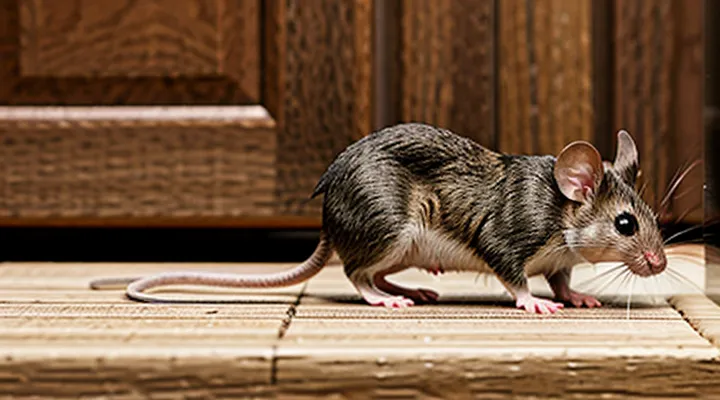
Understanding Mouse Repellents
Types of Mouse Repellents
Natural Repellents
Natural repellents offer a low‑toxicity alternative for deterring rodents in residential and commercial settings. Their effectiveness depends on several measurable factors that can be evaluated before selection.
Key evaluation criteria include:
• Active ingredient potency – concentration of compounds such as peppermint oil, citronella, or eucalyptus that repel mice through olfactory disruption.
• Duration of effect – length of time the scent remains active before reapplication is required.
• Safety profile – absence of hazardous chemicals, suitability for households with pets or children, and compliance with regulatory standards.
• Application method – ease of use, whether the product is a spray, granule, or impregnated fabric, and compatibility with existing pest‑management routines.
• Cost efficiency – price per unit of coverage relative to expected lifespan of the repellent.
Common natural options:
• Peppermint oil – strong menthol aroma, widely documented to discourage mouse activity; typically applied on cotton balls or diluted for spray use.
• Cedar wood products – natural oils released from cedar lumber or shavings create an unfriendly environment for rodents; effective when placed in concealed areas.
• Clove and cinnamon mixtures – volatile compounds that irritate rodent sensory receptors; suitable for powdered or liquid formulations.
• Ultrasonic devices paired with botanical scents – combine sound frequencies with natural essential oils to enhance deterrence without chemical residues.
When comparing products, prioritize those that provide verified concentration levels, transparent ingredient lists, and independent efficacy testing. Selecting a natural repellent that meets the above criteria ensures a balanced approach to rodent control while maintaining a safe indoor environment.
Electronic Repellents
Electronic repellents use ultrasonic or electromagnetic emissions to deter rodents without chemicals or traps. Devices emit frequencies typically above 20 kHz, a range inaudible to humans but uncomfortable for mice, prompting them to vacate the area.
Key criteria for evaluating electronic solutions include:
- Frequency range: broader spectrum increases effectiveness against diverse rodent species.
- Coverage area: specifications should match the size of the intended space, measured in square meters.
- Power source: mains‑powered units provide continuous operation; battery models require regular replacement.
- Safety certifications: compliance with standards such as CE or FCC ensures electromagnetic emissions remain within legal limits.
- Adjustable settings: selectable modes allow adaptation to varying infestation levels and minimize habituation.
Recommended selections prioritize devices that combine multi‑frequency output with a proven coverage radius exceeding the target environment. Models possessing automatic shut‑off timers and integrated fail‑safe indicators receive higher reliability ratings. When installing, place units at elevated points and avoid obstruction by furniture, ensuring unobstructed propagation of ultrasonic waves. Continuous monitoring of rodent activity confirms the system’s efficacy and informs any necessary adjustments.
Chemical Repellents
Chemical repellents constitute a distinct class of mouse deterrents that function by releasing volatile compounds irritating to rodents’ sensory receptors. The effect is immediate, non‑contact, and compatible with indoor or outdoor environments.
Key criteria for evaluating chemical options include:
- Active ingredient safety for humans and pets, documented through toxicological assessments.
- Potency measured by concentration required to achieve repellency in controlled trials.
- Persistence of effect, expressed in hours or days before reapplication becomes necessary.
- Odor intensity, ensuring the scent does not exceed acceptable thresholds for occupants.
- Environmental impact, encompassing biodegradability and lack of residual contamination.
- Application format, such as aerosol, liquid concentrate, or impregnated strips, matched to the target area.
Recommendations based on these criteria:
- Products containing peppermint oil, presented as «Peppermint‑based spray», provide strong olfactory deterrence while maintaining low toxicity.
- Formulations with cinnamon oil, listed as «Cinnamon oil concentrate», deliver prolonged repellency when applied to entry points.
- Synthetic compounds like methyl anthranilate, marketed under the name «Methyl anthranilate aerosol», offer high potency with a short re‑application interval.
- Commercially available rodent‑specific granules, labeled «Rodent repellent granules», allow uniform distribution in crawl spaces and exhibit extended residual activity.
Selection should align the active ingredient’s safety profile with the intended setting, prioritize formulations that sustain effectiveness for the required duration, and favor application methods that facilitate thorough coverage of potential ingress points.
How Mouse Repellents Work
Deterring vs. Eliminating
Deterring and eliminating represent two fundamentally different objectives in rodent management. Deterrence focuses on preventing mice from entering a space by creating an environment that is unattractive or threatening, while elimination seeks to reduce or eradicate an existing population through lethal or capture‑based methods.
When evaluating products, consider the following criteria:
- Mechanism of action – non‑lethal repellents (ultrasonic, scent‑based, taste‑aversion) align with deterrence; traps, poisons, and snap devices correspond to elimination.
- Duration of effectiveness – sustained release formulations maintain deterrent pressure for weeks, whereas lethal solutions act until the target individuals are removed.
- Safety profile – deterrents typically pose minimal risk to humans, pets, and non‑target wildlife; elimination tools may require strict handling procedures and containment.
- Regulatory compliance – verify that lethal agents meet local pest‑control regulations; many deterrent products are exempt from such restrictions.
- Cost‑per‑application – recurring purchase of scent or ultrasonic devices can outweigh a one‑time investment in traps, depending on infestation severity.
Recommendations:
- Choose deterrent solutions for early‑stage infestations, areas with high human or pet traffic, and situations where chemical exposure must be avoided.
- Opt for elimination methods when monitoring confirms an established population, damage is ongoing, or rapid population reduction is essential.
- Combine both approaches in a layered strategy: install deterrent devices to limit re‑entry, and deploy traps or baits to address individuals already present.
- Periodically reassess effectiveness, adjusting product type or placement based on observed mouse activity.
A balanced assessment of these factors ensures selection of a mouse repellent that aligns with the specific control objective, whether preventing entry or removing occupants.
Mechanisms of Action
Effective mouse deterrents rely on distinct biological or physical processes that disrupt rodent behavior. Understanding these processes clarifies why certain products outperform others in specific environments.
• Chemical irritants release volatile compounds that trigger sensory receptors in the olfactory or nasal epithelium, producing aversion without causing toxicity. Examples include peppermint oil, capsaicin, and ammonia‑based formulations.
• Ultrasonic devices emit high‑frequency sound waves beyond human hearing range; rodents perceive the tones as stressful, leading to avoidance of the treated area. Frequency modulation and pulse patterns enhance efficacy.
• Mechanical barriers, such as sealed entry points and trap‑ready surfaces, prevent access and create physical obstacles that rodents cannot bypass. Proper installation eliminates hidden pathways.
• Biological agents, including predator urine or synthetic pheromones, exploit innate fear or territorial responses, prompting mice to vacate the vicinity. Consistent reapplication maintains the perceived threat.
Each mechanism targets a specific sensory or behavioral pathway, allowing users to match a repellent’s mode of action with the characteristics of the infestation site. Selecting a product whose mechanism aligns with the environment maximizes deterrent performance while minimizing unintended side effects.
Key Criteria for Choosing a Mouse Repellent
Effectiveness and Efficacy
Scientific Evidence
Scientific evidence provides the foundation for evaluating mouse repellents, distinguishing products that demonstrate measurable efficacy from those lacking empirical support.
Laboratory assays quantify repellent activity by measuring reductions in mouse visitation or feeding behavior under controlled conditions. Field trials extend these findings, documenting performance in real‑world environments such as residential basements, agricultural storage facilities, and commercial warehouses. Toxicological studies assess acute and chronic effects on non‑target organisms, while environmental assessments examine persistence, degradation pathways, and potential impacts on soil and water quality.
Key criteria derived from peer‑reviewed research include:
- Demonstrated reduction of mouse activity by at least 50 % in standardized laboratory tests.
- Consistent efficacy of 30 % or greater in field trials of minimum three months’ duration.
- Low acute toxicity (LD₅₀ > 2000 mg kg⁻¹) for mammals and birds, as reported in validated toxicology databases.
- Rapid degradation (half‑life < 30 days) in typical indoor conditions, minimizing long‑term residue buildup.
- Absence of documented resistance development in target rodent populations after repeated exposure.
Products meeting these benchmarks receive endorsement from regulatory agencies and professional pest‑management organizations. Selection should prioritize repellents with transparent data packages, including study protocols, statistical analyses, and independent verification. Preference for formulations with documented safety profiles and environmentally benign degradation pathways reduces collateral risks while maintaining effective mouse control.
User Reviews and Testimonials
User reviews provide practical insight into a repellent’s performance under real‑world conditions. Consumers typically note the duration of effectiveness, the scent’s acceptability in living spaces, and any observed side effects on pets or children. Reviews often include quantitative details such as the number of weeks a product remained active, which helps compare longevity across brands.
Testimonials highlight common issues that may not appear in manufacturer specifications. Frequently mentioned factors include:
- Consistency of the active ingredient’s release over time.
- Compatibility with various household environments (kitchens, basements, garages).
- Ease of installation and maintenance requirements.
- Reported instances of mouse activity after application, indicating residual protection.
When evaluating feedback, prioritize sources that present verifiable data, such as timestamps, photographs, or video evidence. Cross‑reference multiple accounts to identify patterns; isolated positive statements without supporting details may lack reliability. Direct quotations from consumers illustrate typical experiences, for example: «The device eliminated mouse sightings after three days and continued to work for six weeks without re‑application».
Aggregated ratings, combined with detailed testimonial content, form a critical component of the decision‑making process, complementing technical specifications and safety assessments.
Safety Considerations
Pet Safety
When selecting a rodent deterrent, the well‑being of household animals must be a primary consideration. Toxic chemicals, strong odors, and physical traps can pose direct hazards to cats, dogs, and small mammals.
Key factors for pet‑friendly deterrents include: - Toxicity profile: Choose products certified as non‑poisonous to animals. - Odor intensity: Opt for low‑scent formulations to avoid respiratory irritation. - Physical design: Prefer humane traps that prevent accidental injury. - Placement strategy: Install devices out of reach of pets, such as ceiling‑mounted ultrasonic emitters. - Material safety: Verify that plastics or coatings do not contain harmful additives.
Safe options commonly recommended for homes with pets are: - Ultrasonic emitters labeled «pet‑safe», which emit high‑frequency sounds inaudible to humans but disruptive to rodents. - Natural repellents based on peppermint oil or citrus extracts, provided the concentration complies with veterinary safety guidelines. - Electronic bait stations that dispense non‑lethal deterrents without exposing pets to poisonous substances. - Snap‑free traps constructed from smooth plastic, equipped with a secure enclosure to prevent pet access.
Implementing these criteria ensures effective rodent control while maintaining a secure environment for all companion animals.
Child Safety
Selecting a mouse repellent for households with children requires strict attention to safety, toxicity, and ease of use. Products that rely on chemical agents must meet established pediatric toxicity standards; certifications from agencies such as the Environmental Protection Agency (EPA) or the European Chemicals Agency (ECHA) provide reliable verification. Non‑chemical options—ultrasonic devices, peppermint oil dispensers, and physical traps—avoid ingestion risks but demand secure installation to prevent accidental contact.
Key safety criteria include:
- Absence of toxic ingredients confirmed by third‑party testing.
- Child‑proof packaging that resists opening by small hands.
- Minimal residual odor or residue that could irritate sensitive respiratory systems.
- Clear labeling of hazards, including age‑specific warnings.
- Compatibility with other household safety measures, such as fire‑retardant furnishings.
Recommendations for child‑friendly repellents:
- Ultrasonic emitters with automatic shut‑off when tampered with; ensure models carry a CE mark for electronic safety.
- Natural oil diffusers using diluted peppermint or eucalyptus; select units equipped with sealed cartridges to prevent spills.
- Mechanical traps designed with enclosed chambers; opt for models that lock automatically after capture, eliminating exposure to live rodents.
- Integrated pest‑management kits that combine low‑toxicity granules with barrier sealing instructions; verify that granules are labeled non‑hazardous for children over three years old.
Implementation steps:
- Verify product documentation for compliance with child‑safety regulations before purchase.
- Install devices out of reach, preferably mounted high on walls or concealed within furniture.
- Conduct regular inspections to confirm that seals remain intact and that no debris accumulates.
- Educate caregivers about proper disposal procedures for captured rodents or used cartridges.
Adhering to these criteria ensures effective rodent control while maintaining a safe environment for children.
Environmental Impact
Environmental impact determines the suitability of any rodent deterrent. Toxicity to non‑target wildlife, persistence in soil and water, and the potential for bioaccumulation must be evaluated before purchase.
Key criteria include:
- Acute and chronic toxicity levels for mammals, birds, amphibians, and insects; preferably «low‑toxicity» ratings.
- Biodegradability; products described as «biodegradable» or «readily degradable» reduce long‑term residue.
- Target specificity; formulations that act only on rodents limit collateral damage.
- Regulatory status; compliance with EPA, EU REACH, or comparable standards ensures legal use.
- Environmental persistence; short half‑life in soil and water minimizes contamination risks.
Recommendations prioritize natural repellents such as essential‑oil‑based sprays, granular formulations containing «peppermint» or «clove» extracts, and mechanical barriers that avoid chemical release. When synthetic options are necessary, select active ingredients with documented rapid degradation and low ecological toxicity, and follow label instructions to prevent overdosing. Integrating habitat modification—sealing entry points, removing food sources, and maintaining cleanliness—supplements chemical measures and further reduces environmental burden.
Application and Maintenance
Ease of Use
Ease of use determines whether a mouse repellent can be deployed quickly and maintained without specialized knowledge. A product that requires complex assembly, precise dosage calculations, or frequent adjustments increases the likelihood of user error and reduces overall effectiveness.
Key attributes that define user‑friendliness include:
- Simple activation mechanism, such as a plug‑in, snap‑on, or single‑step insertion.
- Clear, illustrated instructions that eliminate ambiguity.
- Minimal maintenance, for example, long‑lasting cartridges or self‑resetting sensors.
- Compact design that fits typical household locations without obstructing traffic.
- Safety features that prevent accidental exposure to humans or pets, such as sealed housings or low‑voltage operation.
When evaluating options, prioritize models that combine these attributes with proven efficacy. Products offering a “set‑and‑forget” experience typically provide the most reliable protection while minimizing the time and effort required from the consumer.
Required Reapplication Frequency
When evaluating a mouse deterrent, the interval between applications determines long‑term efficacy. Reapplication frequency depends on the repellent’s active mechanism, environmental exposure, target infestation level, and product stability.
Key determinants include:
- Mechanism type – Chemical sprays lose potency as the active ingredient degrades, typically requiring renewal every 7–14 days. Ultrasonic devices maintain output but may need reset after power loss or relocation. Natural oil‑based products evaporate faster, often necessitating weekly reapplication.
- Environmental factors – High humidity, temperature fluctuations, and direct sunlight accelerate degradation. Areas with frequent cleaning or ventilation demand more frequent treatment.
- Infestation pressure – Detectable mouse activity, such as droppings or gnaw marks, signals the need for earlier reapplication regardless of schedule.
- Manufacturer specifications – Product labels often list maximum effective duration; adhering to these limits ensures compliance with safety standards.
Recommended reapplication schedule:
- Weekly – Natural oils, essential‑oil blends, and any formulation exposed to moisture.
- Biweekly – Conventional chemical sprays with moderate durability.
- Monthly – Long‑acting granules or bait stations designed for extended release.
- After disturbance – Reset ultrasonic units after power outage, relocation, or cleaning of the device area.
Monitoring mouse activity and environmental conditions allows timely adjustment of the reapplication cycle, preserving deterrent performance without unnecessary waste.
Coverage Area
When evaluating a mouse deterrent, the extent of the area it can protect determines whether a single unit suffices or multiple devices are required. «Coverage Area» refers to the radius or square footage within which the product exerts its repellent effect. Manufacturers typically specify this metric in meters or square feet; however, real‑world performance depends on structural factors such as wall density, ventilation, and obstacles that can attenuate ultrasonic or pheromone emissions.
Key considerations for assessing coverage:
- Physical dimensions of the target space (e.g., kitchen, basement, entire floor)
- Presence of barriers (solid walls, metal doors) that limit signal propagation
- Layout complexity (open plan versus subdivided rooms)
- Intended duration of protection (continuous vs. intermittent operation)
Selecting a device whose declared coverage matches or exceeds the measured area eliminates the need for additional units, reduces installation effort, and ensures consistent deterrence throughout the environment. If the specified range falls short of the required footprint, supplemental placement or a higher‑output model should be considered.
Cost-Effectiveness
Initial Purchase Price
The initial purchase price determines the immediate financial commitment required to acquire a mouse repellent. Buyers must assess this amount before evaluating performance, durability, or maintenance costs.
- Price range defines the market segment: budget models often cost under $20, mid‑range options fall between $20 and $50, premium devices exceed $50.
- Unit price correlates with technology: ultrasonic units, electronic traps, and chemical dispensers each have characteristic cost structures.
- Quantity discounts apply when multiple units are purchased for larger spaces; bulk pricing can reduce per‑unit expense substantially.
- Warranty length influences perceived value; longer coverage may justify a higher upfront fee.
Budget considerations should align with the scale of the infestation and the intended duration of use. Low‑cost devices may provide temporary relief but often lack advanced features such as adjustable frequencies or durable construction. Higher‑priced models typically incorporate stronger emitters, reinforced casings, and extended warranty periods, which can lower total ownership cost over time.
When comparing alternatives, calculate the cost per square foot of coverage and the expected lifespan of the product. A device priced at $45 that effectively protects 1,000 sq ft for three years may represent a more economical choice than a $30 unit covering only 300 sq ft with a one‑year lifespan. Balancing initial outlay with coverage efficiency and longevity yields a financially sound selection.
Long-Term Expenses
When evaluating a mouse deterrent, the projected financial commitment extends beyond the initial purchase price. Understanding the full spectrum of long‑term expenses prevents unexpected budget overruns and supports sustainable pest management.
Key cost components include:
- Acquisition cost – price of the device or product at the time of purchase.
- Replacement frequency – interval at which consumables (e.g., bait, traps, ultrasonic cartridges) must be renewed.
- Energy consumption – electricity usage for electronic repellents, expressed in kilowatt‑hours per year.
- Maintenance requirements – routine cleaning, calibration, or servicing needed to preserve efficacy.
- Disposal or disposal‑related fees – costs associated with safely discarding used traps or chemical agents.
Durability directly influences replacement frequency. Products built with robust materials typically demand fewer replacements, reducing ongoing outlays. Conversely, low‑cost models often require frequent consumable purchases, elevating total expenditure over a multi‑year horizon.
Energy‑intensive devices should be compared on a per‑kilowatt‑hour basis. An ultrasonic unit drawing 5 W continuously consumes roughly 44 kWh annually; at an average electricity rate of $0.13 per kWh, the yearly cost approaches $5.70. Selecting a model with a programmable timer can halve this figure.
Recommendations for cost‑effective selection:
- Prioritize solutions with documented longevity and low consumable turnover.
- Calculate the annualized cost of ownership by adding acquisition amortization, expected consumable spend, and energy usage.
- Verify warranty terms; extended coverage mitigates unforeseen repair expenses.
- Review independent performance data to ensure that reduced price does not compromise effectiveness, thereby avoiding repeated re‑purchasing.
«Effective rodent control reduces recurring expenses» by limiting damage to property and food stores, reinforcing the financial benefit of a well‑chosen, long‑lasting mouse repellent.
Value for Money
When evaluating a mouse deterrent, the primary economic benchmark is «value for money». This benchmark balances purchase cost against performance, longevity, and ancillary expenses such as maintenance or replacement parts.
Key factors that determine economic efficiency include:
- Purchase price relative to advertised coverage area.
- Measured efficacy in reducing mouse activity per unit cost.
- Expected service life before performance degradation.
- Frequency and cost of consumables, such as bait or battery replacements.
- Safety certifications that may reduce liability or additional protective measures.
Products delivering the highest economic return typically combine moderate upfront cost with proven long‑term effectiveness. Ultrasonic emitters priced in the mid‑range often achieve sustained deterrence without recurring expenses. Heavy‑duty snap traps, when constructed from durable materials, provide low per‑unit cost and minimal maintenance. Natural repellents formulated with concentrated active ingredients offer competitive pricing when applied correctly, extending coverage intervals. Selecting a solution that meets these criteria ensures optimal allocation of resources while maintaining effective rodent control.
Recommendations Based on Specific Situations
Repellents for Indoor Use
Kitchens and Pantries
Kitchens and pantries attract rodents because of abundant food residues and concealed entry points. An effective deterrent must neutralize scent cues, remain safe around food, and function reliably in humid environments.
- Strong, non‑food‑based odor that rodents find repulsive, without contaminating stored goods.
- Certification confirming food‑grade safety, ensuring no chemical transfer to consumables.
- Continuous action period of at least several weeks, reducing the need for frequent replacement.
- Non‑toxic formulation for humans, children, and pets, preventing health risks in high‑traffic areas.
- Resistance to moisture and grease, preserving efficacy near sinks, stoves, and pantry shelves.
Ultrasonic emitters positioned near countertops and behind pantry doors provide constant acoustic disturbance without residue. Natural repellents containing peppermint oil or clove extract, applied to baseboards and entry gaps, offer a chemical‑free alternative. Sealed, airtight containers for dry goods eliminate interior food sources, complementing any active deterrent. Combining barrier sealing with a long‑lasting, food‑safe repellent maximizes protection against mouse intrusion in culinary spaces.
Attics and Basements
Attics and basements present distinct environmental challenges that influence the effectiveness of mouse deterrents. Limited ventilation, temperature fluctuations, and structural gaps create favorable conditions for rodent activity. Selecting a product that addresses these factors ensures long‑term protection in both spaces.
Key considerations include:
- Safety for occupants – non‑toxic formulations prevent health risks in confined areas.
- Coverage area – sufficient spread to reach hidden cavities, rafters, and crawl spaces.
- Application method – spray, granule, or ultrasonic devices suited to vertical surfaces and low‑lying floors.
- Moisture resistance – performance maintained despite condensation in basements or attic humidity.
- Odor tolerance – low‑odor options prevent discomfort in living spaces directly connected to the attic.
- Durability – resistance to dust, insulation materials, and occasional cleaning cycles.
Recommendations prioritize products that combine chemical repellents with physical barriers, such as steel mesh or sealed entry points, to reduce reliance on scent alone. Ultrasonic devices, when placed at strategic intervals, can supplement chemical methods, especially in inaccessible attic corners. Regular inspection of sealants and insulation integrity complements any deterrent, reinforcing a comprehensive mouse management strategy.
Living Spaces
When selecting a mouse deterrent for residential interiors, prioritize human and pet safety. Choose products that are certified non‑toxic and free of hazardous chemicals, ensuring they do not compromise indoor air quality.
Effectiveness depends on the repellent’s mode of action. Options include ultrasonic devices, natural scent emitters, and trap‑based systems. Verify that the chosen method targets rodents without harming beneficial insects or causing structural damage.
Consider odor impact. Strong fragrances may be unpleasant for occupants; low‑odor formulations or silent electronic units preserve the comfort of living areas.
Application method influences practicality. Products that attach easily to walls, ceilings, or furniture reduce installation time. Portable units allow repositioning as needed, while permanent fixtures provide continuous coverage.
Durability and maintenance affect long‑term performance. Select devices with verified lifespan ratings, replaceable components, or low‑maintenance designs to avoid frequent servicing.
Environmental responsibility matters. Preference should be given to repellents that minimize ecological footprints, such as those powered by renewable energy or constructed from recyclable materials.
Key selection criteria:
- Safety certification for humans and pets
- Proven rodent deterrence efficacy
- Minimal odor or silent operation
- Simple installation and relocation options
- Specified service life and easy maintenance
- Eco‑friendly manufacturing and disposal
Applying these standards ensures that mouse control measures integrate seamlessly with everyday living spaces, maintaining habitability while preventing infestations.
Repellents for Outdoor Use
Gardens and Yards
Mice frequently invade gardens and yards, damaging plants, contaminating soil, and threatening small livestock. Effective control begins with a clear set of selection criteria.
Key criteria include:
- Toxicity profile: products must pose minimal risk to vegetables, ornamental flora, pets, and children.
- Environmental impact: preference for biodegradable or low‑residue formulations.
- Coverage radius: sufficient area per unit to reduce the number of applications.
- Longevity: duration of active protection under outdoor conditions.
- Application method: ease of spreading, spraying, or installing devices in irregular terrain.
- Cost per square foot: balance between upfront expense and long‑term efficacy.
Recommended options for outdoor use:
- Granular repellents containing natural oils such as peppermint or rosemary, applied along perimeter rows and near planting beds.
- Liquid sprays formulated with plant‑derived compounds, suitable for direct foliage treatment and mulch layers.
- Ultrasonic emitters placed at strategic points (e.g., garden edges, compost piles) to create a continuous deterrent field.
- Physical barriers, including metal mesh or hardware cloth, installed around garden beds and under raised planters to block entry.
Practical implementation steps:
- Survey the area to identify entry points, nesting sites, and food sources.
- Deploy the chosen repellent according to manufacturer guidelines, ensuring even distribution across identified zones.
- Combine chemical or ultrasonic measures with habitat modification: remove debris, store feed securely, and maintain tidy borders.
- Monitor rodent activity weekly; adjust placement or dosage if signs of activity persist.
Adhering to these criteria and recommendations maximizes protection for gardens and yards while preserving ecological balance.
Garages and Sheds
Garages and sheds present unique challenges for mouse control because they combine open ventilation, stored materials and fluctuating temperatures. Effective deterrents must address these conditions while remaining safe for humans and pets that may enter the space.
Key criteria for selecting a suitable mouse repellent for these structures include:
- Resistance to dust, grease and moisture; devices should continue operating despite exposure to oil spills or rain.
- Coverage area matching the typical size of a garage or shed; larger units or multiple devices may be required for high‑ceiling spaces.
- Power source flexibility; battery‑operated or solar‑powered options avoid reliance on fixed wiring.
- Non‑toxic formulation; repellents must not contaminate tools, vehicles or stored items.
- Low noise emission; ultrasonic models should not interfere with hearing protection used in workshops.
- Ease of installation; wall‑mounted or plug‑in units should attach without drilling into structural beams.
Recommended solutions that satisfy these criteria:
- Ultrasonic emitters with sealed housings, positioned at opposite corners to create overlapping fields.
- Commercial scent dispensers containing peppermint or eucalyptus oil, placed in sealed containers to prevent evaporation from heat.
- Rodent‑proof mesh (¼‑inch gauge) applied to ventilation openings and door gaps; tape‑backed strips simplify retrofitting.
- Boric‑acid bait stations encased in tamper‑proof containers, positioned away from work surfaces.
- Smart devices integrating motion sensors and audible alerts, powered by rechargeable batteries for uninterrupted operation.
Implementation steps:
- Inspect all entry points, seal gaps with steel wool or mesh.
- Install chosen emitters at a height of 4–6 feet to maximize field distribution.
- Distribute scent dispensers evenly, replacing cartridges every 30 days.
- Position bait stations along wall edges, away from tools and food supplies.
- Verify device functionality weekly and adjust placement if mouse activity persists.
Adhering to these guidelines ensures comprehensive mouse deterrence in garages and sheds while preserving the safety and integrity of stored equipment.
Repellents for Sensitive Environments
Homes with Pets
Choosing a mouse deterrent for a household that includes cats, dogs, or other pets requires attention to safety, efficacy, and practicality.
Key criteria for evaluating products:
- Non‑toxic ingredients confirmed by veterinary toxicology assessments.
- Absence of strong odors that may distress animals or cause respiratory irritation.
- Formulation that resists chewing or ingestion, such as sealed dispensers or wall‑mounted units.
- Proven effectiveness against common rodent species, supported by independent field trials.
- Compatibility with existing pet hygiene routines, including ease of cleaning and maintenance.
Recommendations for pet‑friendly environments:
- Opt for ultrasonic devices that emit frequencies beyond the audible range of most mammals; verify that the model includes a safety lock to prevent accidental exposure.
- Select bait‑free traps employing mechanical capture mechanisms, such as live‑catch cages with smooth interiors that minimize injury.
- Use natural repellents containing peppermint oil or citrus extracts at concentrations below the irritation threshold for pets; apply to exterior perimeters rather than interior surfaces.
- Implement preventive measures—seal entry points, store food in sealed containers, and maintain regular cleaning schedules—to reduce attractants without relying on chemical agents.
Adhering to these standards ensures rodent control while preserving the health and comfort of companion animals. «Pets deserve safe environments».
Homes with Young Children
When children are present, safety dominates every decision about pest control. Choose products that eliminate rodents without exposing young users to toxic chemicals, strong odors, or choking hazards.
Key criteria for family‑friendly mouse deterrents:
- Non‑chemical formulation – ultrasonic devices, traps with enclosed capture chambers, or natural repellents such as peppermint oil diluted to safe levels.
- Child‑proof design – mechanisms that cannot be opened or triggered by small hands; lockable bait stations meet this requirement.
- Certification – compliance with EPA or equivalent safety standards confirms that the product has undergone rigorous testing for residential use.
- Maintenance simplicity – easy‑to‑clean components reduce the risk of accidental contact with trapped rodents or residues.
- Noise level – ultrasonic units should operate below 40 dB to avoid discomfort for infants and toddlers.
Recommendations for households with young children:
- Install sealed snap traps that conceal the kill zone; place them behind appliances or under cabinets where children cannot reach.
- Deploy ultrasonic emitters in rooms where rodents are active, ensuring the device is positioned out of direct line of sight to prevent tampering.
- Apply a diluted peppermint oil solution on entry points; use cotton balls secured in inaccessible locations.
- Avoid glue boards and poison baits; both present ingestion risks and are unsuitable for environments with curious children.
- Conduct regular inspections of entry gaps; seal openings with steel wool and caulk to prevent infestations without chemical intervention.
By prioritizing non‑toxic, child‑secure solutions and adhering to recognized safety standards, families can protect both their children and their homes from mouse damage.
Food Storage Areas
Food storage areas demand mouse deterrents that protect consumables without contaminating them. Selection criteria focus on safety, performance, durability, odor control, and regulatory compliance.
- Safety for food contact: Materials must be non‑toxic, approved for proximity to edible products, and free of residues that could migrate to stored items.
- Proven efficacy: Evidence of reduced rodent activity under conditions similar to the storage environment, measured by independent testing or documented field results.
- Longevity: Devices or products should maintain effectiveness for the expected storage period, minimizing the need for frequent replacement.
- Odor neutrality: Solutions must not emit strong scents that could affect the flavor or quality of foodstuffs.
- Compliance: Products must meet relevant health and safety standards, such as FDA, EU food‑contact regulations, or local sanitary codes.
Recommendations align with the criteria above. Ultrasonic emitters calibrated for low‑frequency ranges effectively deter mice while remaining silent to human workers; they require periodic verification of power output. Sealed, bait‑free traps constructed from stainless steel provide physical barriers without risking food contamination and can be inspected visually for activity. Natural repellents based on peppermint oil or predator urine, when applied to entry points in sealed containers, offer short‑term deterrence and must be re‑applied according to manufacturer schedules. For large warehouses, a layered approach—combining ultrasonic devices with sealed traps and regular inspection of storage seals—delivers comprehensive protection while adhering to safety and regulatory requirements.
Best Practices for Mouse Repellent Use
Integrated Pest Management Approach
Combining Repellents with Other Methods
Combining mouse repellents with complementary control methods maximises protection and reduces the likelihood of infestation. Repellents alone may deter activity temporarily, but integration with physical barriers and sanitation practices creates a multi‑layered defence that addresses both attraction and entry points.
Effective integration includes:
- Sealing gaps and cracks in walls, floors, and foundations to eliminate access routes.
- Installing snap traps or humane catch‑and‑release devices in high‑traffic zones identified by rodent signs.
- Maintaining a clean environment by storing food in sealed containers, promptly disposing of waste, and removing clutter that offers shelter.
- Employing natural deterrents such as peppermint oil or ultrasonic devices alongside chemical repellents to diversify stimulus exposure.
- Conducting regular inspections to verify the integrity of seals, the placement of traps, and the potency of repellent applications.
Each component targets a specific aspect of rodent behaviour: repellents disrupt foraging, barriers block entry, traps remove individuals that breach defenses, and hygiene eliminates attractants. Coordinated use ensures that if one measure loses effectiveness, others continue to provide protection, resulting in sustained control with minimal reliance on any single technique.
Sealing Entry Points
Sealing entry points is a fundamental step in any mouse‑deterrent strategy. By eliminating gaps, cracks, and openings, the need for chemical or electronic repellents decreases, reducing reliance on additional control measures.
Effective sealing requires systematic assessment of the building envelope. Start with exterior walls, checking for gaps around utility penetrations, vent pipes, and foundation joints. Interior inspection should focus on baseboards, under‑door thresholds, and cabinet backs. Identify openings larger than a quarter of an inch, as mice can squeeze through significantly smaller spaces.
Recommended materials and methods:
- Steel wool or copper mesh for irregular gaps, followed by caulking to secure the filler.
- Expanding polyurethane foam for larger voids, applied in thin layers to avoid over‑expansion.
- Silicone or acrylic sealants for seams around windows, doors, and trim.
- Metal flashing or hardware cloth (¼‑inch mesh) to cover vent openings and crawl spaces.
Application guidelines:
- Clean each gap to remove debris and dust, ensuring adhesion.
- Insert filler material, compressing firmly to fill the entire opening.
- Apply sealant over the filler, smoothing the surface for a continuous barrier.
- Inspect completed work after 24 hours, confirming no residual openings remain.
Regular maintenance checks, especially after seasonal temperature changes, help preserve the integrity of sealed areas. Maintaining a tight building envelope complements other deterrent options and contributes to long‑term mouse control.
Monitoring and Evaluation
Tracking Mouse Activity
Tracking mouse activity provides the factual basis for selecting an effective repellent. Accurate data reveal where rodents enter, how often they travel, and which areas sustain the highest traffic. This information directs the placement, type, and timing of deterrent measures, reducing waste and increasing success rates.
Common techniques for monitoring rodent movement include:
- Visual inspection of walls, baseboards, and stored goods for gnaw marks and nesting material.
- Application of non‑toxic tracking powders at suspected entry points; footprints become visible under low‑light conditions.
- Installation of electronic motion sensors that record activity timestamps and frequency.
- Use of bait stations equipped with small, removable trays that capture droppings for later counting.
- Placement of adhesive boards to collect footprints and assess directional flow.
- Periodic collection of droppings for species identification and population estimates.
Interpreting collected data involves identifying peak activity periods, mapping preferred pathways, and pinpointing hotspot zones. Frequency counts indicate the intensity of infestation, while directional patterns expose entry and exit routes. These metrics guide the selection of repellent technologies: high‑traffic corridors may benefit from continuous ultrasonic emitters, while isolated nests respond better to localized chemical barriers or natural deterrents such as peppermint oil.
Recommendations for integrating activity tracking into a repellent strategy:
- Deploy at least two monitoring methods simultaneously to cross‑validate findings.
- Conduct observations over a minimum of seven days to capture daily variation.
- Map results on a floor plan, marking entry points, travel lanes, and concentration clusters.
- Match each hotspot with the most suitable deterrent type, ensuring coverage without overlapping conflicting devices.
- Re‑evaluate activity levels after implementation; adjust placement or switch technologies if activity persists.
Systematic tracking transforms repellent selection from guesswork to evidence‑based practice, delivering consistent reductions in mouse presence.
Adjusting Repellent Strategies
When a mouse repellent shows diminished efficacy, modify the approach rather than replace the product outright. Identify the point of failure by tracking activity levels, noting whether rodents bypass barriers, ignore scent cues, or become habituated to the active ingredient. Adjustments may involve increasing concentration within safe limits, repositioning devices to cover blind spots, or integrating complementary tactics such as physical traps and habitat modification.
Key actions for refining a repellent plan include:
- Rotate active compounds every 4‑6 weeks to prevent tolerance buildup.
- Combine ultrasonic emitters with scent‑based formulas to address both auditory and olfactory sensitivities.
- Enhance environmental deterrents by sealing entry points, removing food sources, and maintaining low humidity, which discourages nesting.
- Conduct seasonal reviews; colder months often require stronger odorants, while warmer periods may benefit from higher‑frequency sound waves.
Continuous evaluation ensures that the selected solution remains effective, minimizes the need for wholesale product changes, and sustains long‑term rodent control.
Common Mistakes to Avoid
Over-reliance on One Method
Over‑reliance on a single mouse‑deterrent technique often results in diminished control as rodents quickly develop tolerance to repeated exposure. When a method is applied exclusively, the likelihood of avoidance behavior increases, and the overall success rate drops.
Effective selection of a mouse repellent should consider several factors. Diversity of action, documented efficacy, safety for non‑target species, and ease of maintenance each contribute to long‑term performance. A method that addresses multiple sensory pathways—such as odor, sound, and physical barriers—provides a more resilient solution than any solitary approach.
Practical recommendations:
- Combine mechanical traps with entry‑point sealing to limit access and capture any intruders that bypass barriers.
- Pair ultrasonic emitters with non‑chemical repellents, rotating devices every few weeks to prevent habituation.
- Use bait stations in conjunction with natural deterrents (e.g., peppermint oil) to sustain attraction while discouraging repeated foraging in the same area.
- Schedule periodic evaluation of each component, replacing or adjusting elements that show reduced effectiveness.
Implementing a multi‑method strategy reduces the risk of adaptation, maintains higher control levels, and supports consistent results across varied environments.
Incorrect Placement
Incorrect placement of a mouse repellent reduces efficacy and may increase the likelihood of infestation. Positioning devices away from active travel routes, near food sources, or in areas with high moisture creates gaps that rodents can bypass.
Common errors include mounting repellents on smooth surfaces that prevent proper adhesion, placing them at heights above typical mouse movement, and installing multiple units too closely together, which can cause overlapping fields and diminish overall coverage.
Effective placement follows three principles: target established pathways, maintain proximity to entry points, and ensure stable attachment to appropriate substrates. Adhering to these guidelines maximizes the chemical or ultrasonic field and discourages rodent activity.
Recommendations for proper installation:
- Identify mouse runways by observing droppings, gnaw marks, and nesting material; position repellents directly along these lines.
- Mount devices on solid, textured surfaces such as wood or plaster; avoid glossy tiles or polished metal.
- Set height between 6 and 12 inches above the floor, matching the typical head level of a mouse.
- Keep a minimum distance of 12 inches from each other to prevent field interference.
- Verify that power sources or batteries are secure and not obstructed by furniture or clutter.
Regular inspection confirms that units remain affixed and functional. Adjust placement promptly if signs of activity reappear, ensuring continuous protection.
Ignoring Underlying Issues
When a consumer selects a mouse deterrent without addressing the underlying causes of infestation, the remedy often fails to achieve lasting control. Persistent access points, such as gaps in walls or unsealed storage containers, provide continuous entry for rodents regardless of the repellent’s potency. Ignoring these factors leads to repeated purchases, increased exposure to chemicals, and potential escalation of the problem.
Effective evaluation of a mouse repellent therefore includes a checklist that confirms the presence of a comprehensive approach:
- Identify and seal all structural openings that permit rodent entry.
- Assess food sources and implement proper storage practices.
- Verify that the chosen product targets the specific species present in the environment.
- Ensure that the application method aligns with the layout of the infested area.
- Review the safety profile for humans and non‑target animals.
Recommendations emphasize integrating environmental management with the selected deterrent. Products that rely solely on scent or ultrasonic emission may appear attractive, but their efficacy diminishes when rodents can bypass the treated zone through unchecked gaps. Selecting a solution that complements remediation of «underlying issues» maximizes long‑term effectiveness and reduces reliance on repeated chemical interventions.