
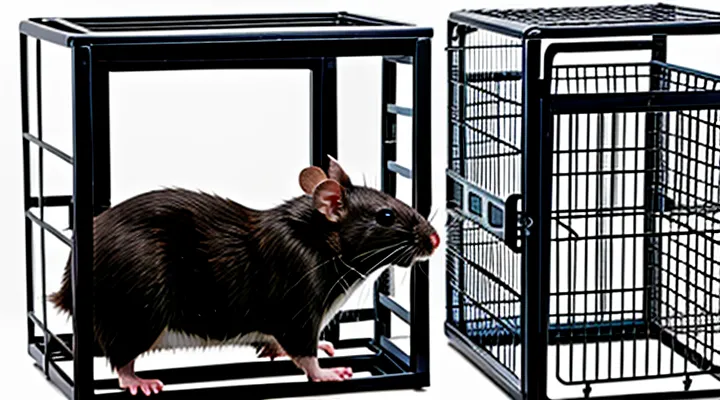
Why a Good Cage Matters for Your Rats
Health and Well-being
Selecting a cage that supports rat health and well‑being requires attention to space, material, ventilation, and hygiene.
- Minimum floor area of 0.5 sq ft per animal prevents overcrowding and reduces stress.
- Solid, chew‑resistant base such as untreated wood or powder‑coated metal avoids ingestion of toxic particles.
- Wire mesh with openings no larger than 0.25 in provides airflow while preventing escape and injury.
- Rounded edges and smooth surfaces eliminate pressure points that could cause skin lesions.
Regular cleaning schedules eliminate ammonia buildup, a primary respiratory irritant. removable trays and modular components simplify disassembly, allowing thorough washing with mild, pet‑safe detergent. Replace bedding weekly; avoid cedar or pine, which emit volatile oils harmful to the respiratory system.
Environmental enrichment contributes to mental health. Include climbing platforms, tunnels, and hideaways made from safe, non‑painted materials. Rotate accessories weekly to sustain curiosity and prevent stereotypic behaviors.
Overall, a cage that balances adequate space, safe construction, optimal ventilation, and easy maintenance creates conditions where rats can thrive physically and behaviorally.
Behavioral Needs
When evaluating a habitat for pet rats, the primary consideration is how well the enclosure accommodates the animals’ innate behaviors. Rats require vertical space for climbing, a secure area for nesting, durable materials for gnawing, and sufficient room for exploration and social interaction. Ignoring any of these aspects can lead to stress, reduced activity, and health problems.
Key behavioral requirements include:
- Vertical structures such as ladders, platforms, or multi‑level cages that enable climbing and perching.
- A secluded nesting zone furnished with soft bedding, allowing the construction of hidden nests.
- Chew‑resistant bars and accessories made from untreated wood, safe plastics, or mineral blocks to satisfy the constant need to gnaw.
- Open floor space that encourages running, foraging, and the placement of tunnels or tubes for exploratory routes.
- Capacity for multiple occupants, ensuring that social dynamics are maintained without overcrowding.
Design choices that fulfill these criteria promote natural activity patterns, reinforce physical health, and support mental well‑being. Selecting a cage that integrates climbing, nesting, chewing, and social elements directly addresses the behavioral needs of rats and fosters a stable, thriving environment.
Safety Considerations
When selecting a cage for rats, safety must dominate the decision‑making process. The enclosure material should be non‑toxic, free of lead‑based paint, and resistant to chewing. Solid plastic or untreated hardwood provide durability without releasing harmful chemicals. Wire mesh must feature a gauge that prevents teeth from penetrating while allowing adequate airflow; spacing no larger than ¼ inch (6 mm) eliminates the risk of escape or injury.
Ventilation represents another critical factor. Openings should be positioned to promote air exchange without creating drafts that could lower body temperature. Mesh panels on the top and sides achieve this balance, while solid lids protect against predators and accidental falls.
Secure locking mechanisms prevent unauthorized opening. Latches must engage firmly and be operable without excessive force, reducing the chance of accidental release during handling. Regular inspection of hinges and screws identifies wear before failure occurs.
Cleaning protocols influence health and safety. Smooth interior surfaces enable thorough removal of urine, feces, and bedding residues, limiting bacterial growth. Removable trays simplify waste disposal, and dishwasher‑safe components accelerate sanitation cycles.
Finally, cage size influences both physical safety and behavioral well‑being. A minimum floor area of 2 sq ft (0.19 m²) per pair of rats provides sufficient space for movement, reducing the likelihood of collisions with cage walls. Vertical enrichment, such as climbing platforms, should be securely anchored to avoid collapse.
- Non‑toxic, chew‑resistant materials
- Mesh spacing ≤ ¼ inch (6 mm)
- Adequate ventilation with protected openings
- Robust, regularly inspected latches
- Easy‑to‑clean, smooth surfaces
- Minimum floor area of 2 sq ft per pair, with stable vertical enrichment
Adhering to these safety parameters ensures a secure environment that supports rat health and reduces the risk of injury or escape.
Key Factors in Cage Selection
Size Requirements
Minimum Dimensions
When evaluating a suitable enclosure for rats, the primary criterion is the floor area. A single adult rat requires at least 0.5 square feet (≈0.05 m²) of horizontal space; each additional rat adds the same amount. Consequently, a pair needs a minimum of 1 square foot, three rats 1.5 square feet, and so on. This baseline ensures adequate room for movement, foraging, and exercise.
Key minimum dimensions:
- Length: 20 inches (≈51 cm) per rat
- Width: 12 inches (≈30 cm) per rat
- Height: 12 inches (≈30 cm) minimum, with additional vertical space for climbing structures
The enclosure’s interior height must accommodate the rats’ natural inclination to climb. A vertical clearance of at least 18 inches (≈46 cm) provides space for multi‑level platforms and tubes without restricting activity.
Beyond floor space, the cage should allow placement of enrichment items—nesting material, tunnels, and wheels—without overcrowding. Sufficient clearance around these objects prevents stress and promotes healthy behavior.
Number of Rats
The number of rats directly determines the minimum floor area required for a suitable enclosure. A single rat needs at least 2 sq ft (≈0.19 m²); each additional rat adds the same amount. This baseline ensures adequate room for movement, feeding, and waste zones.
Rats are highly social; keeping a solitary animal is discouraged. Housing two or more rats together reduces stress and promotes natural behavior. Consequently, the cage must accommodate the total group size, not just the individual needs.
To calculate the appropriate dimensions, multiply the base area (2 sq ft) by the number of rats, then add an extra 20 % for enrichment items such as tunnels, wheels, and nesting material. Vertical space should allow for climbing; a height of at least 12 in (30 cm) is advisable for any group.
Recommended floor space by group size:
- 2 rats: ≥ 4 sq ft (≈0.37 m²)
- 3 rats: ≥ 6 sq ft (≈0.56 m²)
- 4 rats: ≥ 8 sq ft (≈0.74 m²)
- 5 + rats: increase by 2 sq ft (≈0.19 m²) per additional rat
These figures provide a clear framework for selecting an enclosure that meets the spatial requirements of the intended rat population.
Bar Spacing
Preventing Escapes
Choosing an enclosure that prevents rats from escaping requires attention to latch mechanisms, bar spacing, and overall construction. A reliable latch must lock firmly without the possibility of being nudged open by a determined rodent. Bars should be no wider than one centimeter to eliminate gaps large enough for a small rat to slip through. The cage base must be solid; mesh floors allow climbing and eventual breach.
Key design elements include:
- Double‑locking door or clip system that engages automatically when closed.
- Rounded bar edges that deter climbing and reduce injury risk.
- Reinforced corners where stress concentrates during attempts to pry the cage apart.
Material selection further reduces escape risk. Polycarbonate panels resist gnawing better than plain plastic, while stainless‑steel bars maintain structural integrity under repeated pressure. Avoid cages with plastic hinges, as they can weaken and separate over time.
Placement and accessories also influence security. Position the cage away from high‑traffic areas to limit accidental knocks that might dislodge doors. Provide sturdy ramps with secure attachments; loose ramps become leverage points. Include hideouts that fit snugly, preventing rats from using them as footholds to reach the cage walls.
Regular inspection completes the prevention strategy. Check latch alignment weekly, tighten any loose screws, and replace worn bars promptly. Maintaining these standards ensures the enclosure remains a safe, escape‑proof habitat.
Preventing Injuries
When selecting a cage, prioritize structural integrity to reduce the risk of accidental harm. Choose models constructed from thick, non‑toxic metal or sturdy, chew‑resistant plastic. Verify that all joints are welded or securely fastened; loose connections can create sharp edges or collapse under weight.
Bar spacing directly influences the possibility of entrapment. Maintain a gap no larger than ½ inch (≈1.3 cm) to prevent paws or tails from becoming caught. Ensure that bars are smooth, without protruding ends that could puncture skin.
Flooring must support natural foraging behavior while avoiding injuries. Opt for solid, easy‑to‑clean surfaces rather than wire mesh, which can cause pressure sores on delicate foot pads. If a wire floor is unavoidable, provide a solid rest area that covers at least one‑third of the cage floor.
Accessories should be inspected for sharp corners, loose parts, or toxic coatings. Provide chew‑safe toys made of untreated wood or safe plastics, and eliminate any objects that could break into hazardous fragments.
Regular maintenance reinforces safety. Clean the enclosure weekly, replace worn bedding, and inspect all components for signs of corrosion, rust, or fatigue. Promptly address any damage to preserve a secure environment.
Key safety checks:
- Bar spacing ≤ ½ inch, smooth edges.
- Cage material: thick metal or chew‑resistant plastic, welded joints.
- Floor: solid, cushioned area covering ≥ 30 % of surface.
- Accessories: no sharp points, non‑toxic, intact.
- Routine inspection: weekly cleaning, component integrity verification.
Adhering to these criteria minimizes the likelihood of injuries and creates a stable habitat for the rodents.
Material and Construction
Wire Cages
Wire cages remain a popular option for housing rats because they combine durability with ventilation. The cage frame consists of stainless‑steel or coated wire, providing resistance to rust and easy sanitation. Bar spacing is critical; openings no larger than ¾ inch (≈1.9 cm) prevent escape while allowing airflow.
Size requirements dictate a minimum floor area of 2 sq ft (≈0.19 m²) per pair of rats, with additional vertical space for climbing structures. Multi‑level designs increase usable area without expanding the footprint, but each level must include secure ladders and guard rails to avoid falls.
Cleaning procedures benefit from removable trays and hinged doors that grant direct access to the interior. Smooth‑finished wire surfaces reduce the accumulation of debris and simplify disinfection with mild detergents or diluted bleach solutions.
Safety considerations include the absence of sharp edges and the use of rounded corners on all metal components. Cage doors should feature latch mechanisms that require two‑hand operation, minimizing the risk of accidental release.
Cost factors vary with material thickness and brand reputation; thicker gauge wire typically commands higher prices but extends the cage’s lifespan. When budgeting, balance initial expense against long‑term maintenance savings.
Overall, wire cages offer a reliable solution when chosen with attention to bar spacing, dimensions, cleaning access, and safety features.
Plastic Components
Plastic components influence cage performance for laboratory and pet rodents. Selecting appropriate materials reduces maintenance time and improves animal welfare.
Key benefits of plastic elements include:
- Resistance to moisture and urine, preventing rust and corrosion.
- Smooth surfaces that inhibit bacterial growth and simplify disinfection.
- Lightweight construction that facilitates cage relocation and stacking.
- Compatibility with standard cleaning agents without degradation.
Critical factors when evaluating plastic parts:
- Material grade: food‑grade polymers such as high‑density polyethylene (HDPE) or polypropylene (PP) meet safety standards, whereas low‑cost PVC may release harmful additives.
- UV stability: prolonged exposure to light can cause brittleness; UV‑stabilized formulations maintain structural integrity.
- Mechanical strength: walls and doors must withstand repeated handling without cracking.
- Seam design: welded or snap‑fit joints reduce leakage and entry points for pests.
Recommendations for optimal cage selection:
- Prioritize cages constructed from certified food‑grade plastic, marked «food-grade» by the manufacturer.
- Verify that plastic components are free of phthalates, BPA, and other endocrine‑disrupting chemicals.
- Choose designs with rounded edges and sealed connections to prevent injury and escape.
- Ensure that the cage layout allows easy removal of plastic panels for thorough cleaning.
Chew-Proof Features
Rats gnaw continuously; a cage that withstands this behavior protects the animal, prevents escape, and safeguards the surrounding environment. Selecting a cage with effective chew‑proof characteristics reduces maintenance and eliminates hazards such as exposed wiring or broken panels.
Key chew‑proof attributes include:
- Solid metal bars or mesh with a gauge of at least 1 mm; thin wires allow teeth to penetrate.
- Reinforced plastic corners and lids, molded without seams that can be pried apart.
- Seamless joints sealed with polymer adhesives; eliminates gaps where teeth can catch.
- Flooring made from hard‑cast acrylic or tempered glass; resists puncture and chewing.
- Secure locking mechanisms that engage with a metal latch rather than plastic clips.
- Integrated chew‑resistant tubes for water and food dispensers, constructed from stainless steel or thick silicone.
When evaluating options, verify that all components are rated for rodent activity and that the cage’s overall construction lacks protruding edges or loose fittings. A fully chew‑proof design ensures long‑term durability and a safe habitat for the pets.
Cage Design
Vertical vs. Horizontal Space
When evaluating a rat enclosure, the balance between vertical and horizontal dimensions determines the animal’s ability to explore, exercise, and exhibit natural behaviors.
Vertical space provides climbing opportunities that mimic the species’ instinct to ascend structures. Multi‑level platforms, ladders, and tubes enable rats to develop muscular strength, reduce boredom, and establish hierarchical territories. Sufficient height also accommodates enrichment items such as hammocks, branches, and stacked hideouts without compromising floor area.
Horizontal space offers a ground-level arena for running, foraging, and nest building. A broad base allows placement of wheels, feeding stations, and bedding layers, supporting the rodents’ need for extensive locomotion and territorial marking. Adequate floor area prevents crowding, reduces stress, and facilitates cleaning routines.
Key considerations for choosing between vertical and horizontal emphasis:
- Height‑to‑width ratio: aim for a minimum of 12 inches of height per square foot of floor space to ensure climbing potential without sacrificing ground area.
- Structural stability: ensure platforms are securely anchored; instability can lead to injury.
- Accessibility: design openings that allow easy cleaning and safe handling from both top and side perspectives.
- Enrichment integration: combine vertical elements (rungs, shelves) with horizontal features (exercise wheel, burrowing zone) for a well‑rounded habitat.
Optimal cages integrate both dimensions, providing a three‑dimensional environment that satisfies the rat’s exploratory drive while maintaining ample floor space for essential activities.
Multiple Levels and Ramps
When evaluating an enclosure for rats, the inclusion of multiple tiers and connecting ramps significantly expands usable space without increasing the cage’s floor footprint. Vertical levels permit separation of sleeping, feeding, and play zones, encouraging natural climbing behavior and reducing territorial disputes.
Key factors to assess:
- Platform height relative to the cage’s overall dimensions; sufficient clearance prevents head injuries.
- Ramp slope, ideally between 30° and 45°, to allow easy ascent while minimizing strain on small paws.
- Surface material; non‑slippery, chew‑resistant textures reduce the risk of falls.
- Secure attachment points; bolts or interlocking panels must withstand constant gnawing and weight shifting.
- Easy removal for cleaning; detachable levels and ramps simplify maintenance and prevent odor buildup.
Door Size and Placement
The door of a rat enclosure must accommodate the animal’s full body plus a margin for comfortable movement. A minimum opening of 5 cm (approximately 2 in) wider and taller than the rat’s longest dimension prevents stress during entry and exit. The frame should be sturdy, with hinges that allow smooth operation without rattling, and a latch that secures the door without requiring excessive force.
Placement of the door influences both accessibility and hygiene. Position the opening at a height that permits the caretaker to reach the interior without bending excessively; a level between 15 cm and 20 cm from the cage floor satisfies this requirement for most adult rats. Locate the door on a side wall rather than the top to reduce the risk of accidental escape when the cage is moved. Ensure the surrounding area remains clear of bedding or accessories that could obstruct the door’s swing.
Key considerations for door design:
- Dimensions: at least 5 cm larger than the rat’s length and height; interior clearance of 2 cm on all sides.
- Hardware: rust‑resistant hinges; latch that engages with a light push.
- Location: side wall, 15–20 cm above the floor; away from feeding stations to avoid contamination.
- Safety: no sharp edges; latch mechanism positioned out of the animal’s reach.
Proper sizing and strategic placement of the door streamline daily care, facilitate cleaning, and support the well‑being of the rodents.
Ventilation
Ventilation directly influences the air quality inside a rat enclosure, affecting respiratory health and odor control. Stagnant air promotes the buildup of ammonia from urine, which can irritate delicate respiratory passages and accelerate the spread of disease.
Key ventilation characteristics to evaluate when selecting a suitable cage include:
- Mesh panels or slatted walls that permit continuous airflow while preventing escape.
- Adjustable vents that allow owners to modify airflow according to seasonal temperature changes.
- Mesh openings no larger than ¼ inch to restrict passage of small rodents while maintaining sufficient air exchange.
- Placement of vents near the top of the enclosure, where warm, moist air naturally rises, facilitating effective circulation.
- Construction materials that resist rust and corrosion, ensuring long‑term integrity of ventilation components.
Adequate airflow should be complemented by regular cleaning routines. Removing waste promptly and washing bedding reduces ammonia production, allowing the ventilation system to operate efficiently without being overwhelmed by excess contaminants.
Essential Cage Accessories
Bedding Options
Absorbency
Absorbency directly affects the cleanliness of a rat enclosure, influencing odor control, disease prevention, and overall comfort for the animals. High‑absorbency materials retain moisture from urine and spills, reducing the risk of bacterial growth and limiting unpleasant smells.
Effective bedding choices combine absorbency with dust‑free composition. Wood‑based shavings, paper pulp, and specialized cellulose products each provide distinct moisture‑handling capacities. Selecting a substrate with rapid wicking properties prevents pooling on the cage floor, which can lead to skin irritation and respiratory issues.
Floor design contributes to moisture management. Solid plastic bases require a thick, absorbent layer beneath the bedding, whereas wire‑mesh floors benefit from a removable tray lined with highly absorbent pads. Both configurations demand regular replacement of the moisture‑retaining layer to maintain a dry environment.
Routine maintenance supports optimal absorbency performance. Daily spot cleaning removes wet spots before saturation, while weekly full‑bed changes reset the moisture balance. Monitoring the bedding’s saturation level enables timely interventions, preserving hygiene standards.
Recommended absorbent bedding options:
- Wood shavings (medium absorbency, low dust)
- Paper pulp (high absorbency, minimal odor)
- Cellulose blocks (very high absorbency, compact size)
- Corn‑based pellets (moderate absorbency, easy disposal)
Dust-Free Materials
Dust‑free construction is a critical factor when selecting an enclosure for laboratory or pet rodents. Materials that shed particles can irritate the respiratory system, increase the likelihood of infections, and compromise experimental results or animal welfare.
Solid plastic, such as high‑density polyethylene (HDPE) or polycarbonate, provides a non‑porous surface that does not generate dust during handling or cleaning. Stainless steel offers comparable cleanliness, with a smooth finish that resists corrosion and eliminates particulate release. Powder‑coated metal frames, when coated with a low‑VOC, dust‑free finish, combine structural strength with a clean interior environment. Ceramic tiles, glazed on both sides, create a hard, dust‑free surface suitable for flooring or divider panels.
- HDPE or polycarbonate panels – lightweight, easy to sterilize, no abrasive edges.
- Stainless steel bars and mesh – robust, resistant to rust, easy to disinfect.
- Powder‑coated metal frames – strong support, low dust emission when properly cured.
- Glazed ceramic tiles – hard, non‑porous, suitable for floor sections.
When evaluating durability, prioritize materials that withstand repeated cleaning cycles without surface degradation. Smooth finishes facilitate the removal of waste and disinfectants, reducing the need for abrasive scrubbing that could generate particles. Compatibility with standard cage accessories, such as feeding tubes and ventilation openings, should be verified to maintain a sealed, dust‑free environment.
Food and Water Dishes
Chew-Proof Options
Choosing a rat enclosure that resists gnawing extends the lifespan of the cage and protects the animal’s health. Durable materials such as powder‑coated steel, solid acrylic, and thick polycarbonate provide a hard surface that rodents cannot easily penetrate. When a metal frame is combined with a seamless panel design, gaps that encourage chewing are eliminated.
Key characteristics of chew‑proof cages include:
- Reinforced corners and joints secured with rivets or welding rather than plastic clips.
- Wire mesh with a gauge of 0.5 mm or finer, preventing teeth from slipping through.
- Smooth interior surfaces that lack protruding edges or loose fittings.
- Removable trays made from stainless steel or heavy‑duty polymer, allowing easy cleaning without compromising structural integrity.
Maintenance considerations involve regular inspection for micro‑fractures, especially after the cage has been in use for several months. Replacing worn components promptly maintains the enclosure’s protective function and ensures a safe environment for the rats.
Spill-Proof Design
Spill‑proof design constitutes a fundamental criterion when evaluating rat enclosures. A cage that prevents bedding, food, and waste from escaping the habitat reduces contamination of the surrounding area and simplifies maintenance routines.
Key characteristics of a spill‑proof system include:
- Sealed base that eliminates gaps beneath the flooring.
- Elevated side walls that extend beyond the cage interior.
- Secure latch mechanisms on doors and access points.
- Integrated trays or liners that capture debris and liquid.
These attributes directly enhance hygiene by containing messes, thereby decreasing the risk of bacterial growth and respiratory issues for the occupants. Additionally, a contained environment minimizes the need for frequent deep cleaning of the room, saving time and resources.
When assessing spill‑proof capabilities, prioritize the following factors:
- Material resilience to chewing and scratching, ensuring long‑term integrity.
- Compatibility with removable liners for straightforward disposal.
- Compatibility with enrichment accessories without compromising the sealed perimeter.
- Ease of disassembly for thorough cleaning without compromising the spill‑proof seal.
Selecting a cage that fulfills these specifications supports a stable, sanitary habitat and streamlines caretaker responsibilities.
Enrichment Items
Hiding Spots and Shelters
Rats require secure hiding places to reduce stress and encourage natural behaviors. A well‑designed enclosure includes multiple shelters that mimic burrows, tunnels, and nest sites.
Effective shelters should meet the following criteria:
- Material: non‑toxic, chew‑resistant wood or sturdy plastic; avoid soft fabrics that can be shredded.
- Size: interior space large enough for an adult rat to turn around comfortably; minimum interior dimensions 10 × 10 cm per shelter.
- Ventilation: small openings that allow airflow while preventing escape.
- Accessibility: entrance low enough for a rat to enter without difficulty, yet high enough to deter predators.
Placement of shelters influences the cage’s overall environment. Position at least one shelter in a quiet corner away from feeding stations, and another near a climbing structure to provide a retreat after exploration. Stacking shelters vertically creates a multi‑level refuge, supporting the species’ instinct to seek elevated hiding spots.
Maintenance considerations include regular cleaning to prevent buildup of urine and droppings, which can cause respiratory issues. Removable shelters simplify disassembly; choose designs that can be taken apart without tools.
In summary, selecting appropriate hiding spots and shelters involves evaluating material safety, dimensions, airflow, and strategic placement to create a secure, stimulating habitat for rats.
Chewing Toys
Choosing appropriate chewing toys is a critical factor when evaluating a rat enclosure. Toys satisfy the natural gnawing instinct, prevent dental problems, and add environmental enrichment. Selecting items that align with cage dimensions and material safety ensures long‑term health and ease of maintenance.
Key considerations include:
- Material safety: wood (untreated maple, birch), cardboard, natural fibers, and safe plastics. Avoid painted, dyed, or chemically treated substances that could release toxins.
- Size and shape: items must be large enough to prevent ingestion of small fragments. Rounded edges reduce the risk of injury.
- Durability: toys should withstand constant gnawing for several weeks. Replace when structural integrity declines.
- Cleanability: smooth surfaces allow regular washing with mild soap and water. Discard porous items that retain moisture and foster bacterial growth.
- Placement: distribute toys throughout the cage to encourage movement and exploration. Position near nesting areas for quick access.
Integrating a variety of textures—hard wood blocks, soft cardboard tunnels, and chewable rope—promotes dental wear and mental stimulation. Regular inspection and rotation of toys maintain novelty and prevent boredom. Properly chosen chewing accessories contribute to a balanced habitat and support overall wellbeing.
Ladders and Ropes
Ladders and ropes provide vertical mobility and enrichment for rats, influencing activity levels and natural foraging behavior. Proper selection enhances cage functionality while minimizing hazards.
- Material: stainless steel or coated metal for ladders, natural fiber or nylon for ropes; both resist chewing and corrosion.
- Diameter: ropes 0.5–0.75 cm, ladders rung spacing 1–1.5 cm; dimensions accommodate adult rat size without restricting movement.
- Attachment: secure mounting points, preferably reinforced corners or dedicated brackets, prevent detachment under strain.
- Load capacity: minimum 200 g, exceeding average rat weight to ensure durability.
- Cleanability: smooth surfaces for stainless steel, washable fibers for ropes, allow routine sanitation without damage.
Installation should position ladders near feeding stations and ropes spanning opposite walls, creating a network of routes. Regular inspection for frayed fibers, rust spots, or loose fittings is essential; replace compromised components promptly to avoid injury.
Litter Training Areas
When setting up a cage, allocate a distinct area for litter training. The space should be easily reachable, yet separate from feeding zones to prevent contamination of food. Use a low‑profile tray that allows rats to step in and out without climbing, reducing the risk of spills.
Key considerations for the training area:
- Material: Choose absorbent, replaceable bedding such as paper pellets or aspen shavings; avoid cedar or pine, which can cause respiratory irritation.
- Size: Provide a surface that covers at least 30 % of the cage floor, ensuring sufficient room for multiple occupants to use the area simultaneously.
- Placement: Position the tray on the cage’s far side, away from water bottles and chew toys, to discourage accidental soiling of other sections.
- Accessibility: Ensure the tray edges are smooth and slightly raised to contain waste while allowing easy cleaning.
Regular cleaning reinforces the habit. Remove soiled bedding daily, replace with fresh material, and sanitize the tray weekly with a mild, non‑toxic disinfectant. Consistent maintenance eliminates odors that might deter rats from using the designated spot.
By dedicating a well‑designed litter training area, the overall hygiene of the enclosure improves, supporting the health and comfort of the rodents.
Where to Buy a Rat Cage
Pet Stores
Pet stores provide immediate access to cages designed for small rodents, allowing direct comparison of dimensions, materials, and price points before purchase.
When evaluating cage options, consider the following criteria:
- Overall interior space that accommodates at least two adult rats with room for enrichment items.
- Bar spacing no wider than 0.5 in (12 mm) to prevent escape.
- Construction material resistant to gnawing, such as powder‑coated metal or sturdy polycarbonate.
- Adequate ventilation through multiple openings while maintaining structural stability.
- Removable tray or platform for easy cleaning and waste management.
Staff expertise varies across locations; inquire about recommended cage models, ask to see the cage assembled, and verify that the retailer offers a reasonable return or exchange policy in case the enclosure proves unsuitable after a short trial period.
Visiting several stores enables comparison of inventory turnover, which often correlates with product freshness and availability of accessories such as hideouts, tunnels, and chew toys that complement the chosen cage.
Online Retailers
Online stores provide a comprehensive selection of cages suitable for small rodents, allowing comparison of dimensions, materials, and price points without visiting physical locations. Detailed product pages often include measurements, ventilation features, and compatible accessories, enabling precise matching to the animal’s needs.
Key benefits of purchasing from e‑commerce platforms include:
- Access to multiple brands and models in a single view.
- Customer reviews that highlight durability, ease of cleaning, and safety.
- Filtering tools that sort items by size, material, and price range.
- Transparent shipping costs and delivery estimates.
When evaluating listings, verify the following criteria:
- Internal dimensions accommodate the recommended space per rat.
- Construction material resists gnawing and is non‑toxic.
- Ventilation system prevents humidity buildup.
- Presence of secure latch mechanisms.
- Availability of optional accessories such as hideouts and feeding stations.
- Price alignment with comparable products.
Reliable transactions depend on seller reputation. Prioritize vendors with high ratings, clear return policies, and warranty information. Confirm that the product description matches the shipped item, and retain order documentation for potential disputes.
DIY Options
When a rat enclosure is built at home, material choice determines durability and hygiene. Common options include untreated pine, plywood of at least 12 mm thickness, and acrylic sheets. Each provides a different balance of strength, weight, and ease of cleaning.
- Untreated pine: readily available, easy to cut, natural odor absorption; requires sealing to prevent gnawing. - Plywood: offers uniform surface, resistant to warping; edge sanding prevents splinter injuries. - Acrylic: transparent, facilitates visual inspection; prone to cracking under excessive force, so reinforcement is advisable.
Design must accommodate vertical space, as rats prefer climbing. Incorporate multiple levels connected by sturdy ramps or tubes. Secure all joints with non‑toxic wood glue or stainless‑steel screws; avoid lead‑based finishes.
Ventilation is achieved through a series of small openings covered with metal mesh. Mesh size should not exceed 1 mm to block escape while allowing airflow. Position openings near the top of the cage to promote convection without creating drafts at the floor level.
Cost efficiency arises from repurposing household items such as plastic storage containers for nesting boxes or old cardboard tubes for tunnels. Regular inspection of wear points extends the lifespan of the structure, reducing long‑term expenses.
The term «DIY» denotes a self‑constructed rat habitat that can be customized to specific behavioral needs while maintaining safety standards. Proper material selection, thoughtful layout, and reliable ventilation together create an enclosure that supports health and activity without reliance on commercial products.
Setting Up Your Rat's New Home
Initial Cleaning
When a new rat enclosure is acquired, the first step is thorough cleaning before any animal is introduced. The process eliminates residues from manufacturing, packaging, and transport that could harm rodents.
Begin by disassembling removable components such as trays, doors, and ramps. Rinse each piece with warm water to remove loose debris. Apply a mild, non‑abrasive detergent, scrubbing with a soft brush to reach corners and joints. Avoid harsh chemicals; products containing bleach or ammonia can leave toxic fumes.
After detergent treatment, rinse all parts repeatedly until no suds remain. Rinse water should be clear, indicating that cleaning agents are fully removed. Soak the components in a solution of diluted white vinegar (one part vinegar to four parts water) for ten minutes to neutralize odors and inhibit bacterial growth. Rinse again and place items on a clean surface to air‑dry completely.
Finalize the preparation by inspecting the cage for damage, sharp edges, or loose fittings. Only after the enclosure is dry and free of contaminants should bedding, accessories, and rats be added. This initial sanitation establishes a safe environment and reduces the risk of illness from residual contaminants.
Placement in Your Home
Choosing a location for a rat enclosure requires attention to safety, comfort, and maintenance. Place the cage on a stable, flat surface that can support the weight of the structure and its occupants. Avoid areas with direct sunlight, as prolonged exposure raises temperature and can cause overheating. Select a spot with consistent ambient temperature, ideally between 18 °C and 24 °C, to prevent stress caused by rapid fluctuations.
Ensure the area allows for adequate ventilation without drafts. A location near a window that can be opened slightly provides fresh air while protecting the rats from strong breezes. Position the cage away from kitchens or food preparation zones to reduce the risk of accidental contamination.
Accessibility influences cleaning frequency. A placement that permits easy removal of the cage for thorough sanitation reduces the time needed for routine maintenance. Space around the enclosure should accommodate a full-size hand for cleaning tools and allow the door to open fully without obstruction.
Noise levels affect the animals’ well‑being. Situate the cage in a quiet room, away from televisions, loud appliances, or high‑traffic passages. This minimizes stress and promotes natural activity patterns.
Pet safety considerations include shielding the cage from other household animals. A location out of reach of cats, dogs, or other small mammals prevents accidental attacks and escape attempts. If the cage must be placed in a shared area, use a sturdy barrier or cover to separate it from potential predators.
Finally, evaluate the lighting conditions. Provide a regular light‑dark cycle that mimics natural daylight, using a timer if necessary. Avoid fluorescent bulbs that flicker, which can cause discomfort. Proper placement supports health, behavior, and ease of care for the rats.
Introducing Your Rats
Introducing rats to each other requires a methodical approach that supports social harmony and maximizes the suitability of the chosen enclosure. Proper introduction reduces stress, prevents aggression, and ensures that the cage environment meets the needs of a cohesive group.
- Quarantine each new rat for a minimum of fourteen days to rule out illness and allow health monitoring.
- Conduct the first meeting in a neutral arena separate from the primary cage to avoid territorial disputes.
- Observe body language closely; relaxed postures, mutual grooming, and gentle sniffing indicate acceptance, while teeth chattering, lunging, or excessive avoidance signal conflict.
- Extend shared sessions gradually, beginning with brief interactions and increasing duration as positive behaviors persist.
- Provide multiple shelters, climbing structures, and chewable items within the cage to distribute activity and reduce competition for resources.
- Continuously assess weight, coat condition, and vocalizations to detect stress or injury; intervene promptly if adverse signs appear.
Following these steps integrates new rats smoothly, enhances group dynamics, and confirms that the selected enclosure fulfills the social and environmental requirements of a healthy rat colony.