
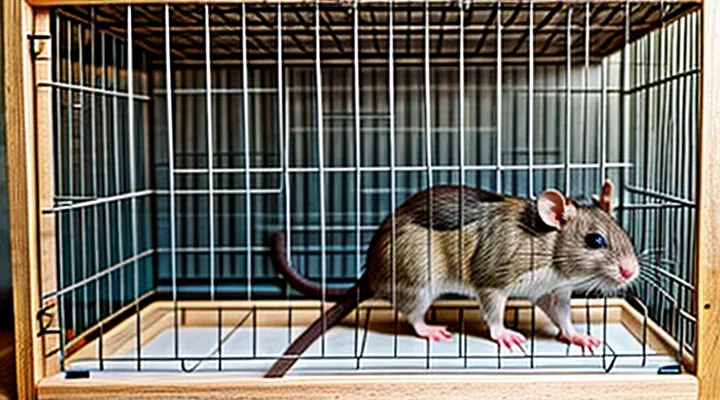
Why the Right Cage Matters
The Importance of Space
Preventing Boredom and Stress
A rat’s psychological well‑being hinges on the variety and complexity of its surroundings. An enclosure that offers ample space, multiple levels, and diverse textures reduces the likelihood of repetitive behavior and chronic stress.
- Climbing structures such as wooden branches or plastic ladders encourage vertical movement.
- Tunnels and PVC pipes create concealed pathways that satisfy natural burrowing instincts.
- Chew‑able items made of untreated wood, cardboard, or safe plastics support dental health while providing tactile stimulation.
- Hideaways fashioned from fabric or ceramic give secure retreats for rest.
- Rotating toys, including treat‑dispensing puzzles, maintain novelty and promote problem‑solving.
The internal arrangement should avoid clustering all accessories in one corner. Position climbing elements, tunnels, and hideaways at different heights and locations to compel the rat to navigate the cage repeatedly. Ensure a clear central zone for free movement; this space prevents crowding and allows the animal to choose preferred routes.
Introduce new stimuli on a weekly basis. Replace an existing toy with a different shape, alter the orientation of tunnels, or hide a small food reward in an unfamiliar spot. These controlled changes keep the environment dynamic without causing panic.
When evaluating potential cages, prioritize dimensions that exceed the minimum recommendation of 2 sq ft of floor space per animal, provide at least 12 inches of vertical clearance, and feature a secure, well‑ventilated lid. Materials must be non‑toxic and easy to disinfect, preventing the buildup of odors that can elevate stress levels.
By integrating varied enrichment, thoughtful layout, and regular novelty, a properly selected enclosure safeguards a rat from boredom and chronic stress, supporting a healthy, active pet.
Promoting Physical Health
Choosing an appropriate cage directly influences a rat’s physical well‑being. Adequate space, proper substrate, and safe structures reduce the risk of musculoskeletal injuries, respiratory problems, and obesity.
- Dimensions: Minimum floor area of 2 sq ft per animal; height of at least 12 in to allow vertical climbing. Larger enclosures enable natural movement patterns and prevent cramped posture.
- Flooring: Solid, non‑slippery base covered with dust‑free bedding (e.g., paper or aspen). Avoid wire mesh floors, which can cause foot lesions and impede circulation.
- Enrichment: Install climbing ladders, tunnels, and chewable objects made from safe wood or untreated cardboard. Regularly rotate items to stimulate muscle use and prevent stagnation.
- Ventilation: Ensure airflow without drafts; mesh panels should be fine enough to block debris yet allow air exchange, reducing respiratory irritation.
Routine cleaning and periodic inspection of the cage’s structural integrity sustain the health benefits. Replace worn components, disinfect surfaces with rodent‑safe solutions, and monitor for signs of wear that could compromise mobility or hygiene. Consistent maintenance preserves the environment that supports robust physical condition.
Safety Concerns
Escaping Hazards
When selecting a rat enclosure, preventing escape is a primary safety concern. Uncontrolled roaming exposes the animal to predators, causes damage to household items, and creates sanitation problems. A cage that cannot reliably contain its occupant defeats the purpose of captivity.
- Solid construction: Choose frames made of metal or reinforced plastic without gaps larger than ¼ inch.
- Secure doors: Opt for latches that require two‑step operation, such as sliding bolts combined with spring‑loaded catches.
- Mesh specifications: Use wire spacing no larger than ¼ inch; finer mesh reduces the chance of a rat squeezing through.
- Elevated platforms: Ensure openings between levels are covered with solid panels or narrow bars.
- Escape‑proof flooring: Avoid wire floors that can be chewed through; prefer solid acrylic or coated wood surfaces.
After purchase, verify integrity by gently applying pressure to doors, inspecting seams for wear, and testing all openings with a fingertip. Regularly examine hinges, locks, and mesh for signs of corrosion or damage. Replace compromised components promptly to maintain a secure environment.
Material Safety
When evaluating a cage for a rat, the safety of the construction material is paramount. Materials must resist chewing, avoid toxic leaching, and withstand regular cleaning without degradation.
- Solid hardwood (e.g., maple, birch) – non‑toxic, durable, easy to sanitize.
- Powder‑coated metal frames – corrosion‑resistant, sturdy, no sharp edges.
- Food‑grade polycarbonate panels – impact‑resistant, free of BPA and phthalates.
- Untreated natural wicker – acceptable only if tightly woven and regularly inspected for splinters.
Materials to exclude include:
- Untreated pine or cedar – contain aromatic oils that irritate respiratory systems.
- Low‑grade plastics – may contain harmful chemicals that leach when chewed.
- Painted or varnished surfaces not labeled food‑safe – risk of toxic fumes and ingestion.
- Wire mesh with small openings – permits escape and can cause paw injuries.
Maintain material safety by cleaning with mild, fragrance‑free detergents, rinsing thoroughly, and drying before reuse. Inspect all components weekly for cracks, splintered wood, or rust, and replace compromised parts immediately. Consistent monitoring preserves a non‑hazardous environment and supports the rat’s health.
Key Factors to Consider When Choosing a Rat Cage
Size and Dimensions
Minimum Space Requirements for One Rat
A single rat needs a cage that provides enough floor space to move, explore, and exercise without restriction. Current welfare guidelines set the minimum usable floor area at 2 ft² (approximately 185 cm²). This translates to a cage interior of at least 24 in × 18 in (61 cm × 46 cm). Height should allow the rat to stand upright and climb; a minimum of 12 in (30 cm) is recommended.
Key dimensions for a one‑rat enclosure:
- Floor area: ≥ 2 ft² (≈ 185 cm²)
- Minimum length: 24 in (61 cm)
- Minimum width: 18 in (46 cm)
- Minimum height: 12 in (30 cm)
Additional considerations:
- Provide solid flooring or a thick layer of safe bedding to protect paws.
- Ensure the cage has a secure, ventilated lid to prevent escape while maintaining airflow.
- Include climbing structures and tunnels that do not reduce the usable floor space below the minimum.
Adhering to these measurements creates an environment where a rat can exhibit natural behaviors and maintain health.
Space for Multiple Rats
When housing more than one rat, the enclosure must provide sufficient floor area to prevent competition, stress, and health problems. Overcrowding limits natural behaviors such as foraging, climbing, and social interaction, which can lead to aggression and disease.
- Allocate at least 2 sq ft (0.19 m²) of solid‑bottom space per adult rat; larger groups benefit from additional room.
- Ensure a minimum height of 12 in (30 cm) so rats can stand upright and explore vertical space.
- Include multiple levels, tunnels, and platforms; each added tier should increase usable area by at least 0.5 sq ft (0.05 m²) per rat.
- Provide separate nesting zones and feeding stations to reduce competition and allow simultaneous access.
- Maintain clear pathways of at least 4 in (10 cm) between structures to facilitate movement and cleaning.
Adequate space supports natural activity patterns, reduces stress, and promotes overall well‑being, making the cage a suitable long‑term habitat for a rat community.
Bar Spacing
Bar spacing directly determines whether a rat can squeeze through the cage walls. Rats can flatten their bodies to approximately half their normal width; a typical adult rat measures about 2–3 inches across the shoulders when uncompressed. Therefore, bar gaps larger than ½ inch (12 mm) present a genuine escape risk.
Recommended spacing ranges:
- ¼ inch (6 mm) – safest for juveniles and very small breeds, but may restrict airflow.
- ½ inch (12 mm) – suitable for most adult rats, balances safety and ventilation.
- ¾ inch (19 mm) – acceptable only for larger breeds with robust body structures; still risks escape for smaller individuals.
When evaluating a cage, measure the distance between adjacent bars with a ruler or caliper. Verify consistency across the entire enclosure, as manufacturing tolerances can produce wider gaps at corners or hinges.
Material choice influences durability and gap stability. Stainless steel bars maintain precise spacing over time, resisting corrosion and deformation. Plastic-coated wires may expand with heat, subtly widening gaps.
Bar spacing also affects enrichment placement. Narrow gaps limit the size of chew toys and tunnels that can be inserted without compromising safety. Select accessories that fit within the chosen spacing to avoid creating additional openings.
Finally, consider the cage’s overall design. A cage with vertical bars spaced at ½ inch but horizontal crossbars at 1 inch may still allow a rat to maneuver through the larger openings. Ensure both dimensions meet the safety criteria to prevent accidental escapes.
Cage Materials
Wire Cages
When evaluating wire cages for a pet rat, prioritize structural integrity, bar spacing, and interior dimensions. Sturdy metal frames prevent bending under the animal’s activity, while appropriately sized openings stop escape and reduce the risk of paw injuries.
Key specifications to verify:
- Bar spacing of ½ inch (12 mm) or less to block passage of small paws.
- Minimum floor area of 2 sq ft (0.19 m²) per adult rat; larger enclosures improve enrichment.
- Height of at least 12 in (30 cm) to accommodate climbing and nesting platforms.
- Powder‑coated or stainless‑steel finish to resist rust and simplify cleaning.
- Removable tray or slatted floor for waste removal without dismantling the cage.
Ventilation is inherent to wire construction, yet ensure that the cage can be placed in a draft‑free area to maintain a stable temperature. Provide solid nesting boxes or hideouts within the cage to give the rat a sense of security, as open wire alone offers no shelter.
Cleaning routines benefit from smooth surfaces and detachable components. Choose cages with hinged doors or quick‑release latches that allow rapid access for routine health checks and substrate changes. Regular disinfection with a mild, non‑toxic solution prolongs the cage’s lifespan and protects the rat’s health.
Plastic Cages
When evaluating plastic enclosures for a rat, focus on durability, hygiene, ventilation, size, and safety.
Durability: High‑density polyethylene or polypropylene resists chewing and cracking, extending the cage’s lifespan.
Hygiene: Smooth, non‑porous surfaces prevent bacterial buildup; dishwashers or chemical cleaners can sanitize without damaging the material.
Ventilation: Integrated mesh panels or drilled holes maintain airflow while preserving structural integrity; ensure openings are small enough to prevent escape.
Size: Minimum floor area of 2 sq ft per rat provides adequate movement; height of at least 12 inches accommodates climbing and nesting.
Safety: Rounded edges eliminate injury risk; verify that paint or coating is food‑grade and free of toxic chemicals.
Cost: Plastic models typically cost less than metal or glass alternatives, offering a budget‑friendly option without compromising essential features.
Compatibility: Check that accessories such as tunnels, wheels, and hideouts fit the cage’s dimensions and can be securely attached.
By measuring each factor against the rat’s needs, a plastic cage can meet the essential requirements for a healthy, comfortable environment.
Hybrid Cages
Hybrid cages combine metal framing with plastic or acrylic panels, offering a balance of strength and visibility. The metal skeleton resists chewing, a common behavior in rats, while the transparent sections allow observation of activity and health without disturbance.
Ventilation is achieved through slatted metal sides or perforated panels, delivering consistent airflow that reduces humidity and odor buildup. This design eliminates the need for additional fans or filters in most household environments.
Modular construction permits expansion; individual units can be linked to create larger habitats as the rat’s needs evolve. Compatibility with standard accessories—such as tunnels, wheels, and feeding stations—ensures that the cage can accommodate enrichment items without extensive modification.
Cleaning procedures benefit from removable plastic trays that sit beneath the metal base. Waste can be emptied quickly, and the tray’s smooth surface resists staining, shortening the cleaning cycle.
Key considerations when evaluating hybrid cages:
- Frame durability: stainless steel or powder‑coated metal prevents rust and withstands persistent gnawing.
- Panel material: acrylic offers clarity but may crack under impact; polycarbonate provides higher impact resistance at a slightly reduced transparency.
- Size dimensions: floor space of at least 2 sq ft per rat, with vertical height of 12 in or more to accommodate climbing.
- Accessibility: multiple doors or top openings facilitate cleaning and enrichment placement without stressing the animal.
- Cost efficiency: initial investment may exceed basic cages, yet longer lifespan and reduced maintenance expenses offset the price over time.
Selecting a hybrid cage aligns with the goal of providing a secure, hygienic, and stimulating environment while minimizing long‑term upkeep for the keeper.
Cage Type and Design
Multi-Level Cages
When evaluating cage options for a rat, multi‑level designs demand particular attention because they combine space efficiency with enrichment potential. A tiered structure allows vertical exploration, mimicking the natural climbing behavior of these rodents, while preserving floor area for bedding and feeding stations.
Key factors to assess include:
- Overall dimensions – each level must provide at least 12 inches of height, enabling the rat to stand upright without restriction. The combined footprint should fit the intended location while allowing at least 1 sq ft of floor space per animal.
- Bar spacing and material – horizontal bars should be no more than ½ inch apart to prevent escape. Steel or coated aluminum offers durability and resistance to gnawing; avoid plastic frames that may crack under weight.
- Access points – secure, removable doors on every tier simplify cleaning and facilitate the placement of accessories such as ladders, tunnels, and platforms.
- Ventilation – open sides or mesh panels on each level ensure adequate airflow, reducing humidity and odor buildup.
- Ease of assembly and disassembly – modular connectors enable quick reconfiguration, useful when expanding the enclosure or performing deep cleaning.
Maintenance considerations differ from single‑level cages. Because debris can accumulate on upper platforms, a removable tray beneath each tier simplifies waste removal. Regular inspection of joints and bar integrity prevents structural failure, which could compromise safety.
Enrichment opportunities increase with vertical space. Adding climbing ropes, hammocks, and suspended toys on higher levels encourages natural foraging and exercise, supporting musculoskeletal health. However, each added element must be securely anchored to avoid collapse.
In summary, a multi‑level cage offers a compact yet stimulating environment when dimensions, material quality, accessibility, ventilation, and maintenance are carefully matched to the rat’s needs. Selecting a model that meets these criteria ensures a safe, hygienic, and engaging habitat.
Single-Level Cages
When selecting a rat enclosure that consists of a single tier, prioritize space, durability, and ease of maintenance. The floor area should allow at least 2 square feet per adult rat, providing room for nesting, foraging, and exercise. Solid base material—such as high‑density polyethylene or untreated hardwood—prevents chewing damage and supports weight without warping.
Ventilation directly influences air quality and odor control. Choose cages with multiple mesh panels or perforated sides that maintain airflow while preventing escape. Ensure all openings are covered with chew‑resistant wire gauge of at least 1/4 inch to avoid injuries.
Cleaning efficiency depends on removable trays and smooth interior surfaces. A design that includes a slide‑out bottom bin simplifies waste removal, and rounded corners reduce debris accumulation. Materials that tolerate mild detergents and avoid toxic coatings extend the cage’s lifespan.
Key features to evaluate:
- Minimum floor space: ≥ 2 sq ft per rat
- Base material: chew‑resistant, non‑porous
- Mesh size: ≤ 1/4 inch, corrosion‑free
- Removable bottom tray for waste
- Secure latch mechanisms that resist gnawing
By focusing on these criteria, a single‑level cage can meet the health, safety, and behavioral needs of pet rats while remaining practical for owners.
Front-Opening vs. Top-Opening Doors
When selecting a cage for a pet rat, the door design directly influences handling, hygiene, and the animal’s comfort. Two common configurations—front-opening and top-opening—present distinct advantages and drawbacks.
Front-opening doors provide a horizontal entry point that aligns with the cage’s length. This arrangement allows the keeper to reach the interior without lifting the entire cage, reducing the risk of stress for the animal. The low profile of the opening facilitates the placement of accessories such as tunnels, wheels, and feeding stations close to the entry, preserving usable floor space. However, a front hinge can limit vertical clearance, making it harder to insert large items or perform deep cleaning without removing the door completely. The hinge mechanism may also be prone to wear if the door is opened frequently.
Top-opening doors create a vertical access point on the cage’s lid. This design maximizes floor area because the opening does not intrude on the sides. It simplifies the removal of bedding and the insertion of bulky enrichment items, as the entire top can be lifted. The vertical orientation encourages natural climbing behavior, allowing the rat to enter and exit from a higher position. On the downside, lifting the lid repeatedly can disturb the interior environment, especially if the cage is stacked or placed on a high surface. The top hinge may become a snag point for bedding or chewable materials, requiring regular inspection.
Key considerations for choosing between the two designs:
- Ease of daily interaction – Front-opening permits quick hand access; top-opening may require more motion.
- Cleaning efficiency – Top-opening facilitates complete bedding removal; front-opening may need door removal for thorough cleaning.
- Space utilization – Front-opening consumes side space; top-opening preserves horizontal floor area.
- Safety of hinges – Front hinges endure lateral stress; top hinges face vertical load and potential snagging.
- Rat behavior – Rats often prefer climbing; top-opening aligns with natural tendencies, while front-opening suits ground‑level activity.
Assess these factors against the specific cage dimensions, the keeper’s routine, and the rat’s temperament to determine the most suitable door type.
Ventilation
Airflow and Ammonia Build-up
Proper airflow prevents the accumulation of moisture and waste gases inside a rat enclosure. Stagnant air reduces the rate at which volatile compounds disperse, creating an environment where harmful substances concentrate.
Ammonia originates from the breakdown of urine and feces. When ventilation is insufficient, ammonia levels rise quickly, irritating the respiratory tract and compromising immune function. Continuous exposure can lead to chronic respiratory infections and reduced lifespan.
When evaluating cages, consider the following attributes:
- Mesh or perforated sides that allow unrestricted air exchange while maintaining structural integrity.
- Adjustable vent openings that can be widened as the colony grows or narrowed in colder climates.
- Materials that resist odor absorption, such as stainless steel or high‑grade plastic, to avoid secondary ammonia sources.
- Easy‑to‑remove panels for routine cleaning, ensuring that debris does not block airflow pathways.
Selecting a cage with these ventilation features minimizes ammonia buildup, supports healthy breathing, and promotes overall well‑being for pet rats.
Avoiding Enclosed Spaces
Rats thrive in environments that allow visual contact with their surroundings and easy airflow. Completely closed cages restrict sight lines, increase humidity, and can trigger chronic stress, which diminishes immune function and reduces activity levels. Limited ventilation also encourages the buildup of ammonia from urine, creating health hazards.
When evaluating potential enclosures, prioritize designs that minimize fully enclosed sections. Effective strategies include:
- Open‑top or partially open lids that provide unobstructed views while retaining safety.
- Wire mesh walls that allow airflow and external visual cues.
- Multi‑level platforms with gaps between levels, preventing the creation of sealed compartments.
- Removable or adjustable panels that can be opened for cleaning and inspection without fully sealing the interior.
Select cages constructed from non‑porous materials for easy disinfection, and ensure that any doors or hatches open outward to avoid accidental trapping. Regularly monitor humidity and odor levels; a well‑ventilated enclosure will maintain low ammonia concentrations without additional filtration.
By eliminating fully enclosed spaces, you create a habitat that supports natural exploratory behavior, promotes physical health, and reduces stress, thereby enhancing the overall welfare of the rat.
Ease of Cleaning
Removable Trays
When evaluating a rat enclosure, removable trays deserve close attention because they affect hygiene, convenience, and overall cage functionality. A tray that slides out and locks into place allows rapid removal of waste, reducing the time spent on daily cleaning and limiting odor buildup. Materials such as stainless steel or thick, BPA‑free plastic resist corrosion and can withstand repeated washing without warping.
Key characteristics to assess:
- Size compatibility – the tray should cover at least 80 % of the cage floor to prevent debris from escaping.
- Depth – a minimum of 1 inch prevents urine from pooling while still allowing easy access.
- Weight – lightweight designs simplify handling; however, they must be sturdy enough to support a full‑size rat colony.
- Secure locking mechanism – clips or tabs that snap into place prevent accidental displacement during handling.
- Ease of disassembly – components that separate without tools speed up maintenance.
Cleaning protocols benefit from removable trays. After each cage inspection, lift the tray, dump waste into a sealed container, and rinse with hot water and a mild, animal‑safe detergent. For stainless steel, a brief soak in a vinegar solution eliminates mineral deposits; for plastic, avoid abrasive scrubbers that could scratch the surface and harbor bacteria.
Cost considerations include initial purchase price and long‑term durability. Higher‑grade metal trays may cost more upfront but often outlast cheaper plastic options, reducing replacement frequency. Evaluate warranty terms; a guarantee of at least one year indicates manufacturer confidence in material resilience.
In summary, a well‑designed removable tray enhances cleanliness, simplifies upkeep, and supports a healthier environment for rats. Prioritizing size, depth, material strength, and secure attachment ensures the tray integrates seamlessly into any rat cage selection process.
Accessible Doors and Levels
When evaluating a rat enclosure, prioritize door mechanisms that allow effortless entry and exit. Hinged or sliding doors should open with minimal resistance, preventing stress for the animal and simplifying routine cleaning. Locks must be secure yet easy to release, ensuring the rat cannot escape while the caretaker can access the interior quickly.
Multi‑level designs enhance enrichment, but each tier must be reachable without climbing obstacles that could cause injury. Ladder rungs, ramps, or gently sloped platforms should have a spacing of 1–1.5 cm, matching the rat’s natural gait. Ensure that every level includes its own entry point or a continuous pathway, so the rat can move freely between zones.
Key considerations for doors and levels:
- Smooth‑operating hinges or tracks, free of sharp edges
- Quick‑release latch that cannot be tampered with by the rat
- Uniform step height across all platforms
- Non‑slippery surface material on ramps and ladders
- Adequate clearance under each door for easy cleaning tools
By adhering to these criteria, the enclosure will support the rat’s mobility, health, and welfare while providing the owner with convenient maintenance.
Location of the Cage
Temperature and Drafts
Rats remain healthy when ambient temperature stays between 18 °C and 24 °C (65 °F–75 °F). Temperatures below 15 °C slow metabolism, depress immune response, and increase the likelihood of respiratory infections. Temperatures above 27 °C elevate stress hormones and raise the risk of heatstroke.
Drafts create localized cold spots that rats cannot avoid, even if the overall room temperature appears adequate. Position the cage away from windows, exterior doors, air‑conditioning vents, and ceiling fans. If relocation is impossible, shield exposed sides with a solid panel or a tightly woven fabric cover to block moving air.
Maintain consistent warmth with one of the following methods:
- Place a low‑wattage ceramic heat emitter beneath the cage, controlled by a thermostat set to 22 °C.
- Install a thermostatically regulated heating pad under the cage base; do not place heating devices inside the enclosure.
- Use a room‑temperature regulator (e.g., a space heater) set to maintain the target range, ensuring the cage remains at least 30 cm from the heat source.
Monitor temperature directly at cage level with a digital thermometer. Record readings twice daily; adjust heating, relocation, or shielding when readings fall outside the 18 °C–24 °C range. Continuous monitoring prevents gradual drift that could compromise rat health.
Noise Levels and Activity
When evaluating a rat enclosure, the acoustic environment directly influences the animal’s comfort and health. Excessive sound can elevate stress hormones, suppress immune function, and trigger abnormal grooming or aggression. Materials such as solid plastic or thick wood panels absorb ambient noise better than wire mesh or thin metal, reducing the transmission of household sounds like televisions, vacuum cleaners, or foot traffic.
Rats are crepuscular and highly active, requiring space to explore, climb, and burrow. A cage that dampens external noises while allowing the rat to engage in natural behaviors supports mental stimulation and prevents boredom‑related disorders. Design features that promote activity—multiple levels, chew‑safe tunnels, and hide‑outs—should be paired with a quiet construction to avoid continuous auditory disturbance.
Key criteria for noise‑level and activity assessment:
- Material density: Thick, non‑metallic walls or covered wire panels block external sounds.
- Ventilation design: Silent airflow vents prevent drafts without generating whistling noises.
- Flooring type: Solid or textured bases reduce squeaking compared to wire floors.
- Vertical space: At least two levels encourage climbing and provide separate zones for rest and play.
- Enrichment accessories: Securely attached ladders, ropes, and hide‑outs avoid rattling while offering exploration opportunities.
Essential Cage Accessories and Setup
Bedding
Absorbency and Odor Control
Absorbency and odor control directly affect a rat’s health and the livability of the enclosure. A cage that retains moisture encourages bacterial growth, while inadequate odor mitigation creates an unpleasant environment for both pet and owner.
- Choose bedding made from high‑absorbency fibers such as paper pulp, aspen shavings, or coconut coir; these materials hold liquid waste without disintegrating quickly.
- Verify that the bedding’s weight‑to‑absorption ratio meets at least 1 g of liquid per gram of dry material, ensuring rapid moisture capture.
- Opt for products treated with natural odor‑binding agents (e.g., zeolite or activated charcoal) rather than chemical fragrances, which mask smell without eliminating it.
- Select cages with a removable, sealed bottom tray that isolates waste from the cage interior; a tight‑fitting lid on the tray prevents volatile compounds from escaping.
Regular maintenance amplifies the effectiveness of the chosen materials. Remove soiled bedding daily, replace the bottom tray liner weekly, and clean the tray with a mild, non‑abrasive disinfectant. Monitoring the humidity level inside the cage—keeping it below 60 % relative humidity—reduces the risk of mold formation and prolongs the odor‑control properties of the bedding.
Safe Materials
When evaluating enclosure construction for a pet rat, prioritize materials that pose no toxic risk, resist gnawing damage, and withstand regular cleaning.
- Solid wood (untreated hardwood): Provides sturdy walls, resists chewing, and does not release harmful chemicals. Avoid softwoods, pine, or cedar, which contain aromatic oils that can irritate respiratory systems.
- Food‑grade plastics (polypropylene, polyethylene): Non‑porous surfaces prevent bacterial buildup and can be sanitized with mild detergents. Verify that the plastic is free of BPA and phthalates.
- Stainless steel (304 grade): Offers maximum durability, is completely non‑reactive, and tolerates high‑temperature disinfection. Ensure all welds are smooth to prevent injury.
- Wire mesh (galvanized steel with a minimum 1 mm spacing): Allows ventilation while maintaining structural integrity. Confirm that the coating is lead‑free and does not rust.
- Ceramic or glass flooring inserts: Provide a clean, scratch‑resistant surface for nesting areas. Use tempered glass or high‑temperature ceramic to avoid breakage.
Avoid materials that shed fibers, contain volatile organic compounds, or degrade under the rat’s constant gnawing. Regular inspection for cracks, splinters, or coating wear is essential to maintain a safe environment. Selecting only the listed safe substances ensures a healthy habitat and reduces the likelihood of injury or illness.
Food and Water Dishes
Heavy Crocks
When evaluating a cage for a rat, the weight of the cage’s structural components, often referred to as heavy crocks, directly influences stability and safety. A heavier frame resists tipping, reduces vibration, and prevents escape attempts caused by the animal’s climbing activity.
Rats are capable of gnawing and pushing against cage walls; a dense material such as thick acrylic, reinforced metal, or solid wood provides resistance to such behavior. The mass also contributes to sound dampening, limiting the transmission of noises that could stress the animal.
Key factors to assess regarding heavy crocks:
- Material density: Choose cages built from high‑grade acrylic or steel with a minimum thickness of 5 mm; thinner panels may warp under the animal’s weight.
- Base weight: A base weighing at least 2 kg ensures the cage remains stationary on typical household flooring.
- Flooring design: Solid, non‑mesh floors made from sturdy plastic or coated wood distribute weight evenly and simplify cleaning.
- Portability considerations: While heavier cages offer durability, assess whether the weight hampers relocation for cleaning or veterinary visits; detachable sections can mitigate this issue.
- Cost versus longevity: Heavier constructions often carry a higher price tag but typically outlast cheaper alternatives by several years, reducing long‑term expenses.
In practice, a cage with a heavy crock configuration should be inspected for secure joins, smooth edges, and a stable footprint. Confirm that the door hinges and locks are reinforced to match the overall robustness. Selecting a cage with these attributes minimizes the risk of injury, escape, and structural failure, thereby supporting the rat’s well‑being and the owner’s peace of mind.
Sipper Bottles
Sipper bottles provide a reliable water source for rats and must meet several functional standards. The bottle’s material should be non‑reactive; glass eliminates plastic leaching, while high‑grade PET plastic offers break resistance. The tip must be sized for a rat’s small incisors, allowing easy access without excessive spillage. Capacity should match cage size: a 100 ml bottle suits a single‑rat enclosure, whereas 250 ml supports multiple occupants.
- Leak‑proof seal: threaded collar with a silicone gasket prevents drips.
- Tip design: metal or stainless‑steel nozzle with a smooth interior reduces chewing damage.
- Mounting compatibility: screw threads must align with cage bars or designated holders.
- Cleaning ease: smooth interior walls and removable caps allow thorough sanitation.
- Durability: impact‑resistant construction withstands chewing and accidental drops.
Regular maintenance preserves water quality and prevents contamination. Disassemble the bottle weekly, scrub with a mild detergent, rinse with hot water, and inspect the nozzle for wear. Refill with fresh, filtered water each day to maintain hydration standards for the rats.
Enrichment and Toys
Tunnels and Tubes
When evaluating tunnels and tubes for a rat enclosure, consider material durability, diameter, length, and attachment method.
- Material: Choose sturdy, chew‑resistant plastics or untreated hardwood. Avoid brittle acrylic that can crack under pressure.
- Diameter: Provide a minimum internal width of 1.5 inches (≈3.8 cm) to accommodate adult rats without restricting movement.
- Length: Offer sections of at least 12 inches (≈30 cm) to allow straight passage; longer runs can be linked for complex networks.
- Connection system: Opt for snap‑fit or bolt‑secure fittings that prevent accidental disassembly while allowing easy reconfiguration.
- Cleaning access: Select designs with removable caps or open ends to facilitate inspection and sanitation without dismantling the entire cage.
- Safety features: Ensure edges are smooth, joints are sealed, and no small detachable parts can be swallowed.
Integrating a variety of tunnel shapes—straight, curved, and intersecting—enhances exploration and reduces stress. Balance the number of tubes with open floor space to maintain proper ventilation and prevent overcrowding. Regularly inspect for wear, replace compromised sections promptly, and rotate tube arrangements to stimulate natural foraging behavior.
Hammocks and Hiding Places
When selecting a suitable rat enclosure, hammocks and hiding places are essential elements for physical comfort and stress reduction. Hammocks provide elevated resting areas that encourage natural climbing behavior, aid joint health, and keep bedding clean by reducing contact with waste. Hiding places offer secure retreats where rats can retreat from activity, supporting normal nocturnal routines and minimizing aggression.
Key considerations for hammock installation:
- Material: sturdy, chew‑resistant fabrics such as canvas or reinforced nylon; avoid plastic that may crack under weight.
- Size: length at least 12 inches and width 5–6 inches for an adult rat; larger dimensions accommodate multiple occupants.
- Placement: attach to cage bars at a height allowing easy access from the floor; ensure a gentle slope for climbing without steep angles.
- Cleanability: choose removable covers that can be washed at 60 °C; fasten with stainless‑steel clips to prevent rust.
Effective hiding places share several attributes:
- Enclosed design: tunnels, igloo‑style domes, or PVC tubes with entry holes no larger than 1 inch to prevent escape.
- Ventilation: multiple openings to maintain airflow and prevent condensation.
- Non‑toxic construction: untreated wood, solid‑core cardboard, or pet‑safe plastics; avoid paints or adhesives with volatile compounds.
- Easy removal: snap‑fit or slide‑out mechanisms allow regular cleaning without dismantling the entire cage.
Integrating both hammocks and hiding structures creates a layered environment that mirrors a rat’s natural habitat. Position hammocks near the cage’s upper tier and distribute hiding spots throughout the lower and middle levels to encourage exploration while providing safe retreats. Regular inspection for wear, chew damage, and hygiene maintains a healthy enclosure and supports long‑term well‑being.
Chew Toys
When evaluating a rat enclosure, the inclusion of chew toys directly influences dental health and behavioral enrichment. Selecting a cage without considering appropriate chew items may lead to overgrown incisors and increased stress.
Materials must be non‑toxic, sturdy, and resistant to rapid degradation. Preferred options include untreated hardwood, natural hemp, and mineral‑based chews. Avoid plastics that can splinter or paint that may contain harmful chemicals.
Typical chew‑toy categories:
- Hardwood blocks – dense, long‑lasting, support gnawing.
- Hemp rope – flexible, promotes chewing and climbing.
- Cardboard tunnels – lightweight, replaceable, stimulate exploration.
- Mineral chews – supply calcium, encourage gnawing without excessive wear.
- Natural branches – provide texture variation, must be pesticide‑free.
Placement should distribute toys throughout the cage to encourage movement. Attach ropes to the top bars, position blocks on the floor, and insert tunnels along the side walls. This layout reduces monopolization of a single area and promotes balanced activity.
Maintenance requires regular inspection for splinters, mold, or excessive wear. Replace damaged items promptly, and clean reusable toys with mild soap and warm water before drying. Monitoring wear patterns helps predict replacement intervals.
Integrating suitable chew toys into the cage design safeguards oral health, satisfies instinctual gnawing behavior, and enhances overall well‑being.
Hiding Spots
Nest Boxes
Nest boxes provide a secure retreat where rats can rest, sleep, and store food. The enclosure must include a box that matches the animal’s size; a minimum interior height of 4 inches and a floor area of 6 × 6 inches accommodate an adult rat comfortably. Oversized boxes waste space, while undersized ones cause stress.
Materials affect durability and hygiene. Solid wood with a smooth, non‑toxic finish resists gnawing and can be cleaned with warm water and mild detergent. Plastic options are lightweight and easy to disinfect but may crack under persistent chewing. Metal boxes should be powder‑coated to prevent rust and sharp edges.
Placement influences ventilation and privacy. Position the box in a quiet corner of the cage, away from direct airflow and loud activity. Ensure the opening faces the interior so the rat can enter without climbing over barriers. Provide a removable lid or flap that allows easy access for cleaning.
Maintenance requirements determine long‑term suitability. Choose a design with a hinged lid or a removable panel; this reduces handling time and minimizes disturbance to the animal. Regularly inspect for signs of wear, chewed corners, or accumulated waste, and replace the box promptly if damage appears.
Key considerations can be summarized:
- Dimensions: at least 4 in high, 6 × 6 in floor space
- Material: untreated wood, high‑grade plastic, or powder‑coated metal
- Access: hinged lid or removable panel for cleaning
- Placement: quiet corner, interior‑facing opening, clear airflow
- Durability: resistant to gnawing, easy to inspect and replace
Selecting a nest box that satisfies these criteria enhances the rat’s comfort and supports overall cage functionality.
Fabric Huts
Fabric huts serve as portable hideaways that can be placed inside a rat enclosure. Their primary function is to provide a secure, insulated space where a rat can retreat from activity, reduce stress, and maintain body temperature. The lightweight construction allows easy relocation, enabling owners to rearrange the cage layout without extensive modifications.
When evaluating fabric huts for a rat enclosure, focus on the following criteria:
- Dimensions: Interior volume must accommodate the rat’s size with at least a few inches of clearance on all sides; a minimum of 4 × 4 × 4 inches is recommended for adult rats.
- Material composition: Natural fibers such as cotton or hemp offer breathability and low odor, while synthetic blends provide enhanced durability and resistance to chewing.
- Seam integrity: Double‑stitched seams prevent fraying and reduce the risk of escape or ingestion of loose threads.
- Cleaning method: Machine‑washable designs simplify sanitation; otherwise, a removable inner lining should be available for hand washing.
- Ventilation: Mesh panels or perforated sections ensure airflow, preventing moisture buildup and mold growth.
Safety considerations include confirming that the fabric does not contain toxic dyes or flame‑retardant chemicals. Verify that the hut’s attachment points, if any, are compatible with the cage’s bar spacing to avoid gaps where a rat could become trapped.
Integrating a well‑chosen fabric hut enhances the overall habitat by adding vertical complexity and a private retreat, contributing to the rat’s physical health and behavioral well‑being. Selecting a hut that meets size, material, durability, and hygiene standards ensures a functional and safe addition to any rat enclosure.
Where to Buy Rat Cages
Pet Stores
Pet stores provide the most accessible source for rat cages, offering a range of sizes, materials, and price points in a single location. Staff members often have direct experience with small‑animal housing, allowing them to answer specific questions about ventilation, escape‑proof design, and ease of cleaning. Purchasing in‑store lets you inspect construction quality, test door mechanisms, and compare the sturdiness of wire versus plastic frames before committing.
Key considerations when evaluating cages at a pet retailer:
- Dimensions: Minimum floor space of 12 × 12 inches per rat; larger enclosures reduce stress and support natural behaviors.
- Bar spacing: No more than ½ inch to prevent escapes.
- Material durability: Galvanized steel resists rust; high‑grade plastic avoids cracking under frequent cleaning.
- Accessibility: Doors and top openings should allow quick removal of bedding and food without disturbing the animal.
- Modularity: Ability to attach tunnels, levels, or attachable wheels expands the habitat without purchasing a new cage.
- Warranty and return policy: Clear terms protect against defects and enable exchange if the cage proves unsuitable after a short trial period.
Pet stores also stock complementary accessories—bedding, hideouts, and feeding bowls—allowing you to assemble a complete setup in one visit. By evaluating each factor on the showroom floor, you can select a cage that meets the specific needs of your rat while ensuring long‑term durability and ease of maintenance.
Online Retailers
When purchasing a rat cage, online marketplaces provide the broadest selection and the most efficient price comparison. Reliable platforms list detailed specifications, allowing precise matching of cage dimensions to the animal’s size and activity level. Shipping speed and cost influence total expense; many retailers offer free delivery on orders exceeding a threshold, which can offset higher product prices.
Key evaluation points for e‑commerce sources include:
- Product dimensions listed in centimeters or inches; verify clearance for climbing and bedding.
- Material description (wire gauge, plastic thickness, acrylic panels) to ensure durability and proper ventilation.
- Customer feedback rating; focus on comments about cage stability and ease of cleaning.
- Return and warranty conditions; prioritize sellers that accept returns within a reasonable timeframe and provide parts replacement.
- Price breakdown, including taxes and shipping; calculate the effective cost per square inch of usable space.
Comparing multiple retailers reveals variations in stock availability. Larger sites often restock quickly, reducing the risk of delayed acquisition. Niche pet‑specialty stores may carry specialized designs, such as modular units or cages with integrated enrichment accessories. Checking inventory levels before ordering prevents unnecessary backorders.
Secure payment options protect financial data; platforms supporting two‑factor authentication and buyer protection policies reduce fraud risk. After purchase, track the shipment using the provided tracking number to confirm timely arrival and to prepare the setup area.
By applying these criteria, buyers can select an online vendor that delivers a high‑quality rat cage efficiently and at competitive cost.
DIY Options
When building a rat enclosure yourself, start with a container that provides at least 2 square feet of floor space per animal and a minimum height of 12 inches. A clear plastic storage bin with a secure lid meets these dimensions, allows visual monitoring, and simplifies cleaning.
Key construction elements:
- Ventilation: Cut several 1‑inch holes on each side, cover with fine metal mesh to prevent escapes while ensuring airflow.
- Escape prevention: Install a latch that locks from the outside; reinforce corners with metal brackets.
- Flooring: Use a removable tray lined with newspaper or a washable mat; avoid solid wood floors that retain waste.
- Enrichment: Attach PVC pipes, wooden dowels, and climbing platforms; secure all items with non‑toxic glue or small screws.
- Materials safety: Choose untreated wood, BPA‑free plastics, and stainless‑steel hardware; discard painted or chemically treated components.
Cost‑effective alternatives include repurposed aquarium tanks, wooden crates with wire mesh sides, and large cardboard boxes reinforced with plastic sheeting. Whichever base you select, verify that the final structure meets the size, ventilation, and security criteria outlined above. Regular inspection of hinges, mesh, and latches prevents wear that could compromise the habitat.