
Understanding the Feline Hunter
Cat Breeds and Predatory Instincts
Natural Ratting Abilities of Different Breeds
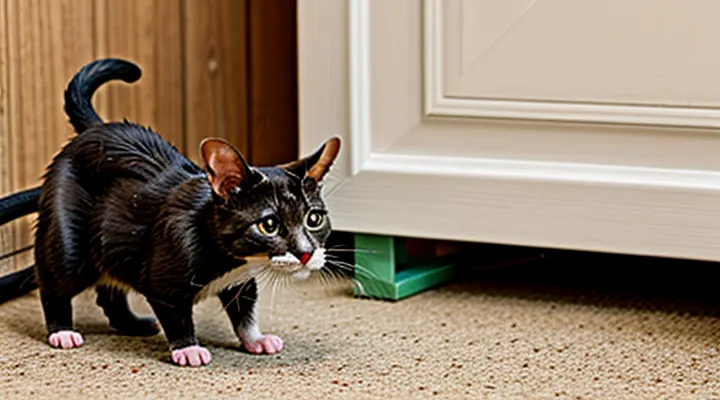
Cats possess innate predatory instincts that can be harnessed for rodent control. Selecting a breed with a strong prey drive, high agility, and appropriate size maximizes the likelihood of successful rat capture.
Key attributes influencing ratting performance include:
- Prey drive – intensity of instinctual hunting response.
- Agility – ability to maneuver quickly in confined spaces.
- Body size – sufficient strength to subdue a rat without excessive bulk.
- Stamina – endurance for extended hunting sessions.
- Independence – willingness to operate without constant human direction.
Breeds noted for superior ratting abilities:
- Maine Coon – large musculature, powerful leap, robust stamina.
- Siberian – flexible spine, strong claws, resilient in cold environments.
- American Shorthair – balanced prey drive, adaptable to indoor and outdoor settings.
- Bengal – high energy, sharp reflexes, pronounced hunting enthusiasm.
- Japanese Bobtail – compact build, excellent balance, persistent pursuit behavior.
- Turkish Van – aquatic proficiency, useful when rats inhabit damp areas; strong hunting instincts.
When choosing a cat for rat control, assess the typical rat habitats (sewers, barns, basements) and match the breed’s physical capabilities to those conditions. Ensure the animal receives regular veterinary care, a balanced diet, and opportunities for mental stimulation to maintain hunting efficiency.
Proper breed selection, combined with environmental compatibility, creates a reliable, low‑maintenance method for reducing rat populations.
Training a Cat for Pest Control
Training a cat for pest control requires consistent, purposeful conditioning. Begin by selecting a cat with strong hunting instincts; younger cats often exhibit higher drive, but mature felines can be motivated with appropriate rewards.
First, introduce the target prey (live or simulated rats) in a controlled environment. Use a secure enclosure where the cat can observe movement without risk of injury. Allow the cat to watch, then retreat, encouraging a chase response. Repeat sessions daily until the cat reliably pursues the stimulus.
Second, reinforce successful attempts with immediate positive feedback. Offer a high‑value treat or brief playtime after each capture. Consistency links the act of catching rodents to reward, strengthening the behavior.
Third, gradually transition to real‑world scenarios. Place baited traps or live rats in areas where rats are active, ensuring the cat can access them safely. Supervise initial encounters to prevent injury to the cat and to gauge effectiveness. Adjust the difficulty by varying the hiding places and movement patterns of the prey.
Fourth, maintain the cat’s motivation through regular reinforcement. Schedule short hunting drills several times a week and keep treat rewards attractive. Rotate toys that mimic prey to keep the cat’s interest sharp.
Finally, monitor health and safety. Provide routine veterinary checks, protect the cat from parasites carried by rodents, and ensure the environment remains free of hazards that could impede the cat’s performance.
Key steps for effective training:
- Identify a cat with strong predatory drive.
- Conduct daily observation‑chase sessions in a safe enclosure.
- Apply immediate, high‑value rewards after successful captures.
- Transition to controlled real‑world hunts under supervision.
- Reinforce regularly and maintain health oversight.
Assessing Your Cat's Aptitude
Health and Activity Level
A cat’s physical condition directly influences its ability to pursue and capture rodents. Regular veterinary examinations confirm the absence of illnesses that could impair hunting instincts, such as dental disease, arthritis, or vision problems. Vaccinations and parasite control prevent health setbacks that reduce stamina.
Adequate nutrition supports the energy required for quick bursts of speed and sustained activity. A diet rich in high‑quality protein, balanced fats, and essential vitamins sustains muscle mass and promotes rapid recovery after exertion. Portion sizes should match the cat’s weight and activity level to avoid obesity, which diminishes agility.
Exercise routines maintain the cat’s reflexes and coordination. Daily play sessions that mimic predatory behavior—chasing feather toys, pouncing on laser points, or navigating obstacle courses—enhance muscular strength and cardiovascular fitness. Consistency, rather than intensity, prevents fatigue and injury.
Key health and activity considerations:
- Veterinary check‑up: yearly physical, dental assessment, vision test.
- Vaccination & parasite protocol: up‑to‑date to avoid disease‑related lethargy.
- Diet: high‑protein, balanced nutrients; monitor calorie intake.
- Weight management: maintain optimal body condition score.
- Exercise: 15‑30 minutes of predatory play daily; include climbing structures.
- Rest: provide quiet, elevated sleeping areas for recovery.
Monitoring these factors ensures the cat remains alert, swift, and capable of effective rodent control.
Previous Hunting Experiences
Experience with feline hunting directly influences the success of rodent control projects. Observations from earlier deployments reveal patterns that predict a cat’s willingness to chase and capture rats, allowing practitioners to anticipate behavior and adjust tactics accordingly.
In residential basements, a domestic short‑hair that had previously stalked field mice demonstrated rapid engagement with newly introduced rats. The cat’s confidence stemmed from repeated exposure to small prey, resulting in swift pounce and secure capture. In agricultural barns, a barn cat accustomed to hunting vermin for months consistently reduced rat sightings after a single introduction of a fresh rat, confirming that sustained hunting activity builds effective predatory instincts.
Key takeaways from past operations:
- Prior exposure to live prey accelerates a cat’s response time.
- Regular feeding schedules that include occasional live catches maintain hunting drive.
- Safe, escape‑free environments prevent stress‑induced hesitation.
- Gradual introduction of larger rats after success with smaller rodents reduces fear.
- Monitoring post‑capture behavior helps refine placement of the cat for maximum coverage.
Applying these observations streamlines the deployment of a cat in new settings, ensuring that the animal’s established hunting repertoire translates into reliable rat reduction.
Preparing the Hunting Ground
Securing Your Home Environment
Eliminating Other Food Sources for Rats
Removing alternative food sources forces rats to seek out the only remaining opportunity—contact with a predatory cat. Begin by securing all potential attractants within the property.
- Store dry goods in sealed containers made of metal or thick plastic; inspect lids for cracks before sealing.
- Empty pet feeders after each meal and clean bowls daily; keep pet food in a locked cabinet.
- Dispose of kitchen waste in bins with tight-fitting lids; transfer contents to an outdoor dumpster nightly.
- Clean countertops, floors, and behind appliances to eliminate crumbs and spills; use a damp mop rather than sweeping, which can scatter debris.
- Seal gaps around pipes, vents, and door frames with steel wool and caulk; block access to attic and crawl spaces.
- Remove outdoor debris such as piles of leaves, compost heaps, and unsecured garbage bags; keep compost in a rat‑proof container with a tight lid.
- Eliminate standing water by fixing leaks, draining puddles, and storing water containers upside down when not in use.
After these measures, monitor for signs of rodent activity—droppings, gnaw marks, or burrows—and adjust sanitation practices accordingly. A clean environment limits the rats’ options, increasing the likelihood that a cat will encounter and deter the remaining individuals.
Blocking Escape Routes
Effective cat‑assisted rat capture depends on eliminating every possible exit before the predator is released. Secure the area by sealing gaps, closing doors, and covering vents that a rat could use to flee.
Identify escape routes by inspecting walls, floors, and ceilings for holes larger than 1 cm. Check under appliances, behind furniture, and inside utility shafts. Mark each opening with tape or chalk to ensure none are overlooked.
- Plug holes with steel wool, then cover with cement or heavy‑duty caulk.
- Install sweep bars at the bottom of doors and windows to block low‑level passages.
- Use wire mesh (¼‑inch gauge) to cover ventilation grilles and drain openings.
- Place a tight‑fitting lid on trash cans and storage containers that might attract rodents.
- Seal gaps around pipe penetrations with expanding foam or metal collars.
After blocking, verify integrity by running a thin sheet of paper or a flashlight beam along all seams. Any movement indicates a remaining breach that requires reinforcement. Maintain the seal by inspecting weekly, especially after cleaning or moving objects that could disturb the barriers. Continuous vigilance ensures the cat can focus on pursuit without the rat exploiting an unnoticed shortcut.
Creating a Favorable Hunting Zone
Identifying Rat Hotspots
Identifying rat hotspots is essential for directing a cat’s hunting instincts toward the most active areas. Look for signs that indicate persistent rodent activity and concentrate the cat’s access points accordingly.
- Accumulated droppings near walls, corners, or under appliances.
- Gnaw marks on wiring, wood, or packaging materials.
- Fresh burrows or tunnels in insulation, stored grain, or compost piles.
- Strong musky odor, especially in confined spaces such as basements or crawl spaces.
- Visible tracks in dust, flour, or soft soil.
These indicators reveal where rats feed, nest, or travel. Position the cat’s entry routes—such as cat doors, loft openings, or supervised free‑range zones—near these locations. Ensure the cat has clear sightlines and safe pathways to approach without obstacles that could cause injury. Regularly inspect identified hotspots for changes; new activity may require adjusting the cat’s roaming area to maintain effectiveness.
Setting Up Staging Areas for Your Cat
Create a designated staging zone where the cat can detect, approach, and intercept rodents. Choose a location that aligns with the rat’s travel routes—near walls, behind appliances, or along utility lines. Ensure the area is safe for the cat, free of hazardous objects, and offers quick escape routes if the cat becomes overstimulated.
Key elements for an effective staging area:
- Elevated platforms: Install sturdy shelves or cat trees positioned a few feet above ground to give the cat a clear line of sight and a perch from which to launch.
- Secure hideouts: Provide enclosed boxes or tunnels that allow the cat to observe rodents covertly while remaining protected.
- Non‑slip flooring: Lay rubberized mats or textured pads to prevent slipping when the cat makes rapid movements.
- Strategic scent cues: Place a small amount of rodent‑derived scent or a piece of fresh prey near the staging zone to maintain the cat’s interest.
- Clear exit paths: Keep adjacent corridors unobstructed so the cat can retreat or pursue without hindrance.
Maintain the staging zone by cleaning debris daily, rotating scent items weekly, and inspecting structural components for wear. Regularly assess the cat’s comfort and adjust platform height or hideout dimensions to match its size and agility. A well‑configured staging area maximizes the cat’s natural hunting instincts while minimizing risk to both animal and household.
The Hunt: Strategies and Tactics
Encouraging Feline Engagement
Utilizing Play to Stimulate Hunting Drive
Engaging a cat in structured play activates its natural predatory drive, increasing the likelihood that the animal will pursue and capture a rat. Short, high‑energy sessions mimic the movements of small prey, reinforcing chase instincts and sharpening reflexes.
Effective play techniques include:
- Dragging a feather‑tipped wand across the floor in erratic, darting motions; pause briefly before resuming to simulate a fleeing mouse.
- Tossing a lightweight ball or crumpled paper into tight corners, forcing the cat to navigate confined spaces similar to typical rat hideouts.
- Using a laser pointer to outline a zig‑zag path along baseboards and under furniture, encouraging the cat to follow a low‑profile trajectory.
- Incorporating a small plush mouse that can be tossed, retrieved, and re‑thrown, creating a repetitive capture‑release cycle.
Each session should last no more than five minutes, repeated several times daily. Consistency maintains the cat’s focus without causing fatigue, ensuring the animal remains motivated to apply the practiced hunting patterns when a real rat appears.
Positive Reinforcement for Rat-Related Behaviors
Positive reinforcement shapes desired actions by linking them with rewarding outcomes, allowing both predator and prey to respond predictably during a hunt. When a cat receives a treat or praise immediately after exhibiting interest in a rodent, the behavior becomes more likely to recur, increasing the animal’s focus on the target.
Applying this principle to rat capture involves two steps. First, train the cat to recognize the scent or movement of a rat as a cue for reward. Second, reinforce the cat’s restraint and precise strike, ensuring safety for both species.
Key actions include:
- Present a small food reward each time the cat watches a moving rodent silhouette or reacts to a recorded squeak.
- Use a clicker to mark the exact moment the cat fixates on the rat, then deliver the treat within two seconds.
- Gradually increase the interval between cue and reward, encouraging the cat to act without immediate reinforcement while maintaining motivation.
- Incorporate short, daily sessions to prevent fatigue and preserve the cat’s enthusiasm.
For the rat, positive reinforcement can encourage avoidance of dangerous zones. Place a non‑toxic scent or a tactile cue near entry points and reward the animal with a safe food item when it passes without entering the trap area. Over successive trials, the rat learns to bypass the hazardous zone, reducing accidental encounters while allowing the cat to focus on deliberate pursuits.
Monitoring and Management
Observing Your Cat's Hunting Patterns
Understanding a cat’s natural hunting behavior is essential for directing its predatory instincts toward rodents. Begin by recording the times when the cat shows heightened activity; most felines concentrate their hunt during dawn and dusk. Note the locations where the cat frequently patrols, such as corners near walls, under furniture, or along baseboards, because rats tend to travel the same routes.
Watch for the sequence of movements that precede an attack. A typical pattern includes:
- Slow, low‑ground stalking with ears flattened and tail twitching.
- Sudden crouch followed by a rapid, forward lunge.
- Precise bite aimed at the prey’s neck or head.
These actions reveal the cat’s readiness to engage a rat. If the cat consistently repeats the pattern without success, adjust the environment to make the target more visible. Remove obstacles that block the cat’s line of sight and provide open pathways that guide rodents into the cat’s preferred ambush zones.
Finally, compare the cat’s response to different stimuli. Artificial sounds or scents that mimic rat activity can trigger the hunting cycle. Document the cat’s reaction time, accuracy of the pounce, and any hesitation. Consistent data enable you to refine the setup, ensuring the cat’s natural skills are effectively harnessed for rodent control.
Dealing with Captured Rodents
When a cat brings a rat into the house, handle the situation promptly to protect human health and preserve the cat’s wellbeing.
First, secure the cat. Place it in a separate room or carrier to prevent additional contact with the rodent, which may carry parasites or disease. Wash your hands thoroughly before and after any interaction with the animal.
Next, assess the captured rat. If the animal is alive, consider humane release outdoors, away from the property, after confirming it poses no threat to local wildlife. If the rat is dead, proceed with disposal:
- Wear disposable gloves.
- Place the carcass in a sealed plastic bag.
- Transfer the bag to a double‑bagged container.
- Dispose of the container in an outdoor trash bin that is collected regularly, or follow local regulations for animal waste.
After removal, sanitize the area where the rat was found. Use a disinfectant containing at least 0.1 % sodium hypochlorite or an EPA‑approved product. Apply the solution to surfaces, then let it air‑dry.
Finally, implement preventive measures to reduce future incidents:
- Seal entry points such as gaps around doors, windows, and utility lines.
- Store food in airtight containers and keep countertops clean.
- Maintain a regular schedule for litter box cleaning to deter hunting behavior.
- Provide the cat with adequate stimulation and feeding to minimize excessive predatory drives.
By following these steps, you minimize health risks, respect animal welfare, and maintain a safe environment after a cat captures a rat.
Addressing Challenges
Cat Indifference to Rats
Cats often show little interest in rats, even when the animal is present in the same environment. This lack of response can undermine attempts to employ felines as a natural control method for rodent populations.
The primary cause lies in prey preference. Domestic cats are genetically tuned to chase small, fast-moving creatures such as mice and birds. Rats are larger, slower, and possess a musky odor that many cats find unattractive. Additionally, cats that have never encountered a rat may not recognize it as a target, reducing the likelihood of a predatory response.
Environmental conditions also affect behavior. Cats raised in indoor settings rarely develop hunting skills for larger prey. Outdoor cats that regularly hunt mice may ignore rats because the latter present a higher risk of injury. Habitat density influences exposure; in cluttered spaces rats can hide, limiting visual cues that trigger a chase.
To increase a cat’s willingness to engage rats, consider the following actions:
- Introduce the cat to live or simulated rat movement in a controlled area, allowing observation without danger. Repeated exposure builds recognition.
- Select breeds known for strong predatory instincts, such as the Maine Coon or Bengal, which are more likely to pursue larger rodents.
- Use rat scent or a small piece of rat carcass to familiarize the cat with the odor, encouraging investigation.
- Provide regular play sessions with toys that mimic rat size and movement patterns, reinforcing the chase response.
- Ensure the cat remains healthy and fit; a well‑conditioned animal is more capable of handling a larger prey item.
By addressing innate preferences, adjusting the cat’s environment, and applying targeted conditioning, the typical indifference toward rats can be reduced, improving the effectiveness of feline‑based rodent control.
Rat Resistance and Evasion Techniques
Rats possess several innate defenses that reduce the likelihood of a feline predator’s success. Their keen hearing detects subtle footfalls, prompting immediate retreat into concealed routes such as wall voids, crawl spaces, or underground burrows. Rapid, erratic sprinting coupled with sudden direction changes exploits a cat’s reliance on predictable prey trajectories, often causing the predator to overshoot and lose contact.
When confronted, rats employ tactile whisker feedback to gauge the proximity of a threat. This sensory input triggers a freeze‑and‑dash response: the animal pauses briefly, then accelerates with bursts of speed exceeding 8 mph, outpacing most domestic cats. Additionally, rats can climb vertical surfaces, scale rough textures, and navigate narrow gaps inaccessible to a cat’s body size.
To counter these evasive tactics, cat handlers should consider the following measures:
- Secure entry points – seal cracks, gaps, and holes larger than ¼ inch to limit escape routes.
- Introduce scent cues – place rat‑derived pheromone lures near known pathways to encourage exposure.
- Utilize confined spaces – confine the cat to a controlled area where the rat’s movement options are reduced.
- Employ timing strategies – schedule hunting sessions during periods of low ambient noise, when rats are less likely to detect the cat’s approach.
- Leverage environmental obstacles – arrange furniture or barriers that create choke points, forcing the rat into predictable paths.
Understanding these resistance mechanisms enables more effective deployment of feline hunters, increasing capture rates while minimizing unnecessary stress for both animal parties.
Ethical Considerations and Safety
Ensuring Cat Well-being
Preventing Injuries During the Hunt
When a cat is employed to catch a rat, safety must be prioritized for both the animal and the handler. Ensure the cat is healthy, up‑to‑date on vaccinations, and free of parasites that could be transferred during a struggle. Regular veterinary checks reduce the risk of disease and injuries that could impair the cat’s ability to perform.
Create a controlled environment before the hunt. Clear the area of sharp objects, wires, and breakable items that could cause cuts or fractures. Use a sturdy, escape‑proof container to confine the rat once caught, preventing sudden movements that might endanger the cat’s paws or teeth.
During the encounter, keep hands away from the cat’s mouth and claws. Wear thick gloves if direct contact with the rat is unavoidable. Avoid pulling the rat by its tail; instead, allow the cat to seize the prey naturally, reducing stress on both animals.
After the capture, inspect the cat for scratches, puncture wounds, or signs of infection. Clean any injuries with antiseptic solution and seek veterinary care if bleeding persists. Dispose of the rat promptly, using sealed bags or a designated disposal bin to eliminate exposure to pathogens.
Key preventive measures:
- Verify cat’s health status regularly.
- Remove hazards from the hunting area.
- Use protective gloves for any handling.
- Allow the cat to engage the rat without forced manipulation.
- Conduct post‑hunt health checks on the cat.
- Dispose of the rat safely and hygienically.
Vaccinations and Parasite Control
A cat that is employed to hunt rats must be protected against diseases and parasites that could compromise its performance and health. Vaccinations safeguard the animal from infections transmissible through rodent contact, while parasite control prevents internal and external infestations that diminish stamina and increase the risk of zoonotic spread.
Vaccination protocol for a hunting cat typically includes:
- Core vaccines: feline panleukopenia, feline calicivirus, feline herpesvirus, rabies.
- Supplemental vaccines: feline leukemia virus (FeLV) when exposure to wild rodents is likely.
- Annual boosters or titers to confirm immunity levels.
Effective parasite management consists of:
- Monthly oral or spot‑on preventatives for fleas, ticks, and mites.
- Routine deworming with broad‑spectrum anthelmintics targeting tapeworms, roundworms, and lungworms common in prey.
- Regular fecal examinations to detect emerging infestations early.
Maintaining up‑to‑date immunizations and a rigorous parasite regimen ensures the cat remains agile, reduces the chance of disease transmission to humans, and sustains reliable rat‑hunting capability.
Human and Pet Safety
Minimizing Contact with Rats
Effective rat control with a cat requires limiting human exposure to rodents. Direct contact increases the risk of bites, disease transmission, and allergic reactions. Implement the following measures before, during, and after the cat’s hunting activity.
- Secure food sources: store grain, pet food, and garbage in sealed containers; clean spills promptly to deprive rats of attractants.
- Install barriers: seal gaps around doors, vents, and utility lines with steel wool or metal mesh to prevent rats from entering living spaces.
- Use protective gear: wear disposable gloves and a mask when handling traps, cleaning droppings, or inspecting potential rat pathways.
- Designate a hunting zone: confine the cat’s activity to a specific area equipped with bedding and litter that can be sanitized regularly.
- Conduct regular sanitation: vacuum and disinfect surfaces where the cat may have contacted rat carcasses or feces; dispose of waste in sealed bags.
During the cat’s engagement, supervise its interaction to avoid accidental ingestion of a live rat. If the cat captures a rat, use a disposable container to transfer the carcass to an outdoor disposal site, minimizing handling. Clean the cat’s paws and fur with a pet‑safe disinfectant after each encounter.
Post‑hunt procedures include washing hands thoroughly, laundering any linens or clothing that may have been contaminated, and monitoring the cat for signs of injury or illness. Maintaining these protocols reduces the likelihood of direct rat contact while leveraging the cat’s natural hunting instincts.
Safe Handling of Captured Pests
When a cat secures a rat, immediate steps protect both handler and household. Begin by wearing disposable nitrile gloves; they prevent disease transmission and reduce the risk of scratches if the rodent struggles. Place the animal in a rigid, ventilated container—plastic box with a secure lid works well. Seal the container, label it if necessary, and move it to a designated area away from food preparation zones.
Key actions after containment:
- Disinfect gloves and the surrounding surface with a solution containing at least 70 % alcohol or a diluted bleach mixture (1 part bleach to 9 parts water).
- Dispose of the rat according to local regulations: many jurisdictions require placement in a sealed trash bag for municipal collection, while others allow release in a remote, non‑residential area.
- Clean the cat’s paws and coat using a pet‑safe cleanser; this prevents secondary contamination.
- Monitor the cat for signs of injury or illness, especially if it engaged directly with the rodent.
Finally, document the incident—date, location, and method used—to inform future pest‑control strategies and ensure compliance with health‑safety standards.