
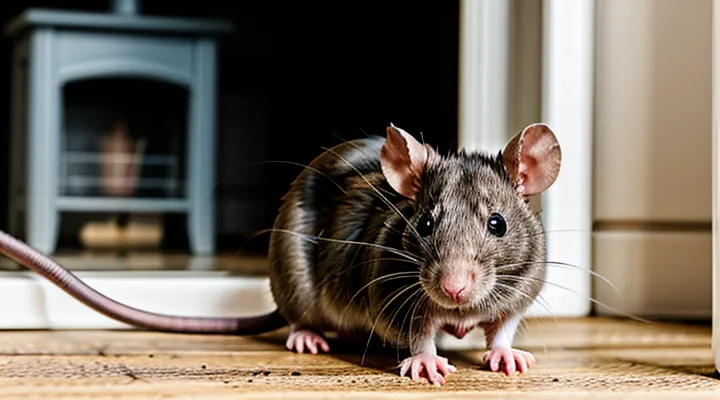
Choosing the Right Cage
Size Matters: Ensuring Ample Space
Minimum Dimensions for Single Rats
When providing a habitat for a solitary rat, ensure the enclosure meets the smallest acceptable size to support basic movement, exercise, and health. The floor space must be no less than 0.5 square feet (approximately 46 × 46 cm). Height should allow the rat to stand upright without restriction, requiring a minimum of 12 inches (30 cm). Combining these measurements yields a minimum volume of roughly 2 cubic feet (about 56 × 30 × 30 cm).
Key dimensions to verify:
- Floor area: ≥ 0.5 sq ft (≈ 46 × 46 cm)
- Height: ≥ 12 in (30 cm)
- Overall volume: ≥ 2 cu ft (≈ 56 × 30 × 30 cm)
Additional considerations:
- Provide multiple levels or platforms only if the total floor area remains above the minimum.
- Use solid flooring rather than wire mesh to protect feet and prevent injuries.
- Ensure adequate ventilation without compromising space.
Adhering to these measurements creates a baseline environment that meets the physiological needs of a single rat while allowing for enrichment and safe handling.
Considerations for Multiple Rats
When housing more than one rat, each factor that influences individual welfare multiplies. Successful cohabitation depends on space, social structure, enrichment, nutrition, health surveillance, and quarantine protocols.
- Provide at least 2 sq ft (0.19 m²) of floor area per rat; larger groups require proportionally larger cages to prevent crowding and aggression.
- Use a multi‑level enclosure with solid flooring, ample climbing opportunities, and separate hideouts to accommodate hierarchical behavior.
- Supply multiple water bottles and food dishes to reduce competition; consider a communal bowl supplemented by individual feeders for dominant animals.
- Implement a gender strategy: keep all‑female groups or mixed‑sex groups with neutered males to minimize breeding and territorial disputes.
- Quarantine new arrivals for a minimum of four weeks in a separate cage; monitor for respiratory signs, skin lesions, and abnormal behavior before integration.
- Conduct weekly health checks on each rat, noting weight, coat condition, and activity levels; isolate any individual showing illness promptly.
- Rotate toys, tunnels, and chew items regularly to sustain mental stimulation and prevent resource guarding.
Adhering to these guidelines creates a stable environment where multiple rats thrive together while minimizing stress and disease risk.
Material and Bar Spacing
Wire vs. Plastic Cages
When choosing a cage for a pet rat, the material determines ventilation, durability, cleaning ease, and safety. Wire cages and plastic cages each present distinct advantages and drawbacks that affect the animal’s health and the owner’s maintenance routine.
Wire cages offer superior airflow, reducing humidity and the likelihood of respiratory issues. The mesh design allows quick visual assessment of the rat’s condition and facilitates the placement of accessories such as wheels and tunnels. However, the gaps in the mesh can trap small limbs or cause injuries if the rat squeezes through openings that are too large. To mitigate risk, select cages with narrow spacing (no more than ½ inch) and inspect regularly for sharp edges or loose wires. Wire structures are generally robust, resisting gnawing damage, but they can rust if not coated or if exposed to moisture for extended periods.
Plastic cages provide a solid barrier that eliminates the chance of limb entrapment. The smooth interior surfaces simplify cleaning; debris can be removed with a single rinse, and many models are dishwasher‑safe. The enclosed design helps maintain a stable temperature, which is useful in colder environments. On the downside, plastic restricts airflow, potentially increasing moisture buildup and fostering fungal growth. Ventilation holes are often limited, requiring supplemental fans or frequent cage changes. Rats may also chew through thin plastic over time, necessitating replacement of compromised panels.
Key comparison points:
- Ventilation: Wire – high; Plastic – limited.
- Cleaning: Wire – disassemble for thorough wash; Plastic – quick rinse, often dishwasher‑compatible.
- Safety: Wire – risk of limb entrapment if mesh is too large; Plastic – risk of chewing through thin walls.
- Durability: Wire – resistant to gnawing, may rust; Plastic – susceptible to cracks and chewing damage.
- Cost: Wire – moderate to high, depending on size; Plastic – generally lower, but may require replacement sooner.
Selecting the appropriate cage depends on the owner’s priority: optimal airflow and durability favor wire cages, while ease of cleaning and enclosure integrity favor plastic cages. Balancing these factors ensures a healthy environment for the rat while simplifying routine care.
Preventing Escapes: Bar Spacing Guidelines
Rats are adept escape artists; inadequate gaps in cage bars allow them to slip through and jeopardize their safety. Proper bar spacing eliminates this risk by matching the animal’s size and behavior.
- Measure the internal width of each bar opening; keep it at or below ½ inch (12 mm) for standard pet rats.
- Use cages with vertical bars spaced no more than ½ inch apart; horizontal bars can be slightly wider but should not exceed ¾ inch (19 mm).
- Inspect the cage regularly for loose or warped bars that could widen the gap.
- Choose metal or stainless‑steel bars; plastic may deform under pressure, increasing spacing.
- When adding accessories (ramps, tunnels, toys), ensure they do not create additional openings larger than the specified limits.
- For multi‑level cages, verify that ladders and bridges maintain the same bar spacing throughout.
Cage Location and Environment
Ideal Room Temperature
Rats thrive when ambient temperature remains steady between 68 °F and 75 °F (20 °C–24 °C). Temperatures below this range increase metabolic stress, while higher levels risk overheating and dehydration.
- Maintain a constant temperature; avoid rapid fluctuations of more than 5 °F (3 °C) within a day.
- Use a thermostat‑controlled heater or a climate‑stable room rather than direct sunlight or drafty areas.
- Monitor temperature with a digital hygrometer placed at cage level; record readings at least twice daily.
- Adjust heating devices seasonally, ensuring the cage interior does not exceed the upper limit even when ambient room temperature rises.
Stable, moderate warmth supports normal activity, digestion, and immune function, reducing the likelihood of respiratory issues and heat‑related distress.
Avoiding Drafts and Direct Sunlight
Rats thrive in environments that are stable in temperature and free from sudden air currents. Drafts lower body temperature, increase stress, and can lead to respiratory problems. Direct sunlight raises cage temperature, causes dehydration, and may result in skin burns.
To protect a pet rat from these hazards, follow these practical measures:
- Position the cage away from windows, doors, and air‑conditioning vents that generate drafts.
- Use a solid, insulated cage cover or a piece of cardboard to shield the enclosure from sunlight while still allowing ventilation.
- Ensure the room maintains a consistent ambient temperature between 65 °F and 75 °F (18 °C–24 °C).
- If natural light is desired, place the cage near a window with a sheer curtain that diffuses sunlight without exposing the rat to direct rays.
- Check for gaps around the cage and seal them with weather‑stripping or a draft stopper.
Regularly monitor the cage temperature with a reliable thermometer. Adjust the location or add shading if readings exceed the recommended range. Consistent environmental control reduces stress, supports immune function, and promotes overall well‑being for the rat.
Furnishing Your Rat's Home
Bedding and Substrate
Safe Bedding Options
Choose bedding that does not release harmful dust, chemicals, or sharp particles. Safe options include:
- Paper‑based bedding (e.g., shredded paper, cellulose pads). It absorbs moisture, remains low‑dust, and is easy to replace.
- Aspen shavings. Soft, non‑aromatic wood fibers that do not contain the resinous oils found in pine or cedar.
- Hemp or cotton fiber bedding. Natural fibers with moderate absorbency and minimal dust when processed for pet use.
- Coconut husk (coir) blocks. Compact, low‑dust material that expands when wetted, providing a stable substrate.
Avoid cedar, pine, or scented woods, as volatile oils can irritate a rat’s respiratory system. Scented or heavily perfumed litters introduce chemicals that may cause dermatitis or digestive upset. Monitor bedding for mold or excess moisture; replace it promptly when dampness exceeds a few hours.
When selecting a product, verify that the manufacturer labels it as “pet‑safe” or “rodent‑appropriate.” Check for certifications such as ISO 9001 or ASTM standards, which indicate consistent quality control. Test a small batch before full implementation to ensure the rats show no aversion or health reactions.
Unsafe Bedding Materials to Avoid
Choosing appropriate bedding is critical for rat health. Certain substrates pose respiratory, digestive, or skin hazards and must be excluded from any enclosure.
- Softwood shavings (pine, cedar): Emit aromatic oils that irritate the respiratory tract and can cause chronic lung disease.
- Dusty hardwood shavings (aspen, birch): Generate fine particles that settle in the nasal passages, increasing the risk of pneumonia.
- Paper pulp bedding (crumpled newspaper, shredded office paper): Contains inks and chemicals that may be ingested, leading to gastrointestinal upset.
- Corncob bedding: Holds mold easily, releasing spores that provoke allergic reactions and respiratory distress.
- Hay (especially straw): Produces excessive dust and encourages fungal growth; also encourages chewing that may damage teeth.
- Scented or dyed bedding: Fragrances and dyes introduce volatile compounds unsuitable for small mammals.
Using these materials can compromise immunity, shorten lifespan, and necessitate veterinary intervention. Opt for low‑dust, unscented options such as compressed paper pellets, fleece liners, or specially formulated rodent bedding that meets safety standards. Regularly monitor the enclosure for signs of irritation—sneezing, nasal discharge, or changes in grooming behavior—and replace bedding promptly if any issues arise.
Cleaning and Replacement Schedule
A clean environment prevents disease, controls odor, and supports a rat’s well‑being. Follow a strict timetable to maintain hygiene and replace worn items before they become hazards.
-
Daily:
• Remove uneaten food and replace with fresh portions.
• Spot‑clean any soiled bedding.
• Refresh water in the bottle; check for leaks or contamination. -
Weekly:
• Empty the entire cage, wash all surfaces with a mild, non‑abrasive detergent, and rinse thoroughly.
• Scrub food dishes, water bottle interiors, and any plastic accessories.
• Replace all bedding with a fresh layer. -
Monthly:
• Disinfect cage corners, bars, and any removable components using a diluted bleach solution (1 % concentration) or a veterinary‑approved sanitizer.
• Inspect and tighten hardware; replace corroded or broken parts.
• Rotate and clean enrichment toys; discard those showing wear or chew damage.
Replacement schedule for consumable items
- Bedding: replace every 1–2 weeks, or sooner if soiled.
- Water bottle: replace the entire unit every 3 months; check the spout weekly for blockages.
- Food dish and chew toys: replace every 6 months, or when cracks, stains, or excessive wear appear.
- Cage liner or tray: replace monthly or when residual waste accumulates.
Adhering to these intervals eliminates bacterial buildup, reduces stress, and ensures a safe habitat for the rat. Regular inspection combined with scheduled cleaning sustains optimal living conditions.
Enrichment and Play
Tunnels and Hiding Spots
Rats thrive when their environment includes ample tunnels and concealed areas that mimic natural burrows. These structures reduce stress, encourage exploration, and support healthy behavior.
A solid tunnel system should consist of at least two intersecting pathways, each long enough for a rat to turn around comfortably. Use safe, chew‑resistant materials such as untreated wood, PVC pipe, or commercial rodent tunnels. Ensure connections are smooth to prevent injuries. Secure the ends with mesh or solid lids to keep bedding from escaping and to maintain hygiene.
Hiding spots serve as private retreats where rats can rest undisturbed. Provide several options, for example:
- Small wooden boxes with a single entrance
- Ceramic hideaways with a low opening
- Fabric pouches stitched without loose threads
- Natural cork or bamboo tubes
Place hides at varying heights and locations within the cage to encourage movement and exploration. Position at least one hide near the food source to allow quick access during feeding.
Maintain tunnels and hides by cleaning them weekly. Disassemble removable sections, wash with mild, unscented soap, rinse thoroughly, and dry before reassembly. Replace any damaged components promptly to avoid sharp edges or potential escape routes.
Integrating a network of tunnels and multiple hiding places creates a dynamic habitat that satisfies a rat’s instinctual need for security and movement, ultimately promoting a healthier, more content pet.
Chew Toys for Dental Health
Chew toys are essential for maintaining a rat’s dental health. Continuous tooth growth requires regular abrasion; without adequate gnawing, incisors can overgrow, leading to pain and feeding difficulties.
Select toys that meet these criteria:
- Made from safe, non‑toxic materials such as untreated wood, natural fibers, or food‑grade silicone.
- Rough enough to wear down enamel but not so hard as to cause fractures.
- Sized appropriately for the animal’s mouth; pieces should be no larger than a quarter of the rat’s head.
Common effective options include:
- Untreated pine or apple wood blocks.
- Natural sisal rope or twine.
- Food‑grade silicone chew rings.
- Cardboard tubes with reinforced ends.
- Hemp or jute chew sticks.
Rotate toys regularly to prevent habituation and to stimulate continual gnawing activity. Inspect each item daily for splinters, frayed edges, or mold; discard any compromised pieces immediately.
Place chew items within the cage’s enrichment zone, ensuring they are anchored or positioned securely to avoid accidental ingestion of large fragments. Providing a variety of textures supports comprehensive tooth wear and promotes overall oral hygiene.
Exercise Wheels and Other Accessories
Exercise wheels provide essential aerobic activity for pet rats, preventing obesity and supporting joint health. Choose a solid‑mounted wheel of at least 12 cm in diameter; plastic wheels can break under weight, while wire wheels may cause foot injuries. Ensure the wheel rotates freely without wobble, and inspect it weekly for cracks or rust.
Additional accessories complement the wheel and enhance the enclosure’s functionality:
- Climbing structures: wooden ladders, rope bridges, and PVC tunnels encourage vertical movement and mimic natural foraging behavior. Secure all elements to the cage walls to avoid collapse.
- Hideouts: solid plastic or wooden houses offer safe retreat spaces, reducing stress. Provide at least one hideout per rat, with an entrance size of 2 cm to allow easy access.
- Chewing toys: untreated hardwood blocks, natural branches, and mineral chews satisfy the species’ gnawing instinct and help maintain dental wear. Rotate toys regularly to sustain interest.
- Foraging devices: treat‑dispensing balls or puzzle feeders stimulate mental engagement and extend feeding time, promoting healthier eating patterns.
- Cleaning tools: cage‑safe scrubbers and detachable platform trays simplify substrate changes and reduce bacterial buildup.
When arranging accessories, maintain clear pathways between the wheel, hideouts, and feeding stations. Space the items to prevent overcrowding, allowing each rat to move freely without competition for resources. Regularly rotate or replace worn accessories to preserve safety and prevent habituation.
Food and Water Stations
Proper Placement of Bowls
Place food and water containers where a rat can reach them without climbing or stretching. Secure bowls on a solid surface that will not tip when the animal pushes against them. Use heavy ceramic or stainless‑steel dishes; plastic can crack and harbor bacteria.
Maintain separation between feeding areas and bedding. Position bowls away from corners where droppings accumulate, and keep them at least a few centimeters above the cage floor if the cage has a mesh base. Ensure the water bottle or bowl is positioned so the tip does not touch the cage walls, preventing contamination.
- Choose sturdy, chew‑resistant materials.
- Anchor bowls to the cage floor or use weighted dishes.
- Locate containers on the side opposite the main nesting area.
- Keep bowls clear of food‑spillage zones.
- Clean and refill daily; replace water bottles weekly.
These practices reduce waste buildup, limit exposure to damp bedding, and promote consistent intake of fresh food and water.
Types of Water Bottles and Their Maintenance
Rats require a reliable source of fresh water, and the choice of bottle influences both accessibility and hygiene. Common bottle designs include glass containers with stainless‑steel sipper tubes, clear plastic bottles fitted with silicone nipples, and gravity‑fed dispensers that deliver water through a drip valve. Each model offers distinct advantages: glass resists scratching and odor retention, plastic provides lightweight handling, and dispensers reduce the need for frequent refills.
- Glass bottle with stainless‑steel sipper: durable, easy to sterilize, minimal bacterial growth.
- Plastic bottle with silicone nipple: inexpensive, break‑resistant, suitable for small cages.
- Gravity‑fed dispenser: continuous flow, ideal for multiple rats, requires regular leak checks.
Maintenance practices ensure water remains uncontaminated and the system functions properly. Clean bottles at least once a week using hot water and a mild detergent; rinse thoroughly to remove residue. For deeper sanitation, immerse glass bottles in a solution of one part white vinegar to three parts water for 10 minutes, then rinse. Plastic bottles tolerate the same routine but should be inspected for cracks before each cleaning cycle. Replace silicone nipples or drip valves whenever wear or discoloration appears, typically every 2–3 months. Verify that seals remain intact and that the bottle hangs securely to prevent spills.
Consistent cleaning, routine inspection, and timely component replacement maintain water quality and reduce the risk of illness in pet rats. Selecting a bottle that fits the cage layout and following the outlined maintenance schedule provide a dependable hydration system.
Maintaining a Clean and Healthy Environment
Daily Spot Cleaning
Removing Waste and Leftover Food
Regular removal of feces and uneaten food prevents odor buildup, reduces the risk of respiratory irritation, and curtails bacterial growth within the cage. Clean the enclosure at least once daily, focusing on the floor and any areas where droppings accumulate. Use a small scoop or disposable paper towel to collect solid waste, then place it in a sealed bag before discarding in an outdoor trash container.
When handling leftover food, follow a strict protocol:
- Inspect the cage each evening for uneaten pieces.
- Remove all fresh produce, pellets, and treats that have been untouched for more than four hours.
- Dispose of the removed items in a compost bin only if the waste is free of mold; otherwise, seal in a bag and discard with regular trash.
- Wipe down feeding dishes with warm, mild soap and rinse thoroughly before returning them to the cage.
Bedding should be refreshed regularly to keep the environment dry. Replace the entire substrate weekly, but spot‑clean clumps of soiled material daily. Choose low‑dust, absorbent bedding such as paper‑based or aspen shavings; avoid cedar and pine, which release volatile compounds harmful to rodents.
Sanitizing solutions must be safe for small mammals. A mixture of one part white vinegar to three parts water effectively neutralizes odors without leaving harmful residues. After cleaning, rinse the cage with plain water and allow it to air dry completely before re‑adding bedding and accessories.
Establish a cleaning schedule, record the date of each thorough cleaning, and adhere to it consistently. This routine maintains a hygienic habitat, promotes the rat’s health, and extends the lifespan of cage components.
Weekly Deep Cleaning
Disinfecting the Cage
Proper cage sanitation is essential for a healthy rat environment. Regular disinfection removes pathogens, controls odor, and prevents the buildup of harmful bacteria.
- Remove all accessories (toys, water bottle, food dish) and place them in a safe area.
- Empty bedding and dispose of it in a sealed bag.
- Wash the cage interior with warm water and a mild, unscented detergent. Rinse thoroughly to eliminate soap residue.
- Apply a rodent‑safe disinfectant (e.g., a diluted bleach solution of 1 part bleach to 32 parts water or a commercial pet‑approved sanitizer). Ensure the product is labeled for use with small mammals.
- Allow the disinfectant to sit for the manufacturer‑recommended contact time, typically 5–10 minutes.
- Rinse the cage repeatedly with clean water until no chemical odor remains.
- Dry the cage completely with a clean towel or let it air‑dry before reassembling.
Reintroduce cleaned accessories, add fresh bedding, and return the rat to the cage only after the surface is fully dry. Perform this routine weekly, or more often if the cage becomes soiled between cleanings. Consistent application of these steps maintains a safe, hygienic habitat for the pet rat.
Washing Accessories
Cleaning cages, water bottles, and feeding bowls regularly prevents bacterial growth and reduces the risk of respiratory problems for pet rats. Use hot, soapy water to remove food residue, then rinse thoroughly to eliminate soap traces.
- Cage flooring and tunnels: scrub with a brush, rinse, and disinfect with a diluted bleach solution (1 % concentration) for five minutes before a final rinse.
- Water bottle: disassemble, soak in warm soapy water, scrub the nozzle, rinse, and sterilize by boiling for three minutes.
- Food dish: wash with dish detergent, rinse, and place in a dishwasher if the material permits; otherwise, scrub and rinse by hand.
After washing, air‑dry all accessories completely before reassembly to avoid moisture buildup. Store cleaned items in a clean, dust‑free area until the next cage change. Consistent washing routines maintain a hygienic environment and support the health of the rats.
Odor Control and Ventilation
Natural Odor Absorbers
Rats produce ammonia and urine odors that accumulate quickly in confined spaces. Effective odor control relies on materials that chemically bind or neutralize volatile compounds without introducing toxins.
- Baking soda: a mild alkaline powder that absorbs acidic molecules; sprinkle a thin layer on the cage floor and replace weekly.
- Activated charcoal: porous carbon granules trap gases; place a sealed pouch in a corner to prevent dust exposure.
- Hemp or pine shavings: natural fibers with low dust levels; they wick moisture and release faint aromatic compounds that counteract smell.
- Dried lavender or rosemary: aromatic herbs whose essential oils have mild antimicrobial properties; add a small sachet to the cage lid, ensuring rats cannot ingest loose foliage.
- Zeolite crystals: aluminosilicate minerals with high cation‑exchange capacity; distribute a thin layer under the bedding to capture ammonia.
Apply a single absorber or combine two complementary options for maximum effect. Maintain a regular cleaning schedule, replace absorbent materials before saturation, and monitor the cage for any signs of respiratory irritation. Consistent use of these natural agents preserves air quality while avoiding chemical sprays that could harm the animal.
Importance of Air Circulation
Proper air movement inside a rat enclosure prevents the buildup of humidity, ammonia, and mold, all of which can cause respiratory distress and skin irritation. Stagnant air encourages bacterial growth, reduces the effectiveness of bedding, and creates an uncomfortable environment that may lead to stress‑induced behaviors.
- Position cages away from direct drafts while allowing cross‑ventilation; a gentle flow of fresh air should pass through the top and sides.
- Use cages with mesh sides or incorporate vented panels that can be opened without exposing the animal to sudden temperature changes.
- Maintain a minimum of 10–15 air changes per hour; this can be measured with a simple airflow meter or by monitoring odor levels throughout the day.
- Clean ventilation openings regularly to prevent dust accumulation, which can re‑introduce contaminants into the habitat.
Adequate circulation also supports temperature regulation. When warm air rises and cooler air replaces it, the enclosure stays within the optimal range of 68–75 °F (20–24 °C). Consistent temperature helps maintain metabolic stability and reduces the risk of heat‑related illnesses.
If a sealed enclosure is unavoidable, incorporate a low‑noise fan set to a low speed to simulate natural airflow. Ensure the fan’s blades are shielded to prevent injury, and monitor the rat for any signs of stress or overheating.
Overall, a well‑ventilated habitat promotes health, minimizes disease risk, and contributes to a stable, comfortable living space for the pet rat.