
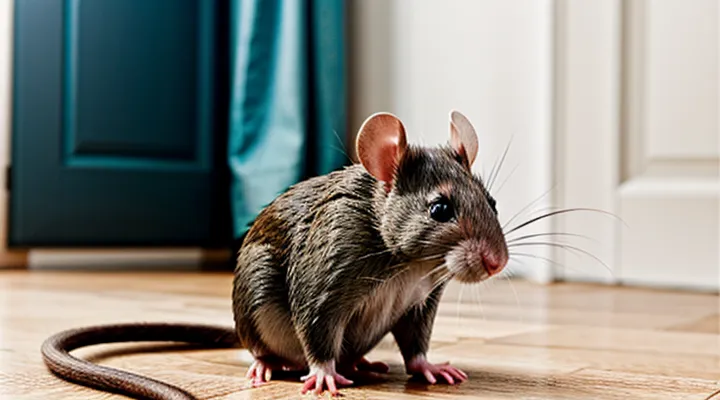
Understanding Rat Anxiety
Signs of a Nervous Rat
Body Language Cues
Body language offers direct insight into a rat’s emotional state, allowing precise intervention without reliance on verbal cues. Recognizing specific signals prevents escalation and promotes rapid relaxation.
- Ears flattened against the head – immediate indicator of fear or aggression.
- Tail thumping against the cage floor – sign of heightened arousal.
- Rapid, jittery whisker movements – reflects nervous anticipation.
- Piloerection (hair standing on end) – denotes acute stress.
- Sudden, erratic darting – evidence of panic.
Conversely, cues of calm include:
- Ears positioned slightly forward, relaxed against the skull.
- Tail resting loosely alongside the body.
- Slow, rhythmic whisker sweeps.
- Smooth, unruffled fur.
- Gentle grooming behavior directed at the body or cage mates.
Effective response relies on matching handling techniques to observed cues. When stress signals appear, the handler should approach from the side, maintain a low profile, and avoid direct eye contact. Providing a secure hideaway and limiting sudden movements reduces perceived threats. Upon detection of calming cues, gentle petting along the back and offering a familiar treat reinforces the relaxed state. Consistent observation of body language ensures that interventions remain timely and appropriate, fostering a stable, low‑stress environment for the animal.
Behavioral Changes
A nervous rat that receives effective calming interventions exhibits distinct shifts in activity patterns. These shifts serve as reliable indicators of reduced stress and increased welfare.
- «Reduced repetitive grooming» replaces frantic, self‑directed movements; the animal spends less time on stereotyped cleaning bursts.
- «Increased exploratory behavior» appears as a willingness to investigate novel objects and open spaces, reflecting lowered anxiety.
- «More stable locomotion» manifests through smoother, purposeful walking rather than erratic, darting motions.
- «Elevated social interaction» emerges when the rat approaches conspecifics or handlers without hesitation, indicating restored confidence.
- «Normalized feeding and drinking» shows a return to regular consumption rates, contrasting the suppressed intake typical of acute stress.
Observation of these behavioral modifications confirms the efficacy of calming strategies and guides further refinement of handling protocols.
Common Causes of Anxiety in Rats
New Environments
Introducing a rat to a novel enclosure can reduce anxiety when the transition follows a structured protocol. Sensory familiarity, gradual exposure, and environmental enrichment create conditions that promote relaxation.
- Place a familiar bedding fragment in the new cage before the rat enters. The familiar scent anchors the animal’s perception of safety.
- Allow the rat to explore the space for short intervals, increasing duration over several days. Controlled exposure prevents overwhelming stress responses.
- Add climbing structures and hiding places that mimic the original habitat. Physical complexity encourages natural behaviors and distracts from unfamiliar cues.
- Maintain consistent lighting and temperature between the old and new environments. Uniform conditions eliminate additional sensory shock.
- Keep a regular feeding schedule, delivering food in the same location within the new enclosure. Predictable nutrition reinforces a sense of stability.
Monitoring respiration rate and grooming frequency provides objective indicators of stress reduction. Consistent improvement across these metrics confirms that the new environment supports calm behavior.
Loud Noises
Loud noises trigger heightened stress responses in rats, causing rapid breathing, trembling, and attempts to escape. The auditory system of a rodent is highly sensitive; sudden or sustained sounds above 70 dB can exacerbate anxiety and impede recovery from other stressors.
Effective measures to reduce acoustic disturbance include:
- Relocating the cage to a quiet area away from appliances, traffic, or human activity.
- Enclosing the habitat in a sound‑dampening enclosure made of dense foam or acoustic panels.
- Scheduling routine care during periods of minimal ambient noise, such as late evening or early morning.
- Using white‑noise generators set to a low, constant level (around 50 dB) to mask sporadic sounds.
- Gradually exposing the animal to low‑volume recordings of common noises, increasing intensity over several days to build tolerance.
Implementing these actions creates a stable acoustic environment, facilitating the calming process for an anxious rat.
Unfamiliar Scents
Unfamiliar scents represent a primary source of stress for a nervous rat. The animal’s olfactory system detects new odors instantly, triggering the amygdala and prompting a release of cortisol that intensifies agitation.
Physiological response includes rapid heart‑rate elevation, increased respiration, and heightened vigilance. Observation of these signs confirms that the scent is perceived as a threat rather than a neutral stimulus.
Practical measures to mitigate the impact of novel odors:
- Remove the source of the unfamiliar scent promptly; clean cages, bedding, and surrounding surfaces with unscented, mild detergent.
- Introduce a neutral, familiar odor such as shredded paper or untreated wood shavings to re‑establish a baseline scent environment.
- Apply gradual desensitization: expose the rat to a diluted version of the new scent for short periods, extending duration over several days while monitoring behavior.
- Ensure proper ventilation to disperse lingering volatile compounds without creating drafts that could startle the animal.
Continuous monitoring of grooming frequency, nesting activity, and vocalizations provides feedback on the effectiveness of the intervention. Adjust exposure levels or replace the scent with an alternative neutral odor if stress indicators persist. «Rats display heightened cortisol levels when exposed to novel odors», confirming the necessity of controlling scent variables to achieve calmness.
Immediate Steps to Soothe Your Rat
Creating a Safe Space
Dimming Lights
Dimming the lights creates a low‑intensity environment that reduces visual stimulation for an anxious rodent. Soft illumination lowers the activity of the rat’s retina, which in turn diminishes the flow of sensory information to the brain and promotes a calmer physiological state.
Key effects of reduced lighting:
- Decreased heart rate and respiration, reflecting lower stress levels.
- Lessened startle response to sudden movements in the surroundings.
- Enhanced willingness to explore enclosed shelters where the animal can feel secure.
Practical implementation:
- Replace bright bulbs with dimmable LEDs or low‑wattage lamps.
- Set illumination to approximately 5–10 lux, measured with a light meter.
- Maintain consistent dim lighting for at least 15 minutes before handling or any experimental procedure.
- Monitor the rat’s behavior; if signs of excessive lethargy appear, adjust brightness upward slightly.
Combining dim lighting with other calming techniques—such as gentle handling and a quiet room—optimizes the reduction of anxiety in a nervous rat.
Providing Hiding Spots
Providing secure hiding spots is essential for reducing stress in an anxious rat. A well‑placed refuge offers a sense of control and a place to retreat when stimuli become overwhelming.
- Install a closed tunnel or PVC pipe with open ends; ensure the interior is smooth to prevent injuries.
- Add a small, covered box made of untreated wood or sturdy plastic; position it low to the cage floor to mimic natural burrows.
- Use dense, non‑shreddable material such as fleece blankets folded into a nest; secure the edges to prevent slipping.
- Incorporate multiple shelters at different heights; this creates options for escape and encourages exploration without fear.
Each hiding spot should be easily accessible, regularly cleaned, and free of strong odors. Proper placement—away from the main feeding area and near the rear of the cage—minimizes competition for space and reinforces the rat’s perception of safety. Consistent availability of these refuges contributes directly to calmer behavior and improved overall wellbeing.
Gentle Interaction Techniques
Soft Voice and Slow Movements
A nervous rat reacts strongly to sudden sounds and rapid gestures; the auditory and visual environment determines the animal’s stress level.
A gentle vocal tone reduces auditory arousal. Speak at a low volume, maintain a consistent pitch, and avoid abrupt fluctuations. The sound should remain within a calm frequency range, allowing the rat’s auditory system to register the signal as non‑threatening.
Slow, deliberate movements prevent visual alarm. Approach the cage with fluid gestures, keep hand motions gradual, and maintain a steady pace. Sudden accelerations or sharp hand positions can trigger a fight‑or‑flight response, whereas measured motion signals safety.
Key practices for calming a jittery rodent:
- Use a «soft voice»: low amplitude, steady intonation, no sudden spikes.
- Employ «slow movements»: smooth trajectories, minimal speed changes, consistent distance.
- Combine both cues: synchronize vocal softness with kinetic calmness to reinforce a non‑threatening context.
Consistent application of these techniques lowers cortisol levels, stabilizes breathing patterns, and encourages the rat to exhibit relaxed behavior.
Offering Treats
Treats serve as positive reinforcement that reduces stress signals in a frightened rodent. The sweet or savory reward creates a predictable association between the caregiver’s presence and a pleasant experience, thereby lowering heart rate and encouraging relaxation.
Choosing appropriate food items requires attention to safety and palatability. Suitable options include small pieces of fresh fruit, unsalted nuts, soft cheese, or specially formulated rodent treats. Avoid foods high in sugar, salt, or artificial additives, as they may exacerbate anxiety or cause health issues.
When presenting treats, follow a consistent routine:
- Hold the reward at a short distance, allowing the rat to sniff without direct contact.
- Release the treat slowly, positioning it near the animal’s mouth while maintaining a calm voice.
- Observe the rat’s response; if hesitation occurs, pause briefly before offering again.
- Repeat the process at regular intervals, gradually decreasing the distance between hand and animal.
Consistent, low‑stress offering of preferred foods builds trust and encourages the rat to approach voluntarily, facilitating overall calmness.
Identifying and Removing Stressors
Checking for Predators
When a rat exhibits nervous behavior, the first diagnostic action is to confirm that no predator is present. Detecting a predator’s proximity eliminates a primary source of fear and creates a stable environment for recovery.
- Scan the enclosure for visual signs: shadows, movement, or unfamiliar silhouettes.
- Listen for auditory cues: rustling, squeaking, or footsteps that differ from normal cage sounds.
- Inspect surrounding areas: gaps in the cage, open doors, or nearby pets that could be perceived as threats.
- Secure the habitat: close all access points, reinforce mesh, and eliminate external stimuli that mimic predator activity.
Removing predator cues lowers adrenaline levels, allowing the rat’s autonomic system to return to baseline. A calm animal exhibits regular breathing, steady heart rate, and normal grooming patterns.
Routine checks for predators should become part of daily husbandry. Consistent monitoring prevents escalation of anxiety and supports overall health.
Addressing Cage Issues
A rat that exhibits anxiety often reacts to deficiencies in its housing. Addressing cage issues removes a primary source of stress and supports a calmer demeanor.
- Ensure the enclosure meets minimum size recommendations; a single adult rat requires at least 2 ft × 1 ft × 1 ft of floor space.
- Provide a solid bottom with absorbent, dust‑free bedding; replace soiled material daily to prevent odor buildup.
- Incorporate chewable and climbing items such as wooden branches, tunnels, and safe plastic toys; rotate objects weekly to maintain novelty.
- Maintain consistent temperature between 68 °F and 75 °F, avoiding drafts and direct sunlight.
- Position the cage in a quiet area away from loud appliances, sudden movements, and predator silhouettes; cover the front of the cage partially to reduce visual disturbances.
- Clean the water bottle and food dish each day; use stainless steel or ceramic containers to avoid chemical leaching.
Regular inspection of the cage structure prevents cracks, sharp edges, or loose bars that could cause injury or fear. Replacing worn components promptly preserves a secure environment.
«A well‑maintained enclosure eliminates external triggers and creates a foundation for effective calming techniques».
Long-Term Strategies for a Calm Rat
Optimizing the Living Environment
Cage Enrichment
Cage enrichment directly reduces stress indicators in laboratory rats. Providing varied stimuli encourages natural foraging, exploration, and nesting behaviors, which counteract nervousness.
Key enrichment elements include:
- Structural complexity – multiple levels, tunnels, and hideouts create opportunities for retreat and vertical movement.
- Material variety – untreated wood blocks, shredded paper, and natural fibers offer tactile diversity.
- Chewable objects – safe wooden sticks or mineral rods satisfy gnawing urges, preventing oral stereotypies.
- Sensory toys – scent‑infused pads or rotating wheels stimulate olfactory and vestibular systems.
- Nest building supplies – soft bedding, shredded cardboard, and cotton strips facilitate nest construction, promoting a sense of security.
Implementation guidelines:
- Rotate items weekly to maintain novelty and prevent habituation.
- Position enrichment items away from feeding zones to avoid competition.
- Monitor individual interactions; adjust placement based on observed preferences.
- Ensure all materials are non‑toxic, autoclavable, and free of sharp edges.
Regular assessment of behavior—reduced vocalization, increased grooming, and stable weight—confirms the effectiveness of enrichment in calming an anxious rat. Continuous enrichment maintenance sustains a low‑stress environment and supports reliable experimental outcomes.
Consistent Routine
A predictable daily schedule stabilizes a rat’s environment, reducing the activation of stress pathways. Regular feeding times, consistent cage cleaning, and fixed handling periods signal safety, allowing the animal to anticipate events rather than react to surprise.
When cues become reliable, cortisol fluctuations diminish, heart rate steadies, and exploratory behavior increases. The nervous rodent learns that routine actions lead to positive outcomes, which reinforces calmness.
Practical implementation of a stable regimen:
- Feed at the same hour each day, using identical portions and containers.
- Clean the cage on a fixed schedule, avoiding sudden disturbances.
- Conduct handling sessions at consistent times, employing gentle restraint techniques.
- Maintain constant lighting cycles, matching natural day‑night rhythms.
- Record each activity in a log to verify adherence and identify deviations.
By adhering to «Consistent Routine», caretakers create an environment where the rat’s expectations align with reality, fostering sustained tranquility.
Building Trust and Bonding
Regular Handling Sessions
Regular handling sessions form the cornerstone of a rat’s adjustment to human contact. Consistent, brief interactions reduce stress hormones and establish a predictable routine that the animal can anticipate.
Key elements of an effective handling program include:
- Frequency: Conduct sessions at least once daily; twice daily yields faster habituation.
- Duration: Limit each encounter to 2–3 minutes to prevent overstimulation.
- Environment: Perform handling in a quiet, low‑traffic area; avoid sudden noises or movements.
- Grip technique: Use a gentle, cupped hand, supporting the torso and avoiding pressure on the limbs.
- Progression: Begin with brief tactile contact, such as allowing the rat to explore the hand, then gradually introduce lifting and short walks.
- Positive reinforcement: Offer a small treat immediately after a calm response to reinforce the behavior.
Maintaining identical conditions across sessions—same time of day, lighting, and handler—enhances the rat’s sense of security. Over weeks, the animal typically exhibits reduced flight responses, increased willingness to explore the handler’s hand, and smoother transitions during necessary procedures. Regular handling thus serves as a practical, evidence‑based method for mitigating nervousness in laboratory and pet rats alike.
Playtime Activities
Providing a rat with structured play reduces physiological stress and promotes natural behaviors. Regularly scheduled sessions encourage focus on the activity rather than on environmental anxieties.
- Exploration tunnels: Narrow, curved passages simulate burrows, encouraging movement and confidence.
- Chewable objects: Untreated wooden blocks, natural fibers, and safe mineral chews satisfy dental needs while diverting nervous energy.
- Foraging puzzles: Small containers with hidden treats require manipulation, fostering problem‑solving and mental engagement.
- Rolling balls: Transparent acrylic balls allow safe locomotion; gentle rolling on a flat surface maintains activity without overstimulation.
- Hide‑and‑seek: Placement of a favorite treat under a lightweight cover invites curiosity and controlled exploration.
Each activity should last 5–10 minutes, repeated two to three times daily. The environment must remain quiet, with minimal sudden noises, to preserve the calming effect. Consistency in timing and choice of toys reinforces predictability, further diminishing nervous responses.
Dietary Considerations
Healthy Food Choices
A balanced diet reduces physiological stress markers in a nervous rodent, supporting calmer behavior without pharmacological intervention.
Key components of a stress‑mitigating feeding plan include:
- Fresh leafy greens such as kale, romaine lettuce, and spinach, provided in small, bite‑size pieces.
- Low‑sugar fruits like blueberries, strawberries, and apple slices, limited to two‑three pieces per day.
- High‑quality protein sources: boiled egg white, cooked chicken breast, or commercial rodent pellets with ≥ 18 % protein.
- Whole‑grain staples such as cooked oatmeal or barley, offered in modest portions to prevent gastrointestinal upset.
- Clean, fresh water available at all times; replace daily to avoid contamination.
Avoid foods that elevate cortisol levels or cause digestive irritation: processed snacks, sugary treats, fatty meats, caffeine‑containing products, and citrus fruits with high acidity.
Preparation guidelines:
- Wash all produce thoroughly; remove pesticide residues.
- Cut items into uniformly small pieces to encourage gentle chewing.
- Serve meals at consistent times to reinforce routine and reduce anxiety.
- Monitor intake; adjust quantities if weight loss or excess gain occurs.
Consistent provision of nutrient‑dense, low‑stress foods creates a physiological environment conducive to relaxation, thereby enhancing the effectiveness of other calming strategies. «Proper nutrition is a cornerstone of behavioral stability in small mammals».
Stress-Reducing Supplements
Stress‑reducing supplements can be an effective component of a comprehensive plan to soothe an anxious rodent. Selection of compounds should be based on scientific evidence, safety profile, and appropriate dosing for the animal’s size and metabolism.
• L‑theanine – an amino acid derived from green tea; promotes relaxation without sedation. Typical dosage ranges from 5 mg to 10 mg per kilogram of body weight, administered orally in a small volume of water or mixed with food.
• Melatonin – regulates circadian rhythms and can reduce nighttime agitation. Recommended dose is 0.5 mg to 1 mg per kilogram, given 30 minutes before the dark phase. Monitor for excessive drowsiness.
• B‑complex vitamins – especially B6 and B12, support nervous‑system function. Provide 0.1 mg per kilogram of each vitamin daily, incorporated into a balanced diet.
• Adaptogenic herbs – ashwagandha (Withania somnifera) and valerian root have documented anxiolytic effects. Use standardized extracts at 2 mg to 5 mg per kilogram, administered in a palatable carrier.
• Omega‑3 fatty acids – eicosapentaenoic acid (EPA) and docosahexaenoic acid (DHA) improve neuronal membrane stability. Supply 30 mg per kilogram of combined EPA/DHA through enriched feed or oil droplets.
When introducing any supplement, begin with the lowest effective dose and observe the animal for changes in behavior, appetite, and weight. Adjust dosage incrementally if the desired calming effect is not achieved, and discontinue immediately if adverse reactions such as lethargy, vomiting, or respiratory distress occur. Always consult veterinary guidelines specific to laboratory rodents to ensure compliance with ethical standards and regulatory requirements.
When to Seek Professional Help
Persistent Anxiety
Persistent anxiety in laboratory rats manifests as continuous hypervigilance, reduced exploration, and heightened startle responses. Observable indicators include frequent freezing, excessive grooming, and avoidance of novel objects. These behaviors persist beyond acute stress episodes and interfere with experimental reliability.
Neurochemical dysregulation, particularly elevated corticotropin‑releasing factor and altered serotonin transmission, sustains the anxious state. Chronic exposure to unpredictable lighting, irregular feeding schedules, or insufficient cage enrichment reinforces the condition.
Effective mitigation relies on a combination of environmental, behavioral, and pharmacological measures:
- Provide nesting material and tunnels to promote shelter‑seeking behavior.
- Schedule regular, gentle handling sessions lasting 2–3 minutes, three times per week, to establish predictable human contact.
- Implement a gradual habituation protocol: introduce novel objects for short intervals, incrementally extending exposure time.
- Adjust lighting to a consistent 12‑hour light/dark cycle, avoiding sudden intensity changes.
- Consider low‑dose selective serotonin reuptake inhibitors or anxiolytic agents, administered under veterinary supervision, when behavioral interventions prove insufficient.
Continuous assessment through weekly behavioral scoring and physiological markers such as plasma corticosterone ensures that anxiety levels decline. Documentation of trends enables timely adjustments to the care regimen, preserving animal welfare and experimental integrity.
Behavioral Regression
Behavioral regression describes a temporary return to earlier, less complex patterns of activity when an animal experiences heightened stress. In an anxious rat, this shift often manifests as increased grooming, repetitive locomotion, or re‑emergence of infant‑like behaviors such as clinging to bedding. Recognizing regression provides a reliable indicator that the subject is overwhelmed and requires immediate intervention.
Intervention strategies that exploit regression focus on restoring a sense of safety through familiar cues and controlled environments. Effective measures include:
- Re‑introducing bedding material that matches the animal’s home cage, allowing the rat to nest and exhibit comforting behaviors.
- Offering a warm, enclosed hideaway that mimics the nest of a juvenile, encouraging the animal to adopt a passive posture.
- Providing a low‑dose, short‑acting anxiolytic agent only after behavioral signs of regression are observed, ensuring pharmacological support aligns with the animal’s natural coping response.
- Reducing ambient noise and abrupt lighting changes, thereby limiting sensory triggers that reinforce stress‑induced regression.
Monitoring the regression response yields quantitative data: frequency of grooming bouts, duration of nesting behavior, and latency to resume normal exploration. These metrics guide adjustments in environmental enrichment and, when necessary, inform the timing of pharmacological assistance.
Understanding regression as a self‑protective mechanism transforms it from a symptom to a therapeutic entry point. By aligning handling techniques with the rat’s instinctual retreat to earlier developmental states, caretakers can achieve rapid de‑escalation of nervousness and promote a stable, calm baseline. «Regression is not a failure of the animal, but a predictable adaptation to perceived threat.»