
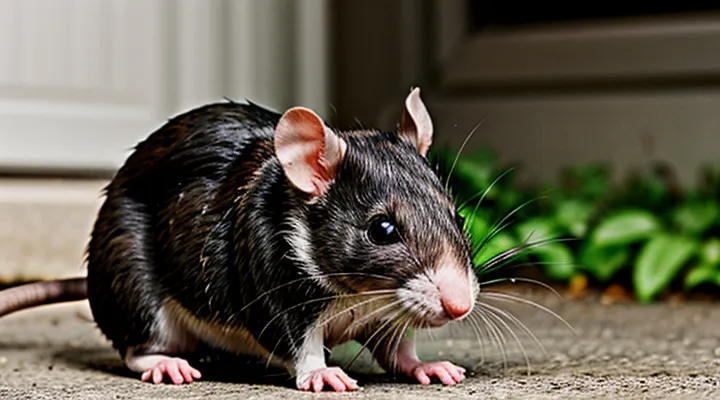
Understanding Rat Immunity
What Affects a Rat's Immune System?
Stress and its Impact on Immunity
Stress reduces a rat’s ability to resist infection by altering hormone levels, suppressing white‑blood‑cell activity, and disrupting gut microbiota. Elevated cortisol interferes with cytokine production, leading to slower pathogen clearance. Chronic anxiety also increases oxidative stress, which damages cellular components of the immune system.
Veterinary interventions that limit stress and support immunity include:
- Provide a stable environment: maintain consistent temperature, lighting cycles, and minimal noise.
- Use enrichment items such as tunnels, chew toys, and nesting material to encourage natural behaviors.
- Limit handling to short, gentle sessions; train staff to approach rats calmly.
- Monitor social dynamics; separate aggressive individuals to prevent chronic confrontation.
- Offer a balanced diet rich in antioxidants (vitamin E, selenium) and prebiotic fibers to sustain gut health.
- Administer probiotic supplements when dysbiosis is evident.
- Schedule regular health checks to detect early signs of immunosuppression, such as weight loss or lethargy.
Implementing these measures reduces cortisol spikes, preserves gut integrity, and enhances leukocyte function, thereby strengthening the rat’s overall immune response.
Environmental Factors
Optimal immune function in laboratory or pet rats depends heavily on the conditions surrounding them. Temperature stability prevents thermal stress that can suppress leukocyte activity; maintain ambient temperature between 20 °C and 24 °C with minimal fluctuations. Humidity levels should stay within 40 %–60 % to avoid respiratory irritation and fungal growth.
Ventilation must supply fresh air while filtering out airborne contaminants. Use high‑efficiency particulate air (HEPA) filters and schedule regular air‑exchange checks. Cage cleaning frequency directly influences pathogen load; remove soiled bedding daily, replace it with a sterile, low‑dust substrate, and disinfect surfaces weekly with an approved veterinary sanitizer.
Lighting cycles regulate circadian rhythms that affect hormone‑mediated immunity. Provide a consistent 12‑hour light/12‑hour dark schedule, avoiding abrupt changes that trigger stress responses. Noise levels above 60 dB can elevate cortisol, reducing antibody production; locate housing rooms away from heavy machinery and use sound‑absorbing materials.
Environmental enrichment reduces chronic stress and supports gut‑associated lymphoid tissue development. Include chewable objects, tunnels, and nesting material, rotating items weekly to maintain novelty.
Practical checklist for environmental management:
- Set thermostat to 22 °C ± 2 °C; monitor with calibrated probes.
- Keep relative humidity at 50 % ± 10 %; use hygrometer and humidifier/dehumidifier as needed.
- Install HEPA filtration; replace filters according to manufacturer schedule.
- Change bedding daily; use paper‑based or aspen shavings free of aromatic oils.
- Disinfect cages and accessories weekly with 0.5 % chlorhexidine solution.
- Maintain 12 h light/12 h dark cycle; use timers to prevent manual errors.
- Measure ambient noise; implement acoustic insulation if levels exceed 60 dB.
- Provide at least two enrichment items per cage; rotate weekly.
Adhering to these environmental standards creates a low‑stress habitat, minimizes pathogen exposure, and sustains the physiological mechanisms that protect rats from infection.
Nutritional Deficiencies
Nutritional gaps undermine a rat’s immune capacity; recognizing and correcting them is a core component of effective veterinary care.
Common deficiencies that impair immune function include:
- Vitamin E deficiency, leading to reduced antioxidant protection.
- Selenium shortage, compromising leukocyte activity.
- Zinc insufficiency, weakening cell‑mediated immunity.
- Inadequate omega‑3 fatty acids, limiting inflammatory regulation.
- Low‑quality protein, restricting antibody synthesis.
- Deficient B‑vitamin complex, affecting lymphocyte proliferation.
Corrective measures:
- Provide a certified rodent pellet formulated for complete nutrient coverage.
- Supplement with a balanced vitamin‑mineral mix; aim for 0.5 mg/kg selenium and 30 IU/kg vitamin E, adjusted per laboratory results.
- Add fresh greens (e.g., kale, spinach) for natural vitamin E and zinc sources.
- Incorporate a modest amount of fish oil or flaxseed oil to raise omega‑3 levels; 0.1 ml per 100 g body weight is a typical guideline.
- Ensure protein content of 18–20 % of the diet, using high‑quality sources such as egg whites or soy isolate.
- Monitor for clinical signs such as poor coat condition, recurrent infections, or stunted growth; confirm deficiency correction with periodic blood panels.
Implementing these nutritional adjustments supports robust immune defenses and reduces disease susceptibility in laboratory and pet rats alike.
Genetic Predisposition
Genetic predisposition refers to inherited traits that influence a rat’s capacity to resist infections. Certain alleles reduce the effectiveness of innate barriers, compromise cytokine signaling, or limit antibody diversity, leaving affected individuals more vulnerable to bacterial, viral, and parasitic challenges.
Common hereditary factors that weaken immunity include limited major histocompatibility complex (MHC) variation, homozygosity for susceptibility loci, and mutations in genes governing leukocyte function. Inbreeding intensifies these risks by concentrating deleterious alleles across generations.
Veterinary interventions aim to offset genetic vulnerability through multiple, evidence‑based actions:
- Conduct DNA screening to identify carriers of known immunodeficiency alleles.
- Implement outcross breeding programs that introduce diverse MHC haplotypes and reduce homozygosity.
- Provide diets enriched with omega‑3 fatty acids, vitamin E, and zinc to support cellular immunity despite genetic constraints.
- Maintain strict biosecurity: sanitize cages, control rodent population density, and limit exposure to novel pathogens.
- Apply targeted vaccination schedules, adjusting dose frequency based on individual serologic responses.
Continuous evaluation is essential. Schedule quarterly hematologic panels, measure specific antibody titers after each immunization, and document any recurrent infections. Early detection of deviations from baseline allows prompt adjustment of breeding or therapeutic strategies, preserving overall colony health despite inherent genetic limitations.
Veterinary Strategies for Immune Support
Optimal Nutrition for Immune Health
High-Quality Diet Recommendations
A balanced, nutrient‑dense diet is fundamental for strengthening a rat’s immune defenses. Select feed that supplies complete protein, essential fatty acids, vitamins, and minerals in bioavailable forms.
- Protein source: Choose high‑quality animal or soy protein with a minimum of 18 % crude protein; include whey or egg‑derived peptides for immune‑modulating peptides.
- Fat content: Provide 5–7 % fat, emphasizing omega‑3 fatty acids from fish oil or flaxseed to support anti‑inflammatory pathways.
- Vitamin complex: Ensure adequate levels of vitamins A, D, E, and C; supplement with a certified rodent multivitamin to prevent deficiencies that impair leukocyte function.
- Minerals: Maintain calcium‑phosphorus ratio near 1:1; include zinc, selenium, and copper at recommended dietary allowances to facilitate antioxidant enzyme activity.
- Fiber and prebiotics: Add 3–5 % soluble fiber (e.g., inulin, beet pulp) to promote gut microbiota diversity, which correlates with systemic immunity.
- Water quality: Provide fresh, filtered water daily; consider adding electrolytes during periods of stress or illness.
Implement the diet gradually over 3–5 days to avoid gastrointestinal upset. Monitor body condition score and adjust portion size to maintain optimal weight. Regular veterinary check‑ups should include blood work to verify that nutrient targets are met and immune parameters remain within healthy ranges.
Essential Vitamins and Minerals
Vitamin and mineral balance directly influences a rat’s ability to resist infection and recover from illness. Deficiencies compromise antibody production, reduce white‑blood‑cell efficiency, and impair barrier integrity of mucosal surfaces.
-
Vitamin C: enhances leukocyte function, promotes collagen synthesis for skin and gut barriers.
-
Vitamin E: protects cell membranes from oxidative damage, supports cytokine signaling.
-
Vitamin A: regulates mucosal immunity, facilitates differentiation of immune cells.
-
B‑complex (B6, B12, folate): essential for lymphocyte proliferation and antibody formation.
-
Vitamin D: modulates innate and adaptive responses, stimulates antimicrobial peptide expression.
-
Calcium: required for signaling pathways in immune cells, contributes to bone‑marrow health.
-
Phosphorus: works with calcium in cellular metabolism, supports energy‑dependent immune activities.
-
Magnesium: stabilizes DNA, RNA, and ATP, influencing cytokine production.
-
Zinc: critical for thymic development, T‑cell maturation, and enzyme function in pathogen elimination.
-
Selenium: incorporated into antioxidant enzymes, reduces oxidative stress during infection.
-
Iron: necessary for hemoglobin synthesis and proliferation of immune cells, but must be balanced to avoid pathogen growth.
Optimal delivery comes from a high‑quality laboratory diet formulated for laboratory or pet rats, supplemented with a fresh source of leafy greens, carrots, and small amounts of fortified fruit. When natural feed does not meet micronutrient targets, a veterinary‑approved multivitamin/mineral supplement can be added at the recommended dosage. Regular monitoring of weight, coat condition, and blood parameters ensures the regimen remains effective and prevents excess accumulation, particularly of iron and selenium.
Probiotics and Prebiotics
Probiotics introduce beneficial microorganisms that colonize the gastrointestinal tract, compete with pathogenic bacteria, and modulate immune signaling. In laboratory and pet rats, strains such as Lactobacillus reuteri, L. acidophilus, Bifidobacterium animalis, and Bacillus subtilis have demonstrated reductions in intestinal inflammation and enhanced production of IgA. Typical supplementation ranges from 10⁸ to 10⁹ CFU per kilogram of body weight, administered daily in a palatable carrier (e.g., yogurt, gelatin). Consistency of dosing is critical for stable colonization.
Prebiotics serve as fermentable substrates that selectively stimulate growth of resident beneficial microbes. In rats, fructooligosaccharides (FOS), inulin, and galactooligosaccharides (GOS) increase short‑chain fatty acid production, improve gut barrier integrity, and indirectly boost systemic immune responses. Recommended inclusion rates are 0.5–2 % of the diet on a dry‑matter basis, adjusted for age and metabolic condition.
Key considerations for effective use:
- Verify strain specificity; not all probiotic isolates exert the same immunological effect.
- Monitor stool consistency; abrupt changes may indicate dysbiosis.
- Combine probiotics with compatible prebiotics (synbiotic approach) to enhance survival through the stomach.
- Avoid concurrent antibiotics unless necessary; schedule a 48‑hour gap to prevent microbial inactivation.
- Store probiotic products at recommended temperatures to maintain viability.
Implementing a targeted probiotic–prebiotic regimen, alongside balanced nutrition and routine health checks, provides a measurable improvement in rat immune competence.
Creating a Stress-Free Environment
Appropriate Cage Size and Enrichment
Providing rats with a cage that meets spatial and environmental standards directly supports their immune function. A minimum floor area of 2 sq ft per adult rat prevents overcrowding, reduces stress hormones, and limits the transmission of pathogens. For breeding pairs, increase the space to at least 3 sq ft, and add a vertical component equal to the floor area to accommodate climbing behavior. Ensure the cage height allows the animal to stand upright without restraint; a minimum of 12 inches is recommended. Use a solid-bottom enclosure with a secure lid to protect against drafts and external contaminants.
Enrichment elements further strengthen resistance to disease by stimulating natural behaviors and reducing chronic stress. Essential items include:
- Multi‑level platforms or tubes for climbing and exploration.
- chewable wooden blocks or safe branches to promote dental health.
- Nesting material such as shredded paper or untreated cotton for building shelters.
- Rotating toys (e.g., plastic wheels, puzzle feeders) to maintain novelty and mental engagement.
- Regularly refreshed foraging opportunities, like hidden treats, to encourage active foraging.
Implementing these spatial guidelines and enrichment strategies creates a stable, low‑stress environment, which is a proven factor in maintaining robust immune responses in laboratory and pet rats alike.
Maintaining Optimal Temperature and Humidity
Maintaining a stable environment is critical for a rat’s immune function. Temperature fluctuations increase stress hormones, which suppress lymphocyte activity. Ideal ambient temperature for laboratory and pet rats lies between 68 °F and 75 °F (20 °C‑24 °C). Temperatures above 80 °F (27 °C) accelerate bacterial growth, while below 60 °F (16 °C) predisposes to respiratory infections.
Relative humidity should remain within 45 %‑55 %. Lower levels cause mucosal drying, facilitating pathogen entry; higher levels encourage mold and parasite proliferation. Consistent humidity prevents dehydration and supports mucociliary clearance.
Practical measures:
- Use a digital thermostat with automatic regulation; verify accuracy weekly.
- Install a hygrometer; adjust with a humidifier or dehumidifier as needed.
- Position cages away from drafts, direct sunlight, and heating vents.
- Conduct daily visual checks for condensation, mold, or excessive moisture on bedding.
- Replace bedding weekly; choose low‑dust, absorbent material to stabilize microclimate.
Implementing these controls reduces immunosuppressive stressors, thereby enhancing the rat’s resistance to infectious agents.
Socialization and Companionship
Social interaction reduces stress hormones that suppress immune cells, thereby improving a rat’s resistance to disease.
Companionship lowers cortisol levels, stabilizes heart rate, and promotes regular grooming, all of which support lymphocyte activity and antibody production.
Effective implementation includes:
- Introducing a second rat of similar age and temperament after a quarantine period.
- Providing multiple nesting boxes, tunnels, and chew toys to prevent competition for resources.
- Observing daily behavior for signs of aggression or isolation; intervene with gradual re‑introductions if needed.
- Maintaining consistent handling schedules to reinforce trust and reduce fear responses.
A stable social group also encourages physical activity, which further enhances circulation and immune surveillance. Regular veterinary check‑ups should confirm that both animals remain healthy and that any immune‑related issues are addressed promptly.
Proactive Health Management
Regular Veterinary Check-ups
Regular veterinary examinations are a cornerstone of maintaining a rat’s immune competence. Professionals assess physical condition, identify subclinical infections, and adjust preventive protocols before disease compromises defenses.
Key outcomes of scheduled visits include:
- Early detection of bacterial, viral, or parasitic threats through laboratory testing and physical inspection.
- Administration of appropriate vaccines that target common rat pathogens, thereby priming adaptive immunity.
- Evaluation of nutritional status, with recommendations for diets rich in vitamins, minerals, and antioxidants that support leukocyte function.
- Monitoring of weight and body condition to prevent obesity‑related immune suppression.
- Guidance on environmental enrichment and stress mitigation, factors that directly influence immunological resilience.
Consistent check‑ups also create a medical history that enables veterinarians to track trends, adjust treatment plans, and intervene promptly when immune markers deviate from baseline. This proactive approach reduces the likelihood of severe outbreaks and promotes long‑term health in pet rats.
Vaccinations and Parasite Control
Vaccinations protect laboratory and pet rats against viral and bacterial diseases that can suppress immune function. Veterinary protocols typically include the following immunizations:
- Rat coronavirus vaccine (administered subcutaneously at 6–8 weeks, booster at 12 weeks)
- Mycoplasma pulmonis vaccine (intranasal, two‑dose series, annual revaccination)
- Streptococcus pneumoniae vaccine (optional for colonies with recurrent respiratory infections)
Each vaccine is delivered according to the manufacturer’s schedule, with sterile technique and post‑injection observation for adverse reactions.
Parasite control prevents chronic infestations that drain nutritional resources and impair immune responses. Effective measures consist of:
- Routine fecal examinations every 3 months to detect gastrointestinal helminths.
- Monthly ivermectin or selamectin treatment for ectoparasites (mites, lice) under veterinary supervision.
- Environmental sanitation: weekly cage cleaning, replacement of bedding, and disinfection with a 1 % bleach solution.
- Quarantine of new arrivals for at least 2 weeks, followed by a full parasite screening before integration.
Integrating scheduled vaccinations with a disciplined parasite management program sustains robust immunological defenses in rats. Regular veterinary assessment ensures that immunization efficacy and parasite control remain optimal throughout the animal’s lifespan.
Recognizing Signs of Illness
Early identification of health problems enables timely intervention, which directly supports a rat’s immune function. Subtle changes often precede severe disease; vigilant observation is therefore a core component of preventive care.
- Reduced appetite or refusal to eat
- Lethargy, prolonged inactivity, or reluctance to explore
- Nasal or ocular discharge, including clear, cloudy, or pus‑like secretions
- Unusual grooming behavior, such as excessive scratching or neglect of fur
- Weight loss detectable on a scale or by a noticeable decrease in body size
- Respiratory sounds like wheezing, coughing, or labored breathing
- Diarrhea or abnormal stool consistency, including blood or mucus
- Swelling, lumps, or skin lesions that appear suddenly or enlarge over days
When any of these indicators emerge, conduct a systematic assessment: confirm the symptom’s duration, compare with baseline behavior, and note environmental factors such as temperature or cage cleanliness. Record observations in a log to track progression. Contact a veterinarian promptly, providing detailed notes and, if possible, a sample of the affected material (e.g., stool, discharge). Immediate veterinary evaluation allows for diagnostic testing, appropriate treatment, and adjustments to diet, housing, and hygiene that reinforce immune resilience.
Supplements and Medications
Immune-Boosting Supplements (e.g., Vitamin C, Echinacea)
Vitamin C, Echinacea, and selected trace minerals are the most common oral agents used to support the immune system of laboratory and pet rats. Vitamin C functions as a water‑soluble antioxidant that protects leukocytes from oxidative damage and promotes collagen synthesis, which aids mucosal barrier integrity. Echinacea spp. contain alkamides and polysaccharides that stimulate macrophage activity and increase cytokine release. Zinc and selenium act as cofactors for enzymes involved in oxidative stress mitigation and antibody production.
When incorporating these supplements, observe the following guidelines:
- Vitamin C: 20–30 mg per kilogram of body weight daily, administered in a palatable solution or mixed with food. Monitor for urinary discoloration, a benign indicator of excess intake.
- Echinacea: 0.1 ml of a standardized liquid extract (containing 4 % phenolic compounds) per 100 g of body weight, given once or twice daily. Limit continuous use to four weeks to avoid potential immunomodulatory tolerance.
- Zinc: 0.5 mg per kilogram of body weight per day, supplied as zinc gluconate. Excess zinc can interfere with copper absorption; maintain copper at 0.2 mg/kg to preserve mineral balance.
- Selenium: 0.02 mg per kilogram of body weight per day, provided as selenomethionine. Avoid surpassing 0.1 mg/kg to prevent toxicity.
Select high‑purity, veterinary‑grade products to eliminate contaminants that could provoke adverse reactions. Prior to initiation, obtain a baseline complete blood count and serum chemistry panel; repeat assessments after two weeks to verify hematologic response and detect any organ stress. Adjust dosages based on weight fluctuations and observed clinical outcomes.
When to Consider Antibiotics or Antifungals
When a rat shows signs of infection, antimicrobial therapy may be necessary. Use antibiotics only after confirming a bacterial cause or when clinical presentation strongly suggests it. Indicators include:
- Persistent nasal discharge that is thick, yellow‑green, or blood‑tinged
- Fever above 103 °F (39.4 °C) measured rectally
- Lameness with swelling, heat, or purulent exudate
- Diarrhea containing blood or mucus, especially after a rapid decline in condition
- Elevated white‑blood‑cell count on a complete blood count
Before prescribing, obtain a sample for culture and sensitivity whenever possible. Empirical treatment may be justified in emergency situations, but adjust the regimen once laboratory results arrive.
Antifungal agents are appropriate when fungal infection is suspected or confirmed. Typical triggers are:
- Skin lesions with a dry, scaly appearance, often around the ears or tail base
- Respiratory distress accompanied by a dry cough and radiographic evidence of fungal colonies
- Chronic otitis with a characteristic musty odor and grayish discharge
- Histopathology or fungal culture indicating yeasts (e.g., Candida) or molds (e.g., Aspergillus)
Avoid prophylactic use of either drug class. Overuse fosters resistance and can suppress normal flora, impairing immune function. Limit treatment duration to the shortest effective period, usually 7–14 days for antibiotics and 14–21 days for antifungals, unless specialist guidance recommends otherwise.
If clinical signs are mild, supportive care—adequate hydration, balanced nutrition, and stress reduction—may suffice. Regular monitoring of temperature, weight, and behavior helps determine whether escalation to antimicrobial therapy is warranted.
Consulting Your Veterinarian for Prescription Options
Consulting a veterinarian is essential when seeking prescription‑based solutions to improve a rat’s immune function. Only a qualified professional can assess health status, identify underlying conditions, and prescribe medications that are safe for this species.
Before the appointment, gather the animal’s medical history, recent diet changes, and any observable symptoms such as lethargy, weight loss, or respiratory distress. Bring a list of current supplements or over‑the‑counter products to avoid potential drug interactions.
Prescription options commonly recommended for rodent immunological support include:
- Broad‑spectrum antibiotics for bacterial infections that compromise immunity.
- Species‑specific vaccines targeting viral or bacterial pathogens prevalent in laboratory or pet environments.
- Immunomodulatory agents (e.g., low‑dose glucocorticoids or cytokine‑stimulating drugs) prescribed to regulate immune response.
- Antiparasitic medications that eliminate internal or external parasites known to weaken host defenses.
The veterinarian determines the appropriate regimen by conducting a physical examination, reviewing laboratory results such as complete blood counts or serology, and calculating dosages based on the rat’s weight and age. Prescription details include administration route, frequency, and duration, all documented in the treatment plan.
After initiating therapy, schedule follow‑up visits to monitor clinical response, adjust dosages, and detect adverse effects promptly. Maintaining open communication with the veterinarian ensures the rat receives optimal immunological care while minimizing risks associated with medication use.
Preventive Measures for a Strong Immune System
Hygiene and Sanitation Practices
Daily Cage Cleaning Routines
Clean living conditions reduce pathogen load, lower stress, and support the rat’s natural defenses. Accumulated urine, feces, and food debris create breeding grounds for bacteria, fungi, and parasites that can overwhelm the immune system. Maintaining a spotless cage removes these threats and promotes consistent exposure to harmless environmental microbes that help train immunity.
- Remove all food and water dishes; discard uneaten food.
- Scoop solid waste and wet spots from the bedding, targeting corners and hidden areas.
- Replace soiled bedding with fresh, absorbent material; ensure a depth of at least 2 cm.
- Wipe interior surfaces with a dilute veterinary‑approved disinfectant (e.g., 1 % chlorhexidine), then rinse thoroughly with water.
- Clean water bottles and food containers with hot, soapy water; rinse and sterilize if possible.
- Refill water bottles, replace food dishes, and return the rat to the cage promptly to minimize disruption.
Perform the above routine at least once daily, preferably in the morning when the rat is most active. Spot‑clean any spills immediately to prevent bacterial growth. Deep cleaning—removing all bedding, disinfecting the entire cage, and replacing all accessories—should occur weekly. Consistent execution of these steps maintains a hygienic environment, reduces infection risk, and directly contributes to stronger immune function in pet rats.
Safe Disinfectants for Rat Cages
Choosing an appropriate disinfectant reduces pathogen load, supporting a rat’s immune defenses. Select agents that are effective against bacteria, viruses, and fungi yet non‑toxic to small rodents.
- Diluted white vinegar (5 % acetic acid). Proven antibacterial activity; safe after thorough rinsing and air‑drying.
- Hydrogen peroxide (3 % solution). Broad‑spectrum germicidal effect; requires complete evaporation before re‑introducing animals.
- Quaternary ammonium compounds labeled “pet‑safe.” Effective against enveloped viruses and gram‑positive bacteria; follow manufacturer’s dilution instructions and rinse surfaces.
- Enzymatic cleaners. Break down organic residues, lowering microbial growth; ensure product specifies use on small‑animal enclosures.
Avoid bleach, phenol‑based cleaners, and strong alcohols; residues can irritate respiratory membranes and compromise immunity.
Apply disinfectant after removing all bedding, food, and water. Scrub cage walls and accessories, then rinse with dechlorinated water. Allow surfaces to dry completely before adding fresh bedding and returning the rat. Regular weekly cleaning, combined with proper ventilation, maintains a low‑pathogen environment that contributes to robust immune function.
Preventing the Spread of Disease
Maintaining a disease‑free environment is essential for supporting a rat’s immune function. Pathogens spread rapidly in crowded or unclean housing, overwhelming the animal’s natural defenses and reducing the effectiveness of any nutritional or therapeutic interventions.
Clean cages, water bottles, and feeding dishes daily with a mild detergent followed by a disinfectant proven safe for rodents. Replace bedding weekly and dispose of waste promptly to eliminate reservoirs of bacteria, fungi, and parasites.
- Isolate new arrivals for at least two weeks before introducing them to the main colony.
- Perform a health check that includes visual inspection, fecal examination, and, when available, rapid antigen tests.
- Apply a targeted deworming protocol based on fecal analysis results.
Vaccination, where commercially available, should be administered according to the manufacturer’s schedule. Passive immunization with hyperimmune serum can provide temporary protection during outbreaks. Prophylactic antibiotics are reserved for confirmed bacterial threats and prescribed only after susceptibility testing.
Record all health observations, treatments, and environmental changes in a log. Review the data weekly to identify trends, adjust biosecurity measures, and intervene before minor issues develop into systemic disease. This systematic approach curtails pathogen transmission and reinforces the rat’s capacity to mount a robust immune response.
Managing Common Rat Ailments
Respiratory Infections
Respiratory infections in laboratory and pet rats commonly involve Mycoplasma pulmonis, Streptococcus spp., and viral agents such as Sendai virus. Clinical signs include nasal discharge, sneezing, labored breathing, and reduced activity. Early identification relies on observation of these symptoms and, when necessary, laboratory confirmation through culture or PCR.
Risk factors encompass overcrowding, high humidity, poor ventilation, and abrupt temperature changes. Stress from handling, dietary deficiencies, and concurrent diseases further compromise the respiratory tract’s defenses.
Nutritional support enhances the immune system’s capacity to resist pathogens. Provide a balanced diet rich in high‑quality protein, omega‑3 fatty acids, and antioxidants (vitamins A, C, E, selenium). Supplementation with probiotic strains such as Lactobacillus spp. can promote gut‑associated immunity, which indirectly benefits respiratory health.
Environmental control reduces pathogen load and limits exposure. Maintain cage temperature between 20‑24 °C and relative humidity below 60 %. Ensure at least 10 air changes per hour with filtered airflow. Clean bedding weekly, replace with low‑dust material, and disinfect cages with a mild iodine solution. Isolate new arrivals for a minimum of two weeks to monitor for latent infections.
Preventive actions:
- Conduct weekly health checks for nasal or ocular discharge.
- Rotate enrichment items to prevent buildup of microorganisms.
- Administer prophylactic antibiotics only under veterinary guidance to avoid resistance.
- Vaccinate against Mycoplasma pulmonis where approved and available.
- Limit stressors by handling rats gently and providing consistent routine.
Implementing these measures strengthens the rat’s immune response, decreasing the incidence and severity of respiratory infections. Regular veterinary assessment guarantees that interventions remain effective and adapted to the colony’s specific needs.
Skin Conditions
Skin health directly influences a rat’s immune efficiency. Common dermatological issues—such as mange, fungal infections, ulcerative dermatitis, and allergic reactions—compromise barrier integrity, allowing pathogens to enter circulation and strain systemic defenses.
Effective management begins with accurate diagnosis. Veterinary examination should include skin scrapings, fungal cultures, and, when necessary, biopsy to identify the causative agent. Prompt treatment reduces inflammatory load and restores barrier function.
Key interventions:
- Parasite control: Administer appropriate acaricides for Sarcoptes or Demodex infestations; repeat dosing follows product guidelines to eradicate life cycles.
- Antifungal therapy: Use topical clotrimazole or systemic itraconazole for confirmed dermatophyte infections; monitor liver enzymes during prolonged courses.
- Anti‑inflammatory care: Apply corticosteroid creams or prescribe oral prednisolone for severe allergic dermatitis; taper dosage to avoid immunosuppression.
- Nutritional support: Provide diets enriched with omega‑3 fatty acids, vitamin E, and zinc; these nutrients reinforce epidermal resilience and modulate immune response.
- Environmental hygiene: Maintain low humidity, regular cage cleaning, and dust‑free bedding to prevent opportunistic skin pathogens.
- Vaccination review: Ensure up‑to‑date immunizations against common viral agents that can manifest as skin lesions; adjust schedule for rats with chronic dermatologic conditions.
Regular monitoring of skin condition—through visual inspection and weight tracking—allows early detection of relapse. Combining targeted therapeutic measures with optimal husbandry yields a robust cutaneous barrier, thereby enhancing overall immune performance in laboratory and pet rats alike.
Tumors and Other Growths
Tumors and other abnormal growths in laboratory and pet rats commonly include fibrosarcomas, lymphomas, and adenomas; incidence rises with age and genetic predisposition. These lesions disrupt normal tissue architecture, impair lymphoid organ function, and can secrete immunosuppressive cytokines, leading to measurable reductions in peripheral white‑blood‑cell counts and antibody production.
Early identification relies on regular physical examinations, palpation of subcutaneous masses, and periodic imaging (ultrasound or radiography). Blood work should include complete blood count and serum chemistry to detect anemia, leukopenia, or elevated inflammatory markers that often accompany neoplastic processes.
Veterinary management focuses on three objectives: limit tumor progression, restore immune competence, and alleviate discomfort. Strategies include:
- Surgical excision of accessible masses with clean margins.
- Chemotherapeutic protocols tailored to rat physiology (e.g., low‑dose cyclophosphamide, doxorubicin) administered under strict dosing schedules.
- Immunomodulatory supplementation using omega‑3 fatty acids, vitamin E, and probiotic strains shown to enhance macrophage activity.
- Environmental enrichment that reduces chronic stress, a known accelerator of tumor growth.
- Nutritional formulas enriched with high‑quality protein, antioxidants, and trace minerals to support hematopoiesis.
Continuous monitoring of tumor size, blood parameters, and clinical signs guides adjustments in therapy. Prompt intervention combined with supportive care markedly improves the likelihood of maintaining functional immunity in rats burdened by neoplastic growths.
Long-Term Health Planning
Spaying/Neutering for Health Benefits
Spaying or neutering rats eliminates the hormonal fluctuations that can suppress immune function. By removing the gonads, the animal’s endocrine system stabilizes, allowing leukocyte activity to remain consistent throughout the year.
Key health advantages include:
- Reduced incidence of reproductive‑system tumors, which otherwise consume immune resources.
- Lower risk of urinary‑tract infections caused by hormonal‑induced bladder changes.
- Decreased stress‑related cortisol spikes, leading to more efficient pathogen clearance.
- Prevention of aggressive behavior that can result in injuries and secondary infections.
Surgical sterilization also simplifies colony management, enabling consistent nutrition and vaccination schedules. When all individuals share the same hormonal baseline, vaccine responses become more predictable, and herd immunity can be maintained with fewer boosters.
Overall, neutering supports a rat’s immune system by removing hormone‑driven vulnerabilities, minimizing disease exposure, and facilitating uniform preventive care.
Addressing Age-Related Immune Decline
Age‑related immune decline in laboratory and pet rats manifests as reduced lymphocyte proliferation, lower antibody titers, and increased susceptibility to bacterial, viral, and fungal infections. Veterinary assessment should begin with a complete physical exam, hematologic profiling, and measurement of serum immunoglobulins to establish a baseline.
Nutritional strategies that counteract senescence include:
- High‑quality protein sources (e.g., whey, egg white) to support lymphocyte synthesis.
- Omega‑3 fatty acids (fish oil, flaxseed) to modulate inflammatory pathways.
- Antioxidant vitamins A, C, and E at levels exceeding standard rodent chow recommendations, but within safe limits to avoid toxicity.
- Selenium and zinc supplements to enhance thymic function and cytotoxic cell activity.
Environmental modifications improve immune resilience:
- Maintain ambient temperature between 20‑24 °C and relative humidity at 45‑55 % to prevent stress‑induced cortisol spikes.
- Provide enrichment items that promote physical activity, thereby stimulating innate immune mechanisms.
- Ensure strict biosecurity: limit exposure to unknown rodents, disinfect cages regularly, and use HEPA‑filtered ventilation.
Pharmacologic interventions may be warranted for advanced immunosenescence:
- Low‑dose recombinant feline interferon‑omega has shown efficacy in enhancing antiviral defenses in aged rats when administered subcutaneously once weekly.
- Oral probiotic formulations containing Lactobacillus reuteri and Bifidobacterium animalis can restore gut microbiota balance, indirectly supporting systemic immunity.
Vaccination schedules should be adjusted for older animals. Administer inactivated vaccines (e.g., H1N1, leptospira) at extended intervals (every 12‑18 months) and monitor post‑vaccination serology to confirm protective titers.
Regular monitoring, combined with targeted nutrition, environmental control, and selective immunomodulators, mitigates the impact of immunological aging and sustains health in senior rats.
End-of-Life Care Considerations
When a rat’s health declines despite immunological support, end‑of‑life planning becomes a critical component of veterinary care. Decision‑making should involve the animal’s quality of life, the owner’s expectations, and ethical standards for humane treatment.
- Assess pain and distress through observable signs such as reduced mobility, labored breathing, or loss of appetite. Immediate intervention with analgesics or anti‑inflammatory agents is required if discomfort is evident.
- Provide easy access to water and soft, nutrient‑dense foods to maintain hydration and energy while the animal’s ability to eat diminishes.
- Adjust cage conditions: lower bedding, gentle lighting, and a stable temperature reduce stress and promote comfort.
- Schedule frequent, brief examinations to monitor vital parameters and adjust supportive measures promptly.
- Discuss euthanasia criteria openly with the owner, outlining clinical thresholds that indicate irreversible decline.
Documentation of observations, treatments, and owner discussions ensures transparency and supports consistent care. Selecting an appropriate method for humane euthanasia, performed by a qualified professional, finalizes the process with minimal suffering.