
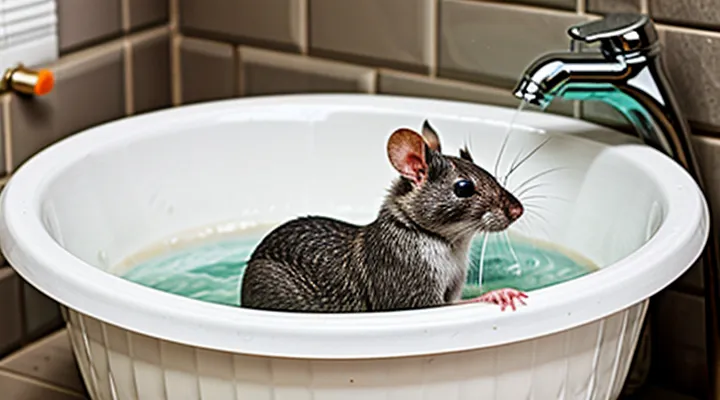
Why Bathe Your Rat?
Understanding Rat Hygiene Needs
Rats require regular grooming to keep skin healthy, fur free of debris, and to prevent odor. Their natural behavior includes self‑cleaning, but captivity limits access to dust baths and environmental stimuli, making human‑assisted hygiene essential.
Key aspects of rat hygiene:
- Coat condition – Look for matting, excess oil, or visible dirt. A smooth, glossy coat indicates adequate grooming; rough or tangled fur signals the need for intervention.
- Skin health – Check for redness, sores, or parasites. Healthy skin is pink, supple, and free of lesions.
- Odor – A faint, musky scent is normal; strong ammonia or fecal smells suggest poor cleanliness.
- Behavioral cues – Excess scratching, licking, or avoidance of the cage may reflect discomfort caused by grime or parasites.
When bathing is required, follow these precise steps:
- Prepare lukewarm water (approximately 30 °C/86 °F). Water that is too hot can cause stress; too cold may induce hypothermia.
- Use a mild, rodent‑safe shampoo formulated without fragrances, dyes, or harsh detergents. Dilute according to manufacturer instructions to avoid skin irritation.
- Submerge the rat gently, supporting the body with both hands. Limit exposure to 30–60 seconds to reduce stress.
- Apply shampoo in a thin layer, massaging from neck to tail, avoiding the eyes and ears. Rinse thoroughly with clean water to eliminate residue.
- Pat the animal dry with a soft towel; optional use of a low‑heat hair dryer (maximum 30 °C) can speed drying but must never be directed at the face.
- Return the rat to a warm, draft‑free environment until completely dry.
Additional hygiene practices:
- Cage cleaning – Spot‑clean daily, replace bedding weekly, and disinfect the enclosure monthly with a rodent‑approved solution.
- Dental care – Provide chewable toys and hardened vegetables to wear down incisors, preventing food buildup that can affect oral hygiene.
- Regular inspections – Conduct weekly visual checks for ectoparasites and skin abnormalities; early detection reduces the need for extensive bathing.
Understanding these needs enables caretakers to maintain optimal health, minimize stress, and avoid unnecessary immersion, which can compromise a rat’s delicate thermoregulation.
When is Bathing Necessary?
Addressing Odor Issues
Rats develop unpleasant odors when urine, feces, or oily secretions accumulate on their fur and skin. The smell intensifies if grooming is irregular or the bedding is damp.
Primary sources of odor include:
- Urine stains on the coat, especially around the hindquarters.
- Fecal residue left after toileting.
- Sebaceous secretions that become rancid without regular cleaning.
- Moldy or wet bedding that contacts the animal’s body.
Effective odor control requires a systematic approach:
- Pre‑bath inspection – Examine the rat for visible stains or dirty patches. Trim excess fur around the tail and hind legs if necessary to expose soiled areas.
- Gentle cleansing – Use lukewarm water and a mild, unscented rodent shampoo. Avoid harsh soaps that can irritate the skin and mask the problem with artificial fragrances.
- Targeted spot treatment – Apply a diluted enzymatic cleaner to stubborn urine spots. Enzymes break down odor‑causing compounds at the molecular level.
- Thorough rinsing – Ensure all cleaning agents are removed; residual detergent can attract bacteria and produce secondary odors.
- Drying – Pat the rat dry with a soft towel, then place it in a warm, draft‑free area until completely dry. Moisture left in the coat encourages bacterial growth.
- Bedding management – Replace soiled bedding daily. Use absorbent, low‑dust material such as paper‑based litter to reduce moisture retention.
- Regular grooming schedule – Bathe rats no more than once a week to prevent skin irritation while maintaining a clean coat. Between baths, spot‑clean any noticeable messes.
Consistent application of these steps eliminates the primary causes of foul smell and maintains a healthy environment for the rat. Routine monitoring of coat condition and bedding quality prevents odor recurrence.
Removing Dirt and Debris
Removing dirt and debris from a rat’s coat requires a systematic approach that minimizes stress and prevents skin injury. Begin by inspecting the animal for loose fur, soil, and any foreign particles. Use a soft, damp cloth or a pet‑specific grooming wipe to lift surface grime; apply gentle pressure and move in the direction of hair growth to avoid pulling. For stubborn patches, a small amount of mild, rodent‑safe shampoo can be applied directly to the affected area, lathered briefly, and rinsed with lukewarm water.
After the initial cleaning, employ a fine‑toothed comb or a slicker brush designed for small mammals. Work through the coat in short sections, separating tangles and extracting embedded debris. Discard collected material after each pass to prevent re‑contamination. If the rat has a dense undercoat, a short burst of a low‑speed, pet‑approved hair dryer on a cool setting can help dry the fur and loosen remaining particles.
Finalize the process by patting the animal dry with a clean towel, checking for signs of irritation, and offering a treat to reinforce a positive experience. Regular removal of dirt and debris maintains coat health, reduces the risk of skin infections, and supports overall well‑being.
Treating Skin Conditions (Vet-Recommended)
When a rat shows dermatitis, crusting, or hair loss, immediate intervention prevents secondary infection and discomfort.
First, isolate the animal to reduce stress and limit exposure to other pets. Conduct a visual inspection to determine the extent of the lesion, noting redness, swelling, or discharge.
Apply a veterinarian‑approved medicated shampoo, such as chlorhexidine‑based or miconazole formulations, during the next bath. Dilute the product according to the label, lather gently, and rinse thoroughly to remove all residues.
After washing, pat the skin dry with a clean, lint‑free towel; avoid hair dryers, which can cause burns. For localized lesions, use a topical ointment prescribed by a veterinarian—options include silver sulfadiazine cream for bacterial infections or hydrocortisone for mild inflammation. Apply a thin layer, ensuring coverage without excess.
Maintain a dry, warm environment for at least 12 hours to facilitate healing. Monitor the site daily; if swelling or purulence increases, seek veterinary reassessment promptly.
Prevent recurrence by keeping the cage clean, providing low‑dust bedding, and limiting exposure to irritants such as strong fragrances or harsh cleaning agents. Regular grooming and inspection during routine baths help detect early skin changes before they progress.
Preparing for Bath Time
Gathering Your Supplies
Gentle Pet Shampoo
Gentle pet shampoo is a vital component of rat hygiene protocols. Formulated without harsh detergents, it protects the delicate skin and fur of small rodents while effectively removing dirt and odor.
Key characteristics include:
- pH balanced to match rodent skin, typically between 6.5 and 7.0.
- Free of parabens, sulfates, and artificial fragrances that may cause irritation.
- Enriched with soothing agents such as aloe vera, oatmeal, or chamomile to reduce redness.
- Low‑foam composition that rinses completely, preventing residue buildup.
Application procedure:
- Prepare a shallow basin with lukewarm water, temperature around 30 °C (86 °F).
- Wet the rat’s coat thoroughly, avoiding the head and ears.
- Dispense a few drops of shampoo onto the paws, then massage gently into the fur, covering the back, tail, and limbs.
- Rinse with clean water until the water runs clear; ensure no suds remain.
- Pat dry with a soft towel, then allow the animal to air‑dry in a warm, draft‑free area.
Frequency guidelines recommend bathing no more than once every two to three weeks, unless the rat becomes visibly soiled. Over‑bathing can strip natural oils, leading to dry skin and increased susceptibility to infection.
Storage instructions: keep the bottle tightly sealed, away from direct sunlight, and at room temperature. Discard any product that changes color, develops an off‑odor, or exceeds the manufacturer’s expiration date.
By selecting a shampoo that meets these criteria and following the outlined steps, caretakers ensure optimal cleanliness without compromising the health of their rats.
Soft Towels
Soft towels are essential for maintaining rat hygiene after a bath. Choose towels made from 100 % cotton or a cotton‑blend with a gentle, low‑pile texture. The material absorbs water quickly and reduces the risk of skin irritation. Avoid towels with abrasive loops or synthetic fibers that can shed lint onto the animal’s fur.
Select a towel size that comfortably covers the rat without excess bulk. A towel measuring 12 × 12 inches (30 × 30 cm) typically provides sufficient surface area for an adult rat. For larger or multiple rats, a slightly larger square or a rectangular towel of 18 × 12 inches (45 × 30 cm) works well.
When drying, place the rat on the towel and gently pat the fur. Do not rub aggressively; a light pressing motion removes moisture while preserving the coat’s natural oils. Rotate the towel to use a dry section for each pass, preventing re‑wetting of already dried fur.
After use, launder towels separately from other laundry. Wash at 60 °C (140 °F) with a mild detergent, then rinse thoroughly to eliminate residual soap. Air‑dry or tumble‑dry on low heat to preserve softness. Store clean towels in a dry, dust‑free container to maintain their absorbency.
Key considerations for optimal towel performance:
- Absorbency: Verify that the towel can hold at least three times its weight in water.
- Texture: Ensure a smooth surface without raised loops.
- Durability: Choose towels that retain softness after repeated washes.
- Hygiene: Use a fresh towel for each bathing session to avoid cross‑contamination.
Shallow Basin or Sink
A shallow basin or sink provides a controlled environment for washing small rodents. Choose a container that holds enough water to cover the rat’s body without submerging its head; a kitchen sink, plastic tub, or wide glass bowl works well. The interior surface should be smooth to prevent injuries, and the material must tolerate warm water without warping.
Before filling, test the water temperature with a thermometer; 95–100 °F (35–38 °C) is optimal for a comfortable, stress‑free bath. Add a few drops of a pet‑safe, hypoallergenic cleanser specifically formulated for rodents. Mix gently to create a uniform solution, then place a non‑slip mat or towel at the bottom of the basin to give the animal traction.
During the bath, support the rat’s body with one hand while the other hand gently lathers the fur, avoiding the face and ears. Rinse thoroughly with clean, lukewarm water to eliminate any residue that could irritate the skin. After rinsing, lift the rat promptly, wrap it in an absorbent towel, and pat dry. Keep the animal in a warm, draft‑free area until the coat is completely dry.
When cleaning the basin, discard used water, scrub the interior with mild detergent, and rinse thoroughly. Disinfect with a diluted veterinary‑grade solution if multiple animals are bathed in the same container. Allow the basin to air‑dry before the next use to prevent bacterial growth.
Warm Water
Warm water is the preferred medium for cleaning rodents because it eliminates shock and supports effective removal of dirt without damaging delicate skin. The temperature should be maintained between 37 °C and 39 °C (98 °F–102 °F); lower temperatures risk hypothermia, while higher temperatures can cause burns.
- Verify temperature with a calibrated thermometer before immersion.
- Adjust water by adding small amounts of lukewarm tap water until the desired range is reached.
- Keep the water volume sufficient to submerge the animal’s body without forcing it.
- Replace the water if it becomes cloudy or if the temperature drops more than 2 °C during the session.
Consistent use of warm water reduces stress responses, promotes thorough cleansing, and preserves the natural oil layer on the fur. After bathing, wrap the rat in a dry, absorbent towel and allow it to recover in a draft‑free environment until body temperature stabilizes.
Treats for Positive Reinforcement
Treats serve as an effective tool for encouraging cooperation during rat bathing sessions. Offering a reward before the water exposure creates a positive association, reducing stress and facilitating handling.
Preferred treats include:
- Tiny pieces of fresh apple or pear (no more than 2 mm³ per session)
- Commercial rat pellets formulated without added sugar or artificial flavors
- Small portions of unsalted, boiled egg white
- Dried insects such as mealworms, limited to one or two individuals
Delivery method matters. Present a treat immediately before placing the rat in the tub to signal the start of the routine. If the animal tolerates the water, provide a second treat mid‑session to reinforce calm behavior. Conclude the bath with a final reward to cement the positive experience.
Safety considerations:
- Avoid sugary fruits, chocolate, caffeine, and dairy products, which can cause gastrointestinal upset.
- Do not exceed a total caloric contribution of 5 % of the rat’s daily intake during a single bathing episode.
- Store treats in airtight containers to prevent mold growth and contamination.
Consistent use of appropriate treats streamlines the bathing process, enhances compliance, and supports overall hygiene maintenance for pet rats.
Creating a Calm Environment
Minimizing Stress for Your Rat
When bathing a rat, stress reduction is essential for safety and effective cleaning. Prepare the environment beforehand: use a warm, quiet room; keep the water temperature between 30‑32 °C (86‑90 °F); and limit ambient noise. Handle the animal gently, supporting its body to prevent sudden movements.
- Introduce the rat to the water gradually, allowing it to step in slowly.
- Keep the bathing session under five minutes to avoid fatigue.
- Use a mild, species‑appropriate cleanser; rinse thoroughly to eliminate residue.
- Dry the rat with a soft towel, then place it in a warm, draft‑free area until fully dry.
- Offer a familiar treat immediately after bathing to create a positive association.
Monitor the rat’s behavior throughout. Signs of distress—such as frantic struggling, vocalization, or prolonged immobility—indicate the need to pause or terminate the bath. Consistent, low‑stress handling builds trust, making future hygiene procedures smoother. Regular short sessions, rather than infrequent lengthy baths, further diminish anxiety and support overall well‑being.
The Bathing Process
The Gentle Wash
Introducing Your Rat to Water
Begin water exposure gradually. Place a shallow, non‑slippery container on a stable surface. Fill it with lukewarm water—approximately 30‑35 °C (86‑95 °F). Allow the rat to explore the rim and sip from the surface before any handling.
Use a gentle approach when introducing the rat to the water itself. Lower the animal slowly, supporting its hindquarters with one hand while the other hand steadies the head. Keep the immersion time short, starting with 10–15 seconds. Observe the rat’s behavior; signs of stress such as rapid breathing or frantic paddling indicate the need to end the session immediately.
After the brief soak, lift the rat out carefully, supporting its body to prevent slipping. Pat dry with a soft, absorbent towel, focusing on the ears, tail, and paws where moisture can linger. Allow the animal to remain in a warm, draft‑free area until completely dry.
Key steps for successful acclimation:
- Choose a container with smooth edges to prevent injury.
- Maintain water temperature within the recommended range.
- Limit initial exposure to under 20 seconds; increase gradually over several sessions.
- Provide a dry, warm environment for post‑bath recovery.
Consistent, low‑stress introductions build confidence and reduce anxiety during future hygiene routines.
Applying Shampoo Safely
When bathing a rat, the shampoo must be chosen for species‑specific skin tolerance. Use a mild, fragrance‑free formula designed for small mammals; human or canine products can cause irritation. Dilute the concentrate according to the manufacturer’s instructions, typically to a 1 % solution, to reduce the risk of chemical burns.
Before full application, test a small amount on a patch of skin. Observe the area for redness, swelling, or excessive scratching within five minutes. If any adverse reaction occurs, discontinue use and rinse immediately with lukewarm water.
Apply the diluted shampoo with a soft, disposable syringe or a fingertip‑sized amount of liquid. Follow these steps:
- Secure the rat gently but firmly to prevent sudden movements.
- Wet the coat with lukewarm water, avoiding the eyes and ears.
- Distribute a thin layer of shampoo, massaging from the neck toward the tail.
- Keep the solution on the skin for no longer than 30 seconds.
- Rinse thoroughly with lukewarm water until no suds remain.
- Pat the animal dry with a clean, absorbent towel; avoid hair‑dryer heat.
After bathing, inspect the fur and skin for residual moisture or debris. Ensure the rat is warm and has access to fresh water and food within an hour. Regular use of the same gentle shampoo maintains coat condition while minimizing dermatological issues.
Rinsing Thoroughly
A thorough rinse removes soap residue, prevents skin irritation, and reduces the risk of respiratory issues caused by lingering suds. Use lukewarm water at a temperature that feels comfortably warm to the human hand; water that is too hot can stress the animal, while cold water may cause shivering.
- Fill a shallow basin with enough water to submerge the rat’s body without covering the head.
- Gently lower the rat, supporting the torso and allowing the limbs to relax.
- Hold the animal steady and pour a slow, steady stream of water over the fur, starting at the neck and moving toward the tail.
- Use a soft cup or handheld sprayer to direct water; avoid high pressure that could damage delicate skin.
- Ensure water flows through the entire coat, rinsing each fur segment at least once.
- After the final pass, lift the rat and place it on a dry, warm towel to absorb excess moisture.
Complete rinsing eliminates all cleaning agents, leaving the coat clean and the animal comfortable.
Drying Your Rat
Towel Drying Techniques
Towel drying follows the washing phase and prevents prolonged moisture that can lead to skin irritation or hypothermia.
Select soft, lint‑free towels that are pre‑washed and free of detergents. Cut the material to a size that comfortably covers the rat without restricting movement. Keep a dry backup towel within reach for immediate use.
- Gently place the rat on the towel, allowing excess water to drain naturally.
- Lightly press the towel against the body, avoiding vigorous rubbing that could damage fur or skin.
- Rotate the towel to expose damp areas, repeating the press‑and‑release motion until most of the moisture is removed.
- If the towel becomes saturated, replace it with a fresh, dry one to maintain efficiency.
After blotting, hold the rat in a warm, draft‑free environment for a few minutes to allow residual moisture to evaporate. Monitor body temperature; a rapid drop indicates insufficient drying.
Consistent use of these techniques ensures the rat remains comfortable, reduces the risk of fungal growth, and supports overall hygiene after bath sessions.
Avoiding Drafts and Cold
After a bath, a rat’s body temperature can drop quickly if the environment is not properly controlled. Maintaining a stable, draft‑free area prevents hypothermia and reduces stress, which supports faster recovery and healthier skin.
- Keep the bathing room at a constant temperature of 22‑24 °C (71‑75 °F). Use a heater or warm blankets to sustain this range for at least 30 minutes after the wash.
- Eliminate all sources of airflow: close windows, doors, and vents; turn off fans and air‑conditioners that direct air across the cage.
- Place the cage on a solid, insulated surface. Avoid metal trays or cold tiles that conduct heat away from the animal.
- Cover the cage with a breathable, moisture‑resistant lid that blocks wind while allowing air exchange. Do not seal the enclosure completely; a small opening for fresh air is sufficient.
- Monitor the rat’s behavior for signs of chill: shivering, huddling, or lethargy. If any of these appear, increase ambient temperature and provide additional nesting material.
Implementing these measures creates a safe thermal environment, ensuring that the rat remains warm and comfortable throughout the post‑bath period.
Using a Hair Dryer (Low Heat, Distance)
After rinsing a rat, remove excess moisture with a soft towel and apply a hair dryer set to the lowest temperature. Direct the airflow from a distance of 12–18 cm to avoid skin irritation and heat stress.
- Keep the dryer on low or cool setting; high heat can cause burns.
- Maintain a steady distance of at least 12 cm; closer positioning concentrates heat and may damage delicate fur.
- Move the dryer continuously, never focusing on a single spot for more than a few seconds.
- Monitor the animal’s behavior; signs of discomfort such as rapid breathing or attempts to escape indicate the need to reduce airflow or increase distance.
- Limit the drying period to no more than 2–3 minutes per rat; prolonged exposure adds unnecessary stress.
Complete drying prevents dampness that can foster skin infections and maintains coat condition. The described technique integrates safely into standard rat bathing protocols.
Post-Bath Care
Monitoring for Signs of Stress
When bathing a rat, immediate observation of behavior reveals whether the procedure induces stress. Sudden vocalizations, frantic attempts to escape, or aggressive biting indicate acute discomfort. Prolonged immobility, excessive grooming after the bath, and loss of appetite suggest lingering stress. Record any deviation from normal activity patterns within the first hour and again after 24 hours.
Effective monitoring includes:
- Watching for rapid breathing or panting during and after the soak.
- Noting changes in posture, such as a hunched back or tucked tail.
- Detecting abnormal urine or fecal output, which may appear as a sudden increase in frequency or a change in consistency.
- Assessing social interaction; a rat that withdraws from cage mates may be experiencing anxiety.
Promptly address identified signs by reducing water temperature, shortening exposure time, or providing a quiet recovery area. Consistent documentation supports adjustments to bathing techniques, ensuring the animal’s welfare remains intact.
Grooming After the Bath
After a rat’s bath, immediate grooming prevents moisture‑related skin problems and maintains coat condition.
- Pat the animal gently with a lint‑free towel until surface moisture disappears.
- Place the rat in a warm, draft‑free environment for 10–15 minutes to allow residual dampness to evaporate.
- Use a soft, fine‑toothed comb to remove tangles and distribute natural oils evenly through the fur.
- Inspect ears for remaining water, wax, or debris; clear any buildup with a cotton swab moistened with a veterinarian‑approved solution.
- Examine the skin for redness, irritation, or parasites; address abnormalities promptly with appropriate treatment.
- Trim nails only if they are excessively long; excessive cutting can cause bleeding, so use a small animal nail clipper and limit removal to the tip.
Consistent post‑bath grooming supports a healthy coat, reduces infection risk, and promotes overall well‑being. Regular observation of the rat’s condition after each cleaning session helps detect issues early and ensures long‑term hygiene.
Maintaining Overall Hygiene
Spot Cleaning Between Baths
Spot cleaning maintains a rat’s coat and skin health between full baths, preventing buildup of urine, feces, and food residue that can cause irritation or infection. Perform a quick check each day; address any visible soiling immediately.
- Locate the affected area with a gentle visual inspection.
- Use a soft, lint‑free cloth lightly dampened with warm water; avoid soaking the fur.
- If the spot is oily or sticky, add a few drops of a pet‑safe, unscented cleanser specifically formulated for small rodents.
- Gently rub in a circular motion until the dirt lifts, then wipe with a clean, damp cloth to remove residual cleanser.
- Pat the area dry with a paper towel or a clean microfiber cloth; ensure no moisture remains near the ventral or tail region.
Select products that are free of fragrances, dyes, and harsh chemicals. Diluted chamomile tea or a 1% diluted apple cider vinegar solution can serve as mild antiseptic rinses when needed, but limit use to occasional applications to preserve the natural skin barrier.
Integrate spot cleaning into a routine that includes weekly cage cleaning, regular grooming, and observation of the rat’s behavior. Record any recurring problem areas; persistent soiling may indicate dietary issues, stress, or underlying health concerns that require veterinary evaluation.
Cage Cleanliness and Odor Control
Maintaining a clean cage is essential for effective rat bathing and overall health. Remove all bedding, toys, and food dishes before cleaning. Wash the cage with hot water and a mild, unscented detergent; avoid harsh chemicals that can irritate a rat’s skin. Rinse thoroughly until no soap residue remains, then dry with a lint‑free cloth or allow to air‑dry completely.
After each bath, replace bedding with a fresh, absorbent material such as paper-based or aspen shavings. Spot‑clean soiled areas daily to prevent buildup of urine and feces, which contribute to odor and bacterial growth. A weekly deep clean should include:
- Scrubbing corners and slats with a brush.
- Disinfecting surfaces with a diluted vinegar solution (1 part vinegar to 4 parts water) or a pet‑safe sanitizer.
- Rinsing and drying all accessories before returning them to the cage.
Control odor by ventilating the enclosure. Position the cage near a window or use a small, low‑noise fan to promote air circulation. Replace the water bottle and food dish daily; stale water and leftover food accelerate smell. If odor persists, consider adding a layer of activated charcoal beneath the bedding, ensuring it does not contact the rats directly.
Consistent cage maintenance reduces stress, prevents skin infections, and supports a pleasant environment for both rats and their caretakers.
Regular Health Checks
Regular health examinations are integral to maintaining effective rat bathing practices. Before each wash, inspect the animal for signs of illness or injury. Look for skin lesions, abnormal fur loss, swollen joints, or discharge from eyes and ears. Use a gentle light source to reveal subtle issues such as mites or ticks.
Weigh the rat on a calibrated scale before and after bathing. Sudden weight changes may indicate dehydration, gastrointestinal problems, or parasite burden. Record measurements in a log to track trends over time.
Examine the oral cavity with a small flashlight. Check incisors for overgrowth, misalignment, or cracks that could cause pain during grooming. Verify that the gums are pink and free of swelling or excess saliva.
Assess the coat for matting, oily patches, or foul odor. A healthy coat should be smooth, clean, and odorless. Detangle any knots before applying water to prevent stress and skin irritation.
Perform a quick pulse check by feeling the femoral artery. A steady, moderate rhythm suggests normal cardiovascular function. Irregularities warrant veterinary consultation before proceeding with the bath.
Maintain a checklist for each session:
- Visual inspection of skin, eyes, ears, and tail
- Weight measurement and log entry
- Oral cavity review, focusing on incisors and gums
- Coat condition assessment
- Pulse and breathing evaluation
Schedule comprehensive examinations at least once a month, and conduct a brief health scan before every bath. Document findings consistently; this data supports early detection of problems and informs adjustments to bathing frequency, temperature, and cleaning agents.
Common Bathing Mistakes to Avoid
Using Human Shampoos
When washing a pet rat, the choice of cleanser directly affects skin health and respiratory safety. Human shampoos differ chemically from products formulated for rodents; they often contain surfactants, fragrances, and preservatives that can irritate a rat’s delicate epidermis and trigger allergic reactions.
If a human shampoo must be employed—such as in an emergency when no rodent‑specific cleanser is available—strict criteria should be met: the formula must be fragrance‑free, dye‑free, and contain only mild, non‑ionic surfactants; pH should fall between 6.5 and 7.0; and the product must lack antibacterial agents like triclosan.
Before application, follow these steps:
- Test a single drop on a small area of the rat’s back; observe for redness or excessive scratching over 10 minutes.
- Dilute the shampoo with warm (not hot) water at a ratio of 1 part shampoo to 10 parts water.
- Submerge the rat briefly—no longer than 30 seconds—to prevent stress and water inhalation.
- Gently massage the diluted solution over the fur, avoiding the face and ears.
- Rinse thoroughly with lukewarm water to eliminate all residue; residual surfactant can cause skin dryness.
- Dry the animal with a soft towel, then apply a rodent‑safe moisturizer if the skin appears tight.
Regular bathing should rely on products specifically designed for small mammals. Human shampoos remain a secondary option only when the above precautions are observed.
Over-Bathing Your Rat
Over‑bathing a rat removes essential skin oils, disrupts the natural microbiome, and can lead to dryness, irritation, and increased susceptibility to infection. Excessive water exposure also stresses the animal, potentially causing respiratory issues if the fur remains damp for extended periods.
Signs that a rat has been bathed too often include flaky or scaly skin, a lack of glossy coat, frequent scratching, and a noticeable odor despite regular cleaning. Behavioral changes such as lethargy or heightened anxiety may also indicate discomfort caused by improper hygiene practices.
Practical guidelines to prevent over‑bathing:
- Limit full‑body baths to no more than once a month; use a damp cloth for spot cleaning instead.
- Apply a rat‑safe, fragrance‑free conditioner only when the coat is exceptionally dry, and rinse thoroughly.
- Dry the animal promptly with a soft towel; avoid hair dryers or exposure to drafts.
- Monitor humidity in the enclosure; maintain a stable environment to reduce the need for frequent washing.
- Replace soiled bedding regularly and provide chew toys to promote natural self‑grooming.
Adhering to these measures preserves the protective oil layer, supports healthy skin, and maintains overall wellbeing while still meeting hygiene standards.
Ignoring Your Rat’s Discomfort
Bathing a rat without acknowledging signs of distress compromises the animal’s welfare and may lead to injury or prolonged stress.
Typical indicators of discomfort include:
- Sudden freezing or immobility during the water exposure
- Rapid, shallow breathing or audible panting
- Tail twitching or vigorous shaking that does not cease after the rinse
- Vocalizations such as high‑pitched squeaks or chattering
- Attempts to escape the container or aggressive biting
Overlooking these cues triggers physiological stress responses, suppresses immune function, and can cause skin lesions from rough handling. Repeated exposure to unnoticed discomfort erodes trust, making future grooming sessions more difficult and increasing the likelihood of aggressive behavior.
Effective management requires continuous observation and immediate action:
- Pause the bath at the first sign of distress.
- Gently remove the rat from the water, dry with a soft towel, and place in a warm, quiet area.
- Offer a small treat to reinforce a calm environment.
- Re‑evaluate water temperature (ideally 30‑32 °C) and ensure the bathing surface is non‑slippery.
- Limit each session to 2–3 minutes, gradually increasing duration as the rat becomes accustomed.
Consistent attention to discomfort signals preserves the rat’s physical health and reinforces a cooperative grooming routine.
Using Cold or Extremely Hot Water
When washing rats, water temperature must remain within a narrow, safe range. Temperatures that are too cold cause shock, reduce circulation, and may lead to hypothermia. Conversely, water that is excessively hot risks burns, skin irritation, and stress that can compromise the animal’s immune system.
- Aim for water between 30 °C and 35 °C (86 °F–95 °F). Use a calibrated thermometer to verify temperature before each bath.
- Test the water with a fingertip; it should feel warm, not hot.
- Avoid ice‑cold tap water straight from the faucet; let water sit for a few minutes to reach ambient temperature.
- Do not heat water in a microwave or on a stovetop without precise measurement; uncontrolled heating easily exceeds safe limits.
- If the rat shows signs of distress—shivering, rapid breathing, or attempts to escape—immediately remove it from the water and dry it with a soft towel.
Maintaining the correct temperature protects the rat’s skin integrity and minimizes stress, ensuring the bathing process contributes positively to overall hygiene.