
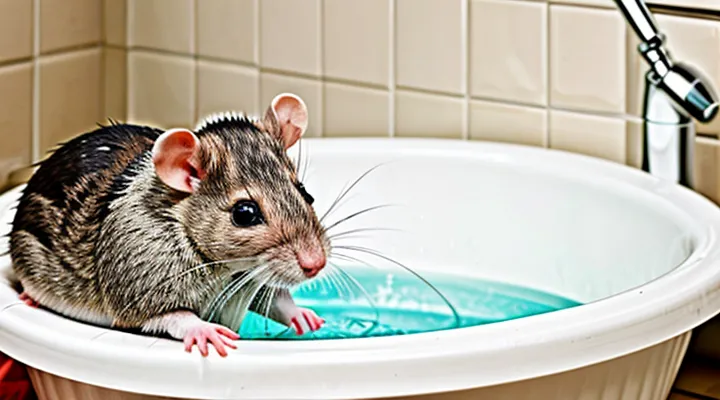
«Preparing for the Rat Bath»
«Gathering Your Supplies»
«Choosing the Right Shampoo»
Select a shampoo formulated specifically for small rodents or other pets with sensitive skin. Human products often contain harsh detergents and fragrances that can irritate a rat’s delicate coat and mucous membranes. A suitable rat shampoo should be mild, pH‑balanced, and free of dyes, parabens, and essential oils that may cause respiratory distress.
Key criteria for choosing the right product:
- Mild surfactants: Prefer formulas labeled “tear‑free” or “no‑tear” to reduce eye irritation.
- Low pH (around 6.5–7.0): Aligns with the natural acidity of a rat’s skin, preventing disruption of the protective barrier.
- Absence of strong scents: Unscented or lightly scented options avoid overwhelming the animal’s sensitive olfactory system.
- Non‑toxic ingredients: Verify that the ingredient list excludes known toxins such as formaldehyde, sulfates, and certain alcohols.
- Ease of rinsing: A clear, water‑soluble shampoo minimizes residue, which can lead to skin problems if left behind.
Recommended types:
- Specialty rodent shampoos: Commercially available products designed for rats, mice, and hamsters meet all safety standards.
- Gentle pet shampoos: Formulas for cats or small dogs that meet the above criteria can serve as an alternative when rodent‑specific options are unavailable.
- DIY solution: A mixture of 1 part mild baby shampoo to 4 parts distilled water provides a simple, cost‑effective option, provided the baby shampoo meets the listed criteria.
Always test a small amount on a single area before full application. Observe the rat for signs of redness, scratching, or respiratory distress; discontinue use immediately if adverse reactions appear.
«Towels and Drying Options»
When cleaning a pet rat, immediate drying prevents chill and skin irritation. Choose a soft, absorbent towel—cotton or microfiber works best. Gently press the towel against the body; avoid vigorous rubbing that could damage fur or cause stress. After the initial soak, replace the damp towel with a dry one to remove remaining moisture.
Drying options include:
- Towel‑only method – wrap the rat loosely in a dry towel, hold for several minutes while the animal remains calm. This technique works for short baths or when ambient temperature is warm.
- Low‑heat hair dryer – set to the coolest or lowest heat setting, keep the nozzle at least six inches from the fur, and move continuously to avoid overheating any spot. A brief airflow assists in evaporating residual moisture without causing burns.
- Warm room – place the rat in a draft‑free area with a temperature around 24–26 °C (75–79 °F). Allow natural air circulation to finish drying; monitor the animal to ensure it does not become overly warm.
- Combination approach – start with towel drying, then finish with a brief low‑heat airflow for hard‑to‑dry areas such as the tail and paws.
Select the method that matches the rat’s size, coat density, and the room’s temperature. Consistently using a clean, dry towel and an appropriate drying technique reduces the risk of hypothermia and keeps the pet comfortable after each bath.
«Creating a Safe Bathing Space»
Creating a safe bathing environment is the first prerequisite for a successful rat wash. Choose a shallow, non‑slippery container that fits the animal comfortably; a plastic tub or a clean sink basin works well. Fill the container with lukewarm water—approximately 30 °C (86 °F)—and add a few drops of a mild, rodent‑approved shampoo if required.
- Use a rubber mat or folded towel at the bottom to prevent slipping.
- Keep the water level low enough for the rat to stand without submerging its head.
- Place the tub on a stable surface away from drafts, cords, and sharp objects.
- Have a towel, a soft brush, and a small cup for rinsing within arm’s reach.
Before introducing the rat, verify that the temperature remains steady and that the water does not contain soap residues. Test the surface by gently pressing a finger; the mat should feel firm yet give slight cushioning. Ensure the area is quiet to reduce stress, and keep a hand ready to support the animal if it attempts to escape.
During the bath, support the rat’s body with one hand while the other controls the water flow. Rinse promptly to avoid soap lingering on the skin. After washing, lift the animal onto a dry towel, pat gently, and monitor until completely dry before returning it to its cage. This preparation eliminates hazards and promotes a calm, efficient cleaning session.
«The Bathing Process: Step-by-Step»
«Introducing Your Rat to Water»
Begin the water introduction in a calm environment. Choose a shallow, non‑slipping container that fits the rat comfortably; a plastic tub with a few centimeters of lukewarm water works well. Fill the tub with water at 30‑32 °C, testing with a thermometer or the inside of your wrist to avoid thermal shock.
Allow the rat to explore the dry tub first. Place a familiar object, such as a piece of bedding or a chew toy, near the edge. Observe the animal’s behavior for signs of curiosity or apprehension. If the rat hesitates, give a brief pause and then gently lower one paw into the water. Repeat the motion with the opposite paw, maintaining a steady hand to prevent sudden movements.
Progress to partial immersion. Support the rat’s body with both hands, keeping the head above water. Use a calm voice and gentle strokes to reassure the animal. Limit each session to 30‑45 seconds initially; extend the duration by 10‑15 seconds after several successful attempts.
Reward the rat immediately after exposure. Offer a favorite treat and a brief period of gentle petting. Consistent positive reinforcement conditions the animal to associate water with safety and pleasure.
Maintain vigilance throughout the process. Watch for rapid breathing, frantic paddling, or attempts to escape. If any stress indicators appear, cease the session, dry the rat with a soft towel, and resume training after a rest period of at least one hour.
Repeat the acclimation routine daily until the rat enters the water voluntarily. Once comfortable, proceed to a full bath following the established cleaning protocol.
«Washing Your Rat Gently»
«Focus Areas and Techniques»
When bathing a pet rat at home, concentrate on three critical zones: the body, the tail and hindquarters, and the facial region. Each zone requires a distinct technique to ensure safety and cleanliness.
Begin with a shallow basin filled with lukewarm water (approximately 30‑32 °C). The water level should reach just above the rat’s belly, preventing submersion of the head. Place a non‑slip mat at the bottom to give the animal firm footing and reduce stress.
For the body, use a soft, pet‑safe sponge or a cotton washcloth. Apply a few drops of a mild, rodent‑specific shampoo, working gently from neck to tail. Avoid vigorous scrubbing; a light circular motion removes dirt without damaging the delicate fur. Rinse promptly with a clean cup of lukewarm water, ensuring all soap residues are eliminated.
The tail and hindquarters often accumulate urine and fecal matter. Employ a soft toothbrush or a fine‑bristle brush to dislodge debris. Apply a thin layer of shampoo, then rinse thoroughly. Take care not to pull the tail, as it is highly sensitive.
Facial cleaning focuses on the eyes, ears, and whiskers. Use a cotton swab dampened with plain water to wipe around the eyes, removing any discharge. For the ears, a damp cotton ball can clear excess wax; never insert objects deep into the ear canal. Whiskers should remain untouched, as they serve sensory functions.
After rinsing, transfer the rat to a dry, warm towel. Pat gently to remove excess moisture; avoid rubbing, which can cause matting. Allow the animal to air‑dry in a draft‑free area for 10‑15 minutes before returning it to its cage. Provide a heat source, such as a low‑wattage lamp, if ambient temperature drops below 20 °C.
Maintain a clean bathing environment by disinfecting the basin and tools after each use. Replace towels regularly to prevent bacterial growth. Consistent adherence to these focus areas and techniques results in a hygienic, stress‑free bathing experience for the rat.
«Rinsing Thoroughly»
Rinsing the rat must remove all soap without causing stress. Use lukewarm water (approximately 30–32 °C) to prevent shock. Hold the animal gently but firmly, supporting the body to keep it upright. Direct a steady, low‑pressure stream over the back, sides, and limbs, avoiding the face and ears. Ensure water runs over the fur for at least 30 seconds per section, confirming that no suds remain.
Key points for a complete rinse:
- Test water temperature with a fingertip before contact.
- Position the faucet so the flow is even and controllable.
- Move the rat slowly, allowing water to cascade through each coat layer.
- Inspect the fur for residual bubbles; repeat washing over any spotted area.
- Finish with a brief, gentle pour over the tail and hindquarters to clear hidden soap.
After rinsing, pat the rat dry with a soft towel, then allow it to air‑dry in a warm, draft‑free environment before returning it to its enclosure.
«After the Bath: Drying and Care»
«Drying Your Rat Effectively»
«Towel Drying Methods»
After rinsing a rat, immediate removal of excess water prevents skin irritation and chilling. The towel‑drying stage should follow these precise actions.
Select a soft, absorbent towel—cotton or microfiber works best. Avoid rough fabrics that can snag delicate fur. Keep a second, dry towel nearby for quick replacement if the first becomes saturated.
- Gentle patting – Hold the rat securely but without excessive pressure. Lightly press the towel against the body, beginning with the back, then the sides, and finally the limbs. Patting absorbs water without rubbing, which could damage the coat or cause stress.
- Rolling technique – After the initial pat, lay the towel flat, place the rat in the center, and gently roll the towel around the animal. This encloses the fur, allowing residual moisture to be drawn into the fabric. Unroll after 30–45 seconds and repeat with a dry portion if needed.
- Air‑flow assistance – Position the partially dried rat on a clean towel in a draft‑free area. Use a low‑speed hair dryer set to cool or warm (not hot) on a distance of 12–15 inches. Move the dryer continuously to avoid concentrating heat on one spot. This method accelerates drying while maintaining safe temperature.
- Elevated support – Place a small, non‑slipping platform (e.g., a silicone mat) under the towel. The elevated surface encourages air circulation beneath the animal, reducing moisture trapped against the floor.
Monitor the rat’s body temperature throughout. If the coat feels damp after the above steps, repeat patting or rolling with a fresh towel. Once the fur is dry to the touch, inspect for signs of irritation or excess moisture in the ear canals and paws. A completely dry coat indicates the towel‑drying phase is complete, allowing the rat to recover comfortably.
«Alternative Drying Options»
After a bath, a rat’s fur must be dried promptly to prevent chill and skin irritation. When a conventional pet dryer is unavailable or unsuitable, several alternative methods provide safe and effective results.
-
Soft towel absorption – Gently press a lint‑free, absorbent towel against the body, starting with the head and moving toward the tail. Avoid vigorous rubbing, which can damage delicate fur and skin. Replace the towel if it becomes saturated.
-
Low‑heat hair dryer – Set a household dryer to the coolest or lowest heat setting, with airflow directed at a distance of 12–15 cm. Keep the device moving continuously to prevent localized overheating. Monitor the rat’s behavior; signs of distress indicate the need to pause or lower the temperature.
-
Room‑temperature fan – Position a small oscillating fan so that a gentle breeze circulates around the cage. Ensure the airflow is indirect and does not create drafts that could lower the animal’s body temperature. This method works best when combined with towel blotting.
-
Warm enclosure – Prepare a confined space (e.g., a small box) with a heated pad set to a low temperature (approximately 28 °C). Place the rat inside for 5–10 minutes, allowing residual moisture to evaporate while the animal remains comfortable. Verify that the pad’s surface does not exceed safe limits.
-
Desiccant packets – Place a few silica‑gel packets in a breathable container near the rat, ensuring the packets are sealed away from direct contact. The packets absorb ambient moisture, accelerating drying in low‑humidity environments. Replace or recharge packets regularly.
Each option should be employed with close observation of the rat’s condition. If the animal shows signs of shivering, excessive stress, or skin redness, discontinue the method and consult a veterinarian. Combining gentle towel pressure with one of the above techniques yields the most reliable drying outcome without specialized equipment.
«Post-Bath Comfort and Health Checks»
After the bath, place the rat in a warm, draft‑free area. Use a low‑heat hair dryer on the lowest setting or a soft towel to remove moisture, ensuring the animal’s body temperature remains stable.
- Dry the fur gently, moving from the head toward the tail.
- Keep the enclosure temperature between 22 °C and 26 °C.
- Offer a small amount of fresh water once the fur is dry.
Conduct a brief health inspection before returning the rat to its cage.
- Examine the skin for redness, irritation, or lingering soap residue.
- Check the eyes and ears for discharge or swelling.
- Observe the paws and tail for signs of cracking or sores.
- Note the animal’s posture and movement; limp or sluggish behavior may indicate discomfort.
Monitor the rat for the next 24 hours. Record any changes in appetite, vocalization, or grooming habits. Promptly address persistent shivering, excessive scratching, or respiratory sounds with a veterinarian.
Maintain cage cleanliness after the bath. Replace bedding, clean food dishes, and disinfect the water bottle to prevent bacterial growth. Regular post‑bath checks reinforce recovery and reduce the risk of infection.
«Tips for a Stress-Free Experience»
«Understanding Your Rat's Behavior»
Rats display distinct signals that indicate comfort or distress during a bath. A relaxed animal will groom its fur, hold its whiskers forward, and exhibit steady breathing. Conversely, rapid breathing, flattened ears, a tucked tail, and attempts to escape signal anxiety. Recognizing these cues allows you to intervene before stress escalates.
Before introducing water, observe the rat’s typical activity pattern. Rats that are naturally curious and explore new objects adapt more readily to a shallow basin. Those that are timid may require a gradual acclimation period, such as placing a dry towel in the enclosure to familiarize the animal with the texture.
During the bathing process, maintain a temperature of 30‑32 °C (86‑90 °F) and limit exposure to 2‑3 minutes. Use a gentle stream or a cup to wet the fur, avoiding the face and ears. If the rat exhibits the stress signals listed above, pause, dry the animal with a soft cloth, and allow a brief recovery before continuing.
Key behaviors to monitor:
- Grooming after the bath – indicates the rat feels safe and will help distribute moisture evenly.
- Scratching or biting – suggests irritation or fear; stop the bath and reassess technique.
- Vocalizations – low squeaks often accompany discomfort; higher-pitched chirps may reflect excitement.
Understanding these patterns ensures that the bathing routine supports the rat’s well‑being while achieving a clean coat. Adjust handling, water depth, and duration based on individual responses to maintain a calm environment throughout the procedure.
«Making Bath Time Enjoyable»
Creating a pleasant bath experience for a pet rat reduces stress and encourages cooperation. Begin by selecting a shallow basin that fits comfortably on a stable surface; the water level should cover only the rat’s paws. Warm the water to approximately 30 °C (86 °F) and add a few drops of rat‑safe, unscented shampoo. Test the temperature with a fingertip before introducing the animal.
Prepare the environment to feel safe. Place a towel or non‑slip mat at the basin’s edge, and keep the room quiet and free of sudden noises. Offer a favorite chew toy or a piece of fresh fruit near the water to create a positive association. Speak softly and move slowly while guiding the rat into the water, supporting its body to prevent panic.
During the bath, limit exposure to 2–3 minutes. Gently lather the fur, avoiding the face and ears. Rinse thoroughly with lukewarm water to eliminate all soap residue. After rinsing, wrap the rat in a dry, absorbent towel and hold it gently until the fur is no longer damp. Provide a warm enclosure for 10–15 minutes to allow natural drying.
Post‑bath care reinforces a good experience:
- Offer a small treat immediately after drying.
- Return the rat to its regular cage with familiar bedding.
- Observe for signs of discomfort; address any skin irritation promptly.
Consistent application of these steps builds a routine where bath time becomes a neutral or enjoyable event rather than a source of anxiety.
«Frequency of Bathing»
Rats have a natural self‑grooming instinct; excessive bathing can strip essential oils and irritate skin. Determining an appropriate schedule depends on several practical factors.
- General health: Healthy rats typically require a bath only when visibly dirty or after exposure to substances that could cause irritation. For most pets, a bath every 4–6 weeks is sufficient.
- Living environment: Cages with high dust levels, frequent bedding changes, or exposure to strong odors may necessitate more frequent cleaning, but a full bath should still be limited to avoid stress.
- Skin condition: Rats with dry skin, allergies, or dermatitis should receive baths less often; topical treatments may be preferable.
- Behavioral tolerance: Some rats tolerate water well, while others become anxious. A cautious approach—starting with a single bath and observing reactions—helps set a realistic frequency.
If a rat exhibits persistent odor, visible dirt, or has been in contact with harmful substances (e.g., chemicals, moldy food), a single bath is justified regardless of the regular schedule. Otherwise, maintain a routine of monthly baths, complemented by regular cage cleaning, spot cleaning of the fur with a damp cloth, and provision of fresh bedding to keep the animal comfortable and hygienic.
«Troubleshooting Common Bathing Issues»
«Dealing with a Reluctant Rat»
Rats often resist water because it feels unfamiliar and can trigger a stress response. Signs of reluctance include rapid breathing, attempts to escape the bathing area, and vocalizations. Reducing stress before the bath lowers the risk of injury and improves hygiene outcomes.
- Prepare a shallow, lukewarm container no deeper than the rat’s belly; add only a few centimeters of water.
- Place a soft towel or silicone mat at the bottom to provide traction.
- Allow the rat to explore the container without water for several minutes; offer a favorite treat to create a positive association.
- Introduce water gradually by wetting a cloth and gently wiping the rat’s body, avoiding the face and ears.
- If the rat attempts to flee, pause, calm the animal with gentle strokes, and resume only when the animal appears settled.
- Use a small cup or syringe without a needle to rinse, directing water away from the eyes and nostrils.
- After rinsing, wrap the rat in a dry, warm towel; keep it in a draft‑free area until completely dry.
- Reward the rat with a treat and brief playtime to reinforce the positive experience.
Consistent, low‑stress handling and gradual exposure to water transform a hesitant pet into a cooperative participant in home grooming routines.
«Addressing Skin Irritations»
When a pet rat shows redness, swelling, or scabbing after a wash, the condition requires prompt attention.
Visible symptoms include:
- Localized redness or pinkness
- Hair loss or thinning around the affected area
- Crusty or moist patches that do not dry quickly
- Excessive scratching or grooming of the spot
Immediate response:
- Rinse the area with lukewarm water to remove residual soap or irritant.
- Pat dry with a soft, absorbent cloth; avoid rubbing.
- Apply a thin layer of a veterinarian‑approved antiseptic ointment.
- Isolate the rat from other cage mates to prevent spreading potential infection.
Preventive actions:
- Use a mild, fragrance‑free cleanser formulated for small mammals.
- Limit bath frequency to the minimum required for hygiene.
- Ensure water temperature stays between 30‑35 °C (86‑95 °F).
- Dry the rat thoroughly before returning it to the cage; provide a warm, draft‑free environment.
If irritation persists beyond 24 hours, schedule a veterinary examination to rule out dermatitis, fungal infection, or allergic reaction.