
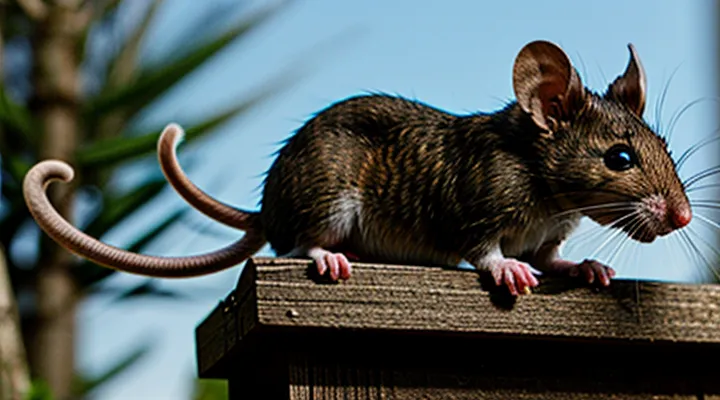
Understanding Mouse Behavior and Preferences
What Attracts Mice
Scent and Food Sources
Mice rely on olfactory cues to locate sustenance and shelter. Strong, edible aromas draw individuals from considerable distances, while the presence of readily consumable items sustains their interest.
- Peanut butter: dense, aromatic, high‑fat profile.
- Cheese: sharp scent, protein source.
- Sunflower seeds: oily, distinctive odor.
- Grain mixes: sweet, carbohydrate‑rich smell.
- Fresh fruit peels: volatile sugars, moisture.
Food sources that maintain mouse activity share common characteristics: high caloric density, low moisture loss, and ease of access. Items meeting these criteria encourage repeated visitation and nesting behavior.
- Cooked pasta or rice: carbohydrate focus, soft texture.
- Animal meat scraps: protein and fat, strong scent.
- Bread crumbs: quick‑absorbing carbohydrates.
- Nut butter spreads: sustained aroma, persistent residue.
- Pet food kibble: formulated for palatability, emits lasting odor.
Effective deployment combines scent potency with strategic placement. Apply a thin layer of attractant on a flat surface near entry points, replace it every 24‑48 hours to preserve intensity, and ensure the surrounding area remains free of competing odors such as strong cleaning agents. Consistent renewal and proper positioning maximize the likelihood of mouse detection and engagement.
Shelter and Warmth
Mice seek protected spaces that maintain a stable, warm environment. Provide structures that mimic natural burrows and reduce exposure to drafts.
- Use stacked wooden shavings, shredded paper, or cotton fibers to create a soft, insulating nest. Place the material in a corner of a concealed box, garage shelf, or crawl space.
- Install a wooden or PVC pipe segment with openings at each end. The pipe offers a tunnel‑like shelter and retains heat generated by the mouse’s body.
- Position shelters near a heat source such as a radiator, water heater, or sunny window ledge, ensuring temperatures stay between 68 °F and 78 °F. Avoid direct contact with hot surfaces that could cause burns.
- Seal gaps around the shelter with silicone or foam to prevent airflow that would lower temperature and expose the mouse to predators.
- Add a small, reusable heat pack wrapped in fabric for winter months. Replace the pack when it cools to maintain consistent warmth.
Maintain cleanliness by removing droppings and replacing nesting material weekly. A clean, warm refuge increases the likelihood that mice will remain in the area and reproduce, sustaining the desired population.
Access Points
Effective mouse attraction relies on identifying and managing entry routes. Mice exploit gaps, openings, and structural weaknesses to access food sources and shelter. Recognize common pathways to control and direct movement.
Typical access points include:
- Gaps around utility pipes and cables, often ¼‑inch wide.
- Cracks in foundation walls, especially near basements.
- Openings beneath doors and sliding windows without proper sweeps.
- Holes in exterior siding, soffits, and eaves.
- Unsealed gaps around vent covers, dryer ducts, and chimney flues.
- Spaces behind appliances, such as refrigerators and stoves, where insulation is missing.
Addressing these routes involves a two‑step process. First, conduct a systematic inspection of interior and exterior surfaces, using flashlights and mirrors to reveal concealed openings. Second, seal identified gaps with appropriate materials: steel wool combined with caulk for small holes, heavy‑duty mesh for larger voids, and weather‑stripping for door and window perimeters. Reinforce vulnerable areas with metal flashing or concrete patching where necessary.
Creating intentional access points can guide mice toward bait stations. Install a small, unobtrusive tunnel or PVC pipe leading from a sealed entry to the bait location. Ensure the conduit is smooth, dark, and free of debris to encourage uninterrupted travel. Position the bait at the tunnel’s terminus, maintaining a distance of 2‑3 feet from the entry to allow mice to become accustomed to the pathway before reaching the attractant.
Regular monitoring confirms the effectiveness of these measures. Inspect sealed areas weekly for new activity signs, such as droppings or gnaw marks. Adjust or reinforce seals promptly to prevent re‑entry. By systematically managing access routes, mouse attraction becomes predictable and controllable, increasing the success rate of bait deployment and population reduction.
Strategic Mouse Attraction Techniques
Food Baiting Methods
Best Baits for Mice
Effective bait selection determines the success of any mouse‑attraction effort. Choose attractants that align with the rodent’s natural preferences and physiological needs.
- Peanut butter – strong scent, high fat content, readily consumed.
- Sunflower seeds – bright color, appealing texture, rich in oil.
- Chocolate – sweet aroma, high caloric value, irresistible to many mice.
- Oatmeal with honey – moist consistency, sweet taste, easy to shape.
- Dried fruit pieces – natural sugars, strong fragrance, attractive to omnivorous rodents.
- Cheese (soft varieties) – pungent odor, high protein, familiar dietary component.
Combine baits with a suitable delivery system, such as snap traps or live‑capture cages, to maximize contact. Rotate selections every few days to prevent habituation and maintain interest. Ensure bait placement near walls, behind appliances, and in concealed corners where mice commonly travel.
Bait Placement Strategies
Effective mouse attraction relies heavily on precise bait placement. Positioning determines how quickly rodents encounter the lure and how consistently they return for additional feedings.
- Locate bait along established travel routes; mice favor walls, baseboards, and the edges of furniture. Install stations within 2–3 feet of these pathways.
- Place traps or stations near entry points such as door cracks, vent openings, and utility gaps. Rodents often explore these areas first when seeking food.
- Use multiple bait points in a single area, spacing them 12–18 inches apart. This creates a “feeding zone” that encourages repeated visits.
- Secure bait at a low height, no higher than 2 inches off the floor, to match the mouse’s natural foraging level.
- Avoid clutter that blocks access; clear debris and maintain a clean surface around each bait location to prevent visual obstruction.
- Rotate bait stations every 48 hours. Fresh placement prevents scent saturation and reduces the chance of bait aversion.
Consistent monitoring of bait activity informs adjustments. If a station shows little activity, relocate it to an adjacent wall or increase the number of stations in that sector. Regular assessment ensures the bait layout remains optimized for sustained mouse attraction.
High Traffic Areas
Mice gravitate toward zones where food, water, and shelter intersect frequently. In residential or commercial settings, these zones appear along pathways that humans or pets routinely use.
- Kitchen counters and backsplashes where crumbs accumulate after meals.
- Underneath refrigerators, stoves, and dishwashers where heat and moisture linger.
- Pantry shelves near entry points, especially where boxes are opened and closed daily.
- Garbage cans and recycling bins placed in corners of rooms or hallways.
- Utility closets and laundry rooms with occasional spills and dampness.
Placement of bait near these points maximizes encounter rates. Bait stations should be positioned a few inches from wall edges, allowing mice to approach without exposing themselves to open spaces. Replace or relocate bait if activity shifts to alternative corridors.
Monitoring devices—such as sticky traps or motion-activated cameras—installed in these high‑traffic zones reveal movement patterns. Data gathered guides adjustments to bait density and positioning, ensuring sustained attraction and effective control.
Entry Points
Mice locate openings that provide easy access to food, shelter, and water. Identifying and managing these entry points is essential for any effective attraction strategy.
Typical entry points include:
- Gaps around doors and windows, especially where weather stripping is worn or missing.
- Cracks in foundation walls, basement floors, or crawl‑space walls.
- Openings around utility penetrations such as pipes, cables, and vents.
- Unsealed holes in exterior siding, soffits, or eaves.
- Spaces under appliances, cabinets, or inside wall cavities where insulation is damaged.
To secure these points, follow a systematic approach:
- Inspect the building exterior from ground level to roofline, noting any visible openings larger than ¼ inch.
- Use a flashlight and mirror to examine interior corners, baseboards, and behind appliances for hidden gaps.
- Seal openings with appropriate materials: steel wool and caulk for small cracks, steel mesh or hardware cloth for larger holes, and expanding foam for irregular spaces.
- Install door sweeps and weather stripping on all exterior doors.
- Maintain a regular schedule for re‑inspection, especially after seasonal temperature changes or construction activity.
By eliminating pathways that mice exploit, the environment becomes more controllable, allowing bait stations and traps to function with greater predictability.
Replenishment and Monitoring
Effective mouse attraction relies on consistent bait availability and accurate activity assessment. Replenishment maintains lure potency; monitoring confirms placement success and informs adjustments.
Refresh bait before depletion becomes evident. Apply these practices:
- Check stations daily; replace any visible reduction by 20 % or more.
- Use measured portions (e.g., 0.5 g per station) to ensure uniform exposure.
- Store fresh bait in airtight containers to prevent moisture loss and contamination.
- Rotate stations weekly to prevent habituation.
Monitoring combines direct observation and indirect indicators. Implement the following techniques:
- Visual inspection of bait condition and droppings at each station.
- Light‑sensitive tracking powder around bait to reveal recent footprints.
- Snap‑trap or live‑trap catch counts recorded at consistent intervals (e.g., every 12 hours).
- Motion‑activated cameras positioned to capture approach behavior.
Record data in a simple log: date, station identifier, bait weight, footprint presence, trap catches. Analyze trends to identify underperforming locations, then increase bait density or relocate stations accordingly. Continuous cycle of replenishment and monitoring sustains high attraction efficiency.
Creating an Inviting Environment
Eliminating Predators
Eliminating predators is a critical component of any strategy aimed at increasing mouse presence. Predators create a hostile environment that discourages rodents from settling, reducing the effectiveness of baiting, shelter provision, and other attractant techniques.
Removing common mammalian predators—such as domestic cats, feral dogs, and raccoons—requires securing food sources, sealing entry points to buildings, and, when necessary, employing humane trapping or relocation. For avian predators, including owls and hawks, install visual deterrents (e.g., reflective tape, predator silhouettes) and eliminate perching opportunities on rooftops and fences.
Key actions:
- Conduct a thorough inspection to identify predator activity signs (tracks, droppings, predation marks).
- Seal gaps larger than ¼ inch to prevent predator ingress while maintaining mouse access points.
- Deploy humane traps for cats and feral dogs, coordinating with local animal control for safe release.
- Install motion-activated lights and ultrasonic devices to disrupt nocturnal hunting patterns of owls and hawks.
- Remove bird feeders and standing water that attract raptors and other avian hunters.
- Use scent-masking agents (e.g., predator urine extracts) to confuse predator detection systems.
By systematically reducing predator pressure, the environment becomes more inviting for mice, allowing other attraction methods to function at optimal levels.
Providing Hiding Spots
Creating suitable refuge areas is essential for drawing mice into a target zone. Mice instinctively seek enclosed, dark places where they can avoid predators and conserve body heat. By installing structures that mimic natural burrows, you increase the likelihood that mice will explore and remain in the vicinity.
Effective hiding spots include:
- Small cardboard tubes or paper rolls placed near food sources; the tight interior mimics natural tunnels.
- Stacked wood shavings or shredded paper in corners; the soft texture offers comfort and concealment.
- Fabricated PVC or plastic shelters with one‑inch entrance holes; the smooth surface resists moisture while providing a secure cavity.
- Loose insulation material such as fiberglass or foam placed behind appliances; the irregular gaps create multiple micro‑habitats.
Position these refuges at least six inches away from open pathways to prevent immediate detection. Rotate or replace them regularly to maintain novelty, ensuring mice continue to investigate the area.
Water Sources
Water is a non‑negotiable requirement for all rodents; without a reliable source, mice will avoid an area even if food and shelter are abundant. Providing accessible moisture directly influences where mice establish foraging routes and nesting sites.
Common water sources that can be employed include:
- Leaking pipes or faucets left unattended for short periods.
- Shallow trays filled with fresh water, placed near suspected travel paths.
- Pet water dishes left uncovered in corners where mice are active.
- Damp sponges or cotton balls saturated with water, hidden under debris.
- Small puddles created by over‑watering houseplants or indoor gardens.
When positioning water, follow these guidelines:
- Keep the liquid shallow (no deeper than 1 cm) to prevent drowning and to encourage frequent visits.
- Locate sources close to food stations but not directly adjacent, prompting mice to move between points.
- Use containers made of non‑porous material to avoid condensation that could attract insects.
- Replace water daily to maintain freshness and prevent microbial growth that could deter mice.
Regular maintenance ensures the water remains attractive. Inspect for mold, replace contaminated supplies, and monitor for signs of leakage that could create unintended reservoirs. Consistent provision of clean, shallow water increases the likelihood that mice will settle in the targeted area, reinforcing other attraction tactics.
Odor-Based Attraction
Using Scent Lures
Scent lures exploit the acute olfactory sense of mice, providing a direct trigger for foraging behavior. Effective attractants combine high protein content with strong aromatic compounds, ensuring rapid detection and sustained interest.
Commonly used lures include:
- Peanut butter or smooth nut butter, offering dense aroma and caloric reward.
- Hard cheese, especially aged varieties, releasing volatile fatty acids.
- Commercial rodent bait gels, formulated with synthetic pheromones and flavor enhancers.
- Grains soaked in oil or butter, producing a lingering scent trail.
Application guidelines require placement near known activity zones—along walls, behind appliances, and within 12 inches of entry points. Lures should be secured to prevent spillage; a small dab on a cotton ball or a sealed plastic bait station reduces mess while maintaining odor release. Replace lures every 24–48 hours to counter scent degradation and maintain potency.
Safety considerations demand separation from human food storage and pets. Use tamper‑proof containers when targeting environments with children. Monitoring should involve regular inspection of bait stations, noting consumption rates to assess attraction efficiency and adjust placement density accordingly.
Integrating scent lures with complementary tactics—such as sealing entry gaps and deploying snap traps—maximizes capture rates while minimizing reliance on a single method. The result is a systematic, evidence‑based approach to mouse control.
Natural Attractants
Natural attractants provide a reliable means of drawing mice into traps without relying on synthetic chemicals. These substances exploit the animal’s innate preferences for specific scents and flavors, increasing capture rates while maintaining a low environmental impact.
- Peanut butter: strong odor and high fat content create a powerful lure. Apply a small amount to a trap surface or a disposable carrier.
- Sunflower seeds: crisp texture and sweet taste stimulate foraging behavior. Crush lightly to release aroma before placement.
- Oats mixed with honey: combination of carbohydrate and sugar appeals to nocturnal feeders. Form a compact pellet to prevent spillage.
- Fresh fruit pieces (e.g., apple or banana): natural sugars emit volatile compounds that attract rodents. Use a thin slice to avoid rapid decay.
- Cheese with a mild scent: traditional bait that remains effective when paired with a small amount of butter, enhancing slip resistance on trap triggers.
Preparation involves coating the chosen attractant onto the trap trigger or a separate piece of cloth that contacts the trigger mechanism. Position the bait at the point where the mouse must apply pressure to release the trap, ensuring the scent is not obstructed.
Place traps along walls, near known entry points, and in concealed corners where mice travel. Maintain a clean environment around each trap to prevent competing odors from diminishing bait effectiveness.
Monitor traps daily, replace spoiled bait, and rotate attractants to prevent habituation. Dispose of captured mice according to local regulations and sanitize equipment to avoid cross‑contamination.
Safety and Ethical Considerations
Preventing Unintended Pests
Attracting mice for research or control purposes often involves bait stations, scent trails, and habitat modifications. These tactics can unintentionally create conditions favorable to other pests such as insects, rodents of larger species, or vermin attracted to food residues. Managing the environment to limit collateral attraction preserves the focus on the target species and reduces secondary infestations.
Key measures to prevent unintended pests while using mouse‑attraction methods:
- Seal all entry points not designated for mouse access; use steel wool or silicone caulk to block gaps larger than ¼ inch.
- Position bait stations away from food preparation areas, garbage containers, and moisture sources that draw insects or larger rodents.
- Employ low‑odor, protein‑based baits that discourage ant and cockroach interest; avoid sugary or grain‑heavy formulations.
- Maintain a regular cleaning schedule to remove spillage, droppings, and debris that serve as secondary food sources.
- Install physical barriers, such as fine mesh screens, around trap zones to restrict entry of non‑target species.
By implementing these controls, the attraction system remains selective for mice, minimizes ecological disruption, and prevents the emergence of additional pest problems.
Humane Attraction Practices
Humane attraction practices focus on luring mice without causing injury, allowing for safe capture or relocation. Effective strategies combine appropriate bait selection, strategic placement, and environmental modifications that encourage mouse activity while respecting animal welfare.
Key components include:
- Natural food baits: Use high‑protein items such as peanut butter, sunflower seeds, or dried fruit. Present bait on disposable trays to prevent contamination.
- Scent attractants: Apply synthetic pheromones or diluted vanilla extract near entry points; these chemicals stimulate foraging behavior without harming the animal.
- Nesting material: Provide shredded paper, cotton fibers, or untreated wood shavings in concealed locations to mimic safe shelter, increasing the likelihood of mouse visits.
- Trap positioning: Place live‑capture traps along walls, behind appliances, and near known runways. Ensure traps are anchored to prevent escape once a mouse enters.
- Maintenance routine: Inspect bait stations daily, replace spoiled bait, and clean traps with mild soap to eliminate residual odors that could deter mice.
Implementing these measures creates an environment that draws mice naturally, supports humane handling, and aligns with proven attraction techniques. Regular monitoring and prompt relocation of captured individuals complete the ethical approach.
Monitoring and Management
Effective mouse-attraction programs require continuous observation and decisive control actions. Accurate detection of rodent activity establishes the baseline for any intervention. Use a combination of visual inspections, scent markers, and motion‑activated cameras to locate foraging paths, nesting sites, and entry points. Record findings in a simple log that notes date, location, and type of evidence (droppings, gnaw marks, sightings).
Data gathered from monitoring informs management decisions. Prioritize high‑traffic zones and adjust bait placement accordingly. Replace ineffective lures with alternatives that match the species’ dietary preferences. Rotate trap types—snap, glue, and live‑capture—to prevent habituation.
Maintain a schedule for review and adaptation:
- Inspect all monitored areas daily for new signs of activity.
- Update the log with any changes in patterns or population density.
- Evaluate bait performance weekly; discard stale material and introduce fresh options.
- Conduct a monthly audit of exclusion measures (seal gaps, install door sweeps, repair damaged screens).
When population indicators exceed predefined thresholds, implement escalation steps. Increase trap density, expand bait stations, and consider professional eradication services if control measures fail to reduce activity within two weeks. After successful reduction, revert to a maintenance phase that includes periodic checks and minimal bait usage to deter re‑infestation.