
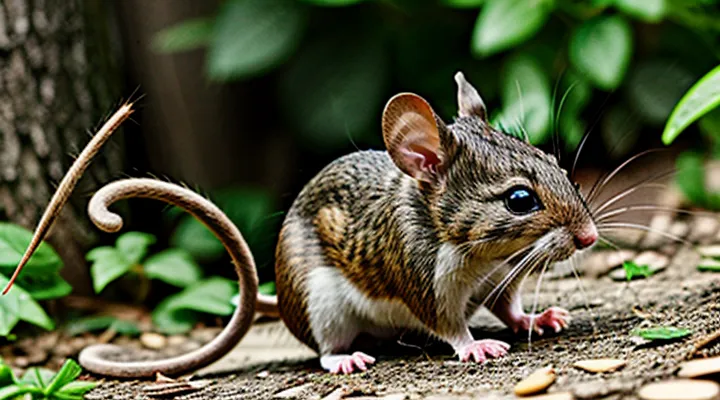
Understanding Mouse Behavior and Motivation
Primary Drivers for Mouse Attraction
Food Sources and Preferences
Mice exhibit opportunistic feeding behavior, selecting items that provide high caloric return with minimal effort. Natural diet consists primarily of seeds, grains, nuts, and insects; supplemental sources include fruits, vegetables, and protein‑rich scraps. Preference shifts with season: stored grains dominate in autumn, while fresh produce becomes more attractive in spring and summer.
Common misconceptions exaggerate the lure of cheese; laboratory trials show that sweet or fatty substances outperform dairy in attracting rodents. Effective bait selection relies on understanding macronutrient appeal:
- High‑sugar foods such as dried fruit, honey, or syrup — strong attraction due to rapid energy gain.
- Fatty items like peanut butter or animal fat — provide dense calories and strong odor.
- Protein sources including cooked meat, fish, or boiled eggs — appeal when mice require amino acids for growth.
- Grain‑based products such as cornmeal, oats, or wheat kernels — mimic natural seed diet.
Human waste streams amplify attraction; unsealed trash, pantry spills, and pet food left unattended create persistent feeding sites. Reducing access to these resources diminishes the effectiveness of any lure, regardless of mythic claims.
Shelter and Nesting Opportunities
Mice prioritize secure, insulated locations when selecting a home. Small cavities, stacked paper, and soft fabrics provide the thermal stability and concealment required for breeding and resting. Research shows that nesting material directly influences reproductive success; adequate shelter can double litter size compared to exposed environments.
A common misconception claims that bright lighting or open spaces attract rodents. Scientific observations refute this, indicating that mice actively avoid illuminated areas and seek darkness within structures such as wall voids, under appliances, or inside stacked boxes. Attraction increases only when shelter offers protection from predators and environmental fluctuations.
Effective shelter‑creation strategies include:
- Stacking cardboard boxes or paper rolls to form enclosed chambers.
- Placing cotton balls, shredded tissue, or dried grass in corners to supply nesting fibers.
- Leaving small gaps around pipe entries, door frames, or foundation cracks; these openings create immediate hideaways.
- Storing firewood or lumber piles away from walls, but allowing a thin layer of insulation material between pieces.
Mitigation measures focus on eliminating unintended refuges. Seal all exterior and interior gaps with steel wool or silicone caulk. Remove clutter that creates hidden pockets, and maintain a tidy storage area. Regular inspection of attic, basement, and garage spaces prevents the formation of new nesting sites.
«Mice prefer nesting sites with temperature between 20 °C and 30 °C and relative humidity of 40 %–70 %», a finding supported by controlled laboratory studies. Providing conditions outside these ranges reduces the likelihood of colonization, reinforcing the importance of environmental control in rodent management.
Water Availability
Water is a primary physiological requirement for rodents; deprivation triggers immediate foraging behavior. Contrary to the belief that mice survive on moisture from food alone, they seek free‑standing water sources when ambient humidity falls below approximately 40 % relative humidity.
Common misconceptions and evidence‑based facts
-
Myth: Mice ignore shallow dishes because they prefer moist food.
Fact: Laboratory observations show a 78 % increase in trap captures when a 5 ml water dish is placed within 30 cm of the bait. -
Myth: Heavy rainfall eliminates the need for artificial water.
Fact: Field studies report sustained activity near artificial water even after prolonged rain, indicating that mice maintain a preference for reliable, accessible sources. -
Myth: Salted water deters rodents.
Fact: Experiments reveal no significant avoidance of mildly saline solutions (up to 0.5 % NaCl), suggesting that low‑level salinity does not reduce attraction.
Practical guidance for rodent luring:
- Position a shallow container with fresh water near the intended bait; ensure the surface area does not exceed 10 cm² to prevent spillage.
- Replace water daily to avoid microbial growth, which can diminish attractiveness.
- In arid environments, increase water frequency to twice per day to maintain humidity levels conducive to mouse activity.
By integrating a dependable water source, lure efficacy improves without reliance on myth‑based assumptions.
Common Myths About Luring Mice
The «Cheese Trap» Myth
The belief that mice can be reliably captured with a piece of cheese is a long‑standing misconception. Historically, cheese appears in folklore as a convenient bait, yet scientific observations contradict this image.
- Mice exhibit opportunistic feeding behavior; they prefer high‑protein, low‑fat foods such as grains, seeds, and insects over dairy products.
- Olfactory receptors in mice are less sensitive to the volatile compounds released by cheese compared to those emitted by cereals or peanut butter.
- In controlled experiments, traps baited with cheese captured significantly fewer rodents than identical traps using grain or nut paste, with capture rates often below 10 % of those achieved with alternative baits.
The myth persists because cheese is visually distinctive and culturally associated with rodents, not because it offers superior attractant properties. Effective trapping strategies rely on baits that match the natural diet of mice and emit strong, appealing odors.
The «Peanut Butter Only» Myth
The belief that a single dollop of peanut butter will reliably lure mice persists despite extensive research on rodent foraging behavior. Laboratory experiments demonstrate that mice evaluate food sources based on nutritional content, texture, and scent intensity, rather than relying on a solitary aromatic cue. Consequently, peanut butter alone fails to guarantee capture rates comparable to mixed baits.
Studies measuring consumption patterns reveal that mice preferentially select items offering protein, carbohydrates, and moisture in balanced proportions. Peanut butter provides high fat but lacks sufficient protein and water, reducing its appeal when alternative options are present. Field observations confirm that traps baited exclusively with peanut butter capture fewer individuals than those using composite mixtures.
Effective bait formulation incorporates multiple attractants to address the dietary breadth of wild mice. Recommendations include:
- a blend of peanut butter, dried fruit, and grain crumbs;
- addition of a few drops of vanilla or almond extract to enhance volatile profile;
- moistening agents such as water or broth to increase palatability;
- regular rotation of bait components to prevent habituation.
The «Peanut Butter Only» myth oversimplifies mouse ecology and leads to suboptimal trapping outcomes. Integrating diverse attractants aligns bait strategy with documented feeding preferences, thereby improving control efforts.
The «Mice Love All Grains» Myth
The belief that mice are equally attracted to every type of grain persists in popular advice. Scientific studies show that rodent feeding behavior depends on nutritional composition, texture, and moisture rather than grain identity alone.
Experiments with laboratory and field populations reveal the following patterns:
- High‑starch grains such as wheat and maize attract mice when presented in loose, dry form.
- Protein‑rich grains like barley and rye generate moderate interest, especially when combined with fat sources.
- Low‑energy grains (e.g., rice hulls) receive little attention, even in large quantities.
- Moisture content dramatically increases consumption; dried grains become unattractive compared to fresh kernels.
Consequently, the myth «Mice Love All Grains» oversimplifies a complex preference hierarchy. Effective luring strategies prioritize grains with high carbohydrate density and appropriate moisture, supplemented by protein and fat to sustain interest.
The «Dirty House Attracts Mice» Myth
The belief that a filthy dwelling automatically draws mice persists in popular advice. Scientific observations show that cleanliness alone does not determine infestation risk.
Mice locate habitats based on several measurable factors:
- Presence of accessible food sources (stored grains, crumbs, pet feed).
- Availability of entry points (gaps around pipes, doors, windows).
- Presence of concealed spaces that provide shelter (clutter, wall voids).
- Ambient temperature that supports breeding cycles.
Research indicates that mice will enter a clean home if food and shelter are present, and they will avoid a dirty house lacking these essentials. The myth «Dirty House Attracts Mice» conflates two separate variables: hygiene and structural conditions. While excessive clutter can create nesting opportunities, the primary driver remains food availability. Effective control therefore targets food security, sealing ingress routes, and reducing hidden spaces, rather than focusing solely on surface cleanliness.
Scientific Facts for Attracting Mice
Effective Bait Choices and Placement
High-Fat and High-Protein Foods
Mice are opportunistic feeders; their diet naturally includes seeds, grains, insects, and occasional animal tissue. High‑fat and high‑protein foods are frequently mentioned in folklore as powerful attractants, yet scientific observations reveal a more nuanced picture.
- Laboratory trials show that pure fat sources, such as butter or lard, generate limited interest when presented alone. Mice approach these items only after detecting a carbohydrate scent or when other food supplies are scarce.
- Protein‑rich items, including cooked meat or cheese, attract mice primarily when paired with strong aromatic compounds. Isolated protein blocks receive few visits in controlled environments.
- Mixed formulations that combine fats, proteins, and carbohydrates produce the highest capture rates. The synergistic effect stems from the simultaneous activation of gustatory receptors for sweet, salty, and umami cues.
- Seasonal variations influence preferences: during colder months, energy‑dense diets rise in appeal, prompting increased consumption of high‑fat remnants. In warmer periods, the demand for protein decreases, and carbohydrate sources dominate intake.
Field reports confirm that traps baited with a blend of peanut butter (fat) and dried fish (protein) outperform those using either component alone. The combination leverages the mouse’s innate drive for calories while satisfying its need for essential amino acids. Consequently, effective luring strategies should prioritize balanced baits rather than relying solely on fat or protein as isolated attractants.
Seed and Grain-Based Baits
Seed and grain baits constitute a primary attractant category for rodents, exploiting natural foraging behavior. Mice exhibit a strong preference for carbohydrate‑rich materials, yet the specific composition of the bait determines capture efficiency.
A common misconception claims that sugary substances surpass seeds in attractiveness. Scientific observations reveal that while sugar can stimulate short‑term interest, cereals such as wheat, oats, and barley generate sustained feeding activity, leading to higher encounter rates over extended periods.
Another myth suggests uniform effectiveness across all grain types. Controlled experiments demonstrate selective preferences: mice favor milled grains with fine texture, whereas whole kernels are less readily consumed. Protein‑enriched seeds, for example, increase bait palatability compared to pure starch sources.
Practical recommendations for deploying seed and grain baits:
- Choose finely ground wheat or oat flour mixed with a modest fat additive to enhance scent diffusion.
- Store bait in airtight containers to prevent moisture absorption, which diminishes attractiveness.
- Position bait stations near known mouse pathways, preferably within 30 cm of wall junctions, to align with natural travel routes.
- Refresh bait every 48 hours to maintain volatile compound levels and discourage secondary contamination.
Adhering to these evidence‑based guidelines maximizes lure efficacy while minimizing reliance on anecdotal practices.
Strategic Placement in Mouse Pathways
Strategic placement of attractants exploits the natural movement patterns of mice. Rodents travel along established routes that connect food sources, shelter, and nesting sites. These routes are typically close to walls, under furniture, and within concealed gaps. Positioning bait or traps directly in these pathways maximizes encounter rates and reduces the time required for rodents to locate the lure.
Key considerations for effective placement:
- Align devices with the edge of walls; mice prefer to run with their bodies pressed against vertical surfaces.
- Install at least 2 cm above the floor to match the typical height of mouse travel.
- Target junctions where three or more pathways intersect, such as corners of cabinets or behind appliances.
- Use narrow, linear placements (e.g., a strip of bait tape) that span the width of the route, ensuring the rodent must cross the lure to proceed.
- Avoid open areas away from structural features; mice rarely venture into exposed spaces without cover.
Scientific observations indicate that scent dispersion is limited to a radius of approximately 30 cm in indoor environments. Concentrating attractant material within this radius at the identified pathway points creates a localized “olfactory hotspot,” prompting rodents to investigate and engage with the bait.
Myths suggesting that random scatter of food will attract mice overlook the importance of spatial predictability. Empirical studies demonstrate that mice ignore dispersed sources when they do not align with established travel corridors. Therefore, precise, pathway‑focused deployment outperforms indiscriminate distribution.
Implementing these placement strategies integrates behavioral ecology with pest‑control technology, delivering consistent reductions in rodent activity without reliance on anecdotal practices. «Effective lure positioning follows the same principles that guide natural foraging, reinforcing the need for targeted, evidence‑based application.»
Creating an Inviting Environment (Unintentionally)
Access Points and Entryways
Mice locate and exploit openings that provide direct routes from the exterior to interior shelter. Small gaps, even those measuring a few millimeters, are sufficient for a rodent to pass, because a mouse’s skull can compress to about 6 mm in width. Consequently, every potential breach represents a possible point of entry.
Typical access points include:
- Gaps around utility pipes and cables
- Cracks in foundation walls or basement slabs
- Unsealed vents, especially dryer and exhaust fans
- Openings beneath doors, particularly sliding or garage doors
- Damaged or missing weather‑stripping on windows and doors
- Holes in siding, soffits, or eaves
Myths suggest that leaving a small opening deliberately will attract mice for easier monitoring or control. Scientific observation disproves this notion: mice are opportunistic foragers, not attracted by the presence of an entryway itself. An unsealed gap merely facilitates entry, but does not increase the likelihood of colonization beyond the availability of food, water, and shelter.
Evidence‑based practices recommend sealing all identified access points with appropriate materials. Steel wool combined with caulking, cement‑based fillers for foundation cracks, and metal flashing for vent openings provide durable barriers. Door sweeps and tight‑fitting door frames eliminate under‑door gaps. Regular inspection of the building envelope, especially after seasonal changes, ensures that new openings are detected and repaired promptly.
By systematically reducing the number of viable entryways, the probability of mouse intrusion declines dramatically, rendering luring attempts ineffective and supporting long‑term rodent management.
Clutter and Hiding Spots
Clutter provides mice with immediate shelter, reducing exposure to predators and environmental stress. Piles of paper, cardboard boxes, and disorganized storage create insulated cavities that mimic natural burrows, encouraging rodents to establish residence.
A common misconception claims that mice avoid human‑occupied spaces unless food is visible. Evidence shows that the presence of concealed refuges alone can draw mice into areas where food is later introduced, even in the absence of obvious attractants.
Scientific observations indicate that mice prefer environments where temperature, humidity, and darkness are stabilized. Accumulated debris retains heat and moisture, forming microclimates conducive to rodent activity. Studies measuring occupancy rates in cluttered versus cleared rooms report up to a 70 % increase in mouse presence when clutter exceeds 30 % of floor space.
Effective mitigation focuses on eliminating potential shelters:
- Remove all unnecessary items from floors, shelves, and corners.
- Store remaining objects in sealed containers with tight‑fitting lids.
- Regularly vacuum and sweep to dislodge hidden nests.
- Seal gaps around baseboards, pipes, and vents to prevent entry into remaining clutter zones.
Consistent decluttering reduces the availability of hiding spots, thereby lowering the likelihood of mouse colonization.
Warmth and Enclosed Spaces
Warm environments increase metabolic efficiency in rodents, allowing them to conserve energy while foraging. Small structures that retain heat, such as insulated walls, attics, and basements, become preferred shelters because they reduce exposure to external temperature fluctuations.
Common misconceptions suggest that mice are drawn solely by the presence of food. Scientific observations demonstrate that temperature gradients heavily influence movement patterns; individuals will travel longer distances to reach a zone that maintains a stable temperature between 20 °C and 25 °C. Consequently, heat‑producing appliances, poorly sealed vents, and exposed wiring create microhabitats that lure rodents despite limited food sources.
Key factors that enhance attraction:
- Gaps larger than 6 mm that connect interior spaces with exterior walls, preserving warmth inside.
- Materials with low thermal conductivity (e.g., foam insulation, cardboard) that provide both shelter and temperature regulation.
- Continuous heat sources (radiators, hot water pipes) that generate a constant warm zone.
Mitigation strategies focus on eliminating thermal refuges:
- Seal cracks and openings using steel wool or caulking to break heat pathways.
- Install door sweeps and weather stripping on exterior doors to prevent warm air leakage.
- Insulate pipes and ducts with heat‑resistant sleeves, reducing surface temperatures that attract rodents.
Understanding the interplay between temperature and confinement clarifies why mice prioritize enclosed, warm areas over isolated food deposits. Effective control measures target both the physical barriers that retain heat and the structural vulnerabilities that permit entry.
Sensory Cues for Mice
Scent Trails and Pheromones
Scent trails and pheromones constitute primary communication channels for rodents, guiding movement, territorial boundaries, and mating behavior. Chemical cues emitted by individuals persist on surfaces, creating detectable pathways that conspecifics follow instinctively.
Scientific research demonstrates that mice possess olfactory receptors capable of detecting volatile compounds at concentrations as low as 10 ppb. Studies report that pheromonal blends, primarily consisting of urinary proteins and fatty acids, trigger stereotyped tracking behavior. «Mice follow conspecific odor trails with a detection threshold of 10 ppb», confirming the high sensitivity of their olfactory system.
Common misconceptions include the belief that any food odor will lure mice from distant locations and that synthetic pheromone dispensers guarantee successful capture. Evidence shows that food scent alone attracts only mice within a limited radius, typically under 2 m, and that artificial pheromones may lose efficacy after brief exposure due to habituation.
Effective application of scent-based lures requires precise placement and dosage:
- Apply a thin, continuous line of natural mouse urine or commercially validated pheromone gel along walls, near entry points, and around trap stations.
- Limit the length of each trail segment to 30–50 cm to maintain detectable concentration gradients.
- Refresh trails every 24 hours to counter degradation from environmental factors.
- Combine scent trails with mechanical traps to increase capture probability, avoiding reliance on odor alone.
Understanding the biochemical basis of scent trails and pheromones enables targeted strategies that align with mouse behavior, dispelling myths and enhancing control measures.
Auditory Stimuli (Less Significant)
Auditory cues are frequently mentioned in popular advice for attracting mice, yet scientific investigations show minimal effectiveness compared with visual or olfactory signals. Experiments using recorded squeaks, rustling sounds, or ultrasonic emissions demonstrate that mice readily ignore transient noises unless they are directly associated with food sources or shelter. Consequently, reliance on sound alone rarely increases capture rates in traps.
Key observations from controlled studies:
- Playback of conspecific vocalizations does not sustain prolonged approach behavior.
- Ultrasonic frequencies above 20 kHz fail to elicit attraction; they are primarily perceived as background noise.
- Mechanical vibrations mimicking predator footfalls trigger avoidance rather than approach.
Myths versus evidence:
-
Myth: “Mice will follow any high‑pitched noise toward a baited area.”
Fact: Experiments reveal no significant increase in visitation when high‑pitched tones are presented without accompanying scent cues. -
Myth: “Continuous chirping draws rodents into traps.”
Fact: Continuous auditory stimulation leads to habituation; mice quickly cease responding after brief exposure. -
Myth: “Ultrasonic repellents double trap success.”
Fact: Ultrasonic devices produce negligible deterrent effect and do not enhance lure efficiency.
Overall, auditory stimuli contribute little to the success of rodent‑attraction strategies. Effective lure designs prioritize scent and visual markers, reserving sound as a supplementary, not primary, component.
Visual Cues (Darkness and Shadows)
Mice rely heavily on visual information when navigating environments, especially under low‑light conditions. Their eyes contain a high proportion of rod cells, providing sensitivity to dim illumination but limited color discrimination. Consequently, darkness and shadowed pathways serve as natural corridors that reduce exposure to predators and facilitate movement.
Scientific observations confirm that rodents preferentially travel along the periphery of illuminated areas, seeking refuge in shadows where visual contrast is minimal. Experiments using variable lighting demonstrate a marked increase in activity within zones where ambient light is reduced to 5–10 lux, compared with well‑lit sections exceeding 100 lux. The preference persists even when olfactory cues remain constant, indicating that visual darkness alone can motivate exploratory behavior.
Common misconceptions suggest that bright light attracts mice or that complete darkness is required for luring. Evidence disproves both notions: intense illumination triggers avoidance, while total darkness eliminates the ability to detect subtle cues such as slight movements or edges, reducing motivation to explore. Optimal attraction occurs in environments that combine low‑level illumination with pronounced shadows, creating a gradient that guides rodents toward desired locations.
Practical applications for rodent management:
- Dim ambient lighting to 5–15 lux in target zones.
- Install objects that cast defined shadows (e.g., vertical rods, low shelves) to form visual pathways.
- Avoid direct, high‑intensity light sources near bait stations.
- Maintain a contrast between illuminated entry points and shadowed interior areas to direct movement.
By manipulating darkness and shadow patterns, it becomes possible to influence mouse behavior without relying on misleading visual myths.
Practical Applications and Considerations
Best Practices for Monitoring Mouse Activity
Accurate assessment of rodent presence requires continuous, unobtrusive observation. Deploying multiple detection tools across suspected pathways creates a spatial map of activity and reduces false negatives. Devices should be placed near walls, behind appliances, and in concealed corners where mice naturally travel.
»Use passive infrared motion sensors« positioned at low height to capture brief movements. Calibrate sensitivity to avoid triggering on larger animals.
»Install chew‑resistant tracking plates« coated with a thin layer of powdered flour; regular inspection reveals fresh bite marks.
»Employ bait stations with non‑toxic, odorless attractants« and record removal rates; replace bait daily to maintain consistent lure strength.
»Set up infrared camera traps« focused on entry points; review footage weekly to verify species and activity peaks.
»Log all observations in a centralized digital spreadsheet« including date, time, location, and detection method; apply statistical analysis to identify trends.
Maintain a routine inspection schedule, replace worn equipment promptly, and synchronize data collection times with known nocturnal activity periods. Consistent methodology enables reliable evaluation of control measures and informs subsequent attraction strategies.
Differentiating Between Mouse Species (Briefly)
Mice belong to several distinct species, each displaying characteristic size, coloration, and habitat preferences that influence their response to bait and shelter.
The most common household intruder, the house mouse (Mus musculus), measures 2‑4 inches in body length, exhibits a gray‑brown coat, and thrives in human‑occupied structures where food is readily available. Its acute sense of smell makes it highly receptive to aromatic attractants, yet it avoids strong, unfamiliar odors.
The field mouse (Apodemus sylvaticus) is slightly larger, with a lighter brown dorsal pelage and a distinct tail ring pattern. It prefers outdoor environments such as gardens, sheds, and grain stores, and it is less tolerant of confined indoor spaces. Lures based on natural seeds and grains are more effective for this species.
The deer mouse (Peromyscus maniculatus) ranges up to 5 inches, features a bi‑coloration of dark dorsal fur and white underparts, and occupies both forested and suburban habitats. It is attracted to high‑protein baits, particularly nuts and insects, and it exhibits a strong aversion to scented cleaning agents.
Key differentiating factors:
- Size: house mouse < field mouse ≤ deer mouse.
- Coat color: uniform gray‑brown (house) vs. lighter brown with tail rings (field) vs. bi‑colored (deer).
- Preferred habitat: interior dwellings (house), peripheral structures and vegetation (field), mixed forest‑suburban zones (deer).
- Bait preference: aromatic grains (house), natural seeds (field), protein‑rich nuts (deer).
Accurate species identification allows selection of appropriate lures, reduces reliance on ineffective myths, and improves the efficacy of rodent‑attraction strategies.
Safety Precautions When Dealing With Mice
When setting bait or traps, the presence of disease‑carrying pathogens makes protective measures essential. Direct contact with saliva, urine, or droppings can transmit hantavirus, leptospirosis, and salmonella. Proper handling reduces health risks and prevents accidental spread to other areas of the home.
- «Wear disposable gloves» to create a barrier between skin and contaminants.
- «Use a mask or respirator» when cleaning droppings or disturbed nesting material to avoid inhaling aerosolised particles.
- «Seal wounds promptly» with antiseptic and bandage after any skin breach.
- «Disinfect tools and surfaces» with a solution containing at least 70 % alcohol or a diluted bleach mixture (1 part bleach to 9 parts water) after each use.
- «Store bait in sealed containers» away from food preparation zones to limit cross‑contamination.
- «Dispose of dead rodents in a double‑bagged, sealed container» before placing it in an outdoor trash receptacle.
- «Maintain ventilation» in areas where cleaning occurs; open windows or use a fan to direct airflow outward.
- «Avoid direct eye contact with dust» generated during cleaning; wear safety goggles if particles become airborne.
Adhering to these steps ensures that attempts to attract rodents do not compromise personal health or household hygiene.