
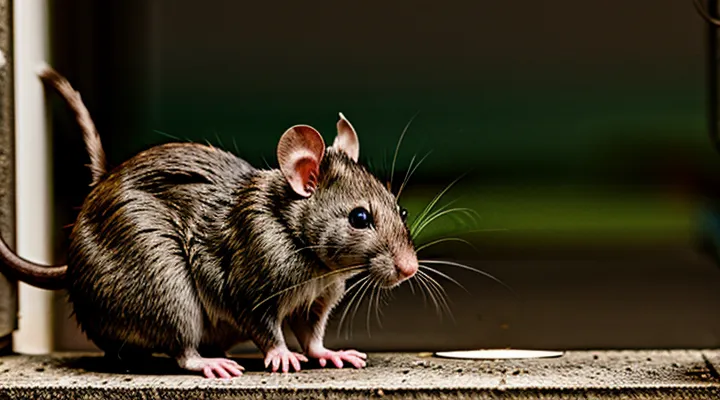
Understanding Rat Communication
Why Study Rat Communication?
Social Structure and Behavior
Rats live in highly organized colonies where dominance is established through repeated interactions. The hierarchy consists of an alpha pair that controls access to resources, followed by subordinate individuals that recognize and respect the established order. Subordinates display deference by avoiding direct confrontation and by yielding food and nesting sites to higher‑ranking members.
Communication mechanisms reinforce social structure. Ultrasonic vocalizations (USVs) convey emotional states: short, high‑frequency calls signal aggression, while longer, lower‑frequency tones accompany affiliative behaviors such as grooming. Chemical signals play a complementary role; scent marks deposited on whisker pads and the ventral surface transmit information about identity, reproductive status, and territorial boundaries. Pheromonal cues detected by the vomeronasal organ trigger specific responses, allowing rapid assessment of group composition.
Key behaviors that maintain cohesion include:
- Allogrooming, which reduces tension and reinforces bonds between individuals.
- Play fighting among juveniles, providing practice for future dominance contests.
- Food sharing, where dominant rats allocate portions to subordinates, stabilizing the hierarchy.
- Nest building, coordinated by multiple members to create a secure environment for offspring.
These interactions create a feedback loop: successful communication strengthens social bonds, which in turn enhances the efficiency of resource allocation and predator avoidance. The result is a resilient colony capable of adapting to environmental fluctuations while preserving internal order.
Implications for Pest Control
Rats rely on ultrasonic vocalizations, pheromone trails, and tactile signals to coordinate foraging, nesting, and predator avoidance. Understanding these channels enables targeted disruption of social cohesion, reducing population stability.
Key implications for pest management include:
- Playback of distress calls can induce avoidance behavior, prompting rats to abandon established routes.
- Synthetic pheromone analogs interfere with mate‑finding cues, lowering reproductive success.
- Ultrasonic emitters mask communication frequencies, impairing group coordination and increasing vulnerability to traps.
- Habitat modifications that disrupt tactile pathways, such as smoothing surfaces, diminish scent marking efficiency and discourage colonization.
Integrating acoustic, chemical, and environmental interventions creates a multi‑modal strategy that exploits natural communication weaknesses, improving control efficacy while minimizing reliance on broad‑spectrum poisons.
Overview of Rat Communication Methods
Rats rely on a complex repertoire of signals to coordinate social behavior, establish hierarchies, and respond to threats. Communication occurs across several sensory channels, each conveying distinct information to conspecifics.
Key modalities include:
- «Ultrasonic vocalizations» emitted at frequencies above human hearing, produced during distress, play, or mating; patterns vary with emotional state.
- Scent marking through urine and anal gland secretions, delivering chemical cues that encode individual identity, reproductive status, and territorial boundaries.
- Tactile interactions such as grooming and whisker contact, providing immediate feedback on social affiliation and dominance.
- Visual displays involving body posture, tail positioning, and facial expressions, useful in close-range encounters.
- Pheromonal signals dispersed in the environment, influencing group cohesion and synchronizing reproductive cycles.
These channels often operate simultaneously, creating multimodal messages that enhance accuracy and speed of information transfer within colonies. The integration of acoustic, chemical, tactile, and visual cues enables rats to adapt rapidly to changing social and ecological conditions.
Auditory Communication
Ultrasonic Vocalizations «USVs»
Types of USVs and Their Meanings
Rats rely heavily on ultrasonic vocalizations (USVs) to convey information within their social groups. Two principal frequency ranges dominate the acoustic repertoire.
-
≈22 kHz calls – emitted during aversive situations. Typical triggers include predator exposure, painful stimuli, or aggressive encounters. Recipients tend to exhibit freezing, avoidance, or reduced locomotion, indicating a shared alarm state.
-
≈50 kHz calls – produced in positive or exploratory contexts. Sub‑categories differentiate the emotional intensity:
- Flat calls – steady frequency, associated with mild curiosity or gentle social contact.
- Trill calls – rapid frequency modulation, linked to high arousal during play, mating, or rewarding experiences.
- Frequency‑modulated (FM) calls – complex patterns, often observed during anticipatory phases of reward acquisition or during intricate social negotiations.
The functional mapping of these vocal types enables rapid assessment of conspecifics’ internal states, facilitating coordinated group behavior without reliance on visual cues.
Long 50-kHz Calls «Positive Affect»
Rats emit ultrasonic vocalizations centered around 50 kHz that extend in duration beyond typical brief calls. These prolonged emissions correlate with states of reward, social bonding, and exploratory enthusiasm. Acoustic analysis shows a stable frequency plateau near 50 kHz, a gradual rise in amplitude, and a total length of 300–800 ms, distinguishing them from short distress chirps.
Key characteristics of long 50‑kHz calls include:
- Frequency stability: narrow bandwidth centered at 50 kHz.
- Duration: three to eight hundred milliseconds, significantly longer than alarm calls.
- Harmonic structure: prominent fundamental with modest overtone presence.
- Temporal pattern: smooth onset and offset, lacking abrupt interruptions.
Experimental observations link these vocalizations to positive affective contexts:
- Food anticipation triggers a surge in long 50‑kHz emissions within seconds of cue presentation.
- Play interactions between juveniles elevate call rates, reflecting heightened sociability.
- Administration of dopamine agonists amplifies call frequency, indicating neurochemical modulation.
Physiological measurements reveal concurrent increases in heart rate variability and dopamine release during call production, supporting the association with reward circuitry. Cross‑species comparisons suggest that similar ultrasonic patterns serve as affiliative signals in other murine rodents, reinforcing the role of long 50‑kHz calls as auditory markers of positive emotional states.
Short 22-kHz Calls «Negative Affect»
Rats emit brief ultrasonic vocalizations centered around 22 kHz that reliably signal a state of negative affect. These calls typically last 30–200 ms, have a relatively flat frequency contour, and reach peak amplitudes of 70–80 dB SPL measured at 10 cm. Their production increases sharply during situations such as predator exposure, social defeat, or after administration of anxiogenic drugs.
Key features of short 22‑kHz calls:
- Frequency band: 20–24 kHz, with a dominant peak near 22 kHz.
- Duration: 30–200 ms, markedly shorter than the prolonged 1–5 s calls associated with sustained distress.
- Amplitude: 70–80 dB SPL, sufficient to be detected by conspecifics at distances of up to several meters.
- Temporal pattern: often emitted in isolated bursts rather than continuous sequences.
Physiological correlates include elevated plasma corticosterone, increased heart rate, and activation of the amygdala‑hypothalamic axis. Neuropharmacological studies show that antagonism of the dopamine D2 receptor reduces the frequency of these calls, whereas stimulation of the serotonergic system attenuates their intensity.
Behavioral consequences for listeners are well documented. Playback experiments demonstrate rapid freezing, reduced exploratory activity, and avoidance of the sound source. These responses indicate that short 22‑kHz calls function as alarm signals, prompting immediate threat‑avoidance behaviors in nearby rats.
Research employing high‑speed video and synchronized acoustic recordings confirms that the emission of short 22‑kHz calls precedes overt defensive actions such as tail‑raised posture or rapid retreat. Consequently, these vocalizations serve as early indicators of adverse emotional states, allowing conspecifics to adjust their behavior before physical danger becomes apparent.
Contexts of USV Emission
Ultrasonic vocalizations (USVs) constitute a primary acoustic channel for rodents, emitted at frequencies beyond human hearing. Emission occurs in distinct behavioral situations, each associated with characteristic call patterns and temporal structures.
- Social approach: USVs appear when individuals encounter unfamiliar conspecifics, facilitating recognition and hierarchy establishment.
- Courtship: Males produce complex, frequency‑modulated calls during female investigation, promoting mating readiness.
- Maternal care: Pup distress calls are triggered by isolation or temperature drop, eliciting rapid retrieval by the dam.
- Aggression: High‑intensity, broadband calls accompany confrontations, signaling threat and dominance.
- Play behavior: Short, repetitive chirps accompany reciprocal locomotor bouts, reinforcing social bonding.
- Predator avoidance: Sudden, abrupt calls emerge when rodents detect aerial or terrestrial predators, alerting nearby individuals.
Each context induces specific acoustic signatures, enabling receivers to decode the sender’s internal state and adapt behavior accordingly. Research employing spectrographic analysis confirms that call duration, frequency sweep, and harmonic content vary systematically with the underlying situation, providing a reliable metric for assessing emotional and physiological status in laboratory and field studies.
Mating and Social Bonding
Rats coordinate reproductive activities and reinforce pair bonds through a repertoire of multimodal signals. Auditory cues dominate early courtship; males emit brief ultrasonic vocalizations that increase in frequency and intensity as a female approaches. These calls convey the male’s physiological readiness and stimulate female receptivity without attracting predators, because the frequencies lie beyond human hearing.
Chemical communication complements vocal signals. Both sexes deposit scent marks from flank glands on shared pathways, creating a volatile trail that conveys individual identity, hormonal status, and recent mating history. Females assess these olfactory cues to evaluate male quality and to synchronize estrous cycles with dominant partners.
Physical interaction consolidates the emerging bond. Grooming exchanges, nuzzling, and brief huddling periods reduce stress hormones and promote oxytocin release. The sequence typically follows:
- Initiation of ultrasonic calls by the male
- Female investigation of scent marks along the route
- Reciprocal grooming and close-body contact
- Repeated cycles of vocal and tactile reinforcement
These behaviors collectively ensure successful mating, maintain pair cohesion, and facilitate cooperative care of offspring within the rodent social structure.
Danger and Distress Signals
Rats emit distinct signals when faced with threats or experiencing distress, enabling rapid group coordination and individual survival. These alerts combine acoustic, olfactory, and visual components that convey urgency and source of danger.
Typical distress emissions include:
- Ultrasonic vocalizations at frequencies around 22 kHz, produced by the larynx and audible only to conspecifics;
- Low‑frequency “alarm calls” («alarm call») accompanied by sharp, rapid breaths;
- Scent release from the perianal gland, marking the vicinity of a predator or painful stimulus;
- Tail stiffening and vigorous flicking, visible to nearby individuals;
- Body crouching with ears flattened against the skull, signaling heightened alertness.
Situations that trigger these signals encompass predator approach, aggressive encounters within the colony, and physical injury. The acoustic calls are often synchronized with tail and posture displays, creating multimodal warnings that increase detection probability.
Physiologically, distress vocalizations arise from heightened activity in the periaqueductal gray and amygdala, regions governing fear responses. Emission intensity correlates with perceived threat level, allowing receivers to assess risk magnitude.
Recipient rats typically respond by freezing, fleeing, or clustering together, thereby reducing individual exposure. The collective reaction minimizes predator success and facilitates rapid restoration of safety within the group.
Auditory Cues Beyond USVs
Foot Stomping and Tail Wagging
Rats rely on a repertoire of tactile and visual signals to convey information within social groups. Two prominent behaviors—foot stomping and tail wagging—serve distinct communicative functions.
Foot stomping involves rapid, forceful placement of a hind foot onto the substrate. The resulting vibrations travel through the floor and are detected by the vibrissae and mechanoreceptors of nearby conspecifics. This action typically signals agitation, territorial intrusion, or a warning of potential danger. The intensity and frequency of the stomps correlate with the level of perceived threat, allowing group members to assess risk without visual contact.
Tail wagging presents a visible, rhythmic movement of the tail, often observed during exploratory activities, social play, or mild arousal. The motion creates a conspicuous visual cue that other rats can interpret as an invitation to interact or as an indication of non‑aggressive intent. Specific patterns—such as slow, steady sweeps versus rapid, erratic flicks—convey different emotional states, enabling nuanced social coordination.
Key characteristics of these signals:
- Modality: foot stomping = vibrational; tail wagging = visual.
- Contextual triggers: foot stomping → threat, intrusion; tail wagging → play, exploration, low‑stress arousal.
- Receiver mechanisms: mechanoreceptive hairs and skin receptors for vibrations; visual processing of tail motion for sighted rats.
Together, foot stomping and tail wagging enrich the communicative landscape of rodents, providing complementary channels that enhance group cohesion and adaptive responses.
Scratching and Teeth Grinding «Bruxing»
Rats employ a repertoire of tactile and oral behaviours that convey information within their social groups. Scratching, performed with hind‑foot claws against substrates, generates vibrations that travel through the floor and are detected by the sensitive vibrissae of conspecifics. These vibrations encode the initiator’s location, activity level, and emotional state, allowing nearby individuals to adjust their behaviour without visual contact.
Teeth grinding, known as bruxing, occurs primarily during periods of heightened arousal such as anticipation of food, territorial encounters, or after aggressive interactions. The acoustic signature of bruxing consists of low‑frequency clicks and broadband noise that can be heard up to several metres. Recipients interpret these sounds as indicators of stress or dominance, prompting submissive postures or avoidance.
Key functions of scratching and bruxing include:
- Spatial signaling: vibration patterns from scratching delineate occupied zones and deter intruders.
- Emotional broadcasting: bruxing amplitude correlates with anxiety levels, informing group members of potential threats.
- Hierarchy reinforcement: dominant rats exhibit frequent bruxing during confrontations, reinforcing social rank.
- Coordination of group activities: synchronized scratching before foraging expedites collective movement toward food sources.
Neurophysiological studies demonstrate that both behaviours activate the somatosensory cortex and auditory pathways, integrating multimodal inputs for rapid decision‑making. Observational data confirm that suppression of either behaviour reduces group cohesion and increases conflict frequency. Consequently, scratching and bruxing constitute essential components of rodent communication, enabling efficient information transfer in dense, low‑visibility environments.
Chemical Communication «Pheromones and Scent Marking»
Scent Glands and Their Functions
Flank Glands
Flank glands are paired sebaceous structures located on the lateral sides of the torso in rats. These glands secrete a complex mixture of pheromones, fatty acids, and proteins that convey information about individual identity, reproductive status, and territorial ownership.
The secretions are deposited on surfaces when the animal rubs its body against objects, creating scent marks that persist for hours. Other rats detect these marks through the vomeronasal organ and specialized olfactory receptors, triggering behavioral responses such as avoidance, investigation, or mating approaches.
Key functions of flank gland secretions include:
- Identification of conspecifics, allowing discrimination between familiar and unfamiliar individuals.
- Signaling of dominance hierarchies; dominant rats produce larger quantities of certain compounds, which subordinate individuals recognize and respect.
- Indication of estrus in females; hormonal changes modify the chemical profile, attracting males during the fertile period.
- Reinforcement of territorial boundaries; repeated marking reinforces a spatial claim and reduces intrusions.
Physiological regulation of gland activity involves androgen and estrogen levels, which modulate both the volume and composition of the excreted chemicals. Stressful conditions can alter secretion patterns, leading to changes in social dynamics within a colony.
Overall, flank glands constitute a primary chemical communication channel that supplements auditory and tactile signals, enabling rats to maintain complex social structures and coordinate reproductive activities.
Preputial Glands
Preputial glands are paired sebaceous structures located near the genital region of male rats. They secrete a lipid‑rich fluid that coats the fur surrounding the perineal area. This secretion contains volatile compounds detectable by conspecifics through the olfactory system.
The chemical profile of the preputial output contributes to several aspects of social interaction:
- Identification of individual identity based on unique scent signatures.
- Signaling of reproductive status, with increased secretion during sexual maturity.
- Marking of territory when rats rub the glandular area against surfaces, leaving a persistent odor trail.
Detection of these pheromonal cues occurs primarily via the vomeronasal organ, which transduces the molecular signals into behavioral responses such as approach, avoidance, or mating readiness. The integration of preputial gland emissions with other communicative channels, including ultrasonic vocalizations and whisker‑based tactile signals, forms a multimodal system that coordinates group dynamics and breeding behavior in rodent populations.
Sebaceous Glands
Sebaceous glands are distributed across the dorsal and ventral skin of rats, often associated with hair follicles. These glands secrete a complex mixture of lipids, fatty acids, and volatile compounds that coat the fur and skin surface.
The secretions serve as a source of chemical cues detectable by the highly developed olfactory system of rodents. Volatile components evaporate into the surrounding air, creating scent trails that convey information about individual identity, reproductive status, and territorial boundaries.
Key aspects of sebaceous gland contributions to rat communication include:
- Production of species‑specific pheromonal blends that persist on the coat for extended periods.
- Enhancement of scent marks left by urine or vaginal secretions, increasing signal longevity.
- Modulation of social hierarchy signals through variations in lipid composition correlated with hormonal changes.
Integration with other modalities occurs when rats investigate scent‑laden fur using their whiskers and nose, linking tactile feedback with olfactory perception. This multimodal processing enables rapid assessment of conspecifics without reliance on visual cues.
Evolutionarily, the development of lipid‑rich secretions has provided a reliable, low‑energy means of transmitting information across complex burrow networks, supporting colony cohesion and reproductive success.
Urine and Feces as Communication Tools
Territorial Marking
Territorial marking provides rats with a reliable means of defining the limits of their home range and transmitting information about identity, reproductive status, and hierarchical position. Scent cues deposited on the environment persist beyond the immediate presence of the individual, allowing conspecifics to assess the area without direct contact.
Common marking methods include:
- Urine deposition on vertical surfaces and bedding.
- Cheek rubbing that transfers glandular secretions to objects.
- Fecal piles left at strategic points such as nest entrances.
- Anogenital gland secretions applied during grooming.
Chemical signals consist of volatile organic compounds, major urinary proteins, and specific pheromones. These substances encode unique signatures that other rats can discriminate through olfactory receptors, triggering appropriate behavioral responses.
When encountering a marked substrate, rats typically:
- Conduct a brief sniffing bout to acquire the chemical profile.
- Adjust movement patterns, either avoiding heavily marked zones or approaching to assess potential mates.
- Exhibit aggression or submission based on the perceived dominance of the marker.
Marking activity varies with season and social context; breeding periods see increased urine output, while densely populated colonies display more frequent cheek rubbing to reinforce individual recognition.
Territorial scent trails contribute to population regulation by reducing direct confrontations, stabilizing social hierarchies, and influencing dispersal decisions. The persistence of chemical markers also affects pathogen spread, as contaminated deposits can serve as vectors for disease agents within the colony.
«Rats use urinary markers to encode individual identity, enabling rapid assessment of social environment without visual cues». This concise mechanism underscores the efficiency of chemical communication in the rodent world.
Reproductive Status Signaling
Rats convey their reproductive condition through a suite of chemical, acoustic, and behavioral cues that enable rapid assessment of mating readiness within a colony.
Pheromonal signals dominate the chemical channel. Female rats emit estrus‑specific odorants from the vaginal region, detected by the vomeronasal organ of conspecifics. Male urine contains major urinary proteins that vary with sexual maturity, providing a reliable indicator of competitive status.
Acoustic communication supplements chemical information. Ultrasonic vocalizations (USVs) in the 30–80 kHz range increase in frequency and duration when females are in estrus, while males emit distinct “courtship” chirps during mounting attempts. These vocal patterns are produced by the larynx and transmitted through the surrounding air, allowing individuals to localize and evaluate potential partners without direct contact.
Behavioral displays reinforce the signal hierarchy. Females in estrus exhibit lordosis postures and increased locomotor activity, whereas males demonstrate heightened investigatory sniffing and mounting attempts. Aggressive encounters intensify when two sexually mature males occupy the same territory, establishing dominance hierarchies that influence subsequent mating opportunities.
Key outcomes of reproductive status signaling include:
- Synchronization of mating attempts with female estrus peaks.
- Rapid identification of sexually competent partners, reducing wasted courtship.
- Establishment of social rank that modulates access to receptive females.
- Regulation of hormone‑driven behaviors across the group, ensuring reproductive efficiency.
Collectively, these multimodal signals create a robust communication network that optimizes breeding success in densely populated rodent environments.
Individual Recognition
Rats possess sophisticated mechanisms for distinguishing conspecifics, allowing stable social structures and efficient resource allocation. Individual recognition relies on multimodal cues that convey identity with high reliability.
Olfactory signatures dominate recognition processes. Each rat excretes a unique blend of volatile compounds in urine and glandular secretions. These chemical profiles are sampled through the vomeronasal organ and the main olfactory epithelium, enabling discrimination of familiar versus unfamiliar individuals. Experiments demonstrate that removal of scent cues abolishes preferential grooming and aggression patterns, confirming the centrality of odor in identity assessment.
Acoustic signals supplement olfactory information. Ultrasonic vocalizations (USVs) emitted during social interactions contain individual-specific frequency modulations and temporal patterns. Playback studies reveal that rats adjust approach behavior according to the acoustic identity of the caller, indicating that USVs encode recognizable signatures.
Tactile exploration via whiskers contributes additional discriminative data. Contact with the dorsal surface of another rat produces unique vibrissal feedback linked to body size, fur texture, and movement dynamics. Neuronal recordings from the barrel cortex show distinct firing patterns when whiskers encounter familiar versus novel conspecifics.
Visual cues, though less dominant, assist recognition under well‑lit conditions. Facial markings and ear shapes provide supplementary identifiers, especially during rapid encounters where olfactory sampling may be limited.
Key modalities of individual recognition:
- Chemical signatures: urine, glandular secretions, pheromonal blends.
- Ultrasonic vocalizations: frequency, duration, harmonic structure.
- Whisker‑mediated tactile feedback: vibrissal patterns, surface texture.
- Visual features: facial morphology, ear morphology.
Integration of these signals occurs within the limbic system, where the amygdala and hippocampus converge sensory inputs to generate a composite representation of each conspecific. Disruption of any single channel reduces recognition accuracy, but redundancy ensures robust identification across varying environmental contexts. «Rats can thus maintain stable social hierarchies and coordinate cooperative behaviors through precise individual recognition».
Olfactory Cues in Social Interaction
Huddling and Group Cohesion
Rats form tight clusters during periods of rest or low ambient temperature, a behavior termed huddling. Physical contact lowers individual heat loss, allowing the group to maintain a stable core temperature with reduced metabolic expenditure. Tactile stimulation generated by body pressure triggers somatosensory pathways that reinforce social bonds and synchronize circadian rhythms across the colony.
- Direct skin-to-skin contact conveys affiliative cues through mechanoreceptors.
- Ultrasonic vocalizations emitted during close proximity modulate arousal levels.
- Chemical signals deposited on fur and in the shared nesting material provide identity markers that facilitate group recognition.
The cumulative effect of these signals strengthens group cohesion. Cohesive clusters exhibit lower cortisol concentrations, enhanced foraging efficiency, and coordinated escape responses when predators approach. Consequently, huddling functions as a multifaceted communication strategy that integrates thermal regulation, emotional stability, and collective defense.
Warning Signals from Predators
Rats rely on a sophisticated network of auditory, olfactory and tactile cues to detect and respond to threats. When a predator approaches, the primary alarm is a high‑frequency ultrasonic squeak that travels beyond the range of most ambient sounds. This signal conveys urgency and triggers immediate flight or freeze behavior in conspecifics.
Additional warning mechanisms include:
- Rapid foot‑stamping on hard surfaces, generating substrate vibrations that neighboring rats perceive through their whisker‑based mechanoreceptors.
- Release of predator‑specific kairomones, such as fox or owl scent markers, detected by the highly sensitive vomeronasal organ.
- Visual startle responses, characterized by abrupt body postures and tail flicks that serve as a visual cue for nearby individuals.
Together, these modalities form a multimodal alert system that enhances group survival by synchronizing defensive actions across the colony.
Tactile Communication
Allogrooming «Social Grooming»
Reinforcing Social Bonds
Rats sustain stable social groups by engaging in reciprocal behaviors that strengthen affiliative ties. Repeated exchanges of tactile and olfactory signals create predictable patterns of interaction, reducing aggression and facilitating cooperation.
- Mutual grooming removes parasites and distributes skin‑derived scents, reinforcing familiarity.
- Huddling during rest conserves heat and provides physical contact, confirming membership.
- Emission of low‑frequency ultrasonic calls (« chirps ») during close encounters signals reassurance and signals a non‑threatening posture.
- Deposition of scent marks from flank glands on shared surfaces conveys individual identity and group cohesion.
These mechanisms generate consistent reinforcement of social bonds, allowing colonies to allocate resources efficiently, maintain hierarchical stability, and respond collectively to environmental challenges.
Dominance and Submission Displays
Dominance and submission displays constitute a fundamental channel through which rats negotiate social hierarchies. These interactions combine visual, auditory, and chemical cues that convey status, intent, and readiness to compete or defer.
Visual cues dominate close‑range encounters. An assertive individual assumes a high‑back posture, elevates the tail, and flattens the ears against the skull. Submissive rats lower the body, tuck the tail, and exhibit a crouched stance. Grooming of the fur and whiskers can signal confidence, while excessive self‑grooming may indicate stress or an attempt to appease a dominant partner.
Auditory signals accompany aggression and retreat. High‑frequency ultrasonic vocalizations (USVs) around 50 kHz often precede attacks, functioning as a warning. Conversely, low‑frequency USVs near 22 kHz appear during withdrawal or after a defeat, reinforcing submissive status without visual contact.
Chemical communication reinforces the hierarchy over longer distances. Scent marks deposited from the dorsal and ventral glands, as well as urine, contain pheromones that encode rank information. Dominant rats frequently over‑mark territories, while subordinates avoid areas saturated with high‑ranking scents.
Typical components of a dominance display include:
- Elevated torso and tail
- Flattened ears
- Rapid, high‑frequency USVs
- Scent marking of prominent objects
Typical components of a submission display include:
- Crouched posture
- Tail tucked against the body
- Low‑frequency USVs
- Avoidance of scent‑rich zones
Together, these multimodal signals enable rats to resolve conflicts efficiently, maintain stable group structures, and reduce the physical costs of prolonged aggression.
Nudging and Pushing
Food Sharing and Resource Allocation
Rats coordinate access to limited supplies through a combination of vocal, olfactory, and tactile signals. Ultrasonic calls emitted during feeding convey the presence of edible items and signal the caller’s intent to consume. Scent marks left on food surfaces provide information about the depositor’s identity, reproductive status, and rank, allowing conspecifics to assess the suitability of sharing the resource. Physical contact, especially whisker-to-whisker grooming, reinforces social bonds that facilitate cooperative foraging.
Key mechanisms of «food sharing» and «resource allocation» include:
- Vocal cues – high‑frequency chirps signal discovery of food; softer trills accompany invitation to approach.
- Chemical cues – urine and glandular secretions deposited on or near food act as markers of ownership and dominance.
- Tactile interaction – reciprocal grooming and nose‑to‑nose contact reduce aggression, increasing the likelihood of shared consumption.
- Hierarchical modulation – dominant individuals often monopolize high‑value items, while subordinates gain access through deferred feeding or indirect acquisition from communal stores.
- Reciprocal exchange – repeated interactions create expectations of future sharing, stabilizing cooperative behavior across multiple encounters.
These strategies enable rats to maximize nutritional intake while minimizing conflict. By integrating auditory, olfactory, and somatosensory information, individuals assess the cost‑benefit balance of sharing versus defending resources, ensuring efficient distribution within the colony.
Play Behavior
Rats engage in play as a dynamic communication system that conveys social status, intent, and emotional state. Play bouts involve rapid exchanges of vocal, tactile, and olfactory signals, each contributing to the coordination of behavior.
During play, rats produce ultrasonic vocalizations (USVs) that differ in frequency and duration according to the interaction phase. Early‑stage play is marked by low‑frequency calls, while escalation to rough‑and‑tumble sequences triggers high‑frequency bursts. These sounds travel beyond visual range, allowing individuals to locate partners in complex environments.
Tactile communication relies on body posture, whisker positioning, and direct contact. A raised fore‑paw accompanied by a forward lean signals invitation, whereas a rapid retreat with flattened ears indicates submission. Whisker sweeps synchronize movements, reducing the risk of injury during vigorous play.
Olfactory cues complement acoustic and tactile channels. Scent marking with dorsal gland secretions occurs before and after play, providing a chemical record of recent social interactions. Pheromonal signatures modulate future encounters, influencing mate choice and hierarchy formation.
Typical play patterns and associated meanings:
- Pinning: one rat lies on its back while the partner stands over it – indicates dominance assertion. - Chasing: rapid pursuit with intermittent USVs – reflects excitement and territorial testing. - Tumble: intertwined bodies with reciprocal pushes – denotes mutual tolerance and bond strengthening. - Play‑bow: front paws extended forward, tail lowered – serves as a clear invitation to initiate interaction.
Piloerection «Hair Bristling»
Threat Displays
Rats employ a repertoire of threat displays to convey aggression, establish dominance, and deter rivals. Visual cues dominate the response hierarchy; an individual may arch its back, raise the hair along the spine, and display enlarged incisors. These postural adjustments are accompanied by specific acoustic signals, most notably ultrasonic vocalizations that rise in frequency during confrontations. Tail movements, such as rapid flicking or vigorous shaking, reinforce the visual warning and can be perceived by conspecifics at close range. Chemical communication also contributes: aggressive encounters often trigger the release of alarm pheromones from the anal glands, alerting nearby rats to heightened tension.
Key elements of rat threat displays include:
- Elevated body posture with dorsal hair standing on end
- Baring of teeth and mouth gaping
- Tail flicking or vigorous shaking
- Ultrasound vocalizations (≈ 50 kHz) with increased amplitude
- Release of scent markers from anal glands
These signals operate synergistically, allowing rats to assess opponent intent rapidly and adjust behavior without resorting to physical conflict. The efficiency of the system reduces injury risk and supports hierarchical organization within colonies.
Fear Responses
Rats convey danger through a repertoire of multimodal signals that trigger rapid defensive reactions in conspecifics.
When a threat is detected, the animal emits ultrasonic vocalizations (USVs) in the 22‑kHz range. These low‑frequency calls travel beyond visual range and are interpreted by nearby rats as an immediate warning. The acoustic pattern includes a steady carrier frequency, a brief onset, and a duration of several seconds, allowing receivers to assess the intensity and proximity of the threat.
In parallel with vocal output, rats display characteristic body postures. Freezing, defined by the cessation of locomotion, reduces self‑generated noise and enhances the salience of USVs. Tail elevation and rapid whisker retraction accompany the freeze response, providing visual cues that reinforce the auditory alarm.
Chemical communication supplements the immediate alarm. Injury‑derived substances released from the skin, as well as stress‑induced pheromones deposited in the environment, create a volatile signature detected by the vomeronasal organ. This olfactory cue persists after the initial encounter, extending the warning period and influencing group‑wide risk assessment.
Key elements of the fear‑communication system can be summarized:
- «22‑kHz ultrasonic vocalizations»: long‑duration, low‑frequency calls that signal imminent danger.
- «Freezing and tail elevation»: visual markers that accompany acoustic alerts.
- «Pheromonal alarm cues»: volatile compounds that convey threat information beyond the moment of detection.
The combined effect of these signals coordinates escape, defensive aggression, and heightened vigilance across the colony, ensuring rapid collective response to predators or hazardous stimuli.
Visual Communication
Posture and Body Language
Dominance Postures
Rats establish social hierarchies through a repertoire of dominance postures that convey status without vocalization. Elevated body posture, with the back arched and hips thrust forward, signals confidence and asserts priority over resources. The tail is held high and may be slightly curled, contrasting with the low, relaxed tail of subordinate individuals. Ears are positioned forward, providing a vigilant appearance, while submissive rats keep ears flattened against the head.
Key postures include:
- Standing on hind legs while supporting the forepaws on a surface, displaying height advantage.
- Stretching the neck and extending the forelimbs outward, creating an expansive silhouette.
- Raising the fur along the dorsal line, producing a visual cue of intimidation.
- Maintaining a still, forward‑leaning stance during encounters, indicating readiness to engage.
These visual signals are reinforced by subtle facial expressions, such as a narrowed gaze and a slight baring of incisors. The combination of posture, tail orientation, ear placement, and fur condition provides a reliable hierarchy indicator that other rodents interpret rapidly, influencing access to food, nesting sites, and mating opportunities.
Submissive Postures
Rats display a distinct set of submissive postures that function as visual signals within their social hierarchy. When a lower‑ranking individual encounters a dominant conspecific, it adopts a flattened body, lowered head, and tail tucked against the ventrum. The ears are drawn back, and the whiskers are often relaxed, reducing the animal’s apparent size and signaling non‑threatening intent.
These postures serve several purposes:
- Conflict avoidance – the submissive display de‑escalates potential aggression, allowing the dominant rat to assert control without physical confrontation.
- Resource access – by signaling deference, a subordinate may retain proximity to food or nesting sites while avoiding displacement.
- Social cohesion – repeated use of submissive gestures reinforces group stability, as individuals recognize and respect rank boundaries.
Physiological correlates accompany the visual cues. Corticosterone levels rise modestly, reflecting stress, while heart rate slows, indicating a shift toward a passive state. Olfactory cues, such as increased emission of low‑intensity pheromones, often accompany the posture, providing an additional layer of information to the dominant rat.
Observations in laboratory colonies reveal that the duration of submissive postures correlates with the severity of the challenge. Minor disturbances elicit brief hunching, whereas intense confrontations provoke prolonged crouching and sustained tail concealment. Over time, individuals that consistently exhibit appropriate submissive behavior experience fewer injuries and maintain stable positions within the hierarchy.
In natural settings, submissive postures integrate with vocalizations and ultrasonic chatter, creating a multimodal communication system that governs interactions among rodents. The visual component remains essential for immediate assessment, especially in low‑light environments where auditory signals predominate.
Fear and Aggression Displays
Rats convey threat and hostility through a suite of visual, auditory, and chemical signals that trigger defensive or confrontational responses in conspecifics. When a rodent perceives danger, it adopts a characteristic posture: the body lowers, the tail lifts, and the fur on the back and tail stands erect, creating a conspicuous silhouette that warns nearby individuals. This display is often accompanied by a rapid, high‑frequency vocalization that exceeds the human hearing range, serving as an alarm call that propagates through the colony.
The aggression repertoire includes several distinct behaviors:
- Rapid side‑to‑side head bobbing, signaling readiness to fight.
- Teeth baring and gnashing, producing a metallic sound detectable by nearby rats.
- Scent marking with urine or glandular secretions, leaving a chemical imprint that denotes territorial dominance.
These signals operate in a hierarchical sequence, escalating from subtle postural cues to overt attacks if the perceived threat persists. The combination of visual cues and ultrasonic calls enables rats to coordinate defensive strategies without physical contact, reducing the risk of injury while maintaining social order.
Physiological correlates accompany these displays. Elevated corticosterone levels accompany heightened «fear», while increased norepinephrine drives the aggressive motor patterns. Both hormonal shifts enhance sensory acuity, allowing the animal to detect and respond to rival signals more efficiently.
Understanding these threat communication mechanisms clarifies how rodent societies regulate conflict, allocate resources, and preserve group cohesion through non‑verbal exchange.
Facial Expressions
Eye Contact and Blinking
Rats rely on visual cues despite their nocturnal habits, and direct eye contact conveys information about social rank, intent, and emotional state. When two individuals meet, a steady gaze often signals confidence and dominance, whereas avoidance of eye contact can indicate submission or fear. Visual assessment occurs within milliseconds, enabling rapid decision‑making during encounters.
Blinking serves as a nuanced component of this visual system. Short, rapid blinks frequently accompany exploratory behavior, reducing ocular moisture loss while maintaining environmental awareness. Longer, deliberate blinks are associated with calming signals, particularly during grooming or after aggressive interactions, and may function to reset visual attention.
Key blink patterns include:
- Quick reflexive blinks: triggered by sudden light changes or tactile stimulation.
- Prolonged blinks: observed during affiliative contact, suggesting a soothing effect.
- Asymmetric blinks: one eye closes while the other remains open, often during lateral scanning of conspecifics.
Integration of eye contact and blinking with auditory vocalizations and pheromonal cues creates a multimodal communication network. Visual signals modulate the interpretation of ultrasonic calls, reinforcing hierarchical structures and facilitating group cohesion.
Whisking Behavior
Rats use rapid, rhythmic movements of their facial vibrissae to gather tactile information and convey social cues. The motion, known as whisking, occurs at frequencies of 5–12 Hz and is driven by brainstem pattern generators that coordinate muscular activity on both sides of the face.
During exploration, whiskers sweep across the environment, detecting object boundaries, surface textures, and air currents. Deflection of individual hairs produces precise somatosensory signals that are relayed to the barrel cortex, where they are integrated with other sensory modalities to form a spatial map of the surroundings.
In social interactions, whisker position and movement pattern encode emotional state and hierarchical status. Forward‑projected whiskers often accompany exploratory or confident behavior, whereas retracted or flattened whiskers accompany submission or threat avoidance. Observers interpret these patterns, adjusting their own behavior accordingly.
Neural recordings show that each whisker movement modulates firing rates of thalamic and cortical neurons, enabling rapid feedback loops that refine motor output. Disruption of whisking circuitry impairs both object discrimination and social recognition, demonstrating the behavior’s dual function in perception and communication.
Key characteristics of whisking behavior:
- Rhythmic frequency: 5–12 Hz, adjustable according to context.
- Bilateral coordination: synchronized motion enhances spatial resolution.
- Sensory transduction: hair follicle receptors convert mechanical deflection into neural signals.
- Social signaling: whisker posture correlates with dominance, fear, and curiosity.
- Neural control: brainstem central pattern generators; cortical processing in barrel fields.
Multimodal Communication
Integration of Cues
Combining Auditory and Chemical Signals
Rats rely on a multimodal signaling system that merges sound and scent to convey information rapidly and reliably. Auditory output consists mainly of ultrasonic vocalizations (USVs) emitted in the 20–80 kHz range. These calls are produced during social encounters, mating, and predator avoidance, and they differ in duration, frequency modulation, and harmonic structure to encode specific messages.
Chemical communication operates through volatile and non‑volatile compounds released in urine, glandular secretions, and body odor. Pheromonal cues such as the male‑produced “sex pheromone” and the female‑derived estrus marker persist in the environment, allowing conspecifics to assess reproductive status, territorial boundaries, and individual identity even after the emitter has left the area.
The integration of auditory and chemical channels occurs at several levels:
- Simultaneous emission of USVs and scent marks during aggressive bouts reinforces dominance signals.
- Sequential use, where a brief alarm call precedes the deposition of a danger‑associated odor, extends the warning radius.
- Context‑dependent weighting, with scent cues dominating long‑term territorial demarcation and vocalizations governing immediate social interactions.
Behavioral experiments demonstrate that rats respond more robustly when both modalities are present. Playback of «ultrasonic vocalizations» paired with exposure to conspecific urine elicits heightened investigative behavior compared with either stimulus alone. Neural recordings reveal convergent processing in the amygdala and olfactory bulb, suggesting a shared evaluative circuit that merges acoustic and olfactory inputs.
The combined signaling strategy optimizes communication efficiency. Acoustic signals provide instantaneous alerts, while chemical traces maintain information over extended periods and across spatial gaps. This dual system supports complex social structures, reproductive coordination, and adaptive responses to threats within the rodent community.
Synergistic Effects of Different Communication Channels
Rats rely on a multimodal signaling system that integrates olfactory, auditory, tactile and visual cues. Each channel conveys distinct information: scent marks encode territorial boundaries and reproductive status, ultrasonic vocalizations transmit alarm or social intent, whisker‑mediated contact provides immediate feedback during grooming or aggression, and limited visual cues support rapid orientation in low‑light environments. The convergence of these signals creates a composite message that exceeds the informational capacity of any single modality.
- Olfactory cues establish long‑term spatial context.
- Ultrasonic calls convey moment‑to‑moment emotional states.
- Whisker‑based tactile input confirms physical proximity and hierarchy.
- Visual silhouettes reinforce movement patterns during nocturnal activity.
When two or more channels are activated simultaneously, rats exhibit heightened response accuracy. For instance, an approaching conspecific that emits a low‑frequency alarm call while depositing fresh urine triggers immediate flight behavior, whereas the same call without accompanying scent may elicit only cautious investigation. This synergistic effect arises from neural integration in the amygdala and auditory‑olfactory cortices, where concurrent inputs amplify signal salience and reduce decision latency.
Empirical studies employing controlled playback of ultrasonic calls combined with synthetic pheromones demonstrate a 35 % increase in escape latency reduction compared with unimodal presentations. Electrophysiological recordings reveal synchronized firing patterns across the piriform and auditory cortices during dual‑channel exposure, indicating a neural mechanism that prioritizes convergent information.
Understanding the interplay of communication channels informs pest‑management strategies and enriches models of social cognition in mammals. By targeting multiple modalities, interventions can more effectively disrupt harmful interactions or facilitate beneficial bonding within captive colonies. «Effective manipulation of synergistic signaling yields measurable behavioral outcomes».
Context-Dependent Communication
Environmental Factors Influencing Communication
Rats adjust vocal and chemical signals according to ambient temperature. Warmer conditions increase the frequency and amplitude of ultrasonic calls, enhancing transmission distance, while cooler air reduces sound speed and attenuates high‑frequency components. Moisture levels modulate the dispersion of pheromones; high humidity prolongs volatile compound persistence, allowing conspecifics to detect markers over longer periods.
Noise pollution interferes with acoustic channels. Background sounds overlapping the 20–80 kHz range mask ultrasonic emissions, prompting rats to raise call intensity or shift to lower frequencies. Light cycles influence nocturnal activity patterns, thereby affecting the timing of scent marking and vocal exchanges. Reduced illumination extends the duration of chemical communication, as visual cues become less reliable.
Population density shapes signal complexity. Crowded environments trigger increased use of subtle ultrasonic patterns to avoid aggression, whereas sparse groups rely more on robust pheromonal trails for locating mates and resources. Substrate composition affects tactile feedback; soft bedding dampens vibrations, compelling rats to compensate with louder calls, while hard surfaces transmit vibrational cues efficiently.
Key environmental determinants:
- Temperature: regulates ultrasonic frequency and propagation speed.
- Humidity: controls pheromone volatility and longevity.
- Ambient noise: masks acoustic signals, inducing adaptive modulation.
- Light intensity: dictates reliance on auditory versus chemical channels.
- Social density: alters signal repertoire and intensity.
- Substrate texture: influences vibrational communication efficiency.
Social Dynamics and Communication Strategies
Rats maintain complex social structures that depend on multiple, overlapping communication channels. Dominance hierarchies are established through a combination of ultrasonic vocalizations, olfactory cues, and tactile interactions. Subordinate individuals adjust their behavior to avoid conflict, reinforcing group stability.
Key communication strategies include:
- Ultrasonic vocalizations (USVs) emitted during mating, aggression, and distress; frequencies exceed human hearing range, enabling discreet signaling within dense colonies.
- Scent marking via urine and glandular secretions; chemical profiles convey identity, reproductive status, and rank.
- Whisker‑mediated tactile signaling; direct contact during grooming or nose‑to‑nose encounters transmits immediate information about emotional state.
- Vocal chirps in the audible range; low‑frequency calls alert conspecifics to predators or food sources.
Social dynamics are shaped by the interplay of these signals. Dominant rats produce frequent, high‑intensity USVs that suppress challenges, while submissive members increase grooming and scent‑depositing behaviors to signal acquiescence. Group cohesion emerges from synchronized grooming bouts and shared nest construction, activities regulated by both chemical and tactile feedback.
Environmental factors modulate communication efficacy. Limited space intensifies ultrasonic exchange, whereas open arenas favor scent dissemination. Seasonal changes affect hormone‑driven scent production, altering hierarchy fluidity. Understanding these mechanisms provides insight into the adaptive success of rodent societies.