
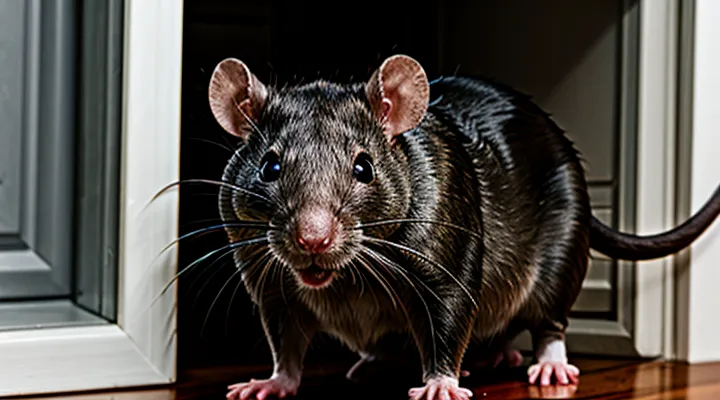
«Common Entry Points»
«Exterior Gaps and Cracks»
Rats gain access to residential buildings primarily through openings in the building envelope. Small gaps around windows, doors, and utility penetrations can be as narrow as a quarter of an inch, yet they permit entry for a determined rodent. Cracks in foundation walls, especially where the slab meets the footing, create a direct path from soil to interior spaces. Roof eaves and soffits often contain gaps left by ventilation ducts or damaged flashing, providing aerial routes for climbing rats. Gaps around pipe sleeves, cable conduits, and chimney flues frequently lack proper sealing, forming additional ingress points.
Common locations where exterior breaches occur:
- Gap between the window frame and the exterior wall, often overlooked during installation.
- Space around exterior door sweeps and threshold seals, especially after weathering.
- Cracks at the intersection of foundation and garage slab, where differential settlement creates fissures.
- Openings around utility meters and service panels, typically left unsealed for maintenance access.
- Damaged or missing roof vent covers, allowing rats to climb from the eaves to the attic.
Mitigation measures focus on eliminating these vulnerabilities. Seal all visible gaps with steel wool, silicone caulk, or expanding foam, then reinforce with metal flashing or hardware cloth to resist chewing. Repair foundation cracks using hydraulic cement that expands as it cures, ensuring a watertight bond. Install door sweeps with tight tolerances and replace deteriorated weatherstripping. Fit vent covers with mesh screens rated for rodent resistance. Conduct a systematic inspection of the building’s perimeter each season, documenting any new openings and addressing them promptly to maintain a barrier against rat intrusion.
«Utility Line Openings»
Utility line openings provide direct access points for rodents seeking shelter and food within residential structures. Gaps surrounding electrical cables, telephone wires, coaxial lines, and fiber‑optic bundles often remain unsealed after construction or renovation. Openings around plumbing stacks, dryer vents, and HVAC ducts similarly create pathways that rats can exploit.
Typical entry points include:
- Uncapped conduit ends measuring 1‑2 inches in diameter.
- Gaps between bundled cables and framing members.
- Loose fittings around outdoor service meters.
- Cracks around pipe penetrations where insulation is absent.
Rats favor openings that accommodate their body size, offer protection from predators, and maintain a stable temperature. An opening as small as 1 inch permits entry for an adult rat, while larger gaps allow multiple individuals to pass simultaneously.
Indicators of activity through utility line openings are:
- Gnaw marks on cable sheathing or insulation.
- Accumulated droppings near vent covers or conduit boxes.
- Fresh burrows or nesting material adjacent to exposed wiring.
Effective mitigation consists of sealing and reinforcing all identified gaps:
- Install stainless‑steel mesh or metal flashing over conduit openings.
- Apply a rodent‑resistant caulk to seal cracks around pipes and service entries.
- Replace missing conduit caps with tight‑fitting, weather‑proof covers.
- Use conduit sleeves that expand to fill irregular spaces.
- Conduct periodic inspections of utility penetrations during routine home maintenance.
Implementing these measures eliminates the primary access routes that allow rats to infiltrate a dwelling through utility line openings.
«Damaged Roofs and Vents»
Damaged roofing and compromised ventilation systems provide direct routes for rats to enter residential structures. Cracked or missing shingles, torn flashing, and gaps around chimney stacks create openings large enough for a rodent to slip through. Vent covers that are rusted, broken, or lack protective screens allow rats to climb into attic spaces and crawl down ducts.
Rats exploit these weaknesses by:
- Using roof gaps to reach insulation and nesting material.
- Entering vent shafts and moving into crawl spaces or walls.
- Exploiting gaps around pipe penetrations to travel between exterior and interior.
Signs that roof or vent damage is facilitating rat intrusion include:
- Sawdust or droppings near roof eaves or vent openings.
- Gnawed roofing material, flashing, or vent grilles.
- Fresh burrows or tracks on attic insulation adjacent to damaged areas.
- Unusual noises in the ceiling, especially at night.
Effective remediation requires:
- Replacing missing or broken shingles and repairing cracked flashing.
- Installing steel mesh or metal vent covers with secure fasteners.
- Sealing all gaps around chimneys, pipes, and utility penetrations with rodent‑proof caulk or steel wool.
- Conducting regular roof inspections and promptly addressing any wear or weather damage.
- Engaging a licensed pest‑control professional to assess and monitor for further activity.
«Open Doors and Windows»
Open doors and windows create direct pathways for rodents to move from exterior spaces into interior rooms. Unsecured openings allow rats to follow scent trails, locate shelter, and exploit food sources without encountering barriers. When a door is left ajar or a window lacks proper screening, the structure effectively becomes an extension of the surrounding environment, inviting entry.
Key factors that increase vulnerability through these openings include:
- Gaps larger than ¼ inch around frames, hinges, or weatherstripping.
- Absence of mesh screens or damaged screens that expose the opening.
- Frequently opened doors that remain open for extended periods, especially during night hours when rats are most active.
- Proximity of vegetation, debris, or garbage to the doorway, providing cover and attraction.
Mitigation requires sealing all gaps, installing reinforced screens, and establishing a habit of keeping doors closed when not in use. Regular inspection of hardware and immediate repair of damage maintain the barrier’s integrity and reduce the likelihood of rodent intrusion.
«Pipes and Drains»
Rats frequently exploit plumbing systems to gain access to residential interiors. Their small size allows them to navigate through narrow pipe openings, while their strong jaws enable them to gnaw through plastic, rubber, and even metal fittings. Moisture and food residues accumulate in drains, creating an attractive environment that encourages rats to linger and breed.
- Entry points include uncovered vent stacks, loose pipe joints, and gaps around sink traps.
- Sewer lines that connect directly to household waste can serve as highways for rats moving between the municipal system and the home.
- Improperly sealed pipe penetrations in walls or floors provide hidden routes that bypass exterior barriers.
Preventive measures focus on sealing all pipe openings with metal mesh or stainless‑steel flashing, installing tight‑fitting drain covers, and regularly inspecting vent caps for damage. Maintaining dry, clean drains reduces the food sources that draw rats, while routine checks of pipe integrity help identify and close potential ingress routes before infestations develop.
«Attracting Factors»
«Food Sources»
Rats are drawn to residences primarily by accessible nutrition. When food is left unsecured, it creates a reliable foraging zone that encourages rodents to breach structural barriers.
- Grain products (flour, rice, cereal) stored in open containers
- Dry pet food left in bowls or cabinets
- Fresh produce (fruit, vegetables) placed on countertops or in fruit bowls
- Household waste, especially food scraps in uncovered bins
- Compost piles or outdoor trash bags placed near entry points
- Spilled liquids or crumbs on floors, under appliances, and behind furniture
Improper storage increases the probability of rodent activity. Airtight containers, sealed trash cans, and prompt cleaning of spills reduce available sustenance. Regular inspection of pantry shelves and removal of expired items further diminish attractants. Implementing these practices limits the nutritional incentives that drive rats into homes.
«Accessible Pantry Items»
Rats are drawn to pantry supplies that are easy to reach and provide high nutritional value. When food containers lack secure lids, are stored on low shelves, or are left open, they become primary sources of sustenance for rodents seeking shelter inside a dwelling.
- Grains (rice, oats, wheat)
- Cereals and granola
- Dried legumes (beans, lentils)
- Nuts and seeds
- Pet food, especially dry kibble
- Baking ingredients (flour, sugar, yeast)
- Canned goods with compromised seals
These items emit odors that rats detect from considerable distances. Once a single entry point is discovered, the presence of accessible food accelerates population growth, prompting further intrusion into living spaces. Proper storage—airtight containers, elevated shelving, and regular inspection—eliminates the nutritional incentive that encourages rats to colonize a home.
«Pet Food and Bird Seed»
Pet food and bird seed create attractive food sources for rats that enter residential spaces. The scent of protein‑rich kibble and the high caloric content of seeds draw rodents from exterior foraging zones into kitchens, pantries, and garages. Open containers or spilled crumbs provide easy access, allowing rats to establish temporary or permanent presence.
Rats locate these items by scent and visual cues. Their whiskers detect fine particles, while their acute sense of smell identifies food odors from several meters away. Once a food source is discovered, rats memorize the location, increasing the likelihood of repeat visits and colony expansion.
Effective control focuses on eliminating food availability:
- Store kibble and seed in airtight, metal‑sealed containers.
- Clean surfaces after feeding; sweep crumbs and discard waste promptly.
- Position bird feeders away from the house, preferably on poles with squirrel‑proof designs.
- Use feeder trays with weight‑activated mechanisms that close when non‑target species land.
- Inspect storage areas regularly for spillage or damaged packaging.
Reducing accessible nutrition removes the primary incentive for rats to breach the home environment, thereby decreasing the probability of infestation.
«Unsecured Garbage»
Unsecured garbage creates a direct lure for rats seeking food and shelter within residential environments. The odor of decomposing waste signals an abundant resource, prompting rodents to explore and eventually enter homes.
Key factors that make exposed refuse attractive:
- Open containers allow scent diffusion and easy entry.
- Accumulated food scraps provide high‑calorie nourishment.
- Moisture from wet waste supports nesting material and hydration.
Mitigation requires strict waste management practices. Use tightly sealed bins, empty them regularly, and store containers away from building openings. Maintaining these controls eliminates the primary incentive for rats to breach household boundaries.
«Water Sources»
Rats seek water as a primary necessity for survival, and domestic environments often provide convenient sources that facilitate their entry and persistence.
Common indoor water supplies include:
- Leaking pipes or fixtures that create drips or pools.
- Condensation on cold surfaces such as windows, walls, or HVAC ducts.
- Pet water bowls left unattended for extended periods.
- Standing water in plant saucers, especially when soil remains saturated.
- Drainage from dishwashers, washing machines, or garbage disposals that does not evaporate promptly.
These sources generate moisture that attracts rats, enabling them to hydrate without venturing far from shelter. Persistent moisture also softens building materials, allowing easier gnawing and nest construction.
Mitigation measures focus on eliminating excess water:
- Repair all leaks promptly and seal joints with appropriate sealants.
- Install drip trays beneath appliances and empty them regularly.
- Use absorbent mats or trays under plant pots, and empty them daily.
- Replace open pet water containers with spill‑proof designs and refill only as needed.
- Ensure proper ventilation to reduce condensation on cold surfaces.
By removing or controlling these water sources, the likelihood of rat intrusion diminishes significantly.
«Shelter and Harborage»
Rats require protected sites that offer warmth, concealment, and proximity to food. In residential structures, these sites are typically found in areas where construction materials, clutter, or moisture create stable micro‑environments.
Common shelter locations include:
- Attic insulation and rafters, where temperature remains constant and predator access is limited.
- Crawl spaces and underfloor voids, providing darkness and easy movement between rooms.
- Wall cavities, especially those containing wiring or plumbing, which supply both heat and structural support.
- Basement corners and storage rooms with stacked boxes, cardboard, or discarded items that conceal nesting material.
- Behind or beneath appliances such as refrigerators, dishwashers, and washing machines, where heat and occasional food residues accumulate.
- Garages and sheds that store garden debris, firewood, or pet food, creating abundant cover.
Harborage suitability depends on three factors: structural protection, environmental stability, and adjacency to sustenance sources. Materials that retain moisture, like damp insulation or leaking pipes, enhance suitability by supporting nest building and reducing dehydration risk. Dense clutter, including newspapers, fabric, or plastic bags, supplies bedding and reduces detection.
Mitigation strategies focus on eliminating these conditions: sealing gaps in foundations, insulating exposed wiring, removing excess stored items, and maintaining dry, well‑ventilated spaces. By targeting shelter and harborage points, occupants reduce the likelihood of rat presence within the dwelling.
«Clutter and Debris»
Clutter and debris create hiding spots, nesting sites, and easy travel routes for rats seeking shelter inside a residence. Piles of cardboard, newspapers, or fabric provide insulated chambers where rodents can rest, breed, and store food. Accumulated junk along walls, under appliances, or in basements reduces visibility, allowing rats to move undetected and avoid predators.
Key ways clutter facilitates rat intrusion:
- Stacked boxes or bags conceal entry points such as gaps around doors and vents.
- Loose insulation and shredded material serve as bedding, encouraging colony establishment.
- Disorganized storage areas hamper routine cleaning, allowing food residues to persist and attract foraging behavior.
Maintaining a tidy environment eliminates these advantages. Regularly disposing of unwanted items, sealing storage containers, and keeping floors clear reduces the likelihood that rats will find suitable refuge within a home.
«Overgrown Vegetation»
Overgrown vegetation creates pathways that connect outdoor habitats with the interior of a residence. Dense shrubbery, tall grass, and unmanaged vines bridge the gap between soil burrows and building foundations, allowing rats to travel undetected.
Key mechanisms include:
- Cover for movement – Thick foliage shields rats from predators and human observation, enabling them to approach walls and crawl spaces.
- Structural access points – Roots and vines can force gaps in siding, crawl‑space vents, and eaves, turning them into entry routes.
- Food sources – Untrimmed plants attract insects and produce seed heads, providing a steady diet that sustains rat populations near the house.
- Moisture retention – Moist, shaded ground created by vegetation encourages burrowing, creating nests adjacent to foundations.
Maintaining a clear perimeter—regular mowing, shrub trimming, and removal of vines—reduces these pathways. Sealing cracks uncovered by root growth and installing barriers around vents further limits rat intrusion. Effective vegetation management therefore directly lowers the risk of rats entering a dwelling.
«Unused Appliances»
Unused appliances create conditions that attract rats to residential interiors. When devices sit idle for extended periods, they often accumulate food residues, grease, and moisture, providing a reliable food source. Open or damaged casings expose interior components, allowing rodents to gnaw through plastic and metal to reach the nourishment inside. Additionally, abandoned units generate clutter, offering concealment and nesting opportunities within walls, cabinets, or storage spaces.
Key factors linking dormant equipment to rat intrusion include:
- Food availability: remnants of meals, spilled liquids, and grease patches remain on surfaces and inside compartments.
- Warmth: operating or recently powered appliances retain heat, appealing to rats seeking shelter during colder months.
- Access points: loose wires, vent covers, and gaps around plug sockets become entry routes for small mammals.
- Shelter: stacked or stacked‑up appliances form hidden voids suitable for burrowing and breeding.
Mitigation measures focus on eliminating these attractants. Remove or repurpose appliances that are no longer in use. Clean all surfaces thoroughly, disposing of any food debris. Seal openings around cords and vents with metal mesh or silicone caulk. Store necessary devices in sealed containers or on elevated shelves to reduce ground‑level exposure. Regular inspections of utility rooms and basements help identify early signs of rodent activity, allowing prompt intervention before an infestation escalates.
«Signs of an Infestation»
«Droppings and Urine Stains»
Rats leave distinctive feces that are ¼‑½ inch long, dark‑brown to black, and tapered at one end. Fresh droppings appear moist and may have a slightly glossy surface; older specimens become dry, crumbly, and may emit a faint, ammonia‑like odor. Common sites include pantry shelves, behind appliances, in wall voids, and along baseboards where food residues are present.
Urine stains manifest as yellow‑to‑amber discolorations on porous surfaces such as wood, fabric, or insulation. The stains often spread in irregular patterns, sometimes forming darkened rings where the liquid has seeped into material fibers. A strong, pungent smell, especially noticeable in confined spaces, indicates active excretion.
Key indicators for confirming a rodent problem:
- Presence of droppings in food‑preparation areas or storage spaces.
- Yellowish or amber stains on fabrics, upholstery, or structural wood.
- Persistent, sharp odor intensifying in warm, damp locations.
- Evidence of gnaw marks near droppings or urine‑soaked zones.
Identifying these signs promptly enables targeted pest‑control measures and reduces health hazards such as bacterial contamination and disease transmission. Immediate cleaning with enzymatic cleaners and sealing of entry points are essential steps in mitigating the infestation.
«Gnaw Marks»
Gnaw marks are the most reliable visual evidence of rat activity inside a dwelling. They appear as shallow, crescent‑shaped cuts on wood, plastic, wiring insulation, and soft metals. The edges are clean, with a distinct tooth pattern that differs from human tool marks.
Rats create these incisions to enlarge entry points, access food sources, and maintain their incisors, which grow continuously. Preferred materials include structural timber, baseboard trim, PVC piping, and electrical cable jackets. The marks are typically found near walls, behind appliances, and in concealed spaces such as crawl spaces and attics.
Identifying gnaw marks helps confirm infestation. Look for:
- Parallel or intersecting bite lines on the same surface
- Fresh, light‑colored shavings surrounding the cut
- Repeated damage along a single pathway, suggesting a travel route
When gnaw marks are detected, inspect the surrounding area for droppings, urine stains, and nesting material. Seal all openings larger than a quarter‑inch, replace damaged wiring, and engage a professional pest‑control service to eliminate the rodents and prevent further structural damage.
«Scratching Noises»
Scratching noises often indicate rat activity within a dwelling. These sounds arise when rodents gnaw on building materials, move through insulation, or navigate concealed pathways. The noise pattern differs from typical household sounds: it is intermittent, sharp, and usually heard at night when rats are most active.
Common sources of the noise include:
- Wall cavities – rats chew on studs, wiring, and plaster, producing a rapid series of taps.
- Attic spaces – movement across joists and insulation generates a rustling, scratching rhythm.
- Floor joists – burrowing or climbing generates low‑frequency rasping that travels through the floor.
- Appliance enclosures – gaps around refrigerators, stoves, or water heaters allow rats to travel, creating faint scratching against metal or plastic.
Identifying the location of the sound can narrow the inspection area. Listening from multiple rooms helps triangulate the origin; louder sounds near a wall suggest a cavity, while a diffuse echo points to the attic.
When scratching noises are confirmed, immediate steps are advisable:
- Seal entry points larger than a quarter‑inch with steel wool, mesh, or concrete.
- Set snap traps or electronic devices at identified pathways.
- Remove food sources and store waste in sealed containers to reduce attraction.
- Inspect insulation and wiring for damage; replace compromised sections to prevent fire hazards.
Persistent scratching without visible signs of rodents may indicate hidden nests. In such cases, professional pest control can conduct infrared surveys and deploy bait stations safely. Addressing the noise promptly limits structural damage and health risks associated with rodent infestations.
«Unusual Odors»
Rats produce a distinct set of smells that often precede visible signs of infestation. Recognizing these odors can prompt early intervention before structural damage occurs.
- Ammonia‑like scent from concentrated urine, especially in concealed areas such as wall voids or crawl spaces.
- Musky, stale odor emanating from accumulated droppings, noticeable near food storage or nesting sites.
- Rancid, oily smell where gnawed food or grease has been left to decay, common in kitchens and pantry corners.
- Sweet or metallic aroma produced by glandular secretions used for marking territory, detectable around entry points.
- Lightly burnt odor when rodents chew electrical wiring, indicating potential fire hazard.
These aromas persist despite ventilation because they originate from chemical compounds that bind to surfaces. Professional inspection often includes air sampling to confirm the presence of rodent‑specific volatiles.
When unusual odors are detected, isolate the source, increase airflow, and contact pest‑control specialists. Prompt removal of contaminated materials and sealing of entry points reduce the likelihood of a full infestation.
«Visible Sightings»
Rats become noticeable in a dwelling through direct observation and indirect evidence. Their presence can be confirmed by the following indicators:
- Live sightings: Small, agile rodents moving along baseboards, behind appliances, or in dark corners. Typical size ranges from 6 inches to 10 inches, with a brown or gray coat and a long, hairless tail.
- Droppings: Dark, rice‑shaped pellets measuring ¼ inch to ½ inch, often found near food sources, in cabinets, or under sinks.
- Gnaw marks: Fresh bite marks on wood, plastic, or wiring, characterized by clean, parallel cuts.
- Nesting material: Shredded paper, fabric, or insulation gathered in concealed locations such as wall voids or attic corners.
- Odor: Strong, musky scent resulting from urine and glandular secretions, especially noticeable in enclosed spaces.
Observation of these signs provides reliable confirmation of rat activity within a residence. Immediate documentation of the location, quantity, and condition of each indicator assists in assessing infestation severity and guiding control measures.
«Preventative Measures»
«Sealing Entry Points»
Rats gain access to residential structures through gaps, cracks, and openings that connect the interior with the exterior environment. Eliminating these pathways removes the primary means of entry and reduces the likelihood of infestation.
- Inspect the building envelope thoroughly; focus on foundation walls, utility penetrations, and crawl‑space vents.
- Apply steel wool or copper mesh to small holes before sealing, as rodents can gnaw through softer materials.
- Use high‑quality silicone, polyurethane caulk, or expanding foam to fill gaps around pipes, cables, and vent pipes.
- Install metal flashing or heavy‑duty lintels over larger openings such as garage doors, basement windows, and roof eaves.
- Secure door sweeps and weatherstripping on all exterior doors; replace damaged components promptly.
- Seal gaps around chimney flues with stainless‑steel collars and mortar to prevent rodent passage.
- Perform periodic inspections after weather events or renovations to confirm that seals remain intact.
Consistent maintenance of these barriers sustains a hostile environment for rats, limiting their ability to infiltrate the home.
«Sanitation Practices»
Sanitation directly influences the likelihood of rat intrusion in residential environments. Food residues, standing water, and clutter provide the sustenance and shelter rats require for survival and reproduction. Eliminating these resources reduces the attractiveness of a property to rodents.
Effective sanitation measures include:
- Immediate removal of spilled food and liquids from countertops, floors, and appliances.
- Storage of dry goods in airtight containers made of metal or heavy‑wall plastic.
- Regular disposal of garbage in sealed bins and prompt removal of waste from the premises.
- Cleaning of pet feeding areas after each meal and washing of pet dishes daily.
- Maintenance of drainage systems to prevent water pooling in basements, crawl spaces, and under sinks.
Routine cleaning schedules reinforce these practices. Daily wiping of kitchen surfaces, weekly deep cleaning of appliances, and monthly inspection of storage areas detect and eliminate potential food sources before rats can exploit them. Consistent waste management, including the use of rat‑proof trash cans and sealed compost containers, further limits access to organic material.
Structural hygiene complements sanitation. Repairing leaks, sealing cracks, and installing door sweeps remove entry points that rats might use when attracted by abundant food or water. When sanitation and building integrity are maintained together, the probability of rat presence declines markedly.
«Landscape Maintenance»
Effective landscape upkeep directly influences the likelihood of rodents entering a dwelling. Overgrown vegetation creates hidden pathways that connect exterior grounds to interior spaces. When shrubs, vines, or tall grass touch the building’s foundation, they provide cover for rats to climb and access gaps in siding or utility openings.
Regular trimming eliminates these bridges. Cutting back hedges to a distance of at least 12 inches from walls removes shelter and forces rodents to remain exposed, reducing their willingness to approach. Clearing debris, such as leaf piles and wood chips, eliminates nesting sites that attract breeding populations.
Proper grading prevents water accumulation near the foundation. A slope that directs runoff away from the house discourages rats from seeking moisture‑rich environments close to the structure. Repairing cracks, sealing vent openings, and installing metal flashing around utility penetrations close the most common entry points that become accessible when vegetation is left unchecked.
A maintenance schedule should include:
- Monthly inspection of perimeter plants for contact with the building.
- Quarterly removal of accumulated organic waste in garden beds.
- Annual assessment of foundation grading and drainage efficiency.
By integrating these practices into routine yard care, homeowners minimize the pathways and habitats that facilitate rodent intrusion, thereby reducing the risk of rats establishing a presence within the residence.
«Proper Food Storage»
Proper food storage directly influences the likelihood of rodent intrusion. Food left exposed or stored in inadequate containers offers a reliable scent trail, encouraging rats to explore interior spaces. Sealing supplies eliminates odor cues and removes easy access points.
- Use airtight, heavy‑gauge plastic or metal containers with tight‑fitting lids for grains, cereals, pet food, and dried goods.
- Store bulk items in original packaging only after transferring them to sealed containers.
- Keep pantry shelves clean; wipe spills immediately and discard crumbs.
- Place food items on elevated platforms or within cabinets that close fully, preventing rats from climbing onto surfaces.
- Rotate stock regularly; discard expired products to avoid mold and decay that attract rodents.
Maintain a routine inspection of storage areas. Look for signs of gnawing, droppings, or damaged packaging. Replace compromised containers promptly. Consistent application of these measures reduces food availability, discouraging rats from establishing a presence inside the residence.