
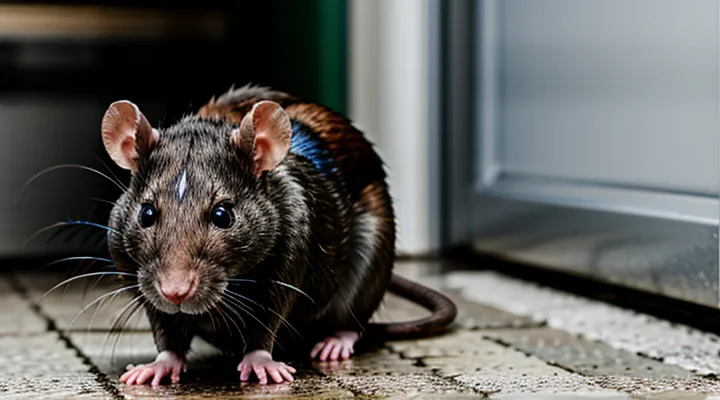
Understanding Rat Poison
Historical Context of Rodenticides
The use of chemical agents to control rodent populations dates back to antiquity, when early societies employed mineral compounds such as arsenic and copper salts. Records from ancient Egypt and Mesopotamia describe the application of these substances to grain stores, indicating an awareness of their lethal effect on pests.
During the Middle Ages, the development of metallic poisons continued, with lead and mercury alloys incorporated into bait. By the 19th century, industrial chemistry introduced synthetic acids and phosphates, expanding the arsenal of rodenticides. Notable milestones include:
- 1885: Introduction of zinc phosphide, a compound that releases phosphine gas upon ingestion.
- 1930s: Commercial production of warfarin‑based anticoagulants, initially derived from spoiled sweet clover.
- 1950s: Deployment of first-generation anticoagulant rodenticides (e.g., diphacinone) with enhanced potency.
- 1970s: Emergence of second‑generation anticoagulants (e.g., brodifacoum) offering prolonged action and lower dosing requirements.
The 20th‑century shift toward anticoagulant formulations reflected a strategic focus on disrupting blood clotting mechanisms, a principle that underlies modern rat poisons. Regulatory frameworks evolved alongside these advances, imposing restrictions on highly toxic compounds and encouraging the development of safer, targeted agents.
Contemporary rodenticides integrate the historical progression of toxic chemistry with molecular insights into clotting pathways, resulting in products that combine rapid onset with controlled persistence in the environment. This lineage illustrates how past practices have shaped the present understanding of pest control pharmacodynamics.
Types of Rat Poison
Anticoagulants
Anticoagulant rodenticides disrupt the blood‑clotting cascade by inhibiting vitamin K epoxide reductase (VKOR). The enzyme normally regenerates reduced vitamin K, a cofactor required for the γ‑carboxylation of clotting factors II, VII, IX and X. Inhibition blocks this modification, producing non‑functional clotting proteins and leading to uncontrolled hemorrhage.
After ingestion, the compounds are absorbed through the gastrointestinal tract, enter the bloodstream, and distribute to the liver where VKOR resides. Their lipophilic nature permits accumulation in fatty tissues, creating a reservoir that extends the toxic effect for several days. Clinical signs often appear 2–5 days post‑exposure, reflecting the time needed for existing clotting factors to degrade.
Typical anticoagulant rodenticides include:
- First‑generation agents (e.g., warfarin, chlorophacinone) – require multiple doses for lethality.
- Second‑generation agents (e.g., brodifacoum, difenacoum, bromadiolone) – single‑dose potency, longer biological half‑life.
Second‑generation compounds exhibit higher affinity for VKOR and resist metabolic breakdown, making them effective against resistant rodent populations.
Resistance arises from mutations in the VKOR gene that reduce binding affinity, as well as enhanced metabolic detoxification. Management strategies involve rotating active ingredients, employing non‑anticoagulant baits, and monitoring for resistance markers in target populations.
Non-anticoagulants
Non‑anticoagulant rodenticides kill rodents by disrupting essential physiological processes other than blood clotting. These compounds are chemically distinct from warfarin‑type agents and target cellular functions that lead to rapid failure of vital systems.
Common non‑anticoagulant classes include:
- Bromethalin – uncouples mitochondrial oxidative phosphorylation, causing energy depletion in neuronal and muscular cells, leading to paralysis and death within 24–48 hours.
- Cholecalciferol (Vitamin D₃) – induces hypercalcemia by increasing intestinal calcium absorption; elevated calcium levels precipitate in soft tissues, resulting in renal failure and cardiac arrhythmia.
- Zinc phosphide – reacts with gastric acid to release phosphine gas, a potent cellular toxin that interferes with cytochrome c oxidase, halting aerobic respiration and causing multi‑organ failure.
- Strychnine – blocks inhibitory neurotransmission at glycine receptors in the spinal cord, producing uncontrolled muscle contractions and respiratory arrest.
Each agent follows a specific biochemical pathway:
- Mitochondrial disruption (bromethalin) impairs ATP synthesis, depriving cells of energy required for ion pump function, leading to cellular swelling and necrosis.
- Calcium overload (cholecalciferol) triggers apoptosis in renal tubular cells and myocardial tissue, compromising organ integrity.
- Phosphine poisoning (zinc phosphide) impedes electron transport chain activity, resulting in oxidative stress and systemic toxicity.
- Neurotransmitter antagonism (strychnine) eliminates inhibitory signals, causing sustained motor neuron firing, convulsions, and fatal respiratory collapse.
The efficacy of non‑anticoagulant baits depends on appropriate dosage, bait acceptance, and environmental stability. Resistance to these agents is rare compared with anticoagulants, but proper rotation and integrated pest management reduce the risk of habituation.
Bromethalin
Bromethalin is a second‑generation, non‑anticoagulant rodenticide that exerts its lethal effect through disruption of cellular energy metabolism. After oral ingestion, the compound is absorbed from the gastrointestinal tract and metabolized by hepatic enzymes into the active N‑desmethyl‑bromethalin. The metabolite acts as a mitochondrial uncoupler, collapsing the proton gradient across the inner mitochondrial membrane and halting oxidative phosphorylation. The resulting rapid depletion of adenosine‑triphosphate (ATP) impairs ion‑pump function, leading to intracellular sodium accumulation, water influx, and cerebral edema. Neurological signs appear before the animal succumbs to respiratory failure caused by central nervous system collapse.
Key aspects of bromethalin’s action:
- Absorption: high bioavailability from the gut, minimal first‑pass loss.
- Metabolic activation: conversion to N‑desmethyl‑bromethalin by cytochrome P450 enzymes.
- Mitochondrial uncoupling: disruption of proton motive force, cessation of ATP synthesis.
- Cellular consequences: loss of ion‑pump activity, sodium‑water retention, brain swelling.
- Clinical presentation: tremors, ataxia, paralysis, seizures, followed by respiratory arrest.
- Lethal dose: approximately 2–6 mg/kg in rats, varying with age and health status.
Bromethalin’s toxicity is irreversible once the metabolic activation occurs; antidotes are unavailable, and supportive care can only delay mortality. The compound’s stability in bait matrices and lack of cross‑resistance with anticoagulant rodenticides make it a valuable tool for controlling resistant rodent populations, while its high potency demands strict handling protocols to prevent accidental exposure.
Cholecalciferol
Cholecalciferol, the vitamin D₃ form used in many rodenticides, exploits the calcium‑regulating system of mammals to induce lethal toxicity. After ingestion, it is absorbed in the small intestine and transported to the liver, where it is hydroxylated to 25‑hydroxycholecalciferol. This intermediate circulates to the kidneys and undergoes a second hydroxylation, producing 1,25‑dihydroxycholecalciferol (calcitriol), the biologically active hormone.
Calcitriol binds to nuclear vitamin‑D receptors in target cells, triggering transcription of genes that increase intestinal calcium absorption and stimulate osteoclastic bone resorption. The resulting surge in serum calcium produces:
- Hypercalcemia, disrupting neuronal and muscular function.
- Calcification of soft tissues, especially in the heart, lungs, and kidneys.
- Renal failure due to tubular obstruction and necrosis.
- Cardiac arrhythmias and eventual cardiac arrest.
Rodents, lacking efficient mechanisms to excrete excess calcium, accumulate these effects rapidly. Toxic doses are typically in the range of 0.1–0.5 mg kg⁻¹ body weight, far lower than dietary requirements, ensuring swift mortality without the need for immediate neurological disruption. The delayed onset of symptoms—often 24–48 hours after exposure—reduces bait shyness and improves bait acceptance.
Zinc Phosphide
Zinc phosphide is a widely used rodenticide that relies on a chemical conversion within the digestive tract of the target animal. When ingested, the compound reacts with gastric acid to release phosphine gas (PH₃), a potent cellular toxin. The reaction proceeds as follows:
- Zn₃P₂ + 6 HCl → 3 ZnCl₂ + 2 PH₃↑
Phosphine penetrates biological membranes and interferes with mitochondrial respiration by inhibiting cytochrome c oxidase, halting ATP production. The resulting energy deficit leads to rapid organ failure, primarily affecting the heart, liver, and kidneys. Additionally, phosphine generates reactive oxygen species that cause oxidative damage to proteins, lipids, and nucleic acids, further compromising cell integrity.
The toxicity profile of zinc phosphide is characterized by:
- Acute onset of respiratory distress, convulsions, and cardiovascular collapse within minutes to hours after exposure.
- Lack of a specific antidote; treatment focuses on supportive care, decontamination, and administration of antioxidants to mitigate oxidative stress.
- High efficacy at low doses, as the gas produced is lethal even in minute quantities.
Environmental considerations include the compound’s stability in dry form and rapid degradation upon contact with moisture, which limits persistence in soil but necessitates careful handling to avoid accidental exposure to non-target species. Safety protocols mandate sealed storage, use of protective equipment, and thorough monitoring of bait placement to ensure effective rodent control while minimizing collateral risk.
Mechanism of Action of Different Poison Types
Anticoagulant Rodenticides
Inhibition of Vitamin K Metabolism
Rat poisons classified as anticoagulants disrupt blood clotting by targeting the vitamin K cycle. The active compounds bind to the enzyme vitamin K epoxide reductase (VKOR), preventing the regeneration of reduced vitamin K, which is essential for the γ‑carboxylation of clotting factors II, VII, IX, and X. Without functional vitamin K, these proteins remain inactive, leading to progressive hemorrhage in the animal.
Key biochemical consequences of VKOR inhibition include:
- Accumulation of vitamin K epoxide, the oxidized form that cannot participate in carboxylation.
- Depletion of reduced vitamin K (vitamin K hydroquinone), the cofactor required for activating clotting factors.
- Production of under‑carboxylated clotting factors with markedly reduced affinity for calcium, impairing fibrin formation.
The effect manifests after the animal consumes a sub‑lethal dose: clotting factor levels decline gradually because existing functional proteins persist until degraded. Clinical signs appear when the concentration of active factors falls below a critical threshold, typically 24–48 hours post‑exposure. Antidotal therapy with high‑dose vitamin K1 restores the cycle by supplying an exogenous source of reduced vitamin K that bypasses the inhibited enzyme, allowing new clotting factors to be synthesized correctly.
Impact on Blood Clotting Factors
Rat poisons that belong to the anticoagulant class disrupt the normal cascade of blood coagulation. The active compounds, such as warfarin‑type and second‑generation agents, inhibit the enzyme vitamin K epoxide reductase (VKOR). This inhibition prevents the regeneration of reduced vitamin K, a cofactor required for the γ‑carboxylation of specific clotting proteins.
The immediate effect is a reduction in functional levels of clotting factors II, VII, IX, and X. These proteins lose their ability to bind calcium and to participate in the formation of fibrin, the structural component of a clot. As a result:
- Prothrombin (factor II) synthesis declines, delaying the conversion of prothrombin to thrombin.
- Factor VII activity drops, impairing the initiation of the extrinsic pathway.
- Factor IX reduction weakens the intrinsic pathway’s amplification loop.
- Factor X deficiency limits the generation of thrombin from prothrombin.
The cumulative deficit leads to prolonged clotting times, manifested as increased prothrombin time (PT) and activated partial thromboplastin time (aPTT). In rodents that ingest sufficient doses, uncontrolled bleeding occurs in internal organs and at sites of minor trauma, ultimately causing death.
Because the inhibition of VKOR is irreversible until new enzyme is synthesized, the disruption of clotting factor production persists for several days after exposure. This sustained effect underlies the high efficacy of rodent anticoagulant baits.
Stages of Anticoagulant Poisoning
Anticoagulant rodenticides act through a sequence of physiological disruptions that culminate in uncontrolled bleeding. Understanding each phase clarifies the toxic trajectory and informs medical intervention.
-
Ingestion and gastrointestinal absorption – The poison is consumed voluntarily or unintentionally. Lipophilic compounds cross the intestinal mucosa within minutes, entering systemic circulation.
-
Blockade of vitamin‑K epoxide reductase – The active ingredient binds to the enzyme responsible for recycling vitamin K. This inhibition prevents regeneration of the reduced form of vitamin K, a cofactor required for γ‑carboxylation of clotting proteins.
-
Gradual depletion of functional clotting factors – As existing vitamin‑K–dependent factors (II, VII, IX, X) are consumed, newly synthesized proteins remain inactive. Factor VII, having the shortest half‑life, declines first, followed by the others over 24–72 hours.
-
Onset of coagulopathy – Reduced clotting factor levels impair the extrinsic pathway, prolonging prothrombin time and activated partial thromboplastin time. Minor injuries that previously sealed spontaneously begin to bleed persistently.
-
Progressive hemorrhage and fatal outcome – Continuous loss of blood, often from internal sites such as the gastrointestinal tract, lungs, or brain, leads to hypovolemia, shock, and death if untreated. The timeline varies with dose, species, and individual metabolic capacity.
Prompt administration of vitamin K1 restores the enzymatic cycle, replenishes clotting factors, and reverses the toxic effects when delivered before irreversible hemorrhage develops.
Bromethalin Poison
Disruption of Nerve Impulses
Rodenticides that act as neurotoxins interrupt the normal flow of electrical signals along nerve fibers. The interruption originates from interference with voltage‑gated ion channels that generate and propagate action potentials.
- Sodium channel blockade prevents the rapid depolarization phase, halting the initiation of an impulse.
- Potassium channel alteration slows repolarization, extending the refractory period and reducing firing frequency.
- Disruption of calcium influx impairs synaptic vesicle fusion, diminishing neurotransmitter release into the synaptic cleft.
- Direct antagonism of neurotransmitter receptors weakens postsynaptic response, further curtailing signal transmission.
These molecular events produce progressive muscle weakness, loss of coordination, and eventual paralysis. The cumulative effect leads to rapid systemic failure, which is the primary lethal outcome of neurotoxic rodent control agents.
Effects on the Central Nervous System
Rat poison, primarily anticoagulant rodenticides, interferes with vitamin K recycling, leading to a systemic deficiency of clotting factors. The resulting hemorrhagic condition extends to the central nervous system (CNS). Blood loss within the brain and spinal cord produces intracranial bleeding, increased intracranial pressure, and disruption of neuronal tissue integrity.
Neurological manifestations appear as the hemorrhage progresses:
- Sudden onset of seizures or convulsions
- Loss of coordination and gait abnormalities
- Pupil dilation or irregular pupil response
- Coma or unresponsiveness in advanced stages
These signs reflect direct damage to neuronal networks and supporting glial cells caused by blood extravasation. Secondary effects include hypoxia from impaired cerebral perfusion and edema that further compromises synaptic transmission. The combined impact accelerates fatal outcomes unless immediate veterinary intervention reverses anticoagulation and controls bleeding.
Cholecalciferol Poison
Calcium and Phosphate Imbalance
Rat poisons that act as anticoagulants disrupt the recycling of vitamin K, preventing activation of clotting factors II, VII, IX and X. The resulting uncontrolled hemorrhage depletes plasma proteins that bind calcium, causing a rapid decline in ionized calcium concentration. Simultaneously, blood loss reduces phosphate‑carrying proteins and triggers renal tubular reabsorption of phosphate to compensate for hypocalcemia, producing a marked imbalance between the two ions.
Key physiological effects of this disturbance include:
- Reduced ionized calcium impairs neuromuscular transmission and myocardial contractility.
- Elevated phosphate relative to calcium favors precipitation of calcium‑phosphate complexes, potentially damaging soft tissues.
- Acid‑base shifts secondary to hemorrhagic shock promote phosphate release from intracellular stores, further widening the gap.
- Renal handling of both ions becomes erratic, increasing the risk of nephrocalcinosis and tubular injury.
The combined calcium deficiency and phosphate excess accelerate the fatal cascade initiated by the anticoagulant, ensuring that coagulation failure is accompanied by systemic electrolyte collapse.
Organ Damage
Rat poison, particularly anticoagulant rodenticides, interferes with vitamin K recycling, preventing synthesis of clotting factors II, VII, IX, and X. The resulting coagulopathy leads to uncontrolled bleeding throughout the body. When the toxin is absorbed systemically, blood loss occurs in multiple organs, producing characteristic patterns of damage.
The liver processes the compound and accumulates residues, making it susceptible to micro‑hemorrhages and necrosis. Hepatic injury manifests as focal areas of hemorrhage, impaired detoxification, and elevated transaminases. The kidneys filter the toxin and its metabolites; glomerular and tubular bleeding can cause hematuria, reduced filtration, and acute tubular necrosis. Renal involvement often contributes to systemic hypovolemia and further organ compromise.
Cardiovascular structures experience internal bleeding that weakens myocardial tissue and can precipitate arrhythmias. Pulmonary alveoli fill with blood, reducing gas exchange and leading to dyspnea. Gastrointestinal mucosa is prone to erosions and ulceration from hemorrhagic infiltration, resulting in melena and abdominal pain.
Key organs affected by anticoagulant rodenticide toxicity include:
- Liver: micro‑hemorrhages, necrosis, impaired synthetic function
- Kidneys: glomerular bleeding, tubular necrosis, decreased clearance
- Heart: myocardial hemorrhage, arrhythmic risk
- Lungs: alveolar hemorrhage, impaired ventilation
- Gastrointestinal tract: mucosal bleeding, ulceration
The cumulative impact of these lesions can progress to multi‑organ failure if intervention is delayed. Prompt administration of vitamin K₁ antagonists reverses coagulopathy and limits further tissue injury.
Zinc Phosphide Poison
Release of Phosphine Gas
Metal phosphide rodenticides generate phosphine gas when they encounter the acidic environment of a rodent’s stomach. The reaction proceeds as follows:
- Metal phosphide (e.g., zinc phosphide, aluminum phosphide) contacts gastric hydrochloric acid.
- Acidic conditions convert the phosphide into phosphine (PH₃) and a soluble metal chloride.
- The liberated phosphine diffuses across the gastrointestinal lining into the bloodstream.
Phosphine is a colorless, volatile compound with a characteristic garlic odor. Its high lipid solubility enables rapid penetration of cell membranes, allowing it to reach critical intracellular targets within seconds of release.
The primary toxic mechanism involves inhibition of cytochrome c oxidase in the mitochondrial electron‑transport chain. By blocking this enzyme, phosphine halts oxidative phosphorylation, collapses the proton gradient, and precipitates a swift decline in ATP production. Cellular energy failure triggers necrosis in high‑metabolism organs such as the heart, liver, and brain, leading to multi‑organ dysfunction and death at relatively low exposure levels.
Because the gas forms directly in the stomach, the onset of clinical signs is abrupt. Lethal outcomes arise from the combination of immediate systemic distribution and the irreversible inhibition of mitochondrial respiration.
Systemic Toxicity
Rat poison induces systemic toxicity by entering the bloodstream after ingestion and circulating throughout the body. The compound rapidly binds plasma proteins, facilitating distribution to vital organs such as the liver, kidneys, and heart. Once in target tissues, the toxin interferes with essential biochemical pathways, leading to widespread physiological disruption.
Anticoagulant rodenticides, the most common class, inhibit vitamin K epoxide reductase. This blockage prevents regeneration of active vitamin K, a cofactor required for synthesis of clotting factors II, VII, IX, and X. The resulting deficiency impairs the coagulation cascade, causing uncontrolled hemorrhage in internal and external vessels. Non‑anticoagulant formulations, such as bromethalin, uncouple mitochondrial oxidative phosphorylation, leading to cellular energy failure and neuronal edema.
Clinical manifestations of systemic poisoning reflect organ‑specific damage:
- Persistent bleeding from gums, nose, or wounds
- Hematuria and melena indicating gastrointestinal or renal hemorrhage
- Weakness, lethargy, and collapse due to blood loss and hypoxia
- Neurological signs (tremors, seizures) when mitochondrial toxins are involved
Toxic dose thresholds vary by chemical structure and species susceptibility. Acute exposure typically requires ingestion of 0.1–0.25 mg/kg for second‑generation anticoagulants, while chronic low‑dose intake can accumulate to lethal levels because of the compound’s long biological half‑life.
Management focuses on rapid decontamination, administration of vitamin K1 to restore clotting factor synthesis, and supportive care to maintain hemodynamic stability. In cases of mitochondrial toxins, treatment includes hyperosmolar therapy to reduce cerebral edema and agents that support cellular respiration. Early intervention reduces mortality and limits irreversible organ damage.
Symptoms of Rat Poisoning in Rodents
Anticoagulant Symptoms
Anticoagulant rodenticides disrupt the vitamin K cycle, preventing the synthesis of clotting factors II, VII, IX, and X. The resulting coagulopathy manifests as a predictable set of clinical signs that appear within hours to days after exposure.
- Spontaneous bruising on skin, mucous membranes, or internal organs
- Prolonged bleeding from minor cuts or needle sites
- Blood‑tinged urine (hematuria) or feces (melena)
- Nosebleeds (epistaxis) and gum bleeding
- Pale or jaundiced skin due to blood loss or hemolysis
- Weakness, dizziness, or collapse from acute hemorrhage
These symptoms reflect the inability of the blood to form stable fibrin clots, a direct consequence of inhibited clotting factor production. Early detection relies on recognizing the pattern of unexplained bleeding in exposed animals or humans. Prompt medical intervention, typically with vitamin K1 therapy, restores clotting factor synthesis and halts progression.
Bromethalin Symptoms
Bromethalin, a second‑generation anticoagulant rodenticide, disrupts neuronal energy metabolism by uncoupling oxidative phosphorylation in mitochondria. The resulting depletion of adenosine triphosphate (ATP) impairs ion pump function, leading to cerebral edema and progressive neurological failure.
Clinical manifestations appear 24–48 hours after ingestion and progress in three stages:
- Early signs: lethargy, reduced coordination, and tremors.
- Intermediate signs: ataxia, hind‑limb weakness, head bobbing, and seizures.
- Advanced signs: coma, respiratory depression, and eventual death.
Additional observations may include hypersalivation, dilated pupils, and abnormal gait. Rapid progression demands immediate veterinary intervention; supportive care focuses on seizure control, fluid therapy, and mitigation of cerebral swelling. Early detection of these symptoms improves prognosis despite the lack of a specific antidote.
Cholecalciferol Symptoms
Cholecalciferol, the vitamin D₃ derivative used in many rodent baits, induces toxicity by elevating serum calcium to lethal levels. The resulting hypercalcemia disrupts cellular function and organ integrity, producing a recognizable clinical picture.
Typical manifestations include:
- Polyuria and polydipsia caused by renal concentrating defects.
- Gastrointestinal irritation leading to vomiting, loss of appetite, and weight loss.
- Muscular weakness and lethargy due to calcium‑mediated neuromuscular interference.
- Cardiac arrhythmias or sudden collapse from electrolyte imbalance.
- Soft tissue calcification visible as gritty deposits in the lungs, kidneys, or blood vessels on necropsy.
Symptoms appear within 24–72 hours after ingestion and intensify as calcium concentrations rise. Early detection relies on observing the above signs in exposed rodents; untreated cases progress to multi‑organ failure and death.
Zinc Phosphide Symptoms
Zinc phosphide, a widely used rodenticide, releases phosphine gas when it contacts stomach acid. The gas interferes with cellular respiration, producing a rapid onset of toxic effects.
Common clinical manifestations include:
- Nausea and vomiting, often within minutes of ingestion
- Abdominal pain and cramping
- Diaphoresis and flushing
- Dyspnea or rapid breathing
- Cough, sometimes with a characteristic garlic odor on the breath
- Tachycardia or irregular heart rhythm
- Confusion, agitation, or loss of consciousness
- Metabolic acidosis, evidenced by low blood pH
- Hepatic and renal dysfunction in severe cases
Symptoms typically appear within 30 minutes to several hours after exposure, progress swiftly, and may culminate in respiratory failure or cardiac arrest. Prompt identification and emergency medical intervention are essential to mitigate morbidity and mortality.
Safety and Environmental Considerations
Risk to Non-Target Animals
Rodenticides are formulated to disrupt physiological processes in rodents, yet their toxic properties extend to other wildlife that encounter the product directly or ingest contaminated prey. Primary exposure occurs when non‑target animals consume bait intended for rats, while secondary exposure results from predators or scavengers eating poisoned rodents. Both routes deliver the active ingredient into the bloodstream, producing the same lethal effects observed in target species.
Direct ingestion poses the greatest hazard for domestic pets, such as dogs and cats, and for small mammals like rabbits and hares that may mistake bait for food. Secondary poisoning threatens birds of prey, foxes, coyotes, and other carnivores that rely on rodents as a food source. Reptiles and amphibians can also be affected when they feed on contaminated insects or water.
- Mammals: dogs, cats, feral cats, wildlife carnivores, small herbivores
- Birds: raptors, corvids, ground‑nesting species
- Reptiles and amphibians: snakes, lizards, frogs
Risk magnitude depends on the anticoagulant class, dosage, and persistence of the compound in tissues. First‑generation anticoagulants clear quickly, reducing secondary toxicity, whereas second‑generation agents accumulate, extending the danger period. Environmental factors such as temperature, humidity, and bait placement influence how long the poison remains accessible to unintended species.
Mitigation strategies include using tamper‑proof bait stations, limiting application to interior spaces, selecting lower‑toxicity formulations, and implementing regular monitoring of non‑target animal activity in treated areas. These measures decrease the probability of accidental exposure and protect ecological health while maintaining effective rodent control.
Environmental Persistence
Rat poison formulations, particularly anticoagulant rodenticides such as bromadiolone, difenacoum, and brodifacoum, exhibit varying degrees of environmental persistence that influence their long‑term efficacy and ecological risk. Persistence is governed by chemical stability, sorption to soil particles, and susceptibility to microbial degradation. In aerobic, moist soils, microbial activity can hydrolyze ester bonds, reducing half‑life to weeks for first‑generation compounds. Second‑generation agents resist microbial breakdown, maintaining detectable residues for months to years, especially in neutral to alkaline pH.
Key factors affecting persistence include:
- Soil composition: High organic matter enhances sorption, limiting leaching but prolonging residence time.
- pH: Alkaline conditions slow hydrolysis, extending half‑life; acidic environments accelerate degradation.
- Temperature: Elevated temperatures increase microbial metabolism, shortening persistence.
- Moisture: Saturated soils promote anaerobic conditions, reducing degradation rates for some compounds.
Aquatic environments present additional pathways. Photolysis under sunlight can degrade soluble residues, yet compounds bound to sediments persist longer, acting as secondary sources for non‑target organisms. Groundwater contamination is rare for highly sorptive agents but may occur with repeated applications in permeable substrates.
Regulatory frameworks often require monitoring of residue levels in soil and water to assess compliance with safety thresholds. Analytical methods such as liquid chromatography–mass spectrometry detect concentrations down to parts per billion, informing risk assessments and remediation decisions. Persistent residues can bioaccumulate in predatory wildlife, necessitating integrated pest‑management strategies that limit repeated use and favor biodegradable alternatives where feasible.
Safe Handling and Disposal
When working with anticoagulant rodent baits, wear chemical‑resistant gloves, goggles, and a disposable lab coat. Avoid skin contact and inhalation; if exposure occurs, rinse affected area with water for at least 15 minutes and seek medical advice.
Store the product in a sealed, tamper‑evident container away from food, feed, and water sources. Keep the container in a locked, ventilated cabinet at temperatures below 30 °C. Label the container with hazard warnings, concentration, and expiration date. Record batch numbers and location in an inventory log.
Transport the bait in secondary containment that meets local hazardous‑material regulations. Secure the load to prevent shifting or breakage. Document the shipment with a material safety data sheet (MSDS) attached.
Dispose of unused or expired rodenticide according to these steps:
- Place remaining bait in a rigid, puncture‑resistant container.
- Seal the container and label it “hazardous waste – anticoagulant rodenticide.”
- Contact a licensed hazardous‑waste disposal contractor for collection.
- Retain disposal receipts and waste‑tracking numbers for regulatory compliance.
Do not discard rodenticide in household trash, sewage, or compost. Prevent accidental ingestion by pets or wildlife by removing bait stations after use and cleaning the area with a detergent solution before re‑occupying the space. Adhere to local, state, and federal regulations governing hazardous‑chemical handling and waste management to minimize environmental and health risks.