
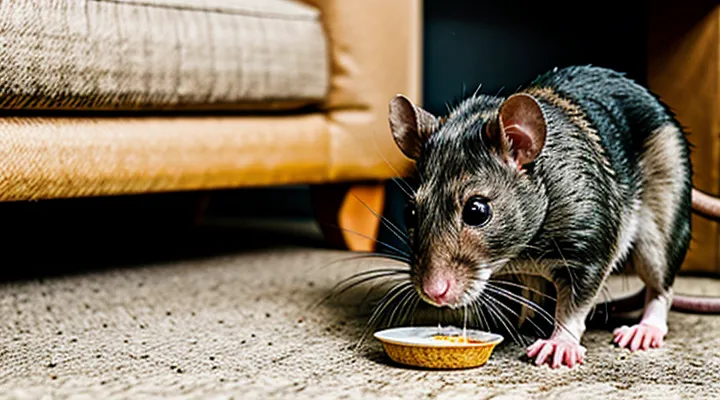
Understanding Rat Nutritional Needs
Essential Nutrients for Rats
Protein Requirements
Domestic rats require a diet that supplies sufficient high‑quality protein to support growth, tissue repair, and immune function. Adult rats generally thrive on a diet containing 14–20 % protein by weight; younger or breeding individuals may need up to 22 % to meet increased metabolic demands.
Key considerations for meeting protein needs:
- Source quality: Animal‑derived proteins such as egg, dairy, and lean meats provide complete amino acid profiles, while plant‑based options like soy and legumes can complement but may lack certain essential amino acids.
- Quantity: A typical 200 g adult rat consumes roughly 15–20 g of food daily. At 16 % protein, this supplies 2.4–3.2 g of protein, which aligns with physiological requirements.
- Digestibility: Highly digestible proteins improve nutrient absorption; processed rodent pellets are formulated to meet these standards.
- Monitoring: Observe coat condition, activity level, and weight; deficiencies often manifest as dull fur, reduced vigor, or stunted growth.
Adjust protein levels upward for pregnant, lactating, or rapidly growing rats, and downward for sedentary adults to prevent excess nitrogen waste. Consistent provision of balanced, high‑quality protein ensures optimal health and longevity.
Carbohydrate Requirements
Carbohydrates provide the primary energy source for domestic rats, supporting active metabolism and thermoregulation. Adequate carbohydrate intake sustains normal blood‑glucose levels and fuels rapid growth in juveniles.
Dietary guidelines recommend that carbohydrates constitute roughly 45‑55 % of the total caloric content in a balanced rat diet. This proportion ensures sufficient energy without displacing essential protein and fat requirements.
Typical carbohydrate ingredients include:
- Commercially formulated rat pellets, formulated to meet the stated percentage range
- Cooked plain oatmeal, offering soluble fiber and low‑glycemic starch
- Small portions of fresh fruit such as apple or banana, supplying natural sugars and vitamins
- Whole‑grain cereals like barley or quinoa, providing complex carbohydrates and micronutrients
Monitoring intake involves observing body condition and activity levels. Weight loss, lethargy, or excessive grooming may indicate insufficient carbohydrate supply, while obesity, hyperactivity, or dental overgrowth can signal excess. Adjustments to feeding frequency should align with the rat’s metabolic needs, ensuring that each meal delivers the appropriate carbohydrate portion without overfeeding.
Fat Requirements
Fat is a required nutrient for pet rats, supplying concentrated energy and enabling absorption of vitamins A, D, E, and K. Energy derived from fat supports rapid metabolism and thermoregulation, especially in young and active individuals.
Recommended fat contribution to the total caloric intake ranges from 5 % to 10 % for adult rats, while growing or breeding animals may benefit from 8 % to 12 %. Excessive fat, exceeding 15 % of calories, increases the risk of obesity and hepatic lipidosis.
Key sources of appropriate fat include: - Cooked lean meat (chicken, turkey) – provides animal‑derived fatty acids. - Small amounts of unsaturated vegetable oil (canola, olive) – delivers essential omega‑6 and omega‑3 fatty acids. - Nuts and seeds (almonds, sunflower seeds) – supply balanced polyunsaturated fats, offered sparingly due to high caloric density. - Commercial rodent pellets formulated with a controlled fat percentage – ensure consistent nutrient balance.
Deficiency signs manifest as dull coat, poor growth, and decreased fertility. Over‑consumption appears as rapid weight gain, lethargy, and elevated blood lipid levels. Monitoring body condition and adjusting dietary fat within the recommended range maintains optimal health and performance.
Vitamin and Mineral Needs
Domestic rats require a balanced intake of vitamins and minerals to support growth, immune function, and reproduction. Deficiencies manifest quickly, affecting coat quality, bone density, and overall vitality.
Essential vitamins
- Vitamin A – promotes vision and epithelial health; found in carrots, sweet potatoes, and fortified grain mixes.
- Vitamin D3 – facilitates calcium absorption; available through exposure to natural light and fortified rodent pellets.
- Vitamin E – protects cell membranes from oxidative damage; sourced from sunflower seeds and wheat germ.
- B‑complex (B1, B2, B6, B12, niacin, pantothenic acid, folic acid) – involved in energy metabolism and nervous system function; present in whole‑grain cereals, liver, and eggs.
- Vitamin C – not essential for rats but may aid stress recovery; can be supplied via fresh fruits such as orange segments or small amounts of fortified treats.
Key minerals
- Calcium – required for skeletal development and muscle contraction; supplied by calcium‑rich foods like kale, broccoli, and calcium‑fortified pellets.
- Phosphorus – works with calcium to maintain bone integrity; abundant in meat, fish, and dairy products.
- Magnesium – supports enzymatic reactions and nerve transmission; found in nuts, seeds, and leafy greens.
- Potassium – essential for fluid balance and cardiac function; present in bananas, potatoes, and beet greens.
- Sodium – needed in trace amounts for nerve impulse conduction; delivered through modest quantities of cheese or salted rodent treats.
- Iron – critical for hemoglobin synthesis; available from liver, lean meats, and iron‑enriched cereals.
- Zinc – influences skin health and immune response; sourced from meat, eggs, and whole‑grain products.
Supplementation guidelines
- Commercial rodent diets are formulated to meet most micronutrient requirements; additional supplementation should only follow veterinary recommendation.
- Over‑supplementation, particularly of fat‑soluble vitamins (A, D, E), can cause toxicity; monitor intake carefully.
- Fresh produce should be introduced gradually to avoid gastrointestinal upset and to ensure a diverse nutrient profile.
- Regular health assessments, including blood work, help detect subclinical deficiencies and guide dietary adjustments.
A diet that combines high‑quality pellets with measured portions of fresh vegetables, fruits, and occasional protein treats delivers the necessary vitamins and minerals for a healthy domestic rat.
Factors Influencing Feeding Frequency
Age of the Rat
Pups and Juveniles
Pup rats (birth to three weeks) require frequent, small meals because their stomachs are limited in capacity. Offer a fresh portion of high‑quality rodent pellets or a specially formulated weaning diet every 4–6 hours, including nighttime intervals. Water should be available constantly in a sipper bottle.
Juvenile rats (three to eight weeks) transition to adult‑size portions but still benefit from multiple feedings per day. Provide:
- 2–3 meals of standard pellets spaced 6–8 hours apart
- A supplemental portion of fresh vegetables or fruit once daily, limited to 10 % of total intake
- Continuous access to clean water
During the weaning period, monitor body condition and adjust portion size by 5 % increments if weight gain stalls. Remove uneaten food after 12 hours to maintain hygiene and prevent spoilage.
Adult Rats
Adult rats kept as pets require a consistent feeding routine to maintain optimal health. Their fast metabolism and high activity level make regular nutrient intake critical for growth, reproduction, and immune function.
A typical feeding schedule for mature individuals includes two meals per day, spaced approximately twelve hours apart. Providing food at the same times each day supports stable blood‑sugar levels and reduces stress.
- Morning feeding: 1 – 1.5 cups of high‑quality laboratory‑grade pellets, measured by weight (approximately 15–20 g).
- Evening feeding: the same amount of pellets, complemented by a small portion of fresh vegetables (e.g., carrot, broccoli, or leafy greens) not exceeding 10 % of total intake.
Occasional treats such as cooked egg, plain oatmeal, or fruit can be offered once or twice weekly, ensuring they do not exceed 5 % of the overall diet.
Monitoring body condition score and weekly weight measurements allows adjustments to portion size or feeding frequency. A noticeable decline in weight or appetite warrants an immediate review of diet composition and health status.
Senior Rats
Senior rats require a feeding routine that reflects reduced metabolism and potential health concerns. Offer food twice daily, preferably in the morning and early evening, to maintain stable energy levels without overloading the digestive system. Adjust portion size to approximately 70‑80 % of the amount given to younger adults; monitor body condition and modify quantities accordingly.
Key considerations for aging rodents include:
- High‑quality protein sources such as cooked egg or lean meat, limited to a small portion each day.
- Fresh vegetables rich in fiber and vitamins, introduced gradually to avoid gastrointestinal upset.
- Minimal sugary treats; senior rats are more prone to weight gain and dental issues.
- Constant access to clean water; consider a bottle with a low‑flow tip to prevent spills.
Regular health checks are essential. Observe for signs of weight loss, reduced activity, or changes in coat condition, and consult a veterinarian promptly to adjust the diet if necessary. Maintaining a consistent schedule supports digestive health and overall well‑being in senior pet rats.
Activity Level
Active Rats
Active rats exhibit elevated metabolic rates that demand regular nutrient intake. The term «active rats» designates individuals that spend considerable time exploring, climbing, and interacting with their environment; such activity accelerates energy expenditure.
Feeding frequency should match this heightened demand. Providing three balanced meals each day prevents prolonged fasting periods and supports steady blood‑glucose levels.
- Morning (6 – 8 a.m.): ¼ cup of high‑quality pellet, supplemented with a handful of fresh vegetables.
- Midday (12 – 2 p.m.): Small portion of fruit or lean protein source, such as boiled egg or cooked chicken.
- Evening (6 – 8 p.m.): Remaining pellet portion, accompanied by fresh water and a light vegetable serving.
Body condition must be monitored weekly. Weight loss indicates insufficient calories; weight gain signals excess portions. Adjust meal sizes accordingly while maintaining the three‑meal schedule.
Continuous access to clean water remains essential. Limit sugary or high‑fat treats to occasional rewards, ensuring they do not replace staple nutrition.
Less Active Rats
Less active pet rats require a feeding schedule that reflects reduced energy expenditure. Providing food too frequently can lead to excess weight, while insufficient feeding may cause nutrient deficiencies.
Typical adult rats receive fresh food two to three times daily. For a rat that moves little, a reduced frequency—once in the morning and once in the evening—often maintains stable body condition. The total daily caloric amount should stay within the range recommended for a 300‑gram adult, adjusted downward by 10‑15 % for noticeable inactivity.
Key practices for managing a sedentary rat’s diet:
- Offer a measured portion of high‑quality pellet or lab block at each feeding; avoid free‑feeding.
- Supplement with a small amount of fresh vegetables, no more than 10 % of the total diet.
- Weigh the rat weekly; a change of ±5 % of body weight signals the need to modify portion size.
- Observe stool consistency and activity level; dry, hard stools or lethargy indicate possible over‑restriction.
Adjustments should be made gradually. If weight gain exceeds the target range, reduce each feeding by 5 % and monitor for two weeks. If weight loss occurs, increase the portion by a similar margin while ensuring the rat remains active during handling.
Health Status
Sick or Recovering Rats
When a rat is ill or in the recovery phase, nutritional intake becomes a critical factor in supporting immune function and tissue repair. Reduced appetite, gastrointestinal disturbances, or medication side effects often alter normal feeding patterns, requiring adjustments to the standard schedule.
Provide small, frequent meals rather than a single large portion. This approach encourages voluntary consumption and minimizes the risk of overwhelming a compromised digestive system. Offer highly palatable, easily digestible foods such as softened pellets, boiled chicken, or commercial recovery formulas. Ensure water is always accessible and warm to encourage drinking.
Key considerations for feeding a sick or recovering rat:
- Offer 3–4 meals per day, spaced 4–6 hours apart.
- Limit each portion to ¼–½ of the usual daily amount; increase gradually as appetite returns.
- Monitor weight and fecal output daily; a loss of more than 5 % of body weight within 48 hours warrants veterinary attention.
- Adjust food texture to a mash or puree if chewing difficulty is present.
- Supplement with electrolytes or vitamin‑C enriched water only under veterinary guidance.
If medication is administered orally, provide the dose with a small amount of food to improve acceptance and reduce gastrointestinal irritation. Avoid sudden changes in diet composition, as abrupt shifts can exacerbate digestive upset. Regular observation of eating behavior, coat condition, and activity level informs timely modifications to the feeding plan.
Pregnant or Lactating Rats
Pregnant and lactating rats experience a marked rise in energy requirements. Caloric intake should increase by 30‑40 percent compared with non‑reproductive adults, and protein content must rise to support fetal growth and milk production.
Feeding frequency should shift from the standard twice‑daily schedule to three to four small meals spread evenly throughout the day. Offering food at regular intervals prevents long fasting periods that can trigger metabolic stress in gestating females.
Key dietary components include:
- High‑quality commercial rodent pellets formulated for breeding stock, providing balanced nutrients.
- Supplementary fresh vegetables such as carrots, broccoli, and leafy greens, offered daily in limited quantities.
- Protein‑rich treats like boiled egg, cooked chicken, or soy beans, limited to 1‑2 grams per day.
- Unlimited access to fresh water, refreshed at least twice daily.
Weight monitoring is essential. A steady gain of 2‑3 grams per week indicates adequate nutrition; rapid excess may signal over‑feeding, while stagnation suggests a need for dietary adjustment. Adjust portion sizes promptly based on observed weight trends and litter size.
Type of Diet
Commercial Rat Blocks
Commercial rat blocks are dense, nutritionally balanced food tablets designed for pet rodents. They contain protein, fat, fiber, vitamins and minerals in proportions that meet established dietary guidelines for domesticated rats. The compact form eliminates spillage and allows precise measurement of intake. Manufacturers often include pre‑biotics and natural antioxidants to support gut health and immune function.
Feeding frequency for a pet rat can incorporate commercial blocks as a staple component. A typical schedule includes:
- Morning: Offer a fresh block sized to provide approximately 10 % of the rat’s daily caloric requirement.
- Evening: Present a second block of equal size, ensuring continuous access to balanced nutrition.
- Supplemental items: Small portions of fresh vegetables or fruits may be added once daily for variety and enrichment.
Portion size should be adjusted according to the animal’s weight, activity level and age. Monitoring body condition enables fine‑tuning of block quantity, preventing both under‑ and over‑nutrition. Commercial blocks remain stable for several weeks when stored in a cool, dry environment, reducing the need for frequent replacement.
Fresh Fruits and Vegetables
Fresh produce should complement a balanced rat diet, providing essential vitamins and fiber. Inclusion of fruits and vegetables must be regular but limited to prevent digestive upset.
A typical feeding schedule allocates fresh produce three times per week. Each serving should not exceed 10 % of the total daily intake by weight. For a rat weighing 300 g, this translates to roughly 3 g of produce per feeding session.
Safe options include:
- Apples (core removed, no seeds)
- Blueberries
- Carrots (finely grated)
- Bell peppers (any color)
- Leafy greens such as romaine lettuce, kale, and spinach (washed thoroughly)
Items to avoid:
- Citrus fruits (high acidity)
- Grapes and raisins (toxic)
- Raw potatoes (solanine)
- Onions and garlic (irritants)
Preparation requires washing all produce under running water, removing pits, seeds, and stems that may pose choking hazards. Cut into bite‑size pieces to facilitate chewing. Store washed items in a sealed container in the refrigerator and discard any leftovers after two hours at room temperature to prevent bacterial growth.
Monitoring rat behavior after introducing new produce helps identify sensitivities. Adjust frequency or quantity if signs of diarrhea, loss of appetite, or weight fluctuation appear.
Supplemental Foods
Supplemental foods enrich a pet rat’s diet by providing nutrients that standard pellets or lab blocks may lack. They should complement, not replace, the primary feed, and their inclusion must be balanced to avoid excess calories or nutrient imbalances.
Common options include:
- Fresh vegetables such as carrots, broccoli, and leafy greens; provide vitamins and fiber.
- Small amounts of fruit, for example apple slices or berries; supply natural sugars and antioxidants.
- Protein sources like boiled egg, cooked chicken, or mealworms; deliver essential amino acids.
- Whole grains and seeds, for instance quinoa or sunflower seeds; contribute healthy fats and minerals.
Guidelines for offering these items:
- Introduce new foods individually, observe for adverse reactions over 24‑48 hours.
- Limit total supplemental portion to 10‑15 % of the daily intake; excessive amounts can lead to obesity.
- Offer fresh items once daily, preferably in the morning, to align with the rat’s natural foraging behavior.
- Remove uneaten perishables after a few hours to prevent spoilage and bacterial growth.
- Rotate varieties weekly to ensure a broad spectrum of micronutrients.
Safety considerations:
- Avoid foods toxic to rodents, such as chocolate, caffeine, raw beans, and citrus peels.
- Wash all produce thoroughly to eliminate pesticide residues.
- Provide only cooked protein sources without added salt, spices, or sauces.
- Store supplemental items in airtight containers, refrigerated if required, to maintain freshness.
By integrating these supplemental foods according to the outlined schedule, owners can support optimal health, dental wear, and behavioral enrichment for their domesticated rats.
Recommended Feeding Schedule
General Guidelines
Frequency for Adult Rats
Adult rats possess a rapid metabolism that necessitates consistent nutrient intake. Providing food at regular intervals supports stable energy levels and prevents excessive weight loss.
A practical feeding schedule for mature pet rats includes:
- Two measured meals per day, typically administered in the morning and evening.
- Each meal consists of approximately 1 – 2 teaspoons of high‑quality dry rat chow per animal.
- Fresh vegetables or fruit may be added in small quantities (no more than a few bites) to each feeding.
- Clean water should be available at all times.
If a continuous‑access approach is preferred, ensure that the total daily ration does not exceed the measured amount, and remove uneaten fresh foods after a few hours to avoid spoilage.
Adjust portion size according to the rat’s body condition, activity level, and any veterinary recommendations. Regularly weighing the animal and observing food consumption help maintain optimal health.
Frequency for Young Rats
Young rats demand frequent meals because their metabolism accelerates during the first weeks of life.
Feeding schedule by age:
- Birth to 10 days – exclusive milk from the mother; no solid food is introduced.
- 10 – 14 days – softened pellet mash offered 3–4 times daily; portions remain small, enough to wet the mouth without causing spillage.
- 3 – 4 weeks – gradual introduction of dry pellets and fresh vegetables; feed 2–3 times daily, increasing portion size as the pups handle solid textures.
- 5 – 6 weeks (weaning) – fully solid diet provided twice daily; portions calibrated to maintain steady weight gain without excess.
Maintain constant access to clean water, monitor body condition weekly, and adjust portions if weight gain deviates from the expected 2–3 g per day. Signs of over‑ or under‑feeding—such as diarrhea or stagnating growth—require immediate modification of the feeding frequency or quantity.
Portion Control
Avoiding Overfeeding
Overfeeding domestic rats leads to obesity, reduced lifespan, and metabolic disorders. Excess calories accumulate quickly because rats have high basal metabolic rates but limited capacity for fat storage. Monitoring body condition prevents health complications and maintains active behavior.
Practical measures to avoid overfeeding:
- Provide a measured portion of high‑quality rodent pellets according to the manufacturer’s recommendation for the animal’s weight and age.
- Offer fresh vegetables and occasional fruit as supplements, limiting total treat weight to no more than 5 % of the daily diet.
- Remove uneaten food after four hours to prevent continuous grazing.
- Weigh the rat weekly; adjust portions when the scale shows a gain of more than 2 % of body mass over a month.
- Use a feeding schedule with two to three fixed meals per day rather than free‑feeding.
Consistent portion control, regular weighing, and disciplined meal times ensure that rats receive sufficient nutrition without the risk of excess intake. This approach supports optimal growth, activity levels, and overall well‑being.
Monitoring Weight
Regular weight checks are essential for maintaining a healthy feeding plan for pet rats.
A typical schedule involves weighing the animal at least twice a week during the first month after adoption, then reducing to once weekly once a stable weight is established. Young rats growing rapidly may require more frequent measurements; adult rats generally maintain a stable weight with weekly monitoring.
Key practices for accurate assessment:
- Use a digital scale calibrated to 0.1 g precision.
- Weigh the rat at the same time of day, preferably before the morning feeding.
- Record each measurement in a dedicated log, noting any changes in diet or health status.
- Compare recorded values against species‑specific benchmarks: adult males typically range from 250 g to 300 g, females from 200 g to 250 g. Deviations of more than 5 % from the target range warrant dietary adjustment.
If a rat’s weight declines, reduce the interval between feedings or increase portion size, ensuring the diet remains balanced with protein, fiber, and moisture. Conversely, weight gain beyond the upper limit suggests limiting high‑calorie treats and confirming that the primary feed is appropriate for the animal’s activity level.
Consistent documentation enables early detection of health issues and supports precise calibration of feeding frequency, reinforcing overall well‑being.
Best Practices for Feeding Rats
Food Placement and Accessibility
Proper positioning of food directly influences a pet rat’s willingness to eat and the consistency of its intake. Food should be placed on a stable, chew‑resistant surface that prevents tipping or displacement during vigorous gnawing. Using a shallow, heavy dish made of ceramic or stainless steel reduces the risk of spills, maintains cleanliness, and allows easy inspection of leftovers.
Accessibility considerations include height, reach, and competition with nesting materials. The feeding area must sit at a level comfortably reachable by the animal while remaining separate from bedding to avoid contamination. Providing multiple feeding stations in multi‑rat households prevents dominance hierarchies from limiting access for subordinate individuals.
Key practices for optimal placement and accessibility:
- Position dishes near the cage’s main activity zone, avoiding corners where rats may feel trapped.
- Secure containers with a non‑slipping base or attach them to the cage’s side bars.
- Ensure the opening of food containers is large enough for rapid retrieval but small enough to limit exposure to moisture and debris.
- Rotate feeding stations periodically to encourage exploration and reduce territorial aggression.
- Monitor consumption daily; uneaten food should be removed within 24 hours to prevent spoilage and attract pests.
Water Availability
Fresh water must be continuously accessible to a pet rat. Lack of water leads to dehydration, urinary complications, and reduced appetite, which directly affects the animal’s overall health and the effectiveness of any feeding schedule.
Key practices for maintaining optimal water availability:
- Provide a sealed bottle with a stainless‑steel or glass spout to prevent contamination and encourage regular drinking.
- Replace the water daily; inspect the bottle for leaks or blockages each morning.
- Keep the water source away from food dishes to avoid accidental spillage and to maintain hygiene.
- Monitor consumption by measuring the volume before and after a 24‑hour period; a sudden decrease may indicate illness.
- Use filtered or dechlorinated water to eliminate chemical irritants that could deter drinking.
Ensuring a reliable supply of clean water supports consistent intake of nutrients and stabilizes the feeding routine for domestic rats.
Dietary Variety
Providing a balanced diet is essential for maintaining health and encouraging natural foraging behavior in pet rats. A varied menu supplies the vitamins, minerals, and macronutrients required for growth, dental wear, and immune function, while preventing monotony that can lead to selective eating.
Key components of a diverse feeding plan include:
- Fresh vegetables such as carrots, broccoli, and leafy greens, offered daily in small portions.
- Fruit pieces (e.g., apple, banana, berries) limited to two servings per week to avoid excess sugar.
- Protein sources like cooked egg, lean meat, or insect larvae, rotated weekly.
- Whole‑grain staples (oats, barley, quinoa) supplied several times per week for fiber.
- Commercial rat blocks or pellets as a consistent base, supplemented rather than replaced.
Adjusting the schedule to present different food groups at each feeding time encourages exploration and mimics the natural variability rats encounter in the wild. Monitoring intake and body condition ensures that variety enhances nutrition without causing over‑consumption. « A well‑structured rotation of foods supports optimal health and longevity in domestic rats ».
Avoiding Harmful Foods
Domestic rats require a diet free from substances that can cause toxicity, digestive upset, or long‑term health problems. Identifying and eliminating hazardous items is essential for maintaining optimal wellbeing.
Commonly encountered foods that must be excluded include:
- Chocolate and cocoa products – contain theobromine, a toxin that affects cardiac and nervous systems.
- Caffeine‑containing beverages or sweets – stimulate the central nervous system beyond safe limits.
- Raw or undercooked beans, especially red kidney beans – possess phytohemagglutinin, which can cause severe gastrointestinal distress.
- Citrus peels and large quantities of citrus fruit – high acidity damages enamel and can irritate the stomach lining.
- Processed meats and salty snacks – high sodium and preservative levels strain kidneys and may lead to hypertension.
- Avocado flesh and pits – contain persin, a compound linked to respiratory distress in rodents.
- Onion, garlic, and related Allium species – introduce compounds that damage red blood cells, leading to anemia.
- High‑fat human treats such as fried foods or buttery pastries – promote obesity and hepatic lipidosis.
These items disrupt normal metabolism, impair organ function, or introduce acute toxins. Symptoms of ingestion may include vomiting, diarrhea, lethargy, labored breathing, or discoloration of the gums. Immediate veterinary assessment is recommended if any adverse reaction occurs.
Safe alternatives encompass commercially formulated rodent pellets, fresh vegetables like carrots, broccoli, and leafy greens, modest portions of fruit such as apple or banana, and occasional protein sources including cooked eggs or lean chicken. Providing a balanced selection of these foods supports growth, reproduction, and longevity without exposing the animal to preventable risks.
Common Feeding Mistakes to Avoid
Inconsistent Feeding Times
Inconsistent feeding times disrupt a rat’s circadian rhythm, leading to metabolic instability. Regular intervals synchronize hormone release, support digestive efficiency, and reduce stress‑induced behaviors such as excessive gnawing or aggression.
Key effects of irregular schedules include:
- Fluctuating blood‑glucose levels, which may cause lethargy or hyperactivity.
- Heightened cortisol production, contributing to weakened immune response.
- Impaired learning ability, observable in maze‑navigation tests.
- Increased likelihood of obesity due to compensatory overeating when food becomes available.
To maintain physiological balance, establish a feeding routine that aligns with the animal’s natural activity pattern. Offer measured portions at the same times each day, preferably during the early evening when rats are most active. Record feeding times in a log to ensure consistency and to identify any deviations promptly. Regular monitoring of body condition and behavior will reveal whether the schedule remains effective.
Ignoring Dietary Changes
Ignoring shifts in a pet rat’s diet can destabilize health despite a consistent feeding schedule. Nutrient requirements evolve as the animal ages, gains weight, or experiences illness; static meals fail to meet these changing needs.
Consequences include:
- Excessive weight gain or loss, reflecting imbalanced calorie intake.
- Deficiencies of essential vitamins and minerals, leading to skeletal weakness, skin lesions, or impaired immune function.
- Gastrointestinal disturbances such as diarrhea or constipation, caused by inappropriate fiber or protein levels.
- Reduced longevity, with chronic conditions accelerating mortality.
Regular assessment of body condition, activity level, and waste consistency provides data for dietary adjustments. When deviations appear, modify portion size, introduce age‑appropriate foods, and supplement missing nutrients. Maintaining a dynamic feeding plan prevents the hidden risks associated with neglecting dietary changes.
Lack of Monitoring
Lack of monitoring in a pet rat’s feeding schedule creates uncertainty about nutrient intake, weight stability, and overall health. Without regular observation, owners cannot verify that meals are provided at appropriate intervals, leading to potential over‑feeding or under‑feeding. Inconsistent timing also disrupts the animal’s natural foraging rhythm, which may cause stress‑related behaviors such as excessive grooming or reduced activity.
Key risks associated with insufficient oversight include:
- Weight fluctuations that mask early signs of obesity or malnutrition.
- Altered blood glucose levels, increasing susceptibility to metabolic disorders.
- Diminished appetite due to missed meals, resulting in reduced intake of essential vitamins and minerals.
- Behavioral changes, such as increased aggression or lethargy, indicating discomfort with irregular feeding.
Effective mitigation relies on systematic record‑keeping and routine checks. Implement a simple log that notes the time and quantity of each feeding, and review the entries weekly to detect patterns. Automated dispensers equipped with timers can deliver consistent portions, while periodic visual inspections confirm that the rat consumes the offered food. Consistent monitoring ensures that the feeding frequency remains aligned with the animal’s physiological needs and supports long‑term well‑being.