
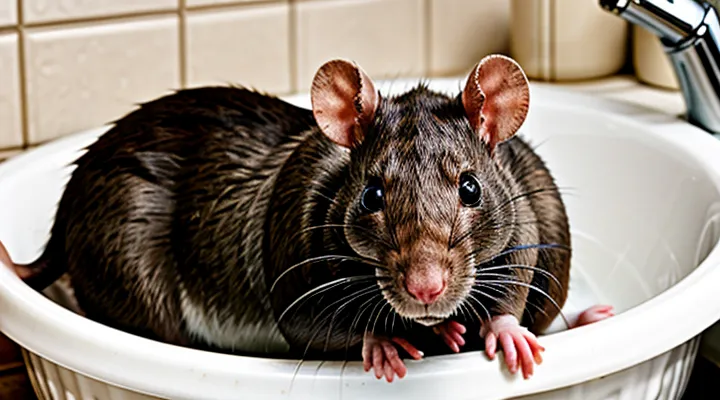
Understanding Rat Grooming Habits
Natural Self-Grooming
The Importance of Scent for Rats
Rats rely on a highly developed olfactory system to identify individuals, locate food, and maintain social hierarchy. Each animal carries a unique scent profile composed of glandular secretions, urine marks, and skin oils. This chemical signature enables rapid recognition among colony members and reduces aggression by signaling familiarity.
Regular bathing removes or dilutes these odor cues. When a rat’s scent is altered, other rodents may treat it as a stranger, leading to increased fighting, heightened stress, and potential disruption of breeding patterns. Moreover, loss of scent can impair a rat’s ability to locate food sources that emit specific volatile compounds.
Practical guidance for grooming:
- Limit full-body washes to situations where health concerns (e.g., skin infection) outweigh social considerations.
- Use damp cloths or spot cleaning to address localized dirt without stripping overall odor.
- Allow natural grooming behavior to continue; rats spend up to 15 % of awake time grooming, reinforcing their scent markers.
Balancing hygiene with preservation of olfactory cues ensures that cleaning practices do not compromise social cohesion or behavioral stability within a rat colony.
When Self-Grooming Isn't Enough
Rats maintain coat condition through constant self‑grooming, yet certain circumstances exceed their natural ability to stay clean. Excessive dirt, oil buildup, or health‑related secretions can impair thermoregulation and skin integrity, making supplemental washing necessary.
Indicators that a rat’s personal grooming is insufficient include:
- Sticky or greasy fur that clings to the body
- Visible stains from urine, feces, or bedding material
- Persistent odor despite regular cage cleaning
- Redness, irritation, or hair loss in localized areas
- Difficulty moving due to matting or debris accumulation
When these signs appear, a brief, gentle bath supports skin health and prevents secondary infections. Use lukewarm water (approximately 30 °C), a mild, unscented rodent‑safe shampoo, and limit exposure to two minutes per session. Rinse thoroughly to eliminate residue, then dry with a soft towel and a low‑flow hair dryer set on cool. Return the animal to a warm, draft‑free environment until fully dry.
Regular observation of coat condition, combined with prompt supplemental washing when self‑grooming fails, ensures optimal hygiene and reduces stress for the animal.
The Truth About Bathing Pet Rats
Why Over-Bathing is Harmful
Stripping Natural Oils
Rats possess a thin layer of sebaceous secretions that protects skin, fur, and sensory whiskers. Excessive bathing removes these lipids, leading to dryness, increased susceptibility to parasites, and altered scent communication essential for social hierarchy.
When determining bathing frequency, consider:
- Health status – sick or dermatologically compromised animals may require therapeutic rinses, but routine washes remain unnecessary.
- Living environment – cages with proper ventilation and regular spot cleaning reduce the need for full immersion.
- Behavioral signs – excessive grooming, itching, or coat brittleness indicate oil depletion and suggest that recent washing was too frequent.
A practical schedule for healthy laboratory or pet rats limits full-body washing to once every four to six weeks. Between washes, employ the following maintenance practices to preserve natural oils:
- Spot‑clean the cage daily to prevent buildup of waste and dampness.
- Use a dry, lint‑free cloth to remove minor debris from fur without water.
- Provide sand or dust baths in a shallow container; the abrasive medium absorbs excess oil while leaving a protective coating intact.
If a wash is unavoidable—such as after exposure to hazardous substances—use a mild, fragrance‑free, animal‑specific shampoo at low concentration, rinse thoroughly, and apply a few drops of a veterinary‑approved lipid moisturizer to restore the cutaneous barrier.
Monitoring coat condition and behavior provides immediate feedback on oil balance. A glossy, pliable fur with minimal flaking signals that the washing interval maintains the rat’s natural oil layer, whereas a matte, rough coat indicates over‑washing and necessitates a longer interval before the next bath.
Causing Stress and Anxiety
Frequent bathing can trigger acute stress responses in rodents. Elevated cortisol levels appear within minutes of exposure to water, indicating activation of the hypothalamic‑pituitary‑adrenal axis. Behavioral signs include frantic grooming, reduced exploration, and increased latency to resume normal activity.
Key stressors associated with washing:
- Cold shock from water temperature below body temperature
- Restraint required to hold the animal during rinsing
- Unfamiliar environment of the sink or basin
- Drying procedures that involve excessive handling
Anxiety may persist after the procedure. Rats often show heightened vigilance, avoidance of the cage, and diminished social interaction for several hours. Repeated washes can lead to habituation loss, where each session produces a larger cortisol spike than the previous one.
Recommendations to minimize adverse effects:
- Limit bathing to situations where it is medically necessary (e.g., skin infection, severe soiling).
- Use lukewarm water (30‑32 °C) to avoid thermal stress.
- Employ gentle, short-duration rinses (no longer than 30 seconds).
- Conduct the process within the home cage or a familiar enclosure to reduce novelty.
- Follow rinsing with a calm, low‑stress drying method, such as soft towel patting, without prolonged handling.
Monitoring post‑wash behavior provides immediate feedback on stress levels. If the rat exhibits prolonged immobility, excessive grooming, or loss of appetite, postpone further washing and consider alternative hygiene strategies, such as spot cleaning with a damp cloth.
When is Bathing Necessary?
Visible Dirt or Odor
Visible dirt and odor are the most immediate indicators that a rat requires a bath. When fur is coated with soil, droppings, or food residue, the animal’s coat loses its natural insulation and can become a breeding ground for bacteria. A noticeable smell, especially a musky or ammonia-like odor, signals that waste products have accumulated beyond normal grooming.
- Dirt that clings to the back, hind legs, or tail suggests insufficient self‑cleaning.
- Persistent odor after a brief period of ventilation indicates waste buildup in the fur.
- Excessive licking or scratching may accompany both conditions, reflecting discomfort.
If any of these signs appear, a gentle bath using lukewarm water and a rodent‑safe shampoo should be administered promptly. In the absence of visible contamination or odor, routine bathing can be limited to prevent skin irritation and preserve the rat’s natural oils. Regular health checks that include a quick visual inspection of the coat will help maintain an appropriate cleaning schedule.
Medical Conditions Requiring Cleaning
Rats with certain health problems need immediate and regular grooming to prevent infection and promote recovery. Dermatological infections, such as bacterial pyoderma or fungal dermatitis, create moist, debris‑laden fur that must be removed through thorough washing. Respiratory illnesses that produce nasal discharge, like Mycoplasma pulmonis, cause fur contamination around the snout; cleaning reduces the risk of secondary skin irritation. Gastrointestinal parasites often result in perianal soiling; prompt washing of the hindquarters prevents dermatitis and maintains hygiene. Endocrine disorders, for example adrenal hyperplasia, can lead to excessive grooming and urine staining; cleaning the affected areas restores coat integrity. Post‑surgical sites require antiseptic bathing to remove blood and tissue fluids, decreasing the chance of wound infection.
Key conditions that mandate cleaning:
- Bacterial skin infections (pyoderma, cellulitis)
- Fungal skin infections (dermatophytosis)
- Respiratory discharge (Mycoplasma, viral infections)
- Parasitic perianal soiling (coccidia, pinworms)
- Hormonal grooming excess (adrenal disease)
- Post‑operative wounds
When any of these conditions are present, wash frequency should increase to at least once daily, using a mild, veterinary‑approved cleanser and warm water. Monitor the coat after each bath; persistent odor, redness, or swelling indicates the need for veterinary evaluation. Regular cleaning under these circumstances supports healing and prevents escalation of the underlying medical issue.
Elderly or Infirmed Rats
Elderly and infirm rats require a cautious approach to bathing because their skin becomes thinner, their thermoregulation less efficient, and their mobility limited. Over‑frequent washing can strip natural oils, increase the risk of hypothermia, and cause stress, while neglecting hygiene may lead to skin infections, matting, and odor buildup.
Key considerations:
- Health assessment – before any wash, evaluate weight, coat condition, and any existing wounds; postpone bathing if the animal shows signs of weakness or fever.
- Temperature control – use lukewarm water (approximately 30 °C/86 °F) and limit exposure to two‑three minutes to prevent chilling.
- Frequency – for senior or compromised rats, limit baths to once every six to eight weeks, unless a specific issue (e.g., fecal staining) necessitates an earlier cleaning.
- Gentle technique – employ a soft, fragrance‑free pet shampoo, apply sparingly, and rinse thoroughly to avoid residue.
- Drying – pat the coat dry with a towel, then keep the rat in a warm, draft‑free environment until completely dry; avoid hairdryers.
- Monitoring – after each wash, observe for skin irritation, excessive licking, or changes in activity; adjust the schedule accordingly.
In practice, maintaining a clean cage, providing regular spot cleaning, and offering sand baths can reduce the need for full immersions, preserving the health of older or frail rats while still controlling odor and hygiene.
Alternatives to Full Baths
Spot Cleaning Techniques
Spot cleaning addresses localized dirt, urine, or debris without subjecting a rat to a full bath, reducing stress and preserving natural oils. Effective spot cleaning requires quick action, appropriate tools, and safe products.
- Use a soft, lint‑free cloth dampened with warm water to wipe the affected area.
- For stubborn residue, apply a diluted, veterinary‑approved enzymatic cleaner (generally 1 % solution) and let it sit for 30 seconds before wiping.
- Avoid soaps or shampoos; they can irritate sensitive skin and disrupt the coat’s protective barrier.
- After cleaning, pat the area dry with a clean towel; do not use a hair dryer or expose the rat to drafts.
Spot cleaning can be performed as needed, typically several times a week for rats kept in cages with bedding that absorbs moisture. Full immersion baths should be limited to health‑related reasons; most routine maintenance relies on spot cleaning combined with regular cage changes and bedding replacement.
Safety considerations include wearing disposable gloves to prevent pathogen transfer, monitoring the rat for signs of discomfort, and ensuring the cleaning solution is fully rinsed or absorbed to avoid residue. Consistent spot cleaning maintains hygiene while minimizing the frequency of complete washes, supporting the animal’s well‑being.
Using Damp Cloths
Cleaning pet rats with a damp cloth offers a practical alternative to full baths, reducing stress while maintaining hygiene. The method suits routine grooming and can be applied between more thorough washes, which should occur only when fur becomes noticeably soiled or after exposure to contaminants.
When using a damp cloth, follow these steps:
- Moisten a soft, lint‑free cloth with lukewarm water; excess liquid must be squeezed out to avoid soaking the animal.
- Gently wipe the rat’s body, starting with the head and moving toward the tail, paying particular attention to areas where urine or feces accumulate.
- Use a separate dry cloth to pat the fur dry, preventing dampness that could promote skin irritation.
- Observe the rat for signs of discomfort; discontinue if the animal shows resistance or excessive grooming.
Frequency depends on the rat’s living conditions. In clean cages with regular spot cleaning, a damp‑cloth wipe once or twice a week suffices. In environments where bedding is changed less often or where the rat encounters dirtier surfaces, increase to three or four times weekly. Full water baths remain appropriate only when the coat is heavily soiled; otherwise, the damp‑cloth routine maintains coat condition without over‑wetting.
Proper technique minimizes the risk of skin maceration and preserves the natural oils that protect the fur. Regular visual checks for matting, odor, or skin lesions should accompany each cleaning session, ensuring the animal’s health remains optimal.
Dust Baths (for certain conditions)
Pet rats maintain most of their coat cleanliness through self‑grooming; routine water bathing is rarely required. In situations where a rat’s fur becomes excessively oily, develops a mild skin irritation, or shows signs of respiratory sensitivity to moisture, a dust bath offers a practical alternative.
A dust bath works best under these conditions:
- Persistent dampness after a water spill or cage cleaning that cannot be fully dried.
- Minor dermatological issues such as dry patches or mild fur loss.
- Respiratory concerns where inhaling humid air may exacerbate symptoms.
To set up an effective dust bath, follow these steps:
- Choose a fine, non‑abrasive material such as chinchilla sand, volcanic ash, or specialized rodent dust. Avoid dust with strong fragrances or chemicals.
- Place the substrate in a shallow, ventilated container that fits comfortably inside the cage but prevents escape.
- Offer the dust bath for 15–30 minutes once or twice a week, depending on the severity of the condition. Observe the rat; most will roll, shake, and groom after the session.
- Remove excess dust after use, clean the container, and replenish with fresh substrate to prevent bacterial growth.
Monitoring is essential. Ensure the rat does not ingest large quantities of dust, which could cause gastrointestinal irritation. Keep the surrounding cage area dry and remove any residual dust that settles on bedding. If skin lesions persist or respiratory signs worsen, consult a veterinarian rather than relying solely on dust bathing.
Proper Bathing Techniques
Gathering Your Supplies
Gentle Pet Shampoo
Rats tolerate occasional bathing when a gentle, low‑pH pet shampoo is used. The product should be free of harsh detergents, fragrances, and dyes that can irritate sensitive skin. A mild formula preserves the natural oils that protect fur and prevents drying or alopecia.
Bathing frequency depends on environmental conditions and the animal’s health. Typically, a clean rat requires a bath only when visibly soiled, after exposure to strong odors, or when a skin condition mandates regular cleansing. Over‑washing removes protective oils and can lead to dermatitis.
Recommended schedule:
- Clean, odor‑free habitat: bathe no more than once every 4–6 weeks.
- Presence of strong smells (e.g., urine, food spills): bathe once every 2–3 weeks.
- Dermatological issues diagnosed by a veterinarian: follow prescribed intervals, often weekly or bi‑weekly, using the gentle shampoo exclusively.
Application steps:
- Wet the rat with lukewarm water; avoid submerging the head.
- Dispense a few drops of shampoo onto the fur, massage gently to create lather.
- Rinse thoroughly with lukewarm water until no residue remains.
- Pat dry with a soft towel; allow the animal to warm up in a draft‑free area before returning to the cage.
Warm Water and Shallow Basin
Warm water placed in a shallow container creates a safe environment for rodent bathing. The temperature should remain between 30 °C and 35 °C; lower temperatures cause stress, while higher temperatures risk burns. A basin no deeper than 2 cm prevents the animal from sinking and allows easy monitoring of movement.
A shallow basin filled with the appropriate warm water can be used for regular cleaning sessions without compromising the rat’s skin integrity. Frequent short baths are preferable to infrequent prolonged immersions, as they reduce the accumulation of oils and debris while minimizing stress. For most laboratory or pet rats, a wash every 7–10 days maintains coat condition without disrupting natural grooming behavior.
- Fill the basin with warm water, checking temperature with a thermometer.
- Place a non‑slippery mat at the bottom to improve traction.
- Gently lower the rat, allowing it to stand in the water for 30–45 seconds.
- Use a soft, damp cloth to lightly wipe the fur, avoiding the face and ears.
- Remove the rat, dry with a low‑heat towel, and return it to a warm, dry enclosure.
Rats housed in humid or dusty environments may require baths at the shorter end of the interval, while those kept in clean, low‑humidity cages can extend the period up to ten days. Consistent use of warm water and a shallow basin ensures effective coat maintenance while preserving the animal’s comfort and health.
Soft Towels
Soft towels provide a gentle surface for removing excess moisture after a rat’s bath, reducing stress and preventing skin irritation. When a rat is bathed, the towel should be pressed lightly to absorb water without rubbing, which can damage the delicate fur.
The frequency of rat bathing determines how often soft towels are needed. For routine cleaning, a towel can be reused up to three times before laundering; beyond that, residual moisture and odors compromise effectiveness. In cases of heavy soiling, replace the towel after each use.
Key considerations for selecting appropriate towels:
- High absorbency, measured by grams of water per square centimeter.
- Low lint production to avoid ingestion of fibers.
- Hypoallergenic material, such as 100 % cotton or bamboo, to prevent skin reactions.
Maintenance protocol:
- After each use, shake the towel to remove loose hair.
- Store in a dry, ventilated container until laundering.
- Wash at 60 °C with a mild detergent, rinse thoroughly, and dry completely before the next use.
Consistent use of clean, soft towels supports efficient moisture removal and contributes to overall rat health during regular bathing schedules.
The Bathing Process
Ensuring a Calm Environment
Rats tolerate handling best when stress is minimized during grooming. A calm setting reduces physiological shock, prevents injury, and promotes quicker recovery after a bath.
Maintain a tranquil environment by controlling three factors:
- Noise level: Keep the room quiet. Turn off loud equipment and speak in a low, steady voice.
- Lighting: Use dim, indirect light to avoid startling the animal. Bright illumination can trigger a flight response.
- Temperature: Ensure the water is lukewarm (approximately 30 °C) and the ambient room temperature remains stable. Sudden temperature changes heighten anxiety.
Prepare the area before the procedure. Remove extraneous objects, line the basin with a non‑slippery mat, and have towels within reach. Allow the rat to explore the basin briefly without water; this habituation lowers fear.
When the wash is complete, dry the rat gently with a soft towel and place it in a warm, quiet recovery cage. Observe for signs of distress, such as rapid breathing or excessive grooming, and intervene promptly.
Consistent application of these measures supports a predictable, low‑stress routine, enabling a reasonable washing interval without compromising the animal’s well‑being.
Gentle Application of Shampoo
Rats require bathing only when visibly soiled or when a health condition demands it; routine weekly washes are excessive and can disrupt skin oils. The decision to bathe should be based on observable dirt, odor, or veterinary recommendation.
When a wash is warranted, apply shampoo with the utmost gentleness to prevent stress and skin irritation:
- Wet the animal using lukewarm water, avoiding the head and ears.
- Dispense a few drops of rodent‑safe, mild shampoo onto fingertips.
- Massage the solution lightly across the back and limbs, keeping strokes short and smooth.
- Rinse thoroughly with clean, lukewarm water, ensuring no residue remains.
- Pat dry with a soft towel; allow the rat to warm up in a quiet, draft‑free area before returning to the cage.
Frequent bathing weakens the protective coat; limiting washes to genuine need preserves health and comfort.
Thorough Rinsing
Thorough rinsing is the final stage of a rat’s grooming routine and directly affects skin health. After applying a mild, rodent‑safe cleanser, rinse until water runs clear, ensuring no detergent residue remains. Residual soap can irritate the fur and cause dermatitis, so complete removal is essential for a comfortable animal.
Key steps for an effective rinse:
- Use lukewarm water (approximately 30–32 °C) to avoid thermal shock.
- Direct a gentle stream over the body, avoiding the ears and eyes.
- Maintain a steady flow for at least 30 seconds per body segment.
- Pat the animal dry with a clean, absorbent towel; avoid rubbing, which can damage the coat.
Frequency of full washes depends on housing conditions, but a complete rinse should accompany every cleaning session. In environments with high humidity or bedding contamination, rinse after each wash; in cleaner setups, a bi‑weekly schedule suffices. Regular thorough rinses prevent buildup of oils and debris, supporting optimal fur condition and overall wellbeing.
Post-Bath Care
Drying Your Rat Safely
After a bath, a rat must be dried promptly to prevent hypothermia and skin irritation. Use a low‑speed, cool‑air setting on a hair dryer, keeping the nozzle at least six inches from the animal. Do not apply heat directly to the fur; excessive temperature can burn delicate skin.
- Place the rat on a clean, absorbent towel and gently pat excess water away.
- Position the dryer at a safe distance, moving it continuously to avoid concentrating airflow on one spot.
- Observe the animal’s behavior; signs of distress or shivering indicate the need to reduce airflow or increase distance.
- Once the coat feels dry to the touch, allow the rat to rest in a warm, draft‑free enclosure for several minutes before returning to its cage.
Avoid using cloths that retain moisture for extended periods, as they can lower body temperature. Regularly check the drying area for drafts or cold surfaces that could counteract the drying process. Proper drying supports healthy skin, reduces infection risk, and maintains the rat’s overall wellbeing.
Keeping Them Warm
Rats lose body heat quickly after a bath because their fur becomes saturated and their skin is exposed to cooler air. To prevent hypothermia, provide a warm environment immediately after cleaning. Use a heating pad set to low temperature, a heat lamp positioned at a safe distance, or a pre‑warmed cage with fresh bedding that retains heat.
Key practices for maintaining warmth after washing:
- Transfer the animal to a dry, insulated enclosure within two minutes of removal from water.
- Keep ambient room temperature between 20 °C and 24 °C (68 °F–75 °F).
- Offer a small, low‑profile heat source that does not exceed 30 °C (86 °F) to avoid burns.
- Monitor the rat’s behavior; shivering, huddling, or lethargy indicate insufficient warmth.
The interval between washes should be limited to situations where hygiene is compromised, such as visible dirt, strong odor, or medical treatment requiring cleaning. Routine bathing every few weeks or more often can expose rats to repeated temperature stress, increasing the risk of respiratory infections and skin irritation.
When a wash is necessary, dry the animal thoroughly with a soft towel, then place it in the prepared warm area. Check temperature and the rat’s condition every five minutes for the first half‑hour, adjusting heat sources as needed to maintain a stable, comfortable body temperature.
Observing for Signs of Stress
Regular assessment of a rat’s emotional state is essential before establishing a washing routine. Stress can compromise skin integrity, alter grooming behavior, and increase susceptibility to infection, making it a critical factor in determining how frequently a rat should be bathed.
Observable stress indicators include:
- Abnormal vocalizations such as frequent squeaking or high‑pitched cries.
- Excessive grooming or, conversely, neglect of self‑cleaning.
- Withdrawal from social interaction, including avoidance of cage mates.
- Reduced food and water intake.
- Postural changes like hunching, a tucked tail, or a flattened body.
- Rapid, shallow breathing or panting unrelated to temperature.
When any of these signs appear, postpone bathing until the animal’s condition stabilizes. Re‑evaluate stress levels after a short recovery period; only resume cleaning if the rat exhibits normal behavior and physiological parameters. Consistent monitoring allows caretakers to tailor washing intervals to individual tolerance, preventing unnecessary distress while maintaining hygiene.
Maintaining a Clean Environment
The Link Between Cage Hygiene and Rat Cleanliness
Regular Cage Cleaning Schedule
Maintaining a consistent cage‑cleaning routine directly influences the health of pet rats and determines how often they need to be bathed. Dirt, urine, and feces accumulate quickly in small enclosures, creating conditions that can irritate skin and promote infection. Regular removal of waste and replacement of substrate keep the environment dry and reduce the necessity for frequent washing.
- Daily: Spot‑clean visible droppings and wet spots; replace soiled food dishes and water bottles.
- Weekly: Remove all bedding, scrub the cage interior with a mild detergent, rinse thoroughly, and add fresh substrate.
- Monthly: Disinfect all removable components with a diluted bleach solution (1 % concentration), rinse, and allow to air‑dry completely before reassembly.
Bathing should be reserved for situations where the animal becomes visibly soiled or after a thorough cleaning cycle. During the weekly deep‑clean, a brief rinse of the rat’s fur with lukewarm water can be performed, followed by gentle towel drying. This approach limits stress and prevents skin maceration.
Key steps for each cleaning phase:
- Transfer rats to a temporary, secure container.
- Dispose of old bedding and discard any contaminated materials.
- Scrub surfaces with a non‑abrasive sponge; avoid harsh chemicals that may leave residues.
- Rinse with warm water, ensuring no soap remains.
- Re‑line the cage with fresh, absorbent bedding; reinstall enrichment items after inspection.
- Return rats, monitor for any signs of irritation, and adjust cleaning frequency if waste buildup occurs faster than anticipated.
A disciplined schedule eliminates excessive moisture, minimizes odor, and supports optimal coat condition, thereby reducing the need for regular bathing.
Appropriate Bedding Materials
Choosing the right substrate directly influences the hygiene schedule for pet rats. Absorbent, low‑dust bedding traps urine and feces, limiting skin irritation and bacterial growth that would otherwise require more frequent bathing.
- Paper‑based products – high absorbency, minimal dust, easy to replace; suitable for most strains.
- Hemp fibers – natural antimicrobial properties, moderate dust, decomposes slowly, reducing odor buildup.
- Corncob granules – excellent moisture retention, low irritancy, but may become compacted if not refreshed regularly.
- Aspen shavings – low aromatic oils compared with pine, acceptable dust level; useful when paper is unavailable.
Materials that generate excessive particulate matter (e.g., pine or cedar) increase respiratory risk and may necessitate more regular cleaning of the animal’s coat. Conversely, substrates that maintain dryness and cleanliness allow owners to limit bathing to situations where the rat becomes visibly soiled or exhibits skin issues. Routine spot‑cleaning of the enclosure, combined with weekly full‑bedding changes, typically sustains optimal coat condition without resorting to regular washes.
Odor Control Measures
Effective odor management is essential when maintaining laboratory or pet rats, especially when establishing a bathing schedule. Regular cleaning of the animal’s environment reduces the accumulation of waste, urine, and secretions that generate unpleasant smells. Immediate removal of soiled bedding and prompt disposal of droppings prevent odor buildup between washings.
Key practices for controlling scent include:
- Ventilation: Ensure cages are placed in well‑ventilated areas; use filtered air systems to circulate fresh air and extract stale odors.
- Bedding selection: Choose low‑dust, absorbent substrates such as paper‑based or aspen bedding; replace them at least twice weekly or sooner if soiled.
- Spot cleaning: Perform daily inspection of cages; wipe down any wet spots or fecal deposits with a mild, non‑toxic disinfectant.
- Water source hygiene: Replace drinking water daily; clean water bottles or bottles with glass or stainless steel to avoid bacterial growth that contributes to odor.
- Personal protective equipment: Wear gloves and masks during cage changes to minimize transfer of scent to handlers and surrounding spaces.
Scheduling baths should align with these measures. Over‑frequent washing can strip natural skin oils, leading to increased skin irritation and a higher likelihood of bacterial proliferation, which may exacerbate odor problems. Conversely, insufficient bathing allows secretions to accumulate, intensifying smell. A balanced approach—typically a full wash every two to four weeks, supplemented by the environmental controls listed above—maintains hygiene while minimizing odor without compromising animal welfare.
Recognizing Health Issues Affecting Coat Condition
Signs of Poor Health
Dull or Greasy Fur
Rats develop dull or greasy fur when natural oils accumulate faster than they are removed. Excess oil can result from a diet high in fats, limited activity, or a humid environment. The fur loses its shine, feels slick to the touch, and may cling together, indicating that the animal’s grooming routine is insufficient.
Key indicators of a coat that needs attention include:
- Loss of luster; hair appears matte.
- Sticky or oily texture when brushed.
- Increased shedding of loose, greasy hair.
- Skin irritation or odor near the base of the tail and under the chin.
Adjusting washing frequency addresses these problems. For most pet rats, a full bath every four to six weeks prevents oil buildup without stripping essential skin oils. Between baths, spot‑cleaning with a damp cloth or a few drops of a rat‑safe shampoo on problem areas maintains coat health. Over‑washing can dry the skin, so limit full immersions to the recommended interval.
When bathing, use lukewarm water and a mild, fragrance‑free cleanser formulated for small rodents. Rinse thoroughly to eliminate residue, then dry the animal with a soft towel and a low‑heat hair dryer set on the lowest setting. After drying, brush the fur gently to redistribute natural oils and restore sheen. Regular observation of coat condition guides whether the schedule should be shortened during periods of higher humidity or intensified activity.
Excessive Scratching
Excessive scratching in pet rats signals dermatological or parasitic problems that intersect with grooming routines.
Frequent grooming removes debris and reduces pathogen load, yet excessive washing eliminates natural skin oils, leading to dryness and irritation. Insufficient washing permits ectoparasites to thrive, also provoking intense scratching.
Primary triggers include:
- Mite or flea infestation
- Dry or cracked skin from low humidity
- Allergic reaction to bedding, food, or cleaning agents
- Nutritional deficiencies affecting coat health
Balancing hygiene and skin integrity requires a measured washing schedule. Wash adult rats no more than once every four weeks, using a rodent‑specific, unscented shampoo diluted to the manufacturer’s recommendation. Spot‑clean paws and tail with warm, damp cloths when visibly soiled.
Additional measures to curb scratching:
- Maintain cage humidity at 40‑60 % with a simple humidifier or water dish
- Provide dust‑free, cellulose‑based bedding to minimize irritants
- Offer a diet enriched with omega‑3 fatty acids to support skin barrier function
- Conduct quarterly veterinary examinations for parasite screening
Adhering to these practices stabilizes coat condition, reduces scratching episodes, and aligns with optimal grooming frequency for laboratory and companion rats.
Hair Loss
Rats maintain coat condition through regular grooming, yet external bathing interferes with natural oil production. Excessive washing strips sebaceous secretions, leading to dry skin and follicular weakening; the result often appears as patchy hair loss. Conversely, neglecting baths in dirty or humid environments allows debris and microbial growth to irritate the dermis, also provoking alopecia.
Key factors influencing coat health include:
- Age – juveniles possess thinner skin, requiring fewer baths than adults.
- Housing conditions – cages with high humidity or frequent soiling demand more frequent cleaning of the animal’s fur.
- Health status – dermatological disorders, parasites, or nutritional deficiencies exacerbate hair loss and may necessitate targeted bathing schedules.
Practical guidance for minimizing hair loss while preserving hygiene:
- Perform a visual inspection of the coat weekly; bathe only if visible dirt, oil buildup, or odor is present.
- Use lukewarm water and a mild, rodent‑safe shampoo; limit contact time to two minutes.
- After bathing, thoroughly dry the animal with a soft towel and a low‑heat source to prevent moisture‑related dermatitis.
- For rats with existing alopecia, reduce bathing frequency to once every three to four weeks and supplement with topical moisturizers approved for rodents.
Maintaining a balanced bathing routine—neither too frequent nor overly sparse—preserves the integrity of the fur and reduces the risk of hair loss.
Consulting a Veterinarian
When to Seek Professional Advice
Regular bathing of pet rats can be safe when performed correctly, but certain situations require veterinary consultation. Recognizing these scenarios prevents skin irritation, respiratory distress, and systemic infection.
- Persistent odor despite proper cleaning indicates possible underlying skin disease.
- Redness, swelling, or open wounds appear after a wash.
- Excessive grooming or hair loss follows bathing sessions.
- Respiratory symptoms emerge during or after a soak, such as sneezing, coughing, or labored breathing.
- The rat shows signs of stress, aggression, or lethargy linked to bathing.
- The owner lacks experience with appropriate temperature, water depth, or drying techniques.
When any of these signs are present, contact a qualified veterinarian promptly. Professional assessment will determine whether adjustments to bathing frequency, technique, or alternative hygiene methods are necessary for the animal’s health.