
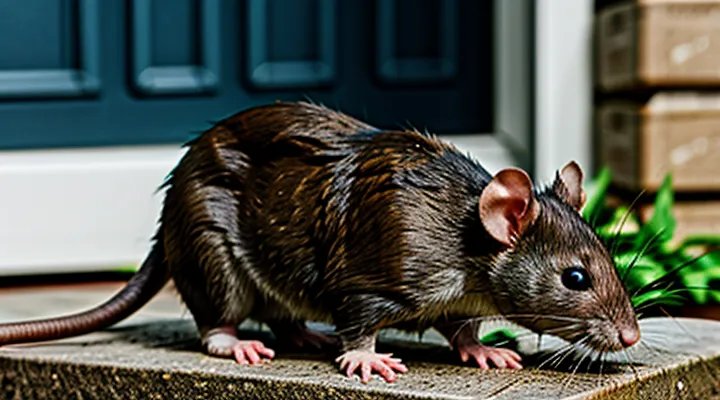
Understanding Rat Nutritional Needs
Essential Dietary Components
Proteins
Protein intake is a critical factor when determining the optimal feeding schedule for laboratory or pet rats. Adequate protein supports growth, tissue repair, hormone production, and immune function. Because rats have a high metabolic rate, they digest and absorb dietary protein rapidly, which influences how often food should be presented.
When rats receive a diet containing 18‑20 % crude protein, typical for standard rodent chow, they can maintain nitrogen balance with two to three feedings per day. Splitting the daily protein allowance into multiple meals prevents large post‑prandial spikes in blood amino acids and reduces the risk of gastrointestinal distress. For adult rats, offering fresh food at 8‑hour intervals (e.g., morning, midday, evening) aligns with their natural foraging behavior and ensures a steady supply of amino acids for metabolic processes.
Juvenile or breeding rats have higher protein requirements, often 20‑22 % of the diet. In these cases, more frequent feeding—four to five times daily—helps meet the increased demand for tissue synthesis and lactation. Providing smaller portions more often also encourages consistent intake, which is essential for steady weight gain and reproductive performance.
Practical guidelines:
- Use a nutritionally balanced pellet or mash with the recommended protein percentage.
- Offer fresh portions every 6‑8 hours for adults; every 4‑6 hours for juveniles or lactating females.
- Monitor body condition and adjust frequency if rats consume the entire portion before the next scheduled feed.
- Ensure continuous access to clean water, as protein metabolism increases fluid requirements.
Consistent protein delivery through appropriately spaced feedings supports health, growth, and experimental reliability in rat populations.
Carbohydrates
Rats thrive when their diet supplies a balanced proportion of carbohydrates, protein, fat, vitamins and minerals. Carbohydrate intake should be distributed evenly across meals to maintain steady blood glucose levels and support active metabolism.
Feeding frequency that aligns with the natural foraging behavior of laboratory and pet rats typically involves two meals per day, spaced 8–12 hours apart. This schedule prevents prolonged periods of fasting, which can cause hypoglycemia, while avoiding excessive caloric intake that leads to obesity.
Key points for carbohydrate management:
- Meal distribution: split total daily carbohydrate allowance equally between the two feedings.
- Quantity: provide 10–15 % of the rat’s total caloric intake as digestible carbohydrates per day; for a 30‑gram adult rat, this equals roughly 2–3 grams of carbohydrate.
- Sources: use complex carbohydrates such as whole‑grain pellets, oats, barley or steamed sweet potatoes; limit simple sugars like honey or fruit juice to less than 1 % of daily calories.
- Monitoring: observe body condition and activity; adjust portion size if weight gain exceeds 5 % of baseline over two weeks.
Consistent timing and controlled carbohydrate portions ensure metabolic stability, promote healthy growth, and reduce the risk of diet‑related disorders.
Fats
Fats supply essential energy and support cell membrane integrity in laboratory rats. When determining the number of daily feedings, the proportion of dietary fat must remain stable across each portion to prevent metabolic fluctuations.
Consistent fat distribution influences:
- Energy balance: each meal should contain 5–10 % of total calories from fat, matching the rat’s basal metabolic rate.
- Absorption efficiency: lipase activity peaks shortly after a meal; splitting the total daily fat intake into multiple feedings improves enzymatic action.
- Body composition: regular, moderate‑fat portions help maintain lean mass and prevent excess adiposity.
If rats receive food twice daily, each feeding should provide half of the calculated daily fat allowance. For three or more feedings, divide the total equally, ensuring that no single meal exceeds the 10 % caloric fat limit. This approach sustains steady plasma lipid levels and reduces the risk of post‑prandial spikes.
In practice, formulate the diet so that the fat source (e.g., soybean oil or lard) is homogeneously mixed with the carrier feed. Verify the final mixture with a proximate analysis before each feeding schedule is implemented.
Vitamins and Minerals
Rats require a consistent feeding schedule to maintain stable intake of vitamins and minerals, which directly influences metabolic balance and health outcomes. Frequent, evenly spaced meals prevent rapid fluctuations in blood nutrient levels and support efficient absorption of micronutrients.
Key vitamins for laboratory and pet rats include:
- Vitamin A – essential for vision and epithelial integrity; supply through fortified feed or a daily supplement of 0.03 mg/kg body weight.
- Vitamin D3 – regulates calcium metabolism; provide 0.001 mg/kg body weight each day to avoid deficiency or toxicity.
- Vitamin E – antioxidant protecting cell membranes; include 0.02 mg/kg body weight in the diet.
- B‑complex (B1, B2, B6, B12, niacin, folic acid, pantothenic acid) – support energy production and nervous system function; maintain levels recommended by the National Research Council for rodents.
Critical minerals include:
- Calcium – required for bone formation and muscle contraction; maintain a dietary Ca:P ratio of approximately 1.5:1.
- Phosphorus – works with calcium in skeletal development; supply 0.5 % of diet dry weight.
- Magnesium – cofactor for enzymatic reactions; provide 0.1 % of diet dry weight.
- Iron – necessary for hemoglobin synthesis; include 0.02 % of diet dry weight.
- Zinc – involved in immune response and wound healing; supply 0.04 % of diet dry weight.
- Selenium – antioxidant trace element; incorporate 0.0002 % of diet dry weight.
When determining the optimal daily feeding interval, consider that micronutrient stability declines with prolonged storage and exposure to light or heat. Splitting the total daily ration into two to three portions ensures that each feeding delivers nutrients at peak potency. This approach also reduces the risk of over‑consumption of fat‑soluble vitamins, which can accumulate to toxic levels if delivered in a single large meal.
In practice, a schedule of two equal feedings spaced 8–12 hours apart satisfies the physiological demand for continuous micronutrient supply while aligning with the rat’s natural foraging behavior. Adjustments may be required for breeding colonies, juveniles, or aged individuals, whose metabolic rates and nutrient requirements differ from the standard adult population.
Factors Influencing Feeding Frequency
Age of the Rat
The age of a rat determines its metabolic demand and therefore the appropriate number of daily feedings. Younger rats require more frequent meals to support rapid growth, while mature and senior rats can tolerate fewer feedings without compromising health.
- Neonates (0–3 weeks): Offer food every 2–3 hours during the daylight period, effectively 8–10 feedings per day. Small, soft portions prevent choking and ensure adequate nutrient intake.
- Juveniles (3–8 weeks): Provide food 4–5 times daily. Meals should be spaced evenly, allowing 4–5 hours between feedings to match the increased but stabilizing metabolism.
- Adults (2–12 months): Supply food 2–3 times per day. Standard laboratory chow or high‑quality pellets can be presented in three equal portions, or twice daily if the rat exhibits consistent eating patterns.
- Seniors (12 months and older): Reduce feedings to 1–2 times daily. Larger, nutrient‑dense portions compensate for decreased appetite and slower digestive efficiency.
Adjustments may be necessary based on strain, activity level, and health status. Monitoring body weight and behavior guides fine‑tuning of the schedule, ensuring that each age group receives sufficient energy without overfeeding.
Activity Level
Rats with high activity levels require more frequent meals to sustain energy expenditure and prevent rapid weight loss. Offering food three to four times daily, spaced evenly, maintains stable blood glucose and supports muscular activity.
Moderately active rodents can thrive on two meals per day, provided portions are sufficient to meet caloric needs. This schedule reduces the risk of overeating while delivering nutrients at regular intervals.
Low‑activity or sedentary rats often maintain optimal condition with a single daily feeding. Excessive provision may lead to obesity; monitoring body condition score helps adjust portion size.
Key considerations for adjusting feeding frequency based on activity:
- Exercise intensity: vigorous running wheels or chase toys increase metabolic demand.
- Age: juveniles and breeding females typically exhibit higher activity and benefit from additional feedings.
- Health status: illness or injury can lower activity, allowing reduction in meal frequency.
Regular observation of weight, coat quality, and behavior informs whether the chosen schedule meets the animal’s physiological requirements. Adjust portions before altering the number of feedings to avoid unnecessary caloric surplus.
Health Status
Feeding frequency directly influences a rat’s physiological condition. Regular, timed meals stabilize blood glucose, support digestive motility, and prevent excessive weight gain. Inconsistent or overly frequent feeding can lead to hyperphagia, obesity, and metabolic disturbances that compromise immune function.
- Adult rats: two meals per day, spaced 8–12 hours apart, provide sufficient energy while allowing a fasting interval that promotes hepatic glycogen replenishment.
- Juvenile rats: three smaller meals daily, with intervals of 4–6 hours, sustain rapid growth and prevent hypoglycemia.
- Ad libitum access: unrestricted food availability often results in caloric excess, elevated serum lipids, and reduced lifespan.
A structured feeding schedule also improves behavioral health. Predictable meals reduce stress‑induced aggression and promote normal activity cycles. Monitoring body condition score weekly helps adjust portion size and frequency to maintain optimal health.
In summary, a disciplined feeding regimen—two meals for mature rats, three for growing individuals—supports metabolic balance, prevents obesity, and enhances overall well‑being.
Breeding Status
Rats in different reproductive phases require distinct feeding schedules to maintain health and reproductive efficiency. Adjusting the number of daily meals according to breeding status prevents weight fluctuations that can impair fertility, gestation, and lactation outcomes.
- Non‑breeding adults: two to three evenly spaced meals provide sufficient energy without promoting excess adiposity.
- Pregnant females: three to four meals distribute caloric intake, supporting fetal growth and preventing hypoglycemia during late gestation.
- Lactating mothers: four to five meals ensure adequate milk production; portions should be increased progressively as litter size expands.
- Weaned juveniles: three meals meet the high metabolic demand of rapid growth while allowing for gradual dietary transition.
Feeding frequency influences hormone regulation, particularly leptin and insulin, which modulate reproductive cycles. Consistent meal timing stabilizes circadian rhythms, reducing stress‑induced suppression of estrus. Monitoring body condition scores alongside feeding intervals enables precise adjustments, ensuring optimal reproductive performance across all breeding stages.
Establishing a Feeding Schedule
Ad Libitum Feeding vs. Scheduled Meals
Pros and Cons of Each Approach
Feeding frequency influences growth, health, and behavior in laboratory and pet rats. Three common schedules—single daily portion, twice‑daily portions, and continuous (ad libitum) access—each present distinct advantages and drawbacks.
A single daily portion simplifies husbandry, reduces labor, and allows precise control of caloric intake. It supports weight‑gain studies where consistent energy consumption is required. However, it may cause prolonged hunger, increase stress‑related behaviors, and limit natural foraging activity.
Twice‑daily portions distribute calories more evenly, decreasing periods of deprivation. This schedule can improve activity levels, promote stable blood‑glucose concentrations, and reduce aggression linked to hunger. The downside includes added handling time, potential for missed feedings, and greater variability if portions are not measured accurately.
Continuous access provides unrestricted food, encouraging natural feeding patterns and minimizing hunger‑induced stress. It is suitable for breeding colonies where high reproductive output is desired. Risks involve over‑consumption, obesity, and difficulty assessing individual intake, which can confound experimental results.
-
Pros of single daily feeding
- Minimal handling
- Precise caloric control
- Ideal for restrictive diet studies
-
Cons of single daily feeding
- Extended hunger periods
- Possible stress behaviors
- Reduced natural foraging
-
Pros of twice‑daily feeding
- Balanced energy distribution
- Lower stress from hunger
- Supports stable metabolic parameters
-
Cons of twice‑daily feeding
- Increased labor
- Higher chance of measurement error
- Requires strict schedule adherence
-
Pros of continuous access
- Mimics natural eating rhythm
- Reduces hunger‑related stress
- Enhances reproductive performance
-
Cons of continuous access
- Risk of over‑eating and obesity
- Difficult to monitor individual intake
- May interfere with diet‑controlled experiments
Choosing an appropriate schedule depends on research objectives, colony health goals, and resource availability. Each method demands careful monitoring to mitigate its inherent disadvantages.
Recommended Feeding Frequency
For Adult Rats
Adult rats require a feeding schedule that supports steady metabolism, prevents obesity, and maintains dental health. Providing food twice daily—once in the morning and once in the evening—meets these needs for most healthy adults. This frequency supplies adequate energy while allowing a natural period of fasting, which helps regulate blood glucose and encourages proper digestion.
Key considerations for implementing a twice‑daily routine:
- Offer a measured portion of a balanced rodent diet at each feeding; avoid leaving excess food that can spoil or promote hoarding.
- Ensure fresh water is available at all times; hydration is independent of feeding times.
- Adjust the schedule for breeding females, pregnant or lactating rats, which may need additional meals or higher caloric intake.
- Monitor body condition regularly; if weight gain or loss occurs, modify portion size rather than increasing feeding frequency.
For environments where continuous access to food is standard, such as laboratory settings, a “ad libitum” approach is common, but it demands vigilant observation to prevent overconsumption and related health issues. In home cages, the twice‑daily method provides structure, reduces waste, and aligns with the rats’ natural crepuscular activity patterns.
For Young Rats and Pups
Young rats and pups need a feeding schedule that matches their rapid growth and high metabolic demands.
During the first three weeks of life, pups depend almost entirely on mother’s milk. When hand‑reared, provide a commercial rat milk replacer every 2–3 hours, including overnight, using a syringe or small bottle. Each feeding should deliver 2–4 ml per 10 g of body weight; adjust volume if pups gain weight too quickly or too slowly.
From three weeks onward, weaning begins. Offer solid food three to four times daily. Each meal should consist of 1–2 g of high‑protein rodent chow per 10 g of body weight, supplemented with soft foods such as mashed pellets, cooked egg, or finely minced vegetables. Ensure fresh water is always available.
Maintain the schedule by observing body condition and growth rate. If a pup loses weight or appears lethargic, increase feeding frequency or volume. If it becomes overweight, reduce portion size while keeping the number of feedings constant.
Typical feeding schedule for young rats and pups
- 0–3 weeks (hand‑reared): 8–12 feedings per 24 h, every 2–3 h, 2–4 ml per 10 g body weight.
- 3–4 weeks (weaning): 3–4 feedings per day, 1–2 g solid food per 10 g body weight, plus water.
- 4 weeks onward (post‑weaning): 2–3 feedings per day, portion adjusted to maintain steady weight gain.
Regular monitoring and prompt adjustment of portions ensure optimal health and development for young rats.
For Pregnant or Nursing Does
Pregnant and nursing female rats experience elevated energy requirements; feeding frequency must reflect this increase. Providing food more than once daily prevents gaps in nutrient intake that could compromise gestation or lactation.
- Offer fresh diet at least twice each day, preferably three times when food is portioned rather than left unlimited.
- Ensure continuous access to clean water.
- If the colony is managed on an ad libitum basis, monitor consumption to confirm that intake rises as pregnancy progresses and during the nursing period.
Protein content should rise to 20‑25 % of the diet, and caloric density must increase by roughly 15‑20 % compared with maintenance formulas. Supplementation with calcium and vitamin D supports fetal bone development and milk production.
Regularly assess body condition; adjust portion size or feeding intervals if the doe shows signs of under‑ or over‑nutrition. Maintaining a consistent schedule of multiple daily feedings, combined with a nutrient‑dense diet, promotes healthy litters and reduces the risk of reproductive complications.
Portion Control
Calculating Daily Requirements
Determining the appropriate feeding schedule for laboratory or pet rats requires precise calculation of their daily nutrient intake. Begin by establishing the animal’s body mass, as caloric demand scales directly with weight. A typical adult rat (250–300 g) needs approximately 13–15 kcal per 100 g of body weight, resulting in a total requirement of 35–45 kcal per day.
Next, assess the diet’s energy density. Standard rodent chow provides about 3.5 kcal per gram. Divide the total daily caloric need by the chow’s caloric value to obtain the mass of food required each day. For a 40 kcal requirement, the calculation is 40 kcal ÷ 3.5 kcal g⁻¹ ≈ 11.4 g of chow.
Finally, translate the daily amount into feeding frequency. Rats consume small meals throughout the light phase; distributing the calculated food mass into 2–3 equal portions prevents over‑consumption and maintains stable blood glucose levels. Example schedule for an 11.4 g daily allotment:
- Morning (07:00): 3.8 g
- Midday (12:00): 3.8 g
- Evening (18:00): 3.8 g
Adjust portions for juveniles, pregnant females, or highly active individuals by increasing the caloric coefficient (e.g., 17 kcal per 100 g for growth phases). Regular monitoring of body condition and food wastage ensures the calculated regimen remains accurate.
Avoiding Overfeeding and Underfeeding
Rats require a balanced amount of food each day to maintain health and prevent weight‑related problems. Overfeeding leads to obesity, hepatic lipidosis, and reduced lifespan, while underfeeding causes muscle wasting, weakened immunity, and reproductive issues. Managing portion size and feeding schedule eliminates these risks.
Key factors influencing proper intake include:
- Body weight and age – Adult rats (250‑300 g) typically need 15‑20 g of dry food per day; juveniles require proportionally more calories per gram of body weight.
- Activity level – Highly active or breeding rats burn additional calories and may need a modest increase in portions.
- Food type – High‑fat treats and seed mixes inflate caloric density; primary diet should consist of nutritionally complete pellets.
Practical steps to avoid excess or deficiency:
- Measure each feeding with a digital scale; record daily amounts to detect trends.
- Divide total daily ration into two equal meals spaced 8‑12 hours apart; this mimics natural foraging behavior and stabilizes blood glucose.
- Limit treats to no more than 5 % of total calories; use fresh vegetables sparingly and remove uneaten portions within two hours.
- Monitor body condition weekly by palpating the spine and ribs; a slight flesh cover indicates appropriate nutrition, while visible bone or excess fat signals adjustment.
- Adjust portions gradually (2‑3 g increments) based on weight changes; avoid sudden reductions that can cause stress.
Consistent measurement, scheduled feedings, and regular health checks create a reliable framework that prevents both overnutrition and undernutrition, supporting optimal growth, reproduction, and longevity in pet and laboratory rats.
Types of Food and Their Impact on Feeding
Commercial Rat Blocks
Advantages and Disadvantages
Feeding frequency directly influences a rat’s metabolic balance, behavior, and health outcomes. Selecting an appropriate schedule requires weighing the benefits and drawbacks of each approach.
Advantages of a single daily portion
- Predictable intake simplifies caloric monitoring and weight management.
- Reduced handling time minimizes stress associated with frequent human interaction.
- Lower risk of food spillage and contamination, preserving a cleaner cage environment.
- Aligns with natural nocturnal foraging patterns when food is provided during the active phase.
Disadvantages of a single daily portion
- May encourage binge‑eating behavior, leading to rapid consumption and digestive strain.
- Limited access can trigger heightened competition in group housing, increasing aggression.
- Inadequate nutrient distribution throughout the night may cause energy dips and reduced activity.
- Less opportunity to observe subtle changes in appetite that signal health issues.
Advantages of multiple small feedings
- Provides steady energy supply, supporting consistent activity levels and thermoregulation.
- Allows precise adjustment of nutrient ratios based on observed intake patterns.
- Reduces the likelihood of overeating, supporting smoother digestion and lower obesity risk.
- Facilitates behavioral enrichment through regular feeding interactions.
Disadvantages of multiple small feedings
- Increases handling frequency, potentially elevating stress if not performed consistently.
- Greater chance of food waste and bacterial growth if leftovers are left unattended.
- More complex schedule demands meticulous record‑keeping to avoid over‑ or under‑feeding.
- May disrupt natural circadian feeding rhythms if meals are offered during the light phase.
Fresh Foods
Vegetables
Rats require a balanced diet that includes fresh vegetables to supply essential vitamins, minerals, and fiber. When planning daily meals, allocate vegetables to a portion of the total feed that is offered two to three times per day.
Fresh vegetables should be introduced in small, bite‑size pieces to prevent choking and to allow the animal to finish each offering before the next feeding. Remove uneaten produce within 30 minutes to avoid spoilage and bacterial growth.
Typical vegetable selections for laboratory or pet rats include:
- Carrot (shredded or finely diced) – rich in beta‑carotene.
- Spinach (lightly wilted) – source of iron and folate.
- Bell pepper (red or green) – high in vitamin C.
- Broccoli florets – provides calcium and antioxidants.
- Zucchini (seedless) – low‑calorie, high water content.
Portion guidelines:
- Total vegetable weight per day: 10–15 % of the rat’s body weight.
- Divide this amount evenly across the feeding intervals (e.g., 5 % at each of three feedings).
Monitor each rat’s consumption and adjust quantities if waste increases or weight changes occur. Consistent timing, fresh supply, and proper portion control ensure vegetables contribute effectively to overall nutrition.
Fruits
Rats thrive on a diet that combines protein, grains, and occasional fruit. Fruit supplies natural sugars, vitamins, and fiber, but it must be offered in controlled amounts to prevent digestive upset and obesity.
A typical feeding regimen provides fresh fruit two to three times per day. Each session should include no more than a quarter of a teaspoon of chopped fruit per adult rat. Smaller or juvenile rats require proportionally less. Over‑feeding fruit can displace essential nutrients and lead to weight gain.
- Suitable fruits: apple (seeds removed), banana, berries, melon, pear.
- Preparation: wash thoroughly, remove pits or cores, cut into bite‑size pieces.
- Portion control: limit to the specified amount per feeding; discard uneaten fruit after 30 minutes to avoid spoilage.
Observe the rats for signs of diarrhea or reduced appetite. Adjust frequency or portion size if adverse symptoms appear. Consistent, moderate fruit inclusion supports health without compromising the overall nutritional balance.
Protein Sources
Protein quality directly influences how many meals a rat requires each day. High‑biological‑value proteins supply essential amino acids, support growth, and help maintain stable blood glucose, reducing the need for frequent feeding. Common laboratory‑grade protein options include:
- Casein – rapidly digestible dairy protein; provides a complete amino‑acid profile and is readily incorporated into pelleted diets.
- Soy isolate – plant‑based source with a balanced amino‑acid composition; suitable for vegetarian formulations but may contain antinutrients that require processing.
- Whey protein concentrate – fast‑acting dairy protein; supplies branched‑chain amino acids that promote muscle maintenance, useful for short‑interval feeding schedules.
- Fish meal – rich in essential fatty acids and marine proteins; enhances palatability and supports immune function, appropriate for diets with fewer daily portions.
- Egg white powder – pure animal protein with minimal fat; high in lysine and leucine, ideal for precise nutrient calculations in limited‑feed regimes.
When selecting a protein source, prioritize digestibility scores above 80 % and ensure the ingredient is free from contaminants that could affect health. Balancing protein with adequate carbohydrate and fat content stabilizes energy release, allowing a rat to be fed two to three times daily without compromising growth or reproduction. Adjust the number of feedings based on the protein density of the chosen diet: higher‑protein formulations permit longer intervals between meals, whereas lower‑protein mixes may require additional feedings to meet metabolic demands.
Treats
Appropriate Options
Feeding rats on a regular schedule supports healthy growth, stable metabolism, and predictable behavior. The appropriate feeding frequency depends on age, activity level, and diet composition.
For adult laboratory or pet rats, two standard options are widely accepted:
- Twice‑daily feeding – provide measured portions in the morning and evening. This routine mimics natural foraging patterns, reduces the risk of overeating, and allows owners to monitor intake.
- Ad libitum access to dry pellets – offer a constant supply of nutritionally balanced pellets while limiting fresh foods to scheduled meals. Continuous pellet availability ensures energy needs are met, whereas timed fresh foods prevent spoilage and excess calories.
Juvenile rats, especially those under four weeks, require more frequent meals to sustain rapid growth. Recommended approaches include:
- Three to four small meals per day – distribute the daily ration evenly across the day.
- Continuous access to soft starter feed – maintain a bowl of starter diet, supplementing with timed portions of fresh food to encourage proper chewing and dental health.
When selecting an option, consider the following factors:
- Meal size consistency – equal portions help maintain stable blood glucose levels.
- Observation of consumption – scheduled meals make it easier to detect reduced appetite, a potential health indicator.
- Environmental hygiene – limiting fresh food to set times reduces waste and bacterial growth.
Implementing either the twice‑daily measured feeding or the pellet‑ad libitum model, combined with appropriate monitoring, provides a reliable framework for meeting the nutritional needs of rats throughout their lifecycle.
Frequency of Offering Treats
Treats should complement, not replace, the primary diet of pet rats. Offer them sparingly to maintain nutritional balance and prevent obesity.
A typical schedule limits treats to:
- One small portion (no more than 5 % of total daily calories) on each feeding day.
- No more than three days per week; the remaining days should contain only standard feed.
When treats are given, distribute them evenly across the day’s meals to avoid large spikes in sugar or fat intake. For example, a 10 g treat can be split into two 5 g portions offered with the morning and evening feeds.
Select treats that provide nutritional value, such as:
- Fresh vegetables (carrot, broccoli, kale)
- Small pieces of fruit (apple, banana, berries) – remove seeds
- Commercial rat treats formulated with low sugar and high fiber
- Cooked lean protein (hard‑boiled egg, chicken) in minimal amounts
Monitor the rat’s weight and behavior after each treat session. An increase in weight, lethargy, or digestive upset signals that the frequency or quantity should be reduced. Adjust the schedule accordingly to keep the rat’s health stable while still offering occasional enrichment.
Common Feeding Mistakes to Avoid
Inconsistent Schedules
Inconsistent feeding times disrupt the physiological balance of laboratory and pet rats. Irregular meals cause fluctuations in blood glucose, leading to stress‑induced hyperglycemia and impaired insulin regulation. The digestive system adapts to predictable intervals; sudden changes reduce gastric motility and increase the risk of constipation or diarrhea.
Behavioral consequences accompany metabolic disturbances. Rats exposed to erratic schedules exhibit heightened aggression, increased nesting activity, and reduced exploration of novel environments. These signs indicate elevated cortisol levels and compromised welfare.
To maintain stable health parameters, follow these guidelines:
- Establish a fixed number of feedings per day (typically two to three) and adhere to the same clock times.
- Record each feeding event to detect accidental deviations.
- Adjust portion size rather than timing when dietary needs change.
- If a schedule alteration is unavoidable, implement a gradual shift of 15‑30 minutes per day until the new time is reached.
Consistent feeding intervals support reliable experimental data, simplify health monitoring, and promote overall well‑being in rats.
Offering Unsuitable Foods
Rats require a balanced diet delivered at regular intervals to maintain health and prevent obesity. Introducing foods that do not meet their nutritional needs disrupts this schedule and can lead to digestive problems, weight gain, or nutrient deficiencies.
Unsuitable foods for pet rats include:
- Citrus fruits and juices (high acidity, can irritate the stomach)
- Processed snacks containing excessive salt, sugar, or artificial additives
- Fatty meats and fried items (risk of pancreatitis)
- Dairy products (lactose intolerance is common among rodents)
- Raw beans or legumes (contain anti‑nutrients that interfere with digestion)
- Chocolate, caffeine, and nicotine (toxic in small quantities)
- High‑fiber vegetables such as raw broccoli or cabbage (may cause gas and bloating)
Feeding these items even occasionally reduces the effectiveness of a consistent feeding routine. Rats may develop a preference for the novel taste, leading them to reject standard pellets or fresh produce offered at scheduled times. This shift can cause irregular intake, making it harder to monitor caloric consumption and adjust portions accurately.
To preserve a reliable feeding schedule, limit meals to nutritionally complete rodent pellets supplemented with small portions of safe fresh foods such as carrots, apples, or leafy greens. Ensure that any treats conform to the list of acceptable items and are offered no more than 10 % of the total daily diet. This approach supports stable eating patterns and minimizes health risks associated with inappropriate foods.
Ignoring Dietary Changes Based on Age or Health
Rats require a feeding schedule that reflects their physiological needs. When caretakers maintain a uniform routine without considering the animal’s age or health status, the schedule quickly becomes unsuitable. Juvenile rats, whose metabolism is rapid, need more frequent, smaller meals to support growth. Adult rats, with slower metabolic rates, can tolerate fewer feeds. Sick or geriatric rats often experience reduced appetite, altered digestion, or increased energy demands, demanding adjustments in both portion size and timing.
Neglecting these variables can lead to:
- Weight loss or obesity due to mismatched caloric intake
- Nutrient deficiencies that exacerbate illness
- Stress‑induced behavioral changes affecting feeding behavior
- Compromised immune function, slowing recovery
Veterinary guidelines advise recalibrating the daily feeding frequency whenever a rat’s life stage changes or health issues arise. Adjustments may include increasing feedings for growing pups, reducing portions for overweight adults, or providing more frequent, easily digestible meals for animals recovering from illness. Monitoring body condition, activity level, and stool quality provides objective data for timely modifications.
Poor Food Storage Practices
Proper storage of rodent feed directly influences the frequency at which rats can be offered fresh nutrition. When feed is exposed to moisture, heat, or pests, it deteriorates rapidly, reducing palatability and nutritional value. Deteriorated food may cause rats to reject meals, prompting caretakers to increase feeding intervals to compensate for reduced intake, which can lead to weight loss and health issues.
Key consequences of inadequate storage:
- Accelerated spoilage creates off‑flavors that discourage consumption.
- Contamination introduces pathogens, raising the risk of gastrointestinal illness.
- Nutrient degradation lowers protein and vitamin content, requiring supplemental feeding.
- Frequent waste of spoiled feed inflates costs and disrupts a consistent feeding schedule.
Best practices to preserve feed quality and maintain a reliable feeding routine:
- Store pellets in airtight containers made of food‑grade plastic or metal.
- Keep containers in a cool, dry location away from direct sunlight.
- Use desiccant packs or humidity‑absorbing inserts to control moisture.
- Rotate stock using a first‑in‑first‑out system, discarding any feed older than six months.
- Inspect feed weekly for mold, clumping, or insect activity; replace compromised portions immediately.
By implementing these measures, caretakers can ensure that rats receive fresh, nutritionally balanced meals at regular intervals, supporting stable growth and overall well‑being.
Monitoring Rat Health Through Feeding Habits
Recognizing Changes in Appetite
Monitoring a rat’s appetite provides the most reliable indicator for setting an appropriate feeding schedule. Direct observation of food consumption, combined with regular weight measurements, reveals whether the current frequency meets the animal’s metabolic needs.
Typical signs of diminished appetite include:
- Consumption of less than 70 % of the offered portion
- Progressive weight loss of more than 5 % over a week
- Decreased activity and prolonged periods of rest
- Reluctance to approach the feeder
Indicators of heightened appetite comprise:
- Consumption of the entire ration within minutes
- Weight gain exceeding 5 % in a short timeframe
- Aggressive behavior toward the feeder or other rats
- Increased frequency of food‑seeking actions
Effective documentation involves recording daily food offered, leftovers, and the animal’s body weight. Plotting these data points highlights trends that may require schedule adjustments. If a consistent decline in intake is observed, reducing feeding frequency or portion size prevents waste and health complications. Conversely, sustained overeating warrants an increase in feedings or a reduction in portion size to maintain optimal body condition.
By correlating appetite fluctuations with quantitative records, caretakers can fine‑tune feeding intervals, ensuring that rats receive nutrition that matches their actual demand.
Identifying Signs of Nutritional Deficiencies
Rats fed too infrequently often develop nutritional deficiencies that manifest through observable changes. Recognizing these signs enables timely adjustment of feeding schedules and diet composition.
Physical indicators include:
- Dull, sparse fur and loss of sheen
- Decreased body weight despite normal activity
- Skin lesions, especially around the ears and tail base
- Weakness in hind limbs, difficulty climbing or jumping
Behavioral cues comprise:
- Reduced grooming frequency
- Lethargy or prolonged periods of inactivity
- Increased aggression or irritability
- Poor performance in maze or obstacle tests
Physiological markers detectable through examination:
- Pale or yellowed mucous membranes indicating anemia or liver stress
- Enlarged or irregularly shaped teeth, suggesting calcium deficiency
- Abnormal blood work: low hemoglobin, reduced serum albumin, altered electrolyte balance
When any of these symptoms appear, evaluate the current feeding regimen. Increase meal frequency or incorporate nutrient‑dense foods, such as fortified pellets, fresh vegetables, and protein sources, to address the specific deficits. Regular monitoring of weight, coat condition, and behavior ensures that nutritional needs are met without overfeeding.
The Role of a Veterinarian in Diet Management
Veterinarians evaluate a rat’s nutritional requirements by considering species‑specific metabolism, age, reproductive status, and any medical conditions.
Based on this assessment, they establish a feeding schedule that aligns with the animal’s digestive rhythm, typically recommending multiple small meals throughout daylight hours to prevent hypoglycemia and support growth.
They track body condition scores, weigh the animal regularly, and adjust portion sizes or feeding frequency when weight gain, loss, or health issues arise.
Veterinarians also advise owners on appropriate feed types, supplement needs, and safe treats, providing written plans that detail:
- Target daily caloric intake
- Recommended number of feedings per day
- Portion distribution for each feeding
- Signs of over‑ or under‑feeding to watch for
By integrating clinical observation with evidence‑based guidelines, the veterinarian ensures that feeding practices maintain optimal health and prevent diet‑related disorders.