
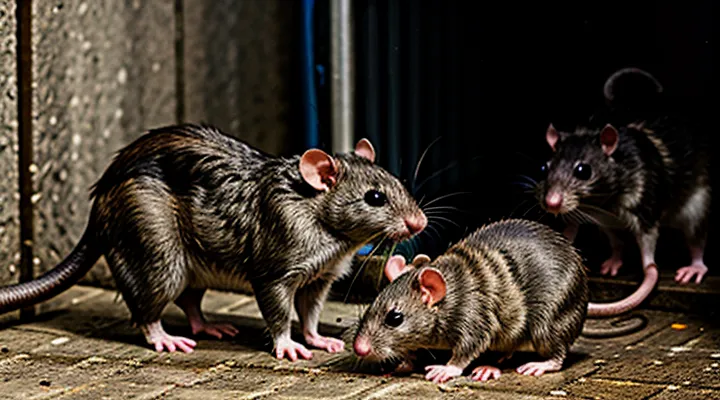
Understanding Rat Gestation
Average Gestation Period
Rats reach sexual maturity within five to six weeks, allowing them to reproduce shortly after birth. The gestation period for the common laboratory and domestic rat (Rattus norvegicus) averages 21 to 23 days, with 22 days most frequently reported. This interval remains consistent across strains when environmental conditions such as temperature (20‑24 °C) and nutrition are stable.
Key characteristics of the gestation phase:
- Embryonic development proceeds rapidly; organogenesis completes by day 14.
- Litter size typically ranges from 6 to 12 pups, influencing the number of subsequent pregnancies a female can sustain.
- Post‑natal estrus can occur as early as 24‑48 hours after delivery, enabling a new gestation cycle within a three‑week interval.
Consequently, a single female rat can produce multiple litters each month, driven by the brief 22‑day gestation and immediate return to fertility.
Factors Affecting Gestation Length
Rats reproduce on a cycle that depends largely on the duration of pregnancy, which averages around 21–23 days. Understanding the variables that modify this interval clarifies why litter timing can vary among individuals and colonies.
Environmental temperature influences metabolic rate; higher ambient heat shortens gestation, while cooler conditions extend it. Nutritional status also matters—adequate protein and calorie intake support normal development, whereas deficits delay fetal growth and lengthen the prenatal period. Photoperiod, the length of daily light exposure, can alter hormonal rhythms that regulate reproductive timing, with longer daylight often accelerating the process.
Stressors such as overcrowding, predator cues, or frequent handling trigger cortisol release, which interferes with progesterone production and may postpone parturition. Genetic background contributes as well; specific strains exhibit consistently shorter or longer pregnancies due to inherited physiological traits.
Key factors affecting gestation length:
- Ambient temperature
- Dietary composition and caloric intake
- Light cycle duration
- Psychological and physical stress
- Strain-specific genetic makeup
By controlling these elements, researchers and breeders can predict and manage the frequency of rat births with greater precision.
Frequency of Rat Birthing
Litter Size and Its Implications
Rats commonly produce litters of 6‑12 pups, though numbers can vary from 4 to 14 depending on species, age, nutrition, and environmental stress. Larger litters are associated with higher maternal body condition and optimal food availability, while smaller litters often reflect limited resources or disease pressure.
Implications of litter size include:
- Accelerated population expansion in favorable habitats, increasing competition for shelter and food.
- Enhanced utility of laboratory rats for genetic and pharmacological research, where consistent offspring numbers improve experimental reliability.
- Greater challenges for pest‑management programs, as each breeding cycle can add dozens of individuals to infestations.
- Elevated risk of zoonotic disease spread, because more newborns raise the probability of pathogen transmission within rodent colonies.
Understanding the range and determinants of rat litter size is essential for predicting reproductive frequency, managing ecological impacts, and designing effective control strategies.
How Soon Can Rats Breed Again
Rats reach sexual maturity at 5‑6 weeks of age, and a female can become pregnant again shortly after giving birth. The postpartum estrus occurs within 24‑48 hours, allowing conception while the litter is still nursing. Gestation lasts 21‑23 days, so a second litter can be produced roughly one month after the first delivery.
Key timing points:
- Post‑birth estrus: 1–2 days after parturition.
- Ovulation window: 12‑24 hours after the estrus, coinciding with mating.
- Weaning: pups are typically weaned at 21 days, but the mother’s ability to conceive does not depend on weaning.
Consequently, a breeding cycle can repeat every 30‑35 days under optimal conditions. Factors that may extend the interval include poor nutrition, high stress, or health issues that suppress estrus. Maintaining a balanced diet, stable environment, and regular health monitoring supports the rapid return to fertility.
Factors Influencing Breeding Frequency
Environmental Conditions
Rats adjust their breeding cycles to external conditions; optimal environments compress the interval between litters, while adverse settings extend it.
Ambient temperature influences hormone regulation. Temperatures between 20 °C and 26 °C sustain regular estrous cycles, allowing females to conceive every 3–4 weeks. Exposure to colder or excessively warm climates suppresses ovulation and lengthens gestation intervals.
Photoperiod governs melatonin secretion, which modulates reproductive readiness. Long daylight periods (14–16 hours) stimulate gonadotropin release, accelerating the onset of estrus. Short days reduce hormonal activity, delaying conception.
Food availability directly affects body condition. High-calorie diets with continuous access to protein support rapid follicular development, enabling back‑to‑back pregnancies. Scarce or low‑quality nutrition lowers body weight, postpones puberty, and reduces litter frequency.
Population density creates social stress. Overcrowding elevates corticosterone levels, inhibiting reproductive hormones and spacing out births. Moderate group sizes maintain social stability, permitting frequent breeding.
Humidity and ventilation impact respiratory health, indirectly shaping reproductive performance. Stable humidity (45–55 %) and good airflow prevent respiratory infections that could disrupt estrous cycles.
Key environmental factors influencing rat birthing frequency
- Temperature: 20 °C–26 °C → shortened intervals; extremes → prolonged intervals
- Light exposure: >14 h daylight → increased breeding frequency; <10 h → decreased frequency
- Nutrition: abundant, high‑quality food → rapid successive litters; limited food → delayed conception
- Social density: moderate group size → regular cycles; overcrowding → hormonal suppression
- Humidity/airflow: stable humidity and ventilation → fewer health‑related reproductive interruptions.
Nutritional Status
Rats reproduce with a short gestational interval, but the timing between litters is highly sensitive to the animal’s dietary condition. Adequate protein, energy, and micronutrients sustain the hormonal cascade that initiates ovulation after weaning; deficits prolong the postpartum anestrus, extending the interval before the next birth.
Key nutritional influences on reproductive pacing include:
- Caloric balance: Positive energy balance shortens the inter‑litter period to 3–4 weeks; negative balance can double that interval.
- Protein intake: Diets providing ≥18 % crude protein maintain regular estrous cycles; lower levels delay ovulation onset.
- Essential fatty acids: Adequate omega‑3 and omega‑6 ratios support prostaglandin synthesis, influencing luteal function and cycle length.
- Micronutrients: Zinc and selenium deficiencies impair gonadotropin release, increasing the time to conception.
Experimental data show that rats on a high‑fat, high‑calorie regimen produce litters at intervals of 21–23 days, whereas those on a restricted diet exhibit intervals of 35–45 days. Litter size also correlates with maternal nutrition; larger litters are typical under optimal feeding, while undernutrition reduces offspring number and may further lengthen the next reproductive cycle.
Maintaining a balanced diet therefore directly regulates the frequency of rat parturition by modulating hormonal readiness and uterine receptivity, ensuring consistent breeding intervals under favorable nutritional conditions.
Age and Health of the Rat
The reproductive cycle of a rat is tightly linked to its physiological condition. Younger females, typically between 8 and 12 weeks of age, reach sexual maturity quickly and can produce litters every 21‑23 days. As the animal ages, estrous cycles lengthen, and the interval between pregnancies expands. By six months, the gestation period remains constant, but the time required for recovery and the likelihood of successful conception decline.
Health status directly influences breeding frequency. Well‑nourished rats with stable body weight and no chronic disease maintain regular estrous cycles and sustain high conception rates. Conversely, individuals suffering from respiratory infections, parasitic burdens, or malnutrition exhibit irregular cycles, reduced ovulation, and increased embryonic loss. Stressors such as overcrowding, poor ventilation, or inadequate lighting disrupt hormonal balance, extending the inter‑litter interval.
Key factors affecting birth frequency:
- Age bracket: 8‑12 weeks → optimal fertility; 3‑6 months → moderate decline; >6 months → significant reduction.
- Nutritional adequacy: balanced protein and micronutrient intake supports hormone production.
- Disease presence: infectious or metabolic disorders impair reproductive organs.
- Environmental conditions: temperature stability, low noise, and sufficient space reduce stress‑induced cycle disruption.
Monitoring these variables enables precise prediction of how often a rat can produce offspring under specific circumstances.
Rat Population Dynamics
Rapid Reproduction and Population Growth
Rats reproduce at a rate that enables rapid expansion of their numbers under favorable conditions. A female reaches sexual maturity within 5–6 weeks, after which she can conceive almost immediately following delivery. This continuous breeding cycle eliminates any seasonal pause, allowing generations to overlap.
Key reproductive parameters:
- Gestation period: 21–23 days.
- Post‑partum estrus: occurs within 24 hours after giving birth.
- Litter size: typically 6–12 pups, with occasional litters exceeding 15.
- Inter‑litter interval: 30–40 days, assuming adequate nutrition and shelter.
These factors produce a theoretical doubling of the population every 60–70 days. In a controlled environment with ample food and no predators, a single pair can generate thousands of descendants within a year. The exponential growth model (N = N₀·2^(t/τ), where τ ≈ 65 days) illustrates how quickly a modest colony can become a significant pest if unchecked. Effective management therefore relies on interrupting one or more elements of this reproductive cycle.
Impact on Ecosystems and Urban Environments
Rats reproduce at intervals that can span from a few weeks to several months, depending on species, climate, and food availability. This rapid turnover generates large populations that interact directly with natural and built environments.
In natural ecosystems, high rat densities increase predation pressure on seed‑bearing plants, amphibians, and invertebrates. Their foraging behavior reduces seed dispersal efficiency, alters plant community composition, and can suppress regeneration of native flora. Additionally, rats serve as prey for raptors, snakes, and small mammals, influencing trophic cascades that reshape predator‑prey dynamics.
Within urban settings, frequent breeding contributes to persistent infestations in residential and commercial structures. Consequences include:
- Contamination of food stores and preparation areas with urine, feces, and pathogens.
- Structural damage from gnawing on wiring, insulation, and plumbing, raising fire and flood risks.
- Amplification of disease transmission cycles involving leptospirosis, hantavirus, and plague, affecting public health systems.
- Economic losses from pest control interventions, waste management, and repairs.
The combined effect of rapid rat reproduction therefore reshapes biodiversity patterns in rural habitats and escalates sanitation, safety, and financial burdens in cities. Managing breeding cycles through habitat modification, waste reduction, and integrated pest management mitigates these impacts across both ecological and urban domains.
Responsible Rat Management
Humane Control Measures
Rats reproduce rapidly, with litters appearing every few weeks under favorable conditions. This biological reality drives the need for control strategies that reduce population growth without causing undue suffering.
Humane control measures focus on prevention, non‑lethal removal, and reproductive inhibition:
- Exclusion: Seal building entry points, install mesh screens, and repair structural gaps to deny access to nesting sites.
- Sanitation: Eliminate food residues, store waste in sealed containers, and maintain clean surfaces to reduce attractants.
- Live traps: Deploy cage or multi‑catch traps, check them frequently, and release captured animals at a suitable distance from the property.
- Fertility control: Apply rodent‑specific contraceptive baits that impair sperm production or disrupt hormonal cycles, following manufacturer guidelines.
- Habitat modification: Trim vegetation, remove debris, and manage compost piles to limit shelter and breeding grounds.
Effective implementation requires regular monitoring of trap captures, assessment of exclusion integrity, and documentation of bait usage. Compliance with local animal‑welfare regulations ensures that interventions remain ethical and legally defensible. Continuous evaluation allows adjustments to the program, maintaining low reproductive rates while preserving humane standards.
Preventing Uncontrolled Breeding
Rats reproduce rapidly: gestation lasts about three weeks, and a healthy female can produce five to seven litters annually, each containing up to twelve offspring. This high reproductive output creates a risk of uncontrolled population growth when food and shelter are readily available.
Unchecked breeding leads to dense colonies, increased disease transmission, and structural damage. Effective control hinges on disrupting the breeding cycle and limiting access to resources.
- Seal entry points: install metal flashing, steel mesh, and tight-fitting doors to prevent ingress.
- Eliminate food sources: store grain, pet food, and waste in sealed containers; maintain regular garbage collection.
- Reduce shelter: clear clutter, trim vegetation, and keep storage areas orderly.
- Implement trapping: use snap or live traps strategically around known activity zones; dispose of captured rats promptly.
- Apply sterilization programs: introduce contraceptive baits or pheromone disruptors where feasible, following regulatory guidelines.
Consistent application of these measures suppresses reproductive potential, maintaining rat populations at manageable levels.