
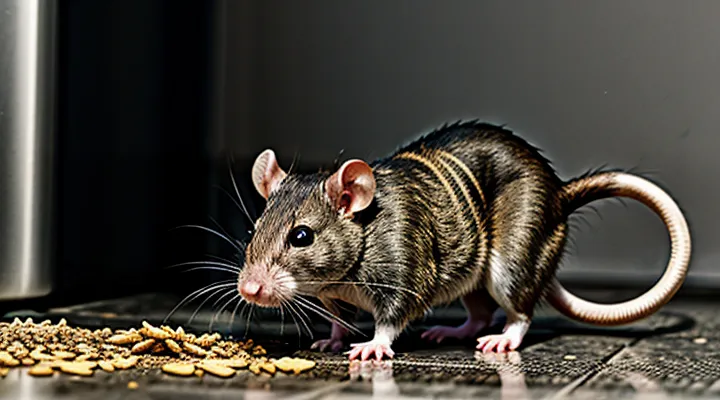
The Importance of Proper Rat Nutrition
Essential Nutritional Components for Rats
Protein Requirements
Rats require a diet that supplies approximately 14–16 % protein on a dry‑matter basis. For an adult laboratory rat weighing 250 g, this translates to about 3.5–4 g of protein per day. Juvenile rats growing rapidly need 18–20 % protein, equivalent to 4.5–5 g daily for a 150 g pup.
Protein intake can be calculated by multiplying the animal’s body weight (in kilograms) by the desired protein percentage and the daily feed amount. Example: a 0.30 kg rat, fed 20 g of food per day at 15 % protein, receives 3 g of protein (0.30 kg × 0.15 × 20 g = 3 g).
Common protein sources and typical contribution per 100 g of feed:
- Soybean meal: 44 g protein
- Fish meal: 60 g protein
- Dried whey: 78 g protein
- Cooked egg white: 11 g protein
When formulating a diet, ensure the total protein from all ingredients meets the target range without exceeding 20 % to avoid renal stress. Regular monitoring of body condition and growth rates confirms adequacy of the protein provision.
Fat Requirements
Rats require dietary fat to supply essential fatty acids and to support energy balance. Approximately 5–10 % of a rat’s total caloric intake should come from fat; this range meets the needs of both adult and growing individuals without encouraging excessive weight gain.
For a typical laboratory rat weighing 250 g, the daily caloric requirement is about 55 kcal. Applying the 5–10 % guideline translates to 2.8–5.5 kcal from fat, which corresponds to roughly 0.3–0.6 g of lipid material per day. Smaller juveniles (≈100 g) need 1.2–2.4 g of fat, while larger adults (≈500 g) require up to 1.2 g.
Key considerations for selecting fat sources include:
- Essential fatty acids – linoleic (omega‑6) and α‑linolenic (omega‑3) acids must be present; commercial rodent chow typically supplies these in the correct ratio.
- Saturated vs. unsaturated – a balance favors unsaturated fats to maintain membrane fluidity; excessive saturated fat can predispose to obesity.
- Digestibility – animal‑derived fats (e.g., lard, fish oil) are more readily absorbed than some plant oils; however, fish oil provides higher omega‑3 content.
When formulating a homemade diet, add a measured amount of high‑quality oil (such as soybean or safflower) to achieve the target gram range. Verify the total fat contribution by calculating the oil’s caloric density (9 kcal g⁻¹) and adjusting the overall feed volume accordingly.
Monitoring body condition scores weekly helps ensure the fat intake remains appropriate. If a rat shows signs of excess adiposity, reduce the fat component by 0.1–0.2 g and increase the proportion of lean protein or fiber to maintain overall caloric balance.
Carbohydrate Requirements
Rats require a steady supply of carbohydrates to meet their high metabolic rate. Typical laboratory and pet rat diets contain 45–55 % carbohydrate on a dry‑matter basis, providing the primary energy source for locomotion, thermoregulation, and growth.
- Daily gram requirement: For an adult rat weighing 250 g, the recommended intake is about 20–25 g of carbohydrates per day. Juvenile rats (150 g) need roughly 12–15 g, while larger breeding females (350 g) may require up to 30 g.
- Calculation method: Multiply the rat’s body weight in kilograms by 0.08–0.09 kg carbohydrate per kilogram of body weight. Example: 0.25 kg × 0.08 = 0.02 kg = 20 g.
- Energy contribution: Each gram of carbohydrate supplies 4 kcal. A 250 g rat therefore obtains 80–100 kcal from carbs, representing the bulk of its 250–300 kcal daily energy budget.
- Sources: Commercial rodent pellets, whole grains (oats, barley), and fresh vegetables (sweet potatoes, carrots) provide digestible carbohydrates. Avoid high‑sugar treats that can cause rapid glucose spikes and obesity.
- Adjustments: Increase carbohydrate intake for highly active or breeding rats; reduce for sedentary or overweight individuals. Monitor body condition and adjust the proportion of carbs within the total diet accordingly.
Providing the appropriate carbohydrate amount ensures stable blood glucose, supports normal brain function, and prevents metabolic disorders while fitting within the overall daily ration for the animal.
Vitamins and Minerals
A rat’s diet must supply adequate vitamins and minerals to support growth, reproduction, and immune function. These micronutrients are delivered through commercial rodent pellets, fortified treats, and occasional fresh foods. When calculating the total daily ration, the micronutrient content of the chosen feed should meet the species‑specific requirements without excess.
Key vitamins and their typical minimum levels in a balanced diet:
- Vitamin A: 4,000–6,000 IU/kg feed
- Vitamin D3: 1,000–1,500 IU/kg feed
- Vitamin E: 30–50 IU/kg feed
- Vitamin K: 0.5–1 mg/kg feed
- B‑complex (thiamine, riboflavin, niacin, pyridoxine, cobalamin, folic acid, pantothenic acid): each 2–5 mg/kg feed
Essential minerals and their approximate target concentrations:
- Calcium: 0.8–1.2 % of feed weight
- Phosphorus: 0.6–0.9 % of feed weight
- Magnesium: 0.1–0.2 % of feed weight
- Potassium: 0.2–0.4 % of feed weight
- Sodium: 0.1–0.2 % of feed weight
- Iron: 80–120 mg/kg feed
- Zinc: 30–50 mg/kg feed
- Copper: 5–10 mg/kg feed
- Manganese: 10–20 mg/kg feed
- Selenium: 0.05–0.15 mg/kg feed
Commercial rodent blocks are formulated to meet these benchmarks when fed at the recommended daily amount, typically 5–7 g for an adult rat weighing 250–300 g. If supplemental fresh produce is added, adjust the pellet portion to keep total intake within the caloric range of 15–20 kcal per day, ensuring that the overall vitamin and mineral supply remains within the target levels.
Monitoring signs of deficiency—such as poor coat condition, growth retardation, or abnormal bone development—guides adjustments. Laboratory analysis of feed can verify nutrient concentrations when precise formulation is required.
Determining Daily Food Portions
Factors Influencing Food Intake
Rat Age and Developmental Stage
Rats undergo rapid physiological changes from birth to old age, and each phase demands a distinct amount of food to sustain growth, maintenance, and reproductive health. Neonates (0‑3 weeks) rely almost entirely on maternal milk; once weaned, they require a diet that supplies roughly 15‑20 g of high‑quality pelleted feed per 100 g of body weight each day. Juveniles (3‑6 weeks) increase intake to 20‑25 g per 100 g body weight as skeletal and muscular development accelerates. Adolescents (6‑12 weeks) reach peak growth velocity; daily consumption typically ranges from 30‑35 g per 100 g body weight, supporting organ expansion and hormone production. Adult rats (3‑12 months) stabilize at 25‑30 g per 100 g body weight, matching steady metabolic rates and activity levels. Seniors (over 12 months) often experience reduced appetite and slower metabolism; a safe range is 20‑25 g per 100 g body weight, adjusted for health status.
- Neonatal: maternal milk only; weaning begins at 3 weeks.
- Juvenile (3‑6 weeks): 15‑20 g/100 g body weight.
- Adolescent (6‑12 weeks): 30‑35 g/100 g body weight.
- Adult (3‑12 months): 25‑30 g/100 g body weight.
- Senior (12+ months): 20‑25 g/100 g body weight, monitor for weight loss.
Strain differences, housing temperature, and activity level modify these figures; for example, highly active or larger‑bodied strains may require up to 10 % more than the baseline. Illness, pregnancy, or lactation further increase demand, necessitating a temporary rise in daily ration.
Adjusting feed quantities in line with developmental stage prevents undernutrition during growth phases and obesity in mature individuals, thereby promoting optimal health and experimental reliability.
Activity Level and Metabolism
Rats with higher activity levels require greater caloric intake because their muscles expend more energy during running, climbing, and foraging. An active adult rat typically consumes 20–25 g of a standard laboratory diet per day, whereas a sedentary counterpart may need only 15–18 g. Metabolic rate varies with age, sex, and strain; younger rats grow rapidly and burn more calories per gram of body weight, while older animals slow their metabolism and require fewer calories.
Key variables that modify daily ration:
- Physical activity – cage enrichment, wheel access, and frequent handling increase energy demand.
- Body temperature – cooler environments raise thermogenic needs; warmer settings reduce them.
- Health status – illness or stress can suppress appetite, while recovery phases elevate nutritional requirements.
- Reproductive status – gestating or lactating females dramatically increase caloric consumption, often exceeding 30 g daily.
Adjust feeding plans by monitoring body weight and condition score. A stable weight within the species‑specific range indicates an adequate ration; weight loss signals insufficient calories, while rapid gain suggests overfeeding. Incremental adjustments of 1–2 g per day allow precise control without causing digestive upset.
When providing supplemental treats or high‑fat foods, reduce the base diet proportionally to maintain overall caloric balance. Consistent measurement of food offered and leftovers ensures accurate assessment of actual intake. This systematic approach aligns daily feeding amounts with the rat’s activity level and metabolic profile.
Health Status and Special Needs
A rat’s nutritional requirements vary with its physiological condition. Healthy adults maintain steady body weight when offered a diet that supplies roughly 15–20 grams of high‑quality pellets per day, supplemented with a small portion of fresh vegetables. Juveniles, pregnant or lactating females, and individuals recovering from illness need increased calories and protein; limiting intake in these cases can impede growth or healing.
- Juvenile rats: add 2–4 grams of protein‑rich food (e.g., boiled egg, lean meat) daily.
- Pregnant or nursing females: increase total dry matter by 20–30 percent; include calcium‑enhanced supplements.
- Ill or convalescent rats: provide easily digestible, low‑fiber meals; offer 5–10 percent more calories than the standard amount.
- Obese or sedentary rats: reduce portion size by 10–15 percent; monitor weight weekly.
Adjustments should be based on regular weight checks and veterinary guidance. Chronic conditions such as diabetes or renal disease demand specific formulae; commercial therapeutic feeds or custom‑prepared diets may be required to meet those specialized needs.
Environmental Conditions
Environmental variables directly affect a rat’s daily caloric requirement. Temperature, humidity, light cycle, and cage dimensions alter metabolism, water loss, and activity, which in turn modify the amount of food needed each day.
Higher ambient temperatures increase heat dissipation demands, reducing the energy the animal must produce for thermoregulation. In warm conditions (above 24 °C), a modest reduction of 5‑10 % in the standard ration is appropriate. Conversely, cooler environments (below 18 °C) raise metabolic rate; an increase of 5‑15 % compensates for the extra heat generation.
Relative humidity influences evaporative cooling and respiratory water loss. Low humidity (under 30 %) accelerates dehydration, prompting a slight rise in water intake and a potential 3‑5 % boost in food to maintain fluid balance. High humidity (above 70 %) can suppress appetite; a corresponding 3‑5 % decrease helps prevent excess weight gain.
Light exposure governs circadian rhythms that regulate feeding behavior. A consistent 12‑hour light/dark schedule supports stable intake patterns. Disruptions or prolonged illumination often lead to hyperphagia; adjusting the daily portion upward by 5 % mitigates weight fluctuations.
Cage size and enrichment affect activity levels. Larger enclosures with climbing structures encourage movement, increasing energy expenditure. For rats housed in spacious, enriched environments, add 5‑10 % to the baseline diet. In confined cages with minimal stimulation, reduce the portion by 5‑10 % to avoid obesity.
Adjustment guidelines
- Temperature > 24 °C: reduce ration 5‑10 %
- Temperature < 18 °C: increase ration 5‑15 %
- Humidity < 30 %: add 3‑5 %
- Humidity > 70 %: subtract 3‑5 %
- Enriched, large cage: add 5‑10 %
- Small, barren cage: subtract 5‑10 %
Applying these modifications ensures that the daily feed quantity remains aligned with the rat’s physiological needs under varying environmental conditions.
Recommended Feeding Guidelines
Commercial Rat Pellets
Commercial rat pellets are formulated to deliver balanced nutrition in a single product, simplifying daily ration calculations. Typical pellets contain 15–20 % protein, 4–6 % fat, and a calibrated blend of vitamins and minerals. Energy density ranges from 3.5 to 4.0 kcal g⁻¹, allowing precise control of caloric intake.
When determining the amount to offer, consider the rat’s body weight, age, and activity level. A general guideline is 0.25 g of pellets per gram of body weight for adult maintenance, adjusted upward for growth or high activity and downward for sedentary or overweight individuals. For example, a 300‑g adult requires approximately 75 g of pellets per day; a 150‑g juvenile in rapid growth may need 50 g.
Feeding schedule influences intake consistency. Providing the total daily portion in two equal meals, morning and evening, reduces waste and encourages steady consumption. If the rat prefers continuous access, split the portion into three smaller servings to prevent overeating.
Key points for accurate feeding:
- Weigh the rat weekly; recalculate portion when weight changes by more than 5 %.
- Monitor pellet consumption for leftovers; adjust portion if more than 10 % remains uneaten.
- Ensure fresh water is always available; dehydration can alter feed efficiency.
- Replace pellets every 2–3 weeks to maintain nutrient potency.
Special cases:
- Pregnant or lactating females may require an increase of 20–30 % above maintenance levels.
- Rats with health issues such as obesity or renal disease should receive reduced protein (10–12 %) and lower caloric density, often achieved by mixing pellets with a high‑fiber, low‑calorie filler.
By applying weight‑based calculations, observing consumption patterns, and adapting to physiological changes, owners can reliably meet the nutritional demands of rats using commercial pellet diets.
Fresh Fruits and Vegetables
Fresh fruits and vegetables should make up a small, controlled portion of a rat’s daily diet. Aim for no more than 10 % of the total caloric intake, which typically translates to 1–2 tablespoons of chopped produce per adult rat each day.
Select items that are low‑sugar, high‑water, and free of toxic compounds. Safe choices include:
- Apple (seedless, skin removed) – ½ teaspoon
- Blueberries – ¼ teaspoon
- Carrot – ½ teaspoon, grated
- Bell pepper – ½ teaspoon, diced
- Cucumber – ½ teaspoon, sliced
- Zucchini – ½ teaspoon, chopped
Avoid citrus, avocado, raw potatoes, and onions, as these can cause digestive distress or toxicity.
Introduce new produce gradually, offering a small amount for a few days before increasing the portion. Observe the rat for signs of diarrhea, weight loss, or reduced appetite; if any appear, reduce or discontinue the offending item.
Wash all fruit and vegetable pieces thoroughly, remove seeds, pits, and skins that are difficult to digest, and serve at room temperature. Store leftovers in a sealed container in the refrigerator and discard any that become soggy or moldy within 24 hours.
Balancing fresh produce with a high‑quality pellet base and occasional protein treats ensures the rat receives essential vitamins, minerals, and fiber without exceeding its daily energy requirements.
Occasional Treats and Supplements
When adding treats or supplements to a rat’s diet, keep the total daily intake within the established nutritional range for the species. Treats should never exceed 10 % of the overall calories consumed in a day; the remaining 90 % must come from a balanced pellet or mash formulated for rodents. Supplements are introduced only when a specific deficiency is identified, and dosage follows veterinary recommendations.
Guidelines for occasional treats:
- Small pieces of fresh fruit (e.g., apple, banana) – no more than one teaspoon per rat, two to three times per week.
- Cooked vegetables (e.g., carrot, broccoli) – one teaspoon, limited to twice weekly.
- Commercial rat treats – follow the manufacturer’s serving size, typically 1–2 pieces, not exceeding the 10 % calorie limit.
Guidelines for supplements:
- Calcium powder – 0.1 g per 100 g of base diet, administered under veterinary supervision.
- Vitamin D3 drops – 0.5 µL per kilogram of body weight, only when a deficiency is confirmed.
- Probiotic capsules – one capsule per five rats, mixed into the regular feed.
Monitor weight and behavior after each addition. If a rat shows signs of over‑eating, weight gain, or digestive upset, reduce or discontinue the extra items immediately. Regular health checks ensure that occasional indulgences support, rather than compromise, the animal’s overall well‑being.
Common Feeding Mistakes to Avoid
Overfeeding and Obesity Risks
Health Consequences of Obesity
Feeding a rat an excessive daily ration accelerates weight gain, which triggers a cascade of physiological disruptions. Elevated adiposity compromises metabolic regulation, leading to insulin resistance and hyperglycemia. Persistent hyperglycemia predisposes the animal to type 2 diabetes, characterized by impaired glucose tolerance and pancreatic β‑cell dysfunction.
Excess body fat also strains the cardiovascular system. Hypertrophic cardiac muscle, elevated blood pressure, and dyslipidemia increase the risk of myocardial infarction and stroke. Musculoskeletal load rises, causing joint degeneration, reduced mobility, and heightened susceptibility to fractures.
Additional adverse outcomes include:
- Hepatic steatosis and impaired liver function
- Suppressed immune response, elevating infection risk
- Hormonal imbalances affecting reproduction and fertility
- Shortened lifespan due to cumulative organ failure
Accurate calculation of daily feed amounts, based on body weight, activity level, and life stage, mitigates these risks and promotes optimal health in laboratory and pet rats.
Strategies for Portion Control
Accurate portion control prevents obesity, maintains growth, and supports digestive health in laboratory and pet rats. Begin by establishing the target caloric range based on weight, age, and activity level; average adult rats require 30–35 kcal per 100 g of body mass. Convert this figure into gram equivalents of the chosen diet, then apply the following tactics:
- Weigh each serving with a digital scale before placement in the cage. Record the weight to create a repeatable baseline.
- Divide the daily allotment into multiple small meals (e.g., three to four) to mimic natural foraging behavior and reduce binge eating.
- Use calibrated dispensers that release a fixed volume of kibble or pellet per activation, ensuring consistency across days.
- Separate high‑energy treats from the main ration and limit them to a predetermined percentage (no more than 5 % of total calories).
- Monitor leftovers daily; adjust the next day’s portion if excess remains, indicating overestimation, or if the cage is empty, indicating underestimation.
- Implement a feeding log that tracks weight, consumption, and any changes in body condition, enabling data‑driven refinements.
Consistent measurement, scheduled distribution, and systematic record‑keeping together form an effective framework for controlling rat portions while meeting nutritional requirements.
Underfeeding and Malnutrition
Signs of Underfeeding
Rats that receive insufficient calories exhibit distinct physical and behavioral changes that indicate a nutritional deficit. Recognizing these signs early prevents health complications and supports proper growth.
- Noticeable weight loss or failure to gain weight despite normal activity levels.
- Dull, coarse fur that lacks the usual glossy appearance.
- Decreased activity, lethargy, or reluctance to explore the enclosure.
- Reduced food intake, often accompanied by selective eating of high‑fat treats while ignoring standard pellets.
- Increased aggression or irritability toward handlers and cage mates.
- Frequent grooming of the tail and hindquarters, sometimes leading to hair loss in those areas.
- Delayed wound healing and susceptibility to infections, evident from prolonged redness or swelling after minor injuries.
- Abnormal stool consistency, ranging from very soft to watery, reflecting impaired digestion.
Observing any combination of these indicators should prompt a reassessment of the rat’s daily ration, ensuring that caloric and nutrient requirements are met. Adjustments may involve increasing portion size, offering higher‑energy foods, or consulting a veterinarian for a tailored feeding plan.
Impact on Growth and Well-being
Feeding quantity directly determines a rat’s rate of growth, body composition, and disease resistance. Adequate caloric intake supports muscle development, while excess calories accelerate fat accumulation and strain cardiovascular function. Protein levels above the minimum requirement promote skeletal muscle synthesis and faster weight gain, but insufficient protein limits growth despite adequate energy.
Key nutritional parameters for a healthy adult laboratory rat (approximately 250–300 g) are:
- Energy: 15–20 kcal per 100 g body weight per day (≈ 38–60 kcal total).
- Protein: 20–24 % of dietary calories (≈ 4–5 g protein daily).
- Fat: 5–10 % of calories (≈ 2–3 g fat daily).
- Fiber: 5 % of diet mass to maintain gastrointestinal motility.
- Water: 30–40 ml per 100 g body weight, supplied continuously.
Puppy rats (21‑day old) require 25–30 kcal per 100 g and a higher protein proportion (≈ 28 %) to sustain rapid tissue formation. Juvenile rats (30‑45 days) transition to adult values over a two‑week period; feeding schedules should be adjusted accordingly to avoid stunted growth or obesity.
Insufficient feeding results in reduced body weight, delayed sexual maturation, and weakened immune response, increasing susceptibility to infections. Overfeeding produces excessive adiposity, impairs glucose tolerance, and predisposes to metabolic disorders. Balanced rations therefore maintain optimal growth curves and preserve physiological stability.
Monitoring body weight weekly, recording food consumption, and adjusting portions based on growth trends ensure that dietary provision remains aligned with the animal’s developmental stage and health status.
Unsuitable Foods for Rats
Toxic and Harmful Ingredients
When planning a rat’s daily ration, eliminating toxic and harmful ingredients is as critical as measuring the correct amount of food. Even small quantities of certain substances can cause acute illness or long‑term health problems, compromising the nutritional balance intended for each day’s intake.
- Chocolate, especially dark varieties, contains theobromine, which can lead to rapid heart rate, tremors, and seizures.
- Caffeine, found in coffee, tea, and many sodas, triggers hyperactivity, increased respiration, and cardiac arrhythmia.
- Alcohol, even in diluted form, depresses the central nervous system and may result in hypothermia or death.
- High‑salt foods such as processed meats or chips cause electrolyte imbalance, dehydration, and kidney strain.
- Artificial sweeteners, particularly xylitol, produce a rapid drop in blood sugar, leading to weakness and potential liver failure.
- Raw beans, especially kidney beans, contain lectins that damage intestinal lining and can cause severe vomiting and diarrhea.
- Citrus peels and seeds introduce essential oil compounds that irritate the digestive tract and may cause liver toxicity.
Symptoms of ingestion include loss of appetite, lethargy, abnormal breathing, watery or bloody stools, and sudden weight loss. If any of these signs appear after a feeding session, remove the offending food immediately and consult a veterinarian.
Safe feeding practices involve selecting commercially formulated rodent pellets free of the listed substances, supplementing with fresh vegetables and fruits known to be non‑toxic, and verifying ingredient lists on treats. Portion sizes should be adjusted to meet the rat’s age, weight, and activity level, ensuring that the total daily calories come exclusively from safe, nutritionally balanced sources.
Foods to Offer in Moderation
Rats require a balanced diet that includes a limited portion of high‑fat, high‑sugar, and high‑salt foods. These items should be offered sparingly to prevent obesity, dental problems, and organ stress.
- Nuts and seeds – rich in fat; provide no more than a teaspoon per day.
- Cheese – high in protein and calcium; limit to a small cube (≈5 g) occasionally.
- Fruit – contains natural sugars; offer a few bite‑size pieces, such as a slice of apple or a few berries, no more than twice weekly.
- Cooked meats – lean protein source; give a thin strip (≈2–3 g) once or twice a week, avoiding processed or seasoned varieties.
- Commercial treats – often contain added sugars and fats; restrict to one or two pieces per week.
Including these foods in moderation complements the primary diet of commercial pellets and fresh vegetables, helping maintain optimal weight and health while preventing nutritional imbalances. Adjust quantities based on the individual rat’s size, activity level, and overall condition.
Practical Tips for Feeding Your Rat
Establishing a Regular Feeding Schedule
A consistent feeding routine provides the baseline needed to determine an accurate daily ration for a pet rat. Regular intervals eliminate variables that could skew weight monitoring and health assessments.
Implement the schedule as follows:
- Choose two fixed times each day, ideally eight to twelve hours apart, and maintain them even on weekends.
- Measure the exact amount of food for each session with a calibrated kitchen scale; typical adult rats require 15‑20 g of a balanced pellet mix per day, divided equally between the two feedings.
- Record the weight of the rat before the first feeding and after the second feeding to verify that the intake matches the target range.
- Adjust portions only after a minimum of one week of stable measurements, increasing or decreasing by 2‑3 g as needed to maintain ideal body condition.
- Keep the feeding area clean; remove leftover food within 30 minutes to prevent overconsumption and spoilage.
By adhering to these steps, caretakers create a predictable pattern that supports precise calculation of daily nutrient requirements and promotes stable growth and health.
Monitoring Food Consumption and Weight
Accurate measurement of a rat’s food intake and body weight provides the data needed to establish an appropriate daily ration. Record the amount of feed offered and the leftover after a 24‑hour period; the difference represents actual consumption. Use a calibrated scale with a precision of at least 0.1 g to ensure reliable readings.
Maintain a weight log that includes the rat’s body mass at the same time each day, preferably in the morning before feeding. Track changes over a minimum of two weeks to identify trends. A stable weight within ±5 % of the target range indicates that the current feeding level meets the animal’s metabolic needs.
Key practices for monitoring:
- Weigh feed before presentation and after the observation period.
- Record body weight daily, using the same scale and technique.
- Calculate average daily intake by summing consumption over several days and dividing by the number of days.
- Compare weight trends to intake data; adjust portions if weight deviates beyond the acceptable range.
- Document environmental factors (temperature, cage size) that may influence metabolism.
Consistent data collection enables precise adjustments to the feeding schedule, ensuring optimal health and preventing under‑ or over‑nutrition.
Water Availability and Hydration
Rats require a reliable source of clean water each day to maintain physiological balance. An adult laboratory rat weighing approximately 300 g typically drinks 30–45 ml of water, while a smaller pet rat may consume 15–25 ml. Water intake scales with body mass, environmental temperature, and diet moisture content.
- Ambient temperature above 22 °C increases evaporative loss, raising daily water needs by up to 20 %.
- High‑fiber or dry pellets provide less intrinsic moisture, prompting higher supplemental drinking.
- Exercise, stress, and illness can cause rapid fluctuations in consumption; a sudden drop often signals dehydration.
Ensure continuous availability by using a sipper bottle with a stainless‑steel or glass nozzle, cleaned and refilled at least once daily. Position the bottle where the rat can easily reach it without obstruction, and verify that the tubing remains unblocked. Avoid water bowls that can be tipped or contaminated with bedding.
Monitor intake by recording the volume removed each day. A consistent decline of more than 10 % warrants immediate health assessment. Replace stagnant water promptly; microbes proliferate within hours at room temperature and can compromise hydration.
Providing adequate water alongside appropriate food quantities supports normal renal function, thermoregulation, and overall wellbeing in rats.
Introducing New Foods Gradually
When a rat’s diet is altered, the safest method is to add new items in small portions over several days. This approach limits gastrointestinal disturbance and encourages the animal to accept unfamiliar flavors.
A typical daily ration for an adult rat ranges from 20 g to 30 g of mixed pellets, supplemented with fresh produce. Introduce any novel food at no more than 5 % of that total amount, increasing the share by the same proportion each day until the target quantity is reached.
- Day 1–2: Offer 1 g of the new item mixed into the regular feed.
- Day 3–4: Raise the portion to 2 g, maintaining the original diet.
- Day 5–6: Increase to 3 g, observing the rat’s reaction.
- Day 7 onward: Adjust to the desired final amount, not exceeding 10 % of the overall daily intake.
During the transition, record the rat’s stool consistency, appetite, and activity level. Any signs of diarrhea, reduced consumption, or lethargy require a pause in the introduction and a return to the previous diet composition. Once the new food is fully integrated, it can replace an equivalent portion of the standard pellets, preserving the overall caloric balance.
Addressing Specific Dietary Concerns
Pregnant and Nursing Rats
Pregnant and nursing rats require a significant increase in caloric intake to support fetal development and milk production. The basal diet for an adult rat is approximately 20 g of high‑quality pellet food per day; during gestation this should be raised to 30–35 g, and during lactation to 40–45 g, depending on the litter size. Protein content must rise from the standard 14 % to at least 18 % to supply essential amino acids for tissue growth.
Key adjustments include:
- Pellet quantity: increase by 50 % in the second half of pregnancy; double the amount in the first two weeks of lactation.
- Fresh vegetables: provide 10–15 g of leafy greens (e.g., kale, romaine) daily for vitamins and fiber.
- Supplementary treats: offer small portions (5 g) of boiled egg, low‑fat cheese, or plain yogurt to boost calcium and vitamin D.
- Water: ensure continuous access; lactating females may consume up to 30 ml per day, double the normal rate.
Weight monitoring is essential. A pregnant rat should gain roughly 2–3 g per week; rapid loss or excessive gain indicates dietary imbalance. During nursing, the dam’s weight typically stabilizes or declines slightly as milk output increases; a sustained loss beyond 5 % of pre‑lactation weight warrants dietary reassessment.
Fiber should remain at 5–7 % of the total diet to maintain gastrointestinal health. Avoid high‑fat or sugary items, as they can lead to obesity and reduce reproductive efficiency. Regularly replace fresh foods to prevent spoilage and maintain nutrient potency.
By adhering to these quantitative guidelines, caretakers ensure optimal health for both the mother and her offspring, promoting robust growth and minimizing complications associated with nutritional deficiencies.
Young and Growing Rats
Young rats require more calories per gram of body weight than adults because they are building tissue, supporting rapid growth, and maintaining high metabolic rates. Energy intake is measured in kilocalories, but practical feeding schedules are expressed in grams of commercial rodent chow or equivalent fresh food.
Key factors that determine daily consumption include:
- Age in weeks (pre‑weaning, weaning, post‑weaning)
- Body weight (grams)
- Strain and genetic background
- Ambient temperature and housing density
- Activity level and health status
For laboratory strains such as Sprague‑Dawley or Wistar, the following approximate ranges apply:
| Age (weeks) | Average body weight (g) | Daily chow amount (g) |
|---|---|---|
| 2–3 (pre‑weaning) | 15–25 | 2–4 (provided via dam’s milk) |
| 3–4 (weaning) | 30–45 | 5–7 |
| 4–6 (post‑weaning) | 50–80 | 8–12 |
| 6–8 (juvenile) | 90–120 | 12–16 |
These values assume a standard pelleted diet containing 3.0–3.5 kcal/g. Adjustments are necessary when using high‑protein or low‑fat formulations; increase the gram amount proportionally to maintain the target caloric intake of 12–15 kcal per 10 g of body weight.
Practical feeding guidelines:
- Offer fresh chow twice daily to prevent spoilage and encourage consistent intake.
- Monitor body weight weekly; a gain of 2–3 g per day indicates adequate nutrition for young rats.
- Supplement with small quantities of soft foods (e.g., boiled egg, yogurt) only if weight gain stalls, not as a regular replacement.
- Ensure constant access to clean water; dehydration reduces food consumption dramatically.
Accurate daily feeding amounts prevent undernutrition, which can impair skeletal development and immune function, and avoid overfeeding, which predisposes to obesity and metabolic disorders. Regular weight checks and adherence to the outlined gram ranges provide a reliable framework for maintaining optimal growth trajectories in young rodents.
Senior Rats with Changing Needs
Senior rats experience metabolic slowdown, reduced activity, and dental wear that alter their nutritional requirements. Energy intake should decline gradually after the first year of life, typically to 70‑80 % of the amount provided to a young adult of the same weight. For a 300‑gram rat, this translates to roughly 15–20 grams of high‑quality pelleted food per day, measured by weight rather than volume.
Protein levels remain essential for tissue maintenance, but excess protein can stress aging kidneys. A diet containing 18‑20 % protein, sourced from a reputable rat pellet, satisfies these needs without overburdening renal function. Supplementary fresh vegetables—such as carrot, broccoli, or leafy greens—should be limited to 5 grams daily to provide fiber and micronutrients while preventing caloric excess.
Key adjustments for older rats:
- Portion timing: Offer food in two smaller meals, 12 hours apart, to accommodate slower digestion.
- Texture: Soften dry pellets with a few drops of water or provide a mash to assist rats with worn incisors.
- Hydration: Ensure constant access to fresh water; consider a water bottle with a low‑profile spout to reduce spillage.
- Weight monitoring: Weigh the rat weekly; a stable weight within ±5 % of the target indicates appropriate feeding.
- Health checks: Adjust portions upward if the rat shows signs of weight loss, lethargy, or poor coat condition; reduce if obesity or fatty liver signs appear.
Veterinary guidance becomes increasingly valuable as age progresses. Regular examinations allow precise calibration of caloric intake, detection of age‑related diseases, and recommendations for specialized supplements, such as omega‑3 fatty acids for joint health. By tailoring daily rations to the physiological changes of senior rats, owners can sustain optimal health and quality of life.
Rats with Allergies or Sensitivities
Rats that exhibit allergic reactions or heightened sensitivities require a carefully calibrated daily ration to avoid exacerbating health issues while still meeting nutritional demands.
Typical adult rats consume roughly 15‑20 % of their body weight each day; for a 300‑gram animal this translates to 45‑60 grams of food. When an allergy or intolerance is present, the upper limit should be reduced by 10‑20 % and the diet should consist of ingredients proven to be non‑reactive for the individual.
Common triggers include wheat‑based pellets, soy protein, dairy products, and certain nuts. Environmental allergens such as dust or wood shavings can also provoke gastrointestinal upset, indirectly influencing appetite and nutrient absorption.
Practical adjustments:
- Replace standard pellets with a limited‑ingredient formula that excludes known allergens.
- Incorporate a measured amount of fresh, plain vegetables (e.g., carrots, broccoli) to supply fiber without introducing common proteins.
- Offer a small portion of hypoallergenic protein source, such as boiled egg white or low‑fat, plain cottage cheese, in quantities not exceeding 5 grams per day.
- Provide constant access to filtered water; avoid flavored or sugary liquids.
- Eliminate bedding that generates dust; opt for paper‑based or aspen shavings.
Continuous monitoring is essential. Record body weight each morning, observe stool consistency, and note any changes in activity or grooming behavior. A stable or gradually increasing weight indicates that the adjusted daily intake satisfies the rat’s metabolic needs despite the dietary restrictions. If weight loss or persistent symptoms occur, further reduction in portion size and a veterinary consultation are warranted.