
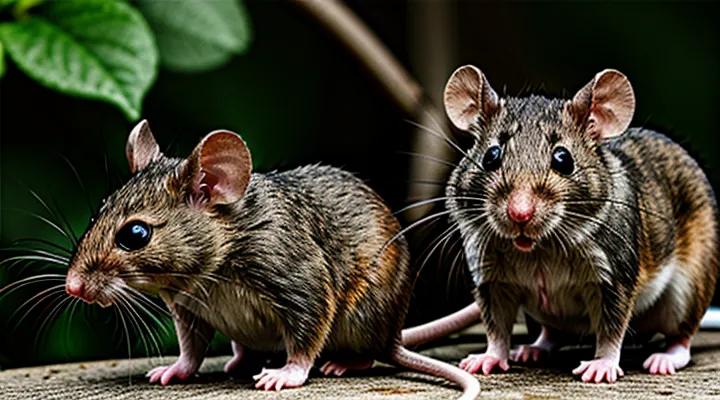
The Basics of Mouse Reproduction
Sexual Maturity and Breeding Age
Mice reach sexual maturity rapidly, with most laboratory strains attaining reproductive capability between 5 and 7 weeks of age. The onset of fertility coincides with the first estrous cycle in females and the emergence of functional spermatozoa in males. Hormonal shifts, notably the rise in gonadotropin‑releasing hormone, trigger ovarian follicle development and spermatogenesis, establishing the physiological readiness for breeding.
Key parameters influencing breeding age include:
- Strain variation: Hybrid and outbred lines often mature later (6–8 weeks) than inbred laboratory strains (4–6 weeks).
- Environmental factors: Ambient temperature, photoperiod, and nutrition can accelerate or delay maturation; optimal conditions typically shorten the interval to sexual readiness.
- Sex differences: Male mice generally become fertile slightly earlier than females, reflecting the earlier appearance of mature sperm cells.
Breeding programs exploit this narrow window by pairing sexually mature individuals promptly after the first estrus, maximizing litter size and minimizing inter‑litter intervals. Early breeding, however, may compromise offspring viability if parental body condition is insufficient; thus, a balance between age and health status is essential for sustainable colony management.
The Estrus Cycle of Female Mice
Proestrus: Preparing for Mating
Proestrus marks the transition from the inactive diestrus phase to a state of heightened reproductive readiness in female mice. During this interval, ovarian follicles enlarge under the influence of rising follicle‑stimulating hormone (FSH), leading to a surge in estradiol production. Elevated estradiol triggers a positive feedback loop that stimulates luteinizing hormone (LH) release, preparing the hypothalamic‑pituitary axis for the forthcoming ovulatory event.
Physiological changes accompany the hormonal shift. Vaginal epithelium proliferates, becoming cornified and increasing in thickness, a transformation detectable through microscopic examination of vaginal smears. Cervical mucus becomes more abundant and less viscous, facilitating sperm transport. Simultaneously, the uterine lining proliferates, establishing a receptive environment for potential implantation.
Behavioral modifications reflect the animal’s readiness to mate. Female mice exhibit increased locomotor activity, heightened scent marking, and a pronounced lordosis response when presented with a male. These responses are amplified as estradiol peaks, ensuring optimal timing for copulation.
Key characteristics of proestrus can be summarized:
- Rapid follicular growth and estradiol rise
- LH surge initiation
- Cervical mucus alteration to a fertile consistency
- Cornified vaginal epithelium detectable by smear
- Enhanced sexual receptivity and lordosis behavior
Collectively, these changes synchronize ovarian, uterine, and behavioral systems, positioning the female for successful mating and subsequent conception.
Estrus: The Receptive Phase
Estrus marks the period when a female mouse is physiologically prepared to mate. Hormonal cues, primarily a surge in luteinizing hormone (LH) triggered by rising estradiol, initiate ovulation and the opening of the vaginal epithelium. The receptive window lasts 4–6 hours and typically occurs during the early dark phase, aligning with the species’ nocturnal activity.
During estrus, the vaginal opening swells, and the mucosal surface becomes moist and pliable. These changes facilitate sperm transport and increase the likelihood of successful copulation. Behavioral cues include increased locomotion, frequent scent marking, and a pronounced lordosis response to male advances.
Key characteristics of the estrus phase in mice:
- Hormonal profile: Peak estradiol → LH surge → ovulation.
- Physical signs: Vaginal swelling, secretions, reddened mucosa.
- Timing: Early night, 4–6 hours duration, repeats every 4–5 days in the estrous cycle.
- Behavioral markers: Elevated activity, intensified pheromone release, lordosis posture.
Detection methods rely on vaginal cytology, observing the proportion of cornified epithelial cells, and monitoring body temperature fluctuations. Accurate identification of estrus enables precise timing of breeding experiments and enhances reproductive efficiency in laboratory colonies.
Metestrus and Diestrus: Post-Mating Phases
Metestrus begins within hours after copulation, marking the transition from the fertile window to a luteal phase. Progesterone secretion rises as the corpus luteum forms, while estrogen levels decline. The uterine epithelium shifts from a proliferative to a secretory state, preparing the endometrium for potential implantation. Cervical mucus becomes less watery and more viscous, reducing sperm transport.
Diestrus follows metestrus and constitutes the longest interval of the cycle, typically lasting 12–14 days in laboratory mice. Progesterone remains the dominant hormone, sustaining the uterine lining and inhibiting further ovulation. The corpus luteum persists, providing a stable hormonal environment. If fertilization occurred, embryos may enter the uterus during this period; otherwise, the luteal tissue regresses, progesterone drops, and the cycle re‑initiates.
Key characteristics of the post‑mating phases:
- Hormonal profile: rapid progesterone increase, gradual estrogen decline.
- Uterine changes: secretory endometrium, reduced receptivity after implantation window.
- Reproductive outcome: support for embryo development or luteolysis leading to a new estrous cycle.
Understanding metestrus and diestrus is essential for interpreting breeding efficiency, timing of embryo collection, and the effects of experimental manipulations on rodent reproductive physiology.
Mating and Fertilization in Mice
Courtship Behaviors
Mice initiate mating through a series of rapid, stereotyped interactions that ensure synchronization of reproductive readiness. The male approaches the female, often after detecting pheromonal cues in her urine, and performs a brief, high‑frequency ultrasonic vocalization that signals intent. Upon close proximity, the male engages in a “neck‑grab” behavior, gripping the female’s nape with his forepaws while mounting. This action stabilizes the pair and triggers the female’s estrous receptivity.
Key components of the courtship sequence include:
- Ultrasonic vocalizations: Emitted by males at 30–110 kHz, these calls stimulate female locomotor activity and increase oxytocin release.
- Sniffing and scent marking: Both sexes investigate each other’s scent glands; males may deposit flank gland secretions on the female to convey dominance.
- Chasing and circling: Males pursue females in short bursts, interspersed with pauses that allow the female to assess male vigor.
- Mounting and intromission: After successful neck‑grab, the male aligns his pelvis with the female’s, delivering one or more intromissions spaced by brief intervals.
- Post‑copulatory grooming: Following ejaculation, males often groom the female’s genital area, reducing the risk of pathogen transmission.
These behaviors occur primarily during the female’s estrus phase, which lasts 4–6 hours. Frequency and intensity of courtship actions correlate with ambient temperature and photoperiod, reflecting environmental modulation of reproductive timing.
The Act of Copulation
Mice engage in a brief, stereotyped series of actions that constitute copulation. The male initiates contact by detecting pheromonal signals released by a female in estrus. Upon approach, the male performs a series of rapid sniffing and grooming movements that culminate in mounting. During mounting, the male grasps the female’s neck with his forepaws and aligns his genitalia with the female’s vaginal opening.
The copulatory act proceeds through the following phases:
- Intromission: Penile insertion occurs within seconds of mounting; the male’s baculum (penile bone) provides rigidity.
- Ejaculation: Occurs after one to three intromissions; seminal fluid is deposited in the uterine horn.
- Post‑ejaculatory grooming: Both partners engage in self‑cleaning, reducing the risk of pathogen transmission.
The entire sequence typically lasts 2–5 minutes, though it may be repeated several times within a single estrous episode. Hormonal regulation, chiefly by testosterone in males and estrogen in females, governs the readiness for copulation. Neural circuits in the hypothalamus and amygdala coordinate the motor patterns required for successful intromission.
Successful copulation results in fertilization of ova released during the female’s proestrus phase. Timing aligns with the peak of luteinizing hormone surge, ensuring that sperm encounter mature oocytes within the optimal fertility window.
Sperm Transport and Fertilization
Mice generate sperm within the seminiferous tubules of the testes, where spermatogonia undergo mitosis and meiosis to become haploid spermatids. After release, spermatids travel to the epididymis, where they acquire motility and structural stability. The epididymal epithelium supplies proteins and lipids essential for membrane remodeling, preparing sperm for the forthcoming journey.
During ejaculation, peristaltic waves in the vas deferens propel mature sperm into the urethra. Contractions of the accessory sex glands add seminal fluid rich in fructose, prostaglandins, and proteins that sustain motility and protect sperm from oxidative stress. The mixed ejaculate is deposited in the female reproductive tract shortly after copulation.
Inside the female, sperm encounter the uterine environment, where they undergo capacitation—a series of biochemical alterations that enhance membrane fluidity and increase calcium influx. Capacitation readies sperm for the acrosome reaction, a rapid exocytosis of the acrosomal vesicle that releases hydrolytic enzymes.
Fertilization proceeds through the following sequence:
- Sperm bind to the zona pellucida of the oocyte via specific glycoprotein receptors.
- The acrosome reaction degrades the zona matrix, allowing penetration.
- One sperm reaches the oolemma, fuses with the plasma membrane, and injects its nucleus.
- Male and female pronuclei migrate, align, and fuse, establishing the zygote.
These events complete the transfer of genetic material from male to female, initiating embryonic development in the mouse.
Gestation and Development
Pregnancy Duration
The gestation period of laboratory mice averages 19 to 21 days, with a typical range of 18–22 days depending on strain and environmental conditions. This interval represents the complete embryonic development from fertilization to parturition and is markedly shorter than that of larger rodents such as rats, whose gestation lasts approximately 21–23 days.
Factors influencing the duration include:
- Genetic background: inbred strains (e.g., C57BL/6) often exhibit a more consistent 19‑day gestation, while outbred stocks may extend to 22 days.
- Maternal age: younger females (<8 weeks) tend toward the lower end of the range; older breeders can experience slight prolongation.
- Nutritional status: caloric restriction or excessive weight gain can shift the timeline by ±1 day.
- Ambient temperature: temperatures below 20 °C may delay parturition, whereas optimal housing (22–24 °C) supports the standard period.
During the final days of pregnancy, fetal growth accelerates sharply. By day 15, organogenesis is complete, and the embryos acquire hair follicles and functional lungs. By day 18, the pups gain the ability to thermoregulate, and the uterus prepares for delivery through increased prostaglandin synthesis.
Accurate knowledge of the 19‑21‑day gestation window is essential for experimental planning, timing of interventions, and interpretation of developmental outcomes in mouse models.
Embryonic and Fetal Development Stages
Mice fertilize within the oviduct, producing a zygote that immediately begins rapid mitotic divisions. The first 24 hours generate a compact morula, which reorganizes into a blastocyst composed of an inner cell mass and a surrounding trophoblast. By day 3.5 post‑conception the blastocyst implants into the uterine epithelium, establishing maternal–fetal contact.
During embryogenesis (days 4–10) the inner cell mass undergoes gastrulation, forming the three germ layers—ectoderm, mesoderm, and endoderm. Sequential morphogenetic events produce a primitive neural tube, early heart tube, and somite pairs. By day 12 the embryo displays recognizable limb buds, facial prominences, and a functional circulatory loop. Organogenesis proceeds rapidly; by day 15 most major organs are structurally defined, and the embryo transitions to the fetal phase.
Fetal development (days 16–20) emphasizes growth and functional maturation. Key processes include:
- Expansion of neural circuits and myelination of axons.
- Differentiation of renal tubules and acquisition of glomerular filtration capacity.
- Maturation of pulmonary epithelium, surfactant production, and alveolar septation.
- Accumulation of adipose tissue and glycogen stores for postnatal energy demands.
By day 19 the fetal mouse exhibits coordinated movements, a closed abdominal wall, and fully formed sensory organs. The final 24 hours involve preparation for parturition: uterine contractions increase, hormonal shifts trigger cervical dilation, and the neonate is born with a fully functional set of organ systems ready for independent life.
Nutritional Needs During Pregnancy
Pregnant mice experience a rapid rise in metabolic demand, requiring adjustments to diet that support embryonic growth and maternal health. Energy intake must increase by 30‑40 % relative to non‑pregnant levels, achieved through higher carbohydrate and fat content in the feed. Protein requirements rise to approximately 20 % of the diet, providing essential amino acids for tissue synthesis.
Key micronutrients include:
- Calcium (1.2 % of diet) for skeletal development and milk production.
- Phosphorus (0.8 %) to complement calcium and support bone mineralization.
- Iron (80 ppm) to prevent anemia and facilitate oxygen transport.
- Zinc (30 ppm) for enzyme function and immune competence.
- Folic acid (2 ppm) to reduce neural tube defects.
- Vitamin A (4 000 IU/kg) for visual and cellular differentiation.
- Vitamin D (1 200 IU/kg) to enhance calcium absorption.
- Vitamin E (100 IU/kg) as an antioxidant protecting membranes.
- Essential fatty acids (omega‑3 and omega‑6) in a 1:1 ratio for neural development.
Water consumption rises proportionally, demanding constant access to clean sources. Commercial rodent chow formulated for breeding colonies typically meets these specifications; however, supplementation with soy protein isolate, lactalbumin, or casein can improve outcomes in high‑density breeding programs. Monitoring body condition scores and litter size provides feedback on nutritional adequacy, allowing timely diet modifications throughout the 19‑ to 21‑day gestation period.
Parturition: The Birth Process
Signs of Imminent Birth
Mice reach parturition after a gestation of 19‑21 days. The final 24‑48 hours are marked by observable changes that signal imminent delivery.
- Nest construction intensifies; females gather bedding, arrange it in a compact dome, and may line the interior with soft material.
- Abdominal enlargement becomes pronounced as fetuses shift into a dorsal position, creating a visible bulge near the lumbar region.
- Vulvar swelling and a pinkish discoloration appear, indicating increased blood flow and preparation for the birth canal.
- Mammary glands enlarge and may exude a milky secretion, reflecting rising prolactin levels.
- Behavioral restlessness emerges; the female frequently rotates, shifts position, and may emit vocalizations.
- Food intake often declines, while water consumption may increase, reflecting hormonal modulation.
- Temperature regulation changes; body temperature may drop slightly as the onset of labor approaches.
These indicators, observed collectively, provide a reliable forecast of delivery timing, allowing researchers and caretakers to prepare appropriate support and minimize stress for the dam and her litter.
The Birthing Event
Mice give birth after a gestation period of 19–21 days, a rapid cycle that allows multiple litters each year. The dam prepares a nest of soft material—shredded paper, cotton, or plant fibers—where she will remain largely immobile during parturition. Contractions begin with a brief period of restlessness, followed by a series of rhythmic expulsions that deliver pups one at a time, typically at intervals of 2–5 minutes.
Each litter contains 4–12 neonates, though extreme cases range from 2 to 14. Newborns are altricial: blind, hairless, and weighing 1–2 g. The dam cleans each pup with her mouth, stimulating respiration and circulation. She then positions the litter in a compact mound, maintaining a constant temperature of approximately 30 °C through body heat and occasional huddling.
Key aspects of the birthing event include:
- Timing: Gestation 19–21 days; delivery spans 30–90 minutes.
- Litter size: Average 6–8 pups; variation reflects genetics and nutrition.
- Maternal care: Immediate licking, umbilical cord removal, and nest consolidation.
- Pup viability: Survival hinges on prompt maternal attention and nest insulation.
Post‑delivery, the dam remains in the nest for 24–48 hours, nursing frequently and limiting external disturbances. This intensive care phase establishes the foundation for rapid growth, with pups gaining weight threefold by day 10 and achieving independence around day 21.
Pups at Birth: Appearance and Condition
Newborn mouse pups emerge naked, hairless, and blind. Their bodies measure approximately 1.5 cm in length and weigh between 0.8 and 1.2 g, depending on species and litter size. Skin appears pinkish‑white and is covered by a thin, translucent membrane that dries within hours after birth. Eyes remain closed for the first 10–14 days, and ear pinnae are undeveloped, providing no external auditory function until later stages.
Key physical attributes at birth include:
- Lack of fur: Pups are initially devoid of definitive coat; a fine lanugo appears around day 7.
- Closed eyes: Vision does not develop until the second week, limiting sensory interaction.
- Undeveloped limbs: Limbs are proportionally short, with limited motor control; coordination improves gradually.
- Thermoregulation: Body temperature regulation is immature; pups rely on maternal warmth and nest insulation.
- Nutritional dependence: Stomach and intestinal tracts are functional but require frequent suckling of maternal milk for growth.
Conditionally, pups are altricial: they cannot thermoregulate, feed, or defend themselves independently. Rapid weight gain occurs during the first week, driven by high‑protein milk. Maternal grooming maintains hygiene and stimulates elimination. By the end of the third week, fur covers the body, eyes open, and the young become capable of limited self‑care, marking the transition toward independence.
Postnatal Care and Development of Pups
Nursing and Weaning
Mice provide their newborns with a single, highly nutritious milk that meets all early metabolic requirements. The dam’s mammary glands enlarge within 24 hours after parturition, and prolactin-driven secretions begin immediately. Milk composition shifts from colostrum, rich in immunoglobulins, to mature milk containing high levels of lactose, lipids, and proteins that support rapid growth.
Pup development during the nursing period follows a predictable schedule. By day 3, forelimb coordination improves; by day 7, eyes open and thermoregulation stabilizes. The dam continues to stimulate suckling through frequent, brief nursing bouts, typically lasting 2–4 minutes each, distributed across the 24‑hour cycle.
Weaning commences when pups can ingest solid food and digest it independently. Critical milestones include:
- Day 14: Initiation of solid food intake, reduction in nursing frequency.
- Day 18–21: Majority of pups consume solid diet; nursing sessions become sporadic.
- Day 21: Complete cessation of nursing for most individuals; dams begin to reject suckling attempts.
Physiological changes accompany weaning. The dam’s prolactin levels decline, mammary tissue involutes, and energy allocation shifts from lactation to self‑maintenance. Pups exhibit increased gastrointestinal enzyme activity, enabling efficient carbohydrate and protein digestion from solid feed.
Successful transition from milk dependence to solid nutrition ensures survival and prepares juveniles for the subsequent reproductive cycle.
Parental Care Behaviors
Mice exhibit a compact suite of parental behaviors that ensure offspring survival from birth to weaning. The female constructs a nest of shredded material shortly before parturition, providing thermal insulation and protection against predators. Immediately after delivery, she cleans each pup with her forepaws, stimulating respiration and eliminating birth fluids.
Lactation follows a strict schedule: pups receive milk every 2–3 hours, and the dam adjusts milk composition in response to litter size and pup growth rate. When a pup strays from the nest, the mother retrieves it by scent tracking and carries it back in her mouth. This retrieval behavior reduces exposure to hypothermia and predation.
During the first week, the dam’s grooming intensifies, removing debris and reinforcing the nest’s integrity. She also emits ultrasonic vocalizations that promote pup arousal and coordinated suckling. As pups mature, the mother gradually reduces nursing frequency, encouraging the development of independent foraging skills.
Male mice typically contribute little direct care, but in certain strains they assist with nest maintenance and pup guarding, thereby lowering maternal workload and enhancing litter cohesion. The combined effect of these behaviors results in rapid pup growth, with weaning occurring around 21 days postpartum.
Rapid Growth and Development of Young
Mice give birth to altricial young that undergo a markedly accelerated developmental trajectory. Gestation lasts approximately 19‑21 days, and each neonate emerges weighing 1‑2 g, fully dependent on maternal care.
Within the first 24 hours, pups locate the dam’s nipples and begin suckling, securing the primary nutrient source. By day 3, the coat transitions from sparse lanugo to denser fur, providing thermal insulation. Eye opening occurs around day 14, coinciding with the onset of exploratory behavior and the emergence of coordinated locomotion.
Weaning typically completes by day 21, when solid food supplants milk and the gastrointestinal tract adapts to digest complex carbohydrates and proteins. Sexual maturation follows rapidly; females can enter estrus as early as six weeks, and males exhibit sperm production by eight weeks.
Key developmental milestones:
- Day 1: attachment to nipples, initiation of milk intake
- Day 3–5: fur densification, thermoregulation improvement
- Day 10–12: emergence of whisker tactile response
- Day 14: eye opening, visual acuity development
- Day 21: complete weaning, independent foraging
- Week 6–8: reproductive competence
The compressed timeline maximizes population turnover, allowing rodents to exploit favorable environmental conditions efficiently.
Factors Influencing Reproductive Success
Environmental Conditions
Mice adjust their breeding activity according to external cues. Optimal temperature ranges between 20 °C and 26 °C accelerate estrous cycles, while temperatures below 15 °C prolong the interval between ovulations. Photoperiod length influences hormone release; long days (≥14 h of light) increase the frequency of estrus, whereas short days suppress it.
Nutritional availability directly affects reproductive readiness. High‑energy diets elevate leptin levels, facilitating the onset of puberty and shortening the luteal phase. Protein deficiency delays first estrus and reduces litter size. Adequate water intake is necessary for proper uterine environment; dehydration impairs implantation.
Humidity exerts moderate influence. Relative humidity of 40–60 % supports normal sperm motility and embryonic development. Excessive moisture (>80 %) promotes fungal growth, increasing reproductive tract infections that can abort gestation.
Social environment shapes mating patterns. High population density raises stress hormones, leading to estrus suppression and increased male aggression. Conversely, stable group composition with limited competition encourages frequent copulation and larger litters.
Key environmental parameters can be summarized:
- Temperature: 20–26 °C → shorter cycles; <15 °C → longer cycles
- Light exposure: ≥14 h → increased estrus; ≤10 h → reduced activity
- Diet: high calories → earlier puberty; protein shortage → delayed estrus
- Humidity: 40–60 % → optimal; >80 % → infection risk
- Social density: low stress → regular cycles; high stress → estrus inhibition
Maintaining these conditions in laboratory or captive settings ensures predictable reproductive performance and maximizes litter output.
Diet and Nutrition
The reproductive efficiency of mice depends heavily on the quality and composition of their diet. Adequate nutrition supplies the energy and building blocks required for oocyte development, successful mating, embryo implantation, and post‑natal growth.
Female mice entering estrus require increased caloric intake to support follicular maturation. Protein levels of 18–20 % of total diet provide essential amino acids for hormone synthesis and tissue repair. Fat supplies long‑chain polyunsaturated fatty acids that influence prostaglandin production, a factor in ovulation and uterine receptivity.
Key micronutrients affect reproductive outcomes:
- Vitamin E: antioxidant protection of oocytes, reduces oxidative stress during gestation.
- Vitamin A: regulates epithelial differentiation in the reproductive tract.
- Folate: supports DNA synthesis in rapidly dividing embryonic cells.
- Zinc: cofactor for enzymes involved in steroidogenesis.
- Calcium and phosphorus: maintain skeletal integrity of both dam and offspring.
During gestation, energy demands rise by approximately 30 % compared to non‑reproductive periods. Diets that maintain a stable glucose supply prevent fetal growth restriction. Lactating females require additional calcium (up to 0.8 % of diet) to sustain milk production; insufficient intake leads to decreased pup weight and survival.
Male mice benefit from diets rich in omega‑3 fatty acids, which improve sperm membrane fluidity and motility. Deficiencies in selenium or vitamin C correlate with reduced sperm count and increased DNA fragmentation.
Commercial rodent feeds are formulated to meet these requirements, but experimental protocols often adjust nutrient levels to examine specific reproductive effects. Researchers must monitor body condition, litter size, and pup growth to assess whether dietary modifications achieve the intended reproductive outcomes.
Genetics and Health
Mice transmit genetic information through a well‑defined meiotic process. Each gamete carries a haploid set of chromosomes, ensuring that offspring receive one copy of every autosome and a single sex chromosome from each parent. Allelic segregation follows Mendelian ratios, enabling predictable inheritance of traits such as coat color, ear morphology, and susceptibility to metabolic disorders.
The genetic composition of litters directly influences health status. Common hereditary conditions include:
- Polycystic kidney disease, linked to mutations on chromosome 1
- Progressive retinal degeneration, associated with the rd1 allele
- Obesity‑prone phenotypes, driven by variations in the leptin receptor gene
These disorders manifest early in development, often affecting growth rate, immune competence, and reproductive success. Heterozygous carriers may appear phenotypically normal while transmitting disease alleles to subsequent generations.
Laboratory colonies rely on genetic monitoring to maintain experimental validity. Routine genotyping, health surveillance, and selective breeding prevent the accumulation of deleterious mutations. Accurate pedigree records allow researchers to isolate genetic variables, thereby improving the reliability of studies on reproductive physiology and disease models.
Reproductive Strategies and Population Dynamics
High Reproductive Rate
Mice achieve extraordinary reproductive output through a combination of physiological and behavioral traits. Females reach sexual maturity at five to six weeks, begin cycling within days, and can conceive immediately after giving birth. The estrous cycle lasts four to five days, with a receptive phase that occupies roughly twelve hours, allowing near‑daily opportunities for fertilization.
Key reproductive parameters:
- Gestation period: 19–21 days.
- Litter size: average 5–12 pups; extremes reach 15.
- Litters per year: 5–10, depending on environmental conditions.
- Postpartum estrus: occurs within 24 hours after parturition.
- Male sexual readiness: fully functional by eight weeks, capable of continuous mating.
High fecundity results from a short gestation, minimal parental care, and rapid ovarian turnover. Each ovulation yields multiple ova, and implantation efficiency exceeds 80 %. The small body size reduces energetic costs of gestation, while a high basal metabolism supports accelerated tissue growth.
Consequences include exponential population increase under favorable conditions, making mice prolific colonizers of habitats and reliable laboratory models. Effective management of wild and captive populations relies on understanding these intrinsic reproductive capacities.
Impact on Ecosystems
Mice breeding cycles generate rapid population increases that alter community composition. High reproductive rates produce dense populations that consume large quantities of seeds, insects, and plant material, reducing vegetation cover and shifting plant species dominance. In agricultural settings, these fluctuations translate into measurable crop losses and increased need for pest management.
- Predator populations respond to mouse abundance; raptors, snakes, and small carnivores experience growth when mice are plentiful, then decline as mouse numbers fall.
- Soil structure is affected by burrowing activity; extensive tunnel networks enhance aeration but also increase erosion risk on disturbed ground.
- Disease dynamics shift with mouse density; pathogens such as hantavirus and plague bacteria find more hosts, raising transmission probability to other wildlife and humans.
- Competitive interactions intensify; mice outcompete other granivores for limited resources, potentially displacing native rodent species.
Overall, the reproductive output of mice exerts pressure on trophic links, habitat integrity, and disease ecology, producing cascading effects throughout ecosystems.
Control of Mouse Populations
Effective management of mouse numbers relies on understanding their breeding patterns, gestation length, and litter size. Females can conceive shortly after weaning, producing multiple litters per year; each litter may contain three to twelve pups. This rapid turnover creates exponential growth when resources are abundant, making timely intervention essential.
Population control strategies fall into three categories: environmental modification, biological suppression, and chemical deterrence.
- Environmental modification: Eliminate food sources, seal entry points, and maintain low humidity to reduce shelter suitability.
- Biological suppression: Introduce sterilized males to compete with fertile males, or employ pheromone‑based disruption of mating behavior.
- Chemical deterrence: Apply rodenticides in accordance with regulatory guidelines, using bait stations that limit non‑target exposure.
Monitoring protocols should include regular trap counts, inspection of nesting sites, and seasonal assessment of reproductive peaks. Data gathered informs adjustment of control measures, ensuring they remain proportional to population dynamics and prevent resurgence.
Integrated approaches combine at least two methods, reinforcing each other’s effectiveness while minimizing ecological impact. Continuous evaluation and adaptation preserve long‑term reduction of mouse infestations.