
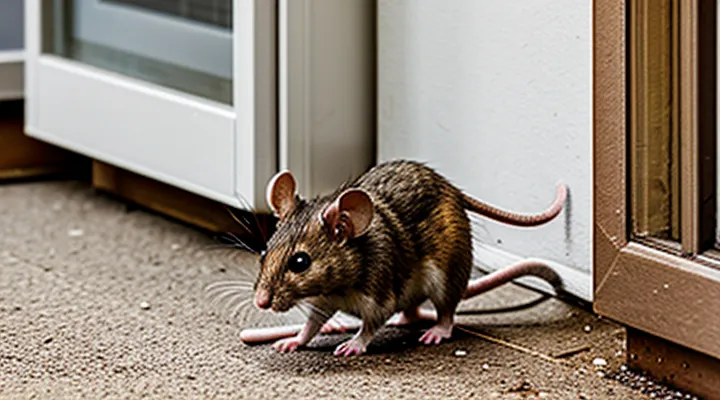
Understanding the Mouse Invasion Phenomenon
Why Mice Seek Shelter in Apartments
«Seasonal Factors»
Mice respond to temperature shifts, food availability, and nesting opportunities, making «Seasonal Factors» a primary driver of indoor incursions.
During colder months, rodents seek shelter from low outdoor temperatures, increasing pressure to locate gaps in building envelopes. Cracks around windows, foundation seams, and utility penetrations become preferred entry points. Limited natural food sources push mice to explore kitchens, pantries, and storage areas, where waste and unsecured containers provide sustenance.
Warmer seasons trigger breeding cycles, resulting in larger populations and heightened movement. Spring rains elevate ground moisture, softening soil and facilitating burrow expansion toward building foundations. Summer heat intensifies foraging activity, prompting mice to exploit open doors, ventilation openings, and poorly sealed exterior screens.
Effective mitigation aligns with seasonal patterns:
- Inspect and seal exterior openings before winter, focusing on window frames, door thresholds, and utility conduits.
- Store food in airtight containers, reduce clutter, and maintain regular cleaning to eliminate attractants throughout the year.
- Conduct foundation and landscaping assessments in early spring; repair cracks, grade soil away from walls, and trim vegetation that contacts the building.
- Install metal mesh or fine screening on vents and exhaust fans before summer, ensuring no gaps remain.
Monitoring mouse activity across seasons enables timely interventions, reducing the likelihood of permanent infestation.
«Food Scarcity in Outdoor Environments»
Mice enter residential units when external food supplies become insufficient. When natural foraging areas fail to provide adequate nutrition, rodents expand their search radius and target human habitats where food is readily available.
Factors that diminish outdoor nourishment include seasonal depletion of seeds and insects, heightened competition among rodent populations, and reduced waste accessibility due to effective municipal collection. Each element increases the pressure on mice to locate alternative sources.
Preventive actions focus on eliminating indoor attractions and reinforcing barriers:
- Store pantry items in airtight containers made of metal or heavy‑wall plastic.
- Remove food crumbs and spills promptly; clean countertops, floors, and appliance exteriors after each use.
- Dispose of garbage in sealed bins and relocate receptacles away from building walls.
- Install metal mesh or steel wool in gaps around pipes, vents, and foundation cracks.
- Maintain landscaping by trimming vegetation that provides cover near building perimeters.
By addressing «Food scarcity in outdoor environments» and securing interior food stores, the likelihood of rodent intrusion diminishes markedly.
«Need for Warmth and Shelter»
Mice seek environments that provide consistent warmth and reliable shelter. Temperature fluctuations outside a building, especially during colder months, create a strong incentive for rodents to search for indoor spaces where heat is maintained by heating systems and insulated walls. The presence of food sources and reduced exposure to predators further enhances the appeal of residential interiors.
The need for warmth drives mice to exploit structural gaps. Common entry points include:
- Cracks around foundation walls and floor joists
- Unsealed gaps around utility penetrations, such as pipes and cables
- Openings behind appliances that generate heat, like refrigerators and dryers
These vulnerabilities allow rodents to move from exterior habitats into heated rooms, where they can establish nests and reproduce.
Preventive measures focus on eliminating access to thermal refuge. Effective actions include:
- Sealing all cracks larger than ¼ inch with steel wool and caulk or expanding foam.
- Installing metal flashing around utility entries to block rodent passage.
- Maintaining exterior insulation and repairing damaged siding to reduce heat loss.
- Ensuring that doors and windows close tightly, using weatherstripping where necessary.
By removing the conditions that satisfy the rodents’ requirement for warmth and shelter, the likelihood of indoor intrusion diminishes significantly.
Common Entry Points for Mice
«Structural Gaps and Cracks»
Structural gaps and cracks in walls, floors, and foundations create openings large enough for mice to squeeze through. These openings arise from building settlement, material fatigue, and inadequate installation of fixtures. Gaps around pipe penetrations, vent shafts, and door frames often develop when joints contract or when sealants deteriorate over time. Cracks caused by temperature fluctuations or ground movement further compromise the integrity of the building envelope.
Common sources of these defects include:
- Settlement of foundation after construction
- Aging of plaster, drywall, and concrete
- Improperly fitted window or door frames
- Unsealed utility penetrations
- Damage from pest activity or water intrusion
Effective prevention focuses on eliminating access points and reinforcing vulnerable areas. Recommended actions are:
- Apply high‑quality silicone or acrylic caulk to all visible seams and joints.
- Insert steel wool or copper mesh into narrow gaps before sealing to deter chewing.
- Use expanding polyurethane foam for larger openings, ensuring the foam cures fully.
- Repair cracks in masonry or drywall with appropriate filler and a protective coat of paint.
- Conduct a quarterly inspection of the building envelope, documenting any new openings for immediate remediation.
By systematically sealing «structural gaps and cracks», the likelihood of mouse intrusion diminishes dramatically, protecting the interior environment from contamination and damage.
«Utility Line Openings»
Utility line openings refer to gaps, holes, or poorly sealed joints where electrical, plumbing, or communication cables enter an apartment building. These penetrations often occur at exterior walls, foundation slabs, and service shafts. When sealing is inadequate, the voids create direct pathways for rodents.
Mice exploit utility line openings because the diameter of many cables matches the size of a mouse’s body. Gaps as small as ¼ inch permit entry, especially when insulation or conduit is missing. The warmth generated by active lines and the proximity to food sources increase the attractiveness of these routes.
Detection of compromised utility line openings includes visual inspection of exterior wall cavities, probing with a flexible rod, and monitoring for gnaw marks around conduit sleeves. Infrared cameras can reveal heat signatures of rodents moving within concealed spaces.
Prevention measures:
- Install steel‑capped conduit sleeves that extend at least 2 inches beyond the exterior wall surface.
- Apply fire‑rated, rodent‑resistant sealant around all cable entries.
- Conduct quarterly inspections of all utility penetrations and reseal any identified gaps.
- Replace damaged or deteriorated cable jackets with hardened, metal‑clad alternatives.
- Install metal mesh screens over larger service openings, ensuring mesh size does not exceed ¼ inch.
By addressing «Utility Line Openings» with robust sealing, regular maintenance, and durable materials, the risk of rodent intrusion through these vulnerable points can be substantially reduced.
«Doors and Windows»
Mice frequently exploit gaps around «Doors and Windows» to gain access to residential units. Small openings, misaligned frames, and deteriorated seals create pathways that rodents can squeeze through, often unnoticed by occupants. Weather stripping that is cracked or missing, as well as insufficient overlap between door panels and thresholds, reduces the effectiveness of barriers. Windows left partially open, especially those with screens in disrepair, provide additional entry points.
Preventive actions focus on eliminating these vulnerabilities:
- Inspect door frames annually; replace worn weather stripping and adjust hinges to ensure a tight seal.
- Install door sweeps that extend to the floor, covering the gap between the bottom edge and the threshold.
- Verify that all window screens are intact; repair tears or replace screens as needed.
- Use mesh covers on ventilation openings near doors and windows; secure them with stainless‑steel staples to resist gnawing.
- Apply rodent‑resistant caulk around perimeter joints, paying particular attention to areas where walls meet door or window frames.
- Keep exterior vegetation trimmed; vines and shrubs that touch doors or windows can guide mice to entry points.
Regular maintenance of «Doors and Windows» reduces the likelihood of rodent intrusion and supports broader efforts to protect indoor environments from infestation.
«Drain Pipes and Sewers»
Mice exploit the network of drain pipes and sewers as direct pathways into residential units. Small size, flexible bodies, and the ability to climb smooth surfaces enable rodents to travel through vertical stacks, horizontal branches, and utility connections without detection. Gaps around pipe penetrations, cracked seals, and uncovered clean‑out openings provide entry points that bypass typical wall and floor barriers. Accumulated debris, grease buildup, and moisture create attractive environments that encourage mice to linger and breed within the plumbing system, increasing the likelihood of migration into living spaces.
Prevention measures focus on eliminating structural vulnerabilities and reducing habitat suitability:
- Inspect all pipe penetrations for gaps; seal openings with stainless‑steel mesh, silicone caulk, or cementitious filler.
- Replace cracked or deteriorated pipe sleeves and ensure tight-fitting couplings.
- Install covers on clean‑out access points, using lockable, rust‑resistant lids.
- Maintain regular cleaning of drains to remove food residues and prevent biofilm formation.
- Ensure proper slope and flow in waste lines to discourage water stagnation.
- Conduct periodic visual checks of under‑sink cabinets and behind appliances for signs of gnawing or droppings.
Implementing these actions creates a continuous barrier that restricts rodent movement through the plumbing infrastructure, substantially lowering the risk of interior infestation.
«Vents and Chimneys»
Mice exploit vents and chimneys because these structures provide direct routes from the exterior to interior spaces. The typical mouse can squeeze through openings as small as ¼ inch, allowing entry through gaps around vent louvers, damaged chimney crowns, and missing or cracked caps.
Vulnerabilities often include:
- Unsealed gaps between vent ducts and wall framing
- Cracked or eroded chimney crowns that expose the flue
- Absence of a chimney cap or use of a damaged cap
- Loose or missing metal flashing around vent openings
Preventive actions focus on sealing and protecting these points:
- Install metal mesh (¼‑inch or smaller) over all vent openings, securing it with stainless‑steel screws.
- Apply high‑quality, weather‑resistant caulk to seal gaps around vent ducts and flashing.
- Replace damaged chimney crowns and install a properly fitted chimney cap with a mouse‑proof screen.
- Conduct regular inspections of vent and chimney assemblies, repairing cracks or corrosion promptly.
- Use steel wool or copper mesh to fill small holes before applying sealant, ensuring a durable barrier.
Implementing these measures reduces the likelihood that rodents will use ventilation and chimney pathways to infiltrate residential units.
Strategies for Prevention and Control
Eliminating Attractants
«Proper Food Storage»
Mice are attracted to readily accessible food sources; eliminating those sources reduces the incentive to breach walls, gaps, and openings. Secure containers prevent scent trails that guide rodents into living spaces.
Key practices for effective food protection include:
- Store dried goods in airtight, metal or heavy‑plastic containers with sealed lids.
- Keep pet food in sealed bins; discard leftovers promptly.
- Refrigerate perishable items and place them on shelves, not on countertops.
- Clean crumbs and spills immediately; sweep and mop floors regularly.
- Use pantry doors that close tightly; install latches if necessary.
Implementing these measures removes the primary lure that motivates rodents to explore entry points. By denying scent cues and easy nourishment, the likelihood of mice penetrating an apartment declines markedly.
«Waste Management»
Proper waste handling directly influences the likelihood of rodent intrusion in residential units. Food remnants and improperly sealed trash containers create attractive foraging sites, encouraging mice to explore building interiors. Accumulated waste in communal areas, such as hallways or laundry rooms, provides consistent nourishment, reducing the distance rodents must travel to reach individual apartments.
Effective waste management involves several practical steps:
- Store garbage in containers with tight‑fitting lids; inspect seals regularly for damage.
- Remove waste from apartments at least once daily; avoid overnight accumulation.
- Position collection bins away from building entrances and ensure they are kept clean of spills.
- Implement routine cleaning of communal disposal areas, using disinfectants to eliminate residual odors.
- Provide residents with clear guidelines on proper food waste segregation and disposal methods.
By eliminating easy food sources, the incentive for mice to seek entry points diminishes. Sealed containers also prevent rodents from exploiting gaps in trash bags as passageways. Regular inspection of waste storage facilities allows early detection of gnaw marks or nesting material, facilitating timely repairs to structural vulnerabilities such as cracked doors or unscreened vents.
Integrating these measures into building maintenance policies creates a systematic barrier against rodent infiltration. Consistent enforcement, combined with resident education, sustains a hygienic environment that discourages mice from targeting apartments for nourishment and shelter.
«Pet Food Handling»
Pet food left uncovered or stored in easily accessible containers provides a reliable food source that encourages rodents to explore apartments. Food odors permeate through gaps in doors, windows, and vents, guiding mice toward the kitchen and pantry areas. When pet meals are placed on the floor or in open bowls, crumbs and spills create additional attractants that facilitate rodent entry and establishment.
Effective prevention focuses on eliminating food-based incentives. Recommended practices include:
- Store dry kibble in airtight metal or heavy‑plastic containers with a rubber seal.
- Transfer only the portion needed for each feeding into a shallow dish; return the remainder to the sealed container immediately after use.
- Clean feeding areas after each meal, removing crumbs and wiping surfaces with a mild detergent.
- Dispose of leftover food and packaging in a sealed trash can that features a tight‑closing lid.
- Position feeding stations away from walls and entry points; elevate dishes on a stable platform to reduce spillage.
By controlling the availability and accessibility of pet food, the primary motivation for mouse intrusion diminishes, complementing structural sealing and sanitation measures aimed at deterring rodent activity throughout the residence.
«Removing Water Sources»
Mice seek moisture to sustain metabolism and to locate food. Leaking pipes, damp basements, and standing water in sinks create reliable hydration points, encouraging rodents to enter apartments and establish nests. By eliminating these water sources, the incentive for intrusion diminishes significantly.
Practical measures to eradicate moisture include:
- Inspecting all plumbing fixtures for drips; repairing leaks promptly.
- Ensuring proper ventilation in bathrooms and kitchens to reduce condensation.
- Using a dehumidifier in areas prone to high humidity, such as closets or utility rooms.
- Emptying pet water bowls nightly and storing them in sealed containers.
- Removing standing water from plant saucers and cleaning up spills immediately.
Regular monitoring of moisture levels and swift correction of any wet spots maintain an environment hostile to rodents, thereby supporting broader pest‑prevention strategies.
Securing Your Apartment
«Sealing Entry Points»
Effective mouse control begins with eliminating the pathways that allow rodents to enter living spaces. Identifying potential openings requires a systematic inspection of the building envelope, including walls, floors, ceilings, and utility penetrations. Small gaps around pipes, vents, and wiring conduits often serve as unnoticed access points; even a gap as narrow as a quarter‑inch can admit a mouse.
Sealing measures should employ durable, rodent‑resistant materials. Recommended options include:
- Steel wool tightly packed into gaps, covered with caulk to prevent gnawing.
- Expanding polyurethane foam for irregular openings, applied in thin layers to avoid excess pressure.
- Metal flashing or hardware cloth (¼‑inch mesh) for larger voids around vents and ducts.
- Silicone or acrylic sealants for seams around windows and doors, ensuring complete adhesion.
Application procedures must follow manufacturer guidelines: clean surfaces, remove debris, and allow adequate curing time before restoring normal use. Regular maintenance inspections, conducted at least biannually, verify the integrity of sealed areas and address any new damage caused by building settlement or weathering.
By consistently applying these sealing strategies, the likelihood of mouse intrusion diminishes significantly, supporting broader pest‑management efforts within residential environments.
«Door and Window Maintenance»
Proper door and window maintenance reduces the likelihood of rodent entry into residential units. Seal gaps around frames, hinges, and locks with weather‑stripping or silicone caulk. Install tight‑fitting screens and verify that they are free of tears. Replace worn weather‑proofing materials annually.
Key actions include:
- Inspect all door thresholds for cracks; insert metal or wood filler as needed.
- Ensure that door sweeps contact the floor evenly; adjust or replace when gaps exceed ¼ inch.
- Verify that window sashes close flush; repair or replace compromised seals.
- Apply rodent‑resistant mesh to ventilation openings near doors and windows.
Regular inspection schedules prevent small openings from expanding. A quarterly visual check, followed by immediate remediation of identified defects, maintains an effective barrier against mouse intrusion.
«Addressing Plumbing and Utility Gaps»
Plumbing and utility penetrations constitute common routes for rodent ingress. Open pipe sleeves, cracked conduit seals, and unsealed vent stacks create continuous pathways from building foundations to interior spaces. Moisture accumulation around leaky joints further attracts mice, providing both shelter and a water source.
Typical vulnerabilities include:
- Uncapped drain lines extending through walls or floors.
- Gaps around water heater vent pipes exceeding ¼ inch.
- Deteriorated rubber gaskets on washing‑machine hoses.
- Missing or damaged insulation around electrical conduit that contacts plumbing fixtures.
Mitigation measures:
- Install steel or copper pipe sleeves with tight-fitting collars, securing them with stainless‑steel clamps.
- Apply silicone‑based sealant to all pipe‑to‑wall interfaces, ensuring a gap‑free barrier.
- Replace cracked gaskets with high‑temperature, rodent‑resistant materials.
- Conduct regular inspections of vent stacks, repairing cracks and installing mesh screens sized ≤ ¼ inch.
- Maintain dry conditions by promptly fixing leaks and installing drip‑free connectors.
Consistent implementation of these actions eliminates structural openings that facilitate mouse entry, thereby reducing infestation risk.
Monitoring and Early Detection
«Regular Inspections»
Regular inspections form a cornerstone of any effective mouse‑control strategy. Systematic checks identify entry points, nesting activity, and food sources before infestations become visible.
During each inspection, focus on the following areas:
- Gaps around utility penetrations, such as pipes, cables, and vent ducts.
- Cracks in foundation walls, window frames, and door thresholds.
- Unsealed openings beneath appliances, cabinets, and shelving units.
- Signs of gnaw marks, droppings, or shredded material in concealed spaces.
A practical schedule includes:
- Monthly visual surveys of high‑risk zones.
- Quarterly detailed examinations of structural seams and insulation.
- Annual professional audits that incorporate thermal imaging or rodent‑detection devices.
Documentation of findings supports timely remediation. Seal identified gaps with steel wool, metal flashing, or silicone caulk designed for rodent exclusion. Remove clutter and store food in airtight containers to eliminate attractants. Prompt repair of water leaks further reduces moisture that draws mice.
Consistent adherence to these inspection protocols limits penetration opportunities, curtails population growth, and preserves the integrity of residential environments.
«Signs of Mouse Activity»
«Signs of Mouse Activity»
Rodent presence becomes evident through specific indicators that require immediate attention. Recognizing these signs enables timely intervention and reduces the risk of structural damage and health hazards.
- Small, dark droppings located along walls, behind appliances, or near food sources.
- Gnawed edges on wood, plastic, or electrical wiring, often concentrated at entry points.
- Accumulations of shredded paper, fabric fibers, or dried plant material forming nests.
- Visible footprints or tail marks in dusty areas, especially near baseboards.
- Persistent scratching or scurrying noises occurring at night.
- Unpleasant, oily odor emanating from urine deposits.
- Chewed or contaminated food packaging, with visible residue or gnaw marks.
Each indicator confirms active infestation and should trigger inspection of potential entry routes, sealing of gaps, and deployment of control measures. Immediate response prevents escalation and safeguards the living environment.
Professional Pest Control
«When to Call an Exterminator»
Mice infestations become a professional concern when evidence indicates that self‑managed measures are insufficient. Indicators that warrant immediate contact with a licensed pest‑control provider include:
- Persistent droppings in kitchens, pantries, or storage areas despite regular cleaning.
- Gnaw marks on structural components, wiring, or food packaging that continue after sealing obvious entry points.
- Audible activity during nocturnal hours, especially in walls or ceiling voids, that cannot be located or blocked.
- Damage to insulation, insulation, or electrical systems that poses safety hazards.
- Presence of live or dead mice in multiple rooms, suggesting an established breeding colony.
When any of these conditions persist for more than a week after sealing obvious gaps and implementing traps, professional intervention should be scheduled. An exterminator can conduct a thorough inspection, identify concealed ingress routes, and apply targeted control methods that comply with health and safety regulations. Prompt engagement prevents escalation of damage, reduces the risk of disease transmission, and safeguards property value.
The decision to call an exterminator aligns with the principle of early containment. Delaying treatment often results in exponential population growth, rendering DIY solutions ineffective and increasing remediation costs. Therefore, the moment the infestation displays sustained, multi‑zone activity, or when structural compromise becomes apparent, professional assistance is essential.
«Integrated Pest Management Approaches»
Integrated pest management (IPM) provides a systematic framework for reducing mouse entry into residential units while minimizing reliance on chemical controls. The approach combines preventive measures, continuous monitoring, and targeted interventions to address the factors that attract rodents to indoor environments.
Key elements of an IPM program include:
- Inspection and monitoring – regular visual checks and placement of detection devices to identify activity hotspots.
- Exclusion – sealing gaps, repairing cracks, and installing door sweeps to block entry points.
- Sanitation – eliminating food sources, controlling waste storage, and maintaining clutter‑free zones.
- Mechanical control – deploying snap traps or electronic devices in identified pathways.
- Chemical control – applying baits or rodenticides only after non‑chemical options have been exhausted and in accordance with safety guidelines.
- Biological control – encouraging natural predators, such as barn owls, where feasible, to suppress mouse populations.
Implementation begins with a thorough assessment of building integrity and resident habits, followed by a prioritized action plan that addresses the most critical vulnerabilities. Continuous data collection from monitoring devices informs adjustments to control tactics, ensuring that interventions remain effective over time. By integrating these components, property managers achieve long‑term reduction of mouse incursions while preserving occupant health and safety.