
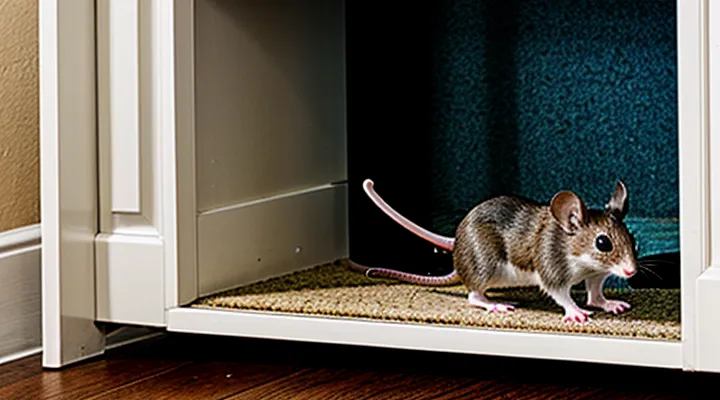
Understanding the Mouse Threat
Why Mice Are Drawn to Apartments
Food Sources
Mice are drawn to residential units primarily by accessible nutrition. When food is left unsecured, the risk of rodent infiltration rises sharply.
Typical attractants include:
- Cereals, rice, pasta, and other dry grains stored in open containers.
- Processed snacks, candy, and baked goods that emit strong aromas.
- Pet food left in bowls or cabinets, especially high‑protein formulas.
- Fresh fruit, vegetables, and leftovers that decompose quickly.
- Household waste, particularly food scraps in unsealed trash cans.
- Small‑package items such as crackers, chips, and instant meals lacking tight seals.
Improper storage creates scent trails that mice follow from entry points such as gaps around pipes, vents, or doors. Sealing containers, promptly disposing of waste, and maintaining a clean kitchen surface eliminate these cues, reducing the incentive for rodents to breach an apartment’s perimeter.
Shelter and Warmth
Mice seek indoor shelter to avoid predators, weather, and temperature fluctuations. Access points such as cracks, gaps around pipes, and openings beneath doors provide the entry routes they exploit.
Inside an apartment, rodents occupy spaces that offer protection from disturbance and retain heat. Common locations include wall cavities, attic or roof voids, behind refrigerators and stoves, inside cabinets, and within insulation material. These areas conceal movement, allow nesting, and limit exposure to human activity.
Warmth reduces the energy mice must expend to maintain body temperature. Heated rooms, appliances that generate heat, and insulated walls create micro‑climates that attract rodents. Nesting material mixed with warm surfaces enables rapid breeding cycles and survival through cold periods.
Practical steps to remove shelter and warmth opportunities:
- Seal all exterior cracks larger than ¼ inch with steel wool and caulk.
- Install door sweeps and weather stripping to block gaps beneath entry doors.
- Relocate firewood, stored boxes, and laundry away from walls; keep them elevated on platforms.
- Insulate pipes and vent ducts with rigid foam to eliminate hidden cavities.
- Maintain indoor temperatures at moderate levels; avoid excessive heating in unused rooms.
- Store food in sealed containers; clean crumbs and spills promptly to eliminate secondary attractants.
Eliminating concealed spaces and reducing heat sources deprives mice of the conditions they require for shelter and warmth, thereby preventing their establishment in residential units.
Water Access
Mice are drawn to any reliable source of moisture inside a dwelling. Leaking fixtures, such as dripping faucets, cracked pipe joints, or faulty shower valves, create a continuous supply of water that can sustain a small rodent population. Condensation that forms on cold surfaces—windows, walls, or air‑conditioning coils—provides intermittent droplets that mice can exploit, especially in poorly ventilated rooms. Pet water dishes left uncovered for extended periods serve as an accessible reservoir, while over‑watered houseplants release excess moisture into the soil and surrounding air.
Common indoor water sources that facilitate mouse entry:
- Leaky pipes or fittings in kitchens, bathrooms, and utility closets.
- Dripping faucets, showerheads, or toilet tanks.
- Condensation on windows, walls, or HVAC equipment.
- Uncovered pet water bowls or bowls placed near entry points.
- Over‑watered indoor plants and saucers that retain water.
Preventive measures focus on eliminating these moisture points. Repair all leaks promptly, tighten fittings, and replace corroded components. Install faucet aerators to reduce drip frequency. Use drip trays beneath appliances and regularly inspect them for signs of water buildup. Keep pet water containers sealed when not in use and position them away from doors and windows. Limit plant watering to the minimum required and empty saucers after each watering cycle. By removing readily available water, the incentive for mice to penetrate structural gaps diminishes, reducing the likelihood of infestation.
Common Mouse Species in Urban Environments
Urban apartments host a limited set of mouse species that have adapted to human structures and food sources. Their biology, behavior, and tolerance for indoor environments determine how they gain access to residential units.
- House mouse (Mus musculus) – Small, gray‑brown fur, average length 6–9 cm. Thrives on stored grains, crumbs, and waste. Easily traverses gaps as narrow as 6 mm and climbs vertical surfaces using sharp claws.
- Deer mouse (Peromyscus maniculatus) – Light brown to gray coat, length 7–10 cm. Prefers damp basements and utility shafts, moves readily through openings around pipes and vents.
- White‑footed mouse (Peromyscus leucopus) – Similar size to the house mouse, distinct white foot pads. Occupies garden edges, sheds, and can infiltrate apartments via crawl spaces and poorly sealed doors.
- Eastern harvest mouse (Reithrodontomys humulis) – Tiny (4–5 cm), fine fur, favors grassy interiors of balconies and rooftop gardens; exploits gaps in siding and roofing material.
Key traits that enable entry include diminutive body dimensions, flexible skulls allowing passage through irregular apertures, and a propensity for gnawing to enlarge existing cracks. These species exploit utility conduits, vent hoods, and gaps around plumbing, often following the path of least resistance toward food and shelter.
Effective control requires sealing openings larger than 6 mm, installing door sweeps, and maintaining a clean environment that removes attractants. Understanding which mouse species are present in a building informs targeted exclusion measures and reduces the likelihood of indoor infestations.
Entry Points and Access Routes
External Access Points
Gaps in Foundations and Walls
Mice exploit openings in a building’s structural envelope to reach living spaces. Small cracks where the foundation meets the slab, gaps around utility penetrations, and deteriorated wall sheathing provide direct pathways. Even openings as narrow as ¼ inch allow entry, because rodents can compress their bodies to fit through tight spaces.
Typical locations include:
- Expansion joints between concrete footings and exterior walls.
- Spaces around pipe sleeves, electrical conduit, and HVAC ducts.
- Unsealed gaps behind baseboards, crown molding, and trim.
- Cracks in brick veneer, stone cladding, or stucco that expose the interior cavity.
Detection relies on visual inspection and tactile probing. Look for uneven mortar, displaced siding, or visible rodent activity such as gnaw marks and droppings. Use a flashlight to reveal darkness‑filled crevices, and a thin gauge wire to feel for hidden openings.
Effective remediation involves:
- Cleaning the area to remove debris that could conceal gaps.
- Applying steel wool or copper mesh to fill narrow cracks, then sealing with a polymer‑based caulk that remains flexible.
- Installing metal flashing or concrete patching compounds over larger seams, ensuring a tight, weather‑resistant seal.
- Securing all pipe and conduit sleeves with stainless‑steel collars or silicone‑filled sleeves.
Regular maintenance—re‑checking sealed points after seasonal temperature shifts—prevents re‑opening of gaps and reduces the likelihood of future rodent intrusion.
Unsealed Utility Openings
Unsealed utility openings provide direct routes for rodents to infiltrate residential units. Gaps around electrical conduit, plumbing stacks, HVAC ducts, and cable entries often exceed the ¼‑inch clearance that mice can squeeze through. Openings left uncovered after renovation or repair remain exposed to exterior walls, foundations, and crawl spaces, allowing rodents to travel from outdoor voids to interior rooms.
Typical utility penetrations that lack proper sealing include:
- Electrical boxes and breaker panels with missing cover plates.
- Pipe sleeves for water, gas, and sewer lines where the surrounding concrete is cracked.
- HVAC supply and return ducts that intersect exterior walls without fire‑rated collars.
- Cable bundles entering through wall or floor penetrations without grommets or sealant.
Mice exploit these openings by gnawing through soft insulation, pushing aside loose caulking, or navigating existing cracks. Evidence of activity appears as droppings near utility fixtures, gnaw marks on wiring, and nesting material in vent grilles.
Effective mitigation requires sealing each opening to a size smaller than the animal’s body width. Recommended materials are stainless‑steel mesh, hardware cloth, or copper mesh, combined with silicone or polyurethane caulk to fill irregular gaps. For pipe sleeves, expandable foam that hardens around the pipe creates a durable barrier. Electrical conduit should be wrapped with steel wool before applying sealant to prevent future chewing.
Regular inspection of utility penetrations, especially after construction work, reduces the likelihood of rodent entry. Maintaining a sealed envelope around all service lines is a critical component of a comprehensive pest‑prevention strategy.
Damaged Screens and Vents
Damaged window screens create openings that rodents can push through or wedge into. Small tears or loose mesh reduce the barrier’s integrity, allowing a mouse to slip between the frame and the screen material. Once inside, the animal can use the opening to reach interior spaces, food sources, and nesting sites.
Compromised ventilation ducts provide similar pathways. Gaps around vent covers, cracked flues, or missing grilles expose the interior to exterior walls where mice travel. Gaps as narrow as ¼ inch are sufficient for a mouse to pass. When vents are not sealed properly, airflow creates suction that can draw the animal deeper into the building’s cavity system.
Key points for prevention:
- Inspect screens regularly; replace torn or sagging sections promptly.
- Secure vent covers with tight-fitting screws or hardware; replace cracked or corroded parts.
- Apply steel wool or mesh to gaps around vent openings before sealing with caulk.
- Use weather‑stripping around window frames to eliminate additional seams.
Addressing these weak points eliminates common entry routes, reducing the likelihood of infestation.
Open Doors and Windows
Open doors and windows create direct pathways for mouse intrusion. A mouse can pass through openings as small as 1 cm, allowing entry when a door is propped or a window is left ajar. Gaps around frames, unlatched latches, and cracked screens provide unobstructed routes from exterior spaces into interior rooms.
Unsecured openings increase the likelihood of rodents crossing from outdoor habitats to indoor environments. Mice exploit temperature gradients, moving toward warmer interior air, and follow scent trails left by food sources. Once inside, they can navigate through wall voids and ceiling spaces, establishing nests near easily accessible food.
- Door left slightly open for ventilation or pet access
- Window left open without screening or with damaged mesh
- Sliding door with a gap between track and frame
- Door or window latch that fails to secure tightly
- Structural cracks around hinges, weatherstripping, or sill
Each condition reduces the barrier that normally prevents rodents from entering, making prompt sealing essential for effective exclusion.
Internal Pathways
Shared Walls and Ceilings
Shared walls and ceilings create continuous surfaces between neighboring units, allowing rodents to move unseen from one apartment to another. Gaps around plumbing stacks, electrical conduits, and HVAC ducts often go unnoticed during construction, providing direct routes for mice. Cracks in drywall or plaster, especially near the ceiling line, can widen over time, creating openings large enough for a mouse to squeeze through.
Typical entry points associated with shared structures include:
- Unsealed gaps around pipe penetrations in walls and ceilings.
- Openings around light fixtures, especially recessed or surface-mounted units.
- Small voids behind removable ceiling tiles or drop ceilings.
- Spaces left around vent grilles and exhaust fans.
- Cracks where firestopping material has deteriorated.
Repair measures focus on sealing these pathways. Use steel wool or copper mesh to fill holes before applying caulk or expanding foam, and install metal flashing around pipe sleeves. Replace damaged drywall sections with new panels, and ensure firestop seals meet building code specifications. Regular inspection of shared surfaces during routine maintenance helps identify and close new gaps before rodents exploit them.
Plumbing and Electrical Conduits
Mice frequently exploit the network of pipes and wiring that runs between building floors. Gaps around water supply lines, drain stacks, and vent pipes create continuous passages from exterior walls or basements into interior rooms. Imperfect seals, cracked pipe sleeves, and unsealed service entrances provide openings as small as a quarter‑inch, sufficient for a mouse to squeeze through.
Electrical conduits serve a similar function. Conduit sleeves often lack proper caulking, and holes drilled for cable entry may be enlarged by rodent activity. Where conduit bundles pass through firewalls or floor joists, the surrounding insulation can be chewed away, widening the path. Once inside, mice follow the low‑profile routes to reach concealed spaces such as wall cavities, attics, and utility rooms.
Typical access points include:
- Unsealed joints around sink and bathtub drains
- Gaps around sprinkler or fire‑suppression pipe penetrations
- Loose or missing conduit seals at entry points for service panels
- Cracked or deteriorated pipe insulation exposing the underlying metal
- Openings around exterior utility meters and cable drops
Addressing these vulnerabilities requires sealing gaps with steel wool, copper mesh, or expanding foam, and regularly inspecting pipe and conduit penetrations for damage. Properly maintained barriers reduce the likelihood that rodents will use plumbing or electrical routes to infiltrate living spaces.
Under Doors and Baseboards
Mice frequently exploit the space beneath exterior doors and along baseboards to gain access to residential units. Gaps as small as ¼ inch allow a mouse to squeeze through, and imperfect door sweeps or cracked flooring create continuous pathways from the building’s exterior to interior rooms.
The typical route begins at the outside threshold, where weatherstripping may be worn or missing. From there, rodents travel along the lower edge of the door, enter the gap between the door slab and the floor, and continue under baseboards that are not sealed to the wall. Baseboards often sit loosely on uneven plaster or drywall, leaving a hollow channel that serves as a concealed conduit.
Key characteristics of these entry points include:
- Gap dimensions: Openings larger than 0.3 cm provide sufficient clearance for adult mice.
- Material condition: Rotting wood, cracked plaster, or warped flooring increase susceptibility.
- Continuity: Unsealed joints between baseboards and walls create an uninterrupted tunnel.
Effective mitigation involves the following actions:
- Inspect door thresholds: Measure the clearance between the door and floor; reduce to less than ¼ inch using metal or rubber door sweeps.
- Seal baseboard edges: Apply fire‑rated caulk or expanding foam to fill gaps where baseboards meet walls and flooring.
- Repair structural damage: Replace rotted wood, re‑attach loose baseboards, and patch cracked plaster.
- Install barriers: Fit metal flashing or rigid mesh behind baseboards to block rodent movement while maintaining ventilation.
- Maintain exterior clearance: Keep vegetation and debris away from doorways to prevent mice from nesting near the entry point.
Regular monitoring of these areas, combined with prompt repair of any new openings, significantly reduces the likelihood that rodents will infiltrate an apartment through under‑door and baseboard routes.
Through Ventilation Systems
Mice exploit ventilation ducts because these passages connect interior rooms with the exterior while often lacking tight seals. The typical rodent can squeeze through openings as small as ¼ inch, allowing entry through gaps around vent grilles, damaged ductwork, or improperly installed filters. Airflow creates a pressure differential that can draw mice deeper into the system, especially when vents are left open for cleaning or when fans operate continuously.
Entry routes include:
- Unsealed joints between duct sections and the building envelope.
- Loose or missing vent covers that expose the duct interior.
- Cracks in flexible duct collars where they attach to wall or ceiling openings.
- Damaged or torn insulation that leaves the duct surface exposed to rodents.
Once inside, mice travel along the duct interior, using the smooth metal or flexible tubing as a protected corridor. Their movement is aided by the upward draft created by exhaust fans, which can carry scent and food particles, encouraging further infestation. The presence of nesting material in ducts can obstruct airflow, reduce HVAC efficiency, and increase the risk of fire hazards.
Preventive actions:
- Inspect all vent openings and replace missing or broken grilles with pest‑resistant models.
- Seal joints with metal-backed caulk or duct mastic to eliminate gaps larger than ¼ inch.
- Install stainless‑steel mesh screens over intake vents, ensuring mesh openings do not exceed ½ inch.
- Conduct regular visual checks of duct insulation for tears or gnaw marks, repairing damage promptly.
- Maintain a clean environment near vent locations to reduce attractants such as food crumbs or water sources.
By addressing these vulnerabilities, property owners can significantly reduce the likelihood that rodents will use ventilation pathways to infiltrate living spaces.